
Depreciation quietly drains more money from a new car than fuel or insurance ever will. A handful of models push back, held up by stubborn demand, tough engineering and buyers who refuse to shop elsewhere. Here are eleven vehicles that keep their worth long after the showroom smell fades.
1. Toyota Tacoma: Loyalty Keeps Supply Thin
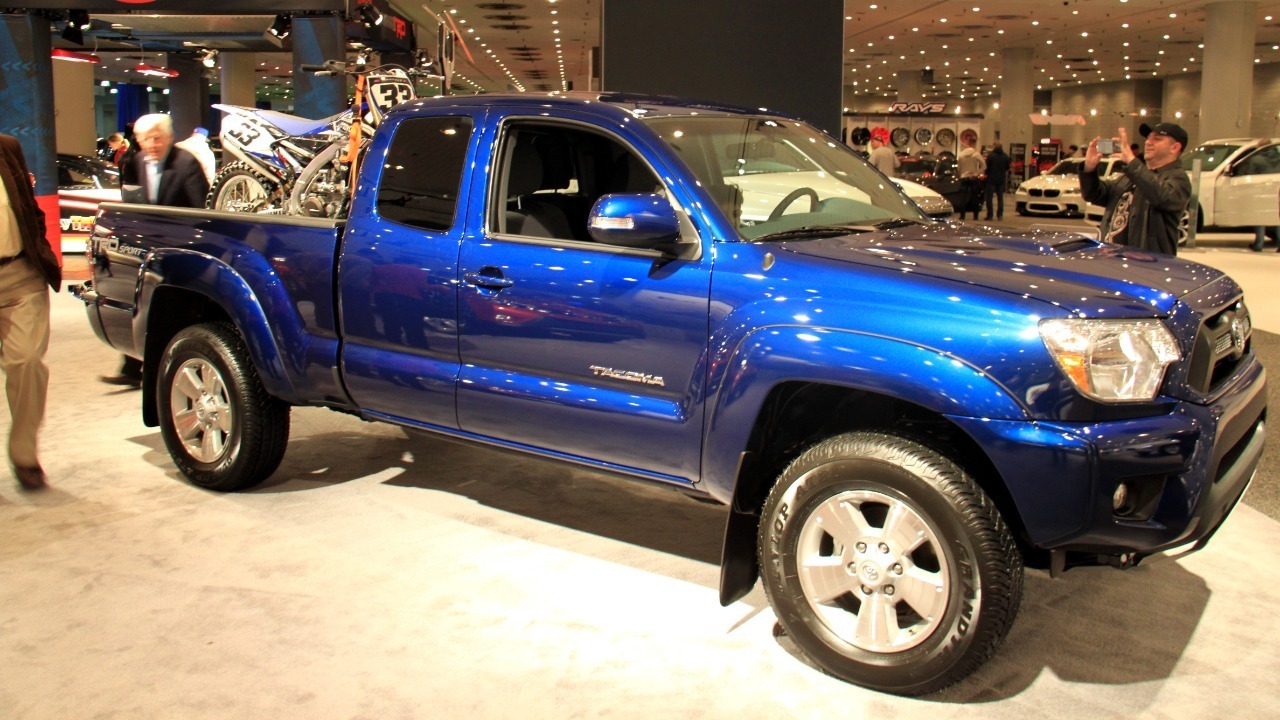
Few trucks inspire the kind of loyalty the midsize Tacoma pickup has built over three decades of production. Its body-on-frame construction, simple mechanicals and Toyota’s long reliability record mean high-mileage examples still sell quickly. Owners who buy one rarely trade it for something else, which keeps supply on dealer lots thin.
That scarcity is the real engine behind its used prices, not any single feature. Shoppers should still inspect frames on older trucks from rust-prone regions, since corrosion repairs can erase the premium a clean example commands.
2. Jeep Wrangler: Desire Beats Refinement
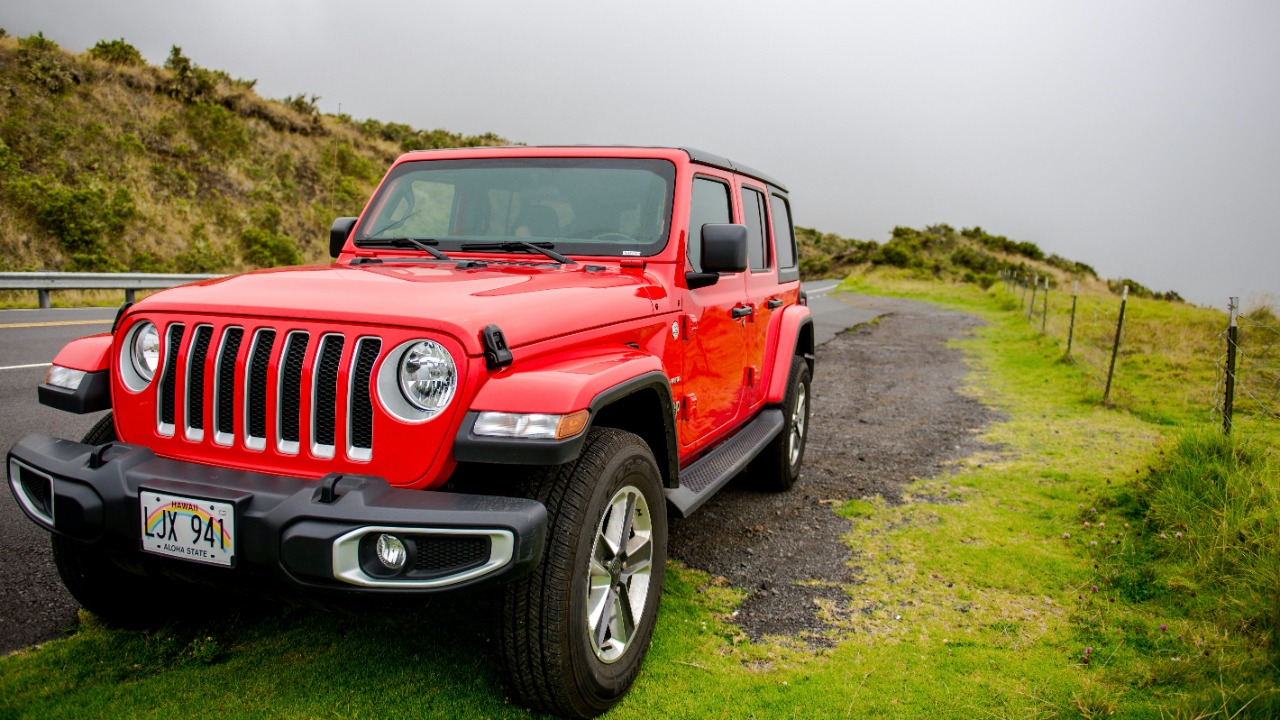
Nothing else on the road looks quite like the boxy Jeep Wrangler, and that unmistakable silhouette does much of the work. Removable doors, a folding windshield and genuine off-road hardware give it a purpose crossovers cannot imitate. Demand runs deepest in regions with trails, snow and beaches, where used examples move fast.
Its value story is about desire rather than refinement. Ride quality, cabin noise and fuel economy all trail rivals, yet those compromises barely dent what buyers will pay for a well-kept used one.
3. Toyota 4Runner: Built Like a Truck
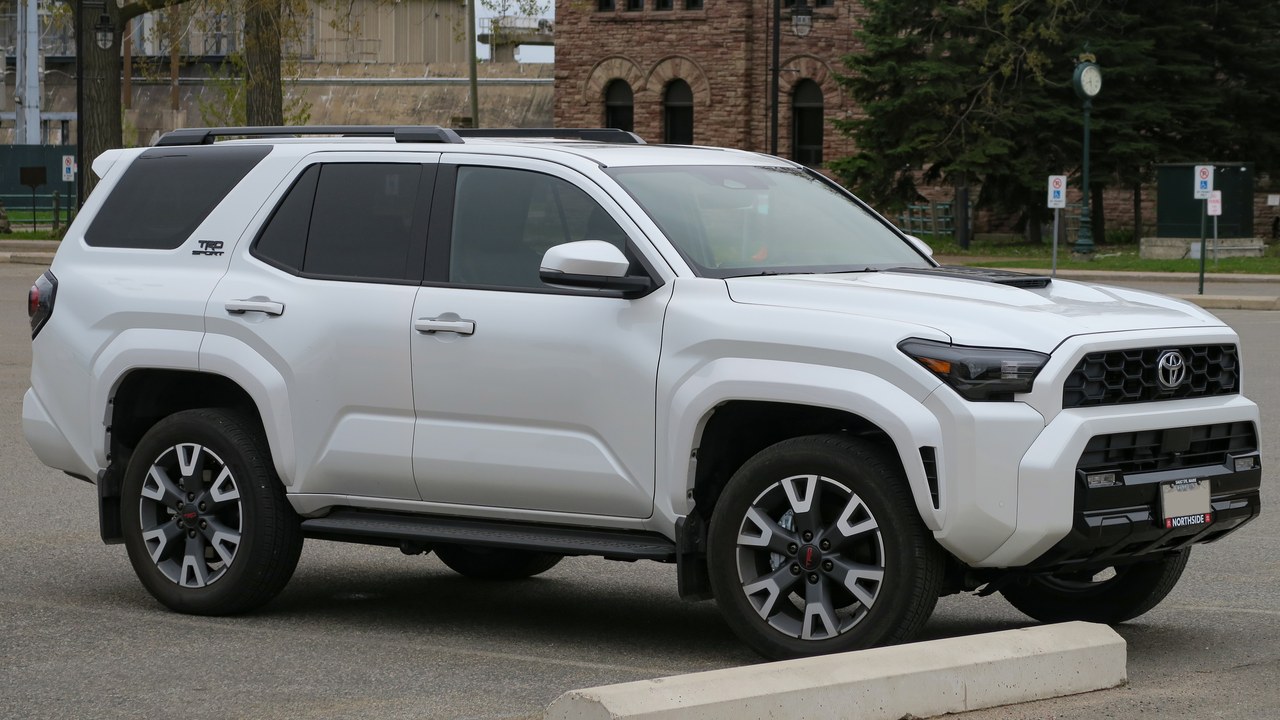
Toyota kept the rugged 4Runner on a truck-based platform long after nearly every competitor moved to car-like unibody designs. That decision, plus generations that ran for a decade with modest changes, produced a vehicle families trust to survive hard use. Ski towns and rural counties treat clean used examples as near-currency.
Slow model cycles help too, because a five-year-old example does not look obviously outdated beside a new one. The tradeoff arrives at the pump, where dated engines and heavy weight show up on every fill.
4. Ford Bronco: Waiting Lists Set the Price
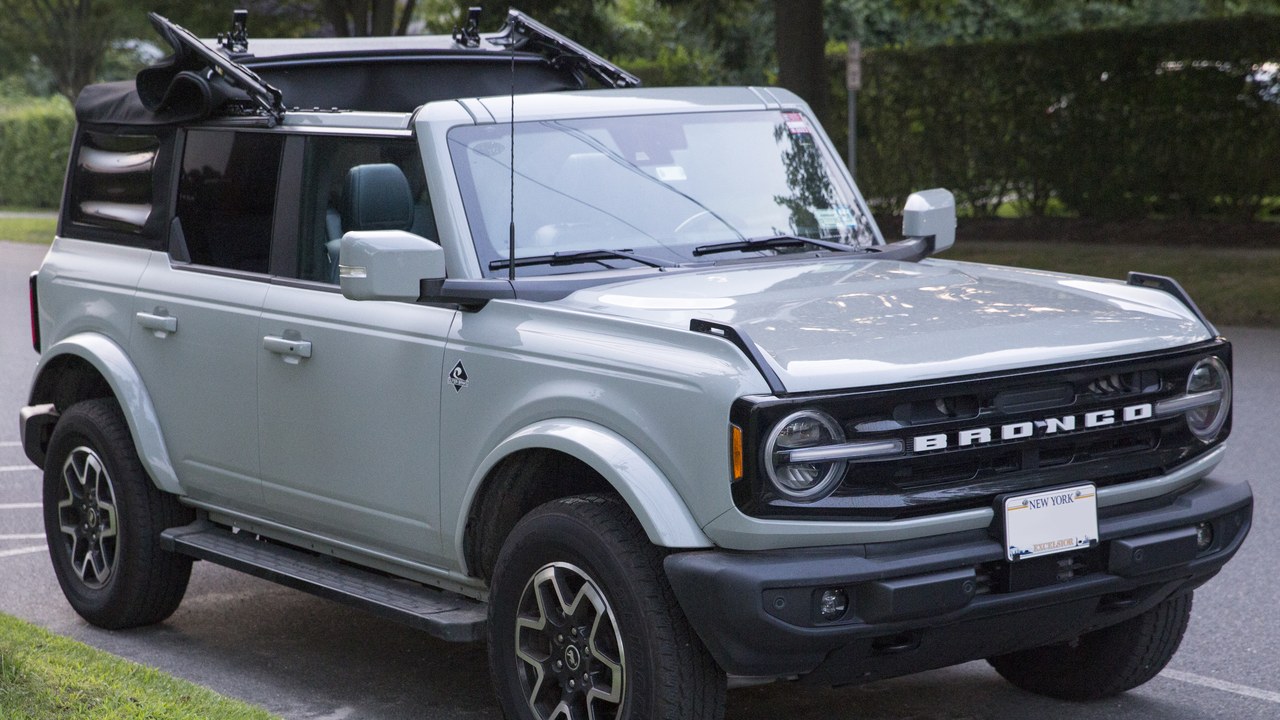
Ford revived the Bronco nameplate in 2021 after a quarter-century absence, and the reception was immediate. Early production ran far behind reservations, so buyers waited months while dealers fielded offers above sticker. That imbalance between want and supply established used values before the truck had aged at all.
Whether the effect lasts depends on how many Ford eventually builds. Enthusiast trims with the removable roof and locking differentials have held attention best, while base configurations behave more like ordinary midsize SUVs.
5. Toyota Tundra: Low Volume, High Demand
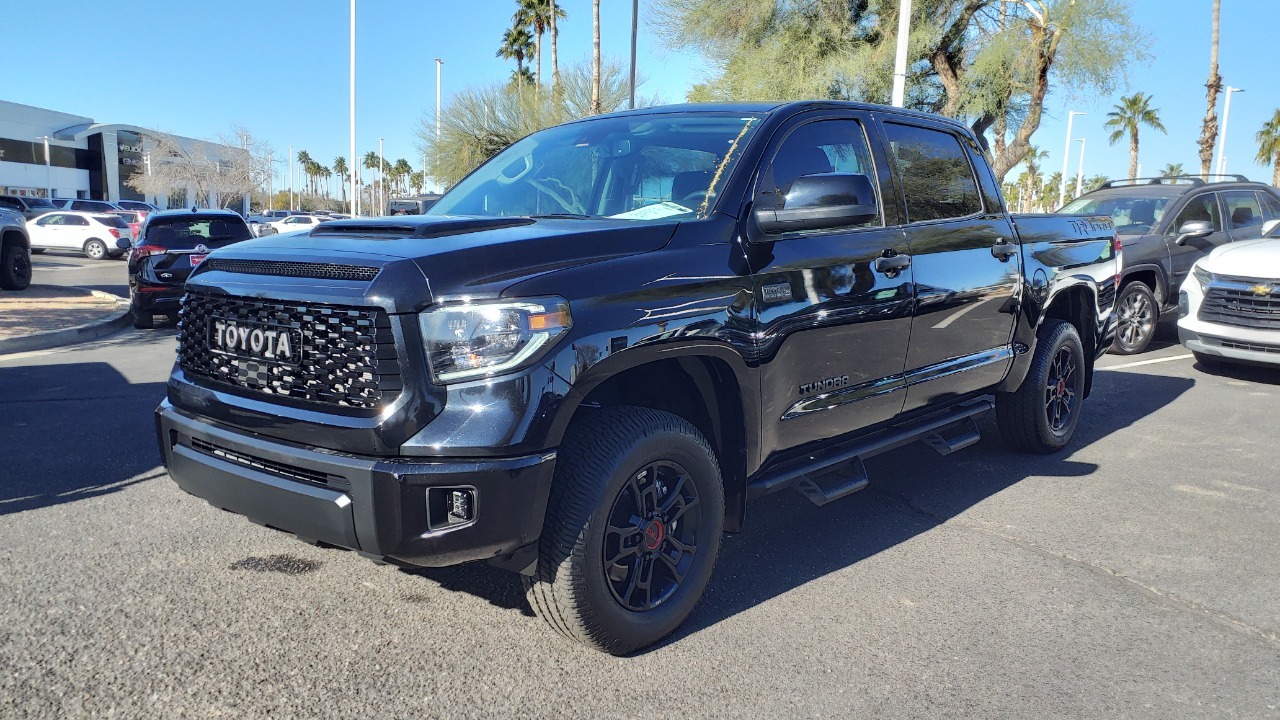
Full-size pickups usually shed money quickly because manufacturers discount them heavily and fleets flood the used market. The Toyota Tundra avoids both traps by selling in smaller numbers to private owners who tend to keep them. Toyota’s reputation for engines that reach very high mileage does the rest.
Lower volume cuts both ways: choice is limited and negotiating room is thin. Anyone cross-shopping domestic rivals will find more trims and better upfront deals, but typically pays for that later at trade-in.
6. Porsche 911: The Sports Car Exception
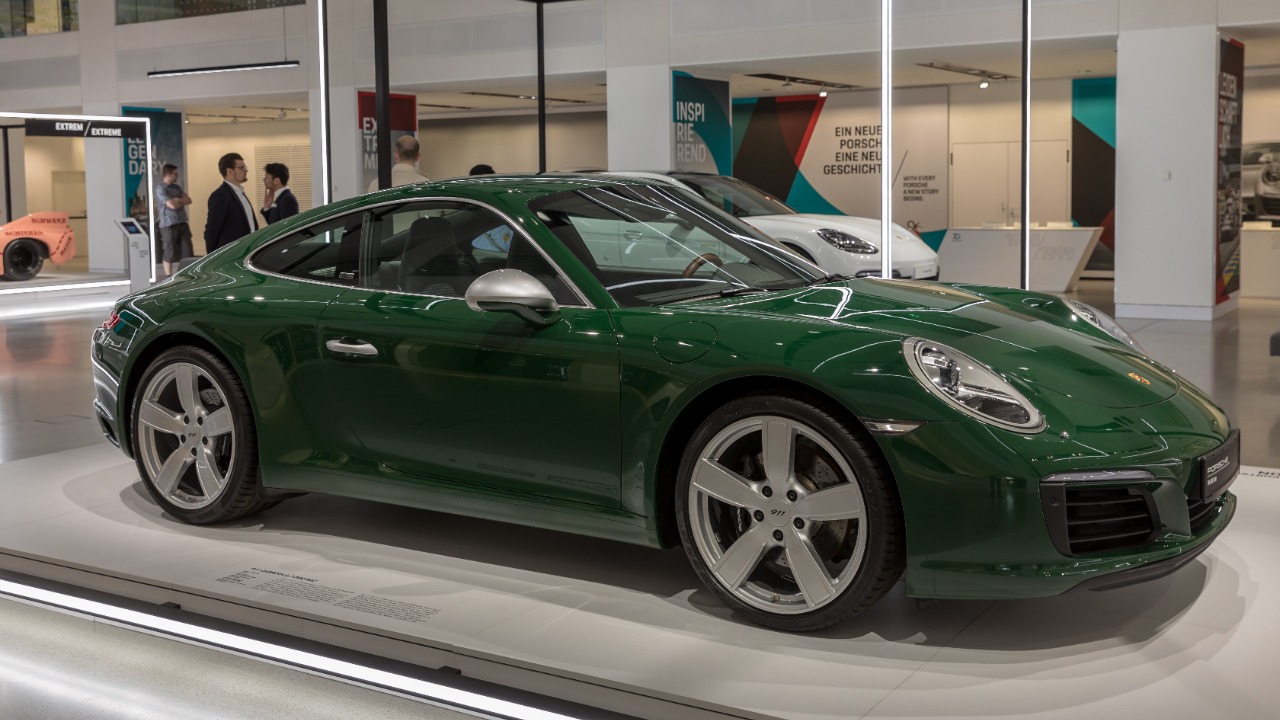
Sports cars are usually depreciation traps, which makes the rear-engined Porsche 911 genuinely unusual. Six decades of continuous development gave it a design lineage buyers recognize instantly, and Porsche has resisted diluting the formula. Careful production limits keep supply tight even as demand widens globally.
Maintenance is the caveat that catches new owners off guard. A major service or a clutch can run into the thousands, and deferred work shows up sharply in what a car eventually fetches.
7. Chevrolet Corvette: Mid-Engine Money
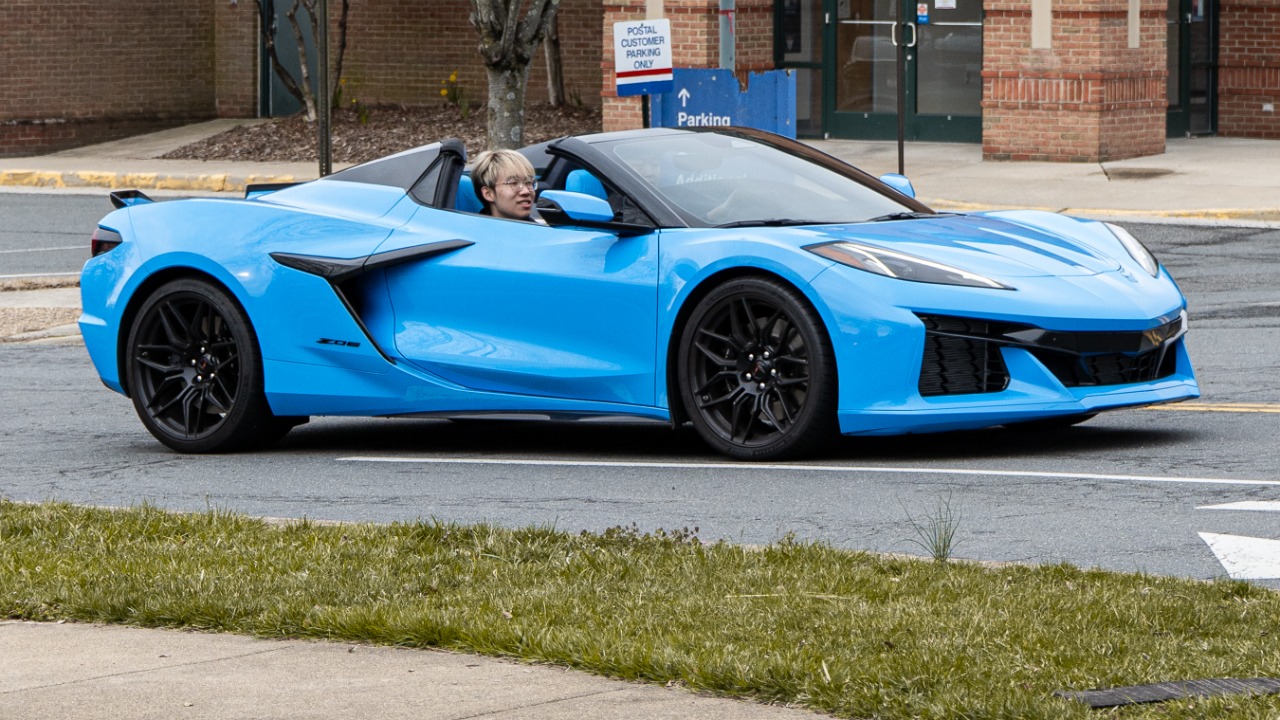
Moving the engine behind the seats transformed how buyers see the eighth-generation Corvette. The 2020 redesign delivered exotic proportions and mid-engine handling at a price undercutting European rivals by a wide margin. Waiting lists formed, and early cars changed hands above their original window stickers.
Chevrolet has since expanded production, which normally cools that kind of heat. Even so, the car remains inexpensive to own relative to the machinery it gets compared against, and that cost gap keeps resale firm.
8. Toyota Land Cruiser: Overbuilt and Hard to Find
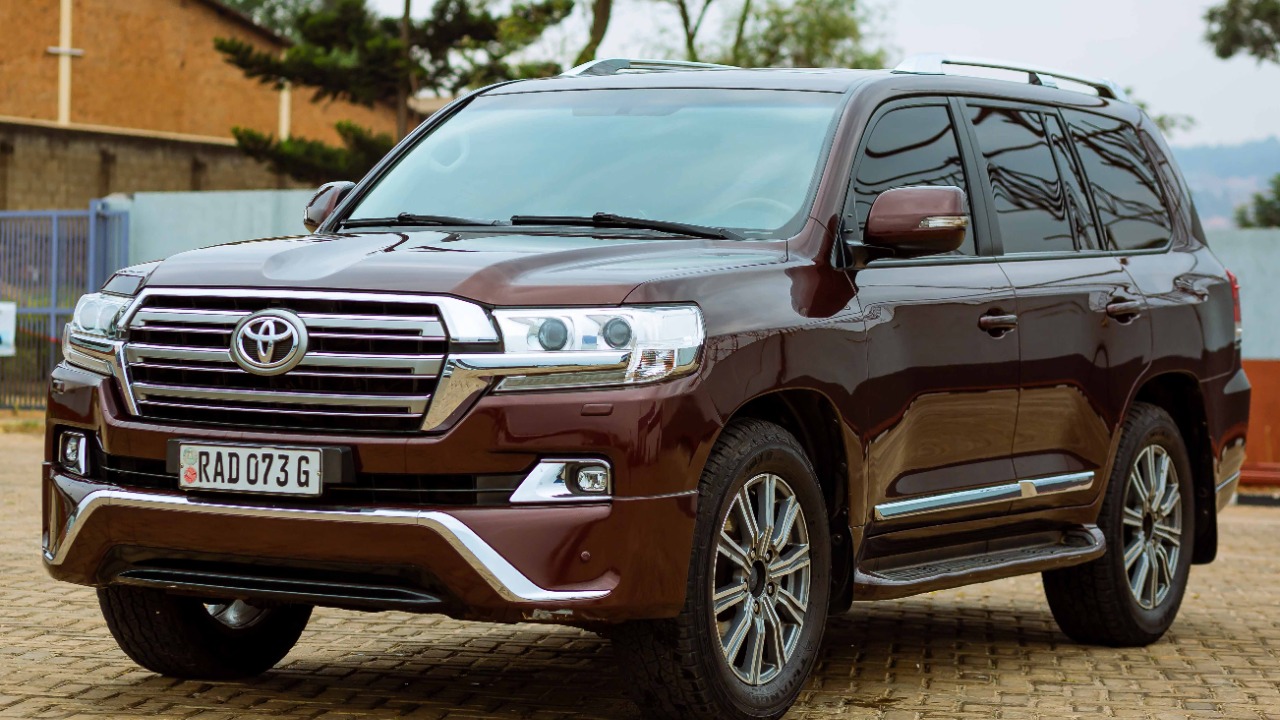
The Toyota Land Cruiser earned its reputation far from American suburbs, serving aid agencies and remote operators who cannot afford a breakdown. Overbuilt axles, straightforward electronics and decades of parts availability let examples run well past 300,000 miles. Toyota withdrew it from the United States after 2021, then returned it in redesigned form.
That absence tightened an already thin used supply. Fuel consumption and sheer size make it impractical for many drivers, but the people who want one are rarely shopping on price.
9. Subaru WRX: Rally Bloodline, Steady Demand
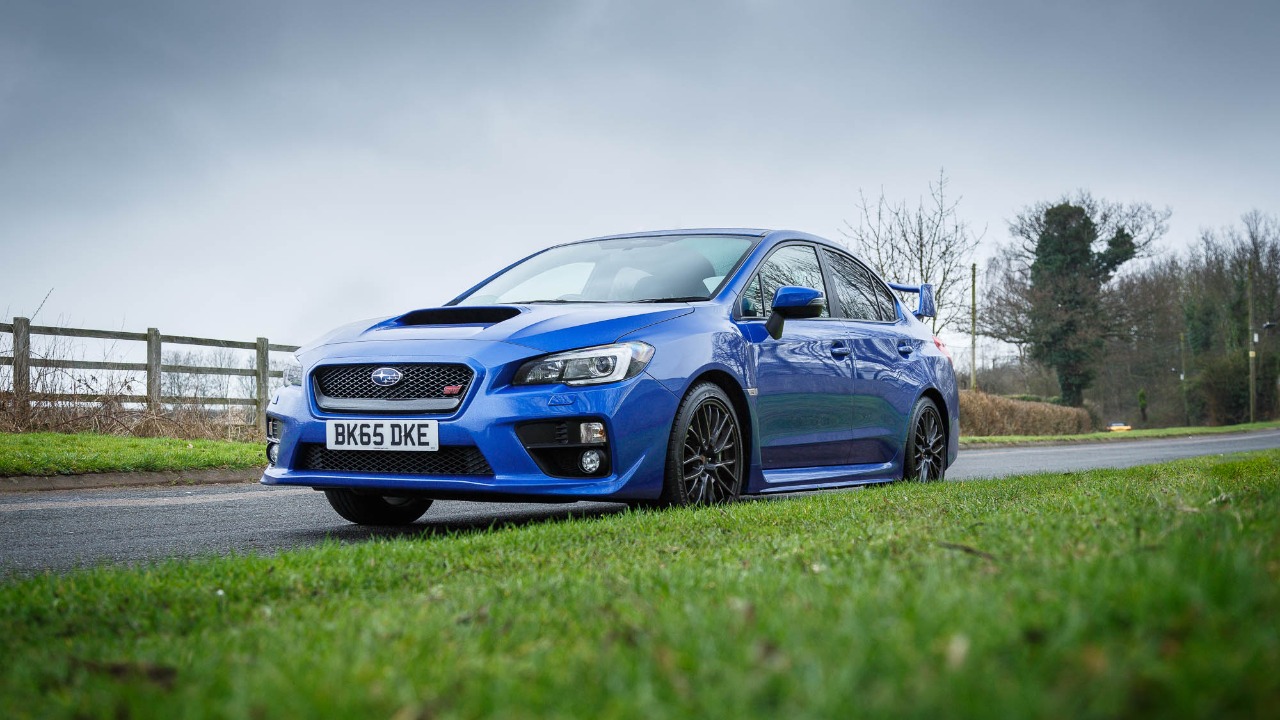
Rally competition gave the turbocharged Subaru WRX a following ordinary sedans never build. Standard all-wheel drive, a boosted engine and a manual transmission still on the options sheet appeal to drivers with few alternatives left. Snowbelt states in particular keep demand steady through winter.
Condition matters more here than on almost any vehicle in this group. Many have been modified or driven hard, so an unmolested, documented example separates itself immediately and commands the strongest money.
10. Honda Civic: The Compact That Defies the Rule
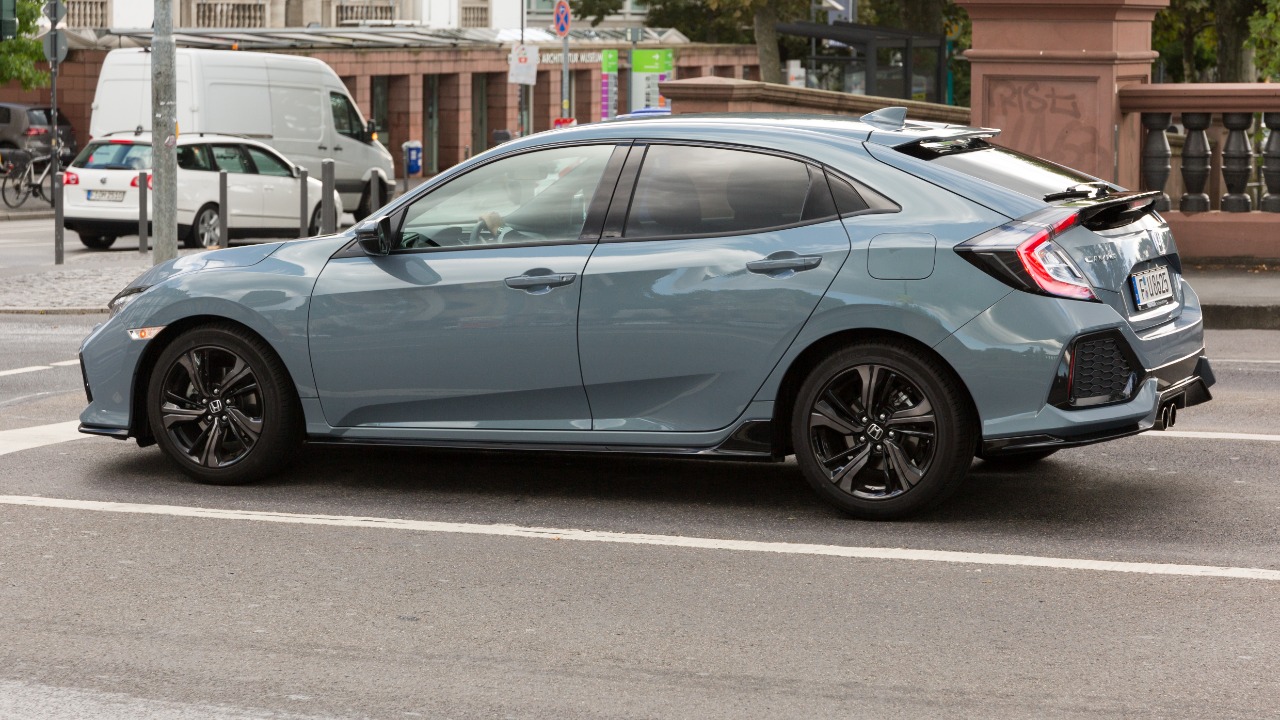
Ordinary economy cars rarely hold value, yet the Honda Civic keeps outperforming its segment. Decades of reliability data, cheap parts and mechanics everywhere make it an easy used purchase for first-time buyers, commuters and students alike. That breadth of demand keeps a floor under prices.
New-car shortages in recent years pushed shoppers toward dependable used compacts and pulled values higher still. Sport-oriented Si and Type R versions sit far above the rest, drawing enthusiasts who accept far fewer choices.
11. Toyota Tacoma TRD Pro: Small Batches, Big Premiums
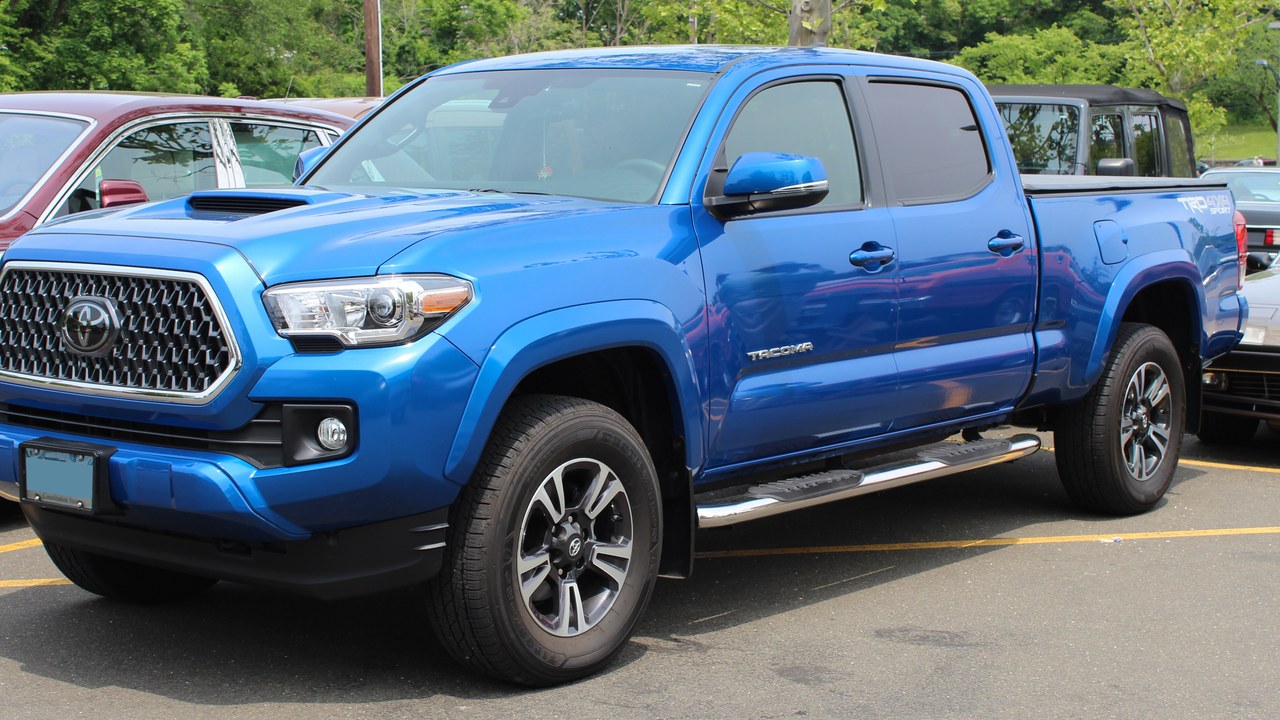
Trim level changes the math considerably. The off-road TRD Pro package adds tuned Fox suspension, skid plates and distinctive styling, and Toyota builds it in deliberately small numbers each year. Anyone hunting for one specifically will not settle for a lesser trim, concentrating demand on a narrow slice of inventory.
Scarcity is doing the heavy lifting rather than the hardware itself. Owners who actually use the truck off-road should expect underbody damage, and that history is worth checking before paying the premium.
More from Morning Overview
- Scientists spotted a rare tusked whale alive at sea for the first time, then fired a crossbow at it.
- A Colorado wildfire forced level-three ‘leave now’ orders across Ouray County
- A skeleton beneath Petra’s Treasury was found clutching a chalice that resembles the Holy Grail
- 8 SUVs mechanics are quietly steering buyers away from in 2026
