
A handful of jetliner types have flown for decades without a single fatal crash, while others just barely missed one. One of the biggest names on this list, the Boeing 787 Dreamliner, lost its own clean streak in 2025 after more than a decade in service. Here are eight jetliners whose crash records tell the story of modern aviation safety.
1. Airbus A380: No Fatal Crash Yet
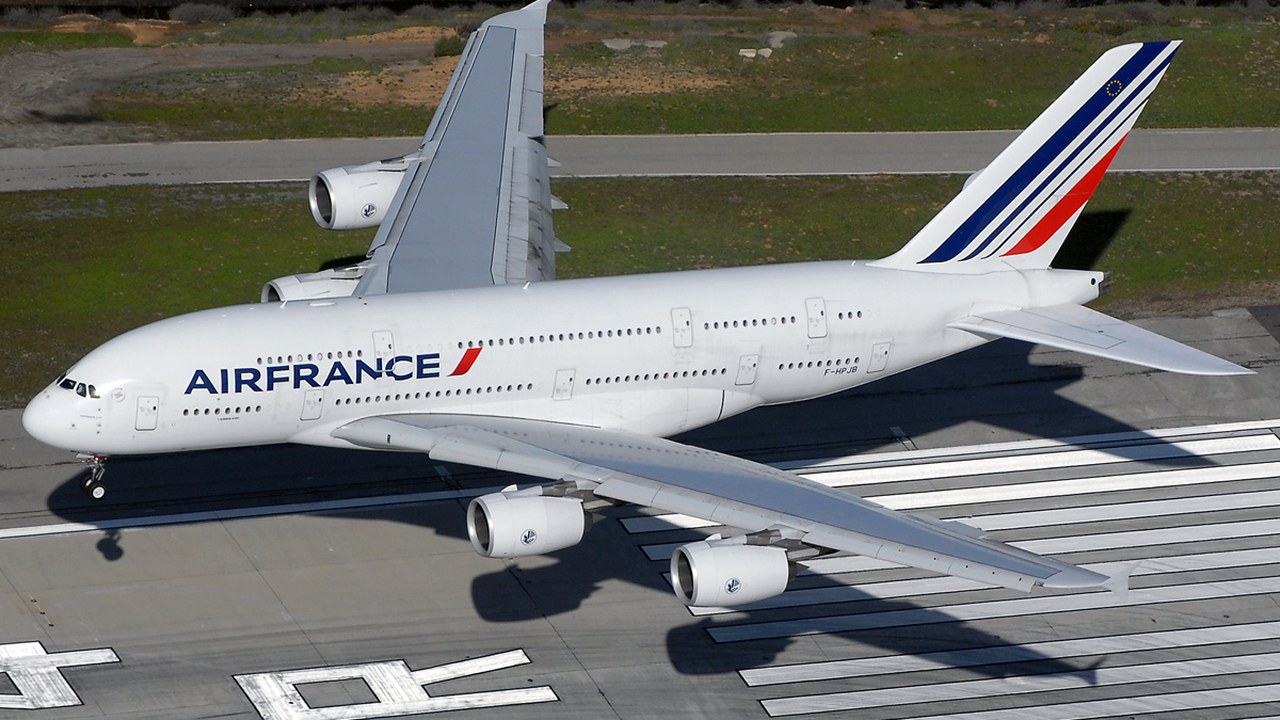
The Airbus A380, the largest passenger airliner ever built, has never been involved in a fatal accident since Emirates and other carriers began flying the double-decker jet, a distinction confirmed by a review of airliner accident histories.
That clean sheet comes with an asterisk, though, since the four-engine jumbo remains in active service around the world and its safety record technically isn’t finished the way a retired fleet’s would be. Airlines still flying the A380 on long-haul routes are, in effect, betting on a streak that could theoretically end with the very next flight, even if the odds of that happening on any single trip remain vanishingly small.
2. Airbus A340: Destroyed But Survived
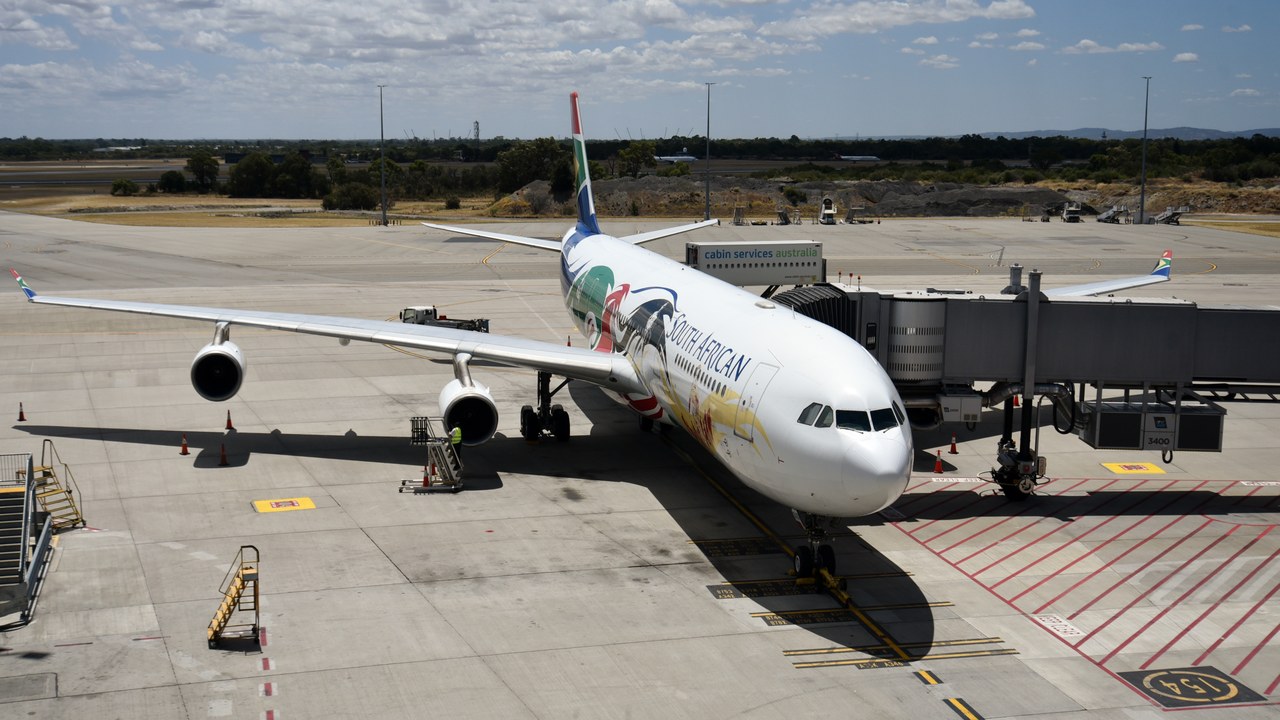
Several examples of the four-engine Airbus A340 have been written off entirely, most notably Air France Flight 358, which caught fire and was destroyed after running off a Toronto runway in 2005, yet the type has never lost a passenger in any of those accidents, per a survey of aircraft safety records.
All 309 people aboard that Air France jet walked away, and the same holds true across every other A340 hull loss on record, a run of survivable disasters that has kept the long-serving widebody off the list of jetliners with a fatal crash to its name even as newer, more fuel-efficient rivals pushed it toward retirement.
3. Boeing 717: A Perfect Small Fleet
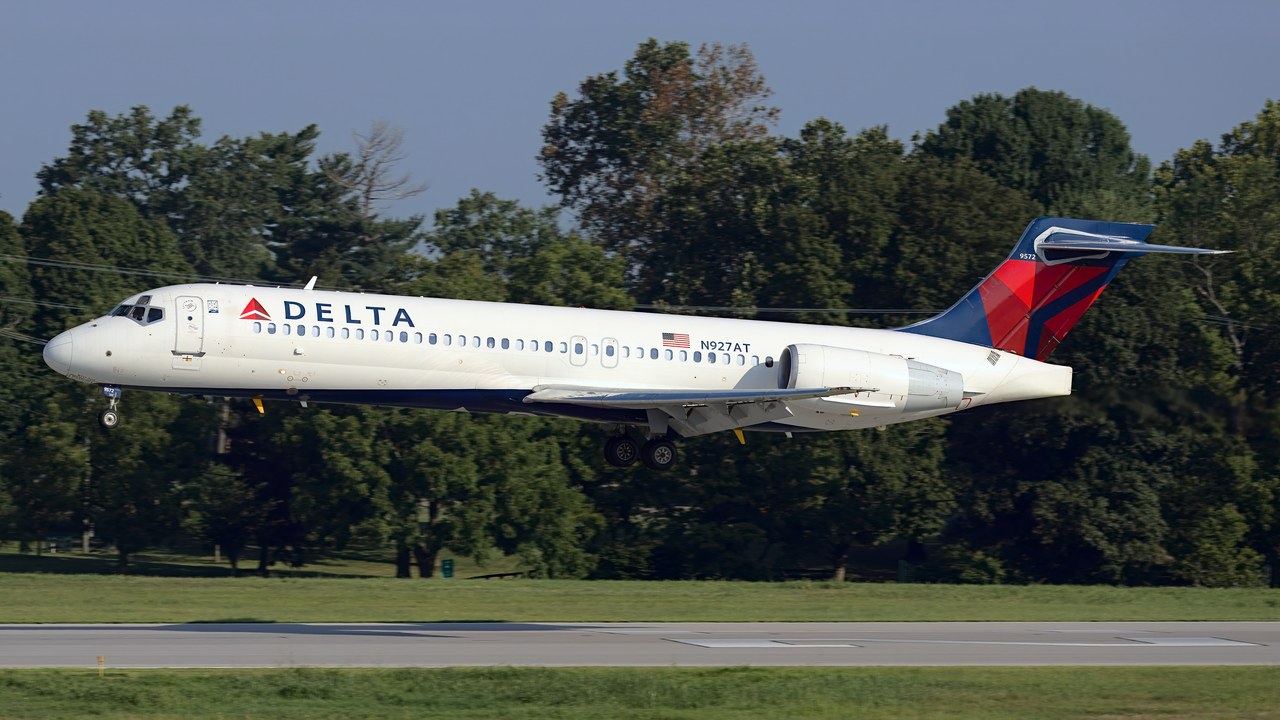
As the last descendant of the McDonnell Douglas MD-95 twinjet line, the Boeing 717 has no fatal crash recorded anywhere in its service history, according to the same aircraft accident review that tracks other jetliners on this list.
The comparison isn’t entirely apples to apples, though, since the 717 was built in far smaller numbers than best-selling jets like the 737 or A320, and a smaller fleet flying fewer total hours naturally has fewer opportunities to end up in a fatal accident, a caveat worth keeping in mind before crowning any type the safest in the sky.
4. Boeing 747-8: The Jumbo’s Clean Record
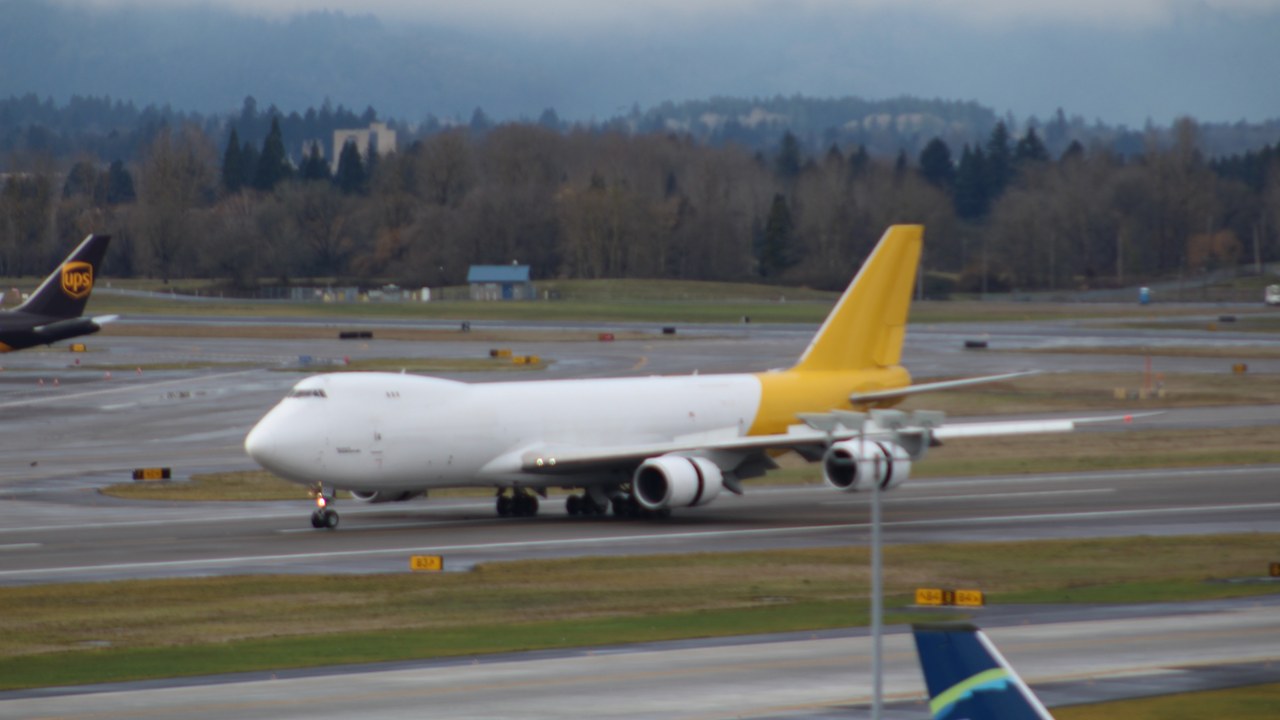
Boeing’s own long-running safety ledger shows zero fatal hull losses for the 747-8, the newest and final version of the Jumbo Jet, placing it among the airplane types that the company’s 1959-2025 safety summary credits with zero fatal accidents.
That distinction matters for a variant that carries both passengers and, in its freighter form, some of the heaviest air cargo in the world, and it stands in contrast to earlier 747 generations that did suffer fatal accidents over their much longer service histories, a reminder that a clean record often reflects a shorter, more recent time in the air as much as anything else.
5. Airbus A330neo: Zero Fatal Accidents
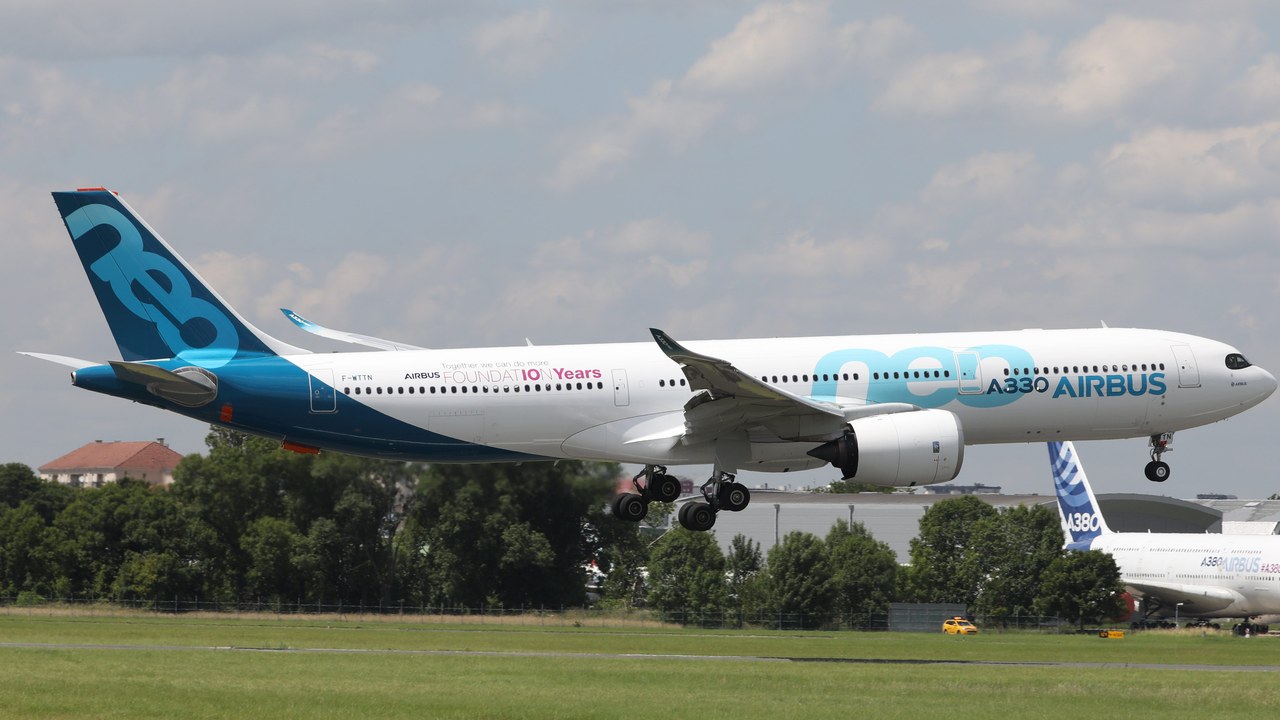
Airbus’s re-engined A330neo also shows up with zero fatal hull losses in Boeing’s safety summary, an unusual instance of one manufacturer’s own accident report vouching for a rival’s aircraft.
The A330neo is a newer, more fuel-efficient version of an already widely flown widebody family, and its appearance on a zero-fatal list says as much about how recently the jet entered service as it does about any inherent design advantage, since fewer years in the air generally mean fewer chances for something to go wrong. Airlines ordering the type are betting that its extended range and lower fuel burn will keep paying off long after its safety record has had more time to be tested.
6. Airbus A350: One Runway Collision
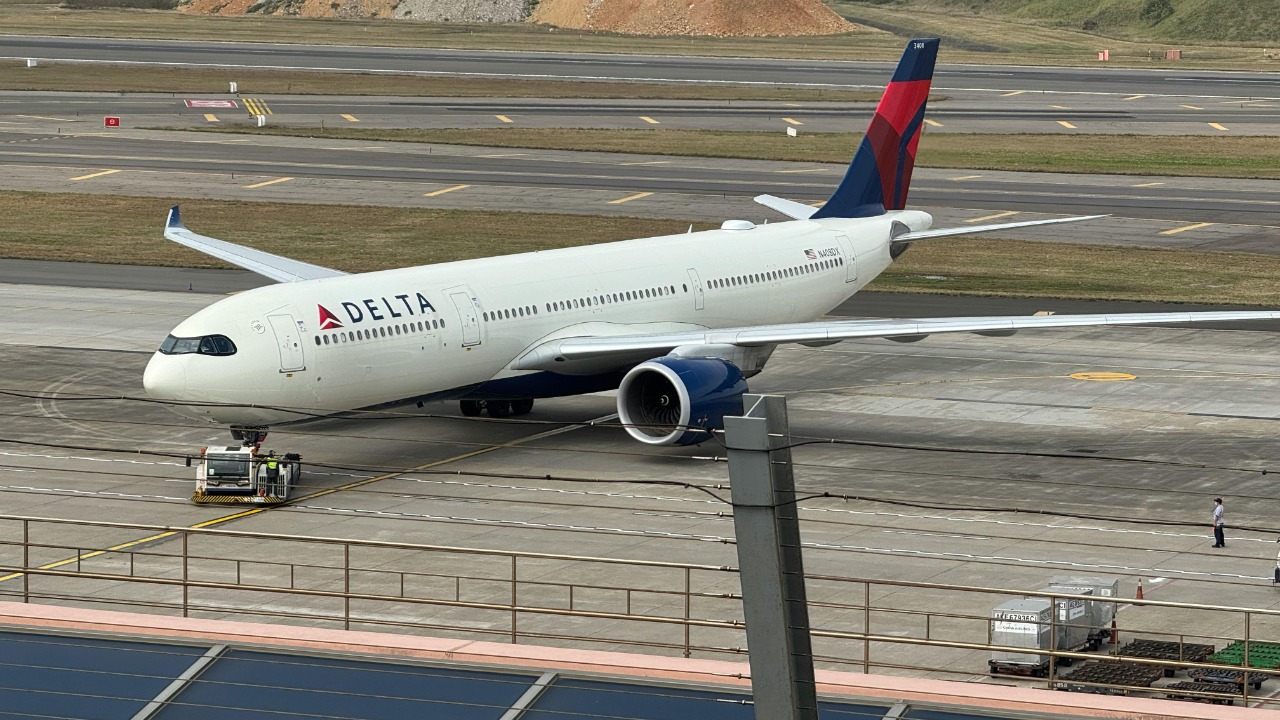
Only one Airbus A350 has ever been lost, when a Japan Airlines example collided with a Japan Coast Guard aircraft on a Tokyo runway in January 2024, an accident detailed in the Haneda collision report.
All 379 people aboard the A350 evacuated the burning jet safely, even as five of the six crew members on the smaller Coast Guard plane it struck were killed, a split outcome that let Airbus’s newest widebody keep its record free of passenger deaths despite losing an entire airframe. Getting every one of its own occupants out alive is precisely why the A350 still counts among jetliners without a passenger fatality to its name.
7. Airbus A220: One Crew Fatality
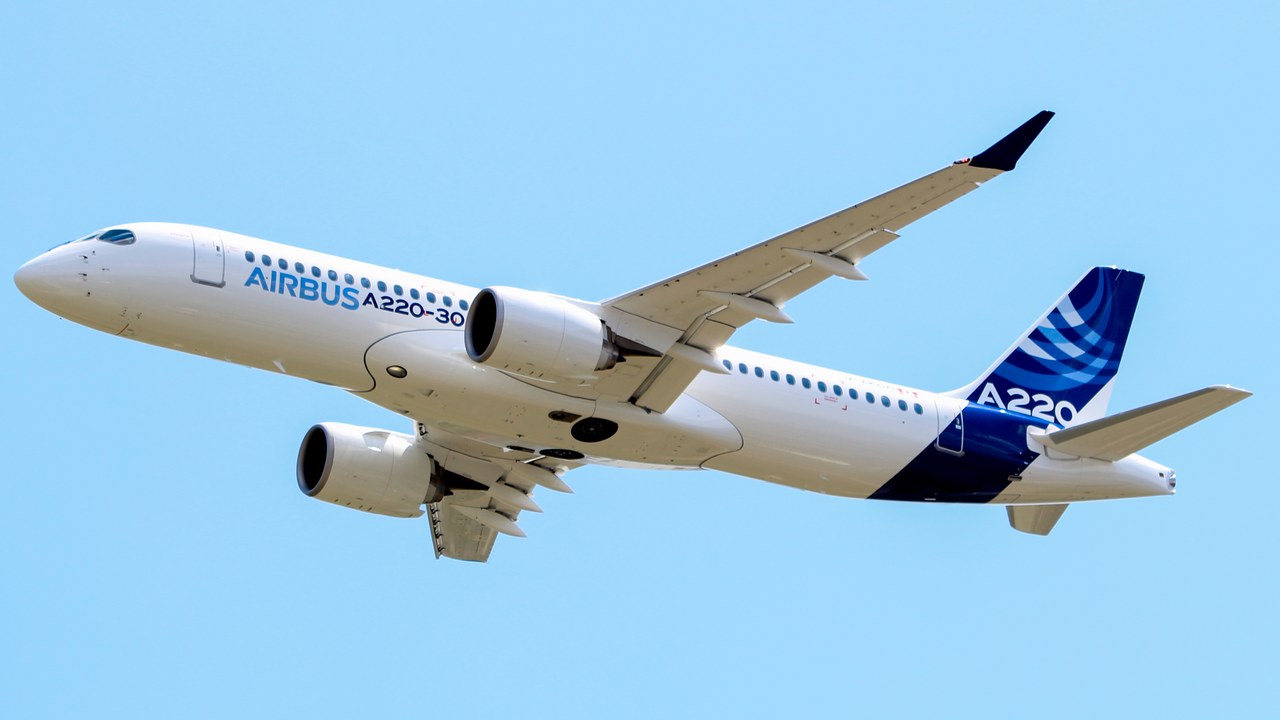
No Airbus A220 has ever crashed, but the type’s clean-crash claim carries its own asterisk after a Swiss International Air Lines A220 suffered an engine failure that filled the cabin with smoke, an incident documented in the Swiss Flight 1885 report.
One crew member died a week after that December 2024 event, a single fatality that stops well short of a crash but still complicates any claim that the A220 has flown a perfectly injury-free career, a distinction worth noting for a jet still building out its long-term service history.
8. Boeing 787 Dreamliner: The Record That Broke
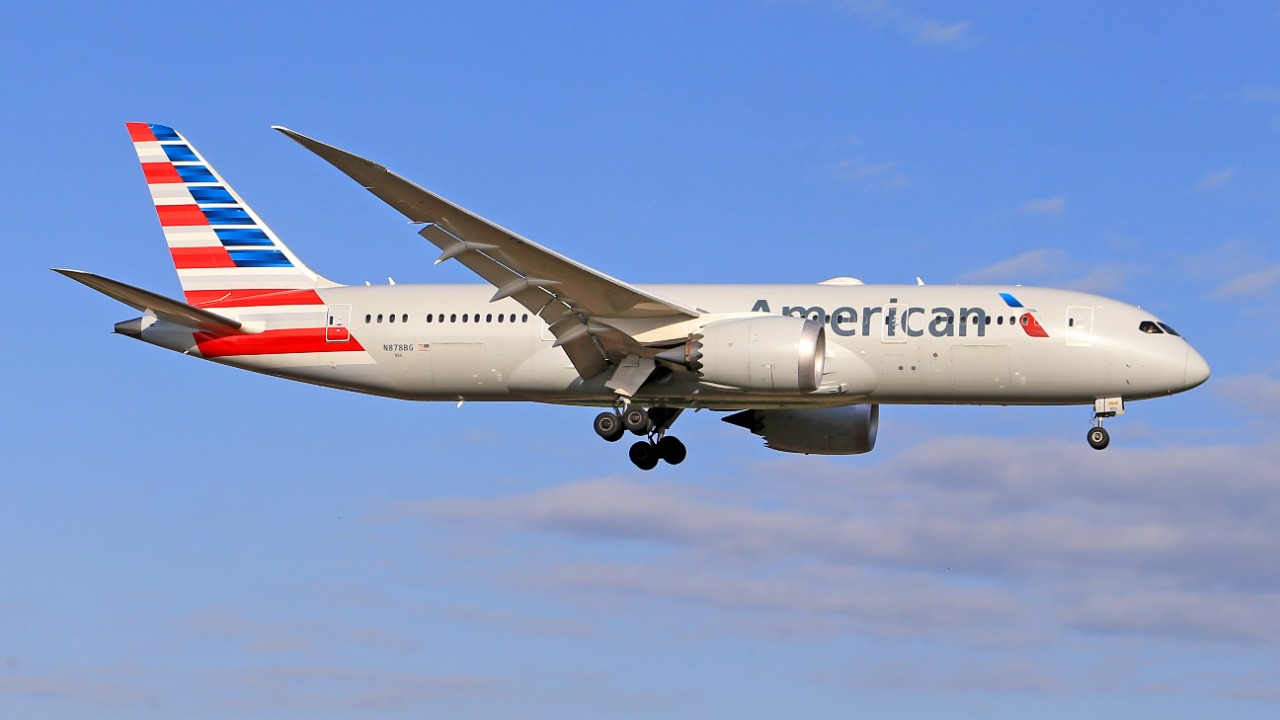
The Boeing 787 Dreamliner’s long clean streak ended in June 2025, when Air India Flight 171 crashed shortly after takeoff and killed 260 people, the first fatal accident and hull loss for the type since it entered service in 2011, according to the Air India Flight 171 record.
The Dreamliner had flown for more than a decade without a single passenger death, a run that made it one of the marquee names on any list of clean-record jetliners, and its removal from that club after one catastrophic accident shows how quickly even the longest safety streaks can end.
More from Morning Overview
- Early electric-car owners are hitting battery and screen failures no one warned them about
- A magnitude 5.3 quake struck off the Oregon coast this week
- Amazon’s Prime refunds are rising to $200 as millions more customers become eligible
- A handful of car engines are so tough mechanics say they almost never wear out
