
Pickup trucks get the towing reputation, but a handful of large SUVs are built on the very same ladder frames and share the same V8 engines and trailer hardware. That construction lets them pull a boat or camper while still carrying passengers and gear in car-like comfort. Here are eight SUVs that pull serious weight when properly equipped.
1. Ford Expedition: The Pickup’s Big Sibling
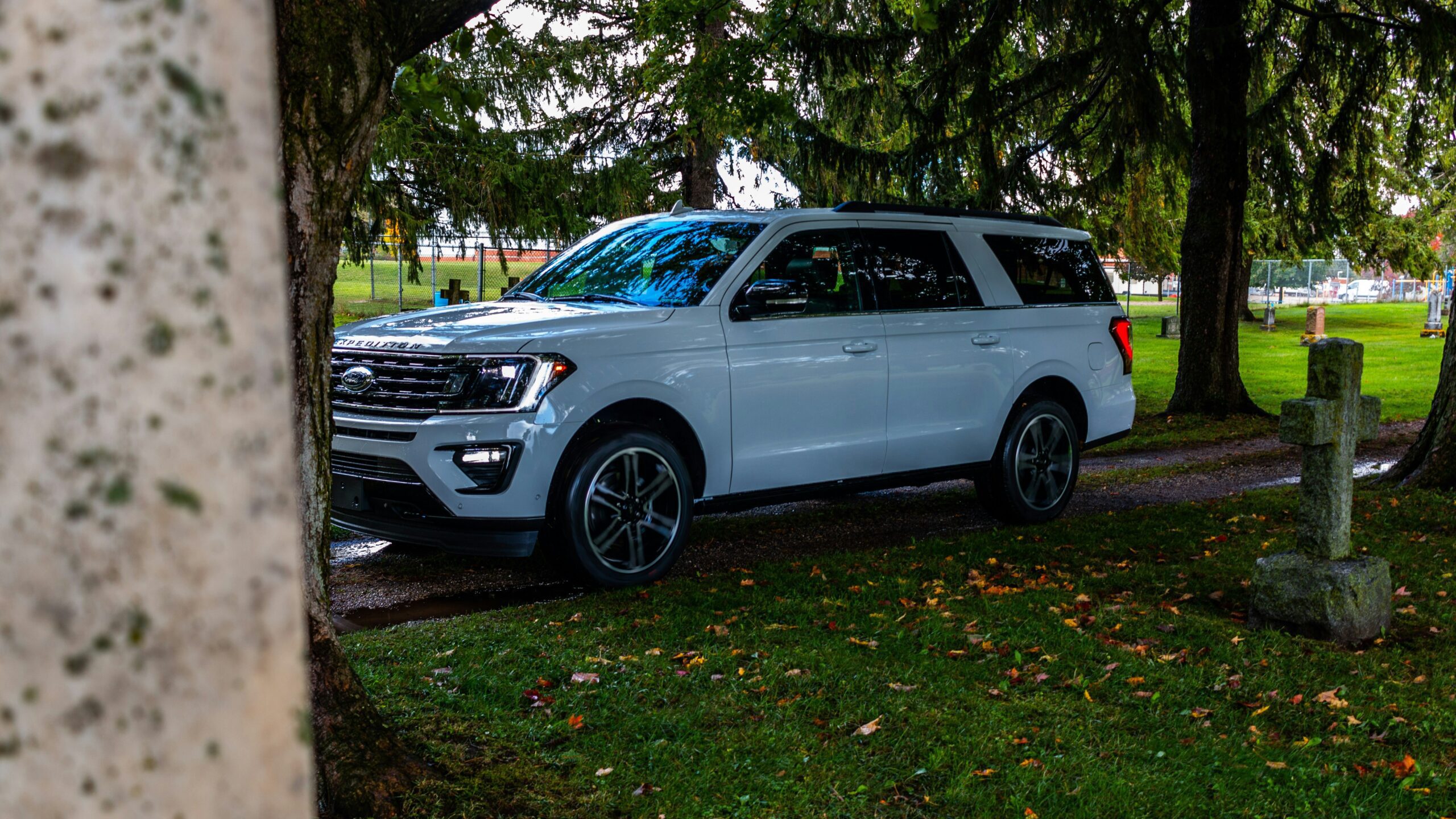
Ford builds the Expedition on the same body-on-frame architecture that underpins its full-size pickup line, and that shared engineering is the whole story. A boxed steel frame, a rear suspension tuned for load, and a twin-turbocharged EcoBoost V6 give it the structural stiffness and low-end torque a heavy trailer demands. Ford also offers a factory trailer-tow package with an integrated brake controller and a frame-mounted hitch receiver.
Numbers vary widely by model year, engine, axle ratio and trim, so an Expedition’s maximum rating only applies when it is properly equipped from the factory. Buyers who plan to tow should confirm the specific configuration on the door-jamb sticker rather than trusting a brochure headline.
2. Chevrolet Tahoe: Silverado Bones, Family Body
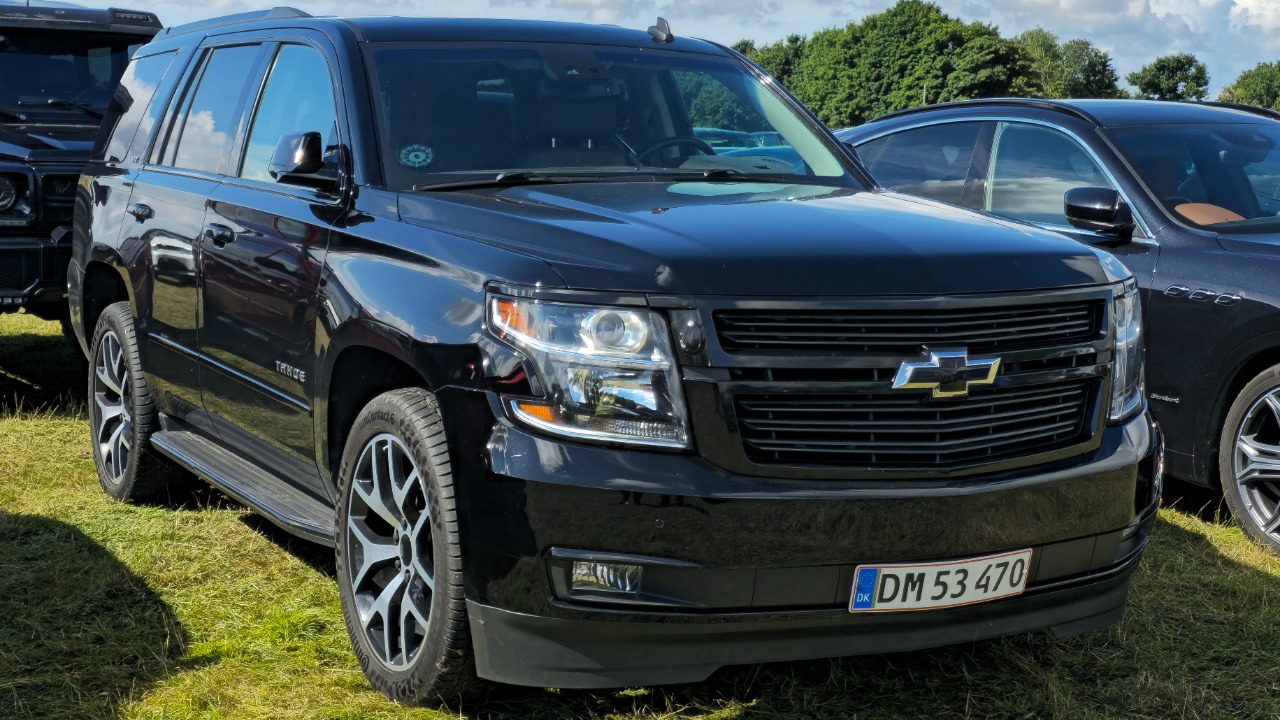
Strip the third row out of a Tahoe and what remains is close to a shortened Silverado: the same ladder frame, the same small-block V8 family, and a rear-drive layout. General Motors has sold the nameplate as a truck-based full-size SUV for decades, and the trailering hardware reflects it, from a frame-mounted receiver to transmission cooling and wiring for electric trailer brakes.
The trade-off is the one every body-on-frame SUV makes: a stiffer ride, a wider turning circle and fuel economy that suffers even without a trailer attached. Capability also depends on drivetrain choice, since the diesel inline-six and the V8 behave differently, so the rating for one Tahoe rarely transfers to the next one on the lot.
3. GMC Yukon: The Tahoe In A Tuxedo
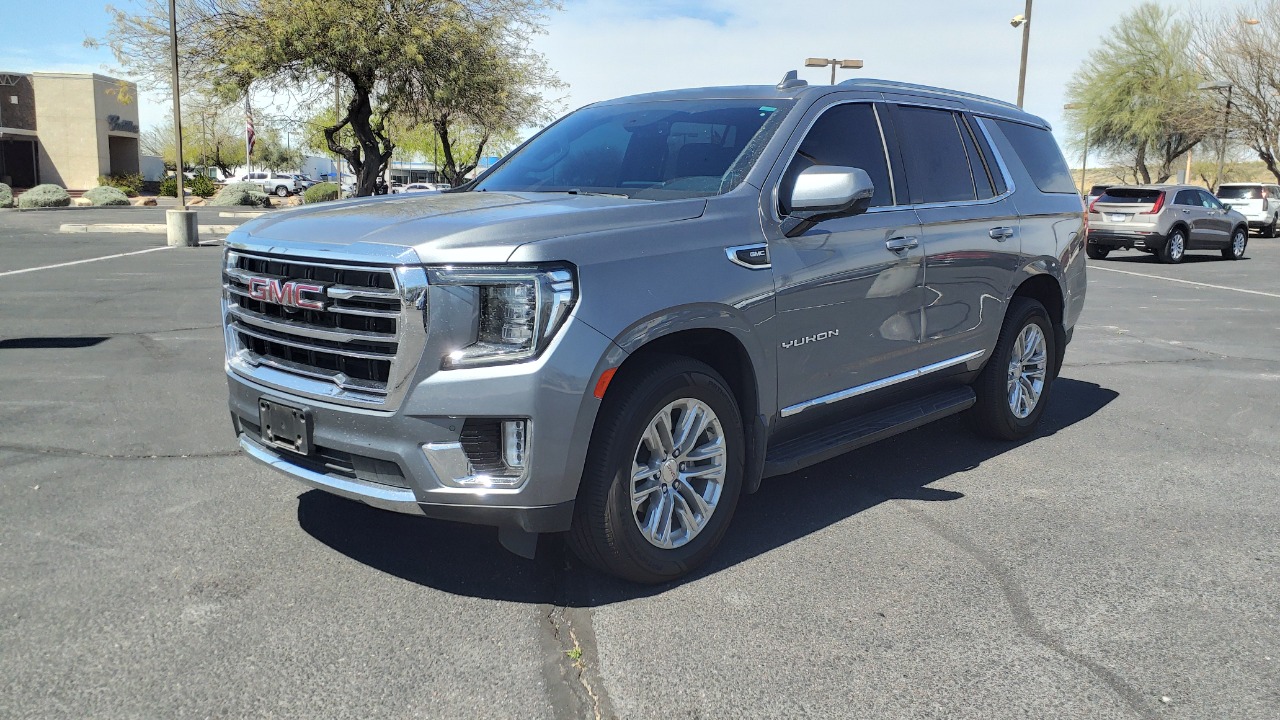
Mechanically the Yukon is the Tahoe’s twin, sharing GM’s full-size truck platform, engine lineup and frame, with the differences concentrated in grille work, interior materials and suspension tuning. That makes the towing case identical: body-on-frame construction, a V8 with real low-end torque, and factory wiring and cooling for a heavy trailer. The extended Yukon XL stretches the wheelbase, which helps a trailer track straight.
Shoppers weighing the two should ignore the badge and read the build sheet, because axle ratio, engine and two- versus four-wheel drive move the maximum figure far more than the nameplate does. A Yukon optioned for luxury rather than work can tow noticeably less than a plainer Tahoe sitting beside it.
4. Toyota Sequoia: Tundra Underneath
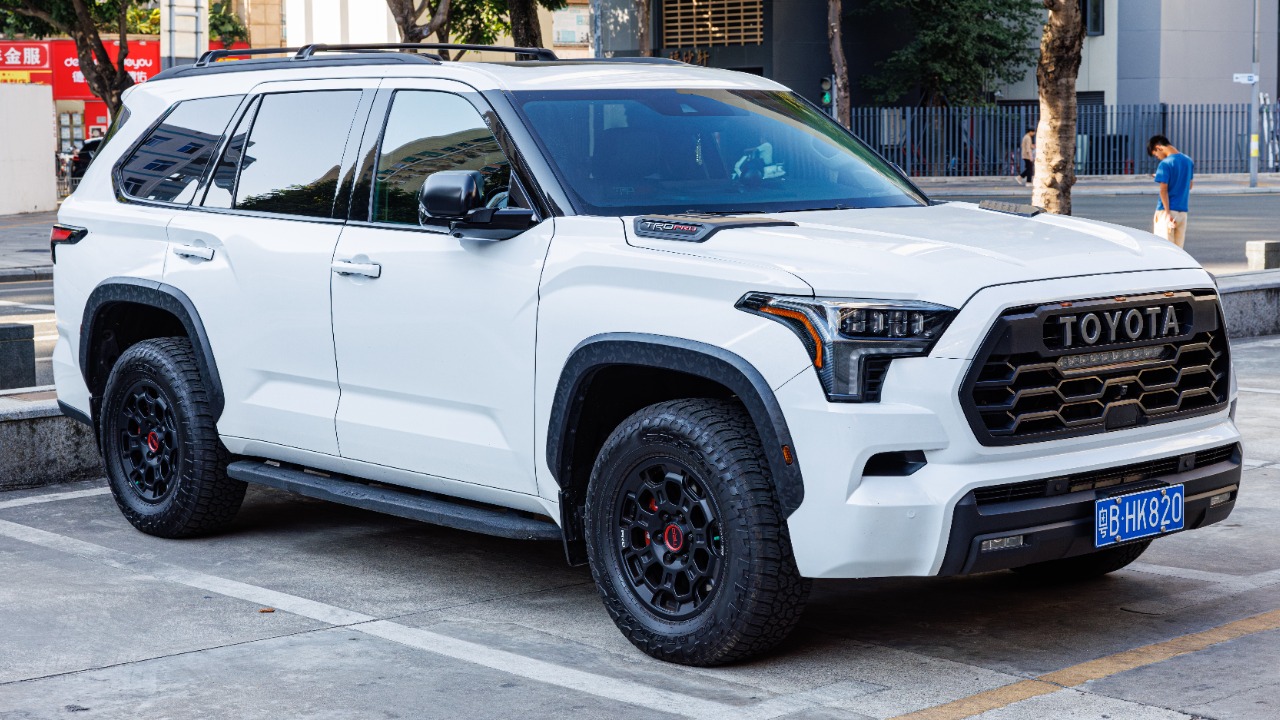
Toyota’s largest SUV borrows its bones from the Tundra pickup, sharing the body-on-frame platform, the twin-turbocharged V6 hybrid powertrain and the heavy-duty rear axle hardware. The full-size Sequoia has been built that way since its first generation, which shared its underpinnings with the original Tundra. Torque arrives early in the rev range, which is what actually matters when a loaded trailer sits behind the bumper.
The hybrid setup is the wrinkle: it delivers strong torque but adds weight, and any maximum figure depends on drive layout, axle ratio and whether the factory tow package is fitted. Suspension and drivetrain design also changed sharply between generations, so an early Sequoia and a current one behave differently behind the same trailer.
5. Jeep Grand Cherokee: Small Footprint, Big Hitch
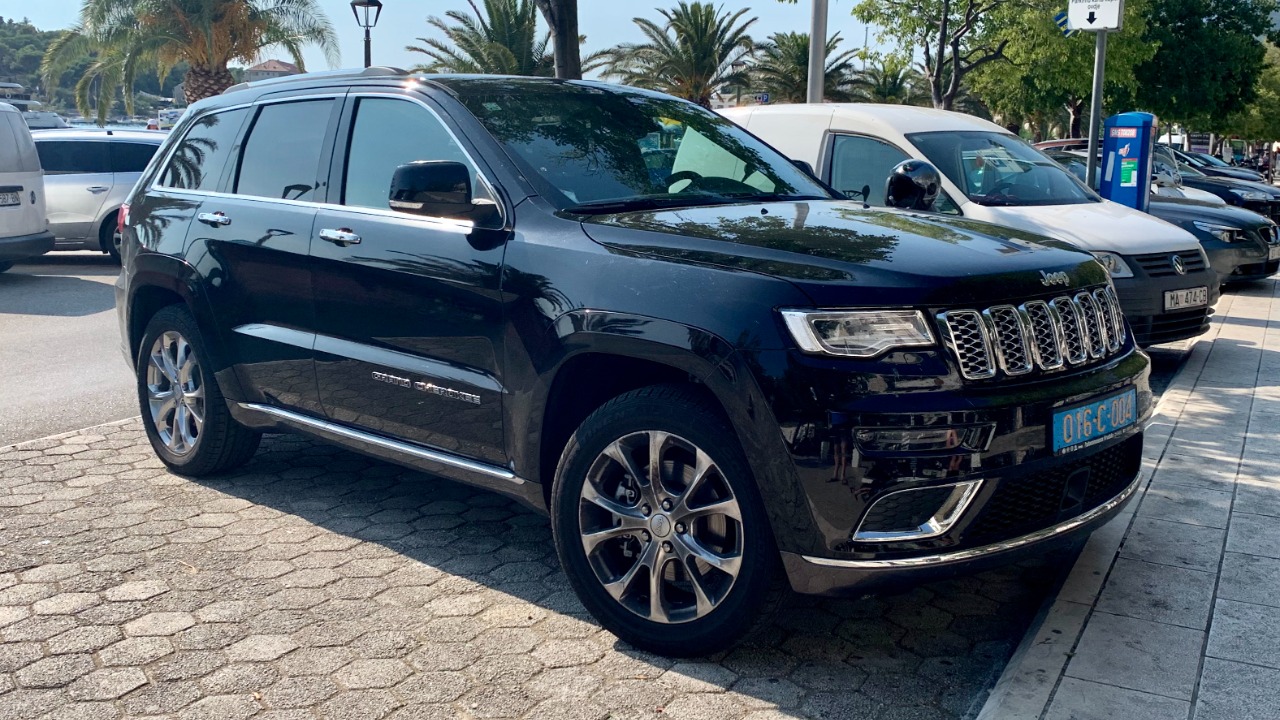
The Grand Cherokee is the outlier here, a unibody midsize SUV rather than a truck-framed giant, yet it has long been engineered with a trailer in mind. Jeep’s long-running SUV line has offered V8 and V6 engines, low-range four-wheel-drive systems and a factory tow group that adds a heavier radiator, a transmission cooler and load-leveling rear suspension on some trims.
That combination lets a properly equipped Grand Cherokee pull loads normally associated with a much larger vehicle, though its ceiling sits below the body-on-frame entries on this list. Engine choice does most of the work, since the V6 and V8 versions are rated very differently, and the two-row and three-row bodies differ again.
6. Dodge Durango: Midsize Badge, Muscle Heart
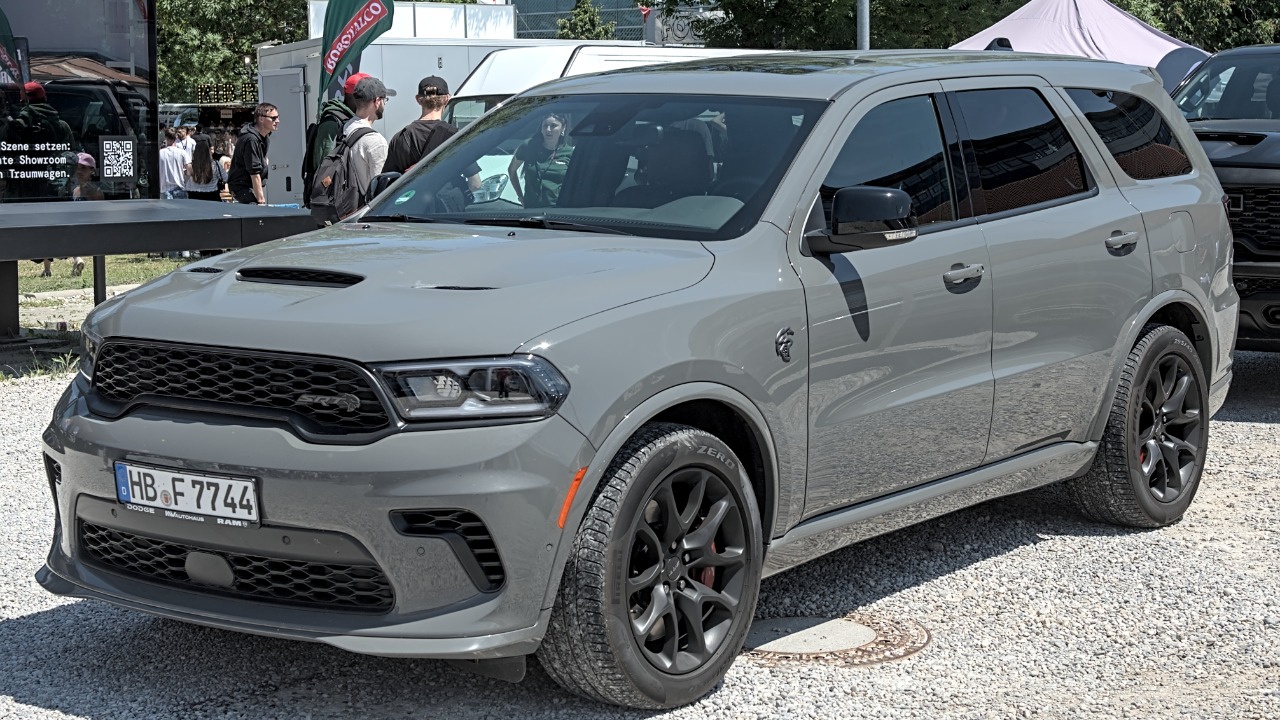
Dodge kept a V8 in the Durango long after most rivals dropped one, and that decision is why a midsize three-row keeps turning up on towing lists. The current third-generation Durango shares its unibody architecture with the Grand Cherokee but offers Hemi V8 power, an available load-leveling rear suspension and a factory tow package with additional cooling capacity.
The catch is that the headline capability belongs to the V8 cars, since a V6 Durango is rated substantially lower and axle ratio moves the number again. Anyone shopping used should also note that the first two generations were body-on-frame trucks with entirely different underpinnings and entirely different ratings.
7. Nissan Armada: Patrol Muscle In America
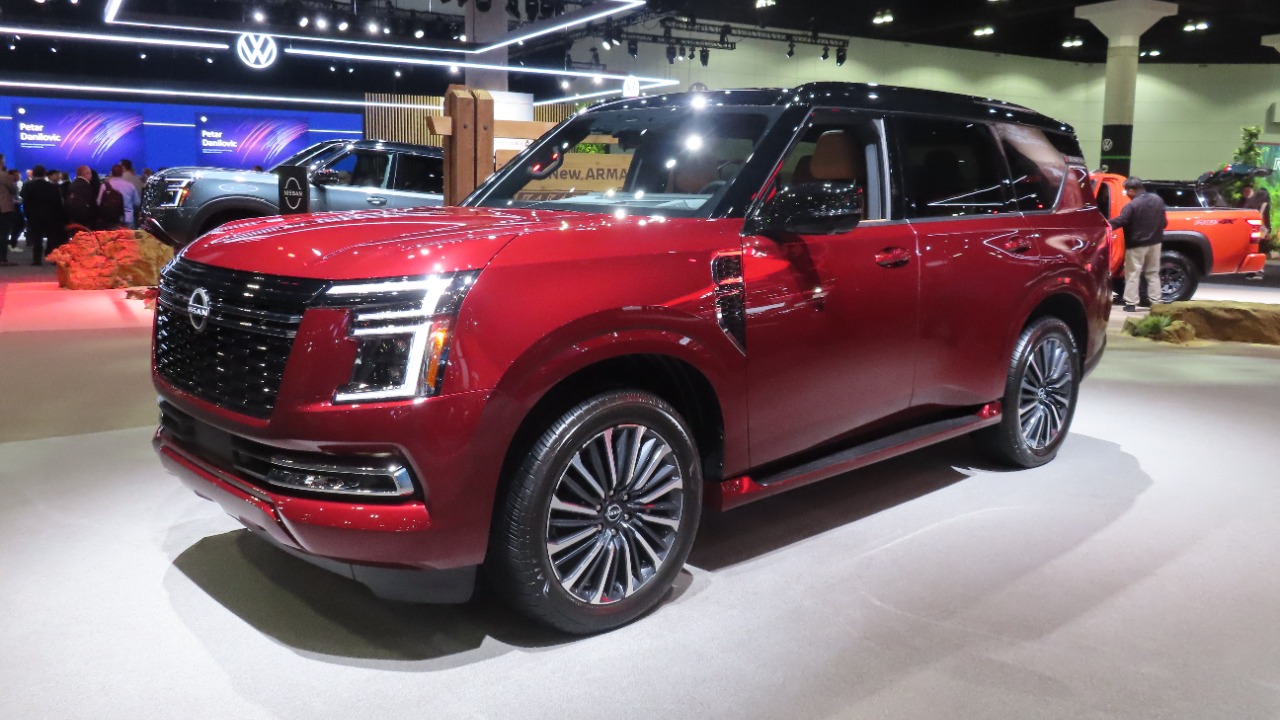
Nissan’s flagship SUV is a body-on-frame truck sold in much of the world as the Patrol, and it reached the United States with genuine pickup DNA, because early versions shared their platform with the Titan. The full-size Armada pairs that frame with a torque-rich engine, a rear-drive layout and a factory tow hitch, the ingredients that let a heavy trailer move without drama.
That truck architecture also explains the Armada’s weaknesses away from a trailer: a thirsty highway average, a heavy curb weight and interior packaging less efficient than a unibody rival’s. Powertrains changed with the latest generation, so a buyer comparing an older V8 example with a current one is weighing two different propositions.
8. Chevrolet Suburban: The Longest Wheelbase Wins
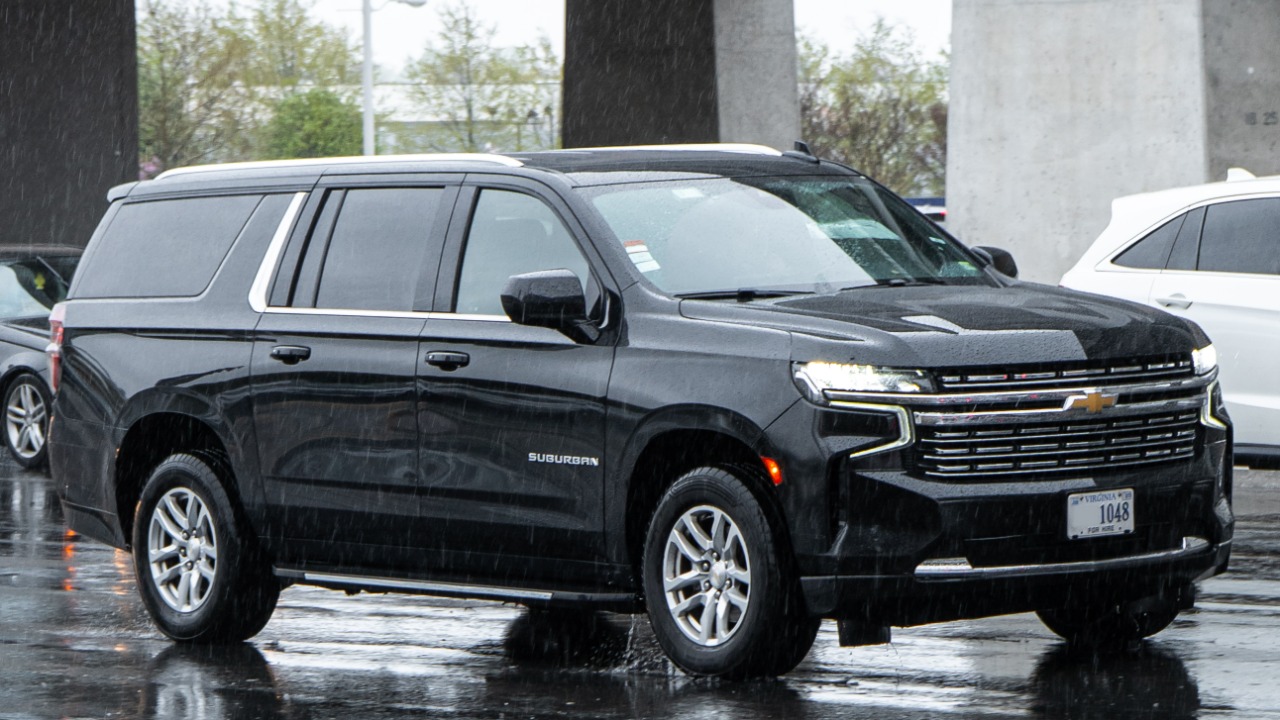
Length is the Suburban’s advantage. Stretching the Tahoe’s platform by roughly a foot puts more distance between the front and rear axles, and a longer wheelbase is a structural defense against trailer sway. The longest-running American nameplate carries the same ladder frame, V8 options and factory trailering hardware as its shorter sibling, plus covered cargo space behind the third row that a pickup bed cannot weatherproof.
The extra length costs maneuverability in parking structures and tight driveways, which is the standing trade for that stability. Ratings still hinge on configuration, from engine and axle ratio to whether the truck left the factory with the trailering package, so the Suburban’s edge over a Tahoe is measured in composure rather than automatically in a bigger number.
More from Morning Overview
