
Some SUVs left showrooms decades ago yet still draw serious buyers on the used market. Body-on-frame construction, genuine off-road hardware, and styling that never quite got replaced keep these models in demand long after their production lines shut down. Here are eight discontinued SUVs enthusiasts still hunt down used.
1. Toyota FJ Cruiser: A Longevity Standout
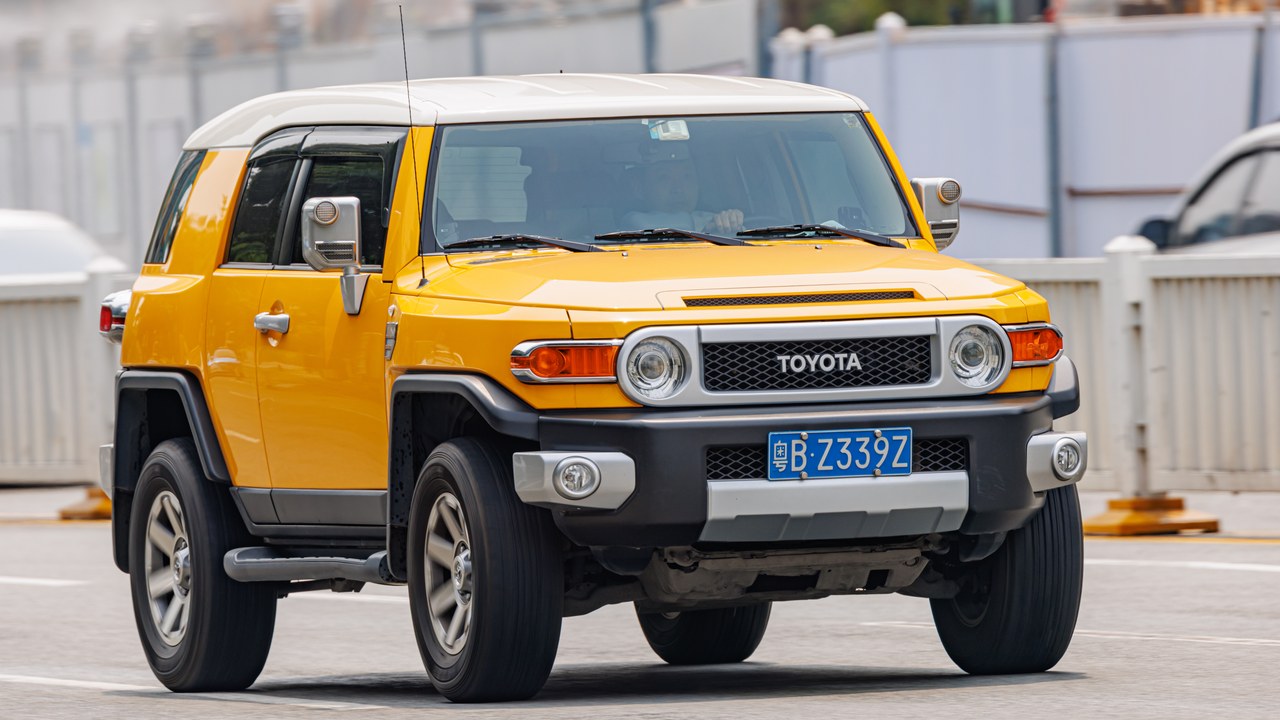
The FJ Cruiser wears a boxy, retro-inspired body that pays homage to Toyota’s original FJ40 Land Cruiser, and it shares its underlying chassis and drivetrain philosophy with the brand’s global Land Cruiser lineup rather than a car-based crossover. That heritage is part of why a used-vehicle longevity study places the FJ Cruiser among Toyota’s most durable nameplates instead of grouping it with disposable niche models.
Distinctive touches like the tiny rear-hinged back doors and round headlights disappeared once Toyota discontinued the model, but the body-on-frame durability behind that longevity ranking is exactly what keeps buyers hunting for one: an off-road-capable SUV that is unlikely to need major repairs soon after a used purchase.
2. Nissan Xterra: Body-On-Frame Holdout
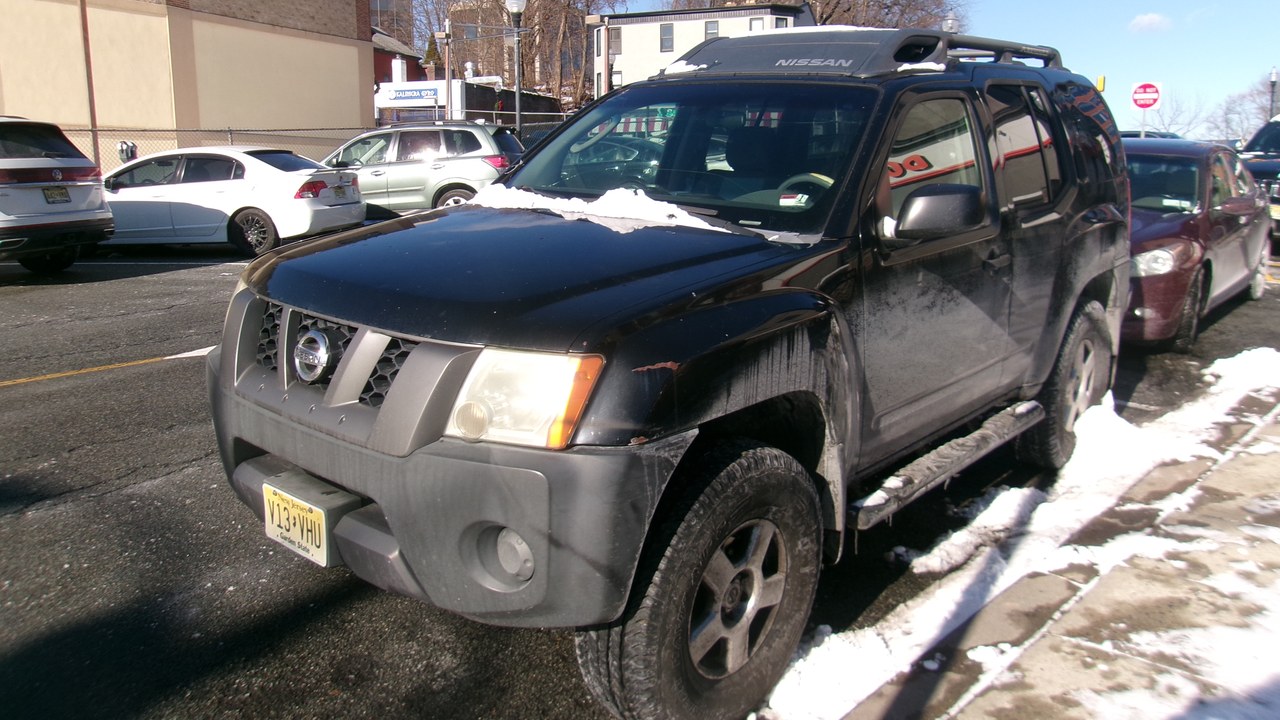
A truck-derived, body-on-frame platform underpins the Xterra, the kind of construction Nissan built around real off-road hardware rather than the car-based crossover architecture most competitors eventually adopted. The Xterra’s production history reflects a vehicle marketed squarely to outdoor and off-road buyers instead of mainstream family duty.
That truck-based construction is exactly what current owners point to when arguing later crossover-based SUVs cannot fully replace it, since a solid rear axle and separate frame tend to hold up better under repeated off-pavement abuse than a unibody competitor typically does, and simpler mechanicals make backcountry repairs less intimidating for owners far from a dealership.
3. Hummer H2: The Brand That Vanished
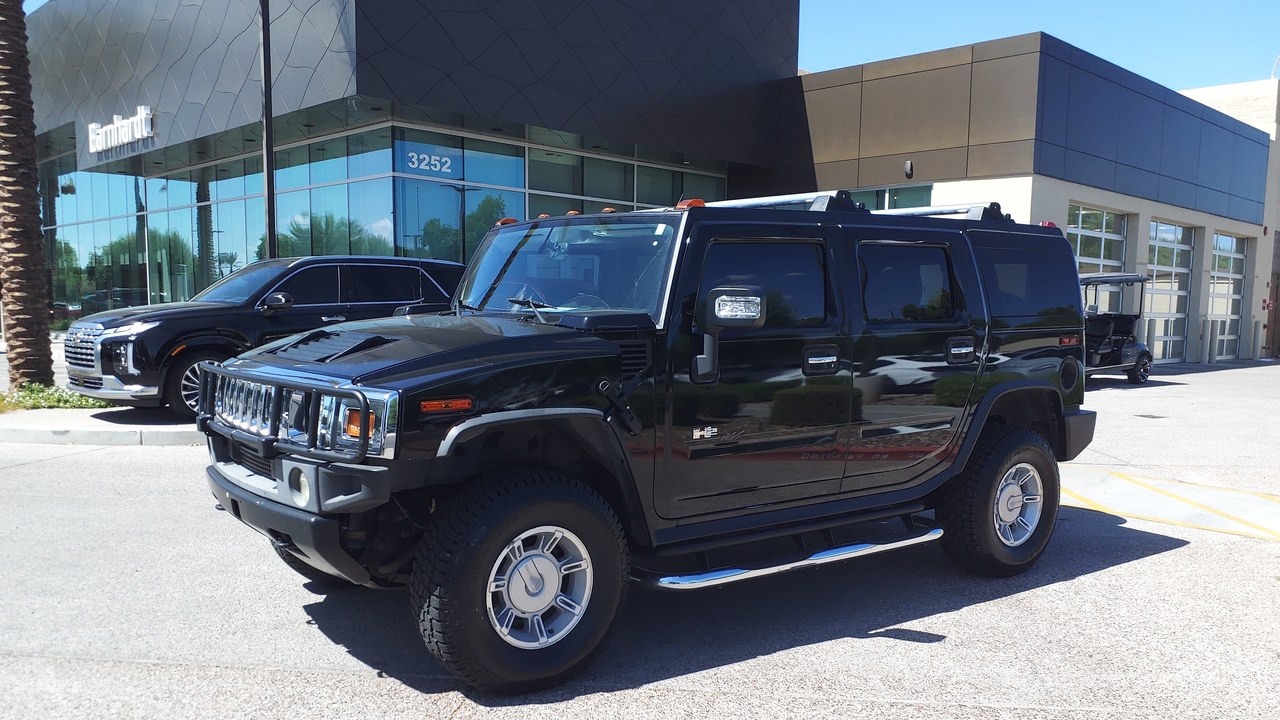
General Motors built the H2 on a civilian truck platform distinct from the military-derived original Hummer, and the entire Hummer brand was wound down and never replaced once GM discontinued it. The H2’s production record ends alongside the brand itself rather than through an ordinary lineup trim.
With no successor nameplate and no dealer network left to service it, the H2 became something of an instant collector’s item among buyers drawn to its imposing, military-inspired look without hunting down a scarcer original H1, and that scarcity is exactly why used-market interest keeps climbing.
4. Isuzu Trooper: A Forgotten Off-Roader
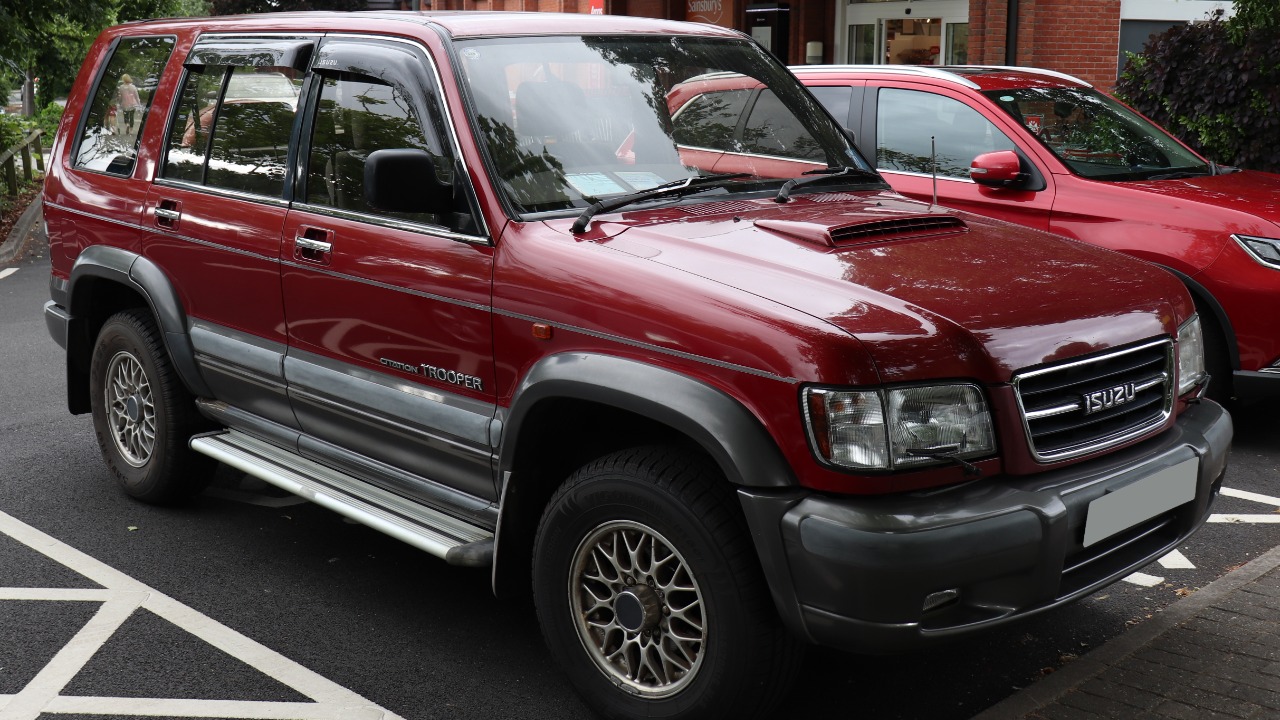
A body-on-frame off-roader that never got a true domestic replacement, the Trooper lost its main support system once Isuzu exited the U.S. passenger-vehicle market entirely. The Trooper’s production run places it among the truck-based SUVs of its era rather than the crossovers that followed.
Because Isuzu no longer sells any vehicle in the U.S., parts support and factory knowledge shifted almost entirely to independent specialists and enthusiast forums, and that scarcity is part of why a clean Trooper still draws devoted attention from buyers who remember its rugged, simple reputation.
5. Ford Excursion: Ford’s Biggest SUV Ever
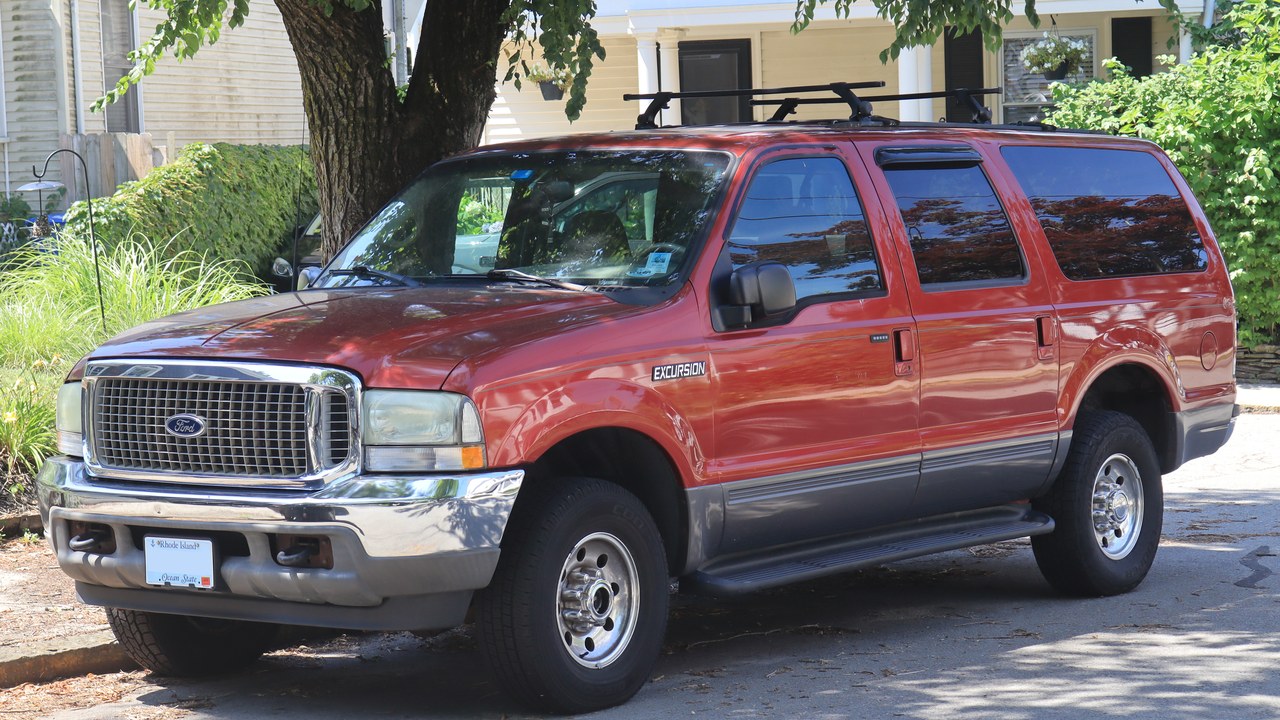
Built on Ford’s heavy-duty Super Duty truck platform, the Excursion stands, by its own production specifications, as the largest SUV the company has ever put into production, sized closer to a heavy-duty pickup than a typical family hauler.
That scale made it a target for critics worried about fuel economy and parking-lot footprint, and Ford never replaced it with anything nearly as large, which is part of why buyers who want genuine heavy-duty truck capability wrapped in an SUV body, rather than a modern crossover with three rows and none of the towing muscle, still seek one out on the used market.
6. Suzuki Samurai: Small Frame, Big Following
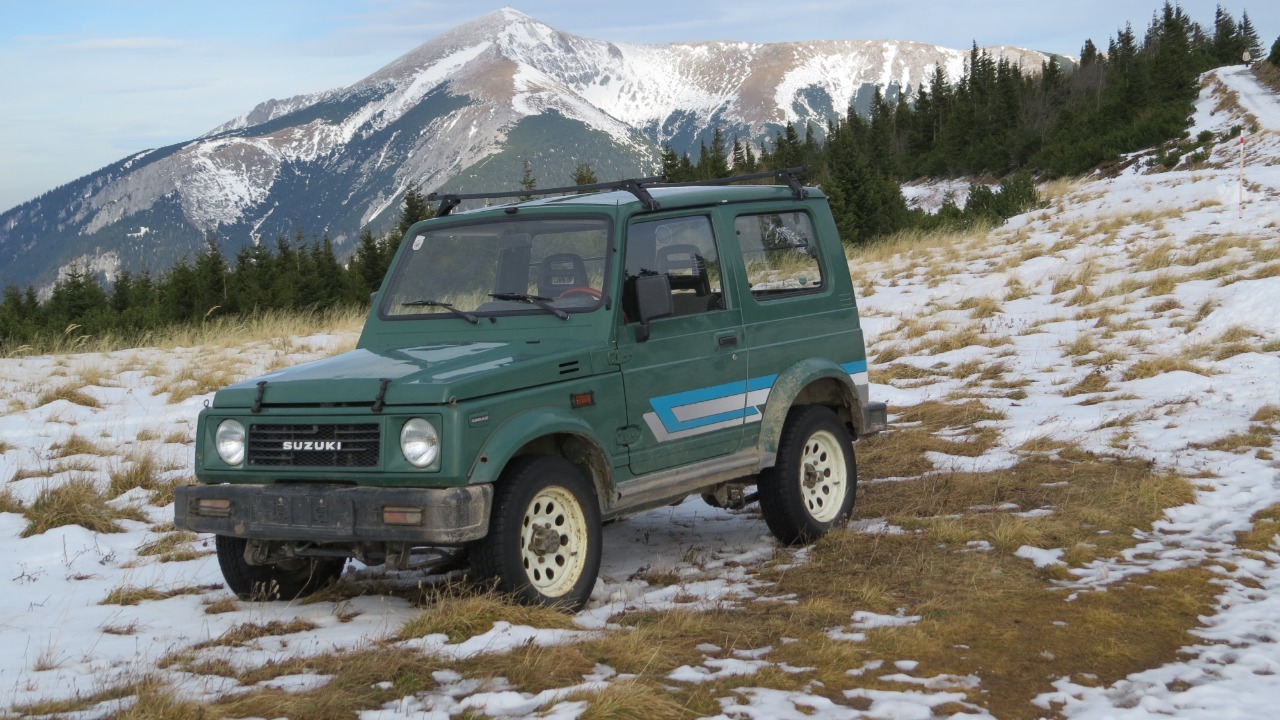
Suzuki left the U.S. market with the Samurai even as closely related, similarly lightweight off-roaders kept selling under the same badge in other parts of the world. The Samurai’s global history shows that continuity abroad long after the nameplate disappeared from American dealerships.
That overseas continuation, paired with a light curb weight and low gearing that make it capable on tight trails where larger SUVs struggle, has turned the Samurai into a cult favorite among off-road enthusiasts who value its simplicity over modern comfort features, and who often modify one further with larger tires and aftermarket suspension parts.
7. Land Rover Defender (classic): Once Banned, Now Prized
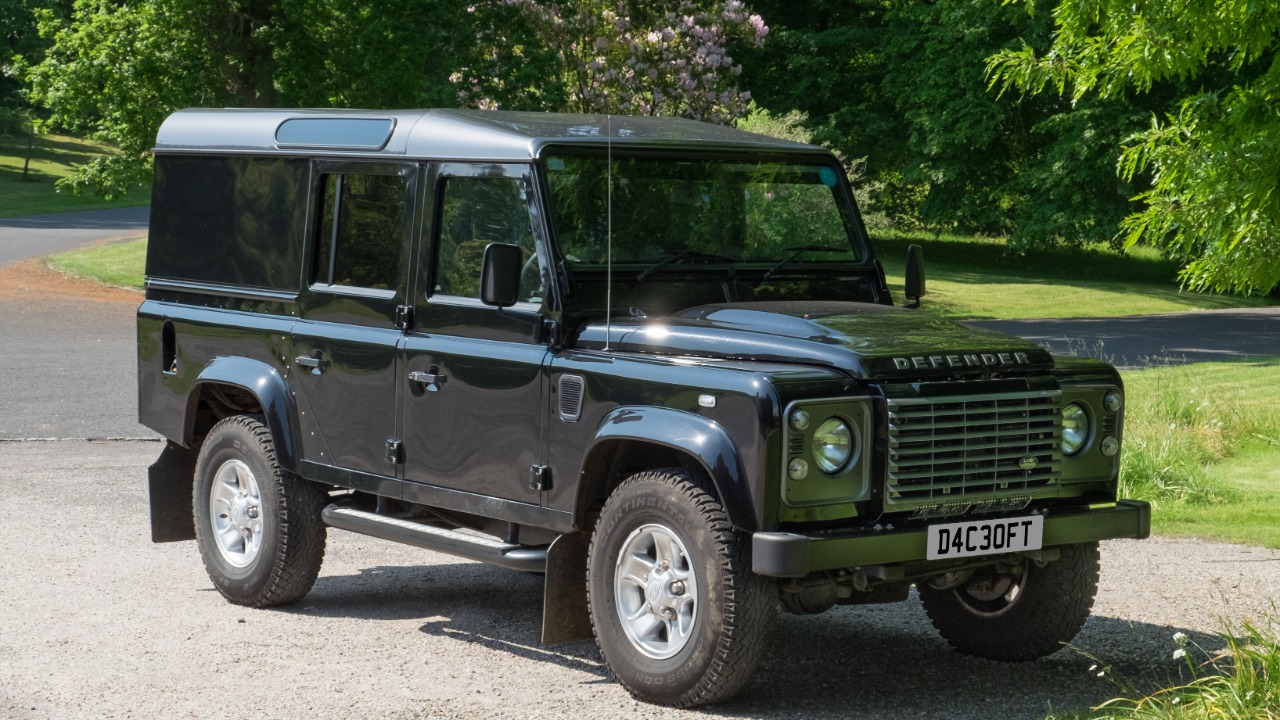
Regulatory limits, not a lack of demand, kept the original Defender mostly off official U.S. price lists even as it sold steadily across Europe, Africa and other markets for decades. The Defender’s production history stretches on well beyond the years it was ever officially sold new in America.
Federal rules generally allow a vehicle to be imported outside official channels once it reaches a set age, so older Defenders that were never sold new in the U.S. have steadily become legal to bring in, and that growing eligible pool is part of what keeps demand and prices climbing among off-road buyers.
8. Mercury Mountaineer: Gone With Its Brand
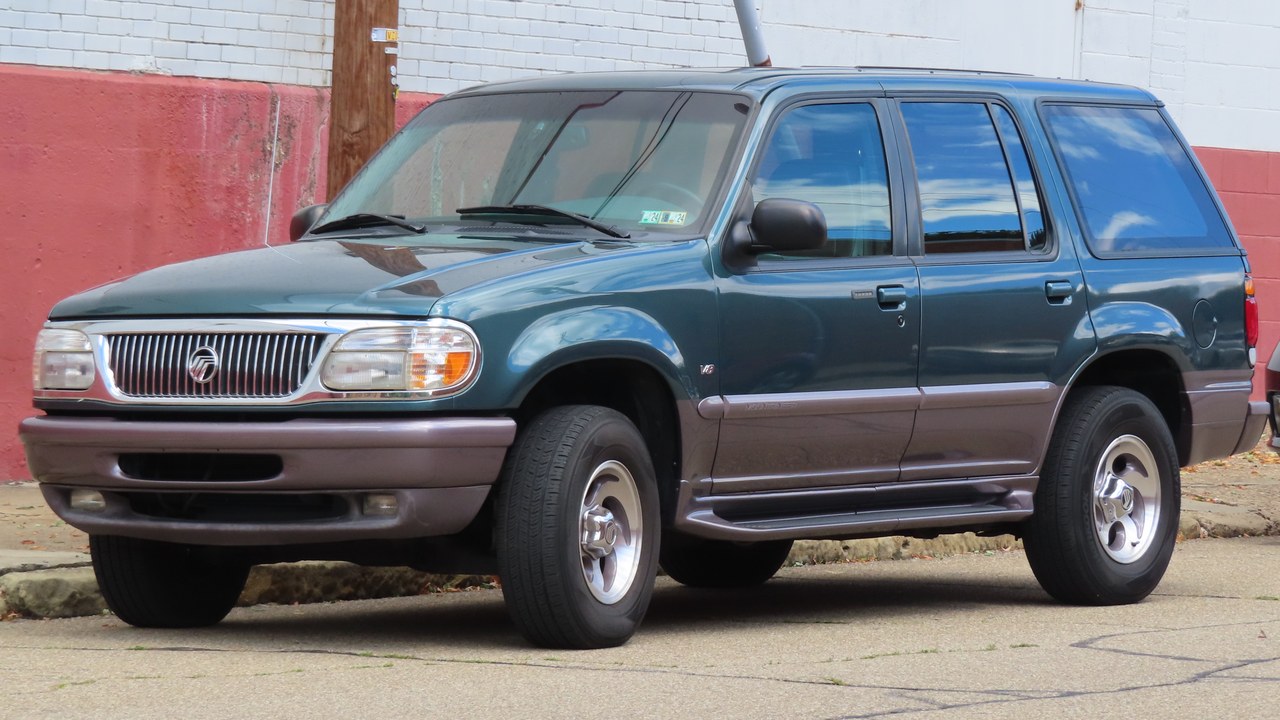
The Mountaineer shared its platform, engines and most engineering with the Ford Explorer, wearing a different grille and trim to fill out Mercury’s own lineup. The Mountaineer’s own history closed out entirely once Ford wound the whole Mercury brand down rather than continuing as a standalone nameplate.
With Mercury discontinued and no badge left to carry it forward, the Mountaineer never got a true successor the way the Explorer did, leaving used examples as the only way to own one, and that finality is part of the pull for buyers drawn to a brand that no longer exists.
More from Morning Overview
