
Premium fuel is often treated as part of the price of a luxury badge, but the pump label does not always agree. Plenty of upscale models, plus a couple of mainstream ones, are cleared for plain 87 octane, which trims roughly a dollar a gallon from every fill-up. Here are eight cars that let owners skip the premium pump, from a Lexus ES to a Lincoln Navigator.
1. Lincoln Navigator: The Big Lincoln That Runs on Regular
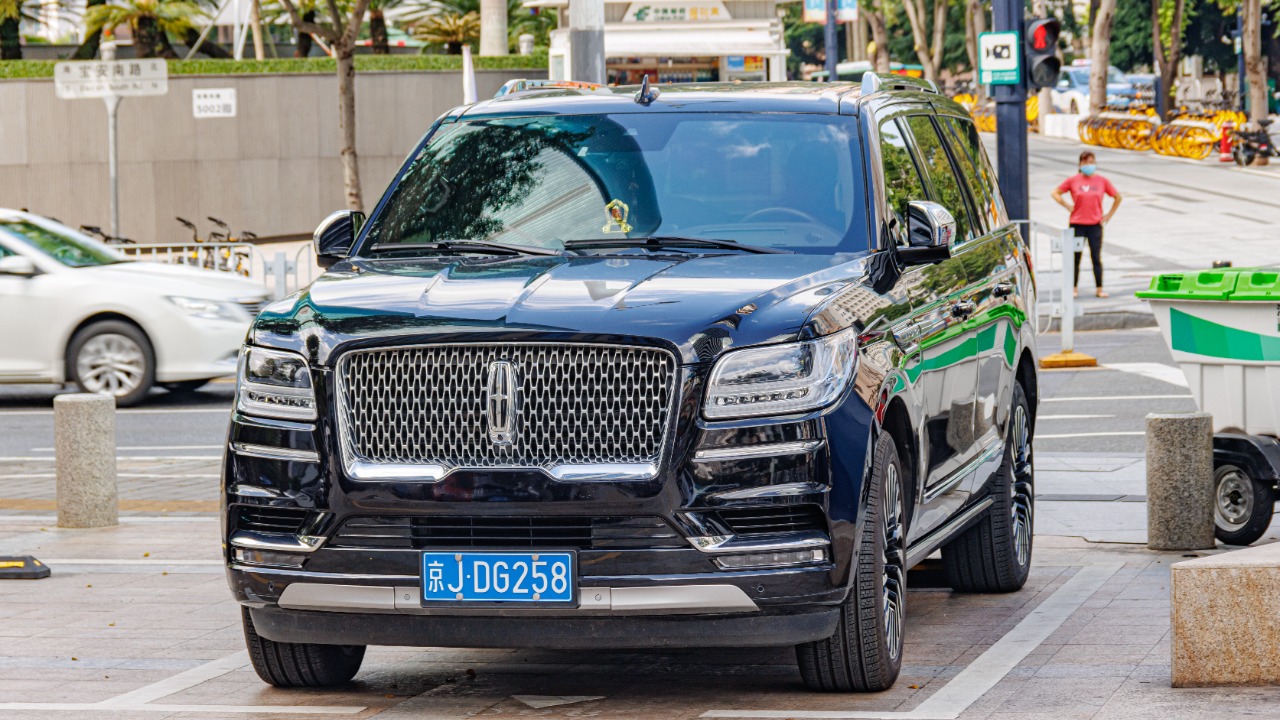
Few vehicles carry as much badge weight as this full-size Lincoln SUV, yet SlashGear’s regular-gas roundup states plainly that “The big Lincoln, in fact, runs on regular gas.” That pairs a luxury-class price with the cheapest common pump grade. A vehicle this large holds plenty of fuel per fill, so the per-gallon difference adds up faster here than on a compact.
The upside is a smaller bill at every stop, magnified by the size of the tank on a three-row SUV. The caveat is that requirements can change between model years and engines, so the label inside the fuel door remains the final word before the first fill.
2. Cadillac XT6: The V6 Is the Cheap-Fuel Version
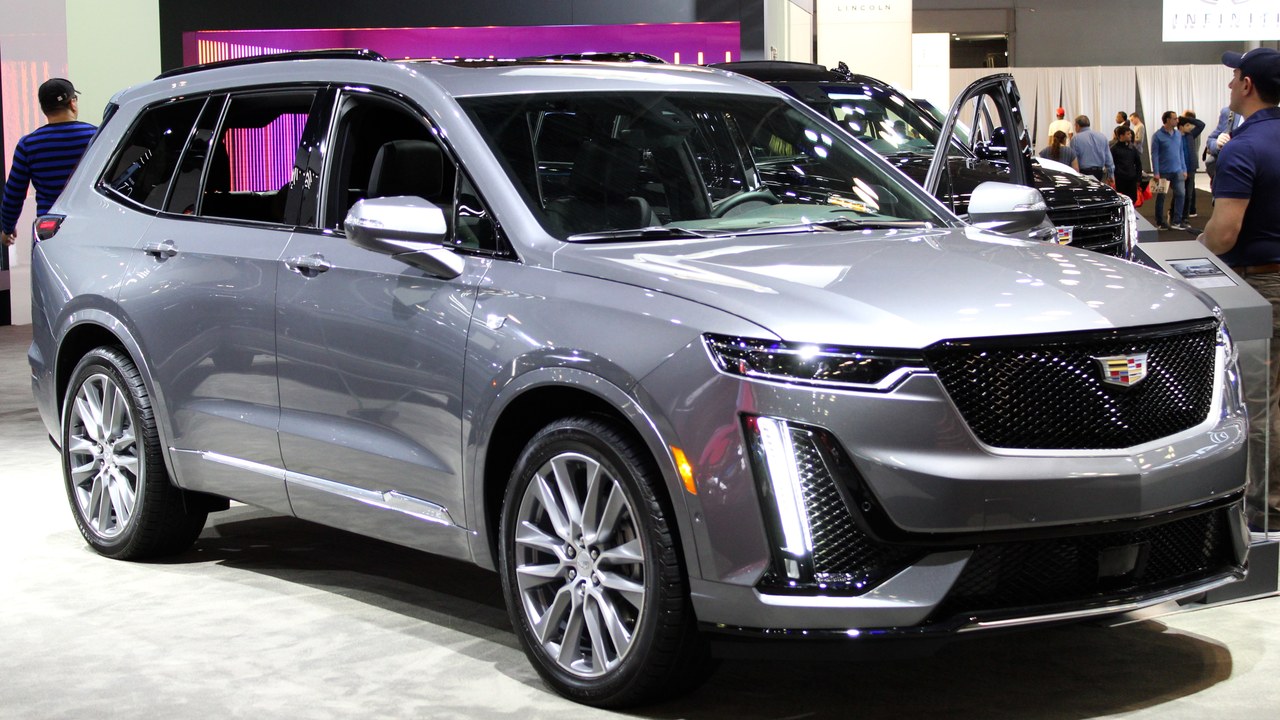
Cadillac’s three-row crossover splits by engine. SlashGear’s luxury fuel list reports that the V6 XT6 “runs on regular gas,” while the 2.0-liter turbo version takes 91 octane. That flips a common assumption: the larger six-cylinder asks for the cheaper fuel, and the smaller turbocharged four asks for the costlier one.
Shoppers aiming to skip premium need to confirm the V6 before signing, since a 2.0-liter turbo on the lot would call for 91. The savings apply only to the six, and the sticker inside the fuel door settles which requirement applies to a given vehicle.
3. Lexus ES: The Whole Lineup Takes 87
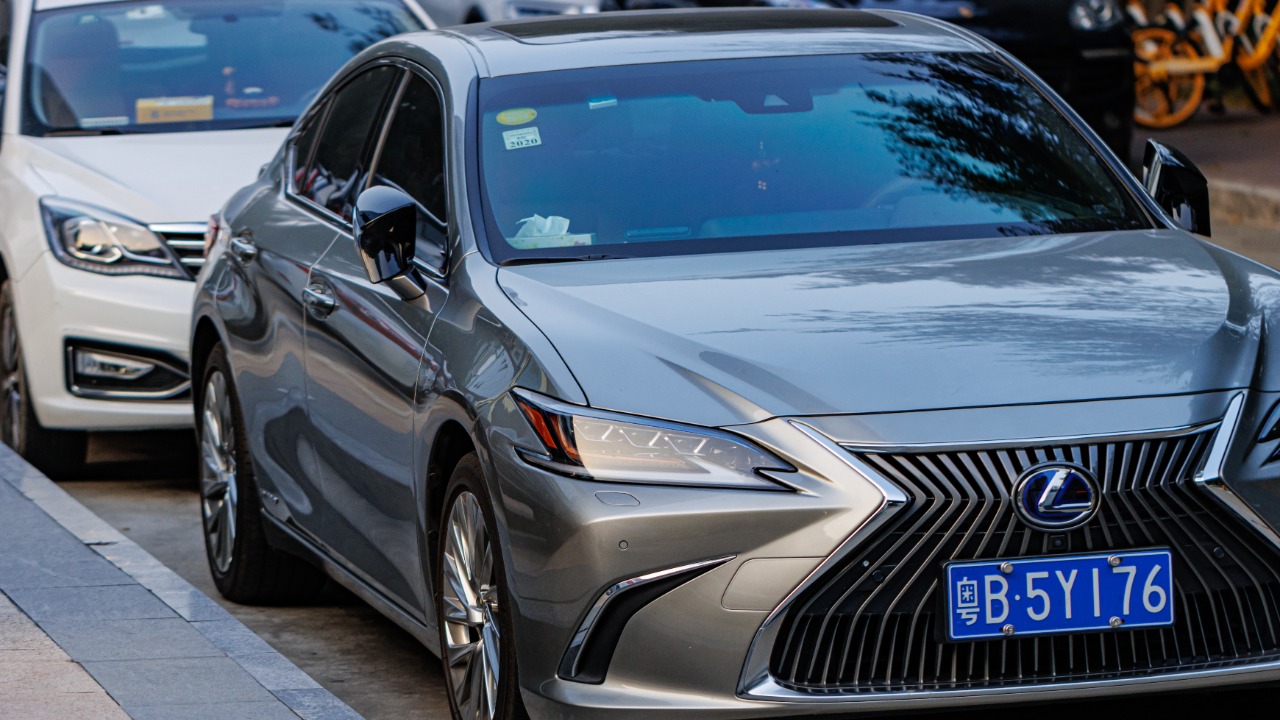
The ES is the cleanest case on the list because the entire range is covered. According to SlashGear’s fuel-grade report, “the entire ES lineup, 250, 350, and 300h takes 87 octane.” That spans the base 250, the 350 and the 300h hybrid, so no powertrain choice triggers a premium requirement.
For a buyer who wants a quiet Lexus sedan without a premium-fuel habit, the decision is easy: pick whichever version fits the budget and fill it with regular. The claim covers the lineup as reported, and a glance at the fuel-door label on any used example is still sensible.
4. Nissan Maxima: Premium Recommended, Not Required
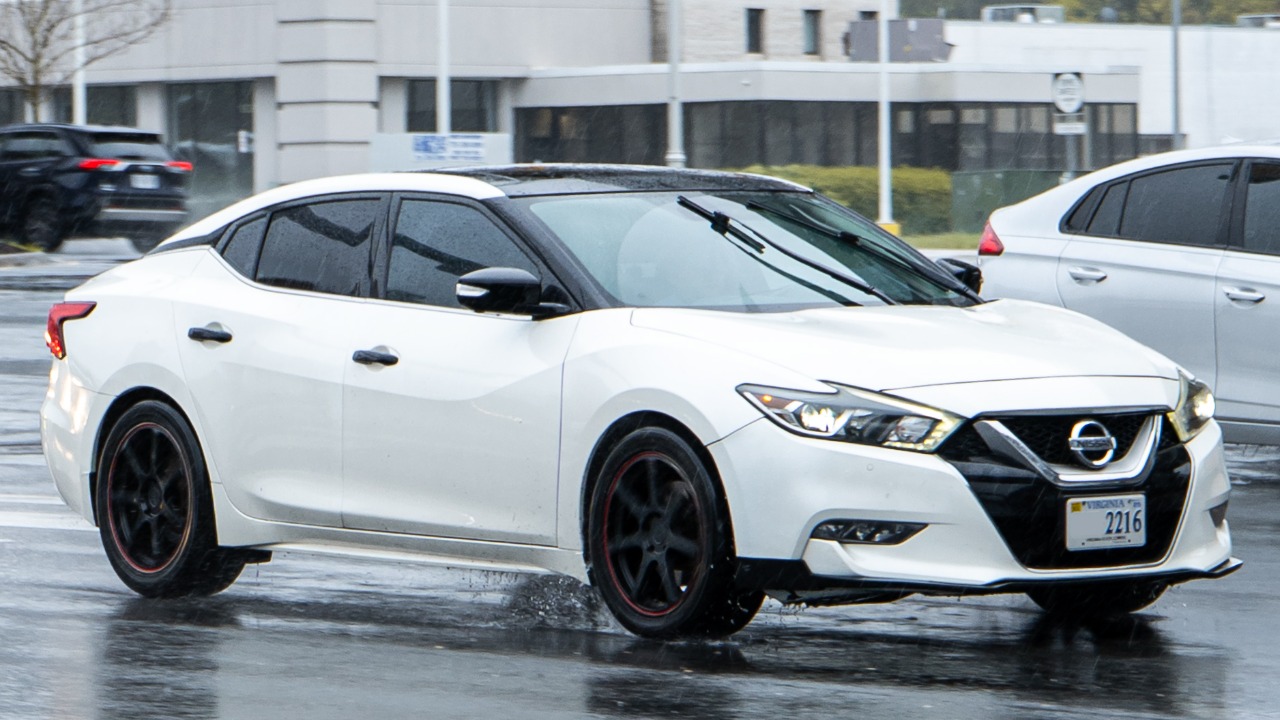
Nissan’s flagship sedan sits in a gray area. HotCars’ premium-gas survey reports that for the Maxima “premium is highly recommended but not mandatory,” a wording that separates a recommendation from a requirement. The car can therefore run on regular without breaking the manufacturer’s rules.
A recommendation usually signals that the engine performs best on higher octane, so owners who choose 87 are accepting the allowance rather than the preference. The Maxima is a mainstream sedan rather than a luxury one, which is why this list says cars rather than luxury cars.
5. Lexus NX 250: The One NX That Wants Regular
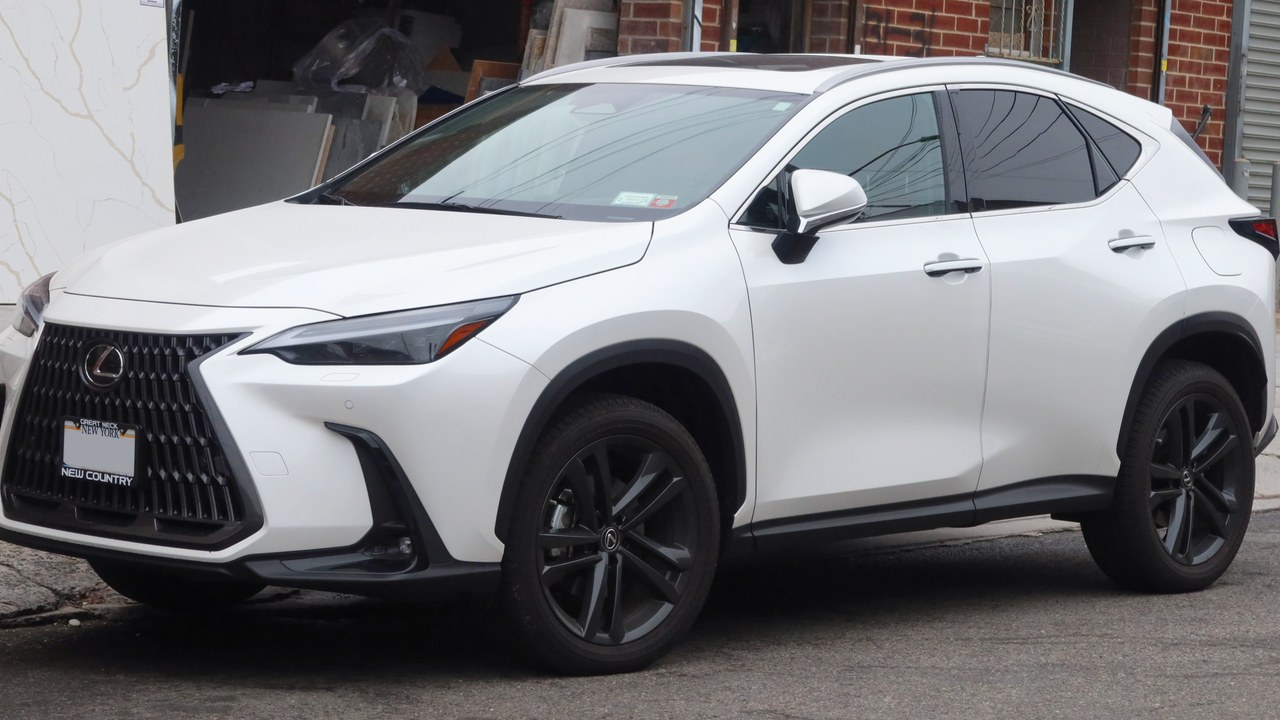
SlashGear’s Lexus fuel guide calls the NX 250 “the only model from the 2024 NX line that requires regular 87-octane gasoline.” The wording matters, because the other NX variants in that year’s range are not in that position. That makes the 250 the single trim of the compact crossover family built around the cheapest pump grade.
The caveat is scope: the claim covers the 250 in the 2024 line, and shoppers eyeing other NX trims should not assume the same fuel rule applies. The fuel-door label on the exact vehicle settles the question faster than any article at a dealership.
6. Lexus UX 300h: A Hybrid Built for Regular Gas

The smallest Lexus crossover joins the regular-fuel group through its hybrid version. SlashGear’s Lexus roundup names the UX 300h among the 2024 Lexus models that take regular gasoline, and Cars.com likewise groups it with non-premium models. Two separate outlets landing on the same conclusion strengthens the case that this hybrid does not need the pricier grade.
A hybrid already trims fuel use, so a regular-grade diet stacks a second saving on the first: fewer gallons, and a lower price on each one. That combination suits commuters who want a luxury badge without a luxury running cost. The usual caution applies to older or newer model years, where the requirement could differ.
7. Cadillac XT5: The Six-Cylinder Skips Premium
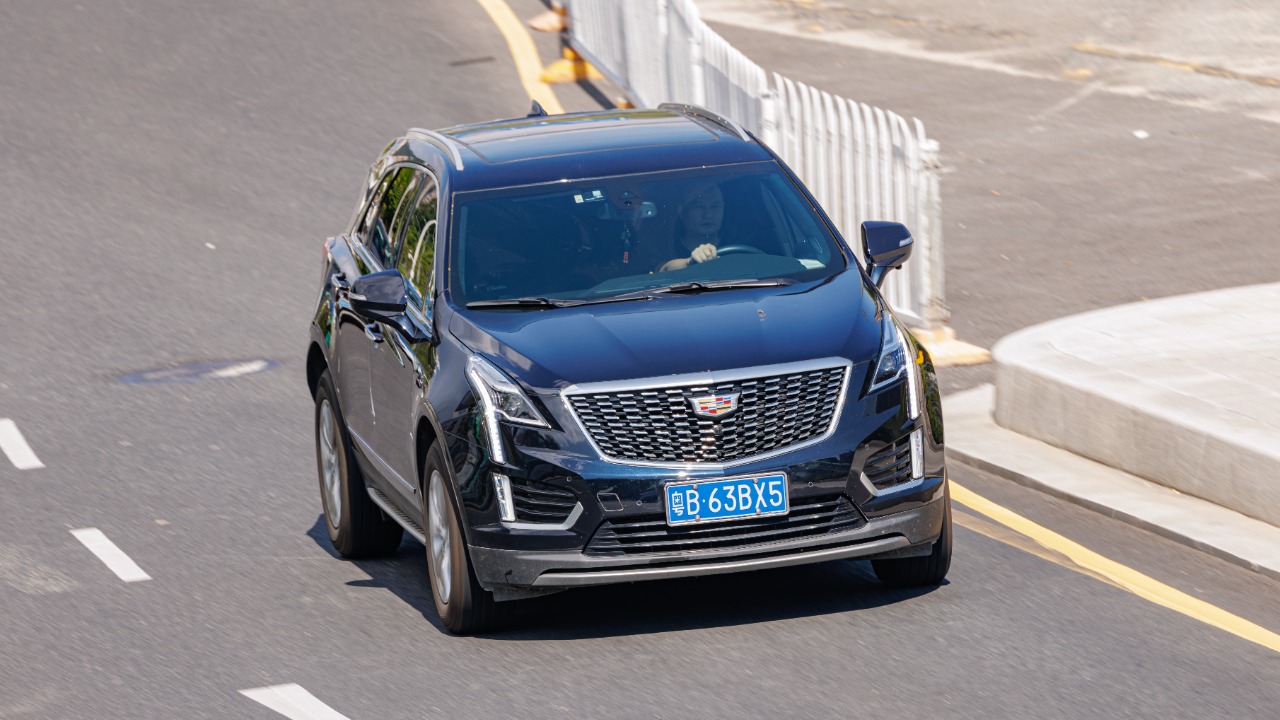
Engine choice decides the XT5, too. Cars.com’s luxury fuel guide puts the V6 in the clear with a one-line summary: “The turbo engine requires premium fuel, but the six does not.” The pattern mirrors the larger XT6, with a regular-fuel V6 and a premium-fuel turbo four, which makes the six the version for anyone trying to keep fuel bills down on a Cadillac crossover.
The saving exists only on the V6, so a shopper comparing trims has to look at the engine, not just the badge or the price. Picking the turbo means committing to premium at every fill-up, while the six allows plain regular.
8. Mitsubishi Outlander: Regular Is Okay Here

The Outlander is the mainstream outlier among the badges on this list. On this crossover, HotCars’ fuel-grade roundup reports “Using regular octane gas is okay according to the manufacturer,” even though premium is suggested. The maker explicitly allows the cheaper grade, so using it carries no warranty concern on the strength of what the source reports.
Skipping premium is not limited to luxury shelves: an ordinary family crossover can sit in the same camp. The tradeoff mirrors the Maxima’s, since a premium suggestion hints at slightly better performance, while the allowance for regular keeps running costs down. For most daily driving, the manufacturer’s blessing on 87 is the figure that counts, and owners who want the official sweet spot can still add premium occasionally.
More from Morning Overview
- Hybrids have 15% fewer problems than gas cars, while EVs and plug-in hybrids have about 80% more, Consumer Reports finds
- Regulators cleared the first U.S. small modular reactor, 4 months early
- Lake Powell sank to a record 3,517 feet, nearing the level that stops Glen Canyon Dam’s turbines
- Seven of Earth’s nine planetary boundaries are breached, and all seven are worsening
