
The years after World War II turned Detroit into a showroom of new ideas, and the biggest boom the industry had seen since the Roaring Twenties rewarded nearly every carmaker that had something fresh to offer. Step-down bodies, flow-through fenders and overhead-valve V8s all arrived within a few years. Here are eleven postwar cars that helped start it.
Read next on Morning Overview: Lockheed says its Valkyrie laser shot down a cruise missile stand-in with no tracking aids
1. Tucker 48: The Rocket on Wheels
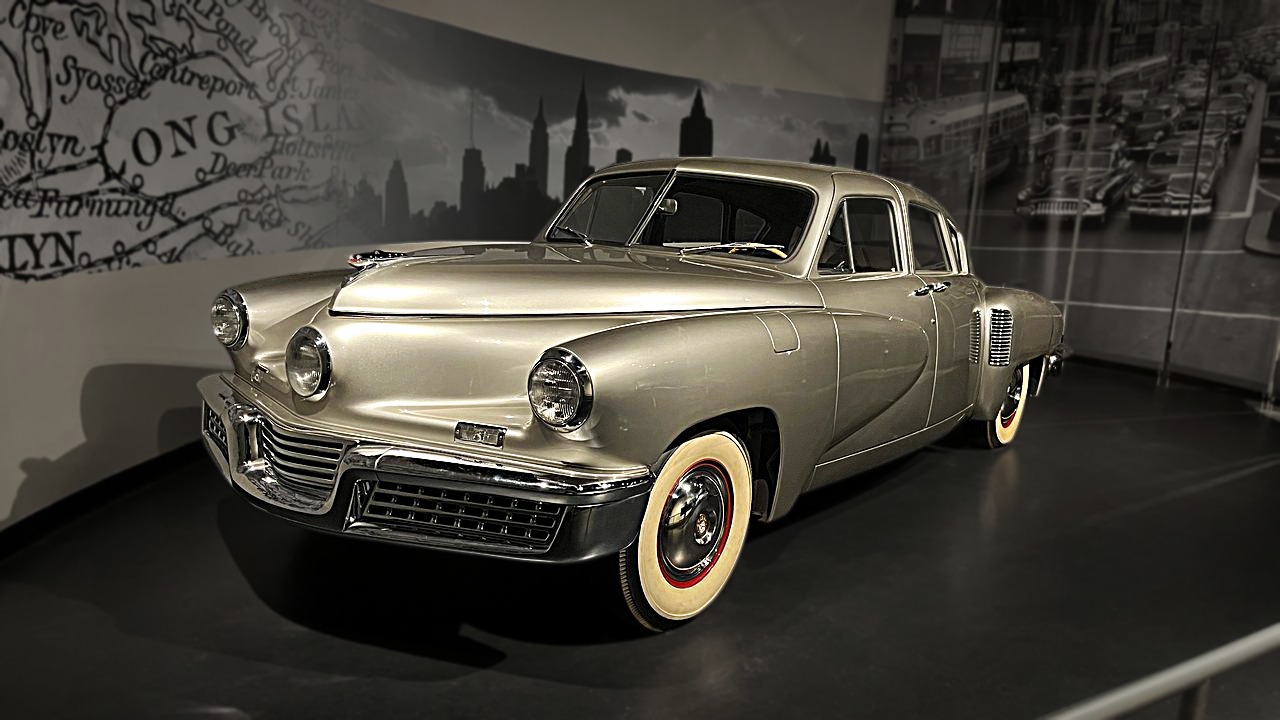
Priced at $2,450, or about ten months of the average 1948 wage of $2,933 a year, the Tucker looked like a rocket ship. According to The Henry Ford’s Tucker record, its center light turned with the front wheels to cast light around corners, and its taillights were visible from the side.
A 166-horsepower, 334-cubic-inch flat six sat in the rear, with grilles on the rear fenders feeding it cooling air. The doors curved into the roof for easier entry and exit. Preston Tucker and Alex Tremulis designed the car, and Tucker Corporation built it in Chicago.
2. 1949 Ford: Ford’s Clean Break
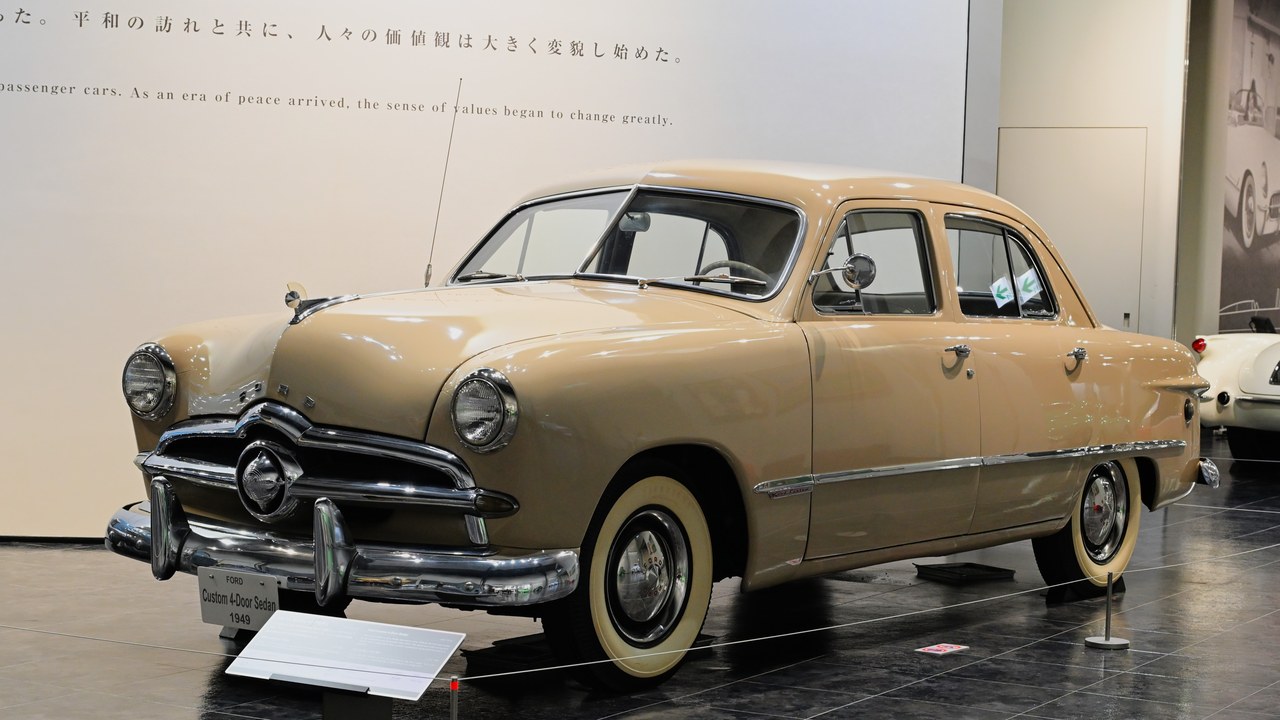
The 1949 Ford was revolutionary when it was introduced, according to The Henry Ford’s 1949 sedan. Sleek and slab-sided, with the trademark circle in the front grille, it broke from earlier ideas of design and engineering.
Until then, Ford had produced only remodeled versions of its 1942 automobile after the war. The museum’s example is a Tudor sedan with a 239-cubic-inch V-8 making 100 horsepower, priced at $1,590. Against an average 1949 wage of $3,000 a year, that came to about six months of work.
3. Kaiser Traveler: Shipbuilder’s Gamble
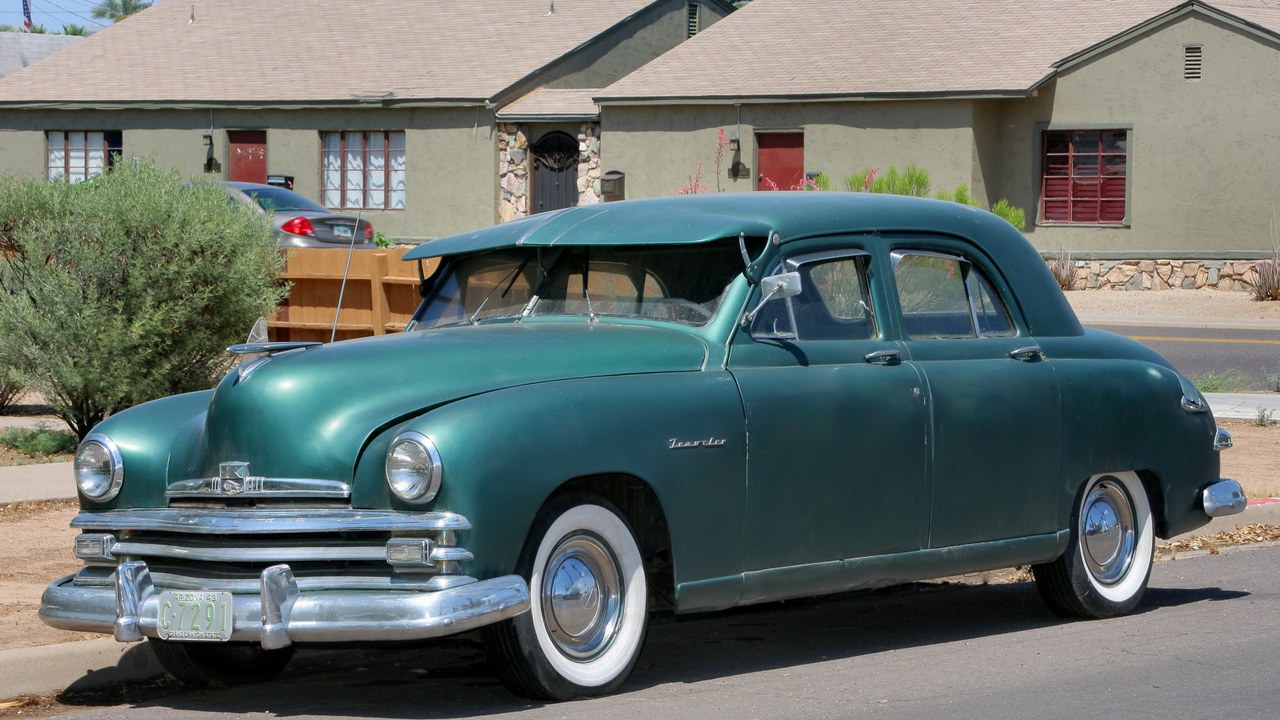
Henry Kaiser became famous building ships during World War II, then joined Joseph Frazer in 1945 to form a new car company. a Henry Ford museum entry describes the Kaisers as stylish and well built, though competing against established car companies proved too big a task.
The 1949 Traveler sedan listed at $2,088 and used a 226-cubic-inch six making 100 horsepower, roughly eight and a half months of the average wage. American Kaiser production ceased in 1955, although cars were made in Argentina between 1958 and 1962.
4. 1949 Mercury Eight: The Customizer’s Favorite
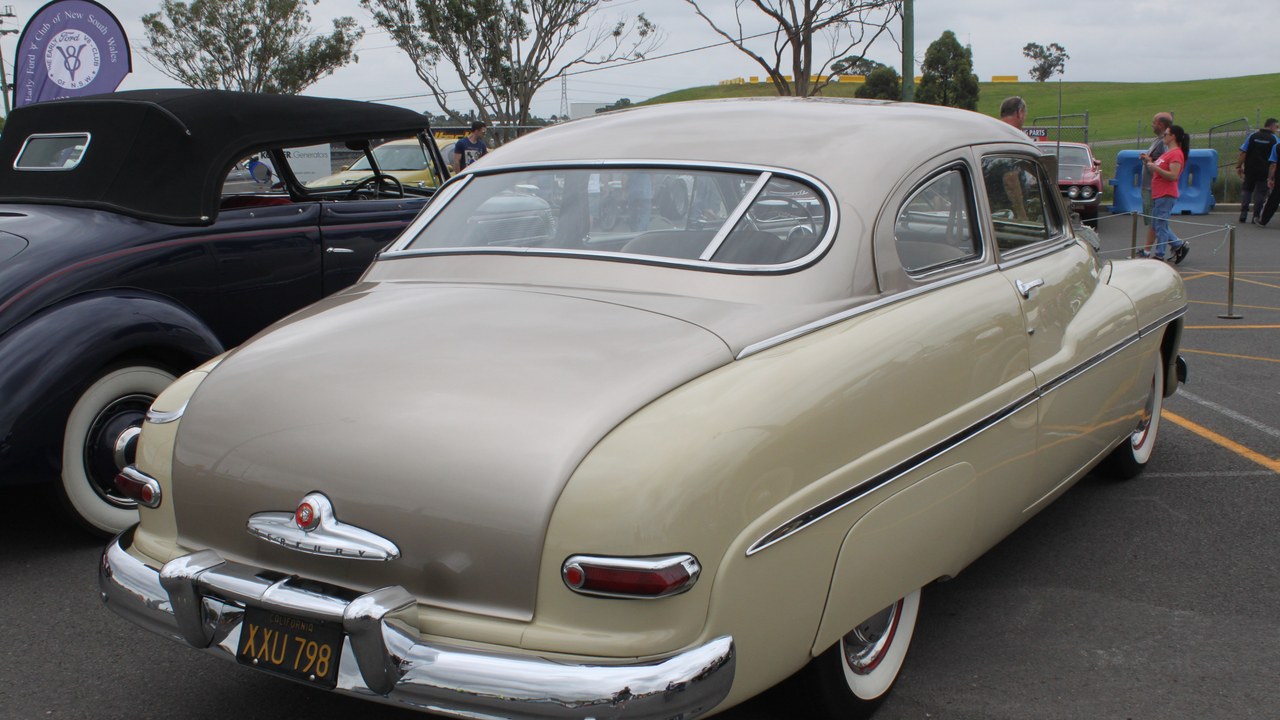
The all-new 1949 Mercury was part of a total redesign of the Ford, Mercury and Lincoln lines, as The Henry Ford’s Mercury entry notes in its description of a press photograph. Buyers liked the new look, and sales jumped.
The 1949 to 1951 models became some of the most popular Mercurys ever made. The stylish bodies also turned into favorites of 1950s customizers. The redesign was one piece of Ford’s push to replace its prewar-based lineup with all-new cars.
5. Hudson Commodore: Step Down, Sales Up
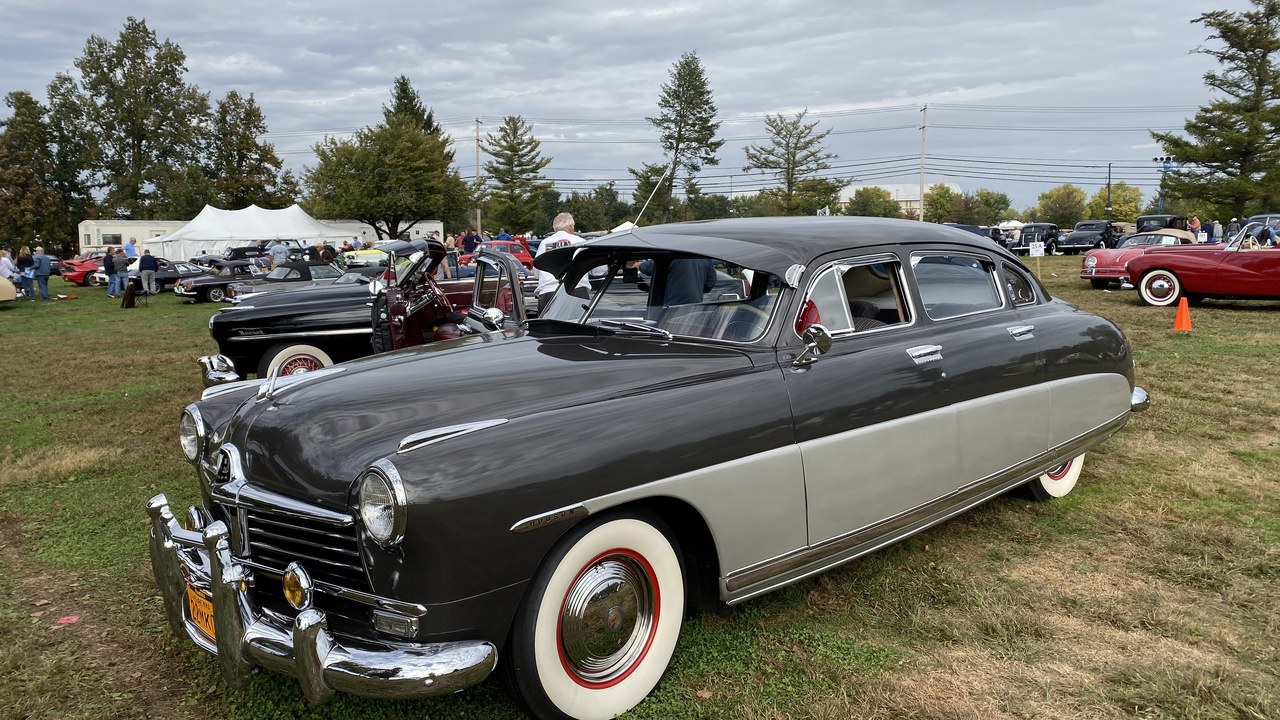
The Commodore was the largest and most luxurious model Hudson built at the time, and Audrain Auto Museum’s Commodore says the 1948 car was one of the first newly designed postwar automobiles. It introduced Hudson’s trademarked monobuilt, or step-down, construction.
Passengers stepped down into the car, surrounded by a perimeter frame. The layout lowered the floor and roofline, which improved aerodynamics. Betty Thatcher, the first female designer employed by a car manufacturer, helped design the third-generation Hudsons. The step-down body brought a 50% sales jump in 1948.
6. Nash Airflyte: Queen of the Bathtubs
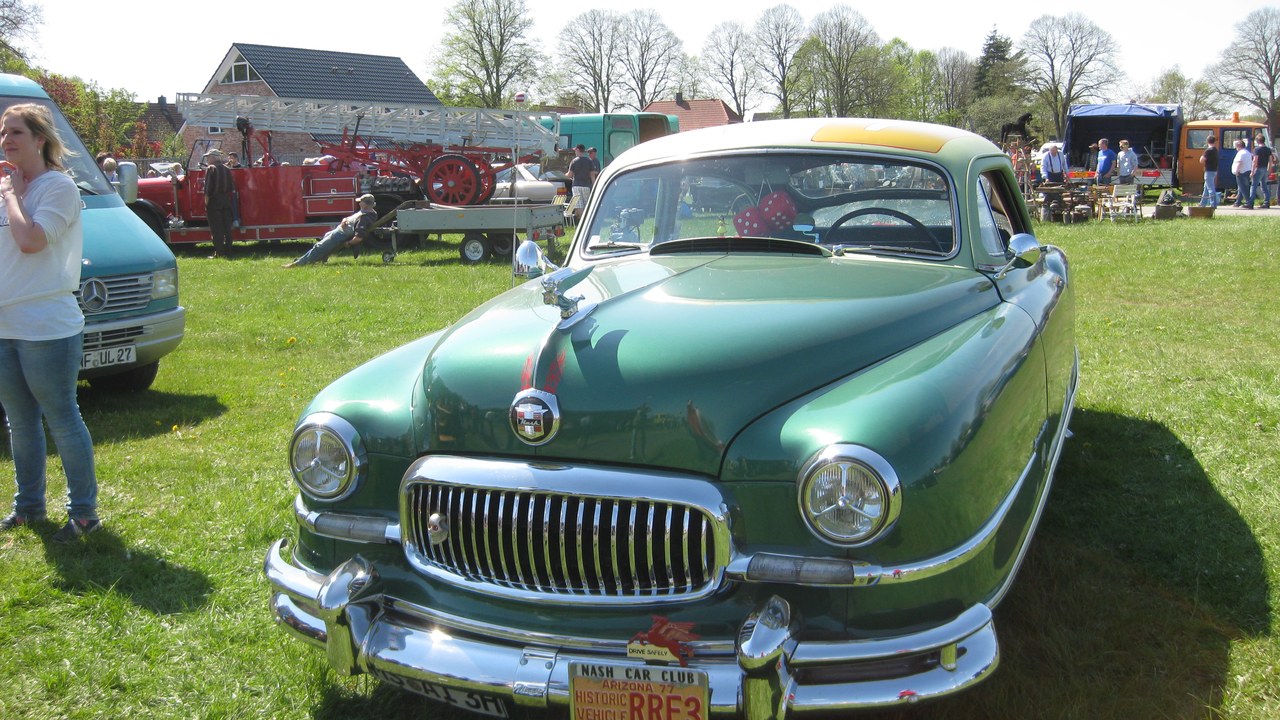
Nash wanted its 1949 cars to look as modern as they were. According to Mac’s Motor City Garage, engineering vice president Nils Wahlberg and his designers ran wind tunnel studies with a full-sized plaster model during the war years.
The finished Airflyte needed significantly less road horsepower to hold 60 mph than a comparable Buick or Chrysler, hence the name. Both models used early unitized construction, and the Uniscope pod gathered all the gauges in one housing on the steering column. Mechanics reportedly disliked its tangled wiring.
7. Packard Super Eight: Packard’s Last Stand
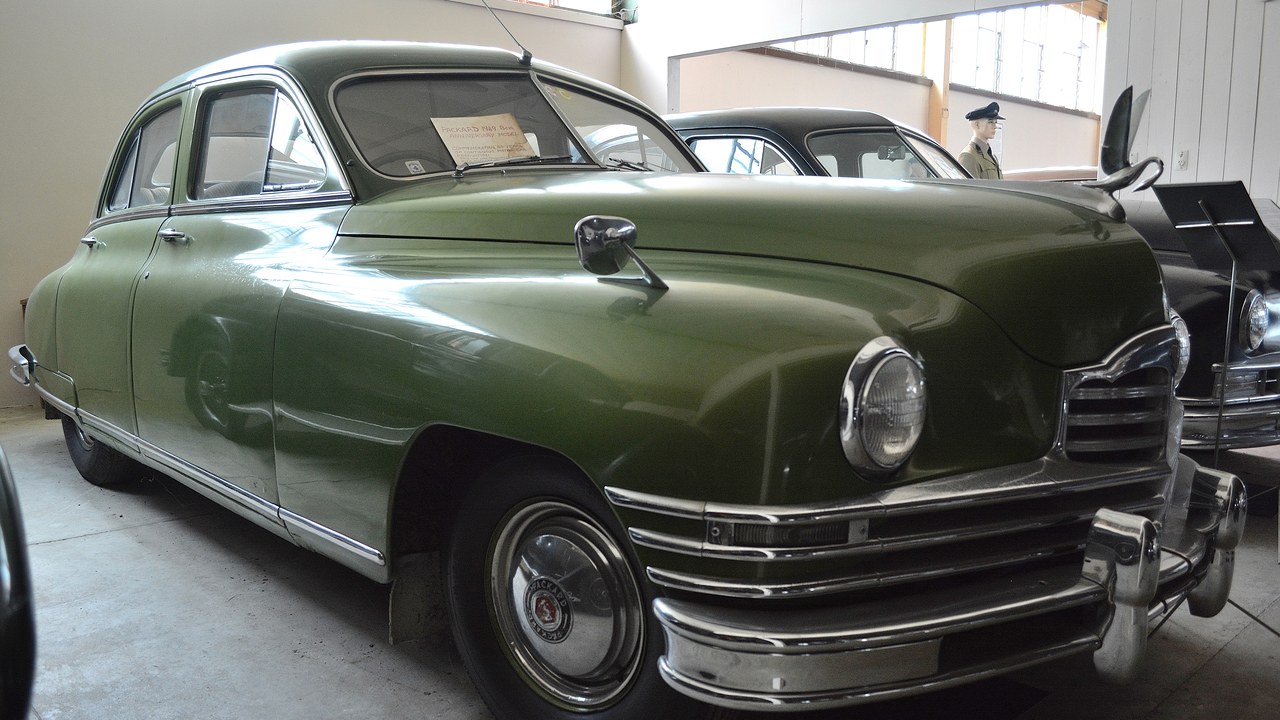
Packard celebrated its 50th anniversary in 1949 as the oldest independent automobile manufacturer still in business. the Savoy Museum entry lists the Super Deluxe Eight Victoria convertible at $3,350, with a 327-cubic-inch engine making 143 horsepower and only 671 built.
Behind the celebration, things were not going well. Profits fell below 1948 levels, and Packard lost a lucrative jet engine research contract with the Air Force. Styling barely changed from 1948, and the company had no new design for 1950, and the museum says Packard’s days were numbered.
8. Studebaker Champion: First by Far
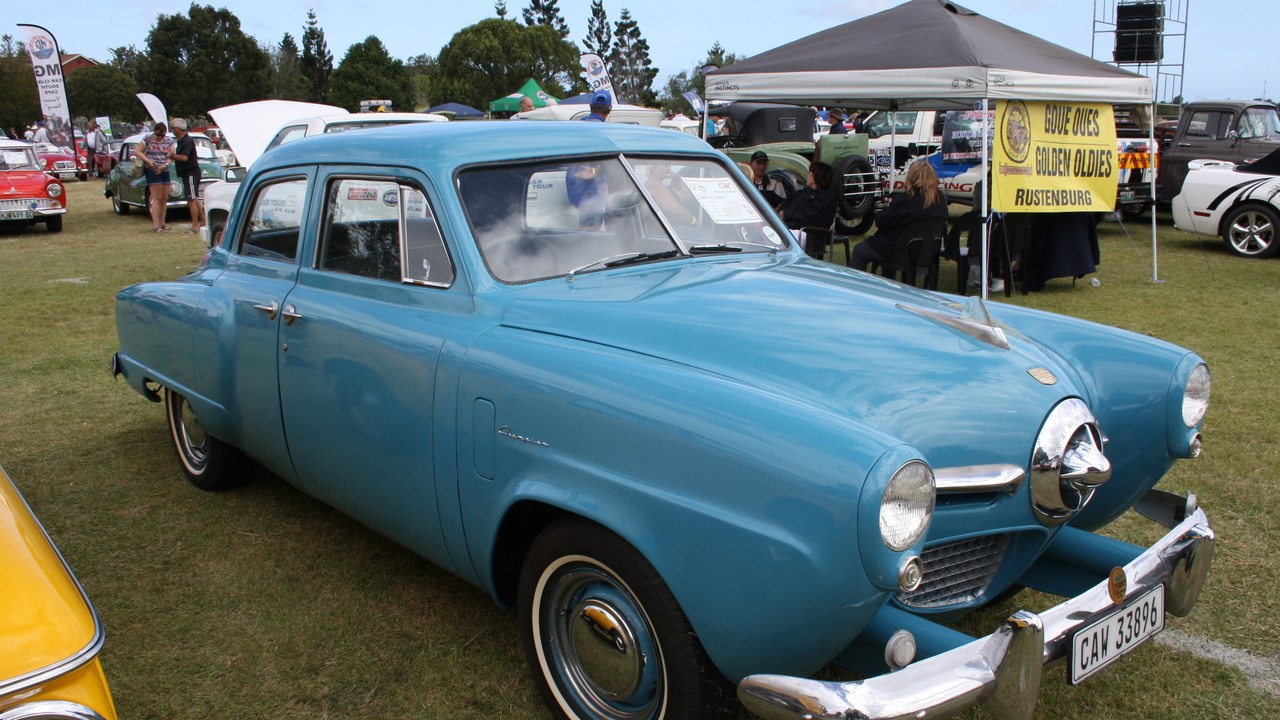
The seller’s market was strong in the first years after the war, and Studebaker moved first. Mac’s 1949 model-year review says it launched its line of postwar cars in 1947 with truly fresh styling and the slogan “First by far with a postwar car.”
Kaiser-Frazer also entered the passenger car market that year with a conventional design, while most automakers kept pushing updated and facelifted prewar products. Those older designs still sold like hotcakes, but Studebaker’s early, fresh look set it apart in a market where buyers wanted anything new.
9. Oldsmobile Rocket 88: The Overhead-Valve Pioneer
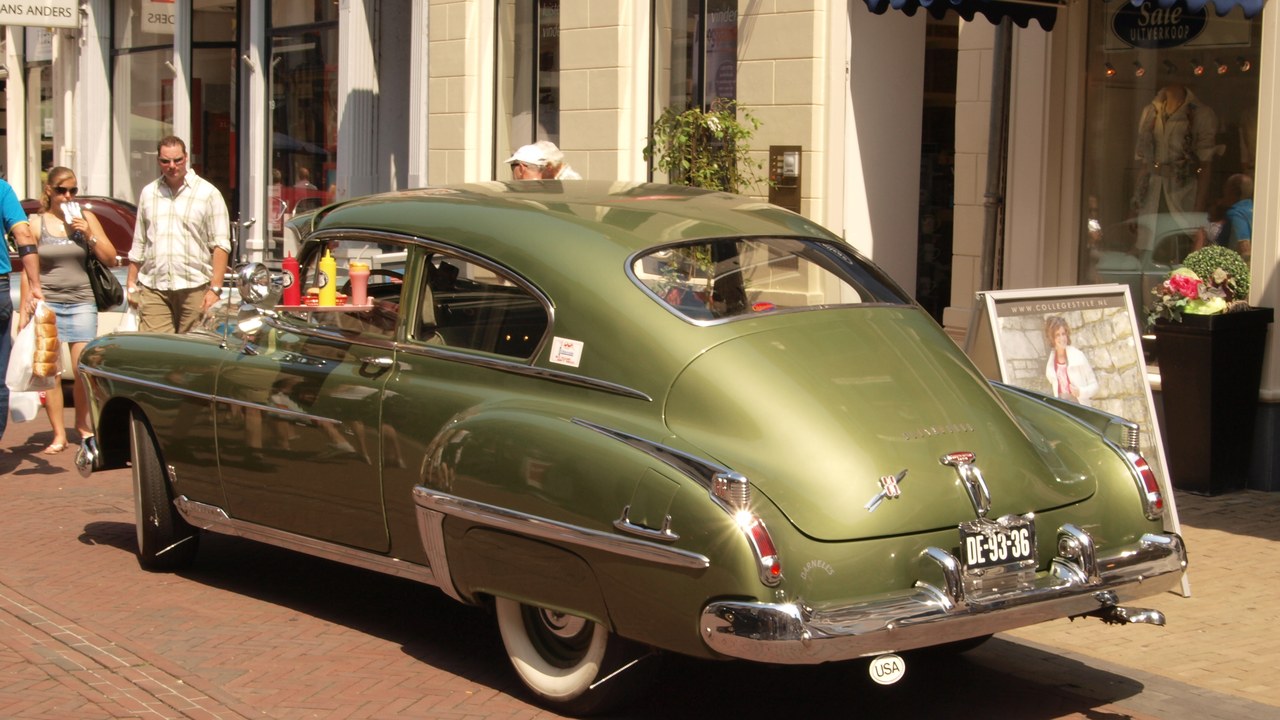
In 1949 General Motors introduced the Cadillac and Oldsmobile V8s, which Mac’s Motor City Garage review calls the first overhead-valve, high-compression V8s in volume production. The 1949 model year marked the start of that engine’s run.
The review calls the two engines game changers in the world of horsepower. They arrived alongside a thorough modernization of the General Motors B bodies, a group that included Oldsmobile. Oldsmobile also gave its Holiday a pillarless hardtop roof that year, adding a second reason to look at the 1949 lineup.
10. Buick Roadmaster: Portholes and Hardtops
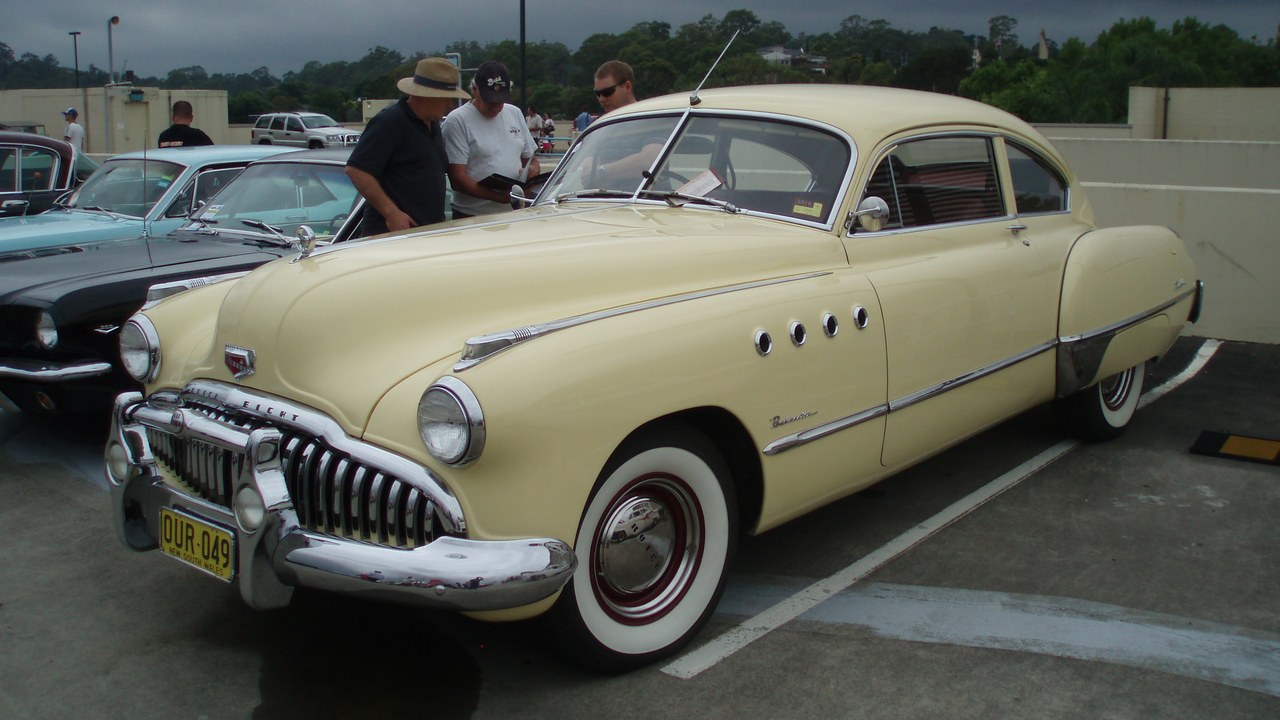
Buick introduced its familiar fender portholes in 1949, which Buick publicity called ventiports, according to Mac’s 1949 review. The same year brought GM’s hardtop convertible, a fixed, pillarless roof with a clear, open greenhouse.
The first pillarless hardtops were the 1949 Buick Riviera, Cadillac Coupe DeVille and Oldsmobile Holiday. Product planners had noticed that many convertible owners seldom lowered the top and simply liked the look. The Roadmaster, shown here as a sedanet, carries the ventiports that became a Buick signature.
11. Chevrolet Styleline: Running Boards Disappear
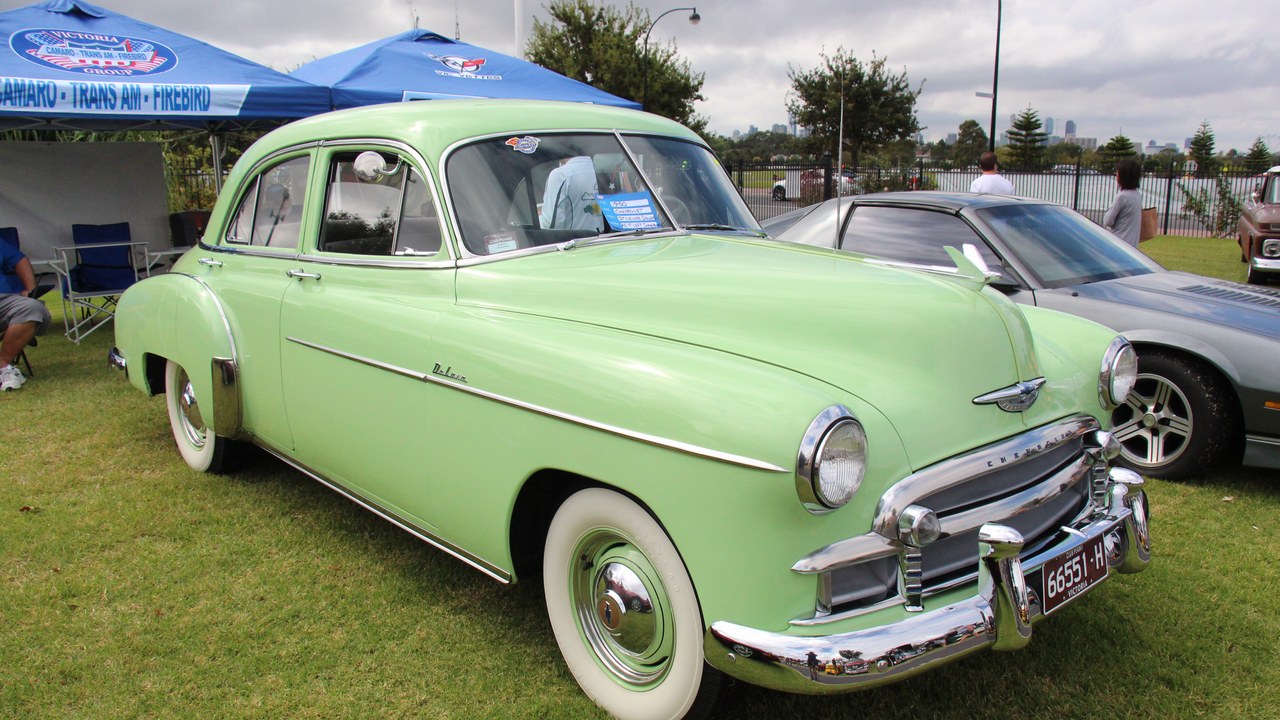
Chevrolet shared in the General Motors B-body overhaul, which Mac’s year-in-cars page says thoroughly modernized the line for 1949. Across the industry, vestigial running boards and clamshell fenders had all but disappeared.
In their place came flow-through fenders and full-width envelope bodies, which the review calls the new normal. Chevrolet and Pontiac got their own production hardtops with a one-piece steel roof the following year. The postwar boom had pushed automakers to sell every car they could build, and 1949 marked the move toward fresher designs.
More from Morning Overview
- Thousands of bottles of a combination blood pressure pill are recalled nationwide
- GM’s big V8 trucks keep blowing engines after the recall fix, and NHTSA is digging deeper
- Hidden card skimmers on gas pumps and ATMs can be exposed with one quick shake
- Debris from the Greenacres Learjet crash landed on Florida rooftops, and the NTSB wants it
