
In 1970, American muscle cars reached a peak in advertised power before emissions rules, insurance costs and the 1973 oil crisis ended the run. The cars below span Chrysler, General Motors and Ford, from street Hemis to winged NASCAR homologation specials. Here are eleven of them, along with how some of those famous ratings held up under later scrutiny.
Read next on Morning Overview: Debris from the Greenacres Learjet crash landed on Florida rooftops, and the NTSB wants it
1. Chevrolet Chevelle SS 454 LS6: The 450-Horsepower Paper Tiger
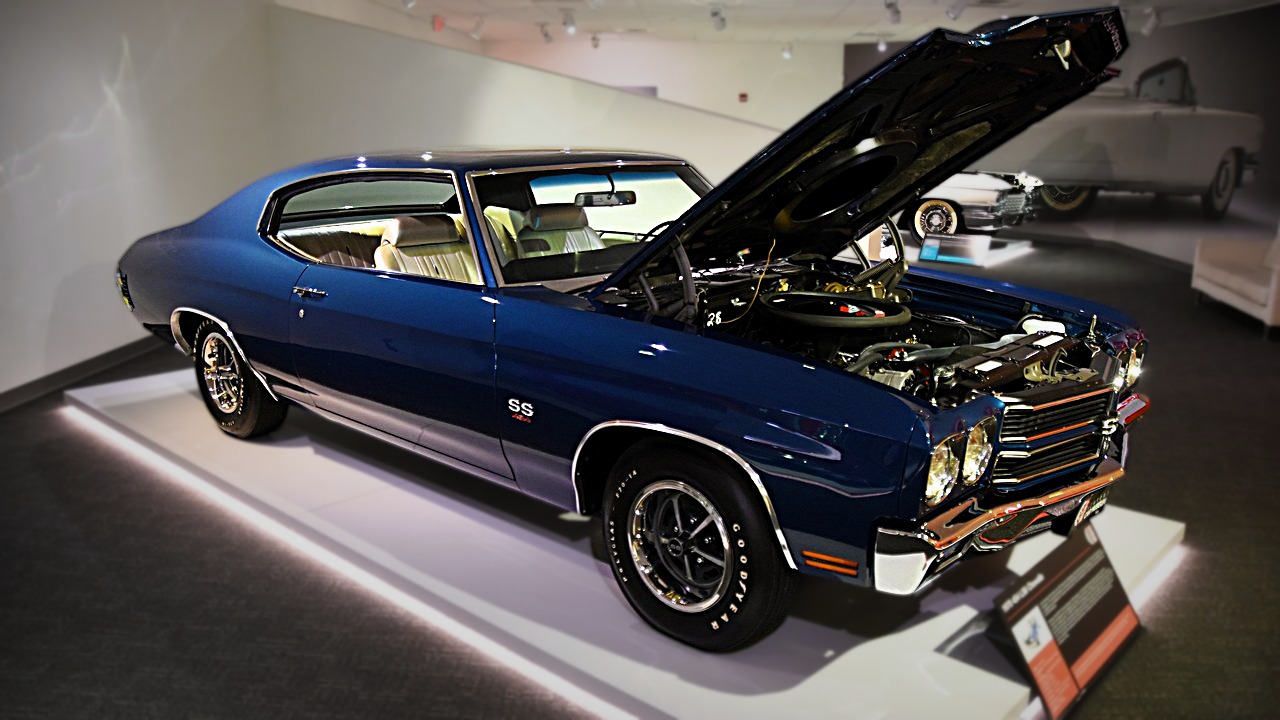
The LS6 Chevelle SS 454 carried a 450-horsepower rating in 1970, the highest of any car that year. According to Chevelle LS6 data of muscle car ratings, a Super Chevy dyno test measured only 288 horsepower at the rear wheels. That figure suggests a net rating nearer 350 horsepower for the big-block.
Gross ratings came from an engine on a test stand with no air cleaner, accessories or exhaust attached. The LS6 itself was serious hardware, with 11.25:1 compression, a solid-lifter cam and an 800 CFM Holley carburetor, and SlashGear counts 4,475 built. Its legend rests on the test-stand number, not the pavement.
2. Plymouth Hemi ‘Cuda: The $900 Hemi Option
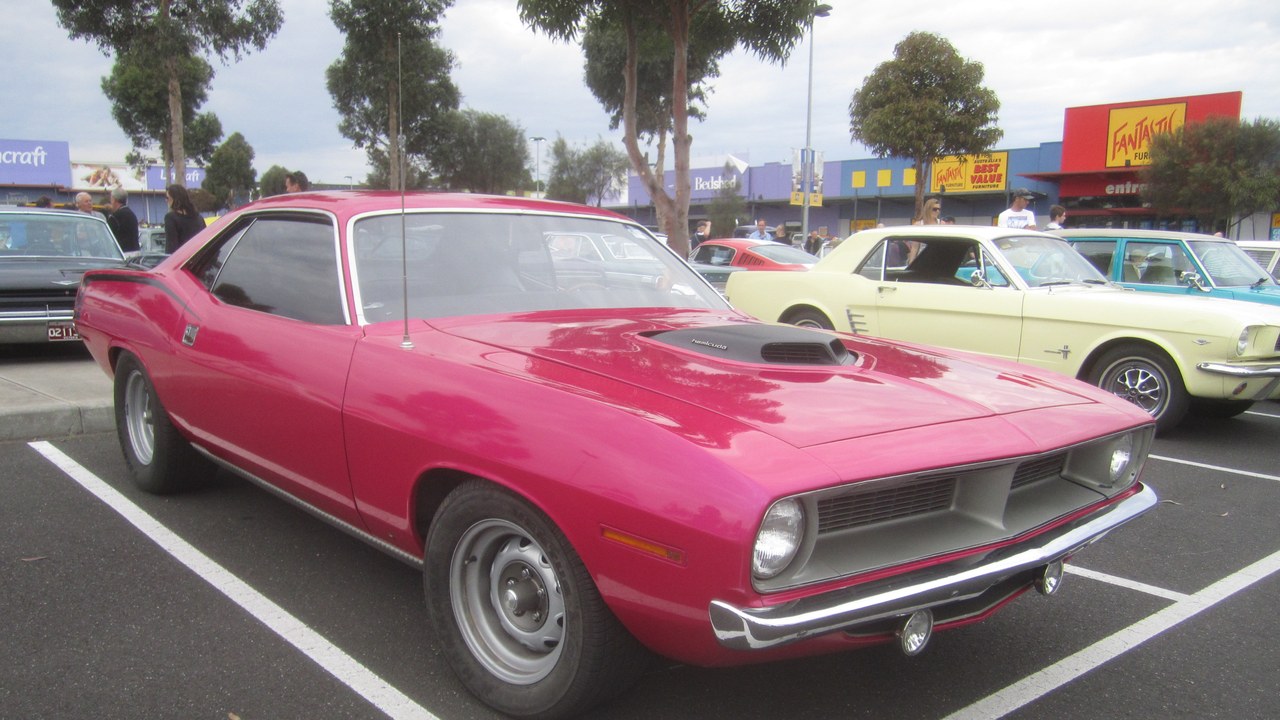
The Hemi ‘Cuda was built around the 426 Hemi, rated at 425 horsepower and 490 lb-ft of torque. a SlashGear roundup notes that those figures may have been understated, a common practice at the time to keep insurance costs down. The engine option added $900, almost a third of the car’s base price.
Beyond the engine, the Hemi ‘Cuda received stronger torsion bars, reinforced rear leaf springs and front disc brakes, with a TorqueFlite automatic or a four-speed manual. Paint names ranged from Sunfire Yellow to Scorch Red. Only about 100 hardtops and 7 convertibles got the Hemi in 1971, which helps explain today’s six-figure prices.
3. Dodge Challenger R/T 426 Hemi: Dodge’s Ultimate Muscle Car
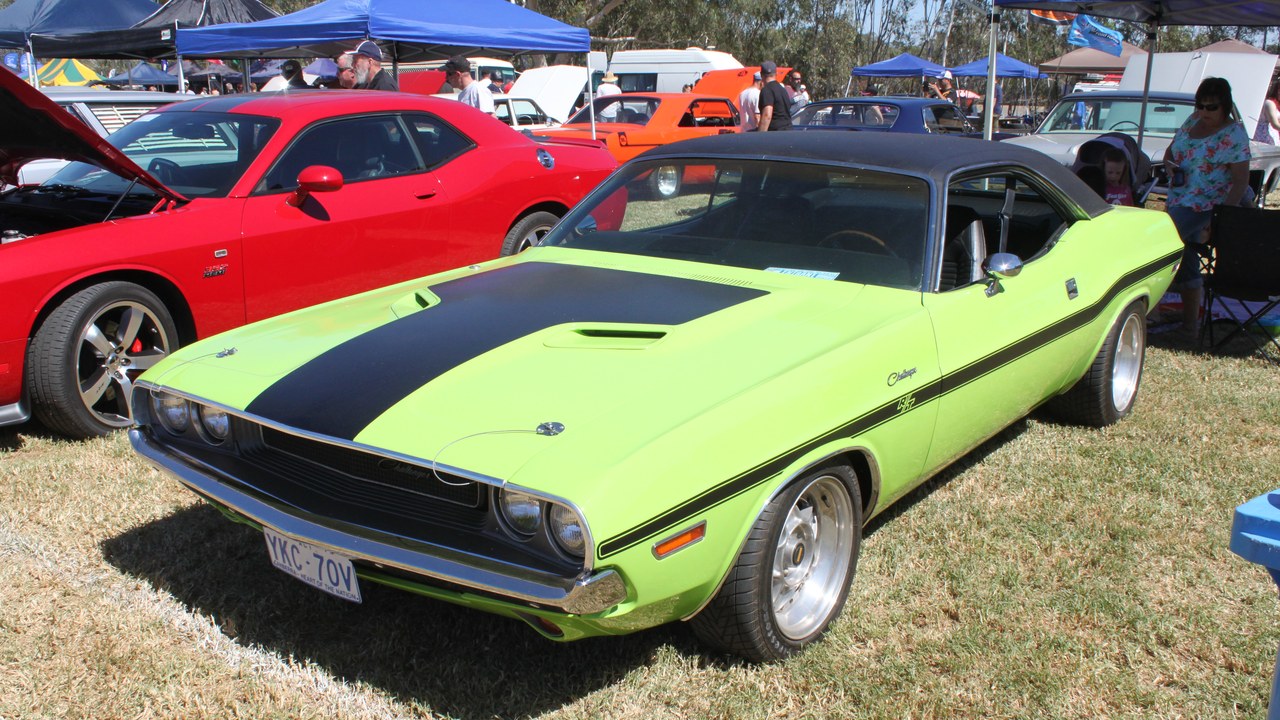
The 1970 Challenger R/T was billed as Dodge’s ultimate muscle car when ordered with the 426 Hemi, which made 425 horsepower and 490 lb-ft of torque. In a SlashGear feature, the Hemi version is described as one of the most powerful street cars of its time, running the quarter mile in a bit over 13 seconds.
The engine used dual four-barrel carburetors and solid lifters, while the R/T package added Rallye suspension and bigger brakes. The famous Shaker hood let the air cleaner poke through the bonnet and shake with the engine. SlashGear says Dodge sold around 19,000 Challenger R/Ts in 1970, and clean examples still fetch large sums.
4. Buick GSX Stage 1: Buick’s Torque Record
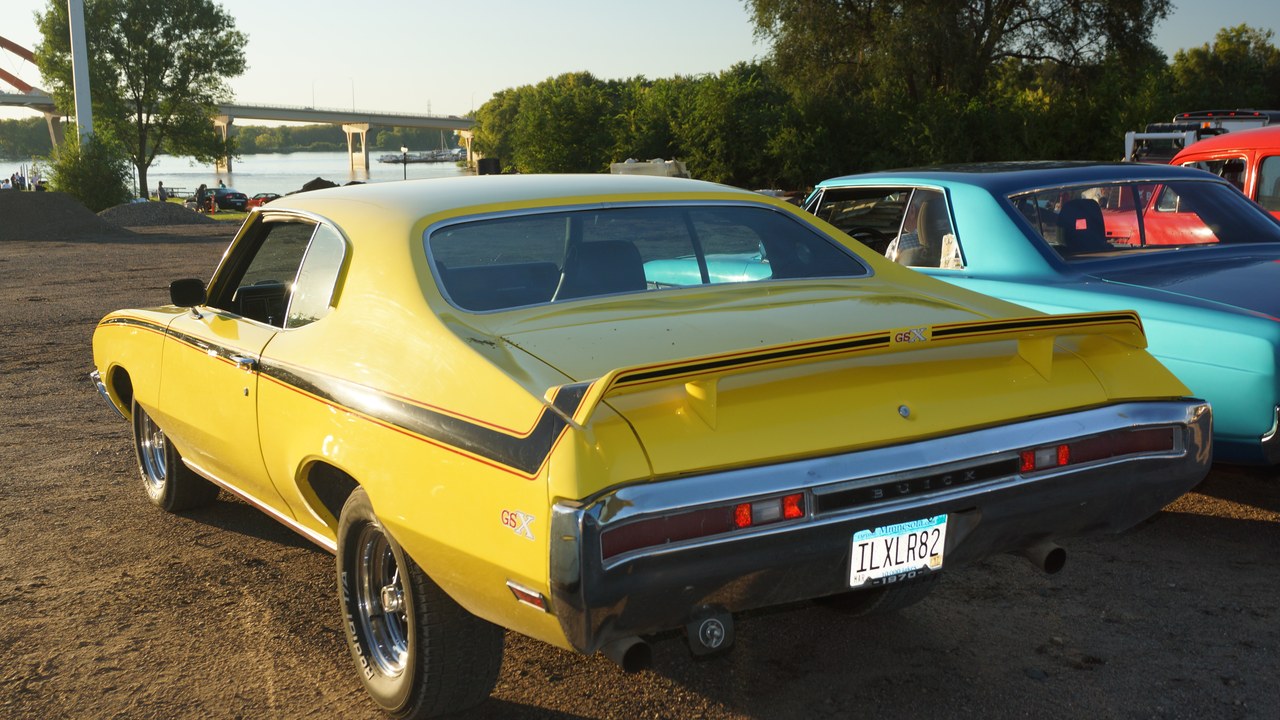
Buick built its reputation on comfort, yet the 1970 GSX Stage 1 changed that image. Its 455 cubic-inch V8 made 360 horsepower and 510 lb-ft of torque, which SlashGear’s list says no other American car beat until 2003. Only 678 were built.
Buyers could choose Saturn Yellow or Apollo White, with black stripes, a hood-mounted tachometer and GSX badging. SlashGear’s separate speed ranking cites Overdrive magazine figures of about 5.5 seconds to 60 mph and a 13.38-second quarter mile for the automatic version. Those numbers put a Buick level with Plymouth’s Hemi cars.
5. Plymouth Superbird: The Winged Wonder
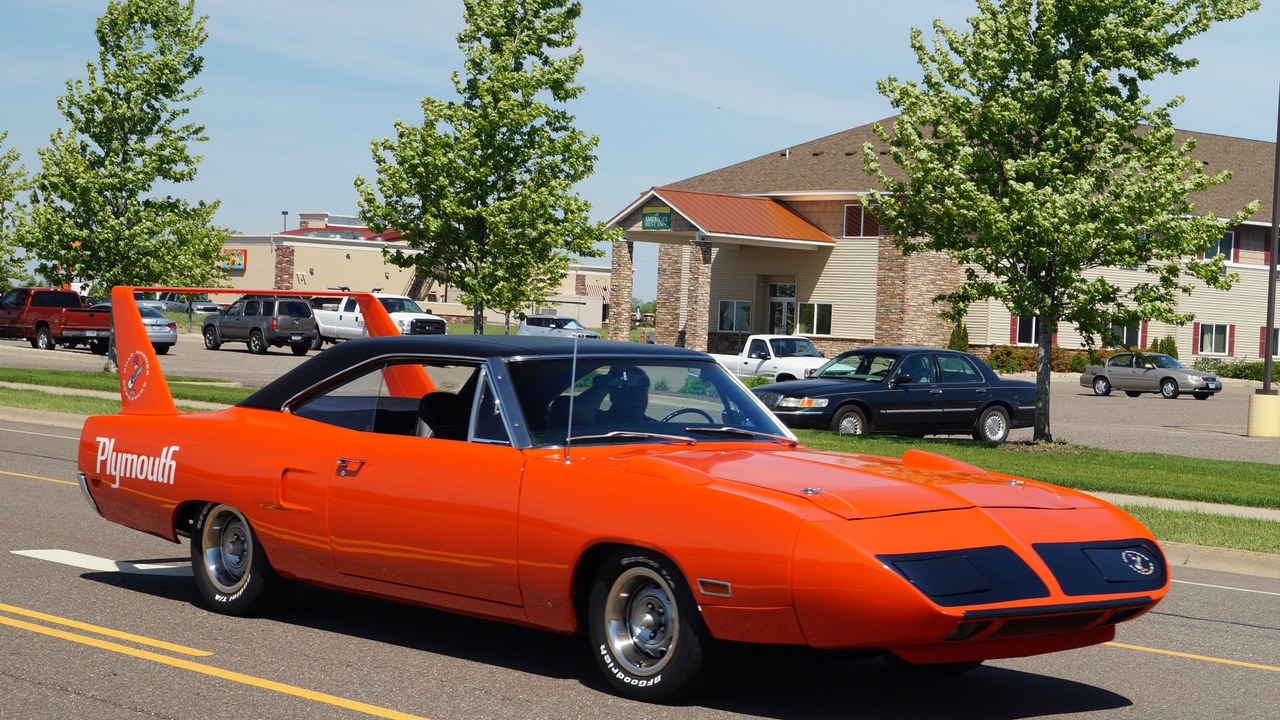
Plymouth produced the Superbird for a single year and built only 1,935 of them. According to SlashGear’s speed ranking, the car was reportedly a marriage of the Road Runner and the Dodge Charger Daytona, which explains its massive rear wing. It was built for NASCAR racing, and Plymouth stopped making it a year later.
Buyers could pick the 426 Hemi or either of two 440 cubic-inch V8s. The Superbird reached 60 mph in about 5.5 seconds and finished the quarter mile in roughly 13.5 seconds, while the car could go upwards of 200 mph. NASCAR then put new rules into effect that ended cars of this kind.
6. Plymouth Road Runner Hemi: The Cartoon Bird With a Hemi
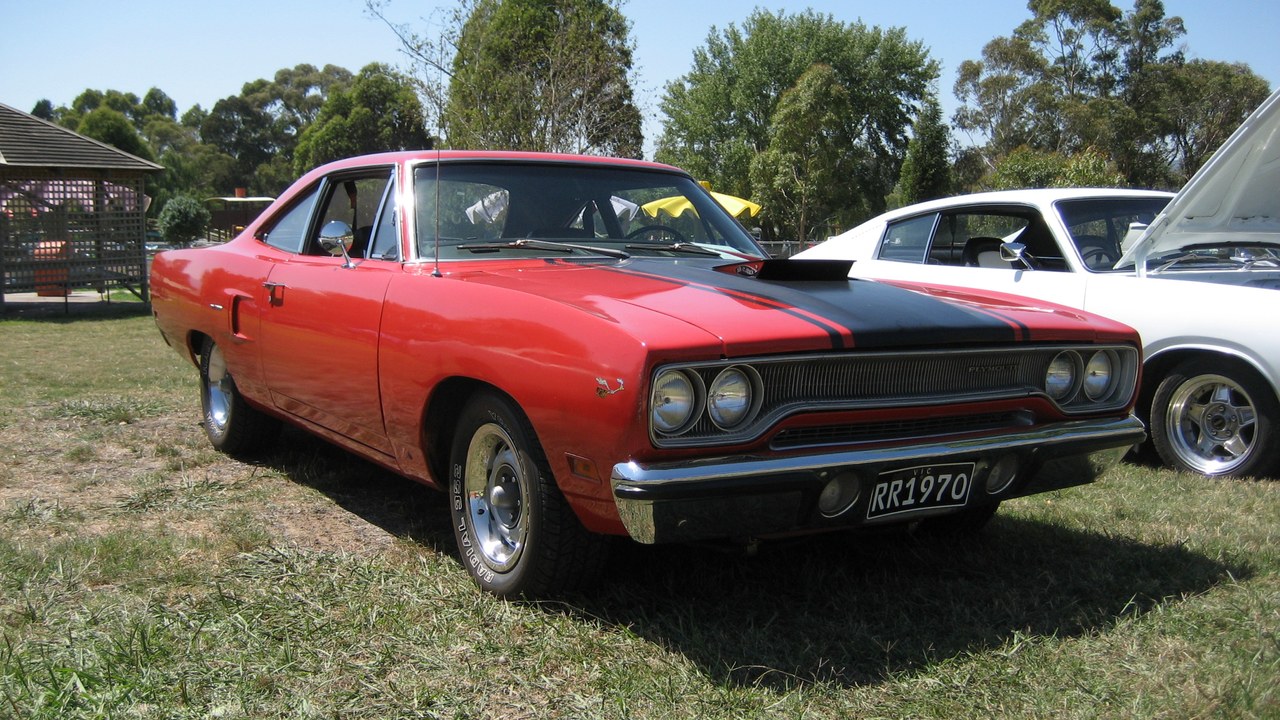
The Road Runner took its name from the Looney Tunes character, and the Hemi version carried the 426 with 425 horsepower and 490 lb-ft of torque. a SlashGear ranking reports 0-60 mph in around 5.5 to 5.6 seconds and the quarter mile in 13.5 to 13.6 seconds, depending on the source.
The hood scoop was operated from the cabin, which made it a functional detail rather than a decoration. A governor limited the car, so top-speed figures are hard to find, though the base-engine Superbird could do 142 mph unrestricted. The model lasted through 1980, long after the muscle era had wound down.
7. Ford Torino Cobra: Ford’s Lone Entry
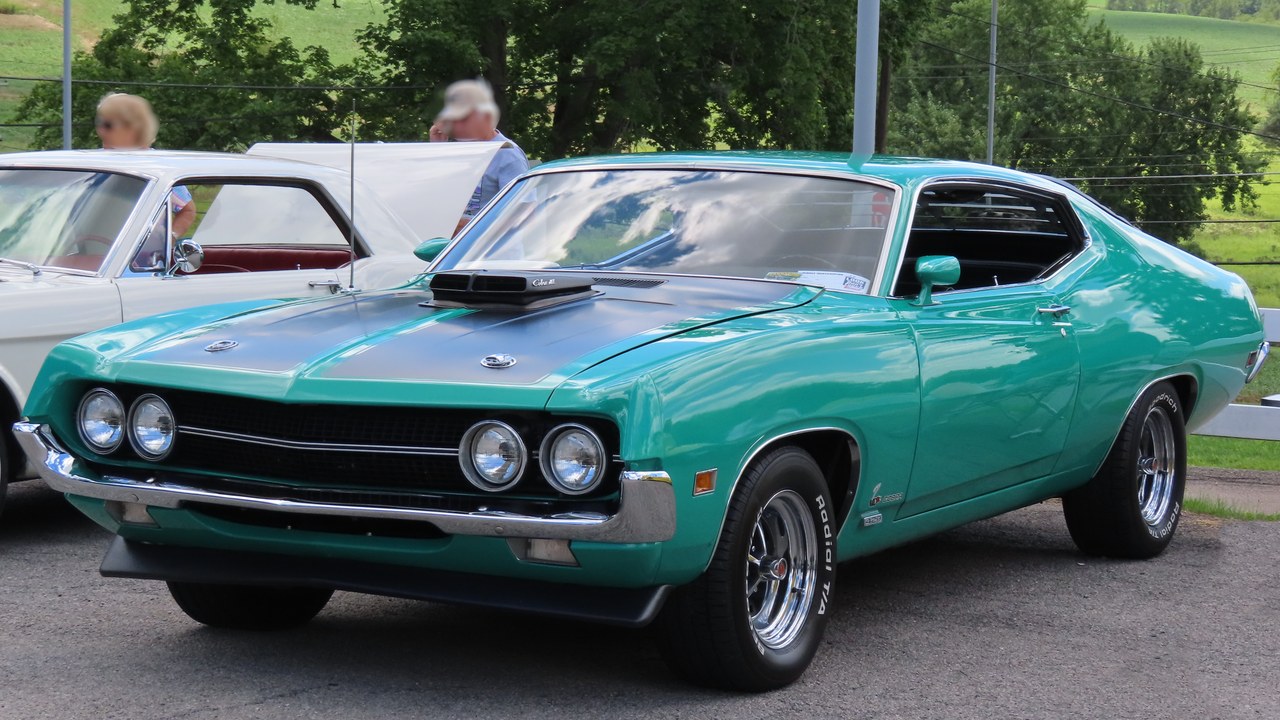
Ford had just one car in SlashGear’s ranking of the fastest muscle cars of the decade. In SlashGear’s speed list, the 1970 Torino Cobra is credited with a 429 cubic-inch V8, which replaced the 428 and made up to 370 horsepower in Cobra form.
That was enough for roughly 5.8 seconds to 60 mph and a 14-second quarter mile. The Torino was one of the biggest cars in its segment, which held the Cobra back compared with lighter rivals. Its popularity led Ford to drop the Fairlane badge in its favor, but emissions rules eventually ended it, and Ford discontinued the name in 1976.
8. Dodge Charger Daytona: Over 200 mph at Talladega
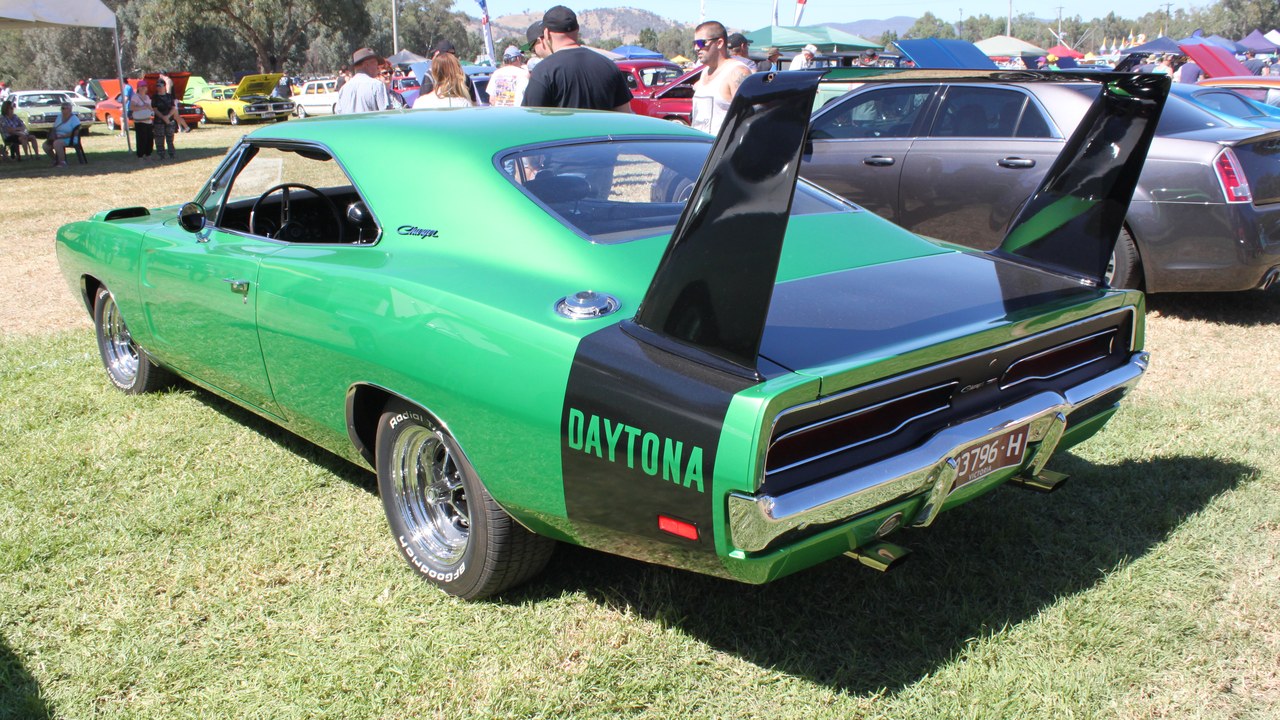
Only about 503 Charger Daytonas were ever produced, and SlashGear placed it first in its ranking of the decade’s fastest muscle cars. a SlashGear ranking credits Buddy Baker with breaking the 200 mph barrier at Alabama International Motor Speedway in one, a car 30 mph faster than any other on the track that day.
The Daytona carried the 426 Hemi, reached 60 mph in about 5.1 seconds and ran the quarter mile in the mid-13-second range. Drag strips were not where it excelled; sustained speed was. NASCAR later rewrote its rulebook to ban aero cars like the Daytona and the Superbird, and both brands ended aero-car production by 1971.
9. Ford Mustang Boss 302: The 400-Horsepower Myth
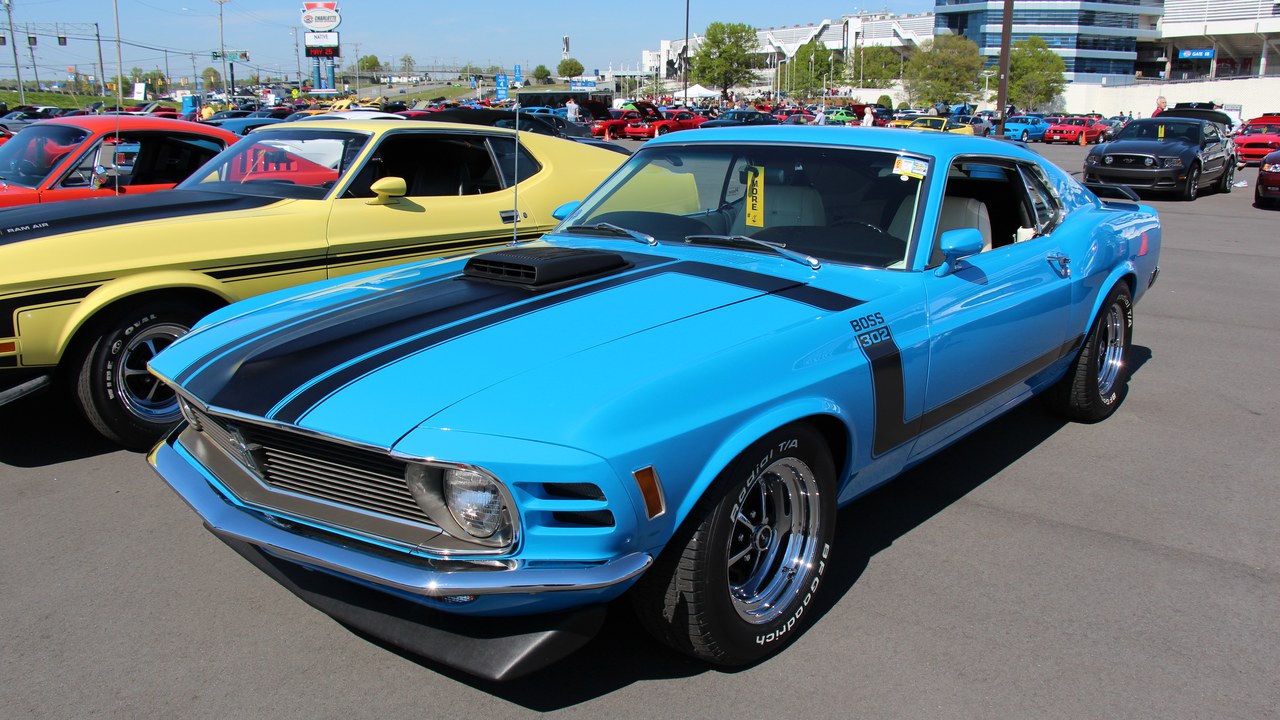
Some owners claim the 1969-1970 Boss 302 really made around 400 horsepower, but a Hagerty investigation argues otherwise. Ford rated it at 290 gross horsepower, and vintage road tests show mid-to-high 14-second quarter miles at 94 to 97 mph for a car weighing about 3,500 pounds with driver and test gear.
On that evidence, Hagerty concludes the 290 figure looks accurate, which puts net output closer to 240. The comparison with the 2012-2013 Boss 302 is blunt: that car was rated at 444 horsepower and clocked a 12.8-second quarter mile at 113 mph. The 1970 car was at least 200 net horsepower short of it.
10. Pontiac Trans Am: A Pontiac in the Numbers
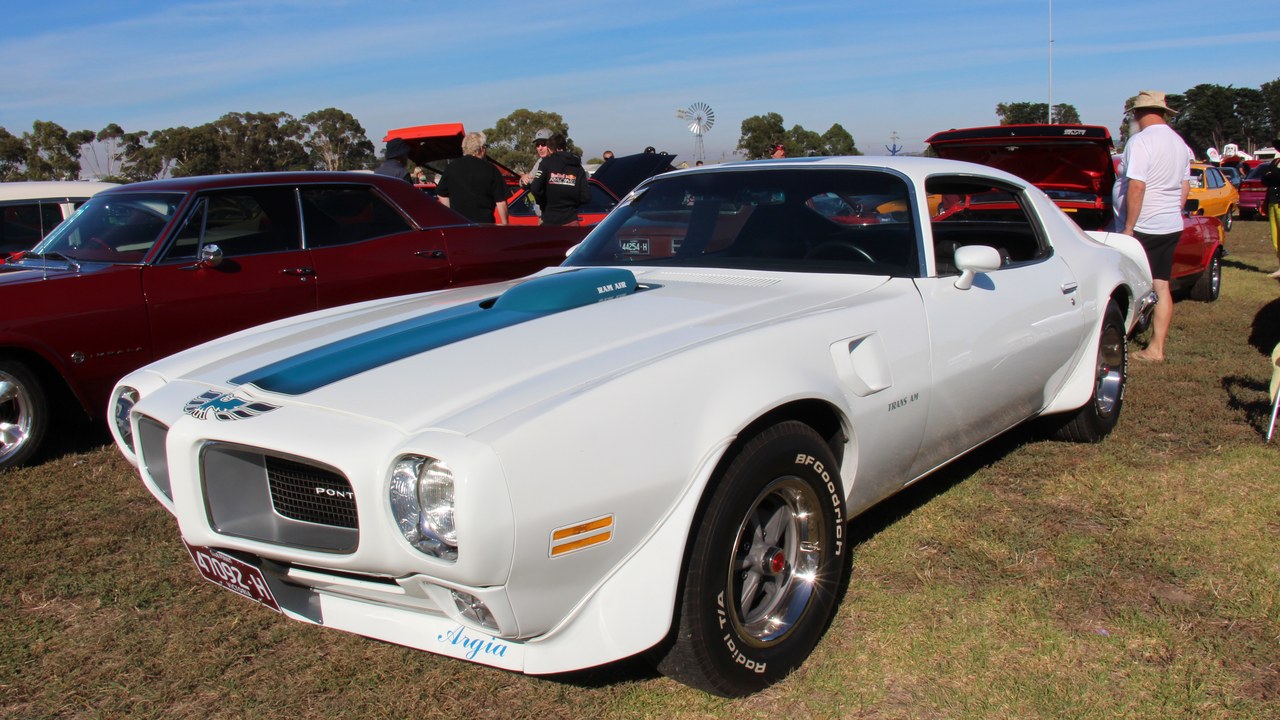
In 1970, Car & Driver tested a Pontiac Firebird Formula 400 rated at 330 gross horsepower and recorded a 14.78-second quarter mile at 98.9 mph. According to Hagerty’s horsepower article, Muscle Car Review later put a 1970 Trans Am with the same engine through a 14.68-second run at 97.17 mph in 1995.
The two results agreed closely despite 25 years between them. Pontiac gave the engine a 255 net horsepower rating for 1971, once the net standard arrived. Hagerty added a 1979 Trans Am test with the emissions-controlled 400, a 220-horsepower car that ran 15.3 seconds, to show the later drop was real but modest.
11. Chevrolet Corvette LT-1: The High-Compression Small Block
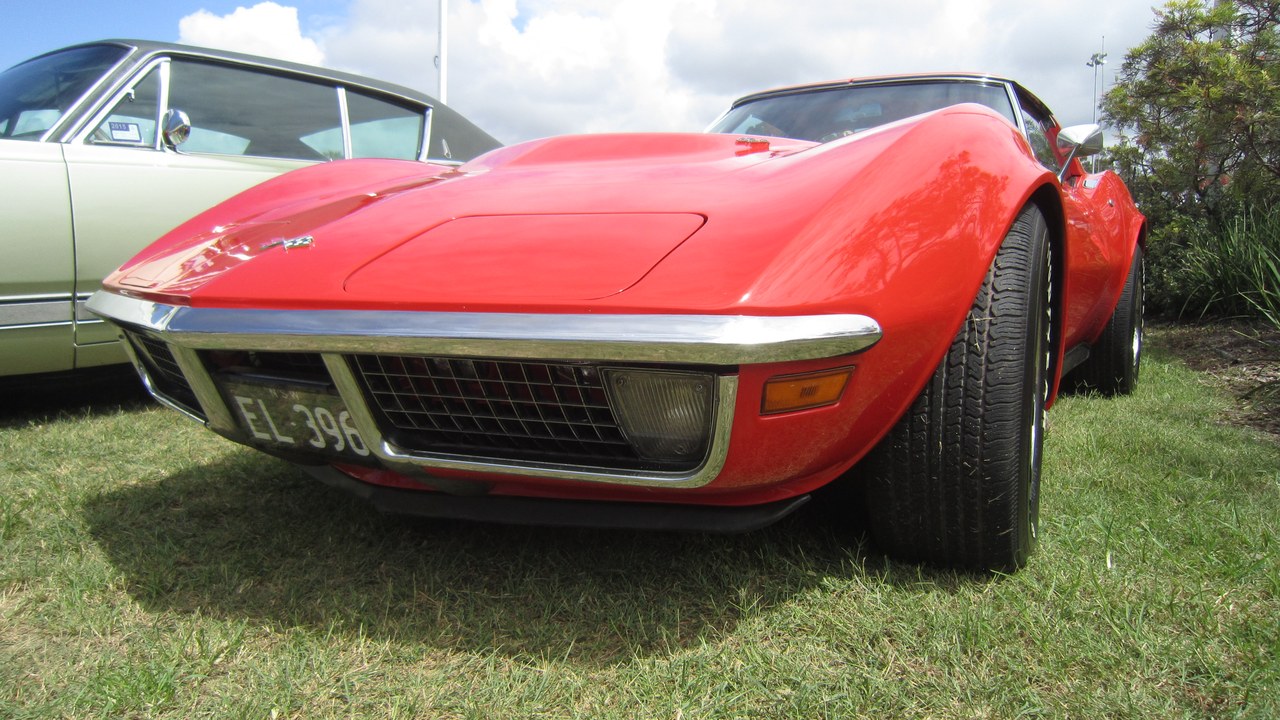
The Corvette’s optional LT-1 350 small block had 370 gross horsepower in 1970 with 11:1 compression. a Hagerty explainer notes that the rating then fell to 330 gross for 1971 and 1972, with compression lowered to 9:1 and a 255 net horsepower figure.
Carmakers were cutting compression in many engines by 1971 to meet upcoming emissions requirements and to run unleaded fuel. General Motors and Chrysler began advertising both gross and net figures that year, and net ratings applied across the board for 1972. Suddenly, muscle cars appeared to lose 100 horsepower or more.
More from Morning Overview
- Three atmospheric rivers are lining up to drench the Pacific Northwest this week
- Thousands of bottles of a combination blood pressure pill are recalled nationwide
- GM’s big V8 trucks keep blowing engines after the recall fix, and NHTSA is digging deeper
- Hidden card skimmers on gas pumps and ATMs can be exposed with one quick shake
