
Few American cars are as closely tied to their decade as the big Cadillacs of the late 1940s and 1950s. Their tailfins, chrome and prices made them the benchmark of postwar luxury, and the market still treats the best of them that way. Here are ten Cadillacs that defined the chrome and fin era.
Read next on Morning Overview: Older Teslas mostly keep their batteries, and here’s what wears out instead
1. 1948 Cadillac Series 62 Fastback Coupe: Fins Take Off
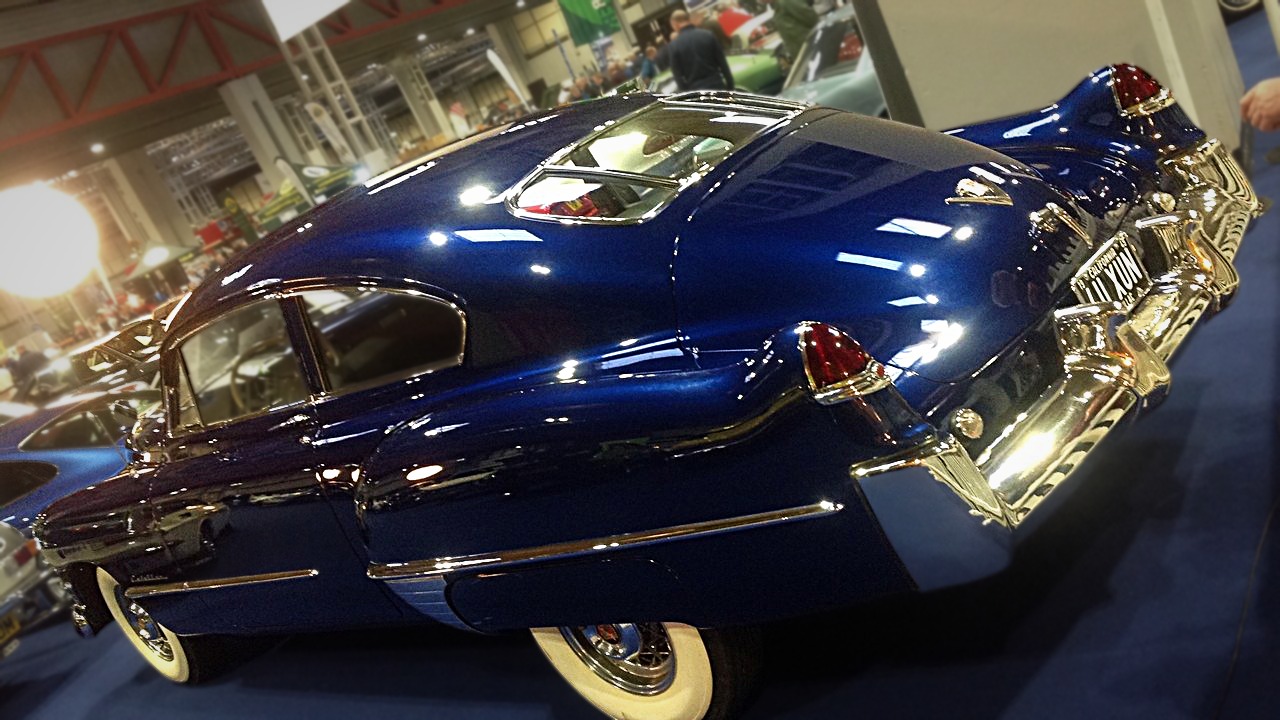
Cadillac’s first tailfins appeared in 1948, and the idea came from aviation. General Motors stylists had seen Lockheed’s P-38 Lightning fighter before the war, and its twin-boom shape inspired the small fins on the rear fenders. Hagerty’s profile of the 1948 Cadillac fastback coupe calls this the place where it all began, and the design is a Certified Milestone Car.
The fastback was the sleekest Cadillac of the range, with a massive egg-crate grille up front and a sloping back that made the fins look even more neatly integrated. Hagerty reports 22,209 were built over 1948 and 1949, and the 1949 Series 62 had the highest run at 7,515 units.
2. 1949 Cadillac Coupe de Ville: The Hardtop Recipe
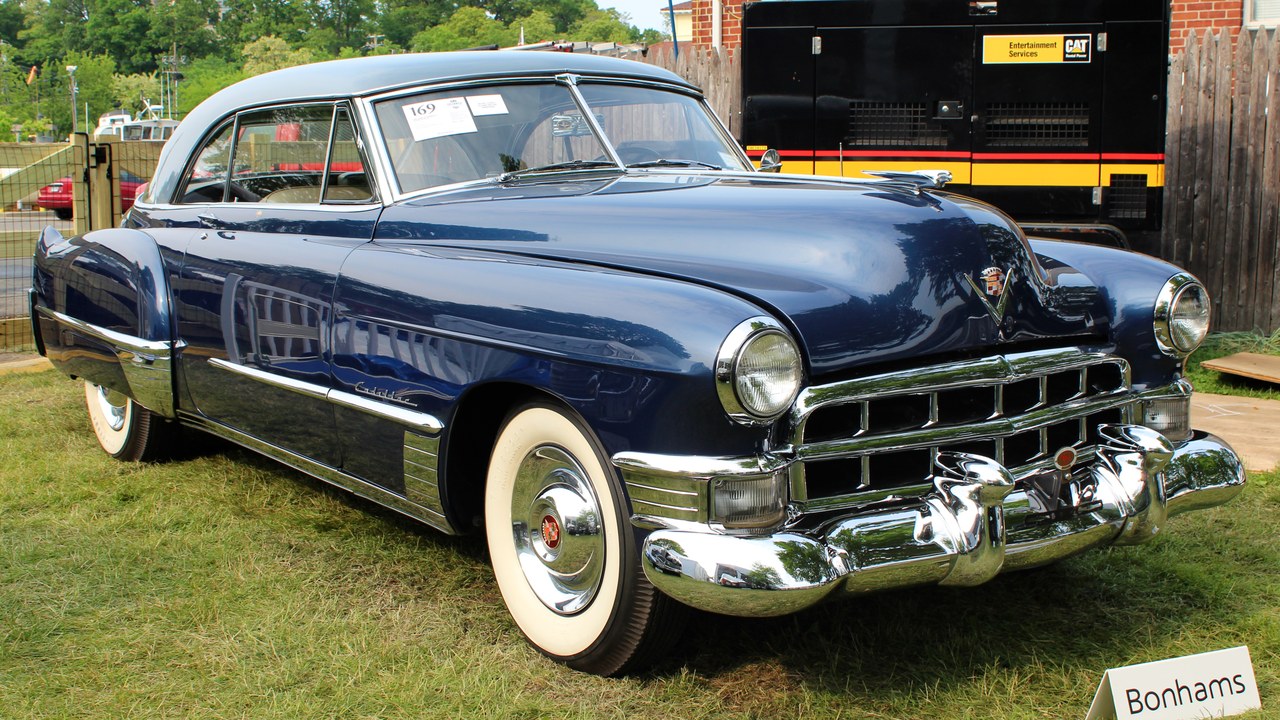
Curbside Classic argues that the first Coupe de Ville was the prototype for the median American car of the 1960s. It paired an overhead-valve V-8, an automatic transmission and a pillarless hardtop coupe, a combination that soon spread across the whole industry. The first Coupe de Ville history calls it a strong candidate for the definitive Cadillac.
The 1949 model arrived as Cadillac’s first pillarless hardtop coupe, after a prototype was shown at the GM Transportation Unlimited show in late January 1949. Production cars rode a shorter wheelbase than that prototype and used Series 62 brightwork. The new OHV V-8 also debuted that year, though the split windscreen remained until 1950.
3. 1953 Cadillac Eldorado: The Debut Convertible
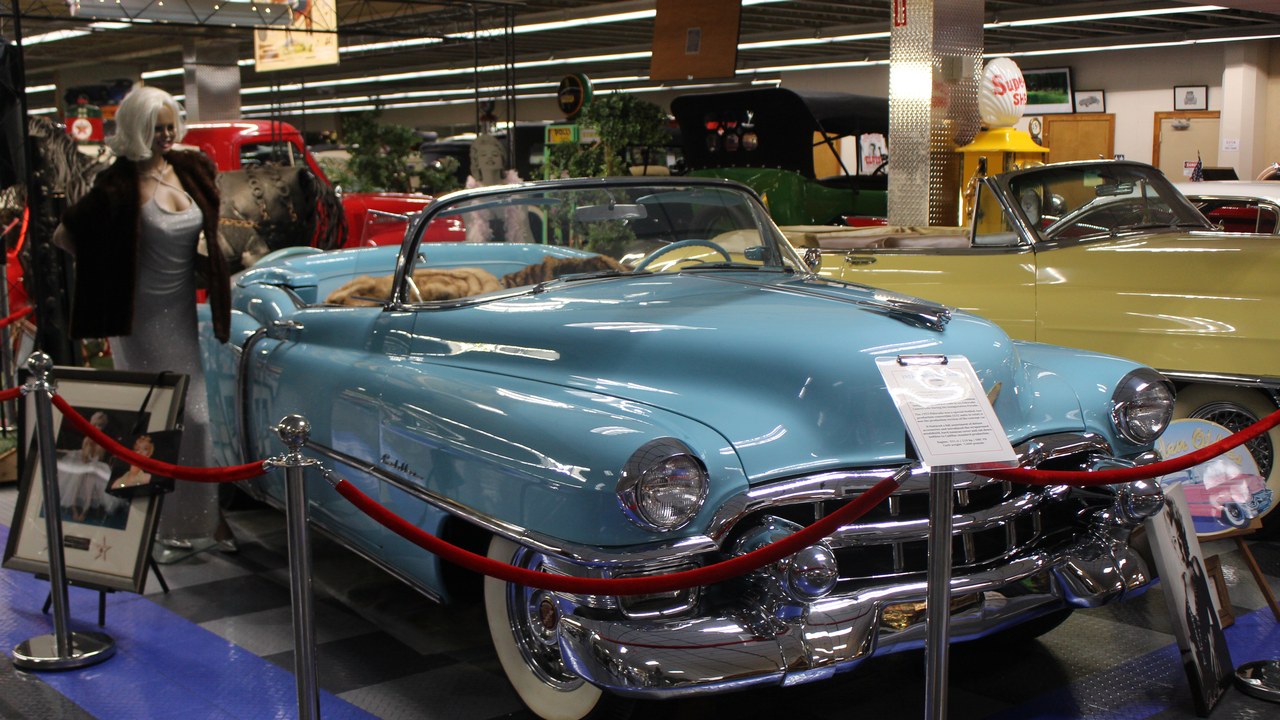
The Eldorado convertible made its debut in 1953 and quickly became the most famous Cadillac of that year. Hagerty’s column on the 1953 Cadillac column notes that it retailed for a hefty $7,750 and that only 532 were built, which made it rarer and costlier than anything else in the showroom.
That price sat far above the rest of the line. The same article lists the Fleetwood Sixty Special at $4,305, the Series 62 sedan at $3,666 and a Chevrolet 210 sedan at $1,761. The 1953 models also wore prominent Dagmar bumperettes, which grew considerably over the previous year’s units, and the Eldorado carried them with unmistakable swagger.
4. Cadillac Fleetwood Seventy-Five: The Chauffeur’s Cadillac
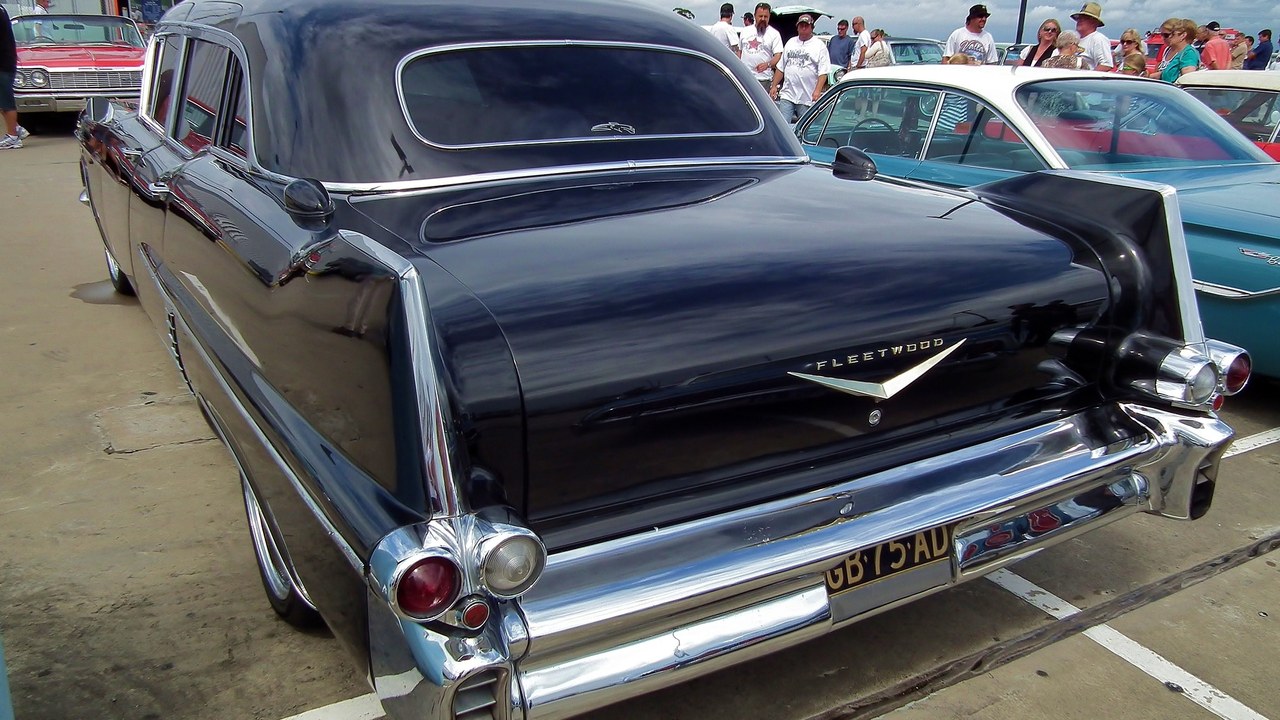
At the top of the size chart sat the Fleetwood Seventy-Five. Hagerty’s look at the 1953 Sixty Special calls that car the biggest owner-driven Cadillac one could buy, and then adds that only the chauffeur-driven Seventy-Five limousines were bigger. The Seventy-Five was the limousine of the range.
The comparison shows how large the Sixty Special already was. In 1953 it rode a 130-inch wheelbase, four inches longer than a Series 62 coupe or sedan, and it weighed 4,337 pounds. Hagerty’s profile of the 1958 model later repeats the ranking, noting the Seventy-Five limousine and sedan cost more than the Sixty Special, as did the Eldorado Brougham.
5. 1958 Cadillac Fleetwood Sixty Special: More Chrome Than Anyone
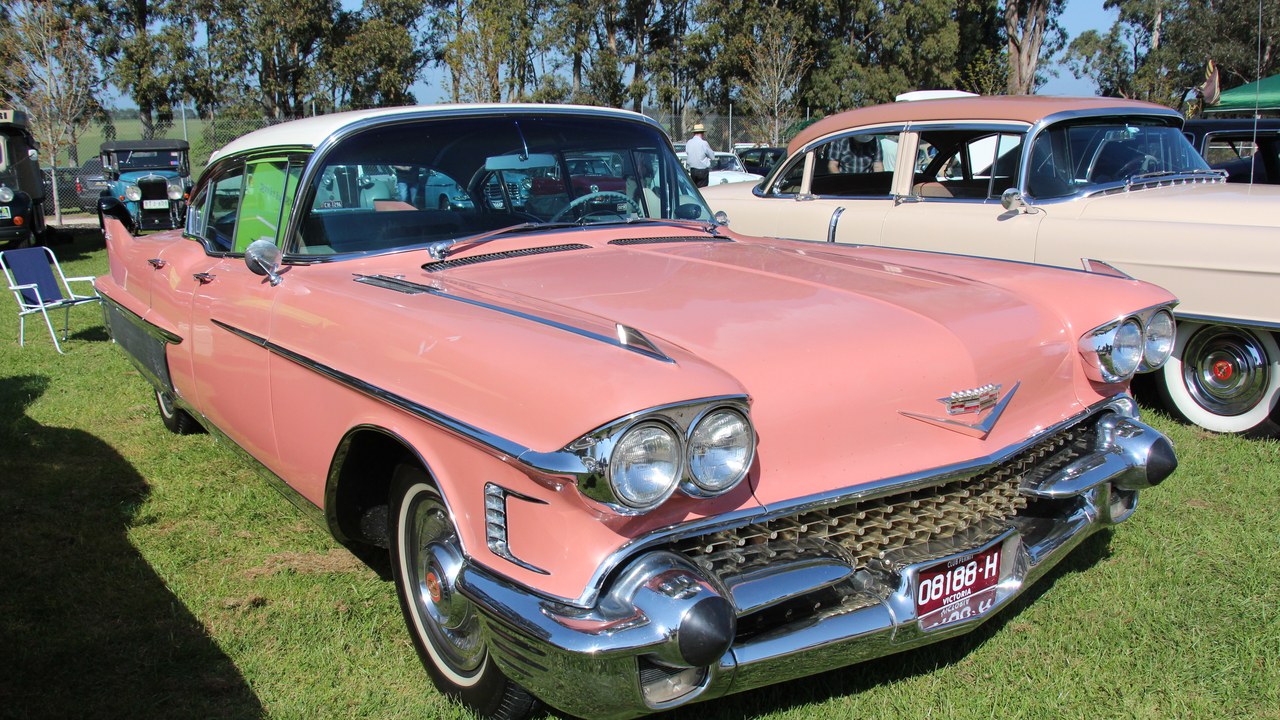
The Fleetwood Sixty Special was the top-of-the-line owner-driven Cadillac sedan in 1958, and Hagerty’s profile titled a 1958 Sixty Special profile says it had at least 12 square feet of additional chrome compared with the Series 62. It also had a longer wheelbase, fender skirts and more mature styling.
The Sixty Special had a base price of $6,232, about $1,300 more than the Series 62 four-door hardtop. Hagerty lists a curb weight of 4,930 pounds and 12,900 built for the year. Every 1958 Cadillac used a V-8, and the Sixty Special’s was an overhead-valve 365-cubic-inch unit making 310 horsepower.
6. 1958 Cadillac Series 62: The Standard Cadillac
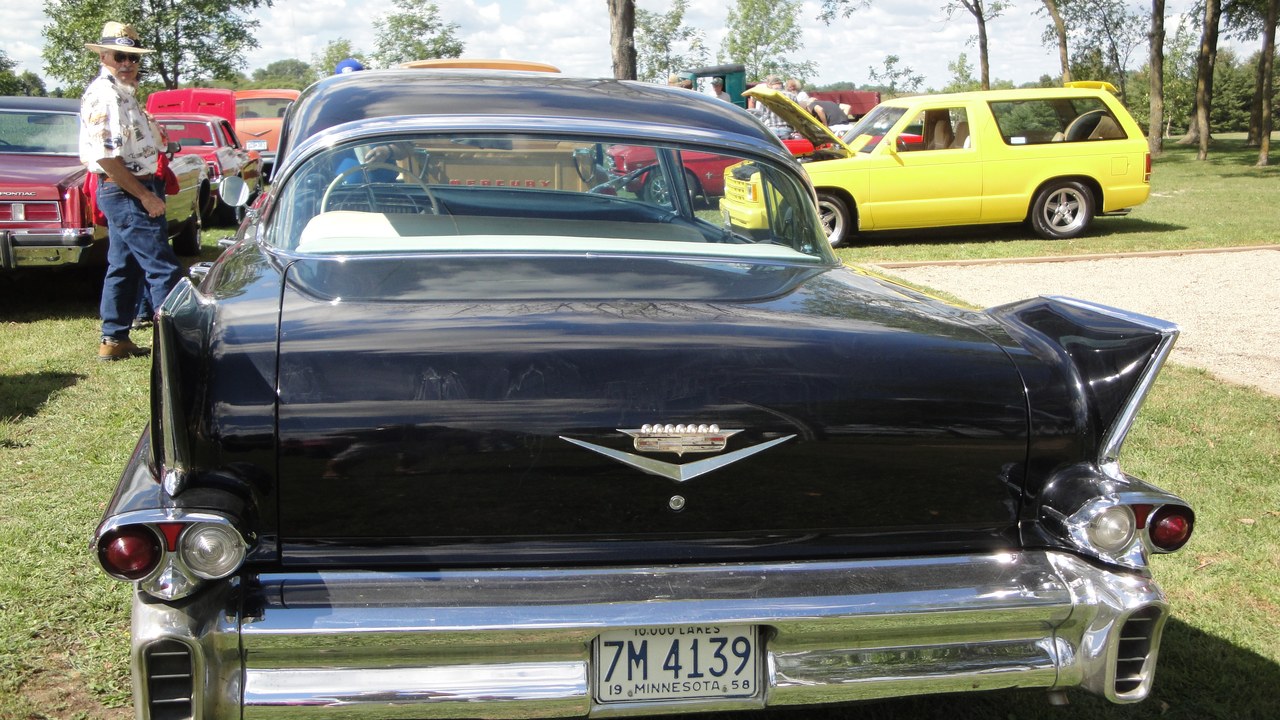
Calling any 1958 Cadillac standard is relative. Hagerty’s profile of the 1958 Series 62 sedan records a base price of $4,891 for the Series 62 sedan, about $46,300 in today’s money, and notes that many left the showroom well above $5,000 once options were added. Cadillac built 13,335 Series 62s that year.
The comparison that stands out is with Chevrolet. A plain 1958 Biscayne sedan with a V-8 cost $2,397, less than half the price of the Cadillac. Even so, Hagerty says the Series 62 delivered the style, room and comfort of its pricier siblings with a little less gingerbread, and it should not be called the cheap model.
7. 1957 Cadillac Eldorado Brougham: Pricier Than a Rolls
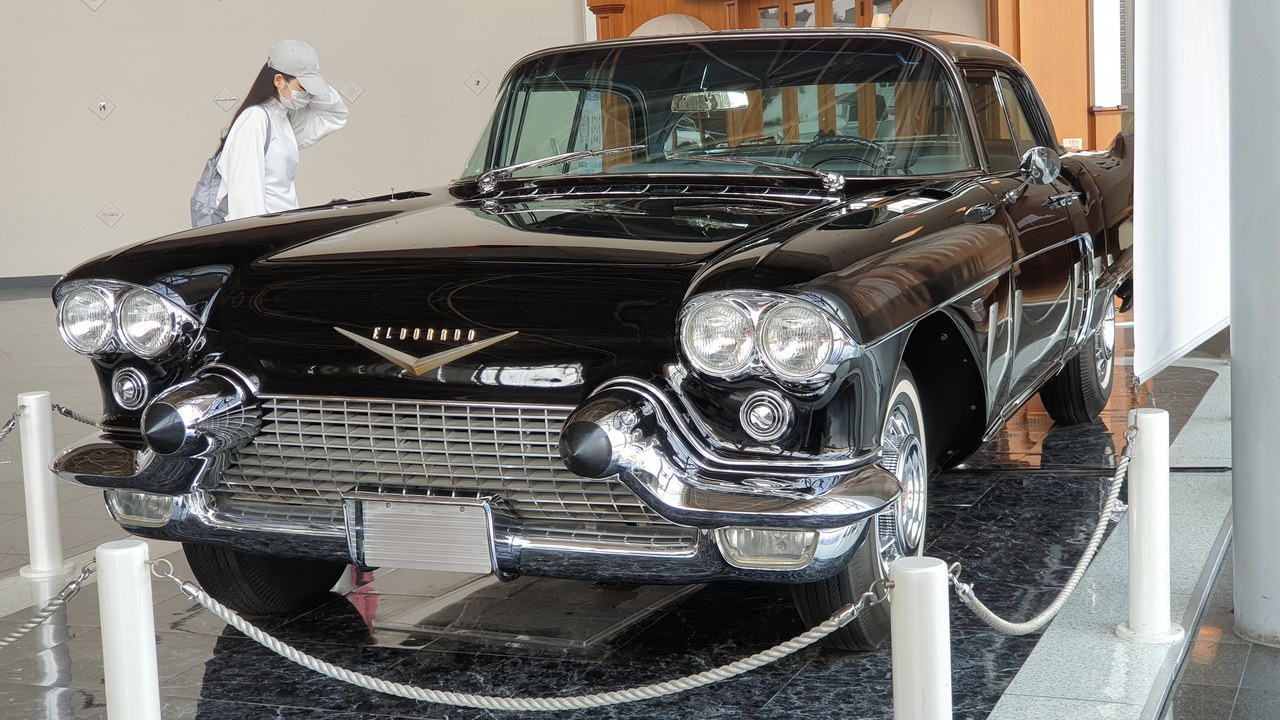
The Eldorado Brougham was new for 1957, a super-luxury four-door hardtop. Hagerty’s column on the 1957 Eldorado Brougham says it cost more than $13,000 in 1957, about $141,054 in today’s money, which was more than a Rolls-Royce. Only 400 were built that year.
Hagerty’s column describes the 1958 version as visually identical to the 1957 car. The same column notes that every 1957 Cadillac carried a 365-cubic-inch V-8, and that Eldorados rated 325 horsepower thanks to twin four-barrel carburetors, a slight bump over the 300 horsepower of the other models.
8. 1959 Cadillac Eldorado Seville: A Coupe Worth $97,800
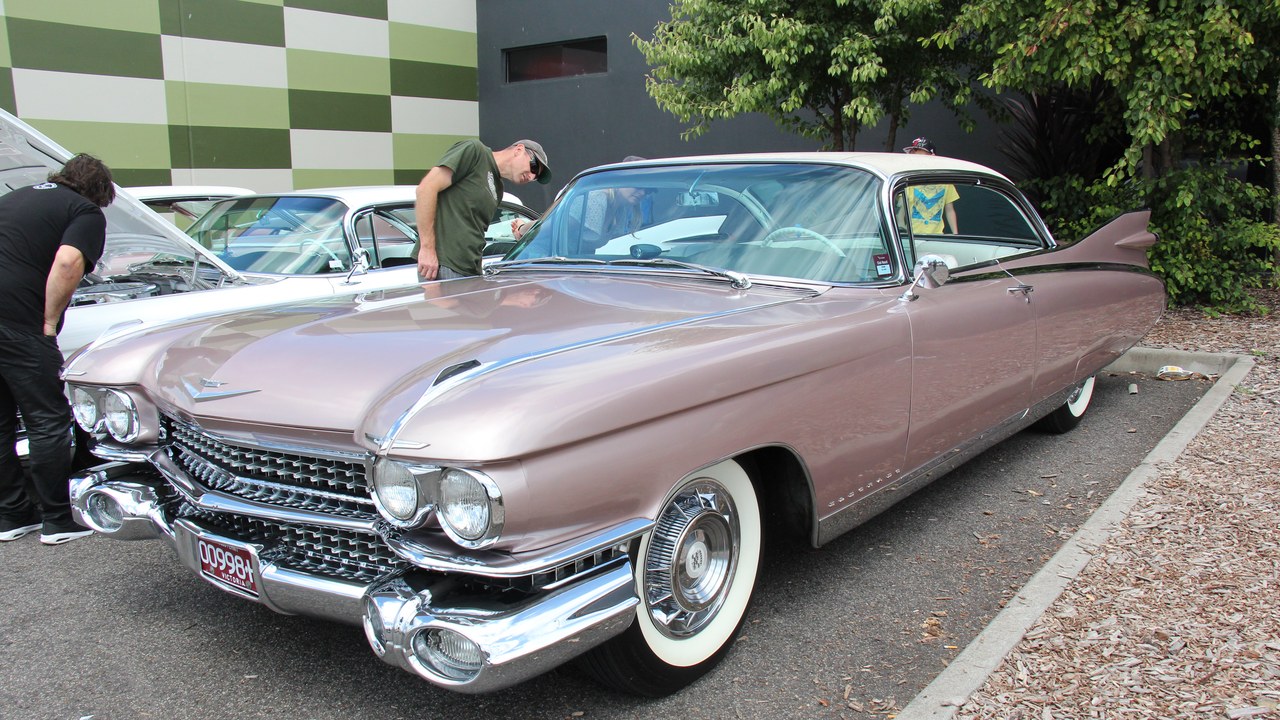
The 1959 and 1960 Eldorados came in three named body styles, and the Seville was the coupe. Hagerty’s market piece on the 1959-60 Eldorado market reports that Price Guide values for 1959 Seville coupes in number-two condition rose 62 percent between 2015 and 2025, reaching $97,800 in 2025.
The 1960 Seville gained a more modest 30 percent over the same decade, and Hagerty puts the 1960 model 28 percent below the 1959 car in value. The article attributes the premium to the 1959 model’s iconic tail fins, and notes the Eldorado shared its body with the Series 62 and DeVille cars.
9. 1959 Cadillac Eldorado Biarritz: The Biarritz Convertible
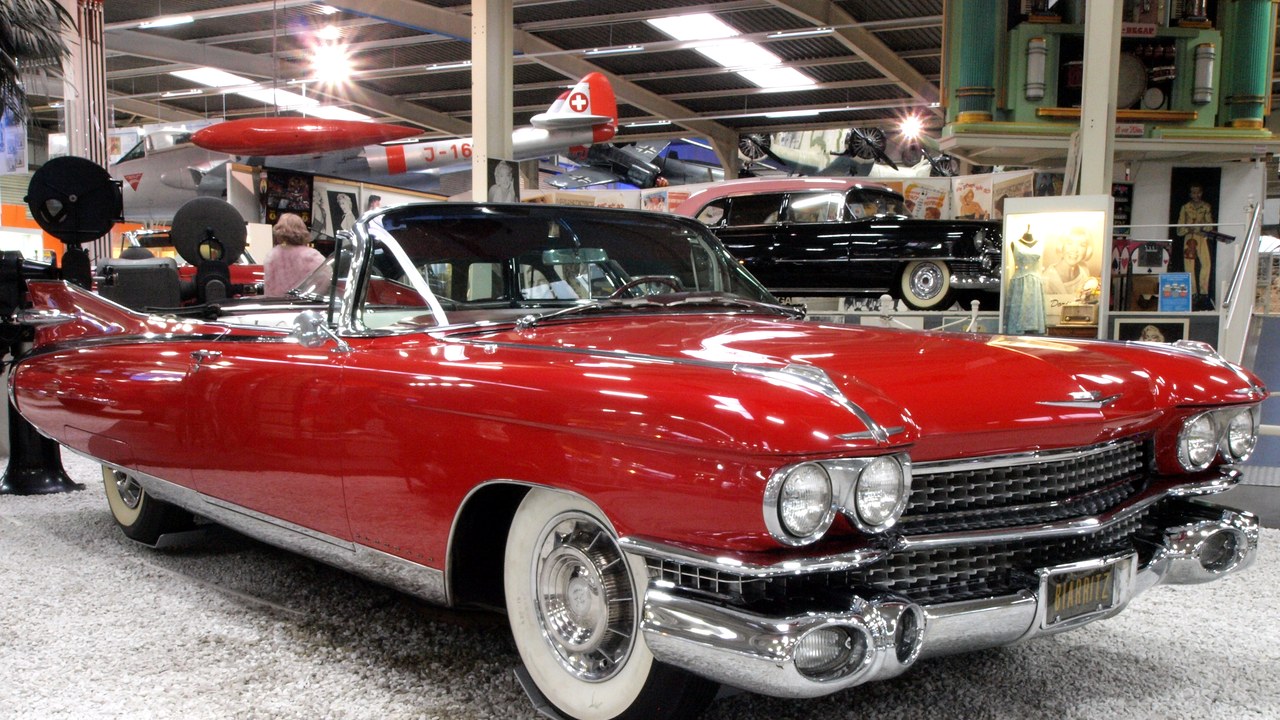
The Biarritz was the convertible among the 1959 Eldorados, and it is the one the market prizes most. Hagerty’s report on the 1959 Eldorado Biarritz says values rose 54 percent from 2015 to 2025, so a 1959 model in number-two condition now costs $278,000.
The 1960 Biarritz gained 44 percent over the same period and is much cheaper at $154,000, which Hagerty puts down to the restrained rear styling of its tail fins. Optional bucket seats add 10 percent to the value of any Biarritz in any condition. The article also notes that Generation X accounts for 36 percent of Eldorado insurance quotes.
10. 1959 Cadillac Coupe de Ville: Peak Fin Height
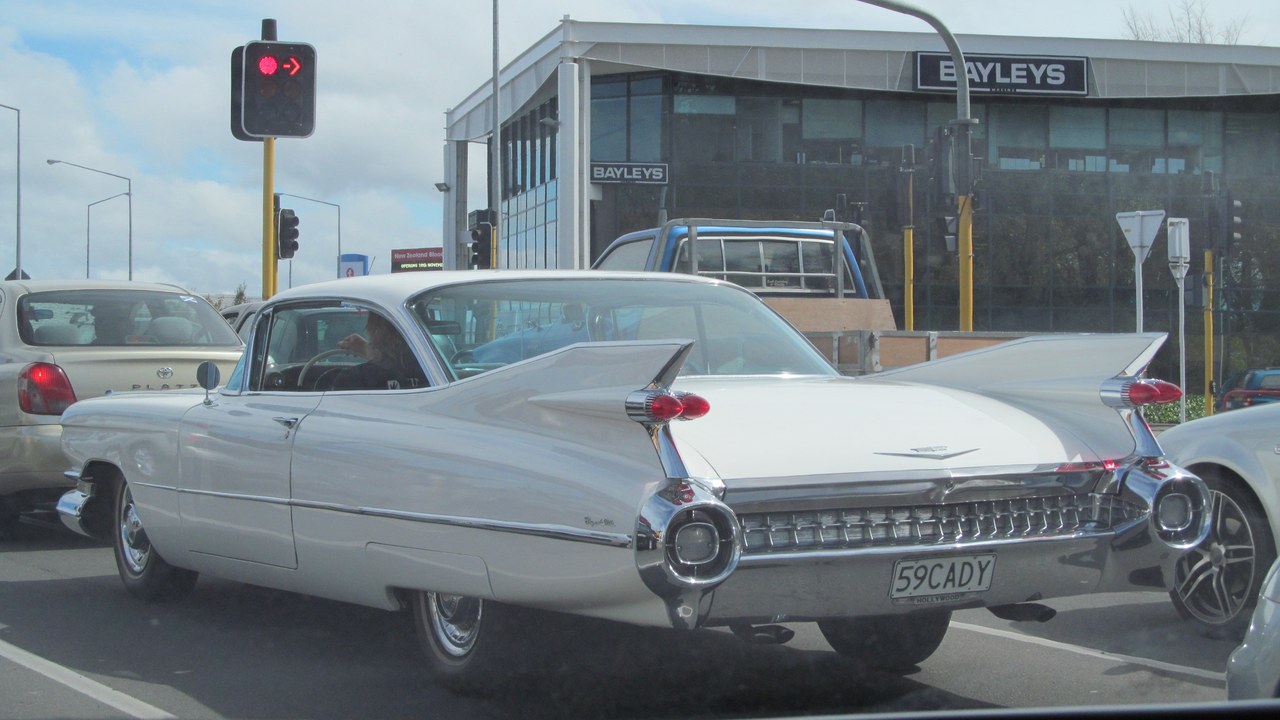
The 1959 Coupe de Ville wore the high-water mark of Cadillac’s tailfins, at 42 inches tall. Hagerty’s profile of the 1948-49 fastback profile describes the Cadillac Ranch in Texas, which begins with a 1949 fastback coupe, reaches the 1959 Coupe de Ville and closes with a 1963 sedan.
That sculpture traces the whole arc of the fin, from the demure 1948 originals through their peak and the eventual diminution of these iconic appendages. Hagerty adds that the first postwar Cadillac was the first befinned car, which gives the 1959 Coupe de Ville the role of climax in a story that began a decade earlier.
More from Morning Overview
- Hidden card skimmers on gas pumps and ATMs can be exposed with one quick shake
- Debris from the Greenacres Learjet crash landed on Florida rooftops, and the NTSB wants it
- Lockheed says its Valkyrie laser shot down a cruise missile stand-in with no tracking aids
- A Cirrus SR22 declared an emergency a minute after departure clearance, its parachute still bagged
