
The most important warships in many navies today are destroyers and cruisers packed with missiles and powerful radar. Their main job is to shield aircraft carriers, supply ships and coastlines from incoming aircraft and missiles. Here are nine missile-armed warships that guard the world’s fleets.
Read next on Morning Overview: A $1 billion gas plant planned for Superior, Wisconsin, has been abandoned
1. Arleigh Burke-class destroyer: The Backbone of the U.S. Fleet

The U.S. Navy has taken delivery of 71 Arleigh Burke-class destroyers since USS Arleigh Burke was commissioned on July 4, 1991, with 12 more under construction, according to the Navy’s destroyer fact file.
No other modern warship class has been built in such numbers. The ships carry the Aegis combat system and dozens of missile cells, letting them defend against aircraft, ships, submarines and ballistic missiles. Newer versions add an upgraded radar that can track more targets at once. The class will remain in service for decades.
2. Ticonderoga-class cruiser: The First Aegis Ships
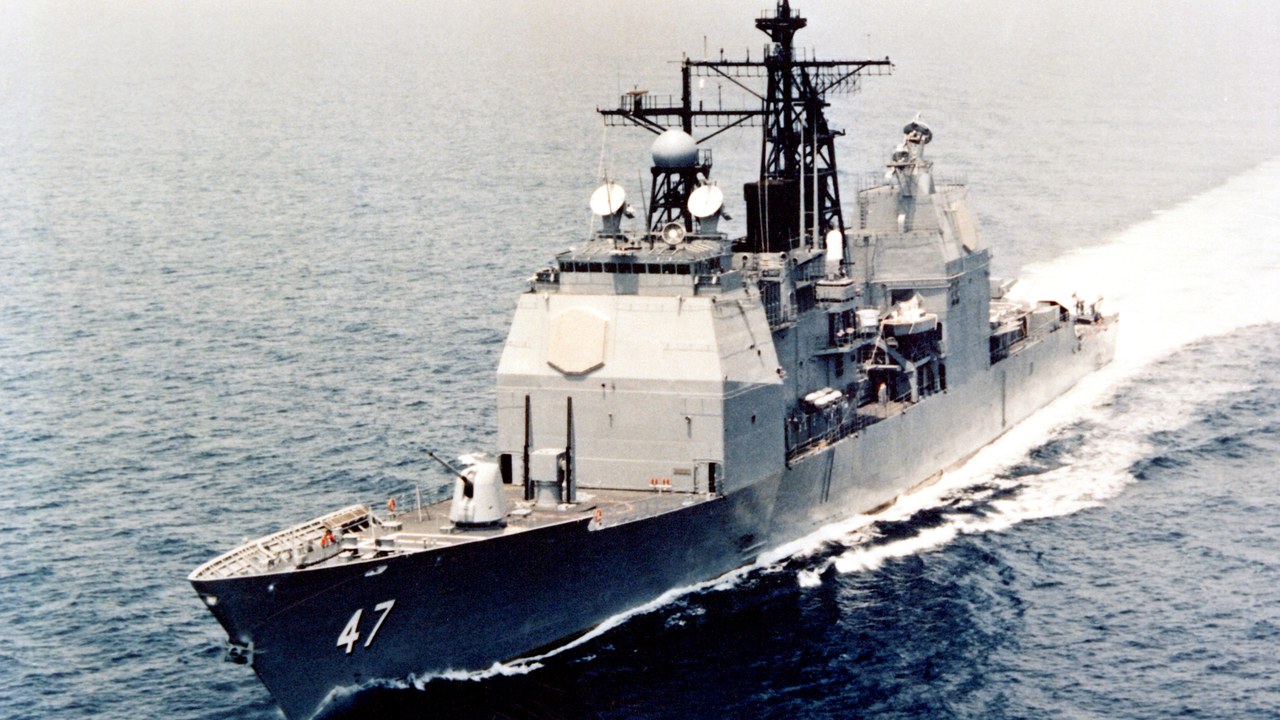
The 567-foot Ticonderoga-class cruisers brought the Aegis combat system to sea, and some carry ballistic missile defense, according to the Navy’s cruiser fact file.
Aegis links powerful radar with missiles to track and destroy many threats at once. The Ticonderogas are aging, and the Navy has been retiring them, leaving the Arleigh Burke destroyers to take over their role. Each cruiser carries 122 vertical launch cells, more than most destroyers, which made them the most heavily armed surface combatants in the fleet for years. Their retirement has raised concern about the Navy’s total missile capacity at sea.
3. Zumwalt-class destroyer: A Stealthy Destroyer
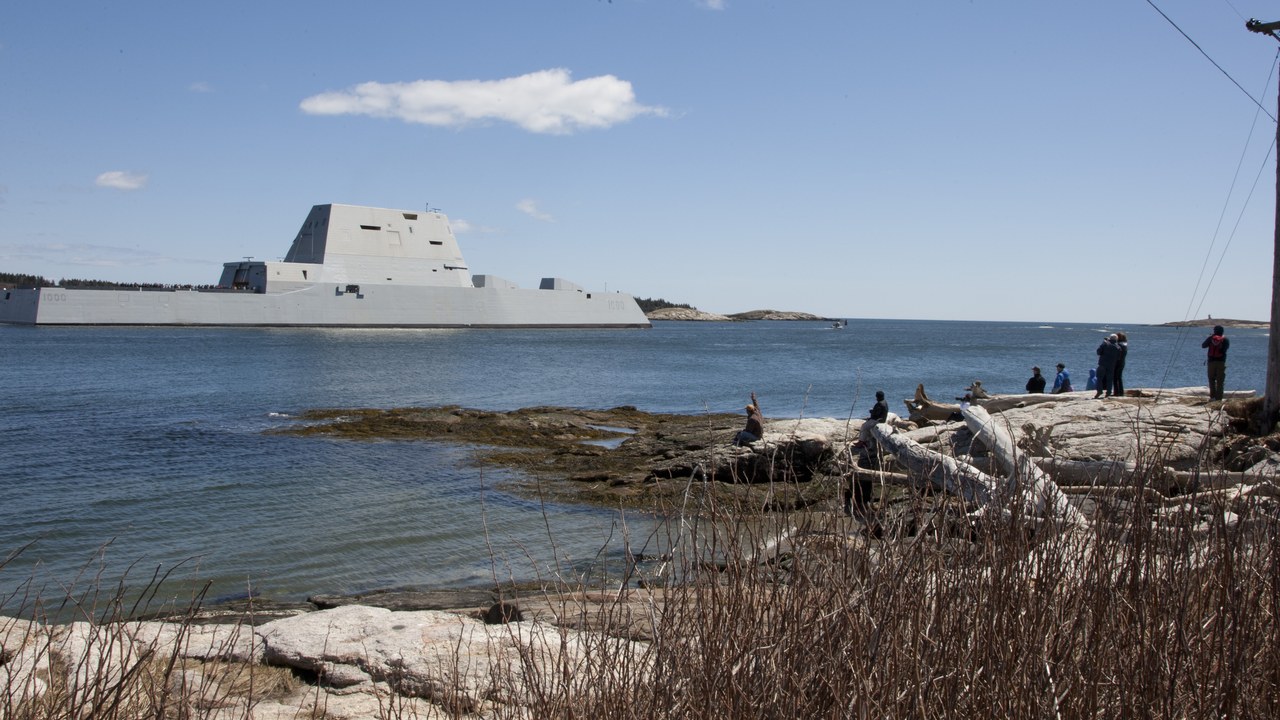
The stealthy 610-foot Zumwalt displaces 15,995 metric tons and carries 80 vertical launch cells, and the Navy bought only three, according to the Navy’s Zumwalt fact file.
Its angular hull is designed to look much smaller on enemy radar than its true size. The Navy is now fitting the ships with hypersonic missiles, giving the small class a new long-range strike role. The class was originally planned to number more than 30 ships, but rising costs cut the program to just three. Its advanced gun system was never supplied with affordable ammunition, which pushed the Navy to rethink the ships’ purpose.
4. Type 45 destroyer: Britain’s Air Defense Destroyers
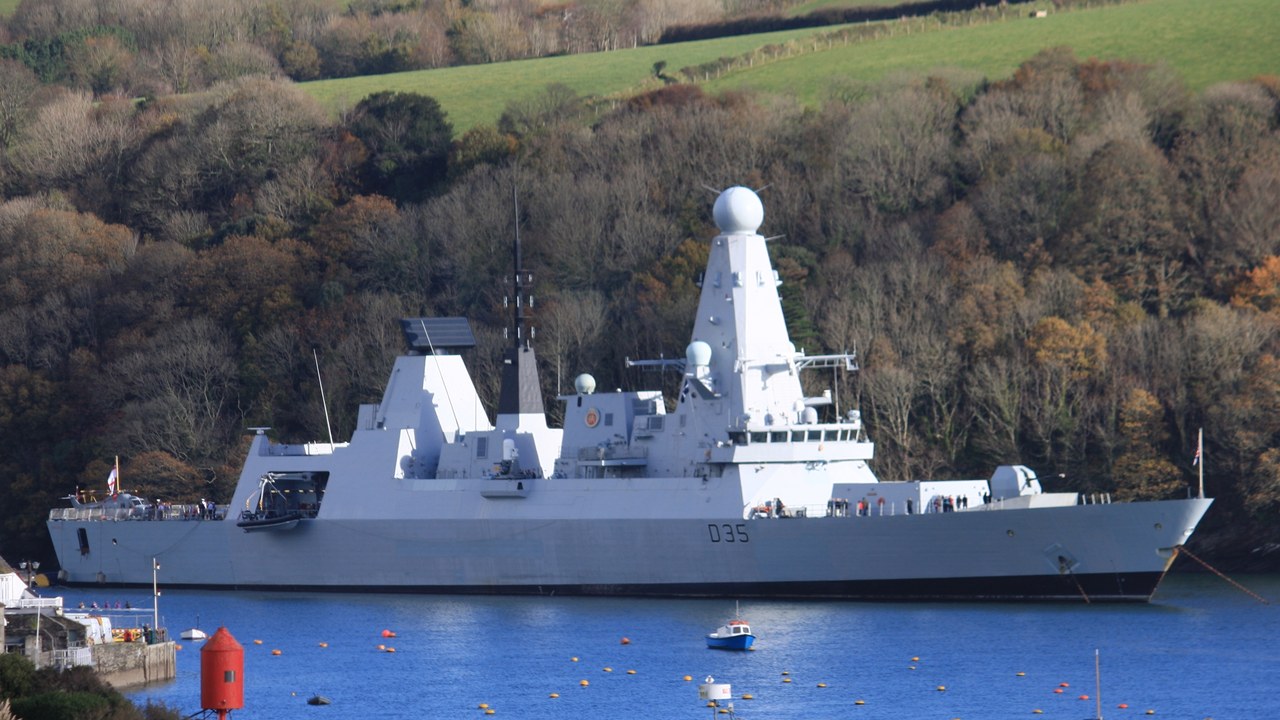
Britain’s six Daring-class destroyers were purpose-built for anti-aircraft and anti-missile warfare, and their Sea Viper system can guide up to 16 missiles at once, according to the Royal Navy.
The Type 45s protect the Royal Navy’s aircraft carriers and have shot down drones and missiles in the Red Sea. Their tall radar mast lets them spot low-flying threats from farther away. The ships have suffered engine problems in warm waters, which the Royal Navy is fixing through a refit program that adds generators. Despite that, they remain among the most capable air defense ships in Europe.
5. Kongō-class destroyer: Japan’s First Aegis Destroyers
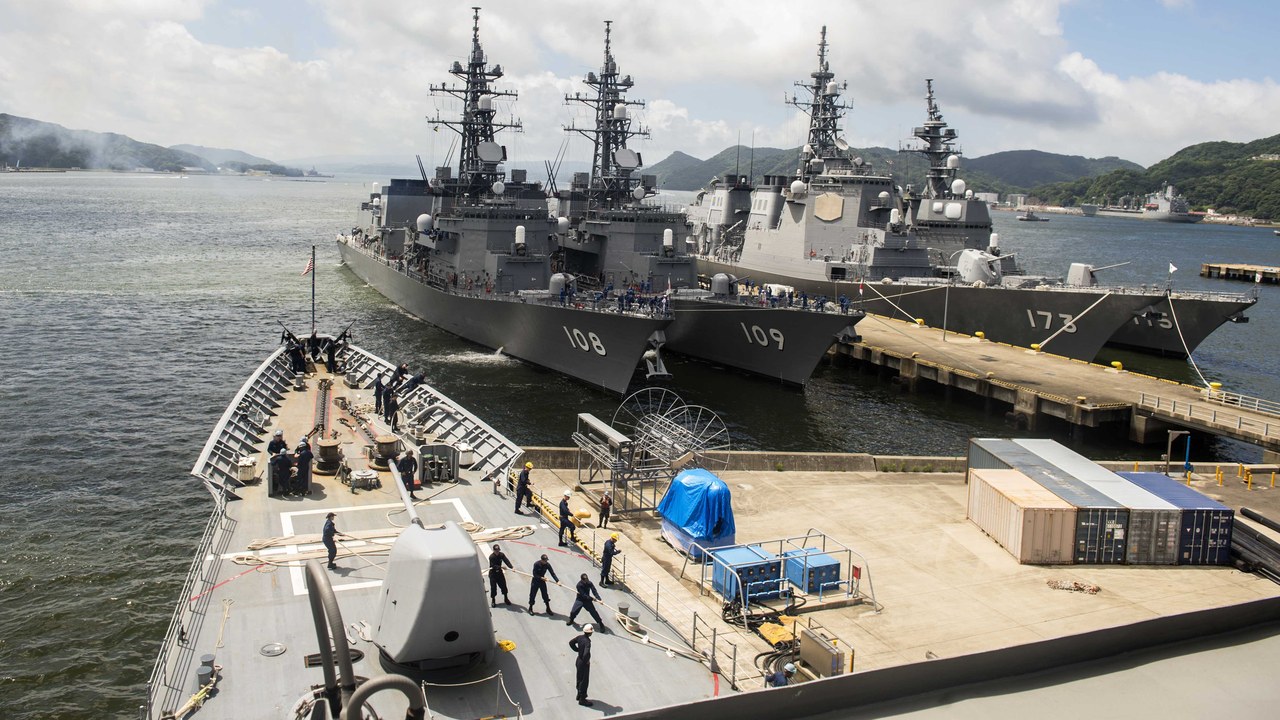
Japan’s four Kongō-class destroyers were among the first Aegis ships outside the United States, and JS Kongō hit a ballistic missile target with an SM-3 interceptor in December 2007, according to the Kongō-class entry.
That test made Japan the first U.S. ally to shoot down a ballistic missile target from a ship. The Kongō class remains central to Japan’s defense against missile threats from the region. The ships carry the same SPY-1 radar used on American destroyers, allowing them to share tracking data with U.S. forces in the Pacific. They have spent years on patrol watching for missile launches from North Korea.
6. Atago-class destroyer: Bigger Aegis Ships for Japan
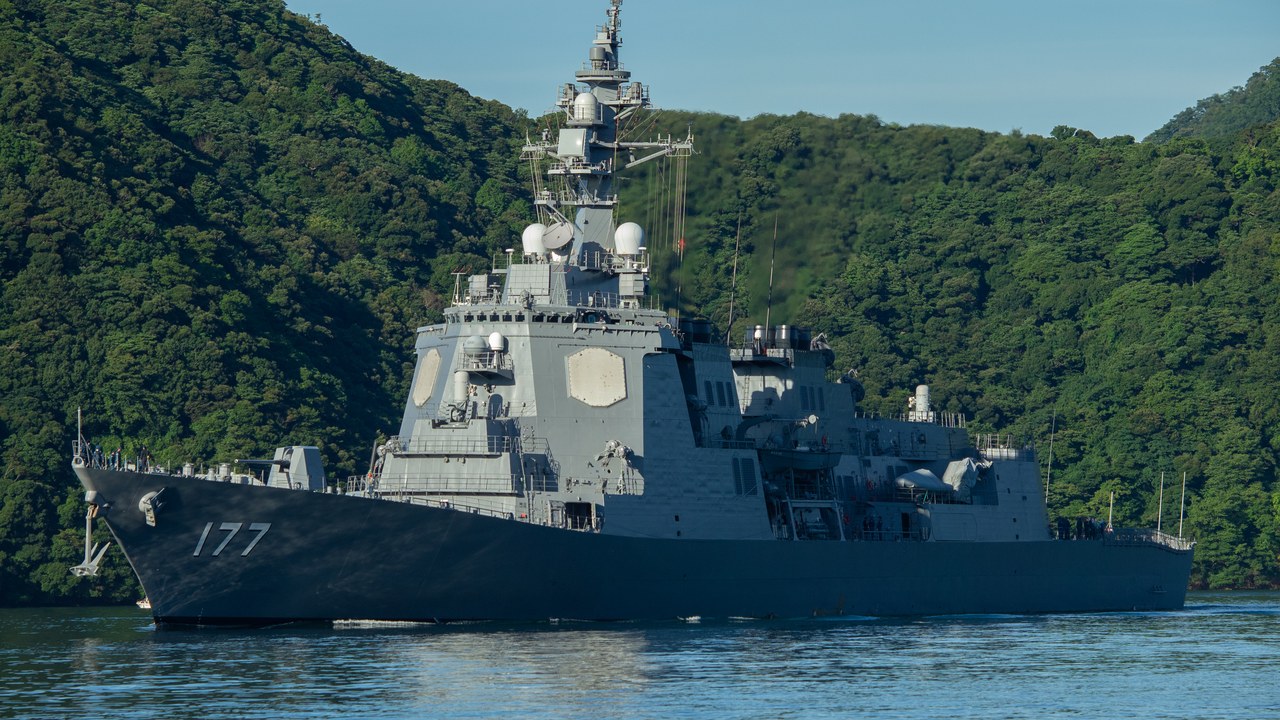
Japan’s two Atago-class destroyers displace 10,000 tons fully loaded and can fire SM-3 anti-ballistic missiles, according to the Atago-class entry.
The Atago ships are larger, improved versions of the Kongō class. Together with newer destroyers, they form a layered shield that Japan relies on to defend its cities from missile attacks. Both have been upgraded to carry newer versions of the SM-3 interceptor, and they regularly train alongside American ships. Their larger hulls also give them room for a helicopter hangar, which the older Kongō ships lack, making them more flexible on long patrols.
7. Sejong the Great-class destroyer: One of the Most Heavily Armed Ships
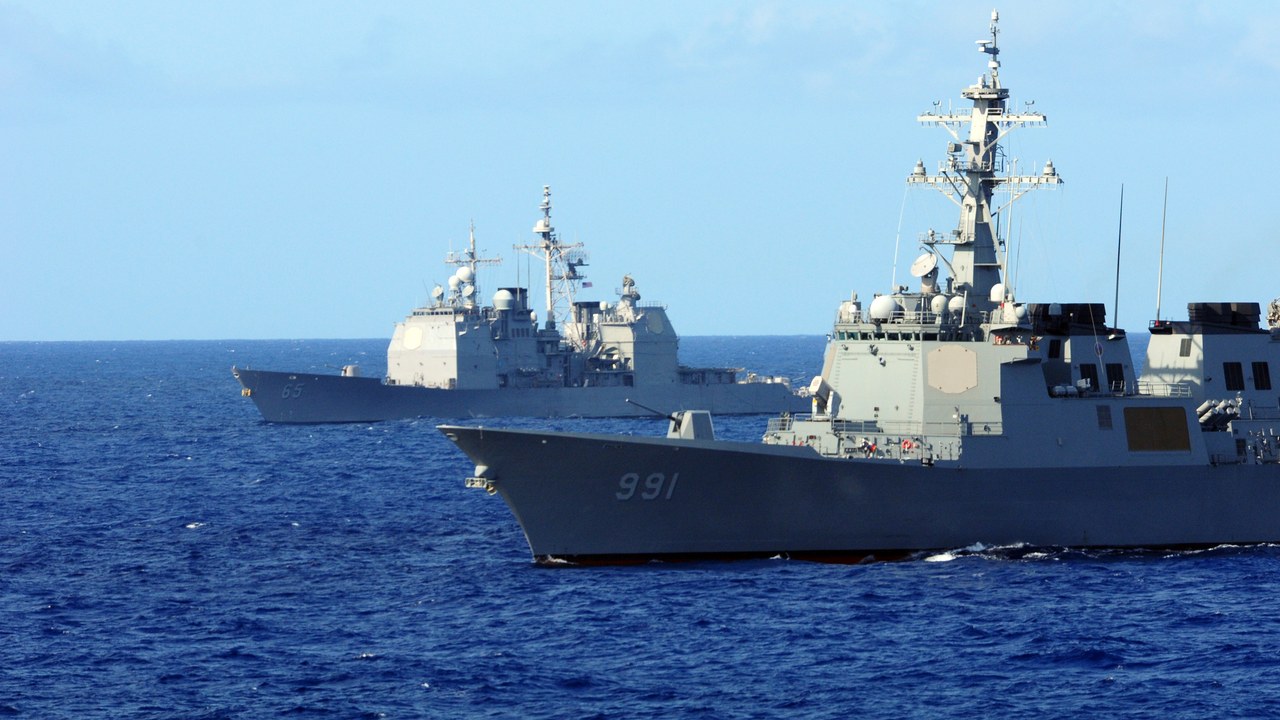
South Korea’s Sejong the Great-class destroyers carry 128 launch cells, making them among the most heavily armed ships in the world, according to the Sejong the Great-class entry.
That is more launch cells than an American Arleigh Burke destroyer. The ships give South Korea a powerful defense against missile threats and a strong presence in the waters around the peninsula. The class is named after the Korean king who created the Hangul alphabet. A newer batch with upgraded sensors is being built to strengthen the fleet further.
8. Hobart-class destroyer: Australia’s Air Warfare Destroyers
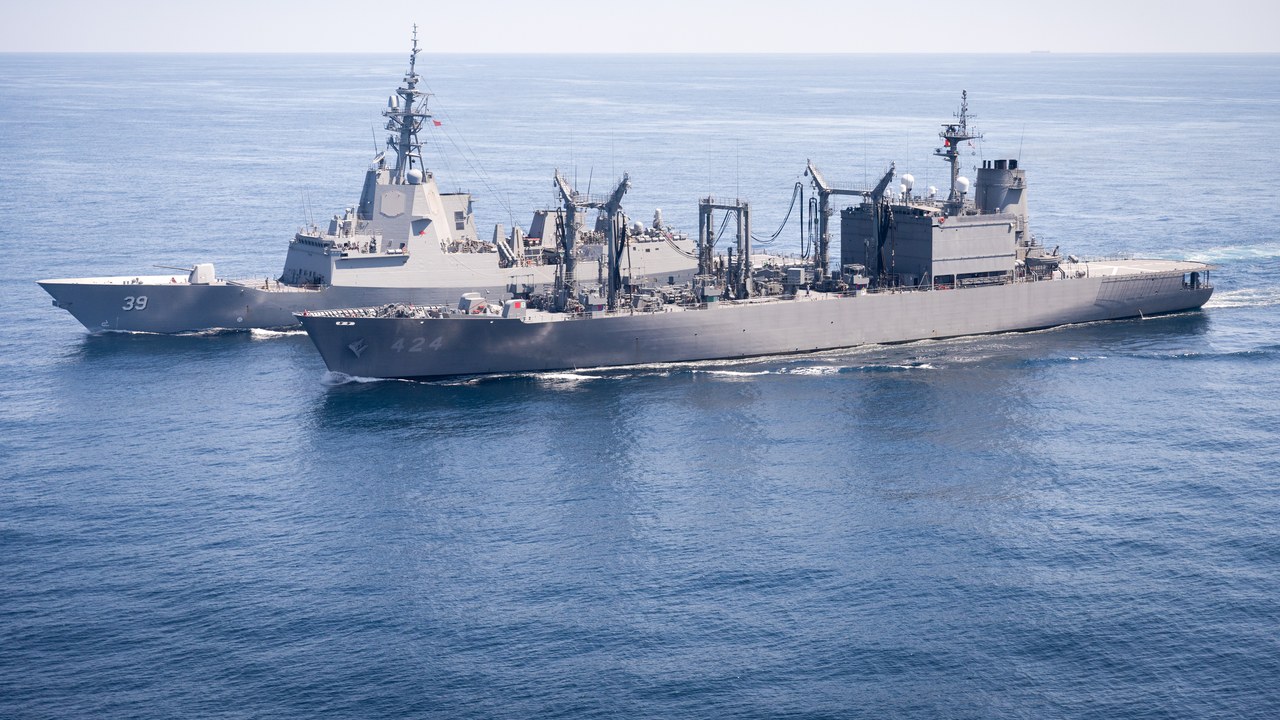
Australia’s three Hobart-class air warfare destroyers are built around the Aegis combat system and entered service between 2017 and 2020, according to the Hobart-class entry.
The ships are based on a Spanish design and give the Royal Australian Navy its most capable air defense. They can work closely with U.S. Navy ships because they share the same combat system. Their construction ran years late and over budget, but the ships have since taken part in major exercises with allied navies across the Pacific. Australia plans further upgrades so they can fire newer long-range missiles.
9. Álvaro de Bazán-class frigate: Spain’s Aegis Frigates
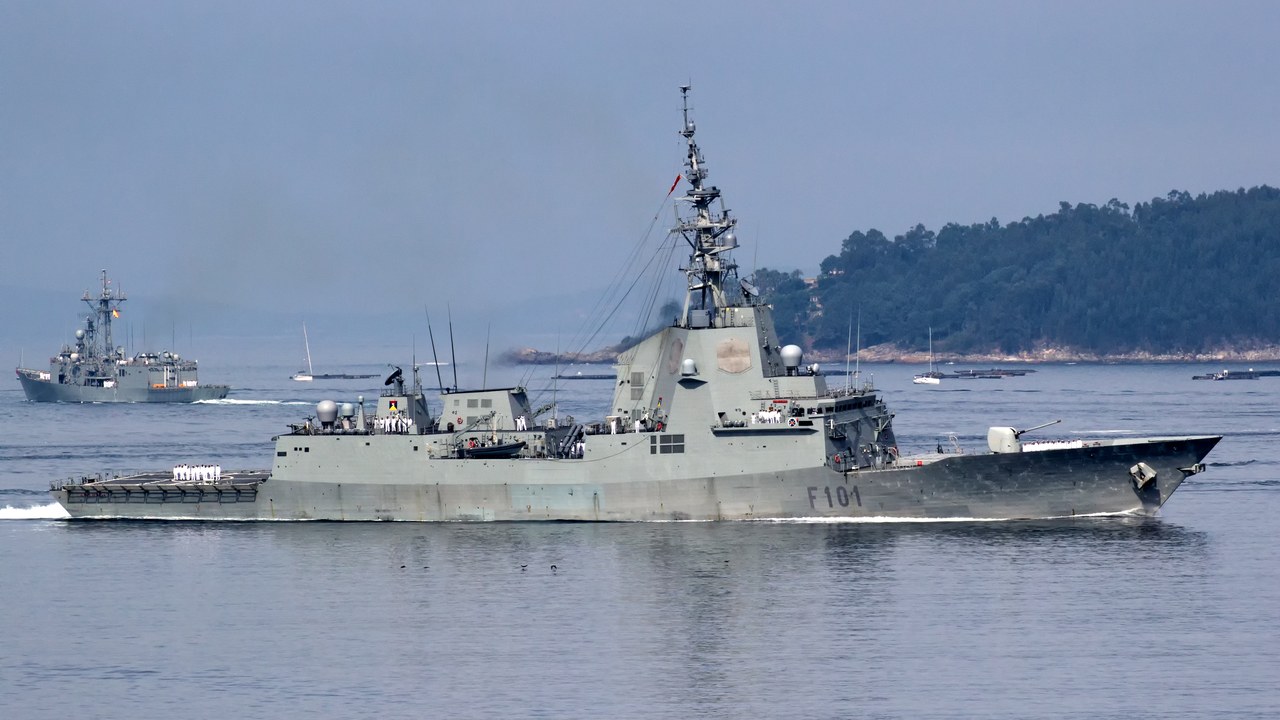
Spain’s five Álvaro de Bazán-class frigates carry the U.S. Aegis system and SPY-1D radar for air defense, according to the Álvaro de Bazán-class entry.
The class made Spain one of the few European navies to operate Aegis. Its design was later adapted for Australia’s Hobart class and Norway’s frigates, showing how widely it has influenced modern warship building. The frigates have escorted U.S. aircraft carriers and taken part in NATO missions. Spain is building a new class of frigates to eventually replace them in service.
More from Morning Overview
- Zero Motorcycles unveiled an electric motorcycle targeted at under $8K and a street-legal dirt bike at EICMA
- New FCC rules on how people can stop robocalls and texts take effect Nov. 25
- Neanderthals in Spain carved a wooden object that matches nothing archaeologists have ever found
- The FAA wants $2.39 million from a flight school it says flew a Cessna about 280 times with an unapproved part
