
An aircraft carrier is a floating air base that lets a navy put fighter jets within reach of almost any coastline on the planet. Only a handful of countries build and operate them, and each ship represents decades of money, engineering and ambition. Here are ten aircraft carriers that project power across the oceans today.
Read next on Morning Overview: 11 engines built to run well past 200,000 miles
1. USS Gerald R. Ford: The Largest Warship Ever Built
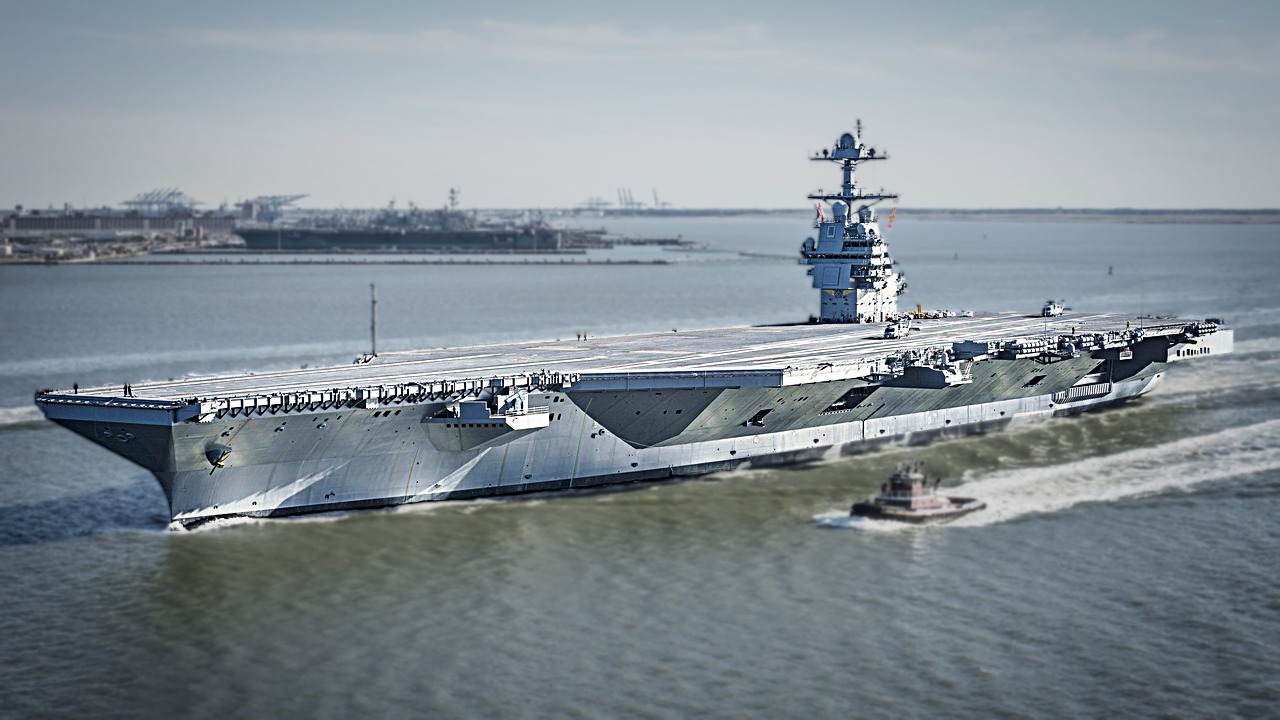
The nuclear-powered USS Gerald R. Ford displaces roughly 100,000 tons at full load and stretches 337 meters from bow to stern. According to Military Machine’s carrier ranking, it is the largest warship ever built, with an air wing of more than 75 aircraft, and it was commissioned on July 22, 2017.
The Ford is the lead ship of the first new American carrier class in four decades. What separates it from the Nimitz class is less its size than the technology inside, including electromagnetic aircraft launch catapults. Its two reactors offer far more electrical capacity than older carriers, room for future weapons and sensors.
2. USS Nimitz: The Backbone of the US Fleet
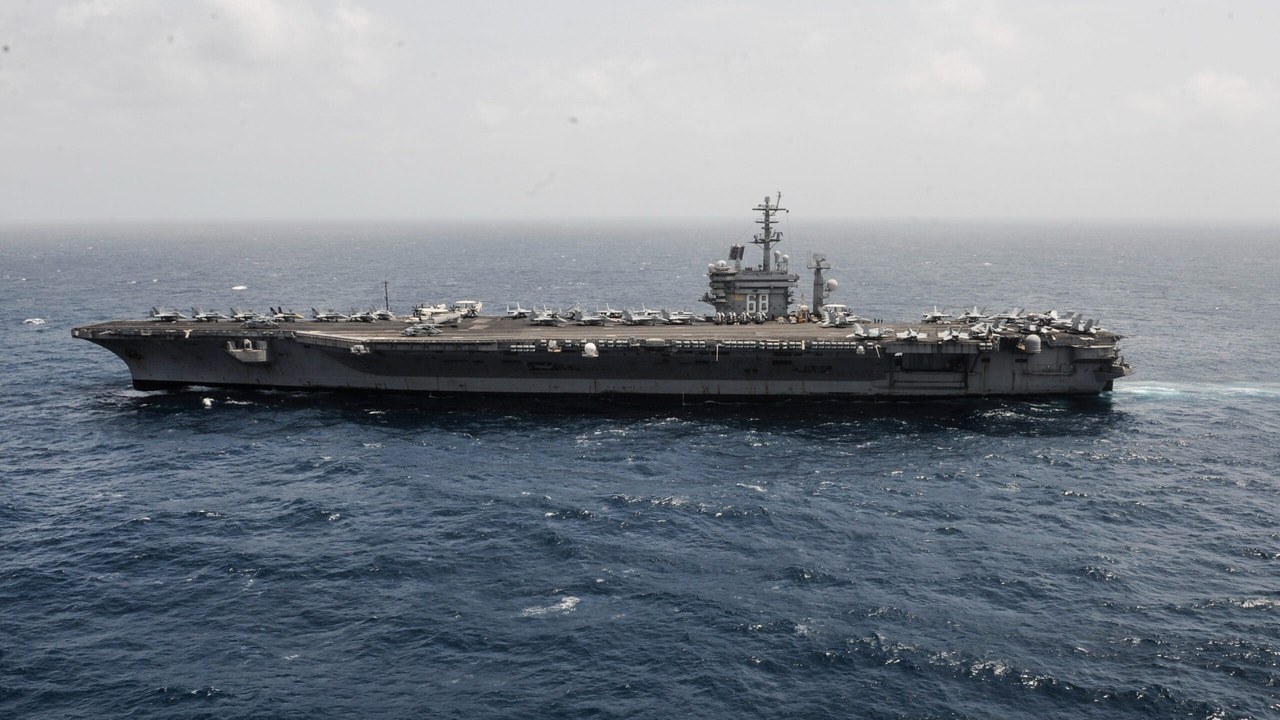
With a full load displacement of 97,000 tonnes, the Nimitz class is the world’s second-largest carrier design, according to Naval Technology. The 332.8-meter supercarriers carry more than 60 aircraft on a 4.5-acre flight deck. The first ship, USS Nimitz, deployed in 1975, and the tenth was commissioned in 2009.
Each Nimitz-class carrier is designed to serve about 50 years with a single mid-life refueling overhaul. Two nuclear reactors give the ships a top speed of more than 30 knots. As they reach the end of their lives, they are being replaced by the Ford class, but for now they remain the heart of American carrier strike groups.
3. HMS Queen Elizabeth: Britain’s Biggest Warship
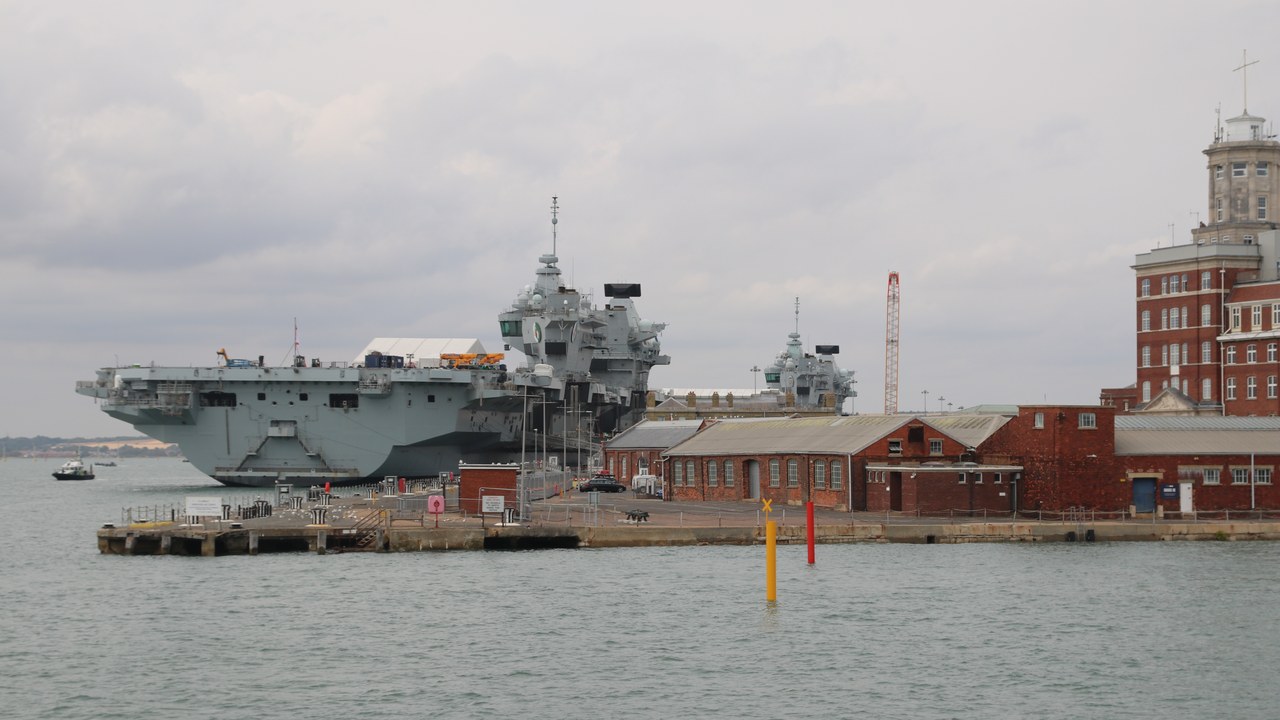
HMS Queen Elizabeth leads a class that displaces 65,000 tonnes, the biggest warships ever built for the Royal Navy. The ship began sea trials in June 2017 and was commissioned that December, according to Naval Technology’s carrier list.
The class stands out for its twin-island design, with one island for navigation and another for flight operations. Automation lets a crew of around 700 run the ship, about a quarter of the manpower of an American supercarrier. Queen Elizabeth led a 2021 deployment to the Indo-Pacific with a mixed group of British and US Marine Corps F-35B jets.
4. HMS Prince of Wales: A Carrier Built to Lead NATO Groups
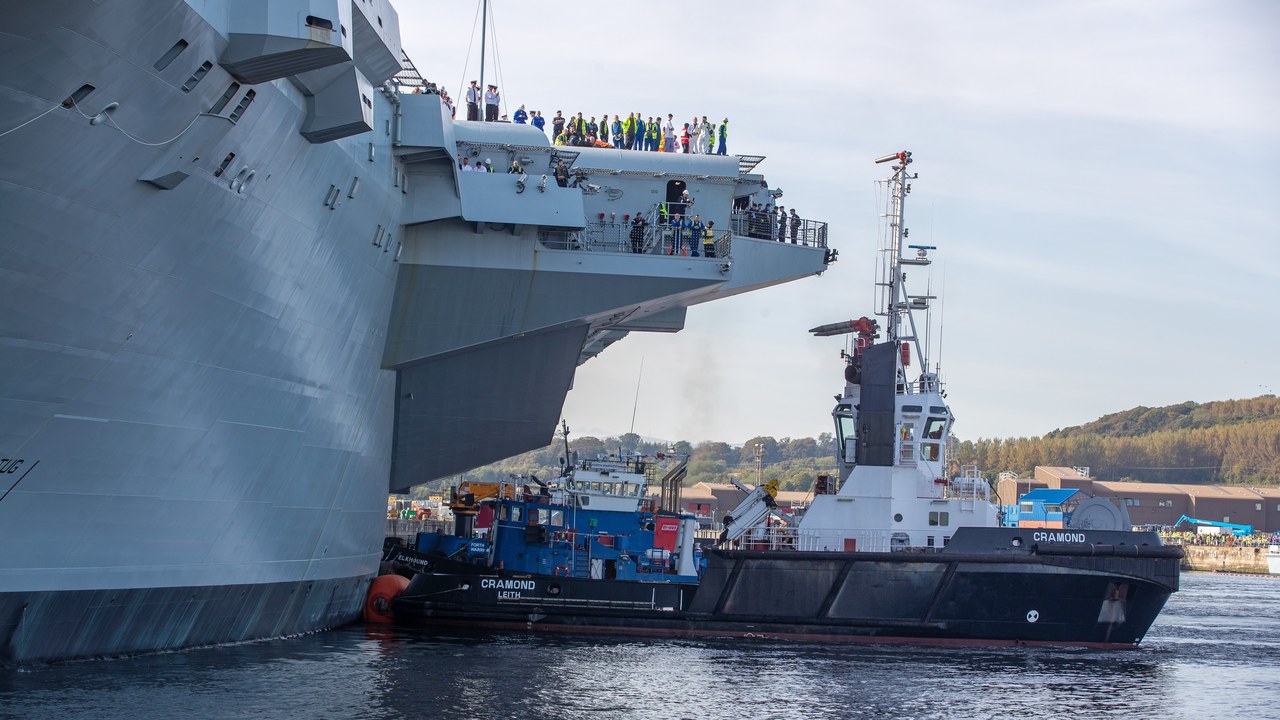
HMS Prince of Wales, the second Queen Elizabeth-class carrier, was commissioned in December 2019. According to Naval Technology, the class is three times larger than the Invincible-class carriers it followed and can embark up to 40 rotary and fixed-wing aircraft.
The ship has already taken on high-profile roles. It served as the NATO command ship throughout the Cold Response exercise held in Norway in March and April 2022. Like its sister, it has no catapults and launches F-35B jets from a ski-jump bow, which lets the jets take off with a short run.
5. Admiral Kuznetsov: Russia’s Troubled Flagship
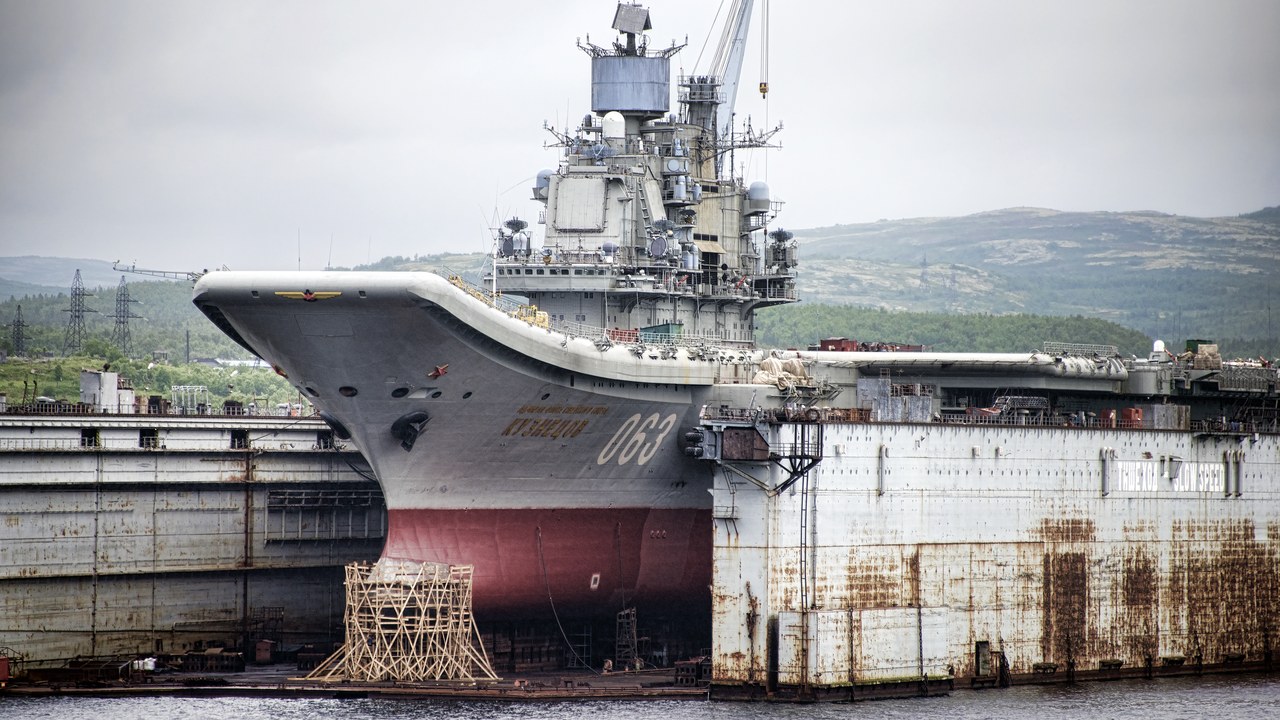
Admiral Kuznetsov is Russia’s only active aircraft carrier. At 305 meters long and displacing 58,500 tons, it serves as the flagship of the Russian Navy, but Aviation A2Z notes it is known as much for its troubled service history as for its size.
Its deck supports Su-33 and MiG-29K fighters and helicopters, and the ship also carries anti-ship missiles and air-defense systems. It has been plagued by maintenance problems and is undergoing extensive repairs meant to extend its operational life. Even so, it remains a symbol of Russia’s ambition to project power at sea.
6. Liaoning: China’s First Carrier
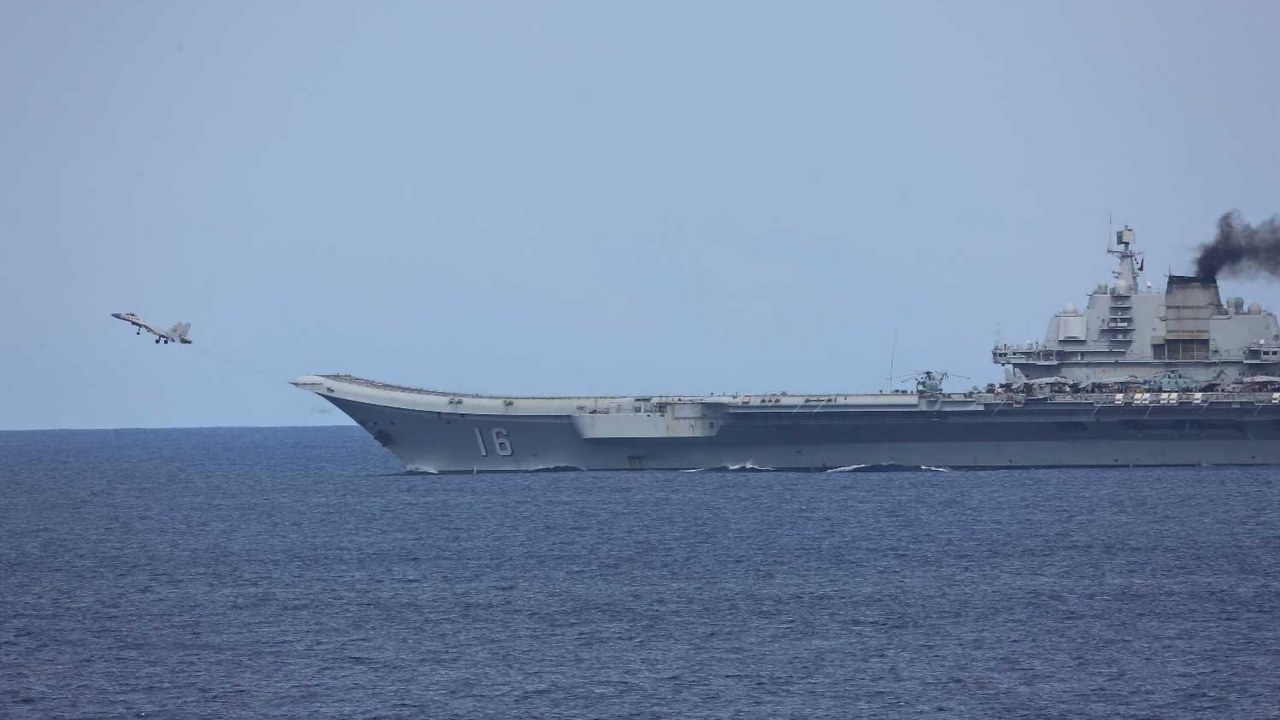
China’s Liaoning began life as a Soviet hull and was refitted and commissioned on September 25, 2012. It displaces an estimated 60,000 to 66,000 tons and has shifted from a training role to genuine operational tasking, according to Military Machine.
The ship was originally built as a Soviet Kuznetsov-class carrier and was bought from Ukraine in 1998 before its long refit. It launches jets from a ski jump, which limits fighter fuel and weapons loads. In 2025 it conducted dual-carrier exercises with its sister Shandong in the Western Pacific, a sign of China’s growing carrier ambitions.
7. Charles de Gaulle: Europe’s Only Nuclear Carrier
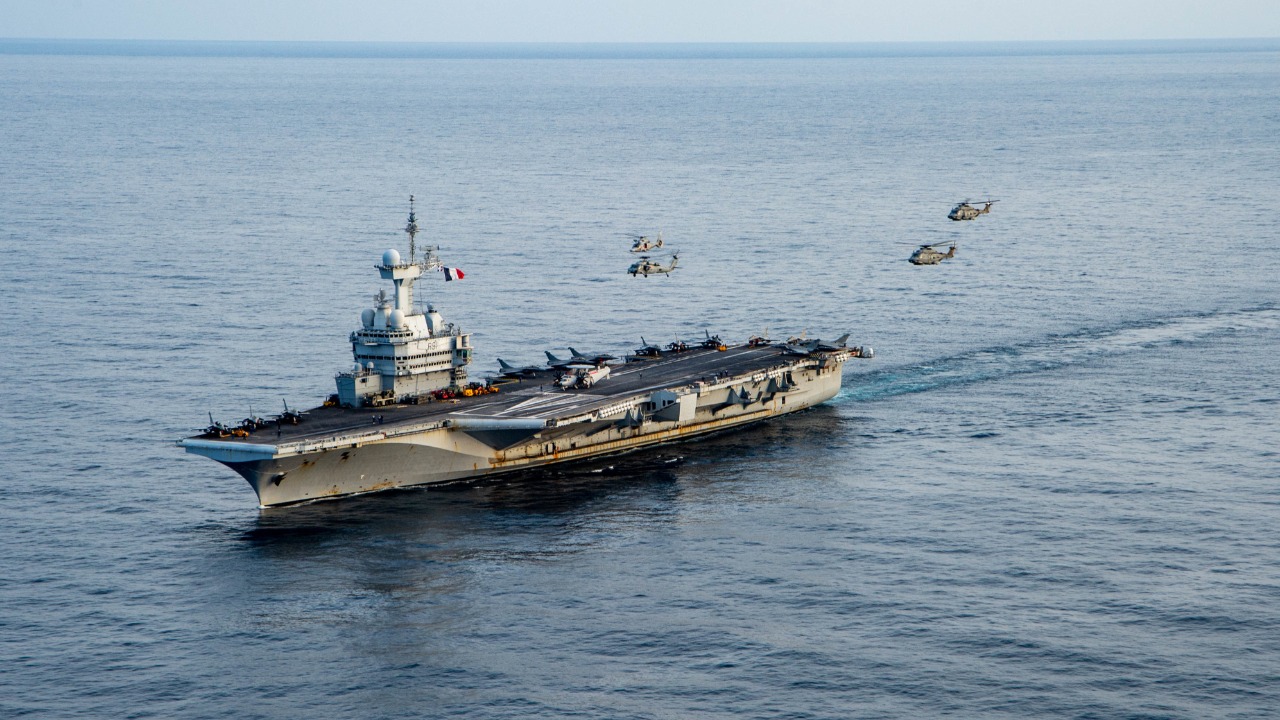
France’s Charles de Gaulle displaces 42,500 tons and was commissioned in 2001. According to Military Machine’s list, it is the only nuclear-powered aircraft carrier operated by any navy other than the US Navy, which makes it unique among European fleets.
Unlike the British carriers, it uses catapults and arresting gear, which allow it to launch and recover conventional fighter jets. That lets France operate its own naval Rafale fighters at sea. As the country’s lone carrier, it is central to French naval power and regularly deploys with allied forces.
8. ITS Cavour: Italy’s F-35 Flagship
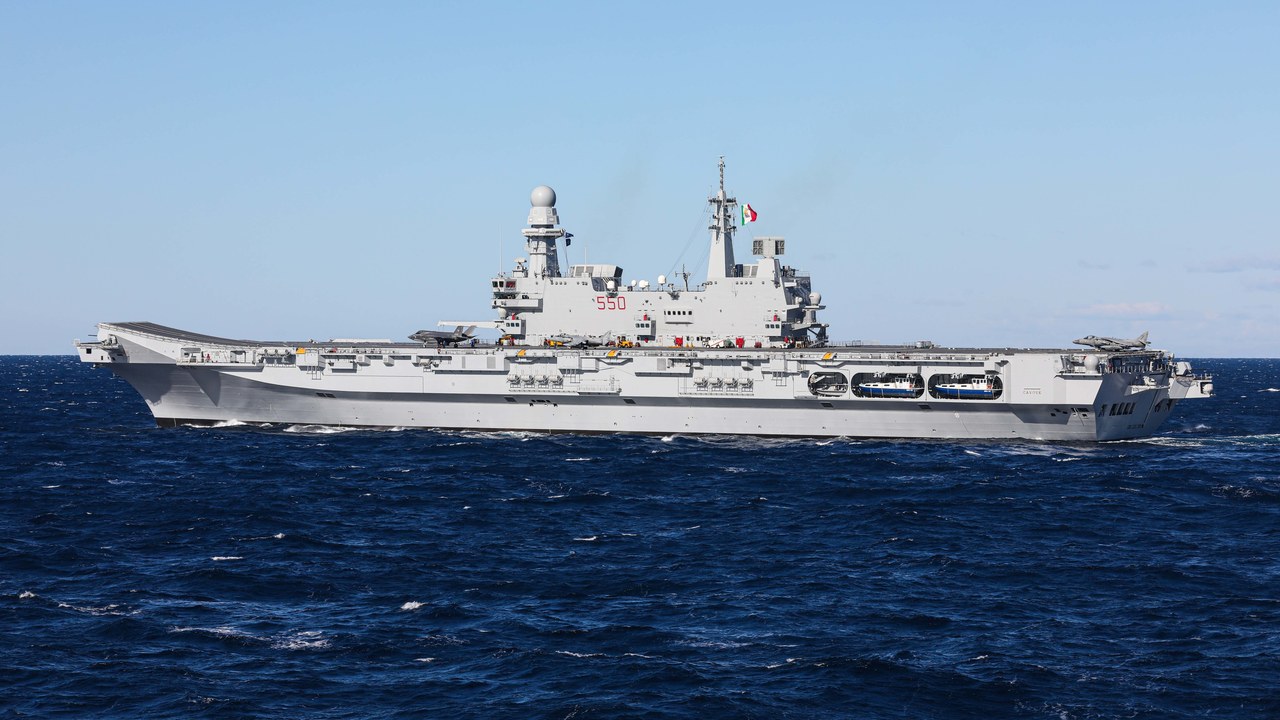
Italy’s flagship Cavour was commissioned on March 27, 2008, and displaces about 27,000 to 30,000 tons. According to Military Machine, it flies a mixed group of F-35B stealth jets, AV-8B Harriers and helicopters from its deck.
The F-35B’s ability to take off on a short run and land vertically is what makes it possible to operate fifth-generation fighters from a ship of Cavour’s size. That gives Italy a capable carrier aviation force without a full-size supercarrier, and it has made Cavour a regular partner in allied exercises.
9. INS Vikramaditya: India’s Rebuilt Soviet Ship
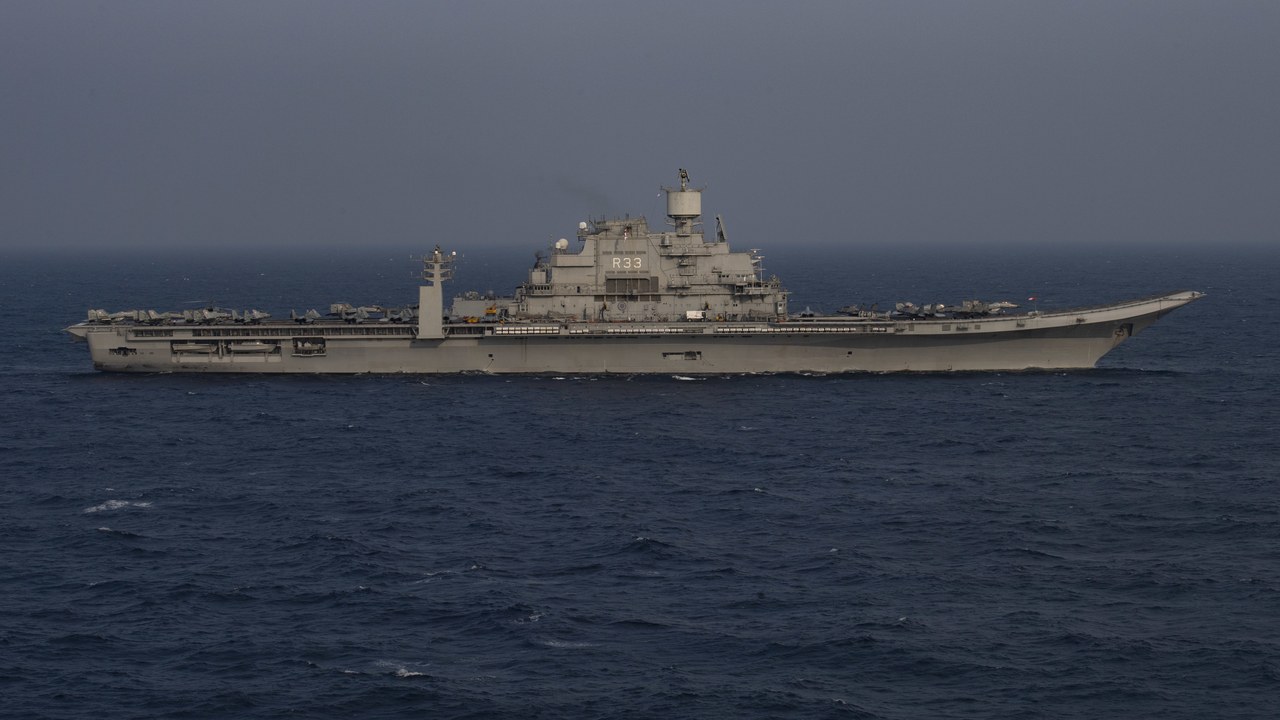
INS Vikramaditya is India’s largest warship. It was rebuilt from a Soviet Kiev-class ship and entered service in 2013, according to Aviation A2Z. The carrier is 284 meters long, displaces 45,400 tons and carries 36 aircraft, including MiG-29K fighters and Kamov helicopters.
A ski-jump launch system and upgraded combat systems make it a potent asset for the Indian Navy. Beyond its size, the ship marks India’s move toward a blue-water navy able to operate far from home. It has served as the fleet’s flagship as India brings its first homegrown carrier into full service.
10. INS Vikrant: India’s First Homegrown Carrier
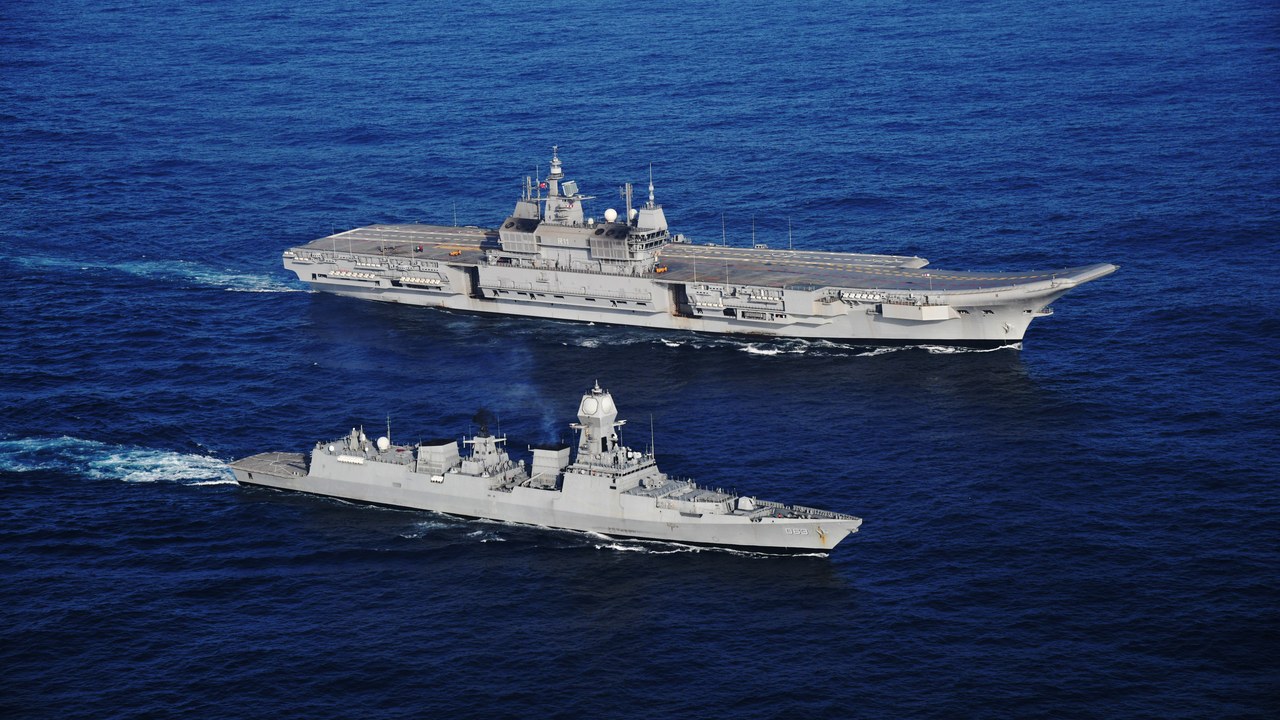
INS Vikrant is India’s first domestically built aircraft carrier. Constructed at Cochin Shipyard, it was commissioned in 2022 after years of development, according to Aviation A2Z’s ranking. The ship is 262 meters long and displaces 45,000 tons.
Vikrant marks a turning point for India’s shipbuilding industry, showing the country can design and build a carrier on its own. Its flight deck is designed to support up to 40 aircraft. Together with Vikramaditya, it gives India two carriers, a rare capability shared by only a few navies.
More from Morning Overview
- A $1 billion gas plant planned for Superior, Wisconsin, has been abandoned
- Shaq spent $1.3 million on three Rolls-Royce Phantoms to prove a point to a salesman
- The Justice Department asked courts to undo approvals for three offshore wind farms, one already making power
- Over 20 trillion gallons of rain fell on the Four Corners states and Nevada in two weeks
