
Walter Chrysler launched Plymouth in 1928 as a low-priced brand to fight Chevrolet and Ford, and it went on to build family sedans, drag-strip terrors and the minivan that changed the industry. DaimlerChrysler ended the brand with the 2001 model year. Here are sixteen Plymouths that tell the story of the low-priced brand Chrysler retired.
Read next on Morning Overview: Melting permafrost is setting off a newly identified kind of catastrophic landslide, scientists say
1. Plymouth Belvedere: From Trim Level to Full Line

The Belvedere was made by Plymouth from 1954 until 1970. The name first appeared on a new hardtop body style in the 1951 Cranbrook line, then replaced the Cranbrook as Plymouth’s top trim in 1954.
It grew into a full model line with sedans, station wagons and convertibles, and it remained Plymouth’s full-size offering for several years before later serving as the brand’s basic mid-size car.
2. Plymouth Savoy: A Drag-Strip Terror
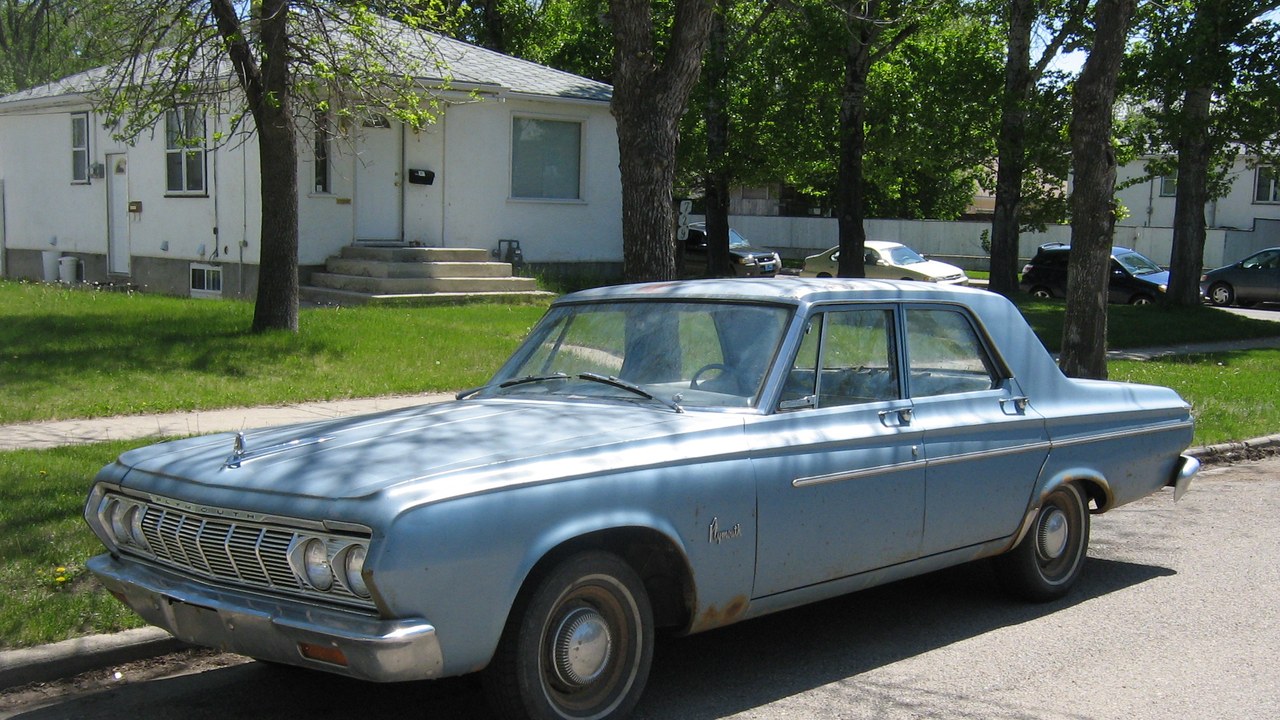
The Savoy looked like plain family transportation, but it went racing. When Ford fielded 427 Thunderbolt Fairlanes, Plymouth answered with just 55 1964 Savoy Lightweights, using aluminum, thin fiberglass and the new 426 Hemi for drag racing only.
Two years earlier, Plymouth and Dodge had already turned 413 Ram Induction Savoy and Dart models into terrors on the nation’s drag strips. The Savoy shown is a 1964 four-door sedan.
3. Plymouth Fury: The Car That Became Christine
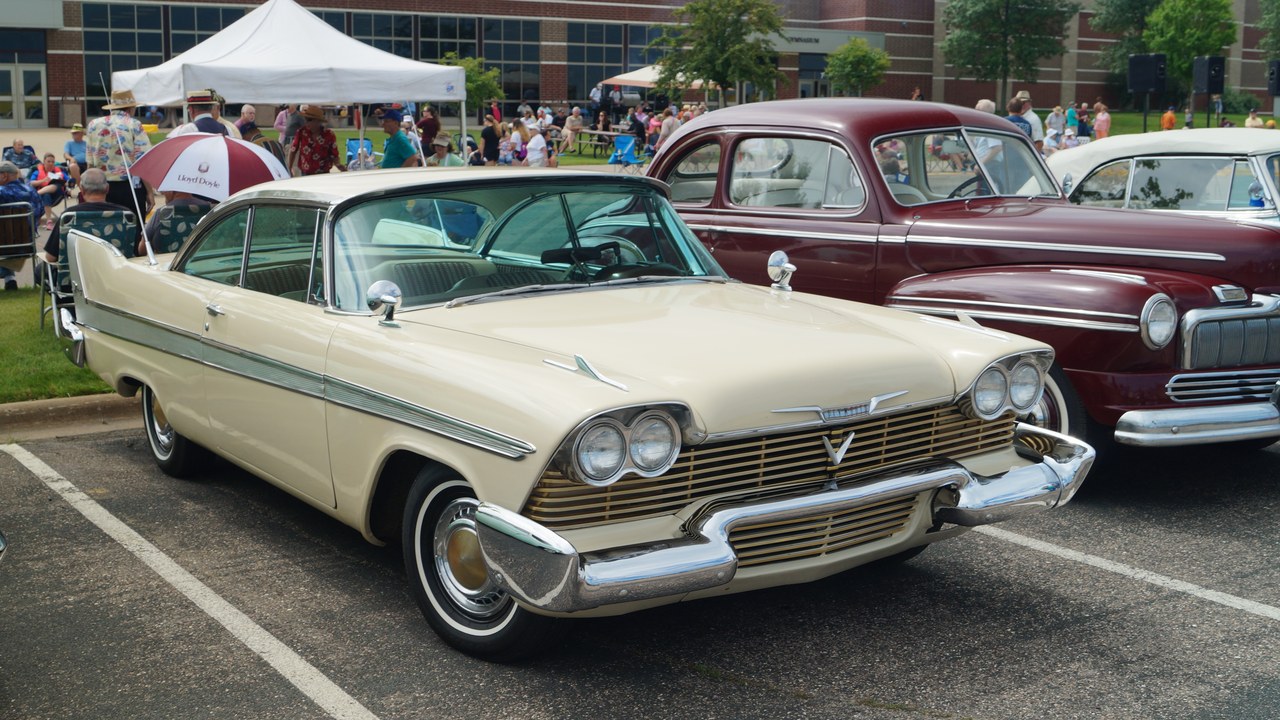
The Fury carried the brand into the tailfin era, and one became a horror star. Auto Round-Up recalls that Stephen King’s Christine centered on a really evil 1958 Plymouth Fury.
Plymouth fans also remember the 1957 Sport Fury and the huge-finned 1959 models from the same era. The Fury name lasted for decades afterward, and by the 1970s it had moved onto Plymouth’s mid-size and full-size cars.
4. Plymouth Valiant: The Compact That Hit Right Away
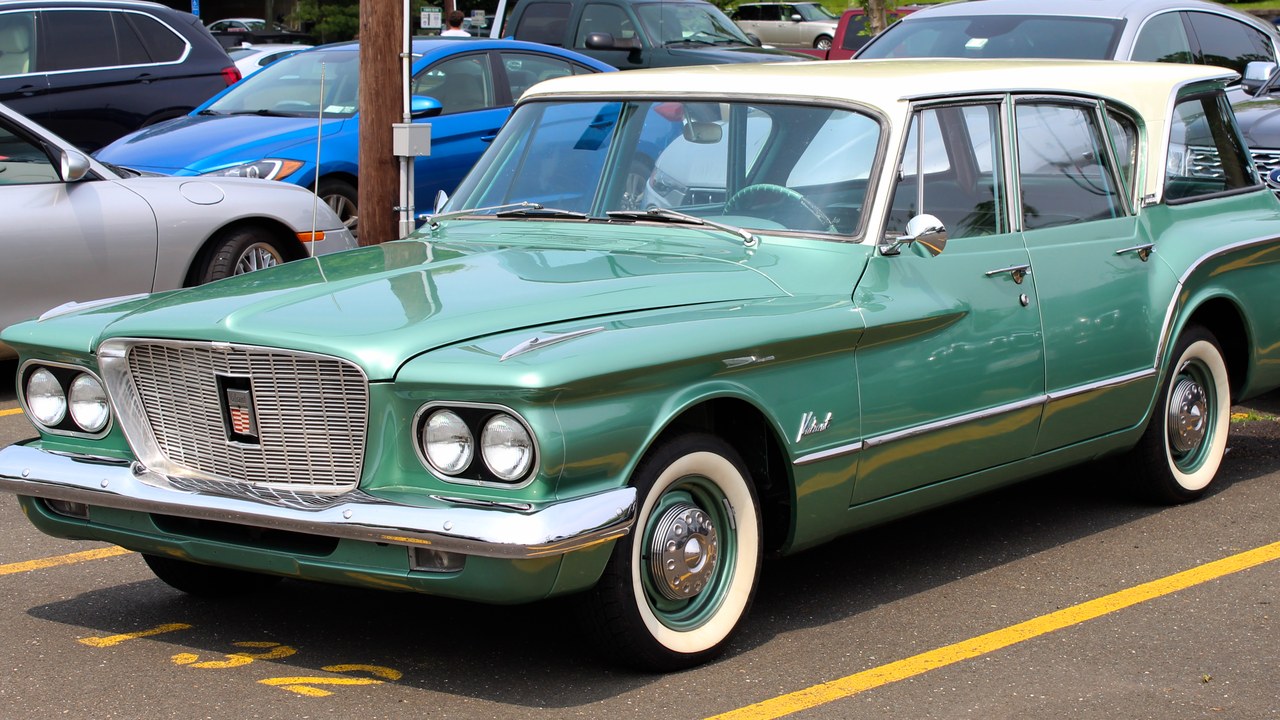
The 1961 Plymouth Valiant was a success from the start and sold well alongside its Dodge Lancer sibling. It was built to compete against compacts such as the Ford Falcon, Rambler American, Chevrolet Corvair and Chevy II.
The Valiant became the basis for several later Plymouths, including the Barracuda fastback and the Duster coupe, and it stayed in the lineup until the Volaré replaced it.
5. Plymouth Barracuda: The Fish That Beat the Mustang to Market
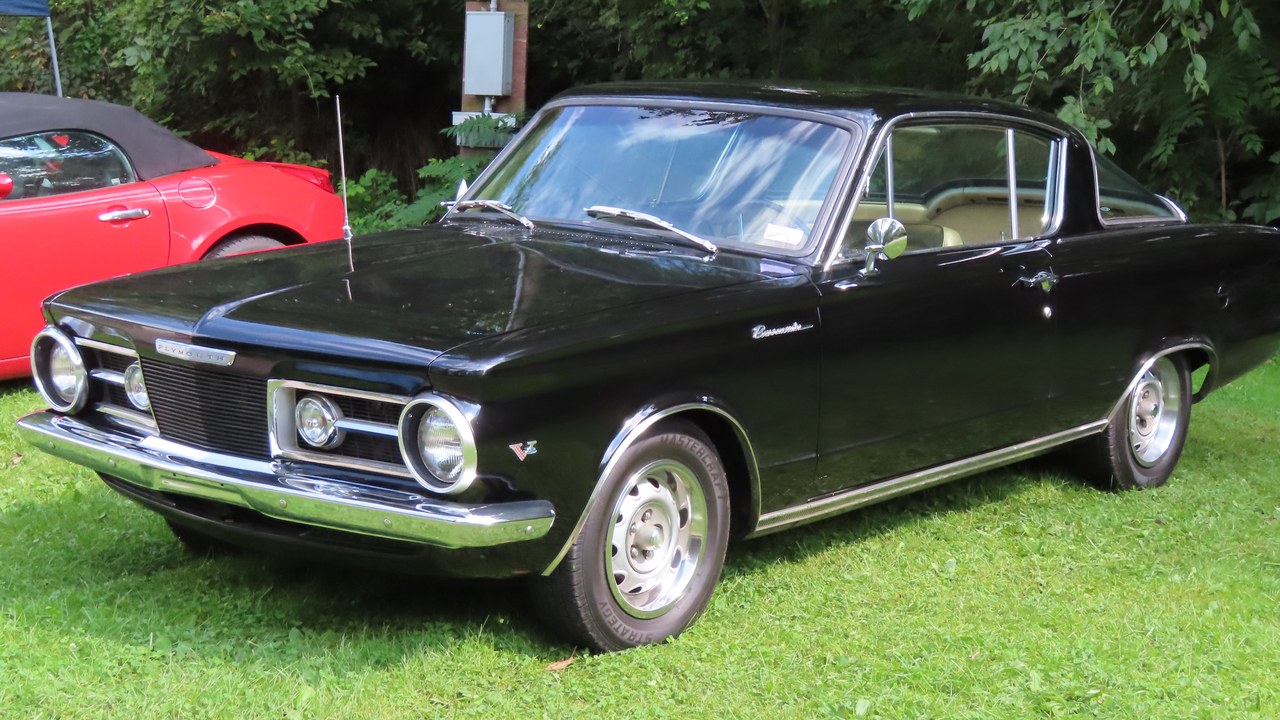
The Barracuda arrived for the 1964 model year. In the marketplace it was clearly a fastback version of the Valiant, and its first sales brochure pitched it as a car for people of all ages.
The 1964 model was the first Barracuda and also the last year for push-button control of the optional TorqueFlite automatic transmission. Later generations grew into some of Plymouth’s most famous muscle cars.
6. Plymouth Satellite: The Mid-Size Flagship
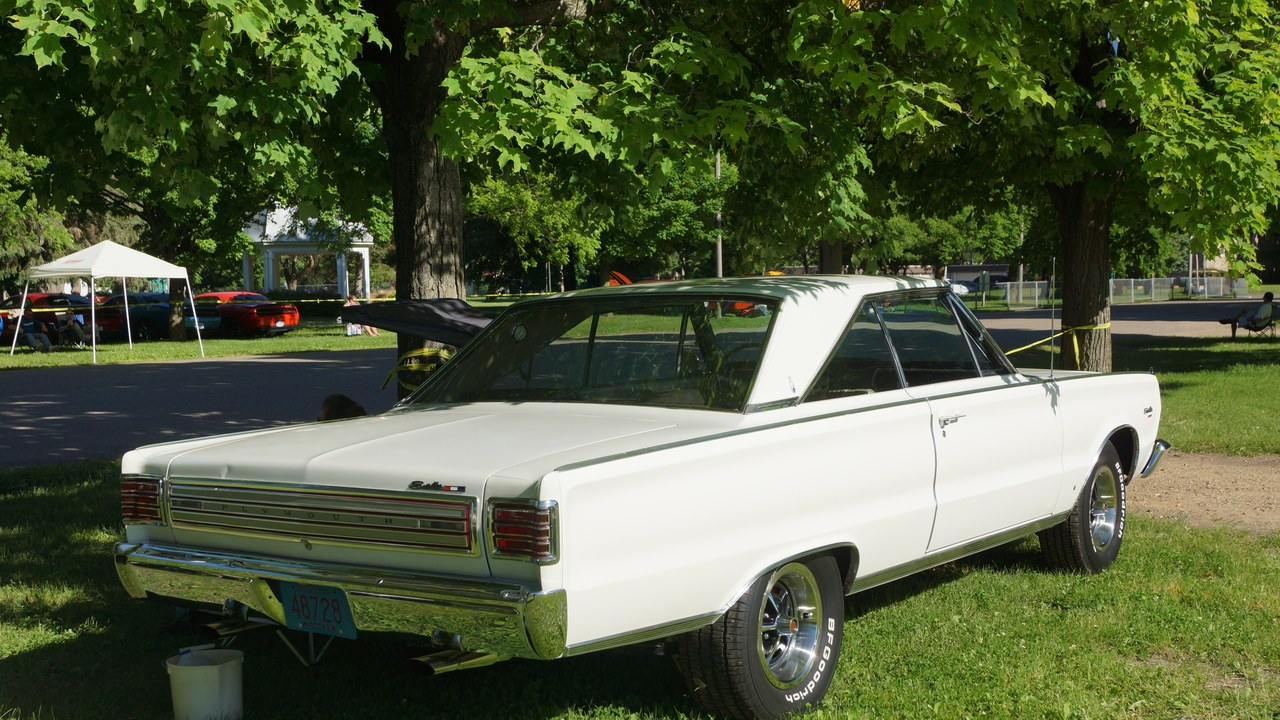
The Satellite was introduced for 1965 as the top trim model in Plymouth’s B-platform Belvedere line. At first it was offered only as a two-door hardtop and convertible, and it remained the top-of-the-line model until 1967.
A station wagon version was added later, along with a higher Sport trim. The Satellite shared much of its engineering and many of its engines with the Dodge Coronet.
7. Plymouth GTX: A Movie Muscle Car
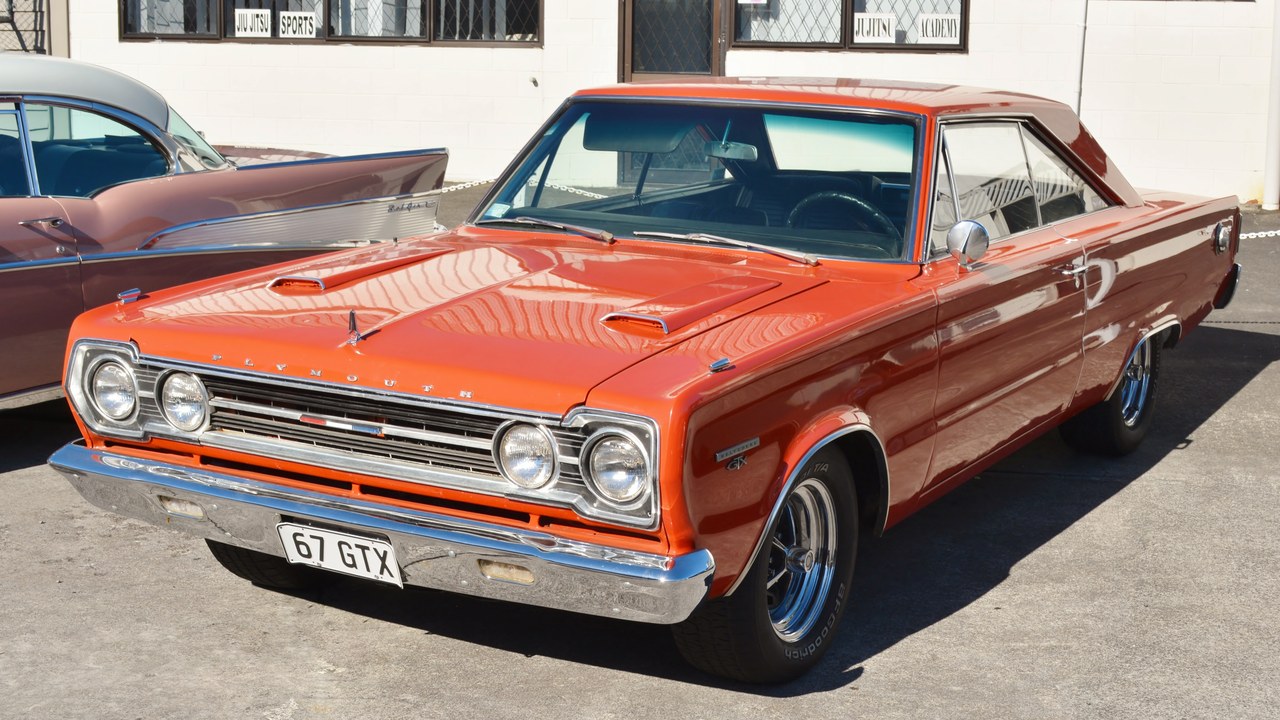
The GTX was Plymouth’s upscale muscle car, offered for 1967 with 440 or 426 Hemi engines. A metallic blue 1967 GTX convertible carried Chris Farley and David Spade across America in the film Tommy Boy.
Its Dodge counterpart was the R/T, and in the 1960s the two brands’ mid-size cars were nearly identical twins apart from badges and some front and rear styling.
8. Plymouth Road Runner: Muscle on a Budget
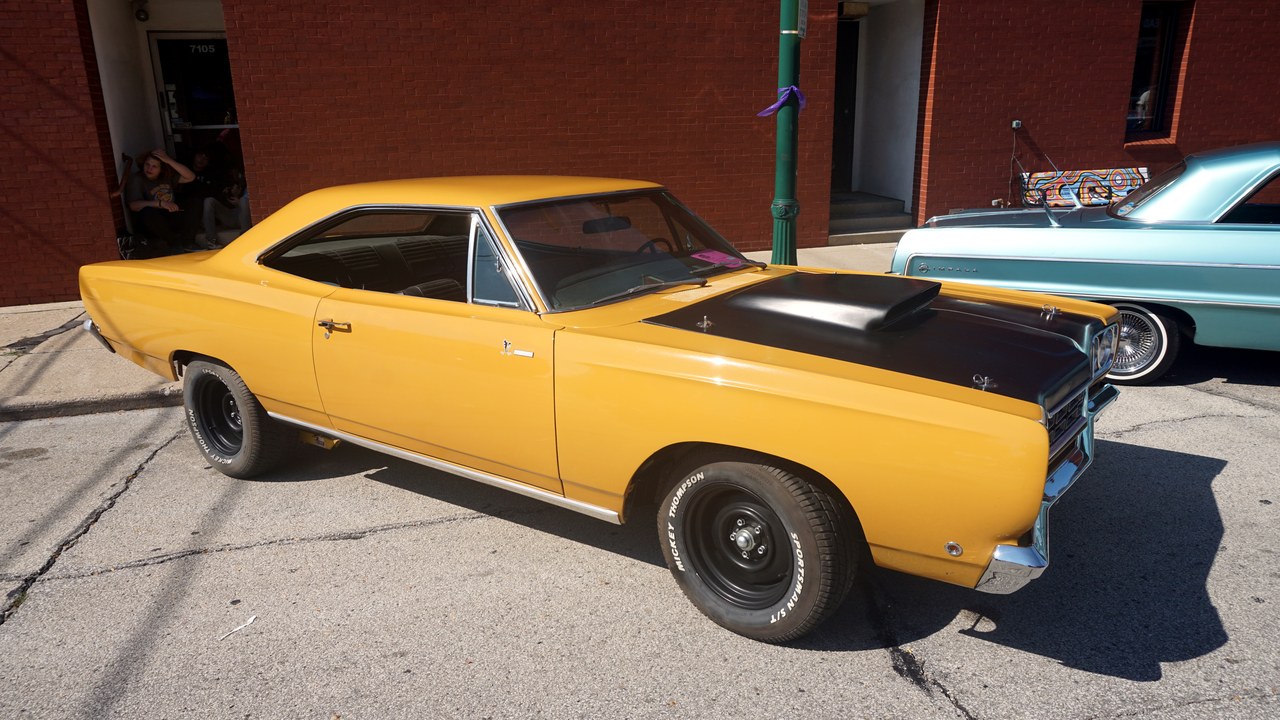
The Road Runner was introduced for the 1968 model year. Initially based on the Belvedere, it combined a powerful engine with spartan trim and a price that undercut increasingly upscale muscle cars like the Pontiac GTO and Plymouth’s own GTX.
That formula of cheap speed made it one of the defining muscle cars of its era, and it was built alongside its Dodge counterpart, the Super Bee.
9. Plymouth Superbird: The Winged Racer
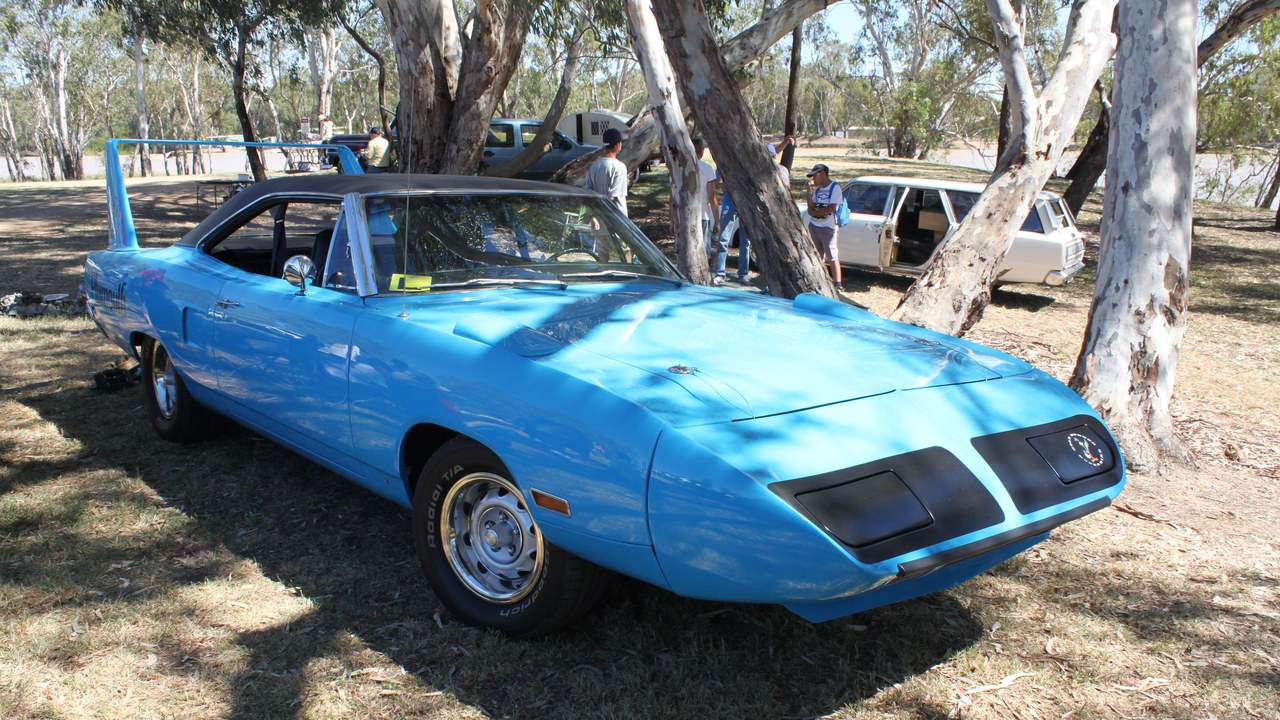
The Superbird’s huge rear wing and pointed nose were built for speed on NASCAR’s ovals. Auto Round-Up notes that Plymouths, including the winged Superbird, were big winners there thanks to the 426 Hemi and drivers like Richard Petty.
From nitro funny cars to NASCAR, Plymouths were always a big part of the racing equation, even as the brand itself was heading toward its end.
10. Plymouth Duster: A $15 Million Facelift

The Duster was a semi-fastback two-door coupe version of the compact Valiant, marketed in the U.S. from the 1969 until the 1976 model years. It gave the Valiant a sporty body style to attract new customers.
The car was the product of a $15 million effort to update the Valiant. It was later succeeded by the Volaré in the United States and the Caravelle coupe in Canada.
11. Plymouth Volaré: To Fly, in Italian
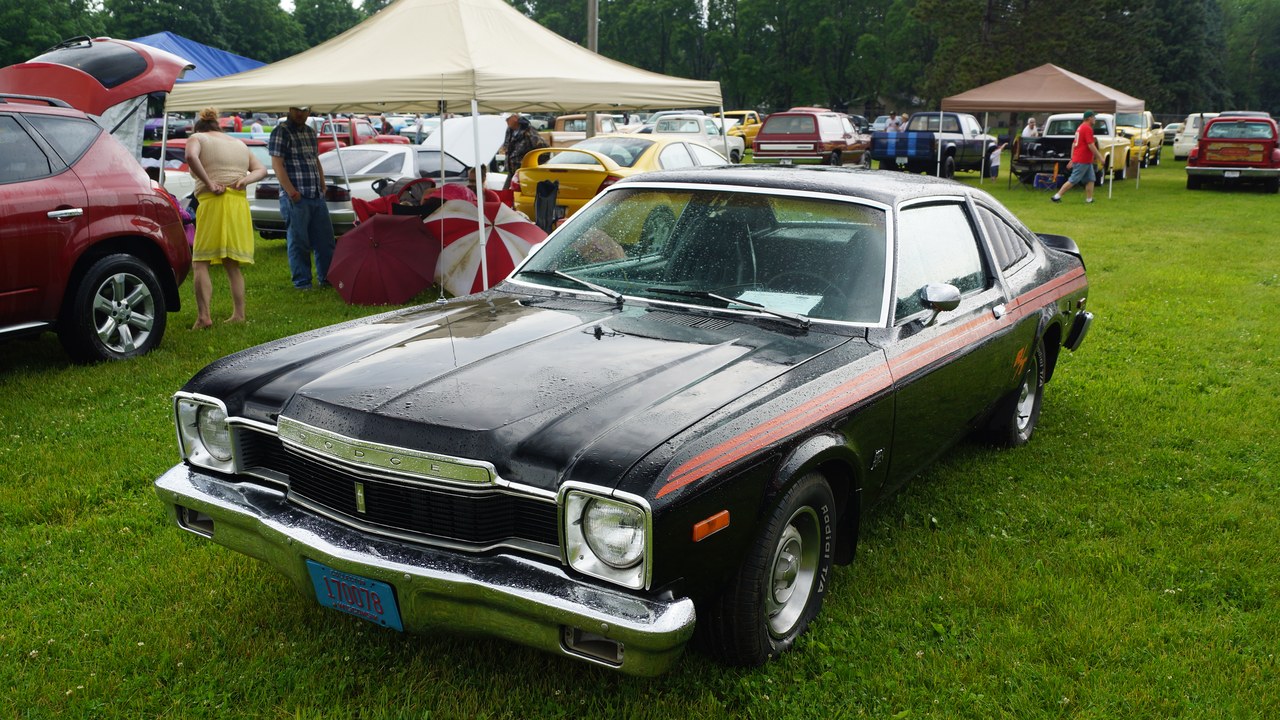
The Volaré was Plymouth’s version of the Dodge Aspen, sold from 1976 to 1980. It replaced the Valiant, and its name comes from the Italian word for to fly.
The model line marked the debut of Chrysler’s all-new F platform, a ground-up redesign of the company’s compact cars, and it was sold by Dodge under the Aspen name, taken from the tree and the ski-resort city.
12. Plymouth Horizon: Front-Drive Pioneer
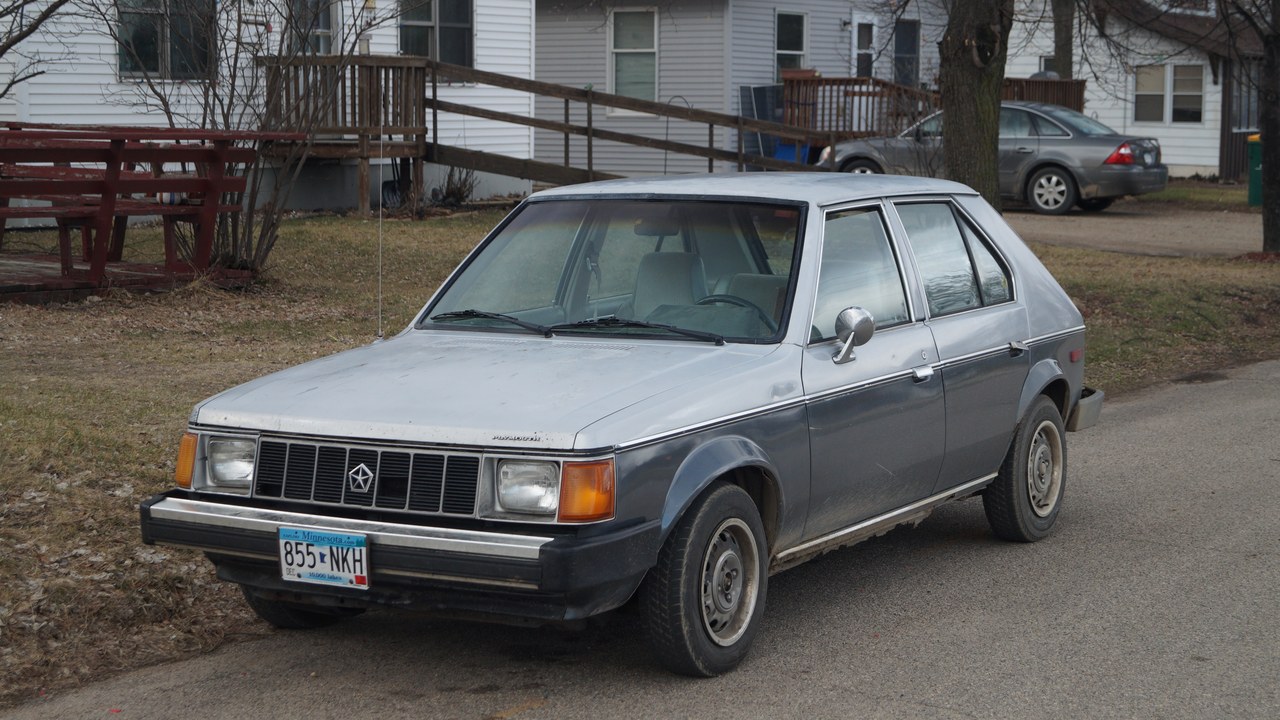
The Horizon and its Dodge Omni twin were built from the 1978 to 1990 model years. They were the first front-wheel-drive Chrysler vehicles and among the first American cars sold with front-wheel drive and a transverse four-cylinder engine.
The subcompacts were the central model lines of Chrysler’s L platform, an evolution of the European Chrysler Horizon, and they were later succeeded by the Plymouth Sundance and Dodge Shadow.
13. Plymouth Reliant: The K-Car
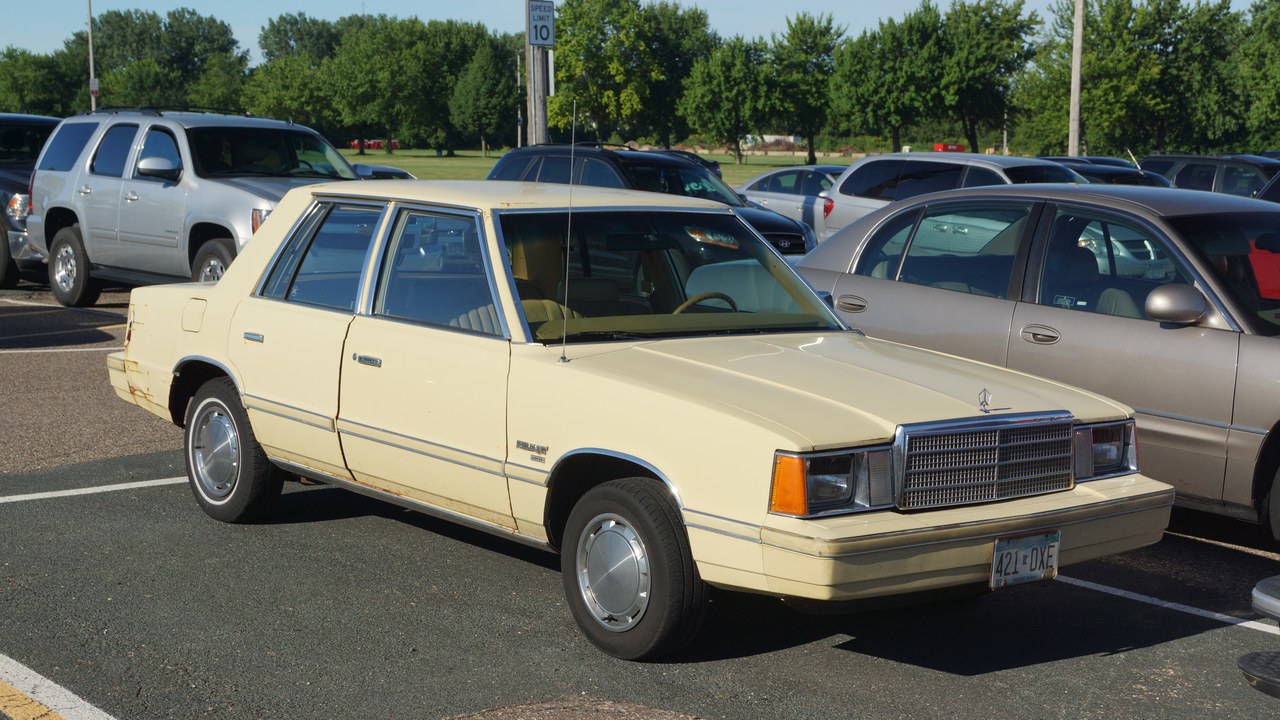
The Reliant and its Dodge Aries twin were front-drive K-cars powered by a then-new 2.2-liter four-cylinder engine. Chrysler marketed the car as able to seat six Americans on two bench seats with a column shifter.
They were the smallest cars to offer the traditional six-passenger layout favored by U.S. buyers, similar to larger rear-drive cars such as the Dodge Dart.
14. Plymouth Voyager: The Minivan That Changed Everything
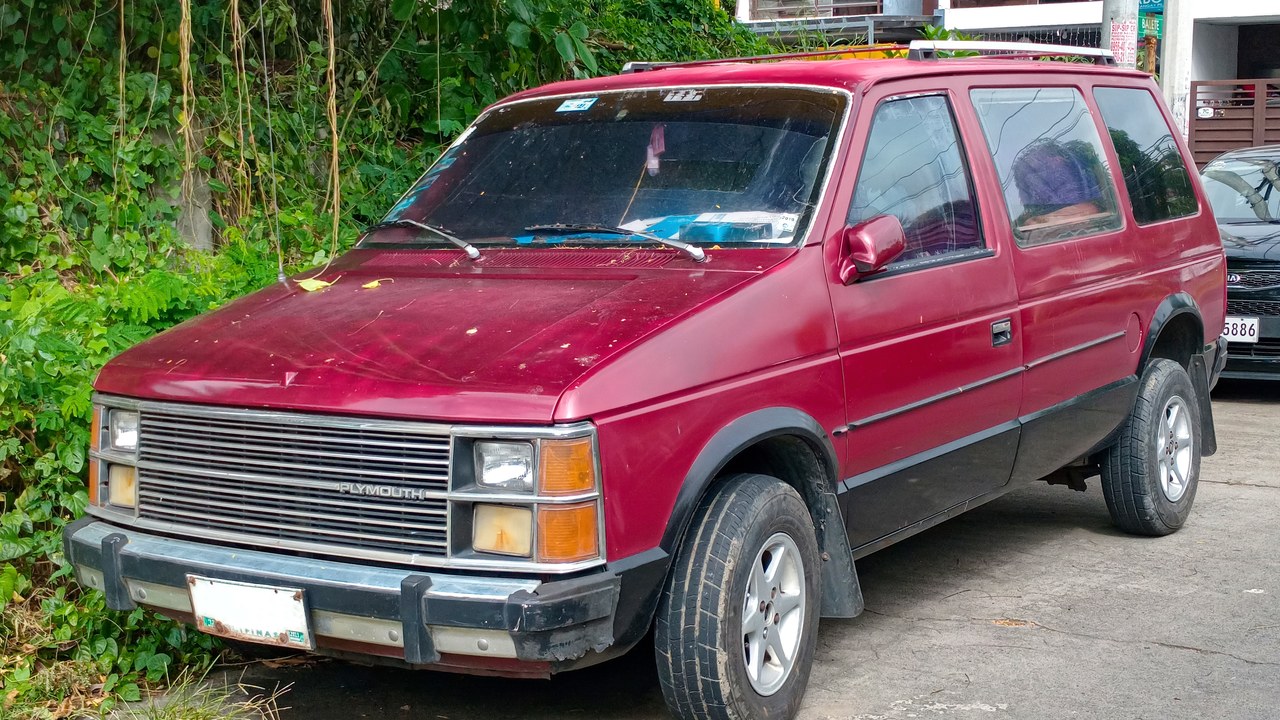
After the oil crisis nearly ended Chrysler Corporation and a federal bailout kept it alive, the company scored an industry smash hit with its all-new Plymouth Voyager and Dodge Caravan minivans in 1983.
The Voyager stayed popular right to the end of the brand, selling alongside the Neon, Breeze and Prowler when Plymouth’s car lineup was down to its final models.
15. Plymouth Prowler: A Factory Hot Rod
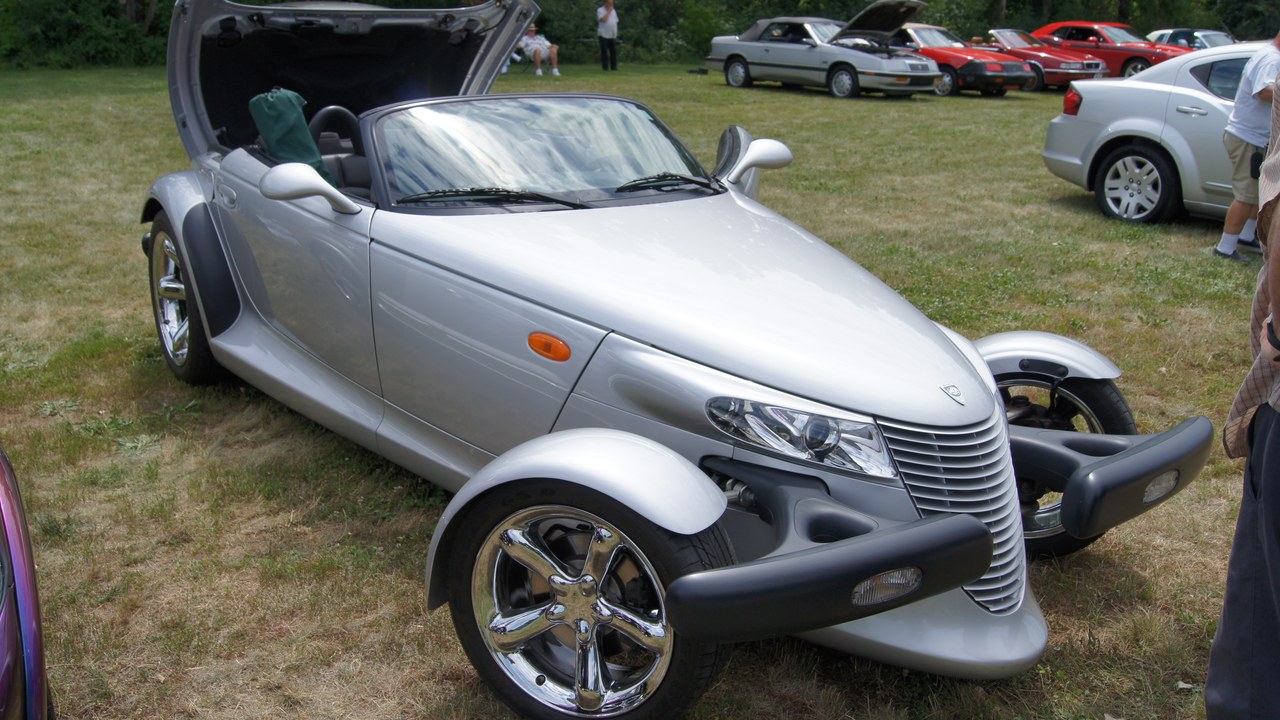
The Prowler was a two-door, two-seat sports car built for model years 1997 through 2002. It is widely known for its hand-crafted aluminum bodywork and retro hot-rod styling with open, Indy racer-style front wheels.
Based on a 1993 concept car, it was sold as a Plymouth before being rebadged as the Chrysler Prowler after the brand closed, and it was eventually succeeded by the Chrysler Crossfire.
16. Plymouth Neon: The Very Last Plymouth
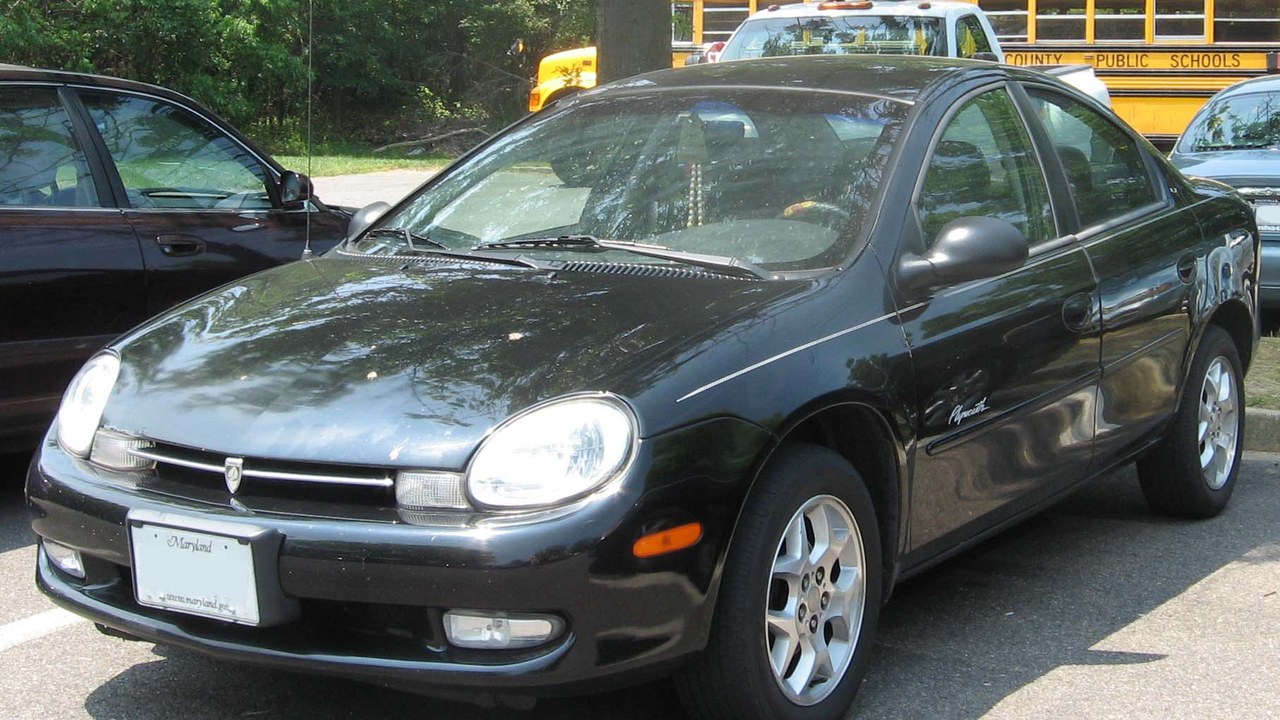
The final car made by Plymouth was a 2001 Neon LX. MotorBiscuit reports it came after U.S. Neon production ended on June 29, 2001, painted Bright Silver Metallic with a Dark Slate Gray leather interior.
The car had a 2.0-liter four and a five-speed manual. DaimlerChrysler had announced at the end of 1999 that Plymouth would end its run with the 2001 model year.
More from Morning Overview
- Over 20 trillion gallons of rain fell on the Four Corners states and Nevada in two weeks
- 11 engines built to run well past 200,000 miles
- Two Kentucky residents died when a small plane crashed at Missouri’s Lake of the Ozarks, and the NTSB is investigating
- A handful of car transmissions are so tough that mechanics say they almost never die
