
Many of the aircraft that fought the war in the 1940s have long since been scrapped or left to rot in fields. A dedicated community of museums, nonprofits and private owners keeps a surprising number of them in the air, from heavy bombers to simple trainers. Here are twelve survivors that still fly, with the numbers behind each one.
Tech news in one quick read: Get the most interesting stories in startups, tech and programming, each with a short TLDR, in one daily email from TLDR.
We may earn a commission if you sign up.
1. Boeing B-29 Superfortress: Last Of Its Kind
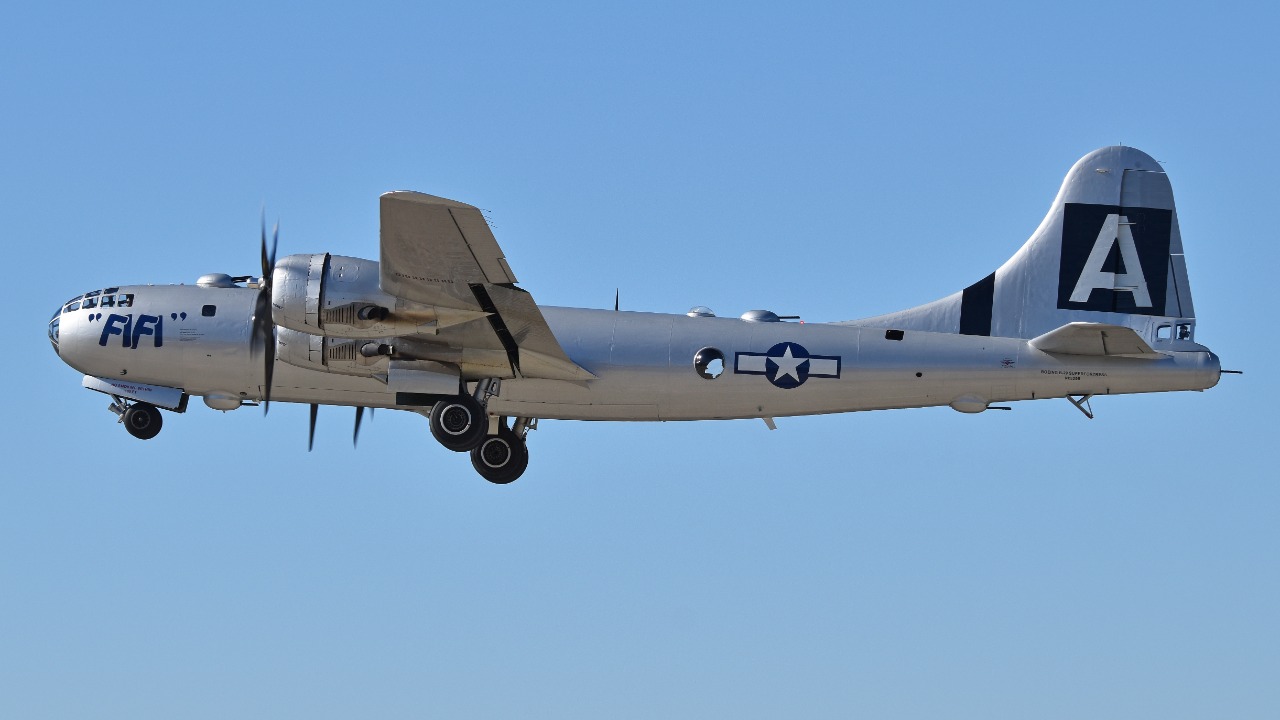
The Commemorative Air Force’s FIFI is described in tour schedule coverage as one of only two B-29s in the world still flying. The bomber returned to the air in 2010 after a restoration that cost roughly $3 million, a sum that shows how much effort a four-engine airframe of this size demands.
Anyone hoping to see it should watch the CAF’s touring calendar, since a rarity this large travels rather than stays put. Keeping such a machine airborne depends on donations, volunteers and a thin supply of surviving parts, which makes each appearance a bit of a gamble for organizers and spectators alike.
2. Consolidated B-24 Liberator: Diamond Lil Endures
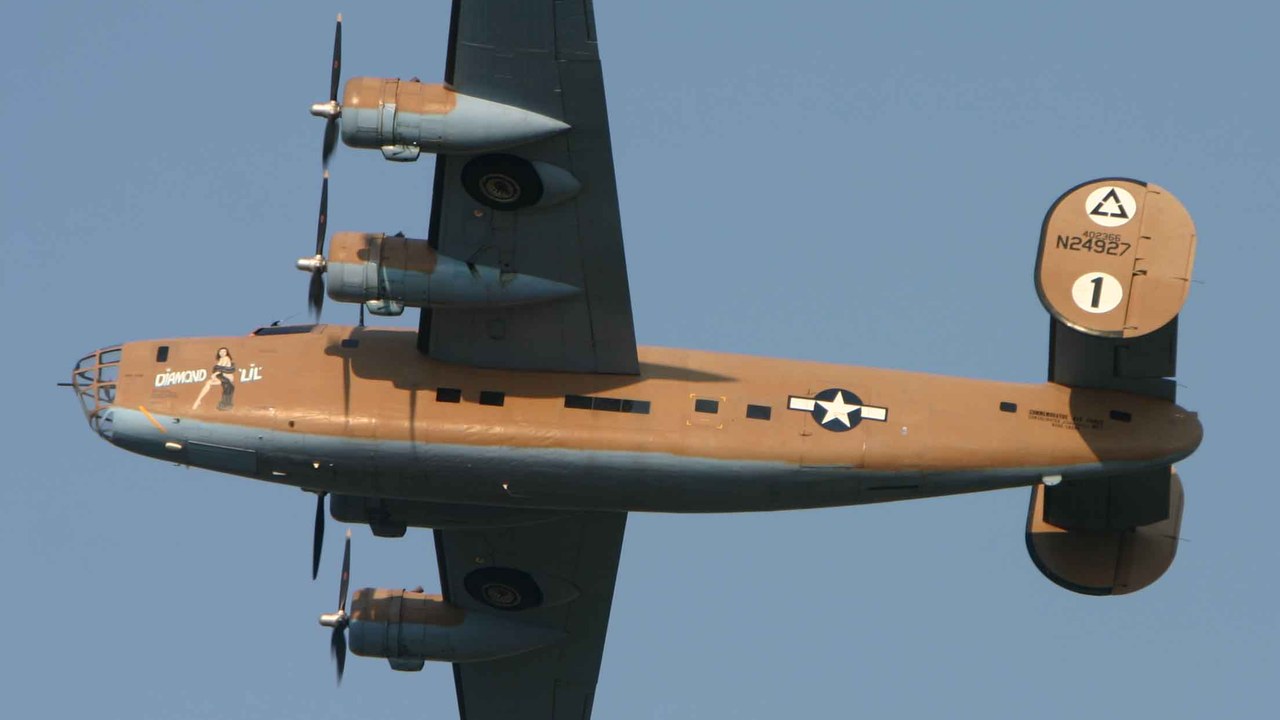
Diamond Lil is billed in CAF tour coverage as the world’s only regularly flying Consolidated B-24 Liberator. That status is striking given the type was built more than 18,500 times during the war, far outnumbering many of its better-remembered contemporaries.
The gap between production totals and survivors explains why a single flying example draws crowds. For visitors, the practical lesson is that rarity is not always tied to fame: a bomber produced in enormous numbers can still become a one-airframe attraction, so a ride or walk-through counts as a genuine opportunity.
3. North American T-6 Texan: Pilot Factory Veteran
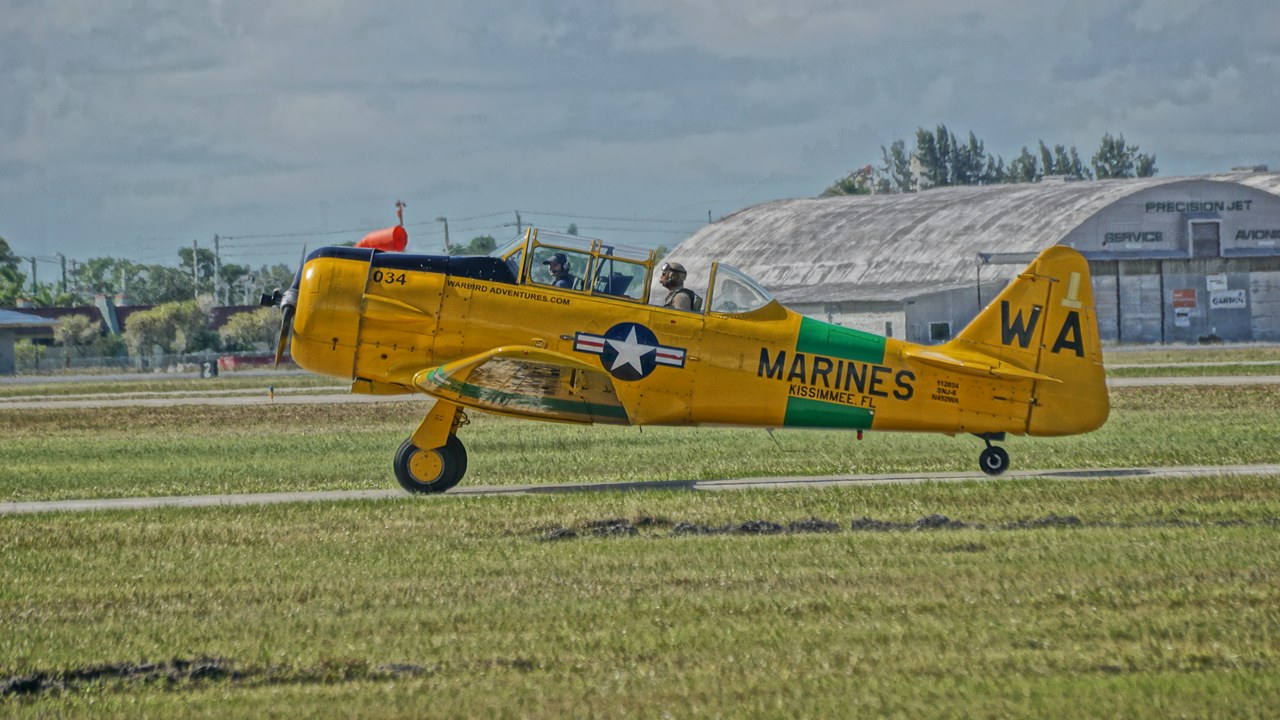
The trainer that readied pilots for combat aircraft is noted in the CAF tour announcement for serving in military training roles into the 1970s. It still flies on the organization’s 2026 tour, decades after the war that created it.
A single-engine, two-seat trainer is far easier to operate than a heavy bomber, which helps explain why the T-6 remains a staple at airshows and in private hands. Its long service life means parts, expertise and enthusiasts are easier to find, so spectators have a better chance of seeing one than a rarer type.
4. Boeing-Stearman PT-13 Kaydet: Open-Cockpit Classroom
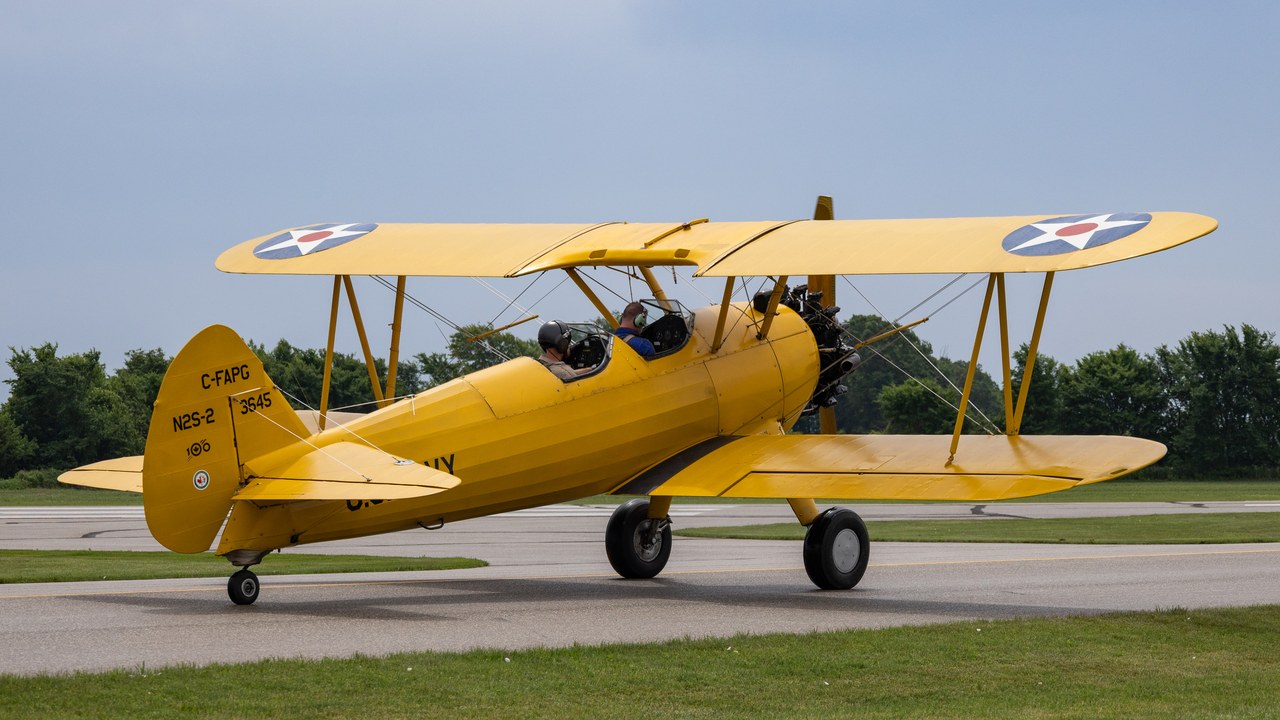
The open-cockpit biplane that introduced countless pilots to flight is a regular on the CAF’s 2026 AirPower History Tour, as Vintage Aviation News reports. The Boeing-Stearman Model 75, known in Army service as the PT-13 Kaydet, belongs to the earliest stage of wartime pilot training.
Fabric wings, exposed seats and a simple layout make the Stearman one of the most approachable warbirds. That accessibility matters for would-be buyers and rides alike, since biplanes of this kind give the clearest sense of how fledgling aviators first met the air before moving on to faster fighters and bombers.
5. North American B-25 Mitchell: Doolittle Raid Veteran
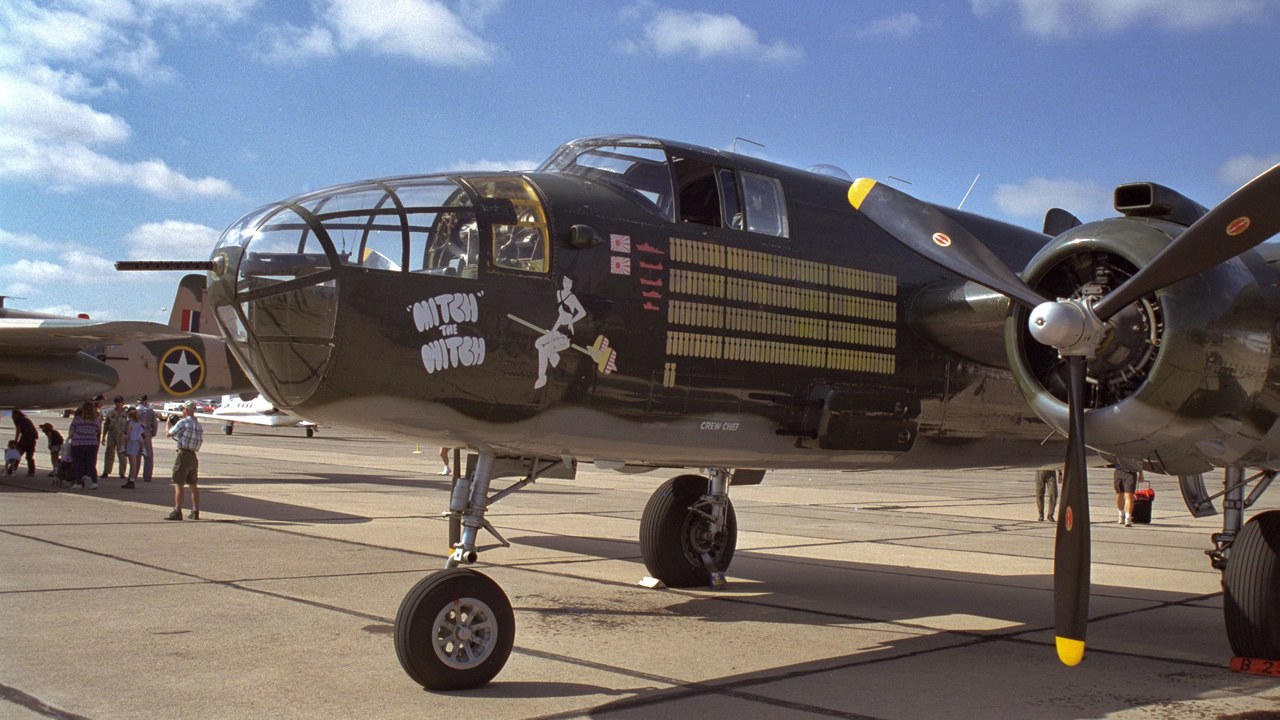
Of nearly 9,900 built, roughly 40 B-25s are believed to remain airworthy, according to Bolt Flight’s survivor survey. The Mitchell is the type that flew the 1942 Doolittle Raid off the USS Hornet, a mission that made twin-engine bombers famous.
Forty flyable examples out of that production run shows how few aircraft escape scrapping, crashes and decay. Even so, the Mitchell is among the more attainable bombers for museums and private groups, so the odds of catching one at a regional show are better than for four-engine types.
6. Douglas C-47 Skytrain: D-Day Lead Aircraft
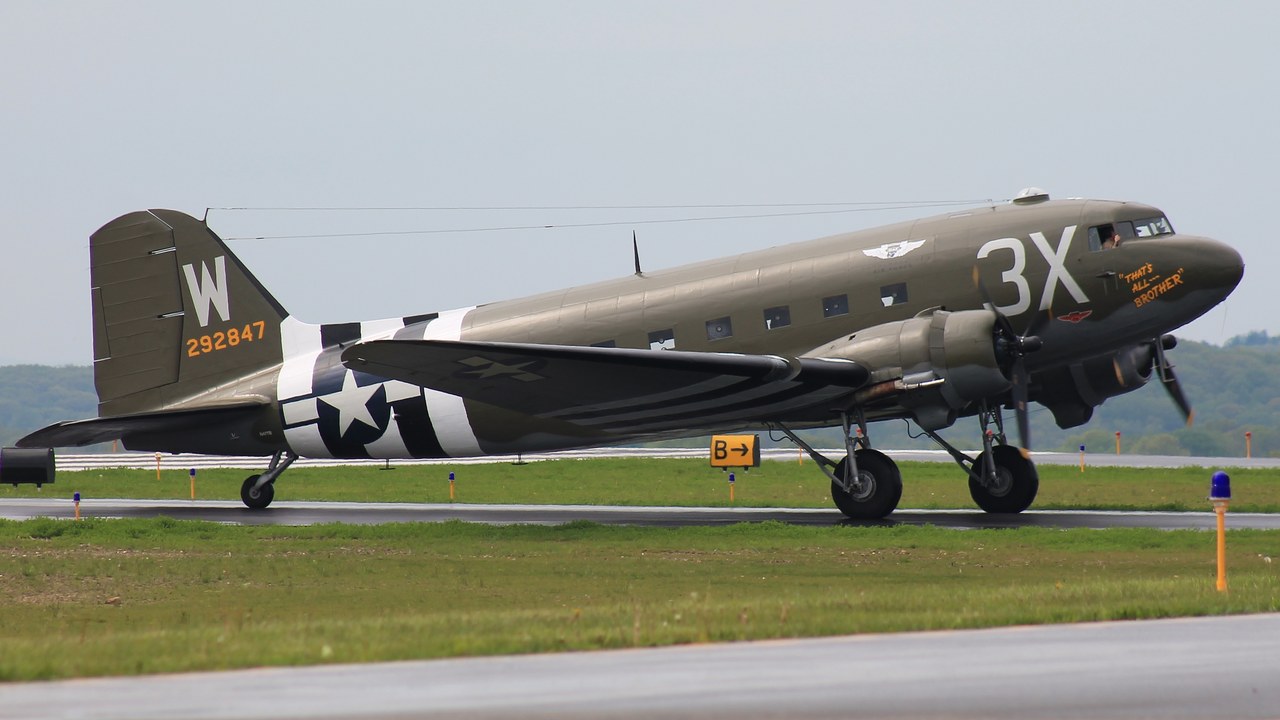
The CAF’s That’s All, Brother served as the lead C-47 for the main Allied airborne assault on D-Day, June 6, 1944, per Bolt Flight’s warbird roundup. After years out of service, the Douglas transport returned to flight in January 2018.
Few surviving aircraft can claim a role at so specific and consequential a moment. For history-minded visitors, this one is worth seeking out, because its flights tie a famous operation to an airframe that can still be walked around, photographed and, on occasion, boarded.
7. North American P-51 Mustang: Mustang Survivors

Of more than 15,000 Mustangs built, approximately 150 to 160 remain airworthy, Bolt Flight reports. That makes the North American P-51 by far the most numerous flyer among the long-range fighters of the era, even though only a small fraction of production survives.
The relatively healthy count reflects postwar civilian demand, racing and a deep restoration industry. For airshow visitors, a Mustang flyby is therefore a realistic expectation rather than a lucky break, though owning one remains a rarefied pursuit given the cost of fuel, insurance and engine upkeep.
8. Boeing B-17 Flying Fortress: Fortress Down To Fifty
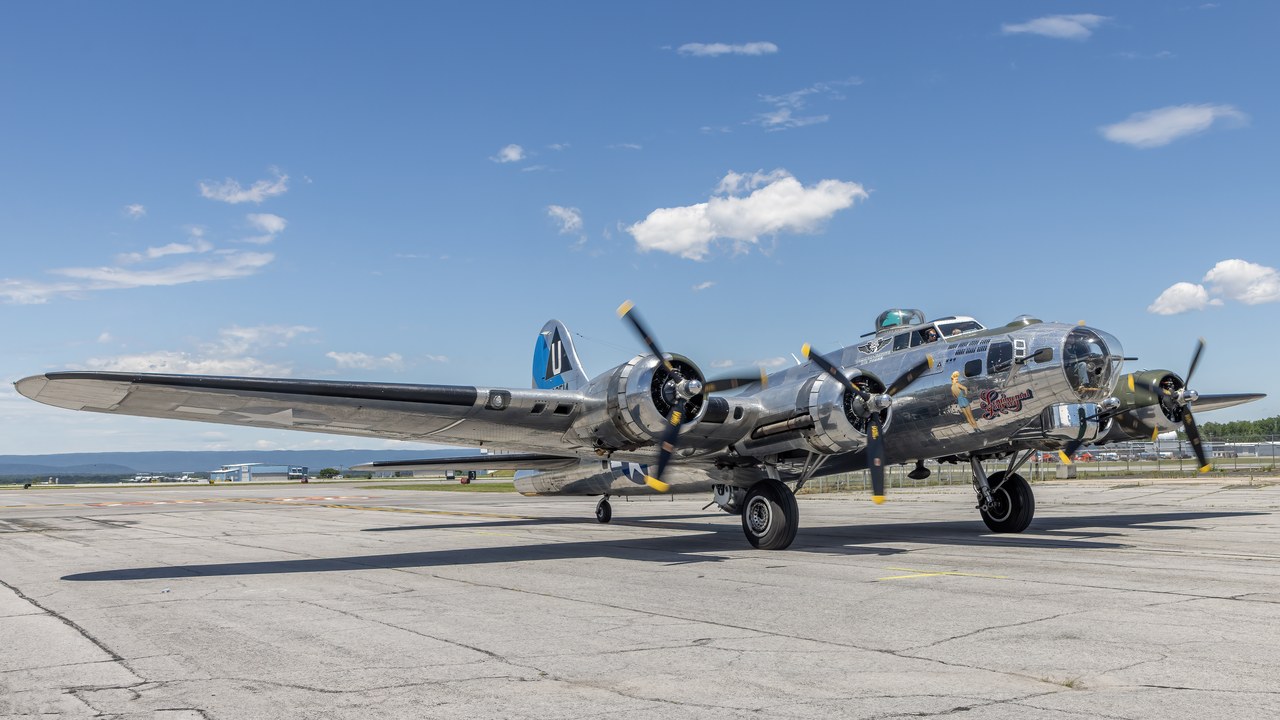
Of 12,732 B-17s produced between 1935 and May 1945, 4,735 were lost on combat missions, and only around 50 airframes exist today, the EAA museum page says. The figures frame the Flying Fortress as both a mass-produced workhorse and a scarce survivor.
Aluminum Overcast, the EAA’s example, offers a chance to see how that arithmetic plays out in practice. Note that the roughly 50 figure counts airframes of any condition, not airworthy aircraft, so the number actually seen in the sky at any given show is smaller still.
9. Supermarine Spitfire: Britain’s Common Warbird
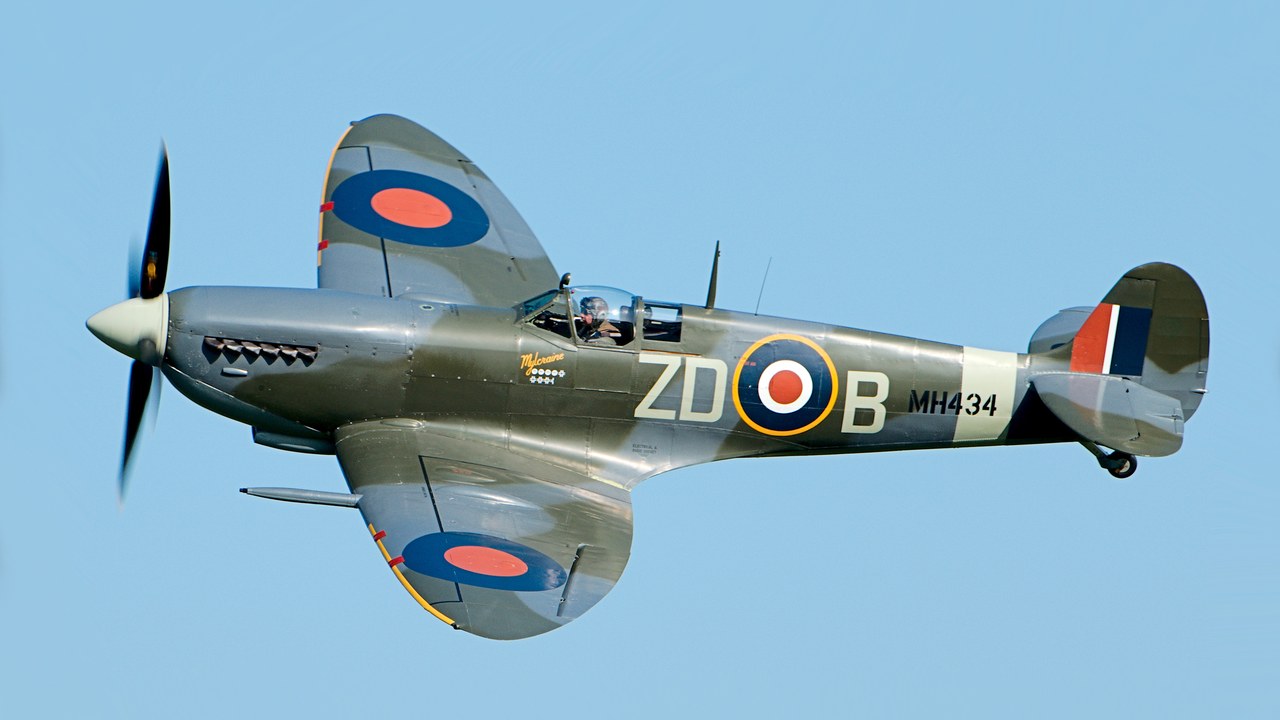
Roughly 60 Spitfires remain airworthy, Platinum Fighters notes, which makes Britain’s famous Supermarine fighter one of the most common warbirds still flying. The distinctive elliptical wing and Merlin-era silhouette keep it among the most recognizable shapes at any show.
A fleet that size supports regular displays across Britain, Europe and North America, so travel is rarely required to see one. The figure dates to a 2025 article and can drift as restorations finish or aircraft are grounded, so enthusiasts should treat it as a rough guide rather than a fixed count.
10. Vought F4U Corsair: Gull-Wing Speedster

The first U.S. fighter to exceed 400 mph in level flight still has more than 15 airworthy examples, according to Platinum Fighters. The Vought F4U Corsair is instantly identifiable by its inverted gull wings and long nose.
That distinctive shape is a draw at airshows, where the Corsair’s engine note and wing profile set it apart from straight-winged contemporaries. The count is a minimum, and it applies to worldwide survivors, so any individual region may host only one or two flyable examples.
11. Republic P-47 Thunderbolt: Thunderbolt Rarity
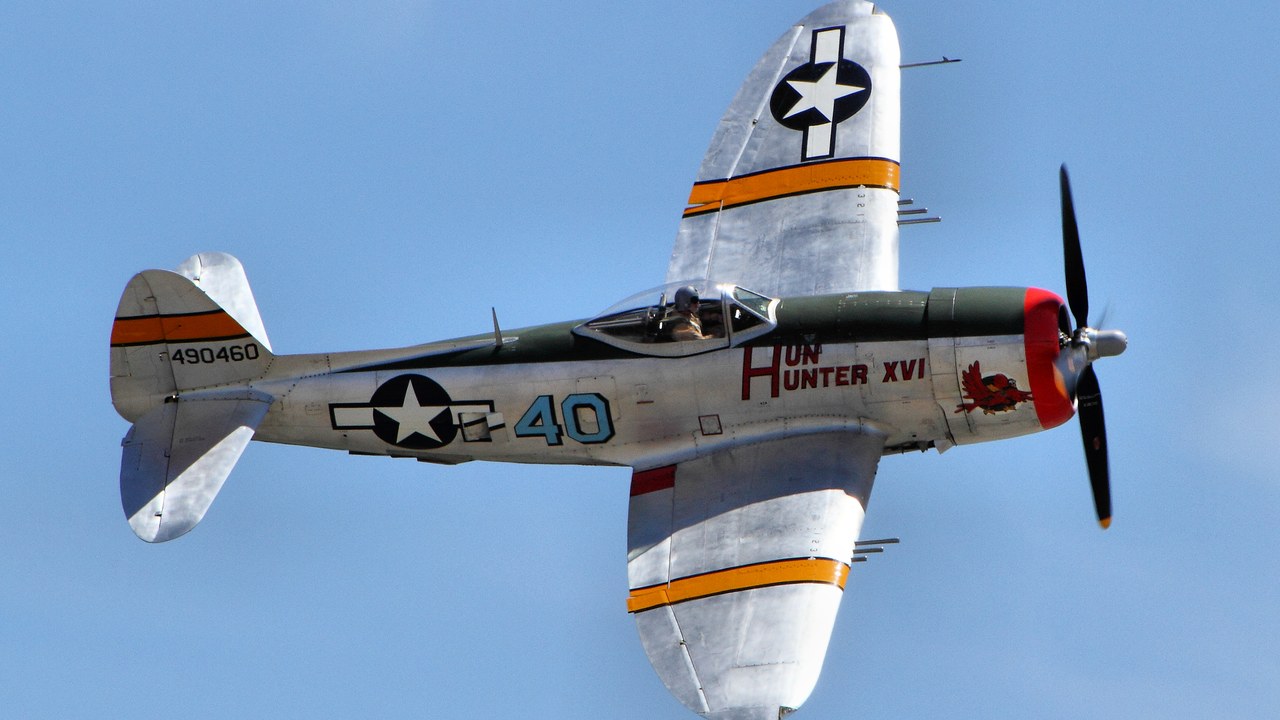
Around a dozen P-47s are airworthy worldwide, according to Platinum Fighters. They are survivors of a type that flew over 746,000 combat attacks, a tally that suggests how heavily the big Republic fighter was used.
A dozen flyable airframes is a small pool for a type of that stature, so sightings are less routine than those of the Mustang or Spitfire. Spectators who do catch one should note the sheer size of the radial-engined fighter, which dwarfs most single-seat contemporaries parked beside it.
12. Grumman F6F Hellcat: Navy’s Ace Maker
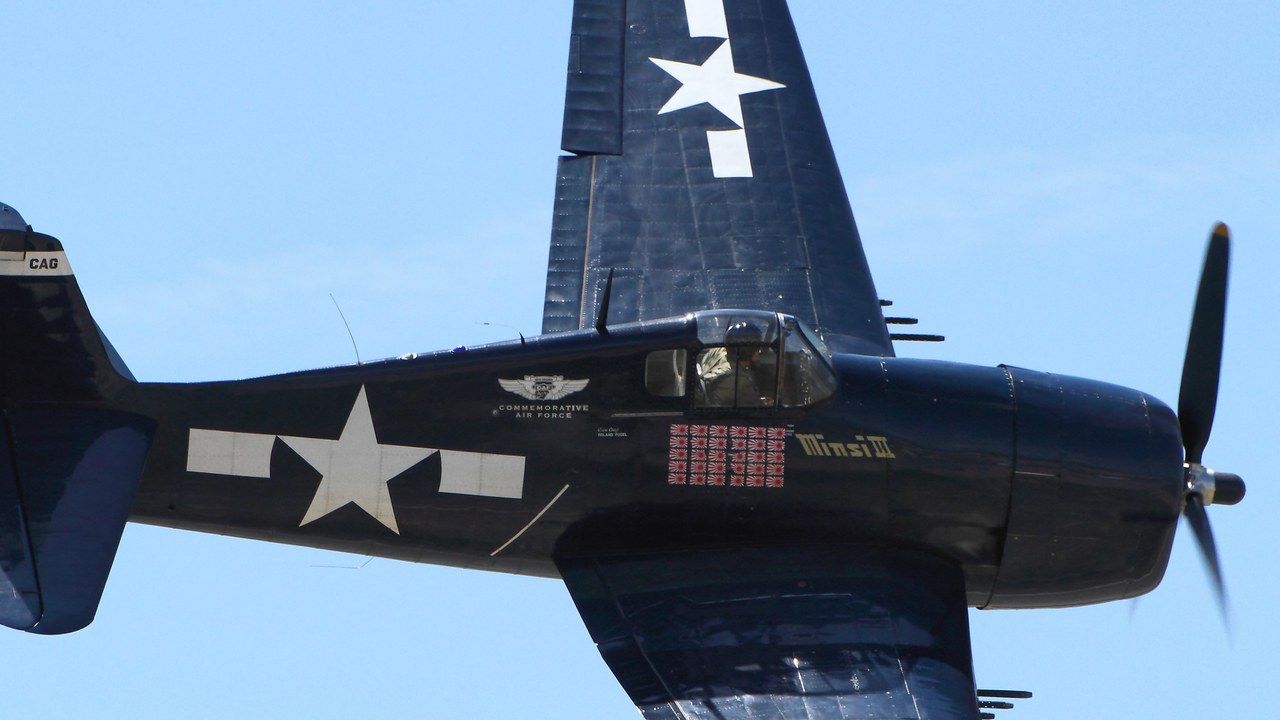
A few Hellcats still fly, and the Grumman Navy fighter was credited with over 5,000 aerial victories at a 19:1 kill-to-loss ratio, as Platinum Fighters records. Few wartime designs can point to such a lopsided record.
Because only a handful remain airborne, a Hellcat appearance tends to be a highlight at carrier-themed and Pacific-focused events. The source gives no precise airworthy count, so any claim about exactly how many are flying should be treated cautiously.
Tech news in one quick read: Subscribe to TLDR →
We may earn a commission if you sign up.
More from Morning Overview
- Regulators cleared the first U.S. small modular reactor, 4 months early
- Lake Powell sank to a record 3,517 feet, nearing the level that stops Glen Canyon Dam’s turbines
- Seven of Earth’s nine planetary boundaries are breached, and all seven are worsening
- The NSA says three phone features should be off whenever you aren’t using them
