
Helicopters carry much of the load when someone needs rescuing or a patient needs a fast ride to a trauma center in the United States. The fleets range from Coast Guard cutters’ rescue aircraft to hospital-contract air ambulances and firefighting machines. Here are eleven of the helicopters doing that work, from a 148-knot Dolphin to a 170-knot Jayhawk.
The day in tech, in one email: TLDR is the daily newsletter with links and TLDRs of the most interesting stories in startups, tech and programming.
We may earn a commission if you sign up.
1. Sikorsky MH-60T Jayhawk: Long-Range Cutter Partner
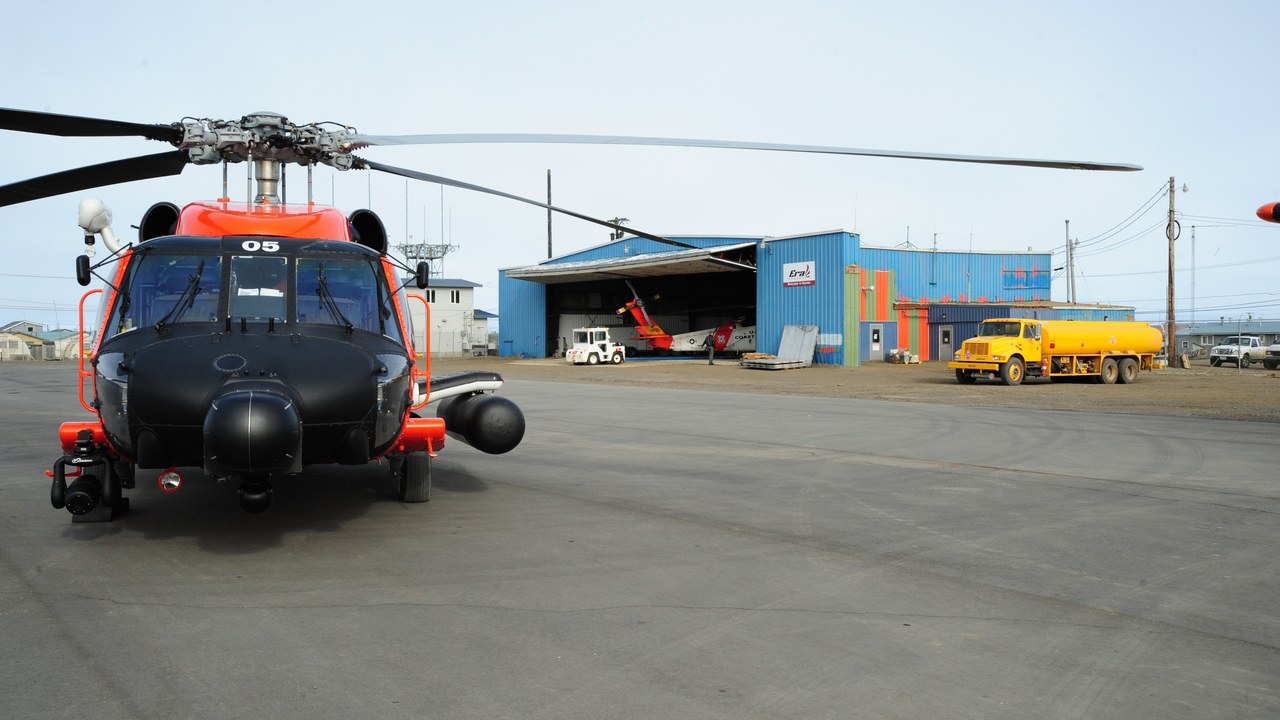
The Coast Guard’s medium-range rescue helicopter cruises at 170 knots, as a recent MH-60T Jayhawk roundup of the service fleet notes. Its reach is 700 nautical miles, with endurance of 6.5 hours and a crew of four aboard.
Those numbers explain why the type launches for offshore cases that shorter-legged aircraft cannot cover. A four-person crew also allows a hoist operator and a rescue swimmer to work while two pilots fly, which matters most in heavy seas and darkness.
2. Airbus MH-65E Dolphin: Short Legs, Quick Response
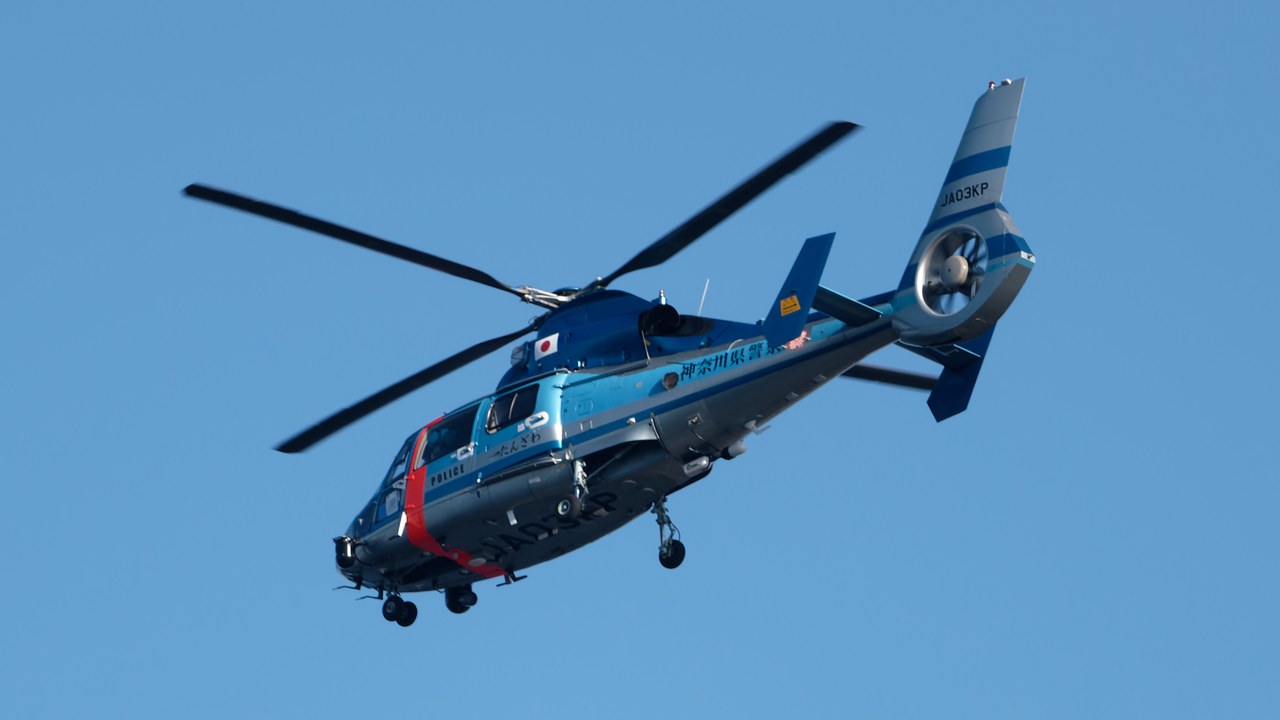
The Dolphin cruises at 148 knots, according to a Coast Guard type roundup of Coast Guard aircraft. Its range is 350 nautical miles and endurance runs to about three hours, noticeably less than the larger Jayhawk flown by the same service.
That profile suits shore-based rescue near harbors, rivers and coastal waters, where the aircraft rarely needs to stay aloft for long. Missions farther out typically go to the bigger helicopter, so the two types complement each other across the fleet.
3. Bell 407GXi: Air Ambulance Workhorse
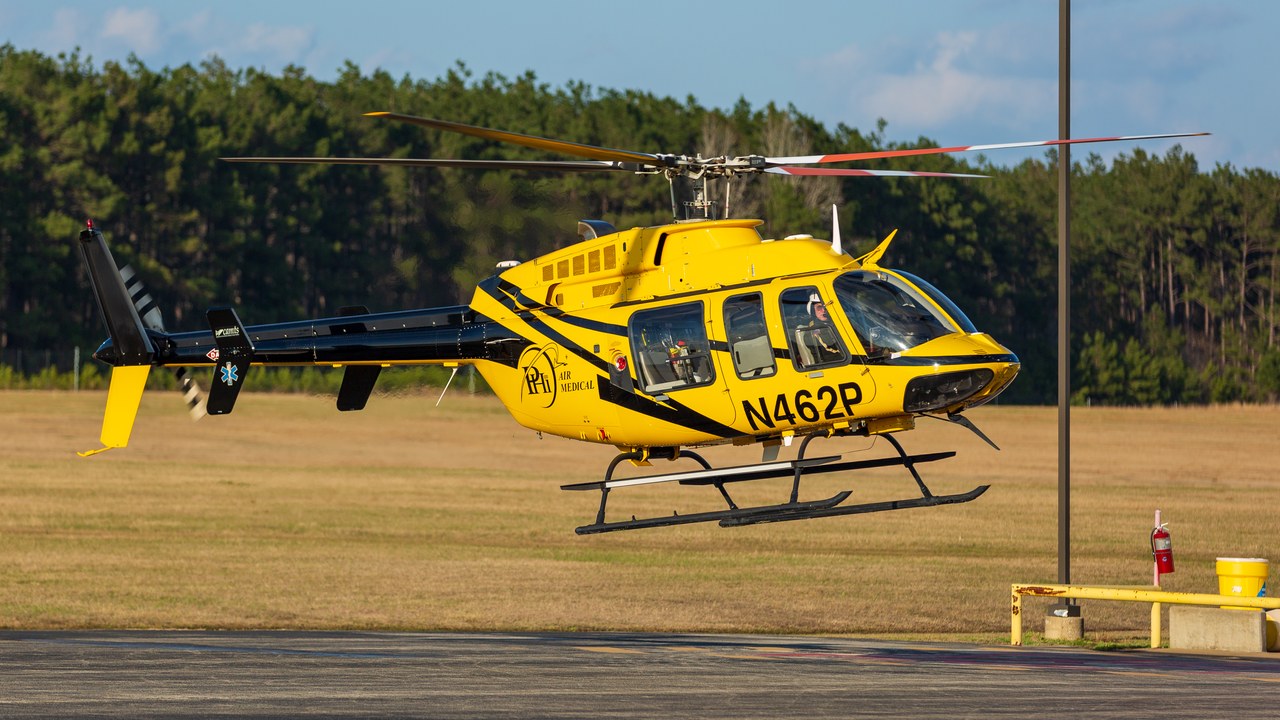
Air Methods is adding 15 IFR-configured Bell 407GXis to its fleet, all of them configured for instrument flight rules. The single-engine 407GXi counts as the backbone of American air ambulance work, and the company is buying fifteen of this model.
Instrument capability lets crews keep launching when cloud and low visibility would ground a visual-only aircraft. For a patient waiting at a rural scene, that can decide whether a helicopter arrives at all, and it explains the company’s focus on IFR-equipped examples.
4. Bell 429 GlobalRanger: Canadian Coast Guard Cameo
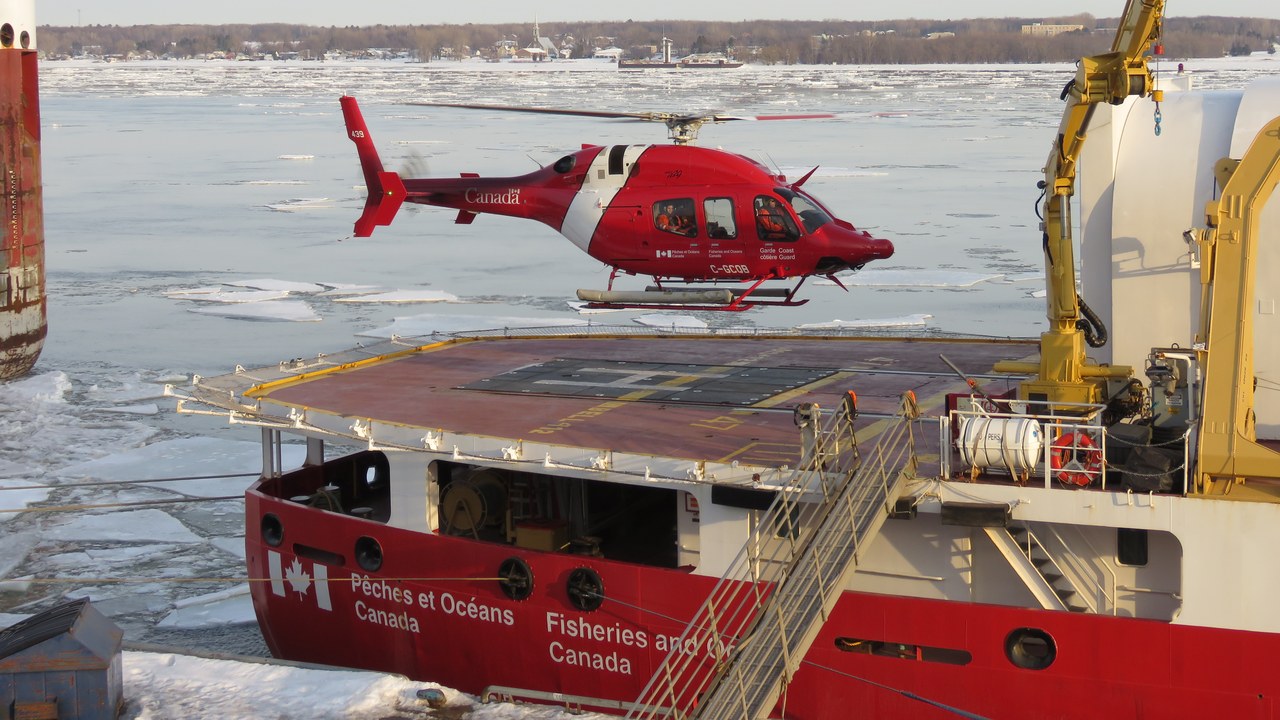
One Bell 429 joins an Air Methods fleet that already runs 90 Bell aircraft, according to the operator’s Air Methods fleet expansion. That Bell group sits inside a total of more than 390 aircraft, so the newcomer is a small addition to a very large operation.
The 429 is a twin-engine light helicopter, which gives medical crews a second powerplant on overwater and mountain routes. Its single appearance in the order shows how fleets mix types, adding a few of a newer model beside the established single-engine workhorses.
5. Airbus H125: Market Leader for Hospital Flights
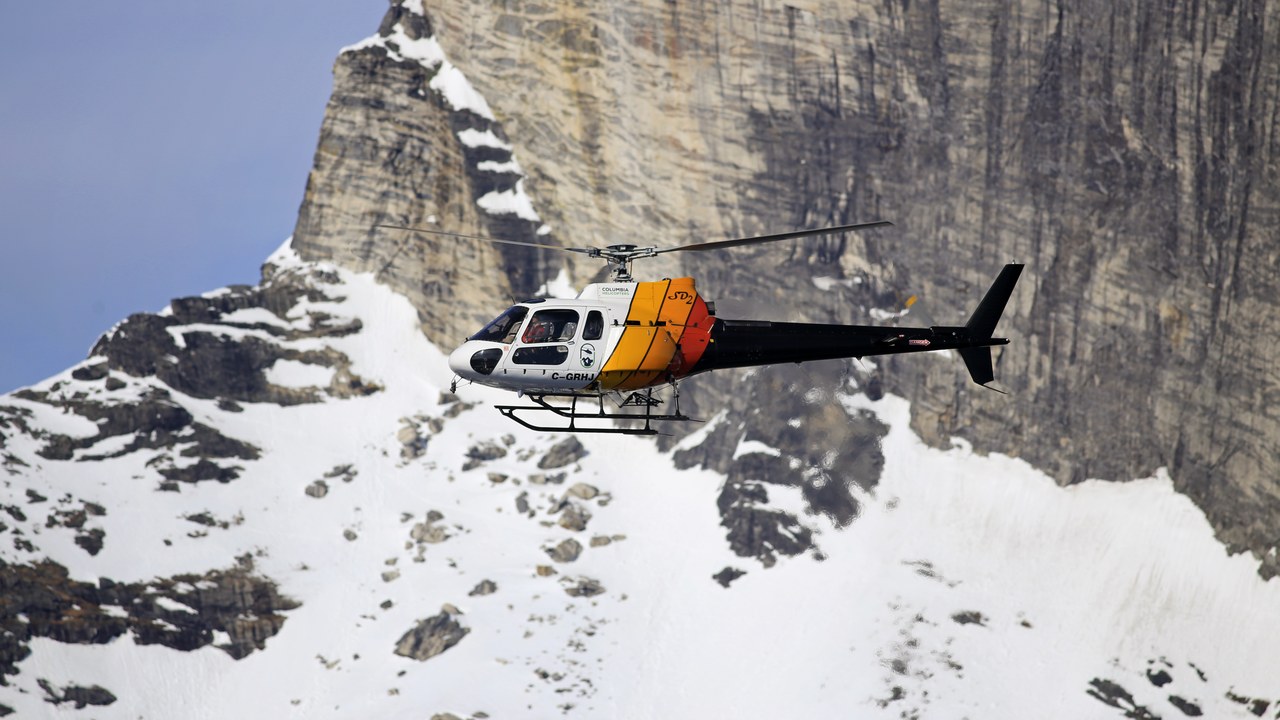
Air Methods ordered ten H125s, the single-engine type that Airbus describes as a market leader for hospital flights, per the company’s fleet expansion announcement. The order sits alongside Bell and Airbus twins in the same expansion.
Single-engine aircraft cost less to buy and run than twins, which lets operators base helicopters in smaller communities. The tradeoff is that a lone engine limits where a flight can legally go, so these helicopters work best from rural bases serving short transfers.
6. Airbus H135: Twin-Engine Fleet Leader
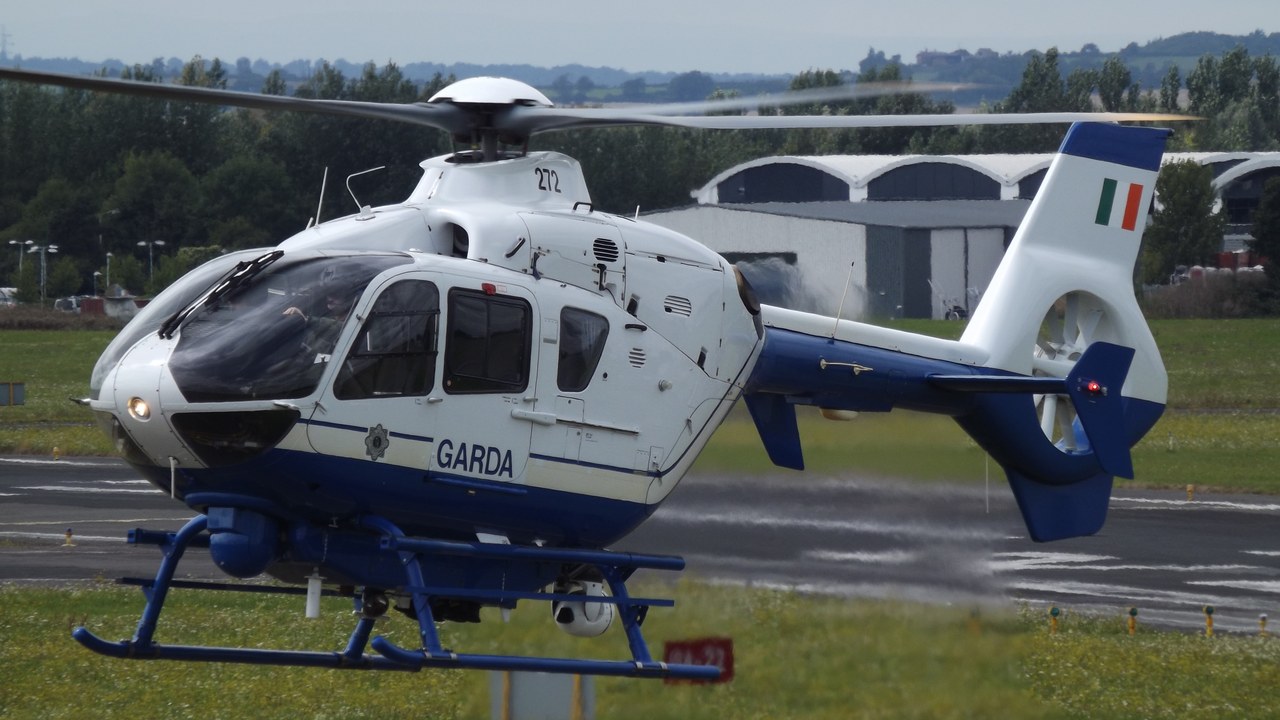
Eleven H135s are on order from Air Methods, the twin-engine type Airbus calls the worldwide fleet leader for medical missions, as the Air Methods announcement states. They join single-engine Airbus and Bell aircraft in the same purchase.
A second engine permits operations over dense urban areas and into hospital helipads that restrict single-engine traffic. That flexibility, plus room for stretcher and crew, is why the type appears on so many medical contracts, though it costs more to operate than a light single.
7. Leonardo AW139: Maryland’s Ten-Aircraft Buy
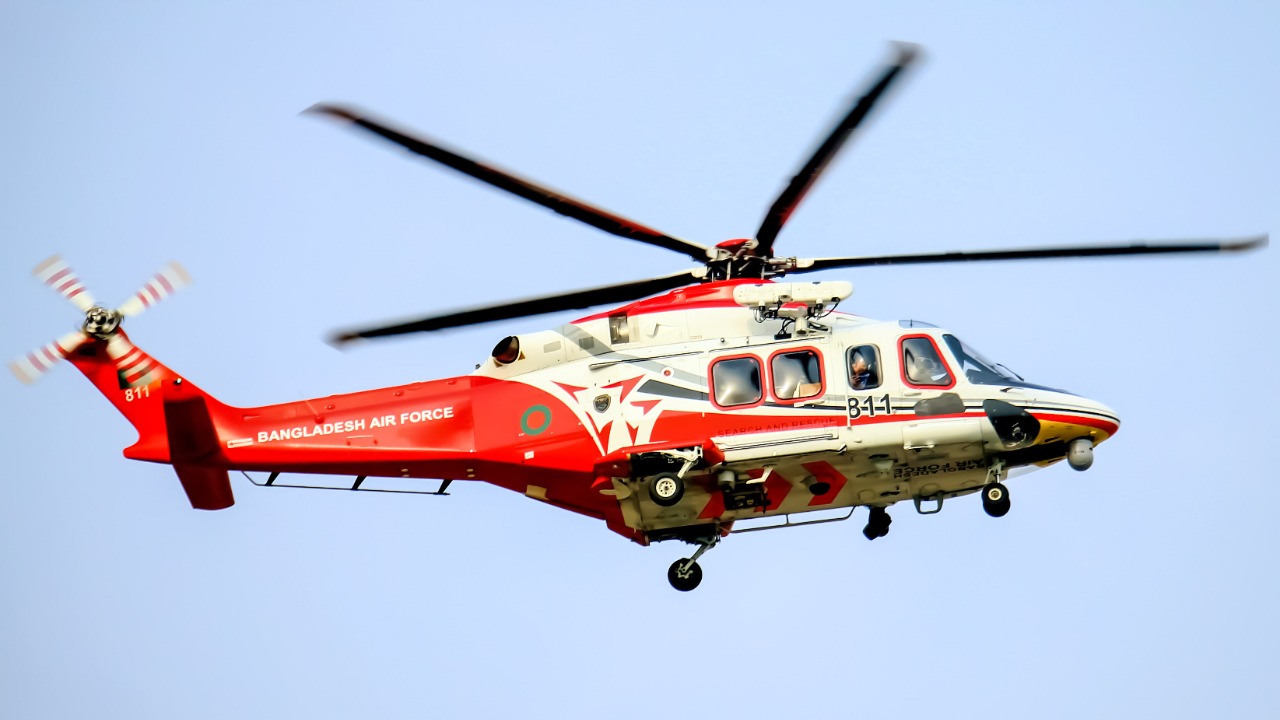
Maryland bought ten AW139s for $128 million, according to JEMS reporting on the state police aviation command. Each helicopter can carry two patients, and the fleet flies from seven helicopter bases across the state.
The large cabin explains the choice for a statewide medical program that also handles rescue work. Spread over ten aircraft, the price works out to roughly $12.8 million apiece, a figure that reflects both the airframe and the equipment fitted for medical and search missions.
8. Sikorsky S-70 Firehawk: Water-Bomber with a Hoist
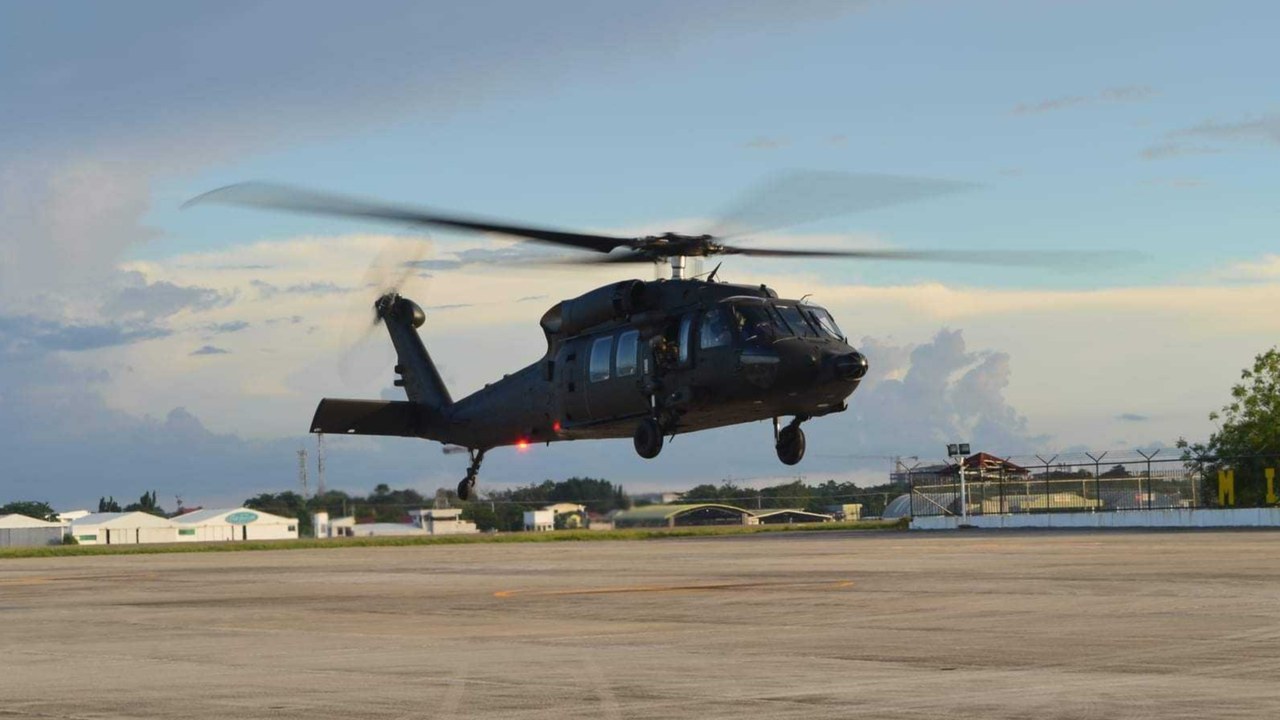
The Firehawk flies hoist rescue and fire work with a 1,000-gallon belly tank and a crew of three, as the interagency recognition guide lists. The belly tank is what separates it from a plain rescue hoist ship.
A rescue-capable airframe that can also drop a thousand gallons gives agencies one aircraft for two missions. The tradeoff is weight, since a full tank reduces payload and range, so crews plan fills and hoist tasks around the load the helicopter can carry.
9. Bell 412: Two Pilots, Many Jobs
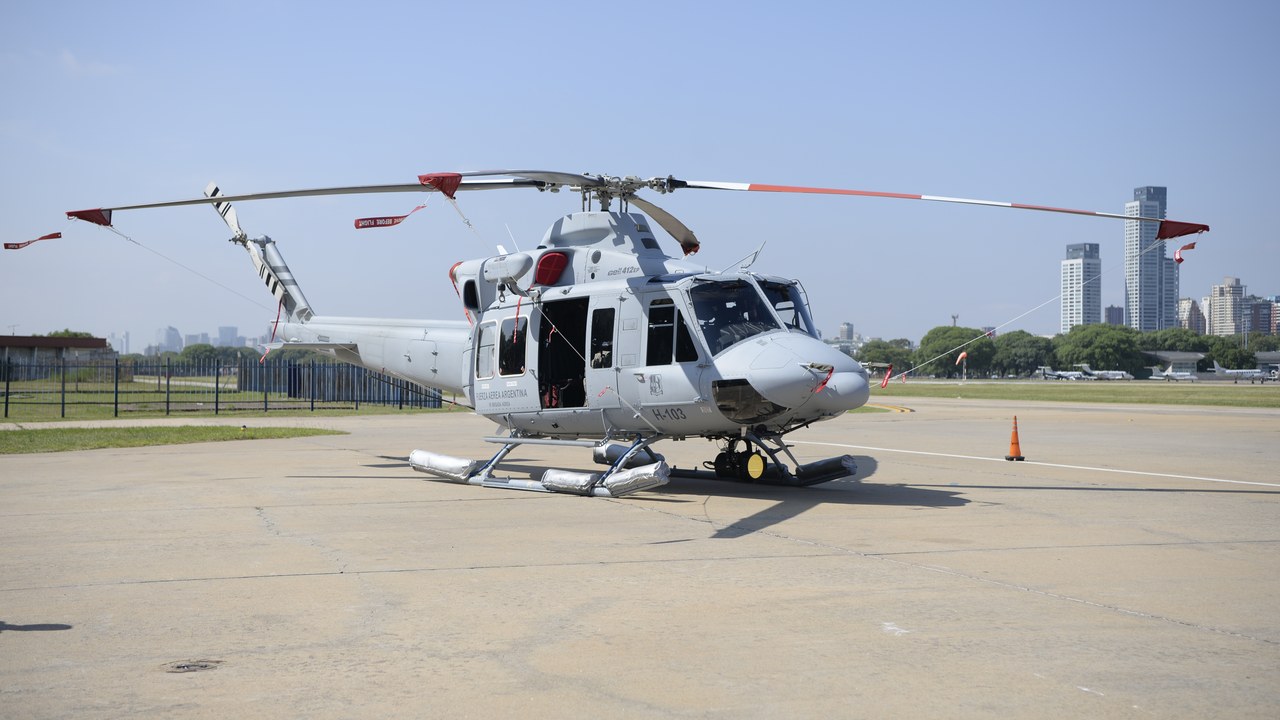
The two-pilot Bell 412, flown by hospital and sheriff programs alike, carries a 360-gallon tank on fire contracts, according to the interagency aircraft guide. Few helicopters are listed with that mix of roles.
Two-pilot crewing suits instrument flying and complex missions, which is why medical and law enforcement operators favor the type. When fire season arrives, the same helicopter can switch to water duty, so one aircraft earns revenue across several seasons and agencies.
10. Bell UH-1H Super Huey: Vietnam-Era Veteran, Rebuilt
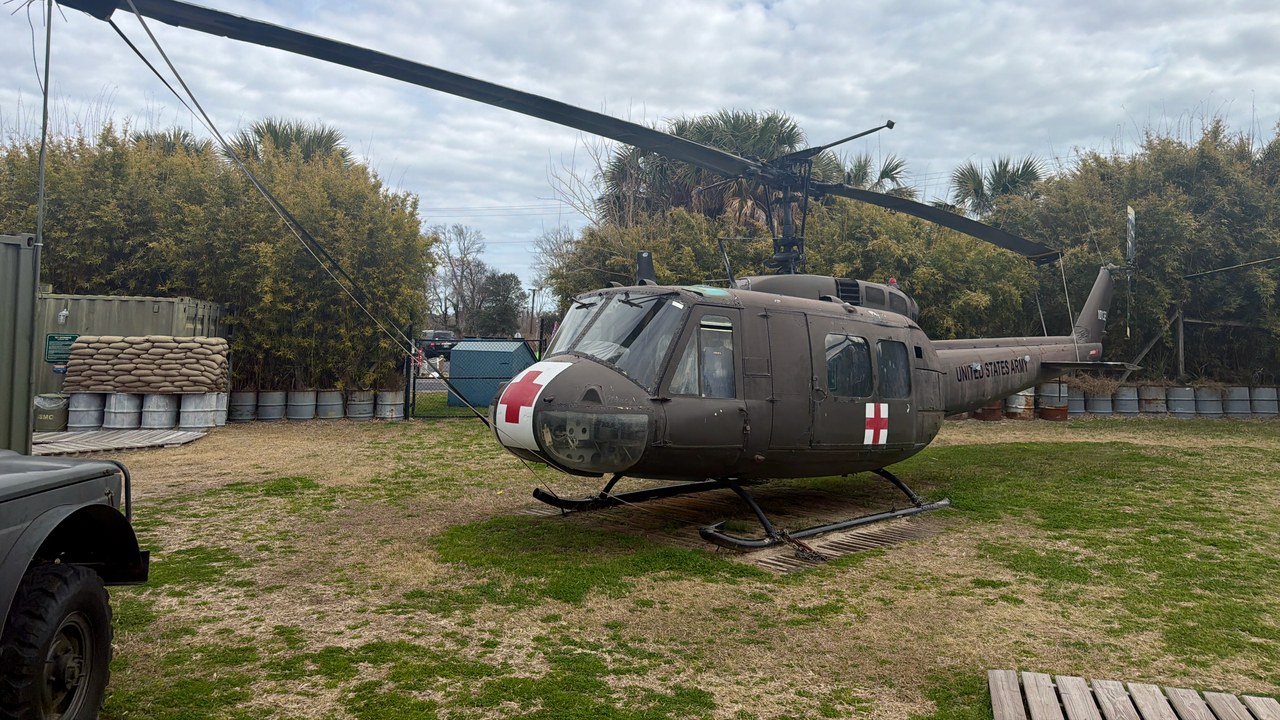
The rebuilt Super Huey flies with a pilot, two fire captains and eight firefighters plus a 360-gallon tank, according to the aircraft recognition guide. That is a considerable load for a helicopter whose design dates to the Vietnam era.
The roomy cabin makes the type valuable for crew transport on wildfires, where moving a full team to a ridge quickly matters. Age is the caveat, since parts and airframe condition demand close upkeep, which is why agencies describe these examples as rebuilt rather than original.
11. Bell 206L-3 LongRanger: Patient Hauler Before the 407
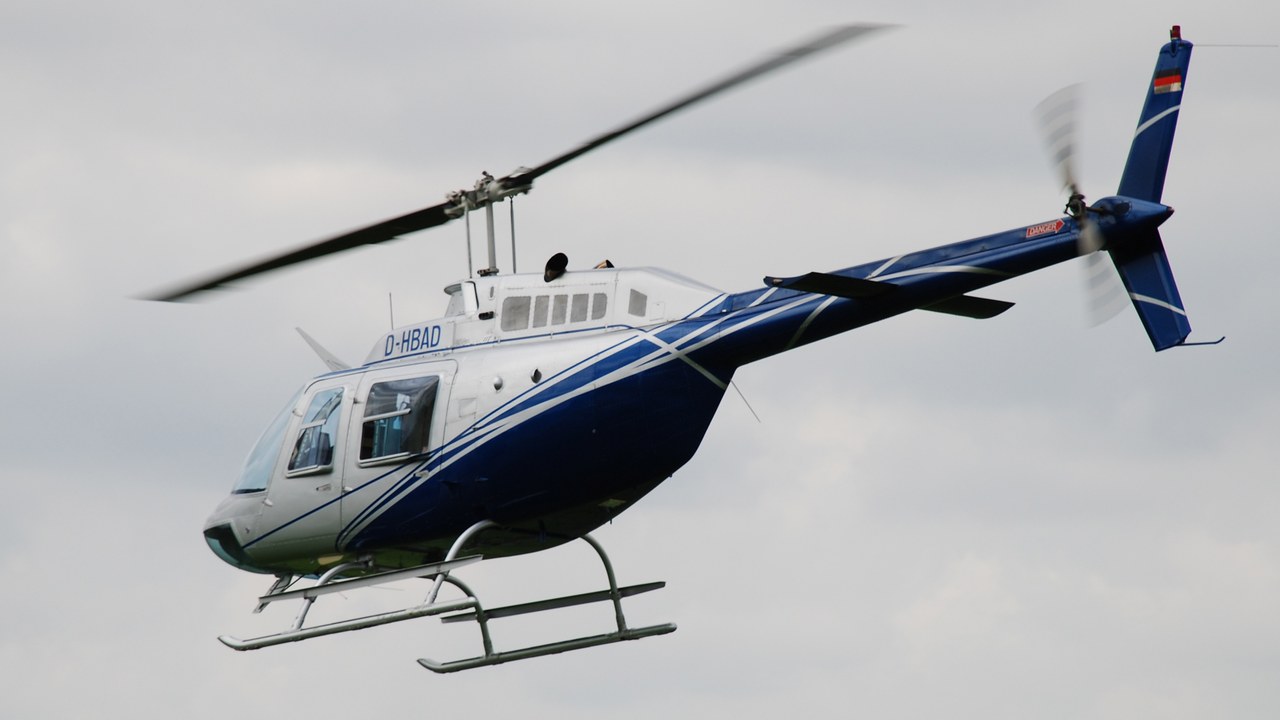
The LongRanger seats six and carries a 120-gallon tank, according to the recognition guide. It hauled patients for decades before the 407 replaced it, so the type bridges the history of American air medical flying.
Stretching the earlier Jet Ranger fuselage gave the model room for a patient and attendants, and that cabin made it a natural ambulance. Today the newer 407 has taken most of that work, though older LongRangers still turn up on fire and utility contracts.
The day in tech, in one email: Get TLDR →
We may earn a commission if you sign up.
More from Morning Overview
- Hurricane Hunter radar shows four warning signs that a tropical cyclone is about to strengthen, a University of Miami study found
- Tropical Storm Rachel is dumping up to 12 inches on four Mexican states on its way to major hurricane strength
- The FTC says Lens.com doubled the price shoppers saw in Google ads
- Common allergy, bladder and sleep pills tied to sharply higher dementia odds
