
Wildfire season in the United States depends on a mixed air force, from small single-engine planes to converted jetliners and heavy-lift helicopters. Each type has a different load, speed and job, and the numbers vary more than most people expect. Here are twelve aircraft that the Forest Service and CAL FIRE send at wildfires.
Tech news worth reading: Get Techpresso, the daily email with the most interesting tech news and insights, read by 400,000+ professionals from Google, Apple and OpenAI.
We may earn a commission if you sign up.
1. McDonnell Douglas DC-10 very large airtanker: Heavyweight Champion
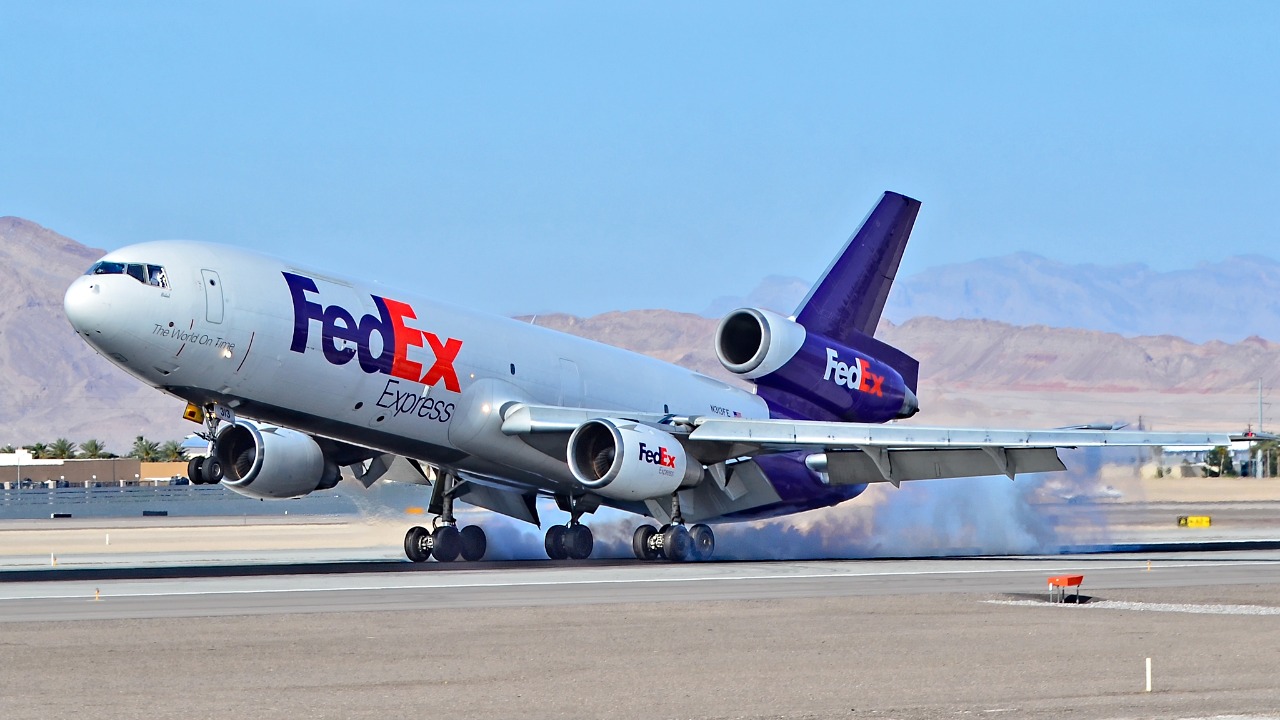
According to an interagency recognition guide entry, the DC-10 is the heaviest retardant hauler on federal fire contracts, carrying 12,000 gallons in a single load.
That figure is per load, not a season total, so a single sortie can lay down a long line of retardant ahead of an advancing fire. Converted airliners like this one reach big fires fast, but they need long runways and a nearby retardant base. Contract fleets of this size are small, so each aircraft matters when a large fire runs across several drainages at once.
2. Bombardier 415 Superscooper: Lake-Skimming Scooper
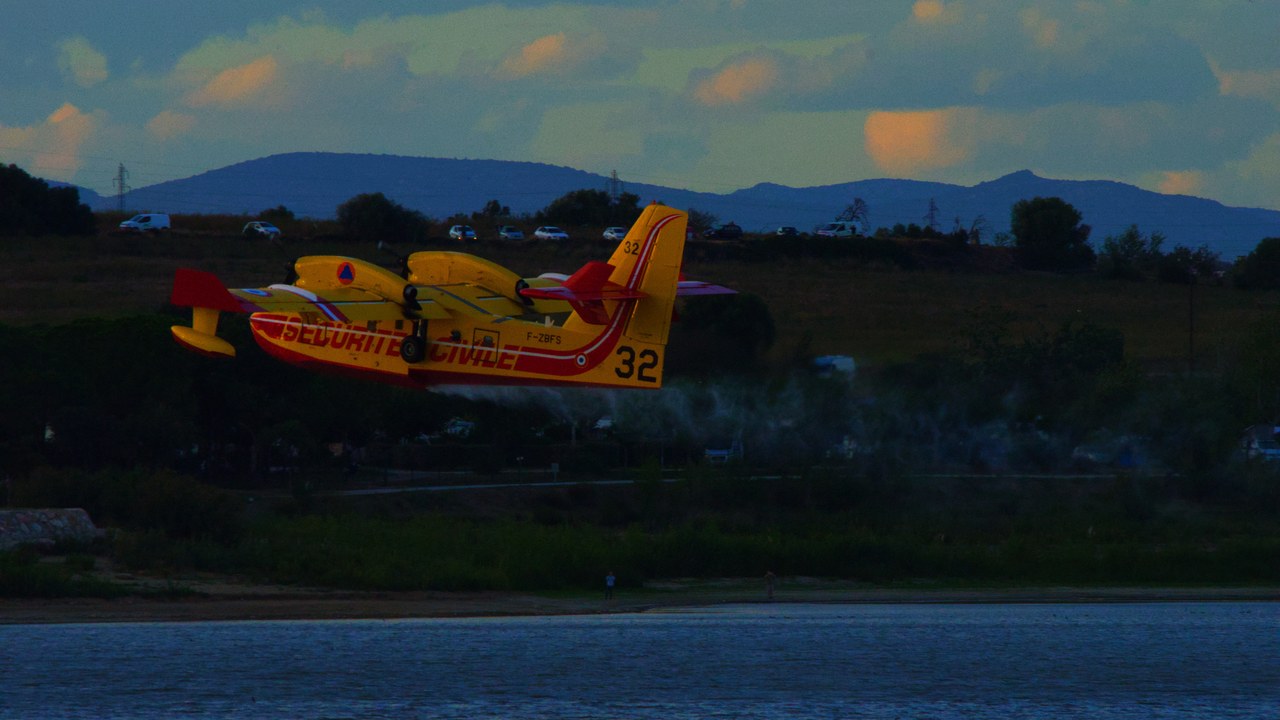
The CL-215 and Bombardier 415 refill from a lake or reservoir while skimming the surface, then drop between 1,300 and 1,621 gallons at a time, according to an aircraft recognition guide.
Because the tank refills in seconds rather than at an airport, a scooper can cycle back to the fire repeatedly while water lasts. The catch is geography: the type is only as useful as the nearest open body of water that is big enough to scoop from. Pilots must also plan around boats, swimmers and shoreline obstacles, which adds judgement to every scooping run.
3. Sikorsky S-64 Skycrane helitanker: Flying Crane
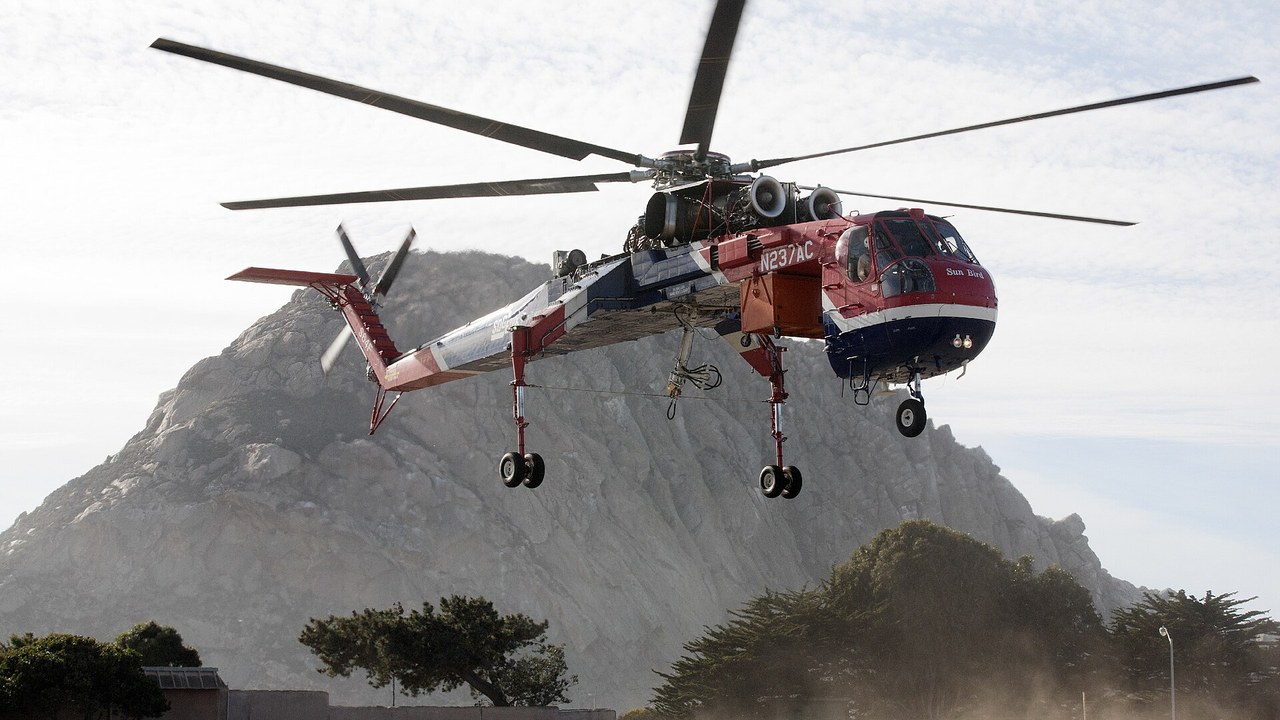
The skeletal S-64 Skycrane lifts a bucket or tank that drops 2,650 gallons, and the interagency recognition guide notes that it needs a ground support crew of six to eight people.
That crew handles fuel, maintenance and rigging, so the helicopter represents a small field operation rather than a lone machine. Its payoff is precision: a helitanker can hover over a dip site and work steep terrain where fixed-wing tankers cannot safely follow. Its open fuselage also lets crews hang tanks or buckets beneath the aircraft, adapting it to different missions.
4. Kaman K-MAX: Single-Pilot Sling Lifter
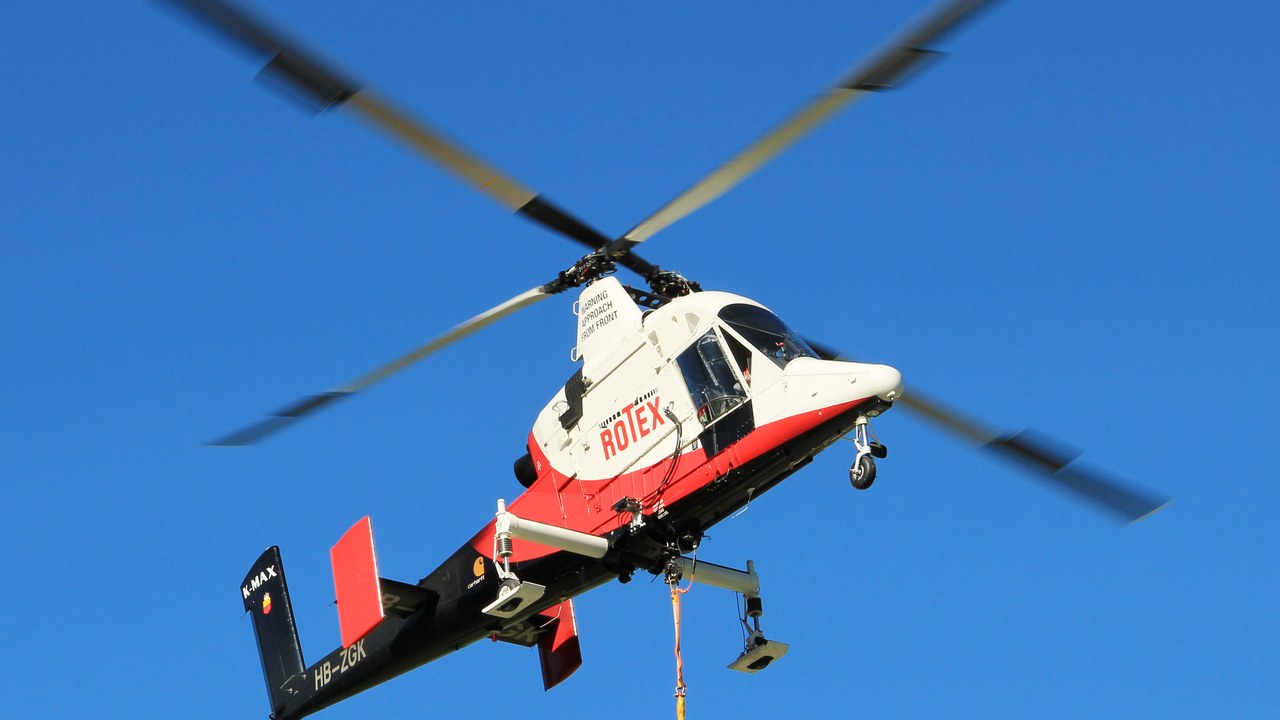
The intermeshing-rotor K-MAX flies fire missions with a single pilot and a 700-gallon tank, according to the interagency recognition guide.
The twin rotors cross close together, which removes the need for a tail rotor and gives the machine a distinctive silhouette. A 700-gallon load is modest next to the big helitankers, yet one pilot and a small footprint make it a flexible tool for hitting spot fires quickly and repeatedly. Operators can also use the aircraft for logistics, hauling supplies and equipment on the same hook between fire assignments.
5. McDonnell Douglas MD-87 airtanker: Retired Airliner, New Job
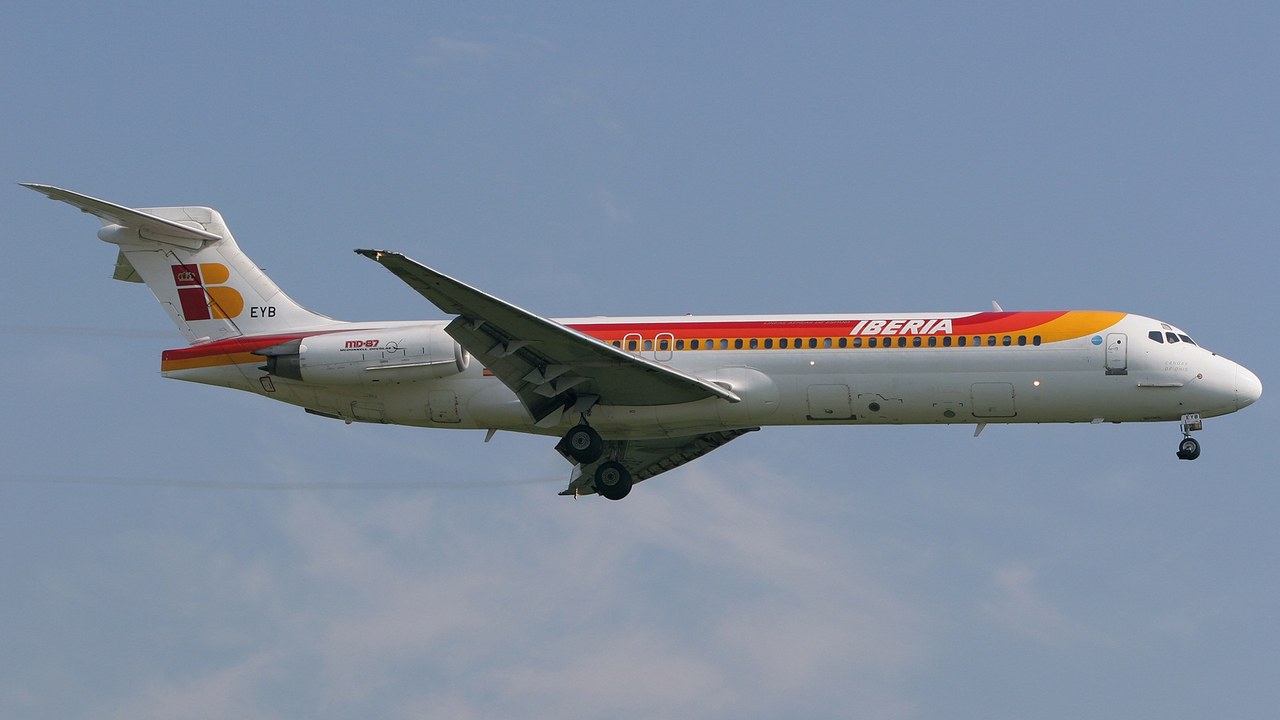
Retired airliners converted to MD-87 tankers carry 4,000 gallons of retardant, according to the aircraft table on aerial firefighting.
That puts the type in the large airtanker class, where loads run from 2,000 to 4,000 gallons. Converting a secondhand jet gives fire agencies a fast aircraft with a sizable tank at a price below that of building a purpose-designed tanker from scratch. Matching a tanker to a fire’s size, access and fuel type is a daily decision for dispatchers coordinating the whole fleet.
6. BAe 146 airtanker: Four-Engine Quiet Jet
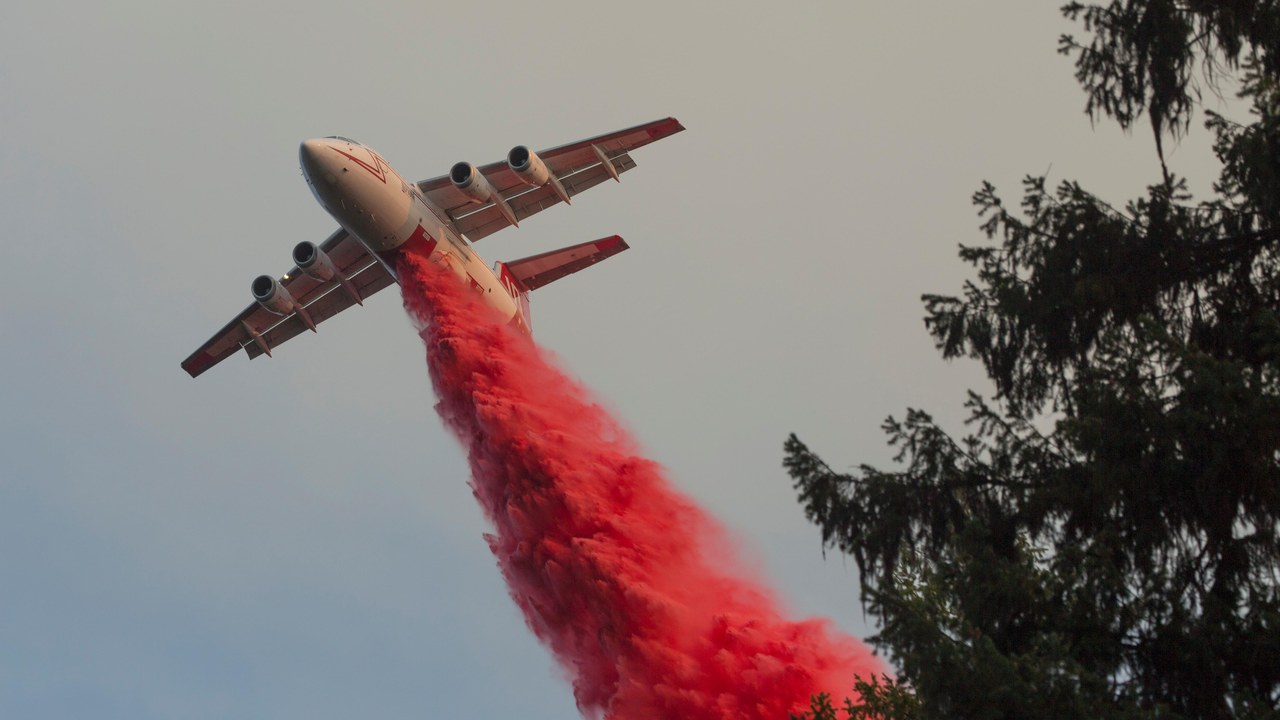
The four-engine BAe 146, flown as the RJ85 on federal contracts, is rated at 3,000 gallons, according to the aircraft table on aerial firefighting.
Four small engines suit the low, slow passes needed over rugged terrain, and the airframe handles short strips well. A 3,000-gallon rating sits in the middle of the large airtanker range, between the single engine tankers and the heaviest jets. Its high wing and good low-speed handling suit operations out of smaller airports close to fires in mountain country.
7. Coulson 737 FireLiner: Boeing Airliner Turned Tanker
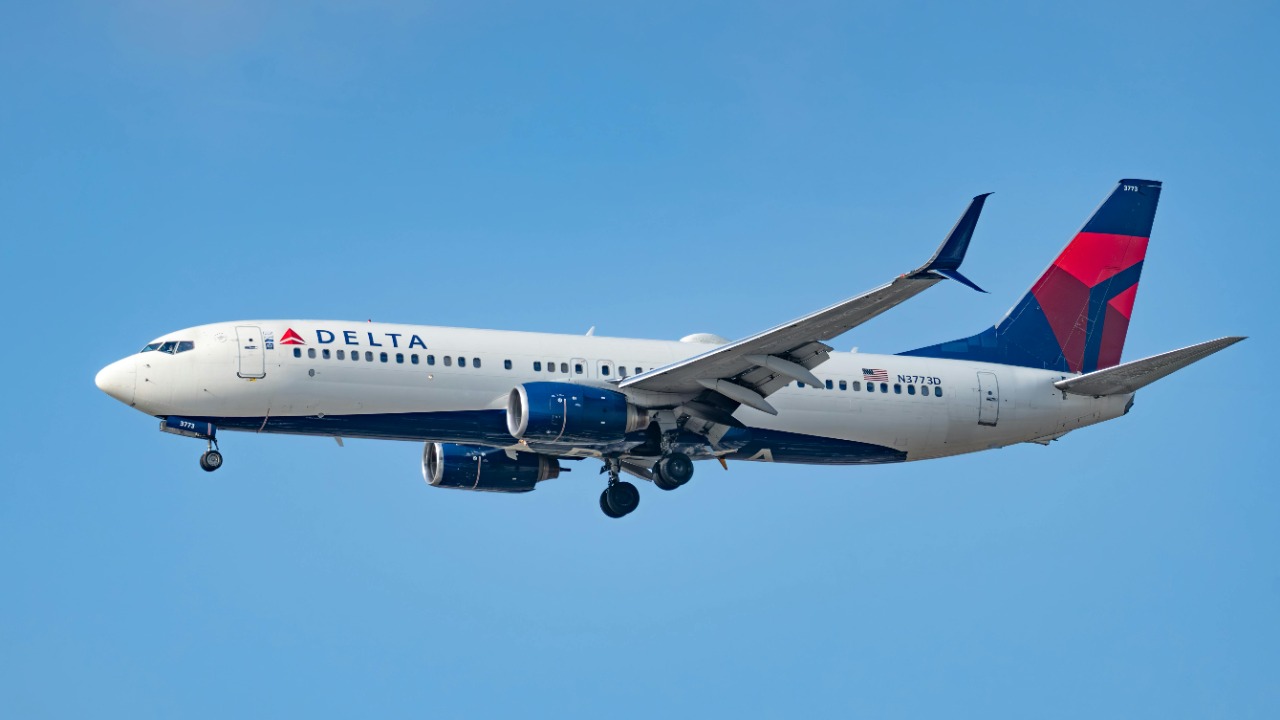
The Coulson 737 FireLiner, built from a secondhand Boeing 737, drops 4,000 gallons, a figure listed in the aircraft table on aerial firefighting.
The conversion keeps the airliner’s speed and range while swapping the cabin for a retardant tank. A 4,000-gallon load matches the top of the large airtanker class, so a single FireLiner sortie can lay a long fire line across timber or grass. Agencies value that kind of capacity when fires move fast and ground crews need a barrier laid in minutes rather than hours.
8. Grumman S-2T Tracker airtanker: California’s Workhorse
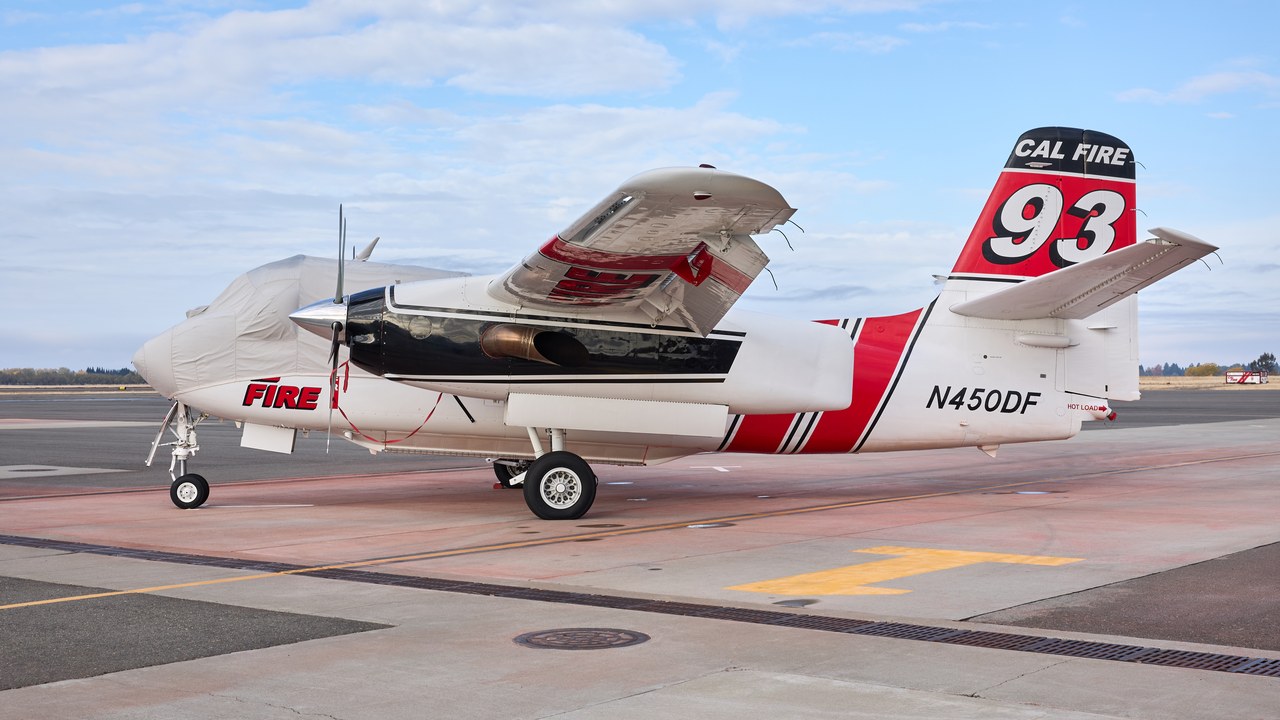
The turboprop S-2T, CAL FIRE’s workhorse, is a one-pilot tanker rated at 1,200 gallons, according to the aircraft table on aerial firefighting.
The type grew out of a Cold War carrier-based design, and the state has kept it flying with turbine engines. At 1,200 gallons it carries far less than a jet tanker, yet its agility and quick turnaround make it a regular first responder on California fires. Sharing one pilot between navigation and drops demands experience, and the aircraft’s compact size helps in tight canyons.
9. Air Tractor AT-802 single engine airtanker: Single Engine Airtanker
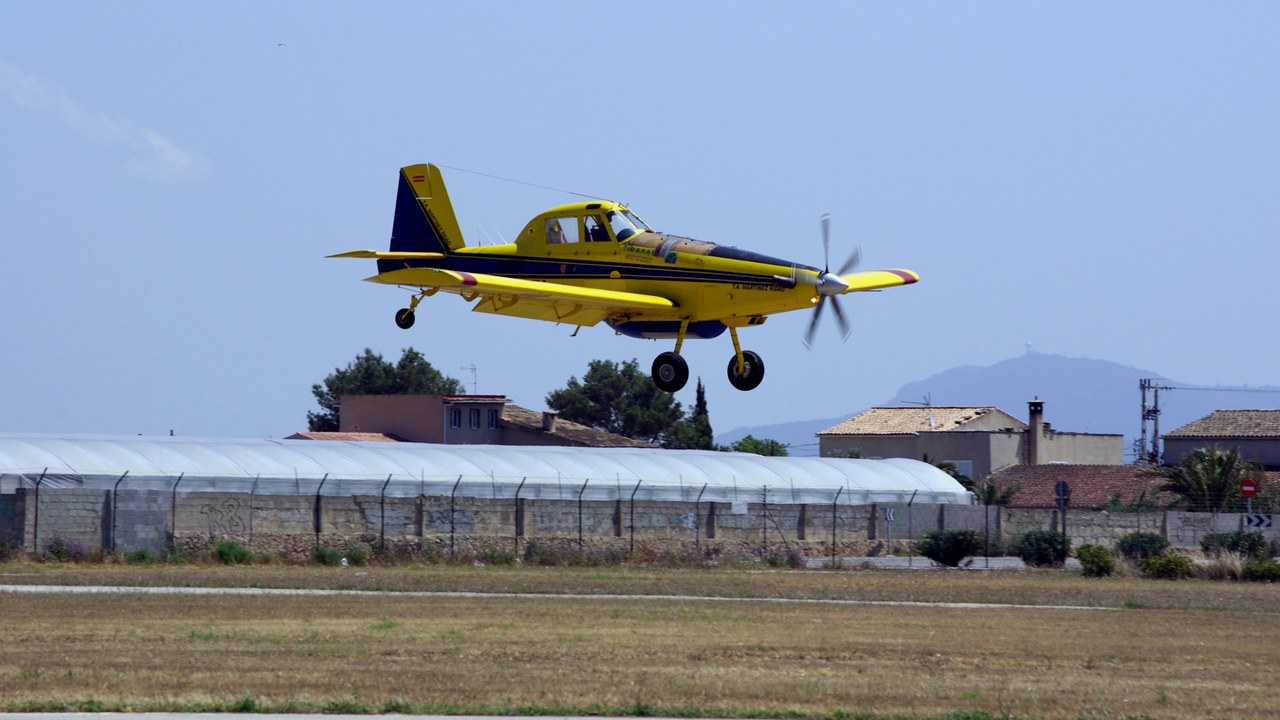
The Forest Service says its single engine airtankers can deliver up to 800 gallons of fire retardant.
That is the smallest load in this lineup, but the aircraft are cheap to operate and can reload at small airstrips close to a fire. Crews often use them for initial attack, pinning down a young fire before heavier tankers or ground forces arrive. Single engine tankers form the largest group by number, giving incident commanders many small drops in quick succession.
10. De Havilland Canada DHC-6 Twin Otter smokejumper plane: Jumper Transport
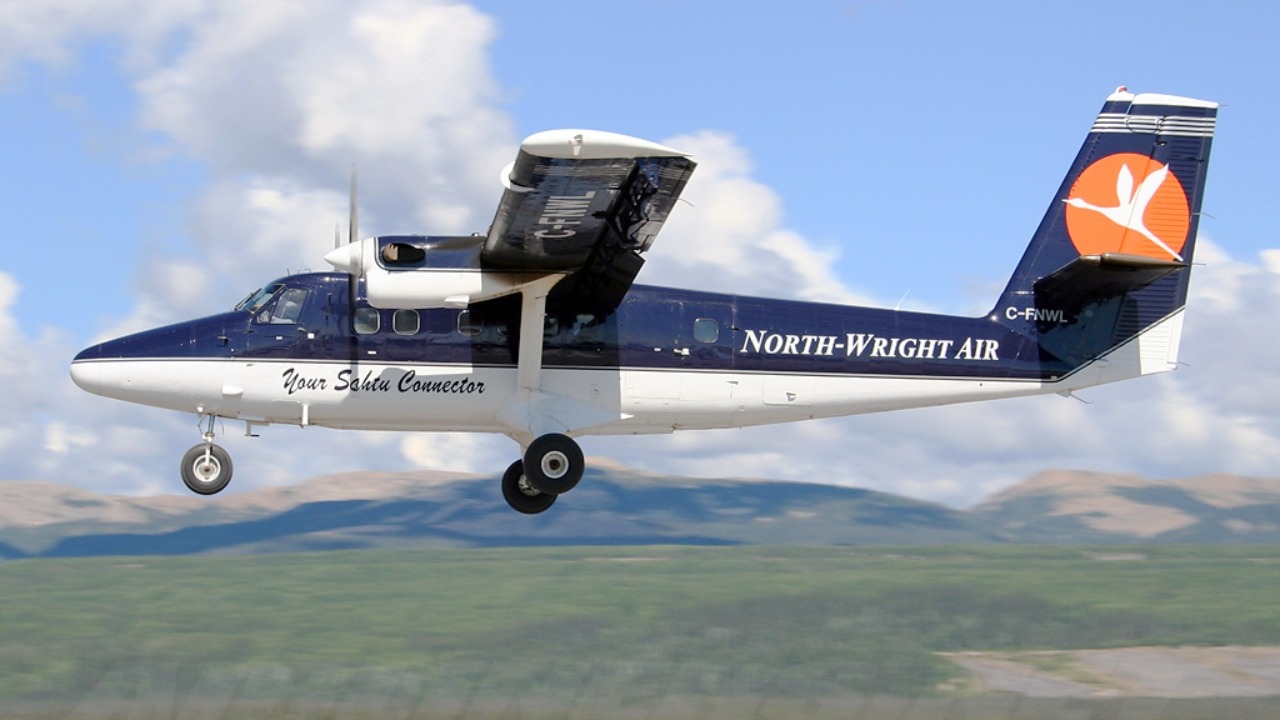
Each Forest Service smokejumper aircraft, the Twin Otter among them, carries eight to ten jumpers and their initial gear, according to the Forest Service aircraft page.
Unlike the tankers on this list, the plane delivers people rather than retardant, dropping crews by parachute into terrain with no road access. The twin-engine Otter is valued for short takeoffs and landings, which lets it operate from backcountry bases. Arriving quickly with trained firefighters can keep a lightning strike from growing into a major incident.
11. CAL FIRE C-130H Hercules airtanker: Hercules With a Tank
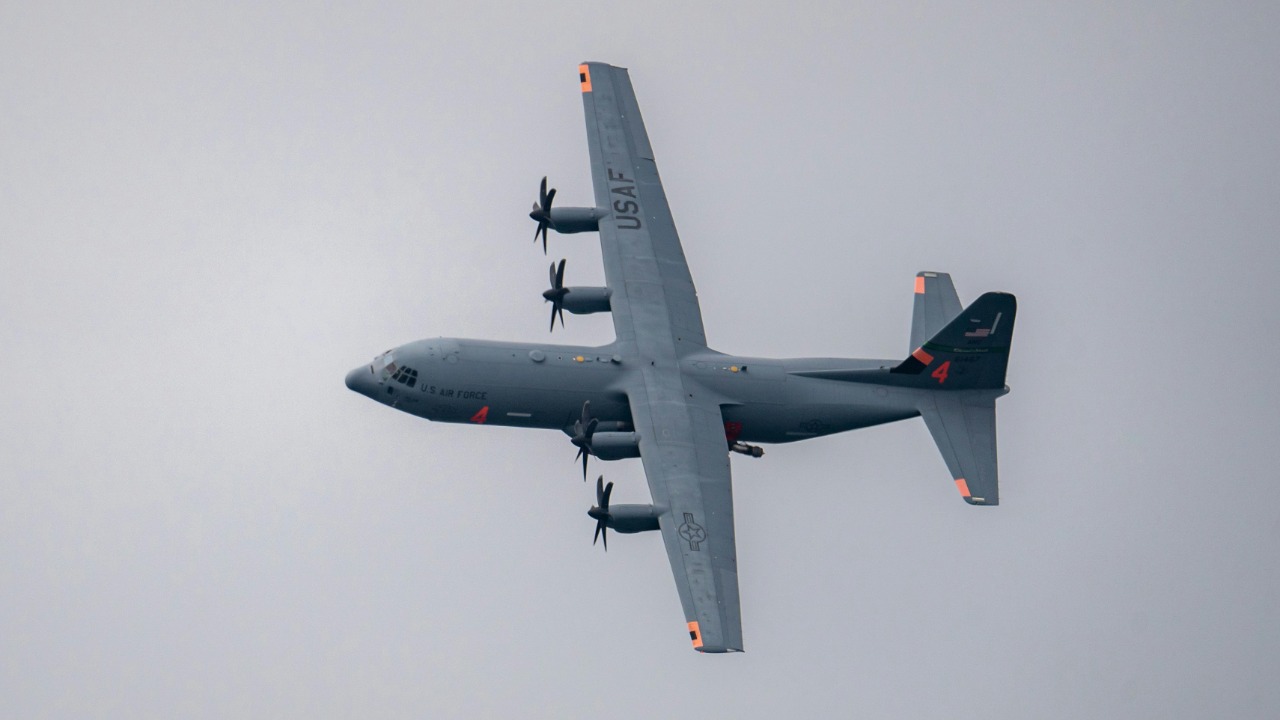
CAL FIRE’s seven C-130H airtankers each carry 4,000 gallons of long-term retardant at up to 368 mph, with a three-person crew, according to the agency’s C-130H fact sheet.
The Hercules is a military transport adapted for firefighting, and its speed lets it cover large distances between bases and fires. A 4,000-gallon load of long-term retardant is designed to stay on the ground after the water evaporates, building a lasting barrier. The agency operates the type alongside its S-2T fleet, pairing a heavy hauler with smaller, quicker tankers.
12. Sikorsky S-70i Firehawk: Firehawk Joins the Fleet
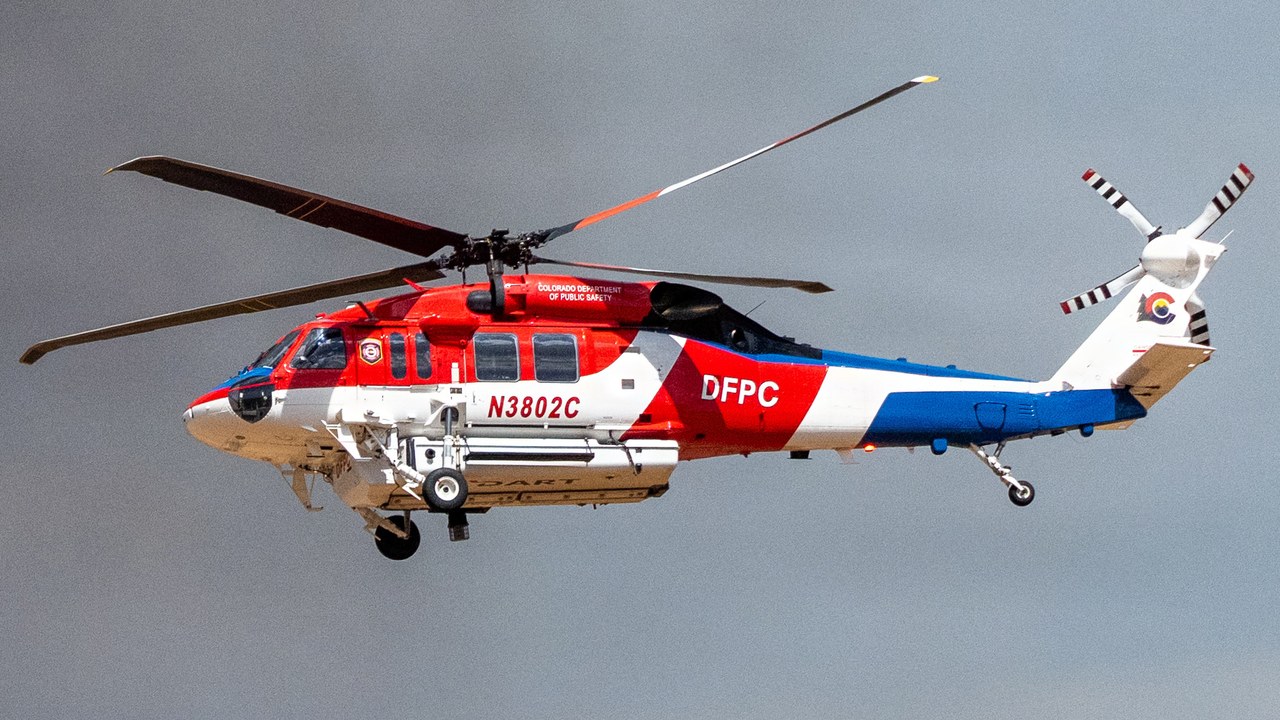
The S-70i Firehawk flies inside a CAL FIRE fleet of over 70 fixed and rotary wing aircraft, according to the state’s aviation program page.
The same program also names the S-2T, C-130, OV-10, King Air A200 and UH-1H among its aircraft. Mixing tankers, scouts and helicopters lets the agency match each machine to a job, from reconnaissance to dropping retardant on a growing fire. Helicopters add the ability to hover, dip from a pond or tank and return quickly, filling gaps that tankers leave.
Tech news worth reading: Get Techpresso →
We may earn a commission if you sign up.
More from Morning Overview
- The NSA says three phone features should be off whenever you aren’t using them
- Hurricane Hunter radar shows four warning signs that a tropical cyclone is about to strengthen, a University of Miami study found
- Tropical Storm Rachel is dumping up to 12 inches on four Mexican states on its way to major hurricane strength
- The FTC says Lens.com doubled the price shoppers saw in Google ads
