
Some of the most useful aircraft in the country never see a major airport or a long runway. They splash down on lakes, scrape onto gravel bars and drop firefighters beside a burning ridge. Here are ten seaplanes and bush planes that still earn their living in American skies.
The tech news worth your time: 400,000+ professionals from Google, Apple and OpenAI read Techpresso, a daily email with the most interesting tech news and insights.
We may earn a commission if you sign up.
1. De Havilland Canada DHC-2 Beaver: Radial Power on Lake Union
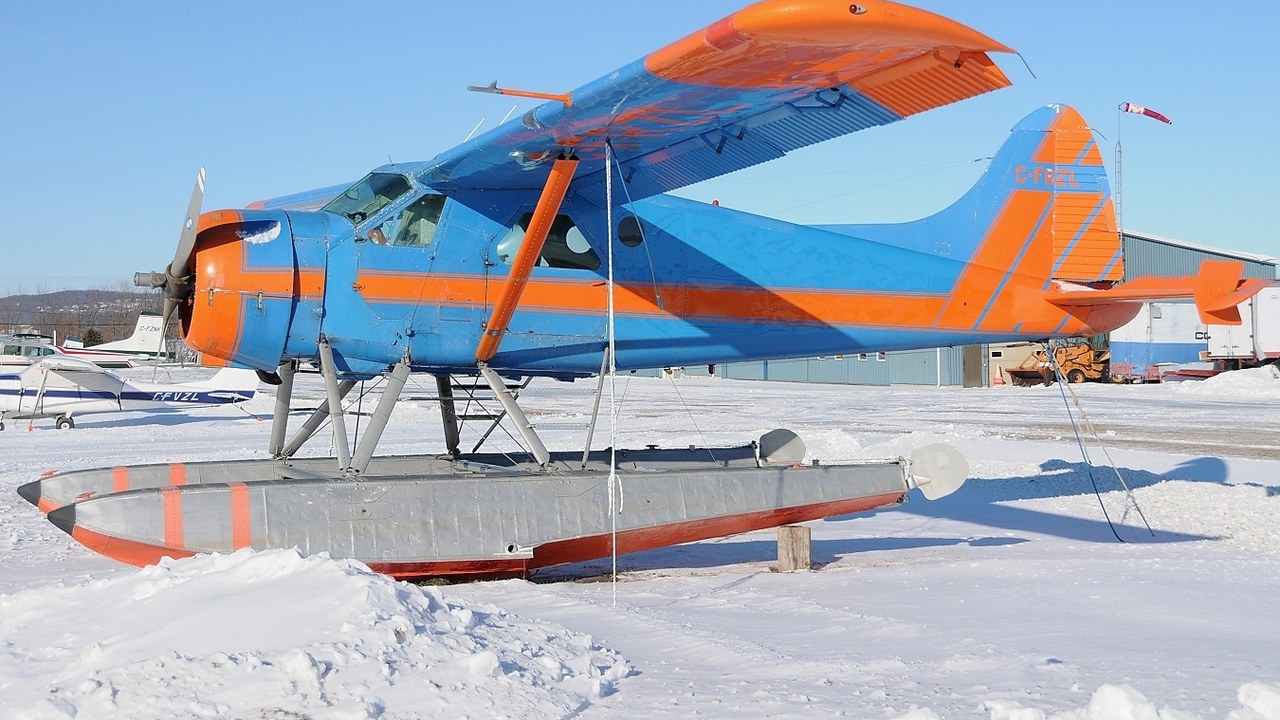
Seattle’s Lake Union is home base for five piston Beavers operated by Kenmore Air, and each one is hauled along by a 450-horsepower Pratt Whitney R-985 radial engine. The type is the classic floatplane workhorse of the Pacific Northwest, and the airline’s fleet page puts the radial-powered fleet front and center.
That engine detail matters because the same airframe also exists with a turbine conversion rated far higher, so the piston Beaver is a distinct, older-school experience. Passengers who board one on the lake get a rumbling, vintage radial sound and a short water run, a combination that few modern commuter aircraft can still offer on regular schedules.
2. De Havilland Canada DHC-3 Otter: Ten Seats on the Water
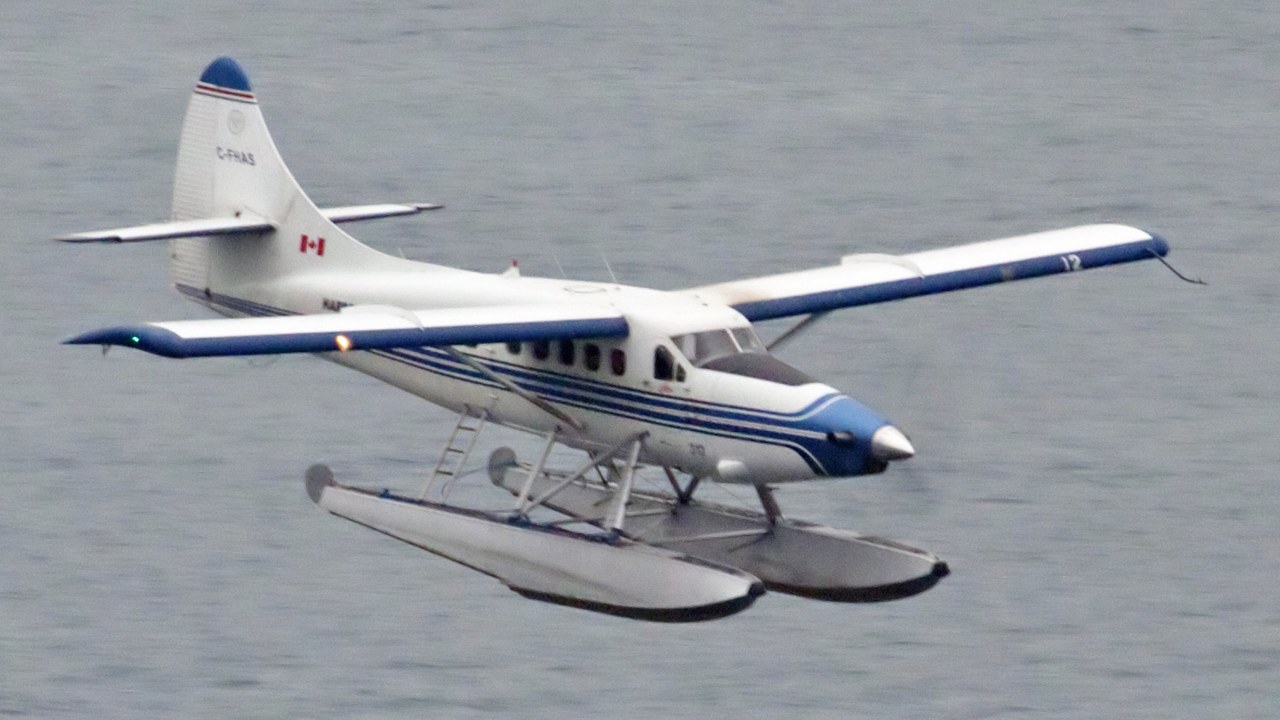
Kenmore Air describes the DHC-3 Otter as the biggest plane in its fleet, seating ten passengers and cruising 500 miles at 134 mph. The Kenmore fleet details lists those figures for the single float-equipped Otter in scheduled service.
The numbers reflect one operator’s aircraft rather than a limit for the type anywhere. Even so, a ten-seat floatplane with that kind of range shows why the single-engine Otter remains the go-to option when a Beaver runs short on space. For island and coastal routes, it hauls more people and bags without needing a runway at either end.
3. Cessna 208 Grand Caravan: Wheels Out of Boeing Field
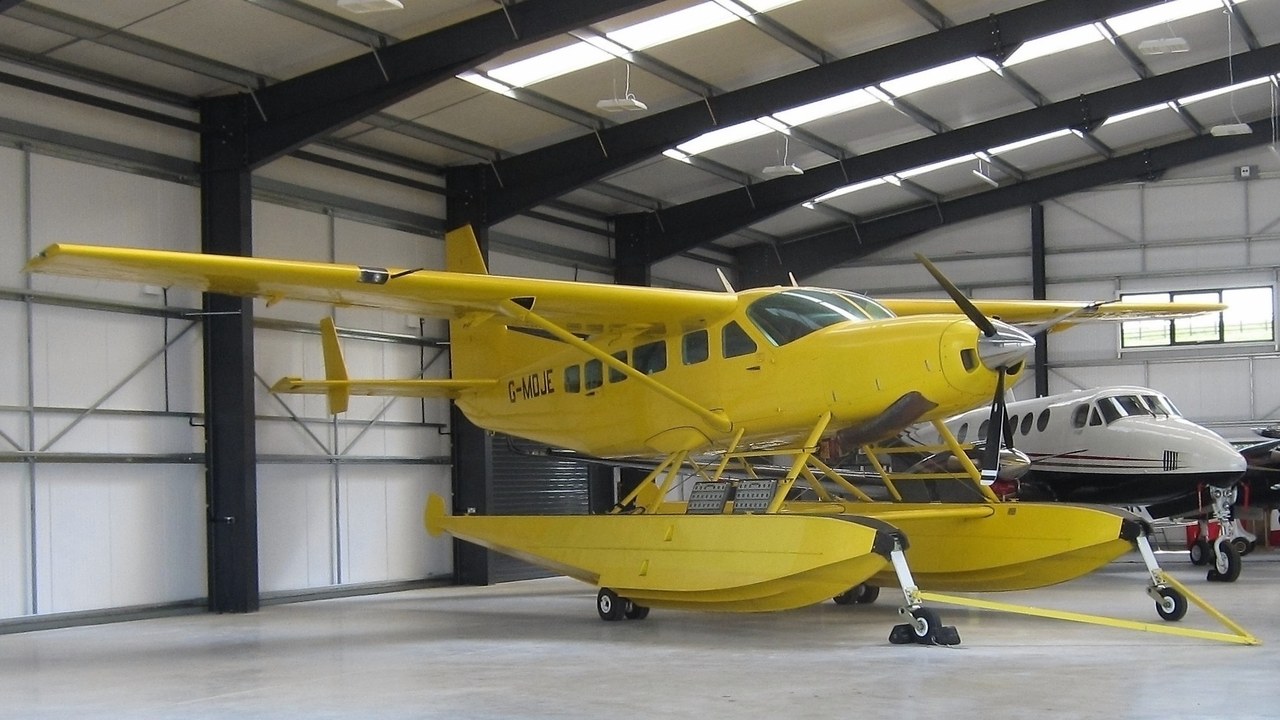
Not every Kenmore Air aircraft touches water. Three Cessna 208 Grand Caravans carry eight to nine passengers on wheeled runs out of Boeing Field, according to the operator’s Kenmore Air fleet listing.
The Caravan is a turboprop single built for rough work, and its placement on the wheeled side of the operation shows how a seaplane airline blends float and land services. Passengers booking those runs get a utility aircraft with a high wing and large windows, flown by a company best known for splashdowns, but one that clearly relies on conventional pavement as well.
4. Pilatus PC-12: Pressurized and Plush
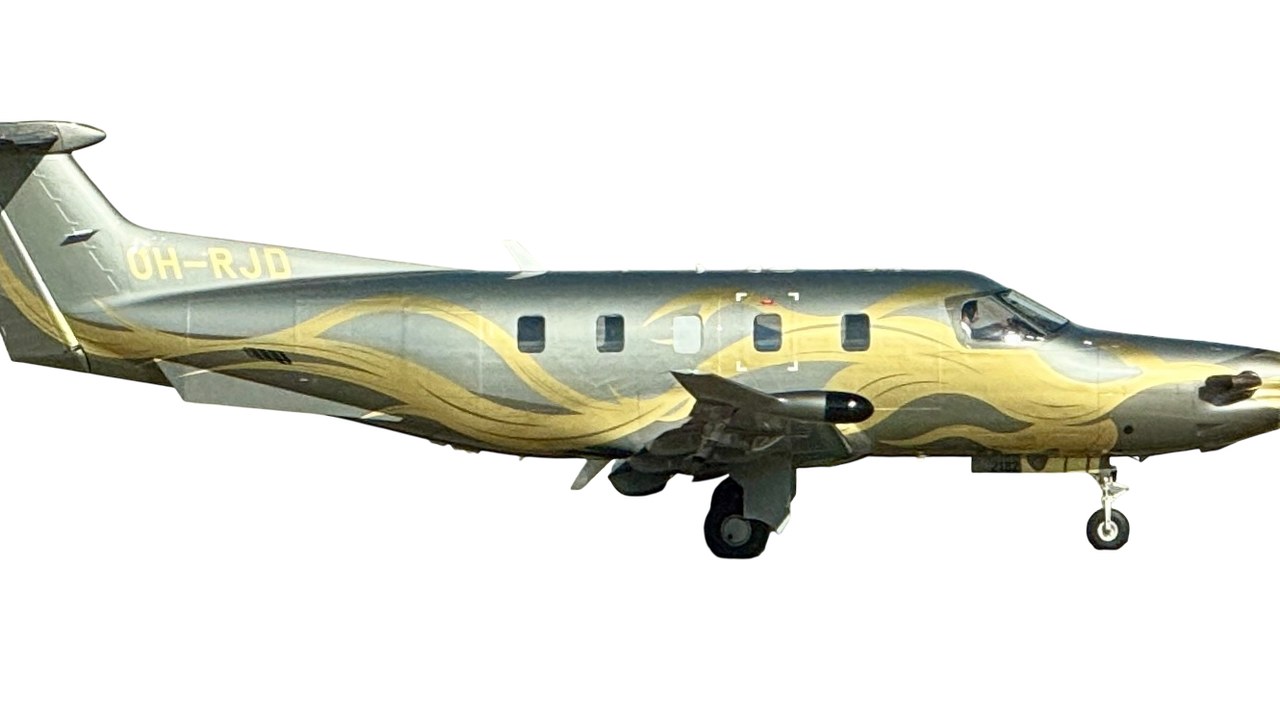
Kenmore Air runs two Pilatus PC-12 aircraft, each pressurized and carrying up to eight passengers, as the fleet specifications spells out. The cabin has a flat floor and an onboard bathroom, amenities rarely associated with bush flying.
A pressurized single-engine turboprop sits at the opposite end of the spectrum from a radial-powered Beaver. It shows that working American skies now include upscale cabins alongside rugged floatplanes. For travelers, the flat floor and lavatory make longer legs far more comfortable, while the operator keeps the same go-anywhere character that its smaller floatplanes built over decades.
5. Piper PA-18 Super Cub: Alaska’s Default Short-Field Plane
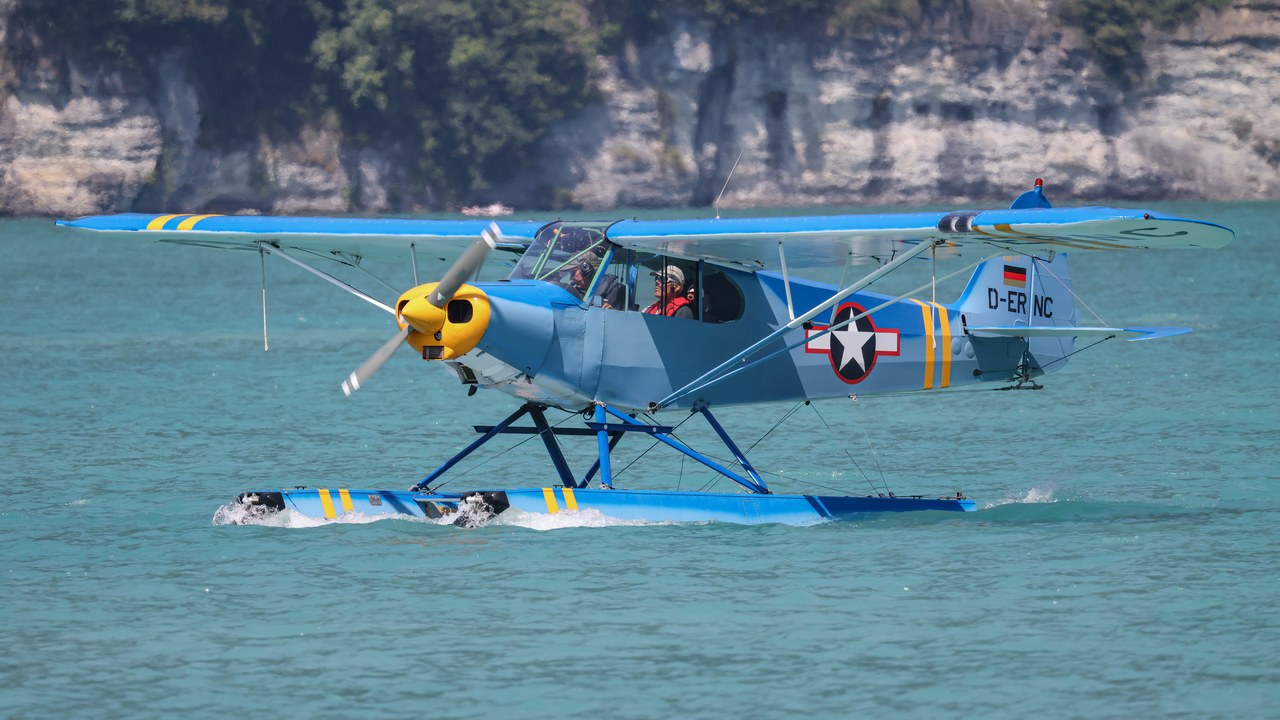
The Piper PA-18 Super Cub first flew in 1949, and its fabric-covered airframe is still the default short-field bush plane in Alaska, per the bush plane overview on bush planes. That is a remarkable run for a design from the late 1940s.
The reason is simple: a light, forgiving taildragger can land and take off from gravel bars, tundra and short strips that would stop heavier aircraft cold. Pilots can fit it with floats, skis or oversized tires, so one basic airframe covers many seasons. Its age is part of the appeal, since parts, knowledge and mechanics are everywhere in the north.
6. Cessna 185 Skywagon: Taildragger on Floats and Tundra Tires
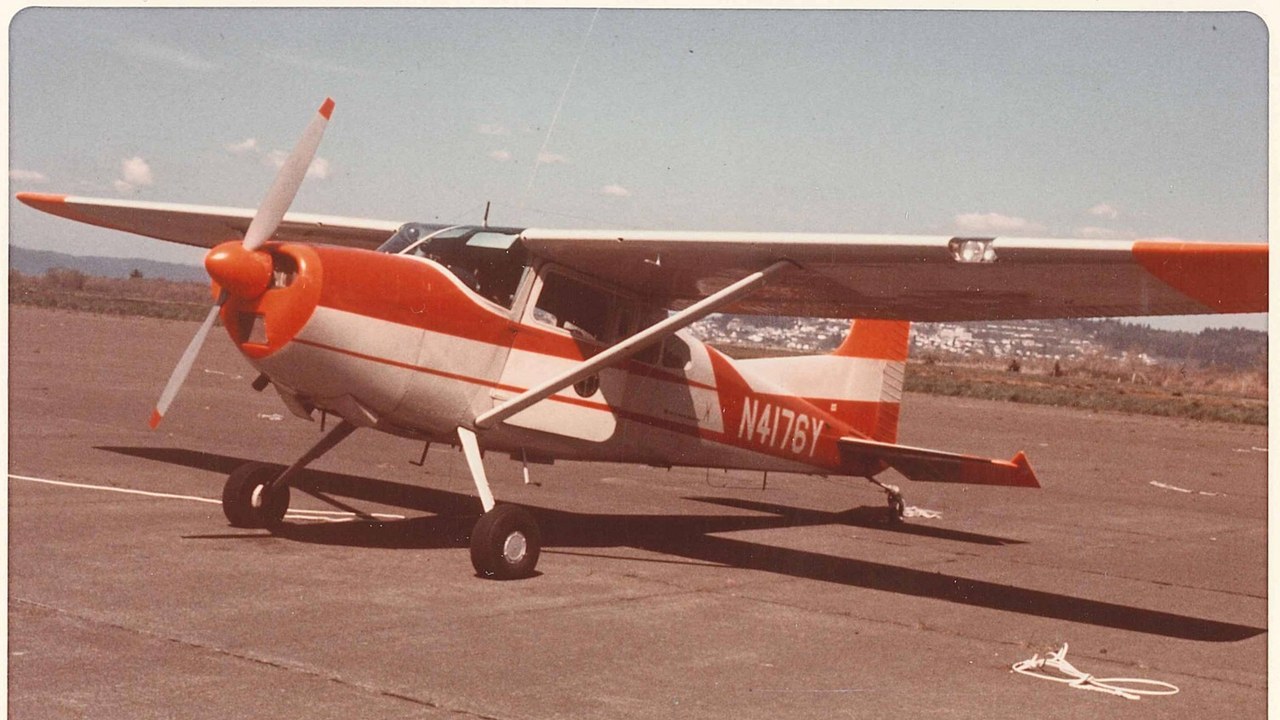
The Cessna 185 Skywagon first flew in 1960 and still works on both floats and tundra tires, according to the bush plane list on bush planes. A taildragging layout gives it the ground clearance and rugged landing gear backcountry flying demands.
That versatility explains why the type remains in demand after more than sixty years. A single airframe can switch between water and gravel landings with a change of gear, serving lodges, guides and remote communities. Buyers who want a stronger hauler than a Super Cub, yet nothing as large as an Otter, often land on the Skywagon as the sensible middle option.
7. Cessna 206 Stationair: The Six-Seat Hauler
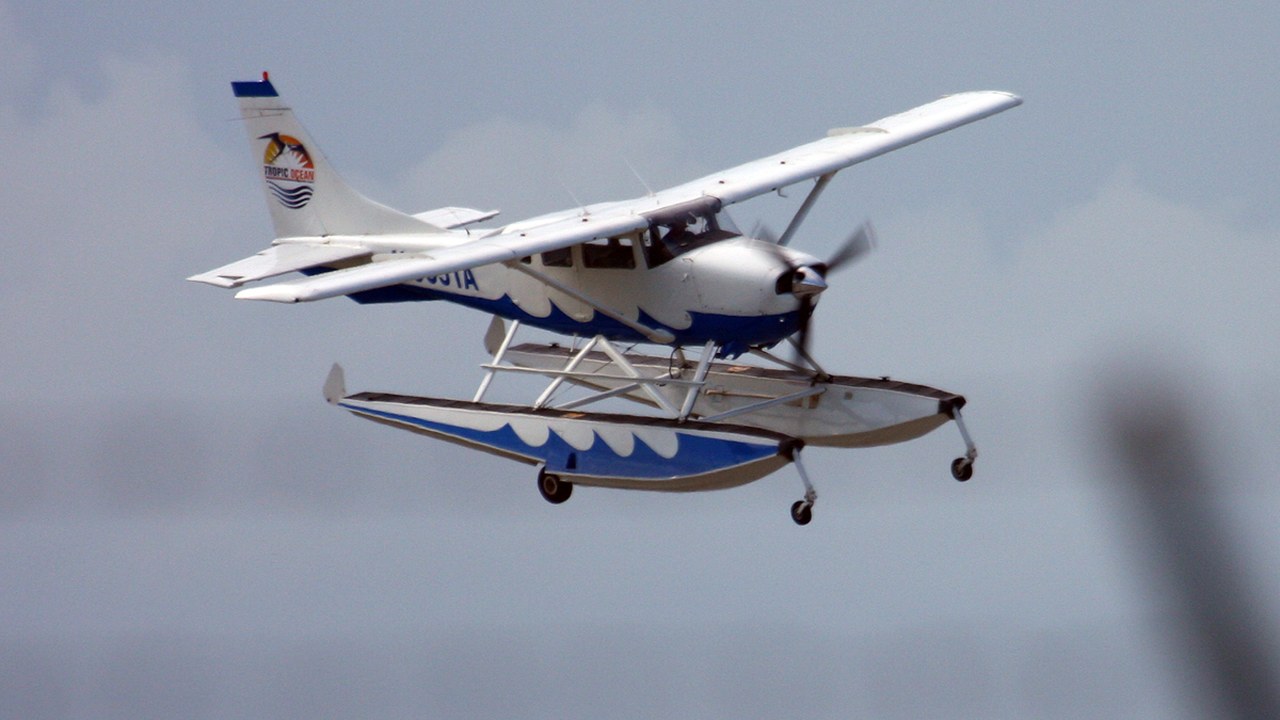
First flown in 1962, the Cessna 206 Stationair is the six-seat hauler of choice for float operators and air taxis, the bush plane entry on bush planes reports. It fills the gap between a two-seat Cub and a ten-passenger Otter.
Six seats and a roomy cargo area make it practical for charter work, from fishing parties to supply runs. Its fixed gear mounts easily to floats, so one airframe handles water or land missions. For an air taxi, that flexibility matters because customers rarely fit one tidy profile, and the Stationair adapts to passengers, freight or a mix of both.
8. Grumman G-21 Goose: Riveted Amphibian, Still Flying
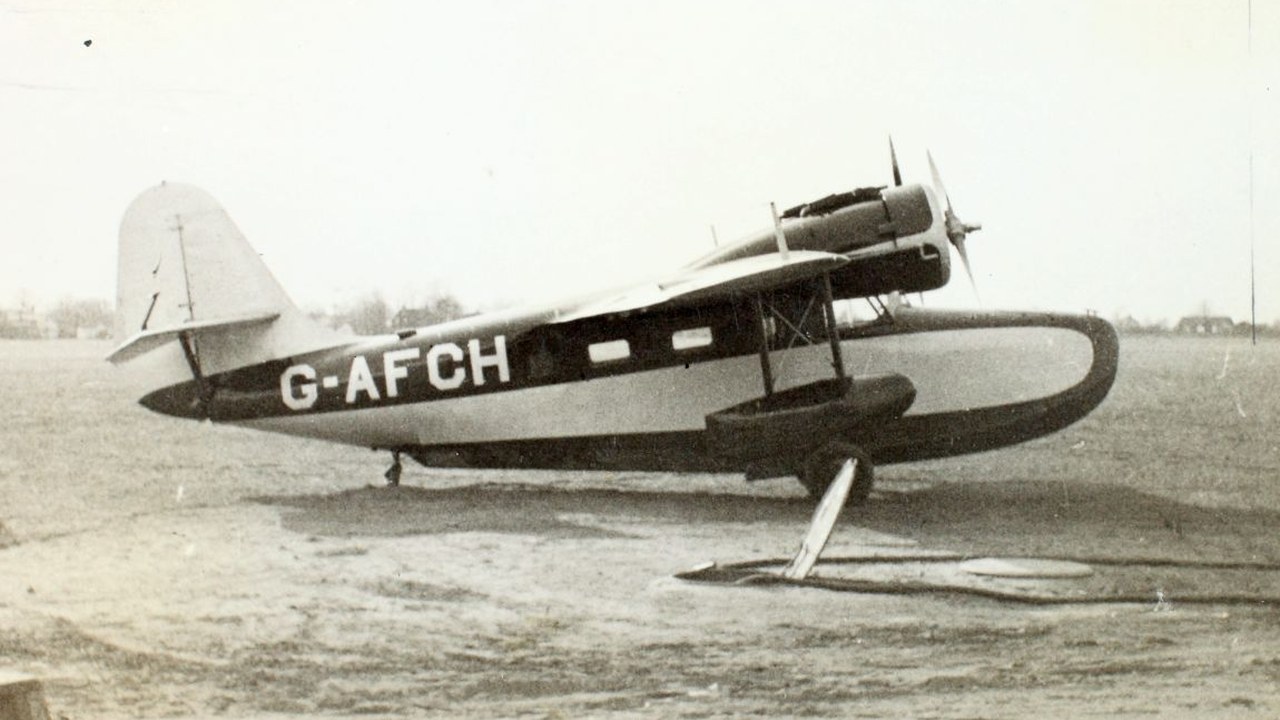
The Grumman G-21 Goose first flew in 1937, and a handful of the riveted amphibians still fly commercial runs on the Alaska coast, according to the bush plane roundup on bush planes. Few aircraft from that decade remain in revenue service.
An amphibian can land on a runway or a bay, which suits coastal towns without much infrastructure. Survivors are scarce and require dedicated maintenance, so each one that keeps flying passengers represents a stubborn bit of aviation heritage. Travelers who book a seat get a rare ride in a type that predates World War II and still earns its keep.
9. De Havilland Canada DHC-6 Twin Otter: Eight to Ten Jumpers a Trip
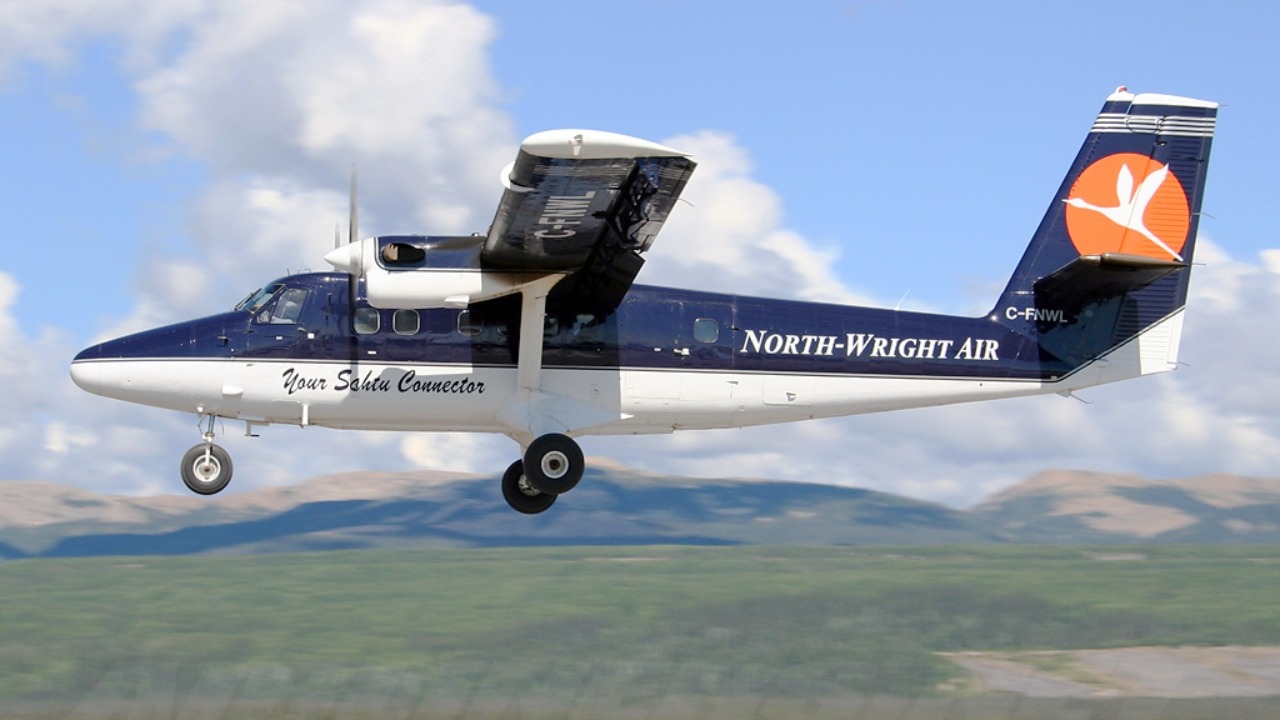
The Forest Service’s smokejumper aircraft page lists the DHC-6 Twin Otter among its smokejumper aircraft, with each one carrying eight to ten jumpers and their initial supply of gear. The twin-engine turboprop is built for short, rough strips near fires.
That capacity lets a single flight drop a full crew close to a blaze, along with the tools they need to start work immediately. The type’s slow-flight handling suits low passes over rugged terrain, which is why it appears on the agency’s roster. Firefighting here depends on moving people quickly, and the Twin Otter does exactly that within a single sortie.
10. Short C-23 Sherpa: The Boxy Sherpa
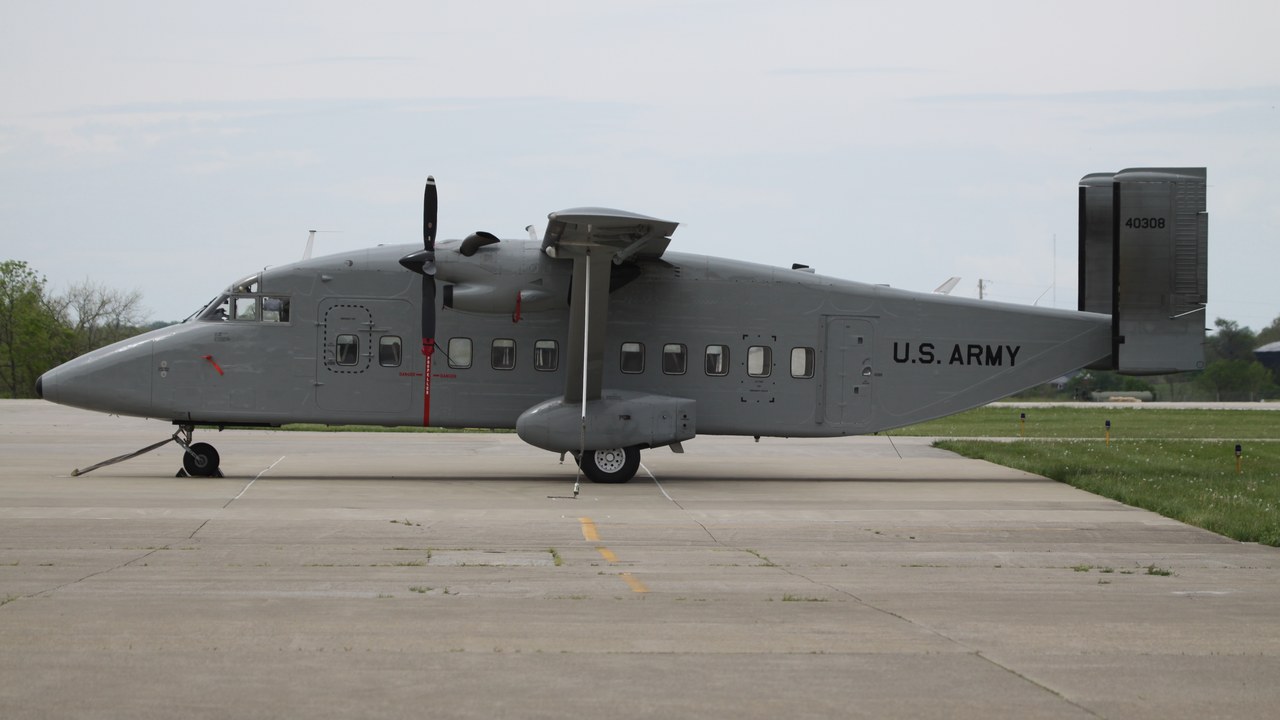
The Short C-23 Sherpa also flies the smokejumper mission, carrying eight to ten jumpers to a fire, according to the Forest Service’s smokejumper aircraft list. Its boxy fuselage set it apart from the other aircraft on the list.
The Sherpa began as a military cargo aircraft, and the squared-off cabin makes it easy to load gear and people. Its Army heritage is visible in the markings on many airframes. For wildfire crews, that practical shape and the same jumper capacity as the Twin Otter give the agency another option when fires flare across several regions at once.
The tech news worth your time: Subscribe to Techpresso →
We may earn a commission if you sign up.
More from Morning Overview
- Common allergy, bladder and sleep pills tied to sharply higher dementia odds
- NOAA now gives this winter a 75% chance of the strongest El Nino since 1950
- Doctors warn a silent liver disease now affects one in three American adults
- The FBI told the rest of ShinyHunters to surrender after a 24-year-old was arrested
