
Every brand has models that come with a warning label, and Honda’s reputation for dependability does not exempt it. These entries draw on owner complaint databases, theft statistics, a federal engine probe, a reliability ranking and safety recalls. Here are ten Hondas where the fine print deserves a look before buying.
Stay ahead on AI: Join 600,000+ professionals who read The Deep View, the daily newsletter that keeps you up to date with artificial intelligence.
We may earn a commission if you sign up.
1. Honda Accord: Complaint Champion
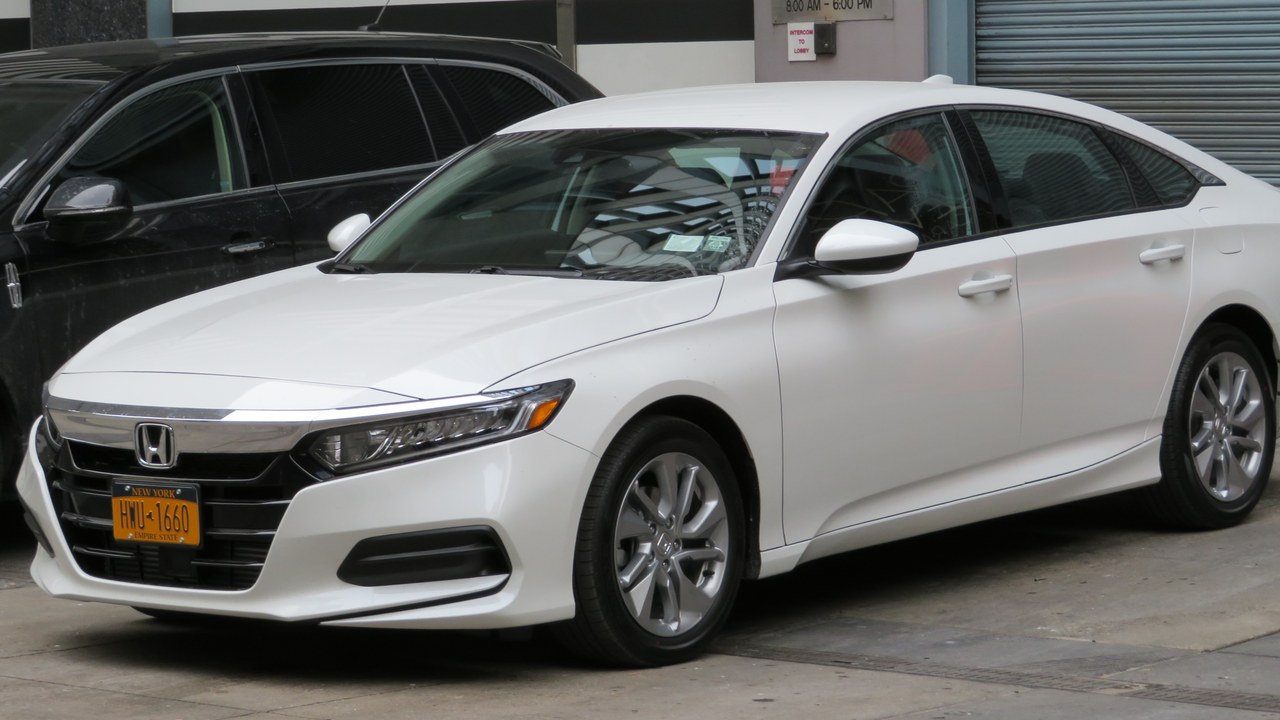
Few nameplates generate as much owner paperwork as the Accord, a midsize sedan Honda has sold for decades. CarComplaints.com holds 12,906 entries for it, the most of any Honda, and the site lists transmission failure on the 2003 model as averaging $2,700 at 98,000 miles. Read more in the CarComplaints Honda listing.
Volume partly reflects how many Accords have been sold and kept on the road. Shoppers eyeing an early-2000s example should still price a transmission repair into the offer and ask for service records.
2. Honda Odyssey: Minivan Gripes
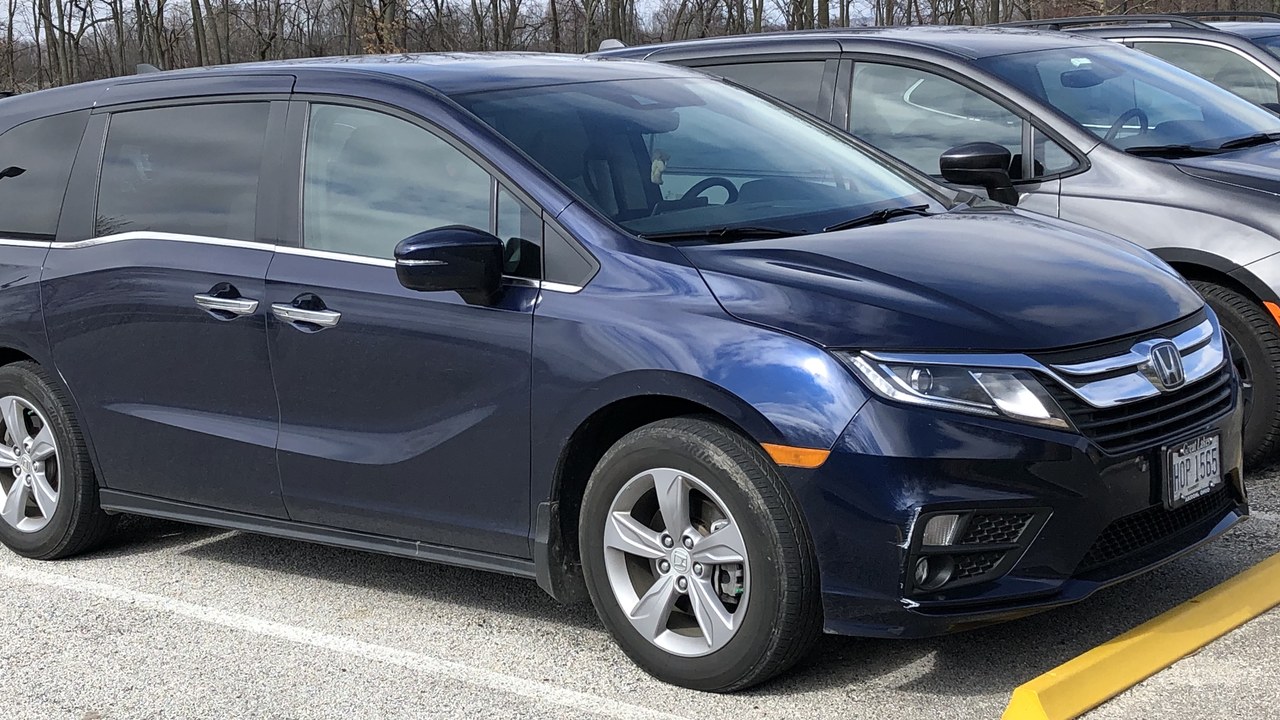
Family haulers rack up miles and scrutiny together, and the Odyssey minivan shows it. Owners have filed 2,964 complaints, according to a CarComplaints.com tally of Honda models.
That is a fraction of the Accord’s count, yet it still places the van well above the smaller models on the list. Buyers should check the specific model year in the database, since complaint patterns tend to cluster around particular generations. Because minivans carry sliding doors, infotainment systems and heavy seating hardware, the long list of moving parts gives owners more places to report trouble, and shoppers should inspect each one during a test drive.
3. Honda Fit: Small Car, Smaller Pile
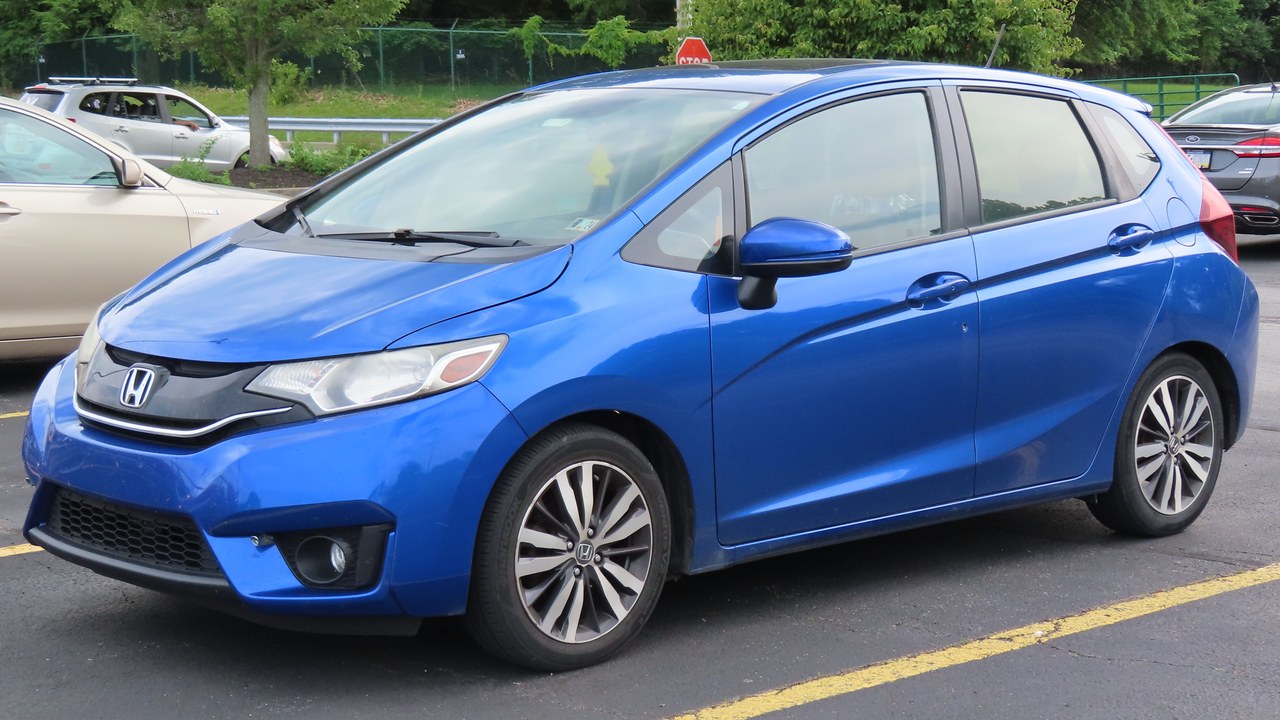
Honda’s subcompact hatchback sits at the low end of this list. The Fit has 560 entries in the CarComplaints Honda database, a modest figure beside the Accord and Odyssey.
A lower count is not a clean bill of health, because fewer Fits were sold and the car is a compact one. Prospective owners can use the number as a starting point, then read the individual complaint categories for the year they want. Because the Fit is inexpensive to run and park, many owners keep one for years, so a used example deserves a pre-purchase inspection and a quick look at its recall history.
4. Honda Civic: Thief Magnet
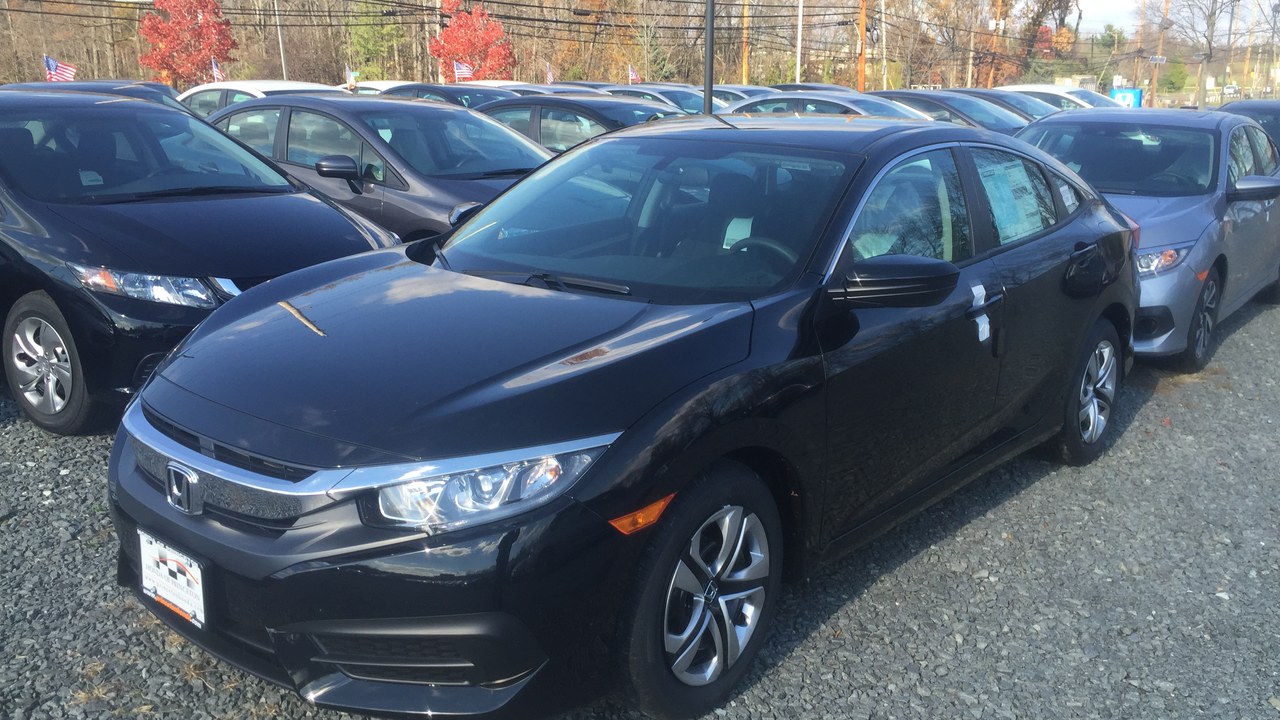
The catch with the Civic is not mechanical but criminal. Automotive Addicts reports that 12,725 Civics were stolen in 2025, which placed the compact fifth on the most-stolen vehicles ranking.
Owners in high-theft areas may want to talk to an insurer about premiums and consider visible anti-theft measures such as a steering wheel lock. Parking in a garage or a well-lit spot helps more than most people expect. Buyers of used Civics should also check whether a prior theft attempt left damage to the ignition or door locks, since repairs of that kind can linger unnoticed.
5. Honda CR-V: AAA Counts Them
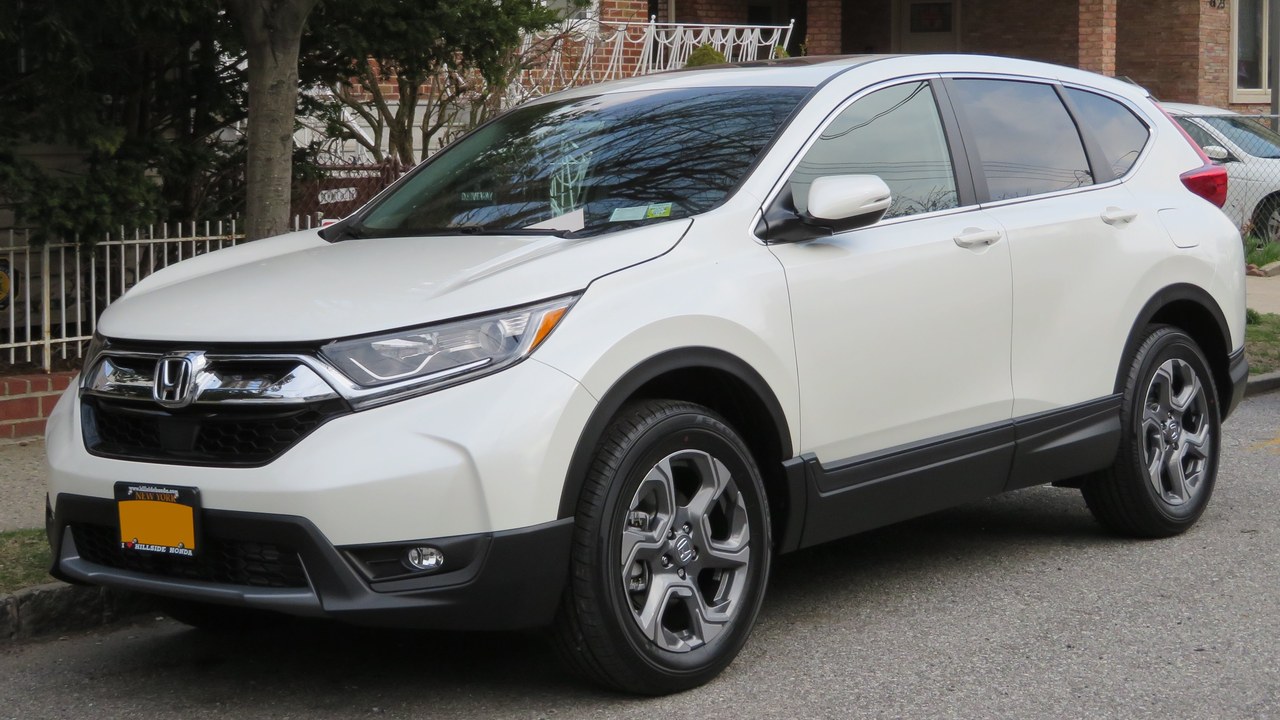
The CR-V compact crossover appears in an unwelcome tally from AAA. Its roundup of the cars that get the most complaints credits the model with 10,016, a total that puts one of Honda’s best-known sellers near the top of that list, per the AAA complaints roundup.
Popularity inflates raw counts, so the figure says as much about sales as about defects. Anyone shopping for a used CR-V should still compare model years and check open recalls before signing. Because the CR-V is built in large numbers and driven by families nationwide, even a small share of unhappy owners produces a big total, so a thorough inspection and vehicle history report remain wise.
6. Honda Pilot: Rod Bearing Probe

Federal regulators have taken notice of the Pilot’s engine. NHTSA opened an investigation covering over 1.4 million Honda and Acura vehicles, including 2016-2020 Pilots, after 414 reports of connecting rod bearing failures in the 3.5-liter V6, as Malay Mail reported.
A probe is not a recall, and no remedy is guaranteed. Owners of these years should listen for knocking, keep up on oil changes and watch for any manufacturer notice. Because the Pilot is a three-row family SUV that often tows or hauls a full load, a failure of this kind can be costly, which makes service records an important bargaining chip on any used example.
7. Honda Ridgeline: Truck With a V6 Problem
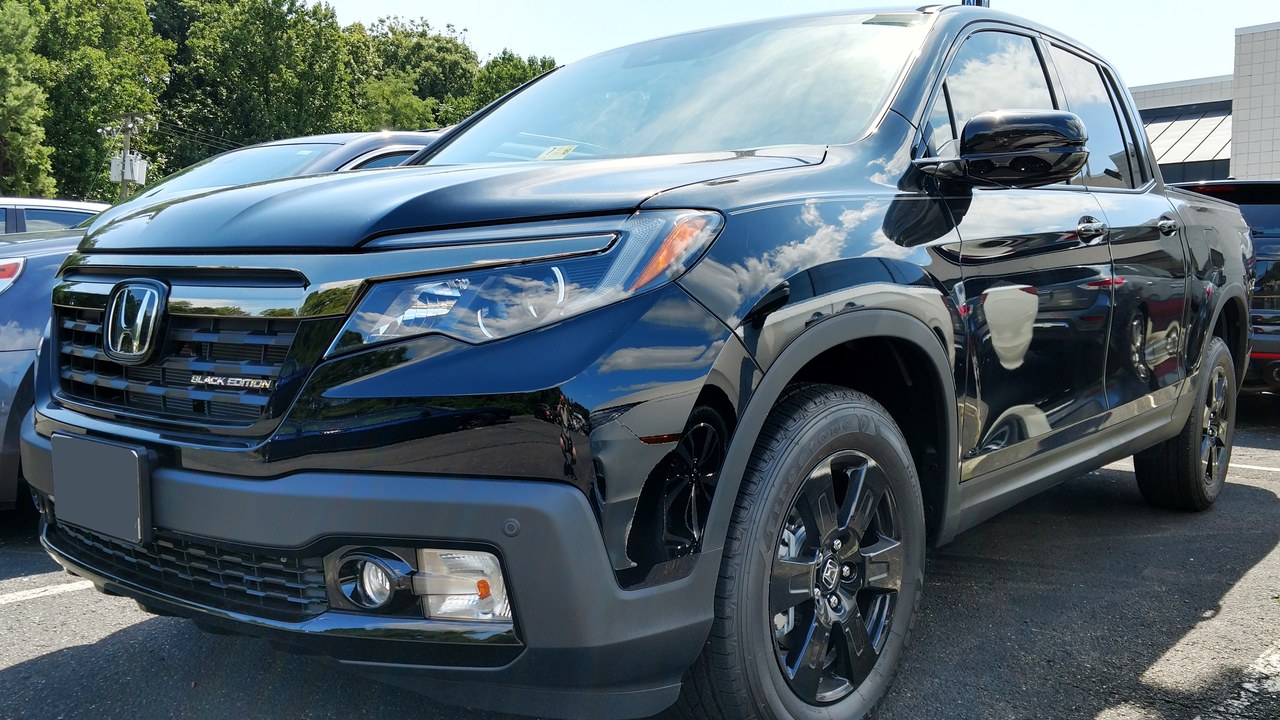
The Ridgeline pickup shares its engine family with the Pilot, and with it the scrutiny. Model years 2017-2019 fall under the same NHTSA V6 investigation into 3.5-liter connecting rod bearing failures.
Truck buyers often keep a vehicle for towing and hauling over many years, so engine durability matters more than usual. Anyone considering a 2017-2019 Ridgeline should ask about maintenance history and monitor the investigation’s outcome. The shared engine means that conversation about the Pilot applies here too, and a pickup shopper can compare notes between the two models while waiting for regulators to say more.
8. Honda Prologue: Reliability Reality Check
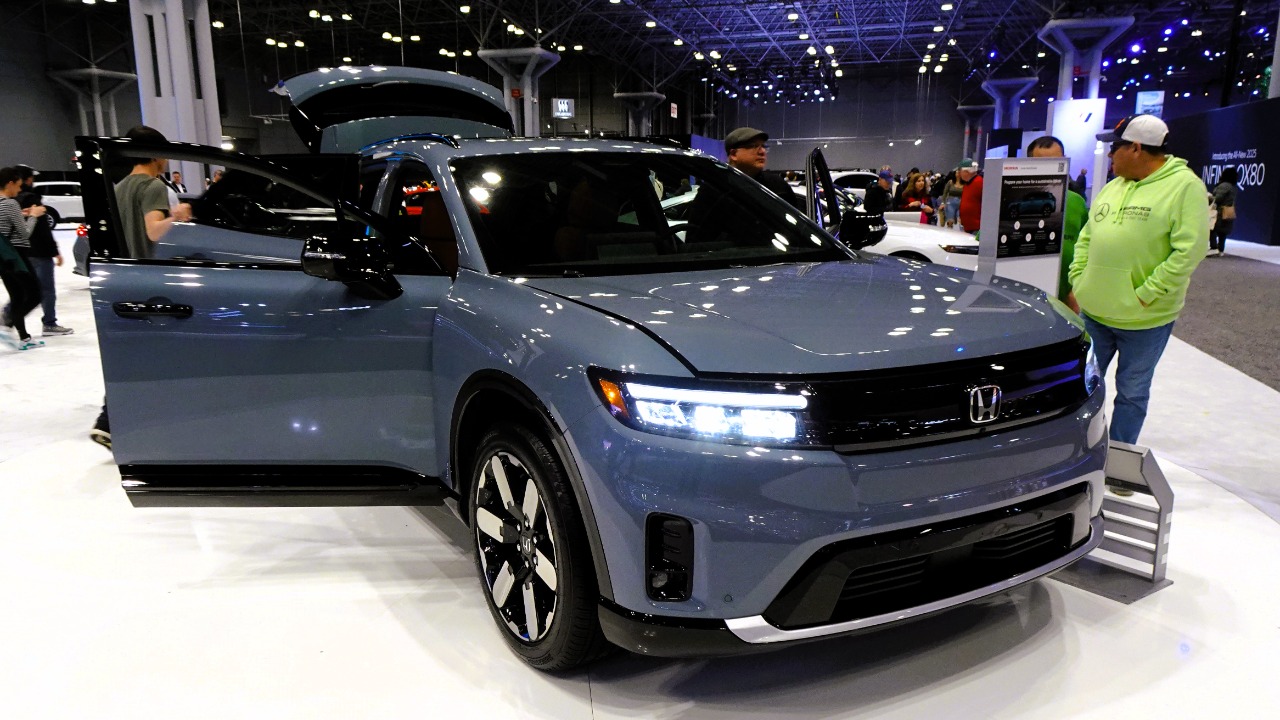
Honda’s electric crossover arrived with a poor mark from an influential judge. Consumer Reports placed the Prologue among its 10 least reliable cars of 2026, with a score of 25.
First-year and early-production electric vehicles often struggle with software and electrical glitches. Shoppers should weigh that score against warranty coverage and any lease or purchase incentives before committing. It is also a reminder that a new nameplate carries no track record, so patient buyers may prefer to wait for a few model years of owner experience before taking the plunge.
9. Honda Passport: Suspension Recall
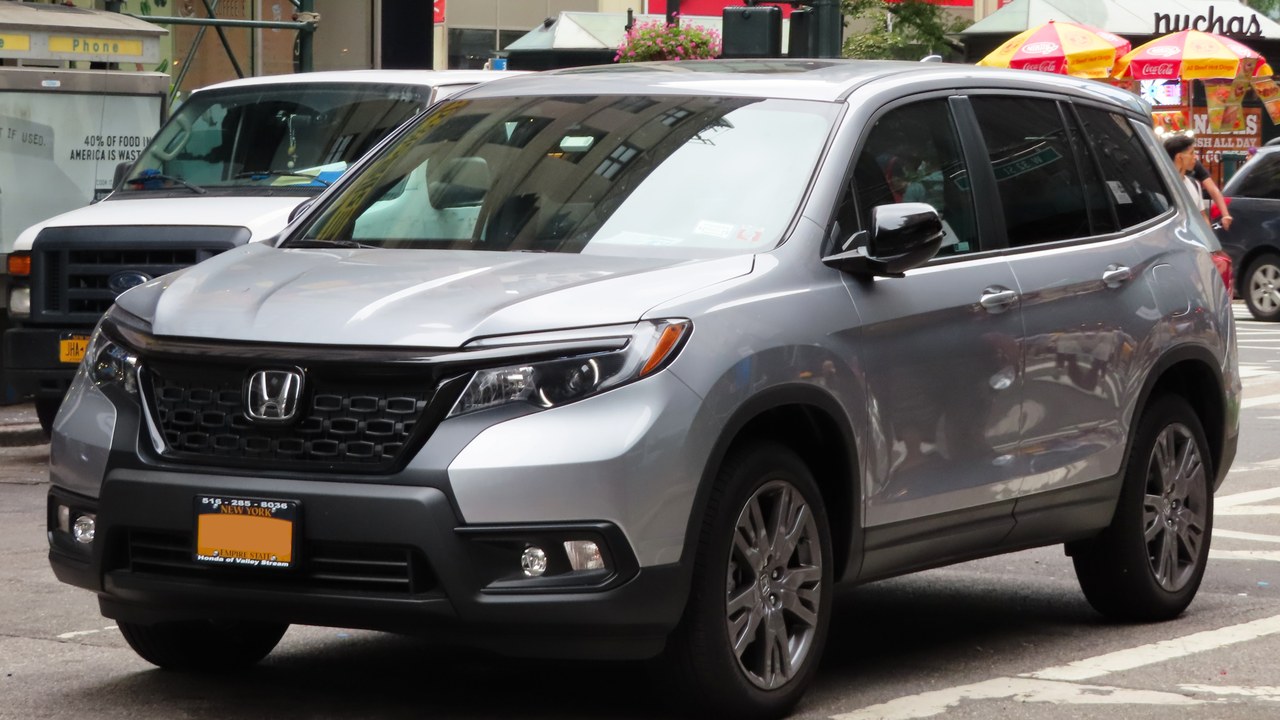
The Passport midsize SUV is caught up in one of Honda’s larger recalls. Model years 2019-2023 are part of an 880,514-vehicle 2026 Honda and Acura action over the rear suspension, according to the Motorverso Honda recalls page.
Owners can look up their VIN on NHTSA’s recall lookup to confirm whether the repair applies. Repairs under a safety recall are performed at no cost to the owner. Because recall remedies can involve parts availability, owners should contact a Honda dealer early, and used shoppers should confirm that the work is done before agreeing to a price.
10. Honda HR-V: Seat Sensor Short
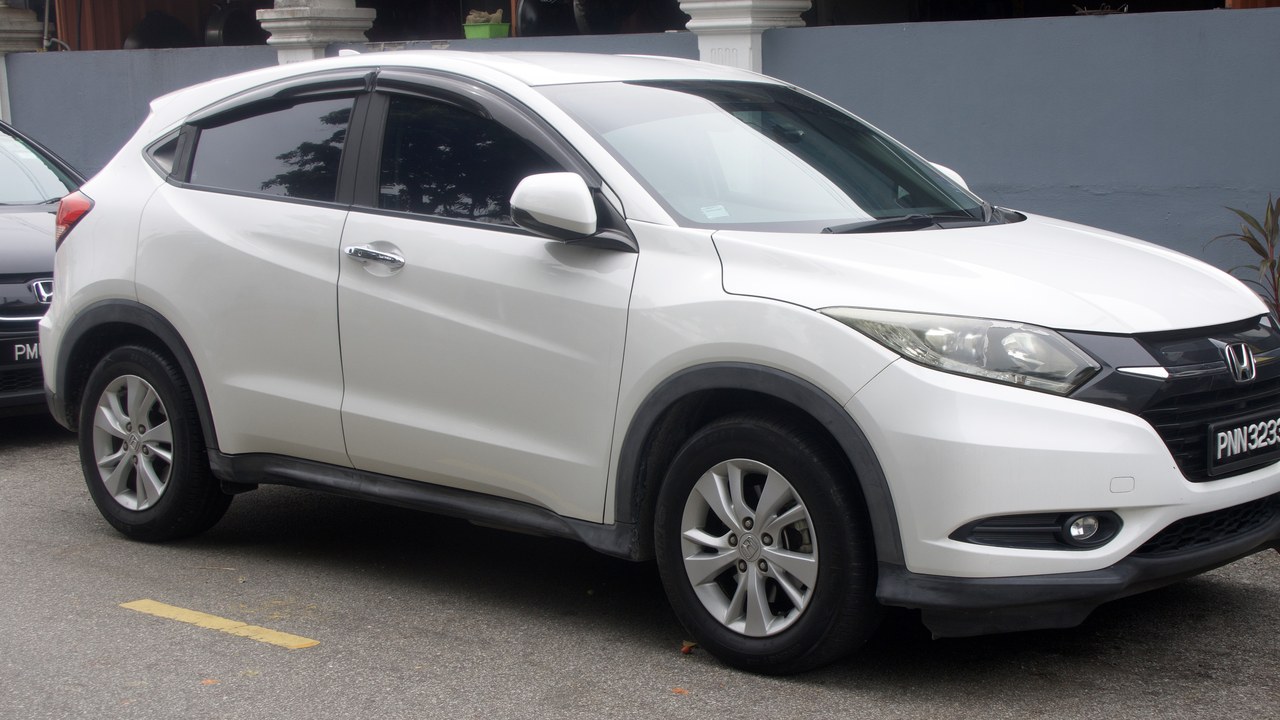
Small parts can create large risks. 2020-2021 HR-V models are in a 98,892-vehicle recall because the front passenger seat weight sensor may crack and short circuit, and air bags that deploy unintentionally increase the risk of injury, per the NHTSA recall record.
Anyone driving an affected HR-V should schedule the free dealer repair promptly. Used-car shoppers should run the VIN to confirm the fix was completed. Dealers perform the remedy without charge, so there is little reason to delay, and a quick call to a Honda service desk can confirm whether a particular vehicle is on the list.
Stay ahead on AI: Subscribe to The Deep View →
We may earn a commission if you sign up.
More from Morning Overview
- Ford is recalling 223,472 F-150 pickups because the fuel tank can leak or detach
- Hybrids have 15% fewer problems than gas cars, while EVs and plug-in hybrids have about 80% more, Consumer Reports finds
- Regulators cleared the first U.S. small modular reactor, 4 months early
- Lake Powell sank to a record 3,517 feet, nearing the level that stops Glen Canyon Dam’s turbines
