
Kia has spent years climbing the sales charts, but its record is not spotless. Complaint databases, federal recall filings, crash-death statistics and reliability surveys each flag a different weak spot across the lineup. Here are ten models where the data suggests owners and shoppers should proceed with extra care.
The day in tech, in one email: TLDR is the daily newsletter with links and TLDRs of the most interesting stories in startups, tech and programming.
We may earn a commission if you sign up.
1. Kia Sorento: Most Complaints
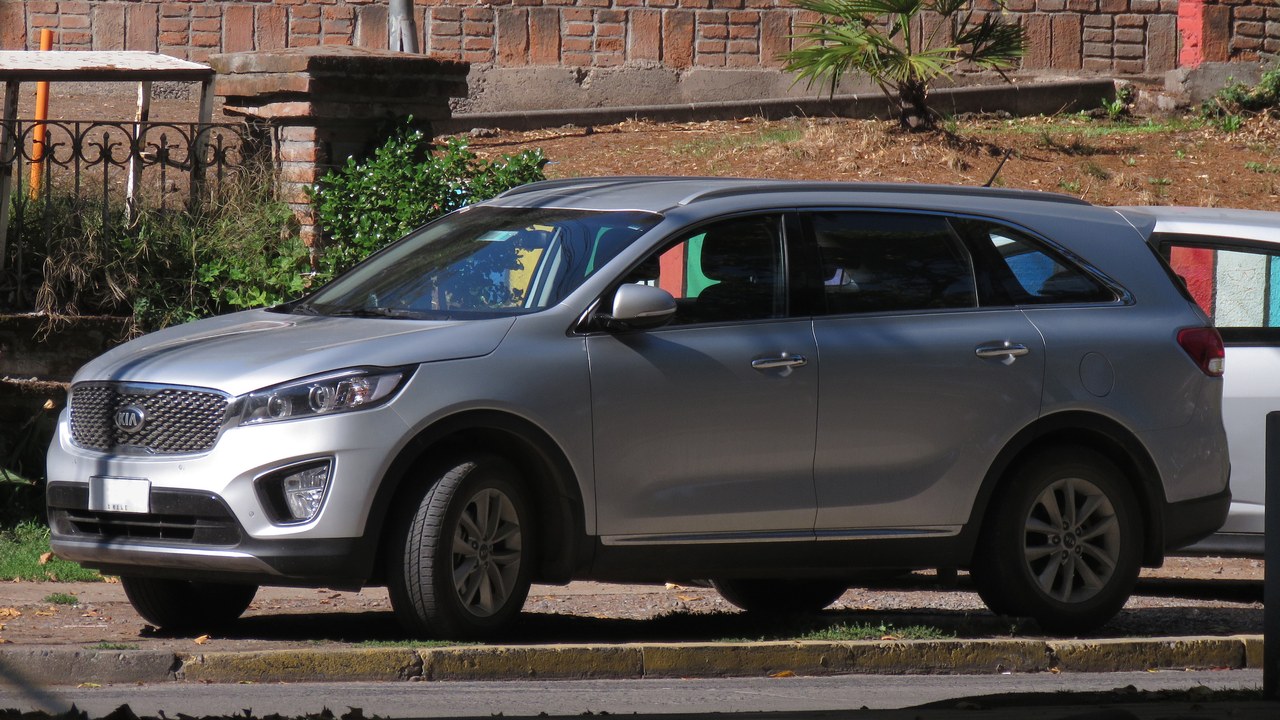
Owner reports filed on CarComplaints.com put the Sorento at the top of the Kia list, with 1,236 entries, and the site’s single worst problem is engine failure on the 2016 model, averaging $7,300 to fix at 94,000 miles. That figure comes from owner-reported complaint data.
That is real money for a midsize crossover with nearly a hundred thousand miles on it. Shoppers eyeing a used 2016 should ask for engine service records, and budget for the possibility that a failure arrives just after the warranty has ended.
2. Kia Optima: Engine Trouble
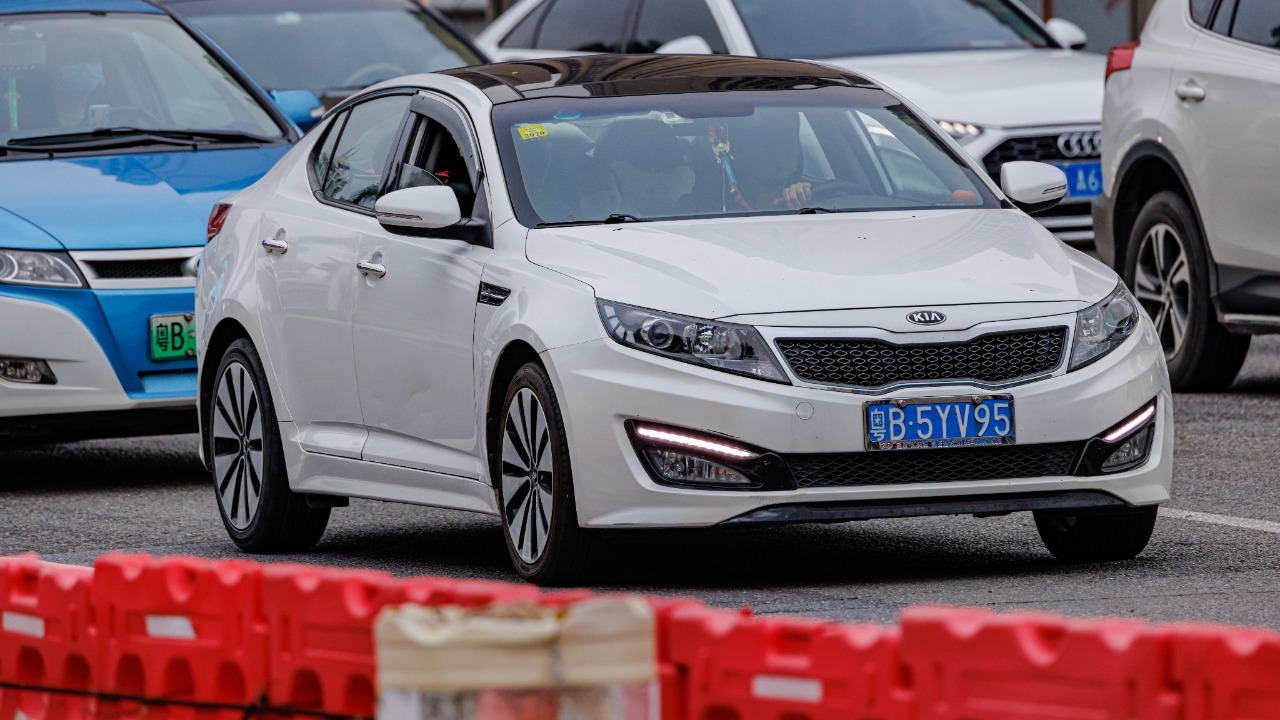
Engine failure also tops the list for the 2011 Optima, where reported repair costs average $4,600 at 103,000 miles, and owners have logged 787 Optima complaints in all.
The mid-size sedan was a volume seller, so a large complaint count partly reflects how many were sold. Even so, a five-figure odometer reading and a failed engine make a poor pairing, and a pre-purchase inspection is cheap insurance on any older example. Reading owner reports for a specific model year, and comparing repair quotes before agreeing to a price, helps turn a vague worry into a concrete negotiating point.
3. Kia Soul: Quirky And Cranky
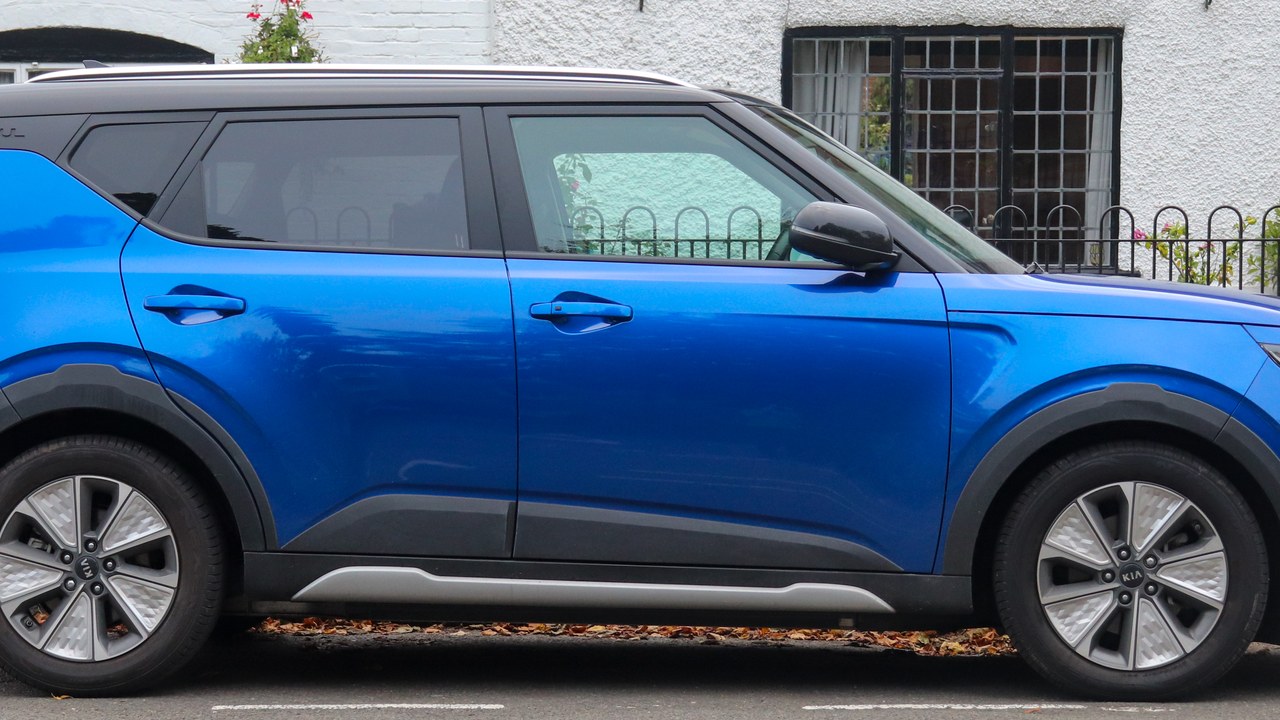
The boxy Soul has collected 485 entries on the CarComplaints Kia page.
That total is smaller than the Sorento’s or the Optima’s, yet it still places the small hatchback well inside the brand’s top four for owner grievances. Complaint counts do not rank severity, so buyers should read the individual model-year breakdowns before treating the Soul as either safe or doomed. Cargo-friendly shapes like this one appeal to younger drivers, who often buy used, so a clean service history and a careful test drive carry extra weight here.
4. Kia Sportage: Crossover Gripes
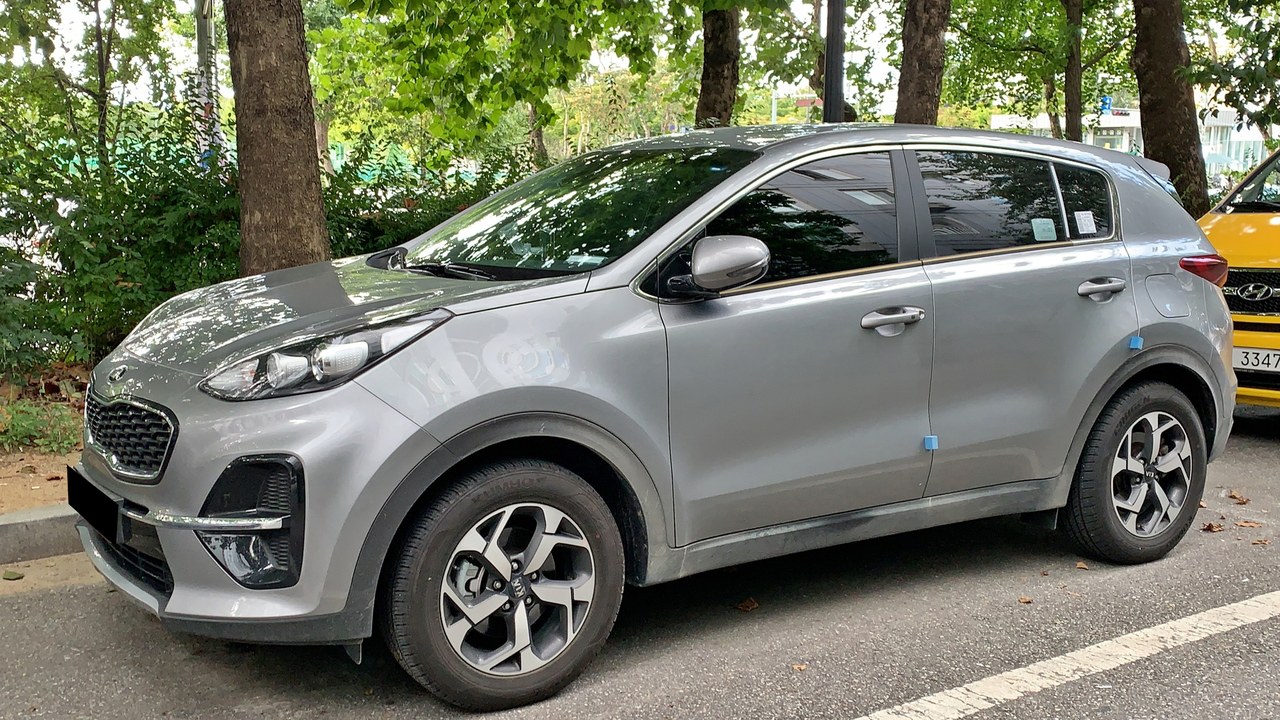
Compact crossover buyers might expect trouble-free commuting, but CarComplaints.com listings show 392 complaints on the Sportage.
The count is the lowest among the four Kias ranked by that site, which makes it a relative bright spot in this group. Because the Sportage has been sold in several generations, the useful step is to check complaints for the specific model year rather than the nameplate as a whole. Compact crossovers are among the most commonly cross-shopped vehicles, so a reader weighing several rivals can use complaint totals as one input alongside price, safety scores and warranty terms.
5. Kia Telluride: Seat Motor Fire Risk
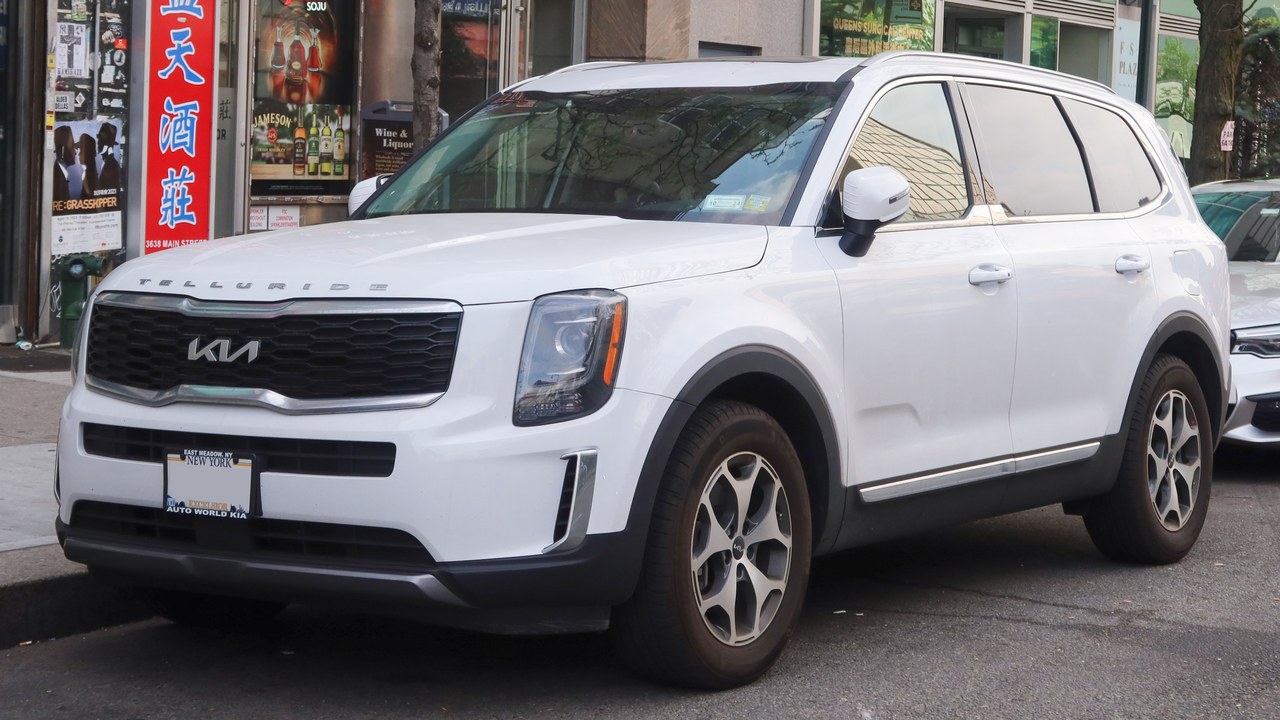
A federal filing, NHTSA recall 26V430000, covers 462,869 Tellurides from 2020 through 2024 whose power seat motors can overheat. Owners were told to park outdoors, away from structures.
A parking instruction is unusual for a recall, and it signals that heat in the seat is treated as a fire concern rather than a nuisance. Telluride owners should confirm through the VIN lookup that the repair has been completed before returning to garage parking. The practical lesson applies beyond this model: recall notices deserve prompt attention, since a repair done at a dealer costs the owner nothing under a safety recall and removes the risk entirely.
6. Kia Rio: Deadliest Small Car
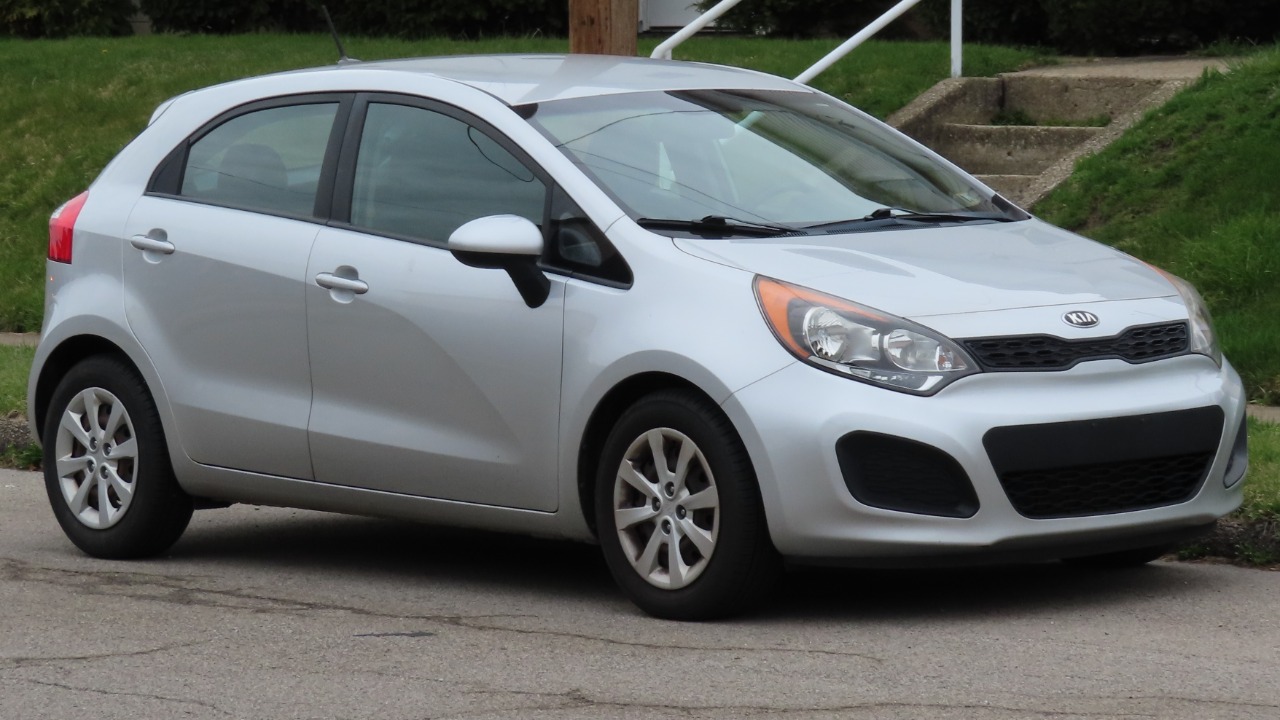
IIHS reported that the Rio had the highest driver death rate in its latest study, at 170 deaths per million registered vehicle years, compared with an average of 37.
Small, light cars give occupants less protection in a serious crash, and the Rio’s rate is more than four times the average. Anyone shopping for a budget commuter should weigh crash-test results and available safety features, not just the sticker price. The number reflects real crash outcomes over several years, not a lab test, which is why insurers and safety advocates pay close attention to it when comparing vehicles in the same class.
7. Kia EV6: Low Reliability Score
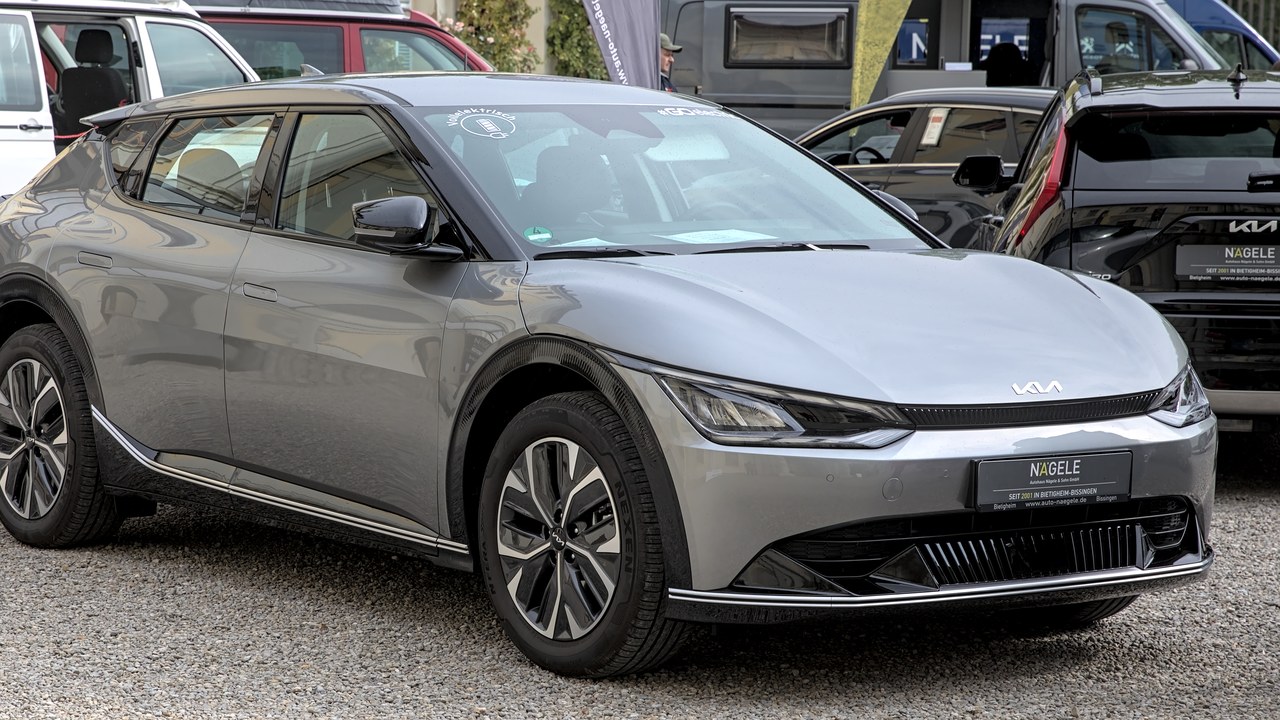
Consumer Reports placed the EV6 among its 10 least reliable cars of 2026, with a reliability score of 25.
For an electric crossover that costs far more than a typical commuter, a poor survey result stings. Buyers can lean on the long battery and drivetrain warranties that come with such vehicles, but should still ask about software and charging-related problems before signing. Reliability surveys capture owner experience across many problem areas, so one weak score does not pinpoint a single defect, but it does suggest that trouble is more common than buyers might hope.
8. Kia EV9: Big EV, Weak Score
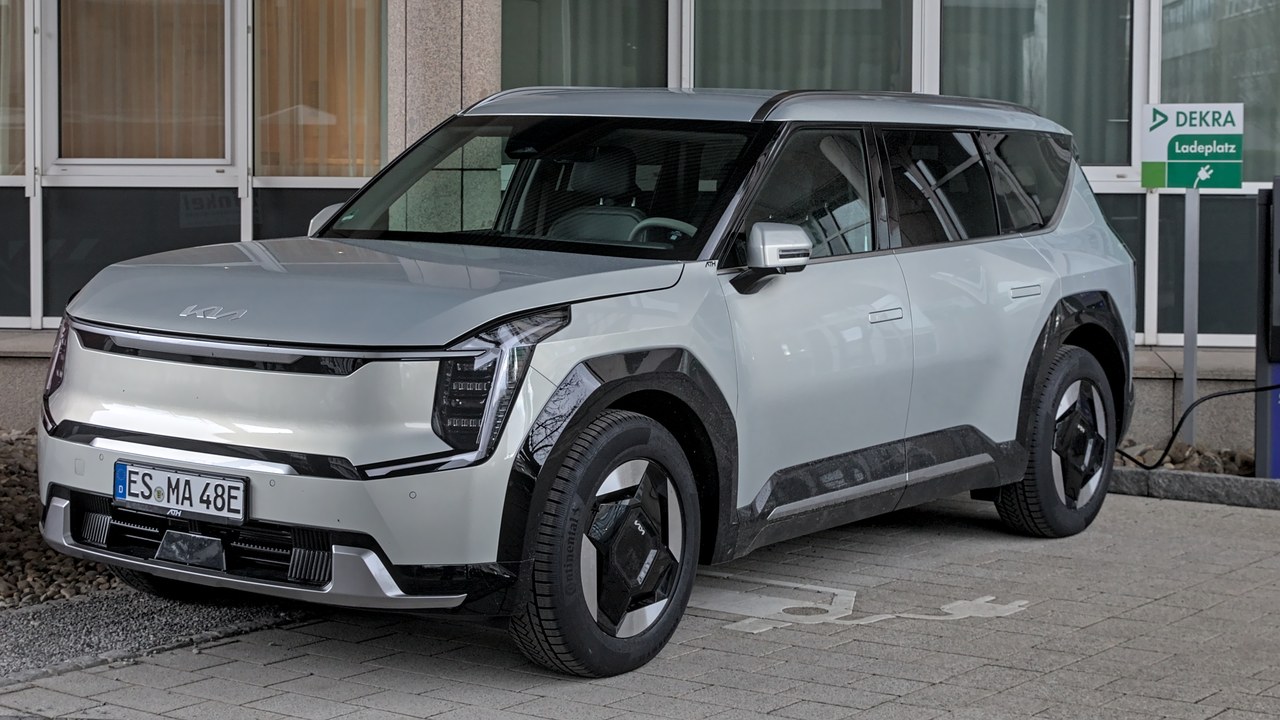
Consumer Reports’ 2026 reliability ranking gave the EV9 a score of 24, landing the three-row electric SUV on its list of the 10 least reliable cars.
That is one point below its smaller sibling, the EV6. Families attracted by the roomy cabin should treat the result as a caution flag, shop warranty coverage closely, and look for a dealer service department that is comfortable with high-voltage work. Large electric SUVs carry high prices, and a weak reliability showing is a fair reason to compare lease terms, since leasing can shift much of the long-term risk back to the manufacturer.
9. Kia Forte: Engine Settlement
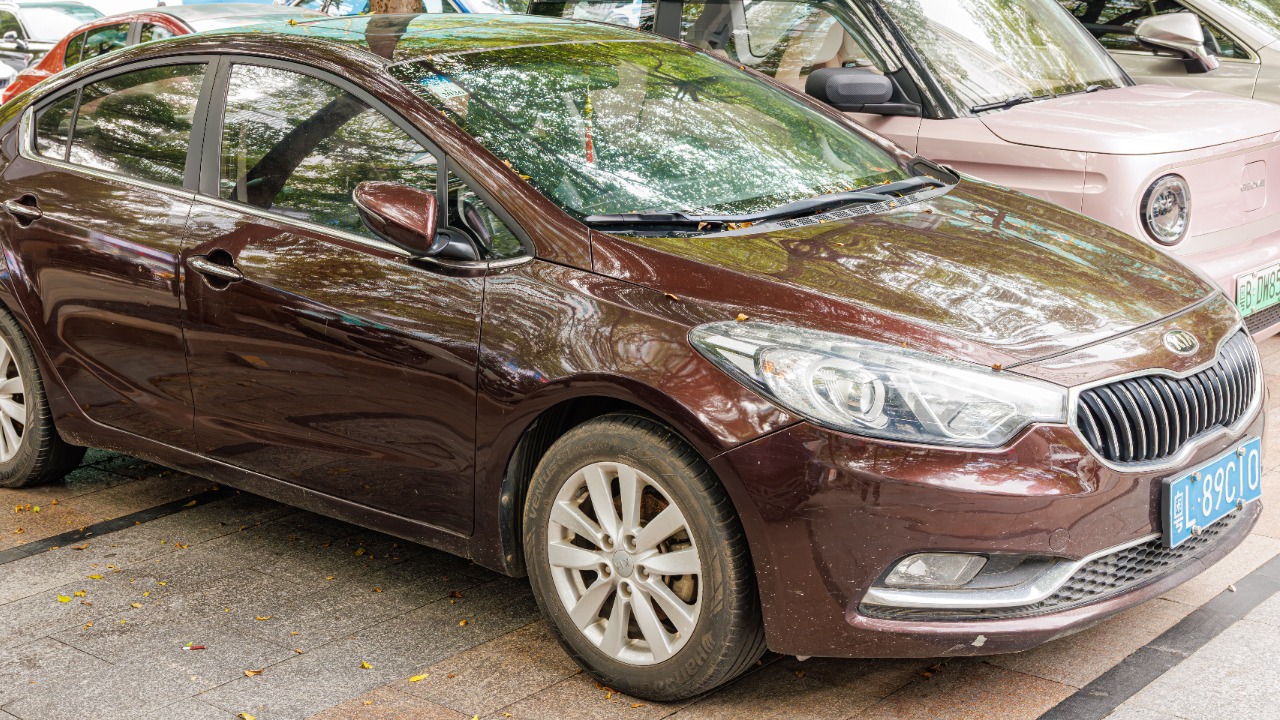
Fortes built from 2010 through 2018 were part of a Hyundai-Kia settlement over engines prone to failure, with problems described as seizure, stalling, engine failure and possibly fire. Powertrain warranties were extended to 15 years or 150,000 miles.
The extended coverage matters most for second and third owners holding an older compact. Owners should check whether a specific car qualifies and keep maintenance records, since a claim can hinge on proof that the engine was cared for. Engine problems of this kind can be expensive when they strike without warning, so understanding the extended terms ahead of time makes any later dealer conversation far easier for the owner.
10. Kia Sedona: Airbag Settlement
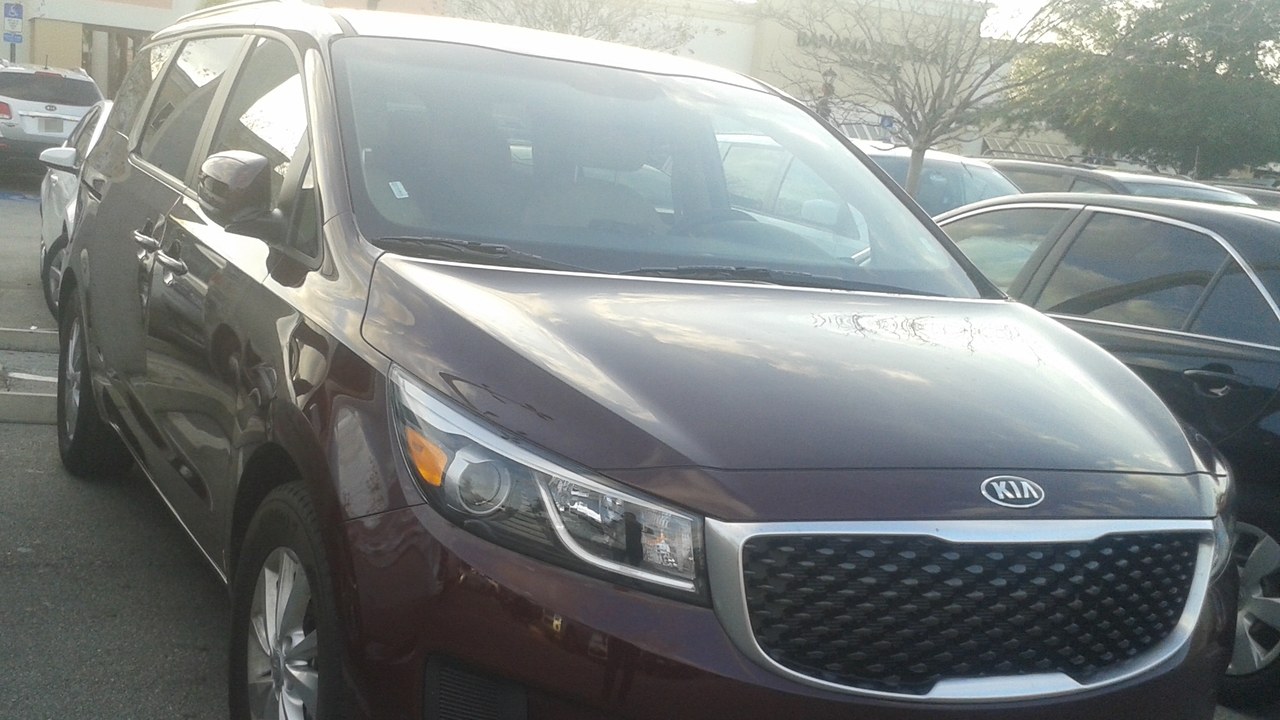
The 2011-2012 Sedona is among the vehicles named in a $62,100,100 airbag settlement over Hyundai-Kia airbag control units, which pays up to $350 per recalled vehicle.
The minivan is long out of production in that form, so many surviving examples are in the hands of budget-minded families. Owners should look up the VIN to confirm eligibility and make sure the underlying recall repair was completed, because the money is secondary to working airbags. Settlement payments and recall repairs are separate matters, and claim deadlines can pass quietly, so checking the official settlement page early gives owners the best chance of being compensated properly.
The day in tech, in one email: Get TLDR →
We may earn a commission if you sign up.
More from Morning Overview
- Two passengers died at an Ohio toll plaza, and the NTSB now wants the cash lanes shut
- Long use of a common prostate pill is tied to a higher chance of glaucoma
- Ford is recalling 223,472 F-150 pickups because the fuel tank can leak or detach
- Hybrids have 15% fewer problems than gas cars, while EVs and plug-in hybrids have about 80% more, Consumer Reports finds
