
Airplane designers have spent decades chasing size, and a handful of civil aircraft stand far above the rest. The group includes passenger jets, cargo haulers and a giant flying boat that left the water only once. Here are nine record-size planes that flew, led by one that no longer exists.
Help yourself and the planet: The Cool Down makes it easy to help yourself while helping the planet, with smart, simple changes to save more and waste less in your everyday life.
We may earn a commission if you sign up.
1. Antonov An-225 Mriya: The Biggest One Is Gone

With a 640-tonne (1.4 million-pound) maximum takeoff weight and an 88.4-meter wingspan, the one-of-a-kind Mriya was destroyed in 2022 at an airfield near Kyiv, according to Pilot Institute’s ranking by weight.
Ranking first by takeoff weight, the An-225 is the reason this headline carries a loss. Only one was completed, so no sister aircraft remains to carry its title, and every other plane on this list now sits below a record that nobody can currently challenge in the same way. For readers who never saw it fly, the plane is now best remembered through photographs, video and the specifications that made it famous.
2. Airbus A380: Largest Passenger Plane
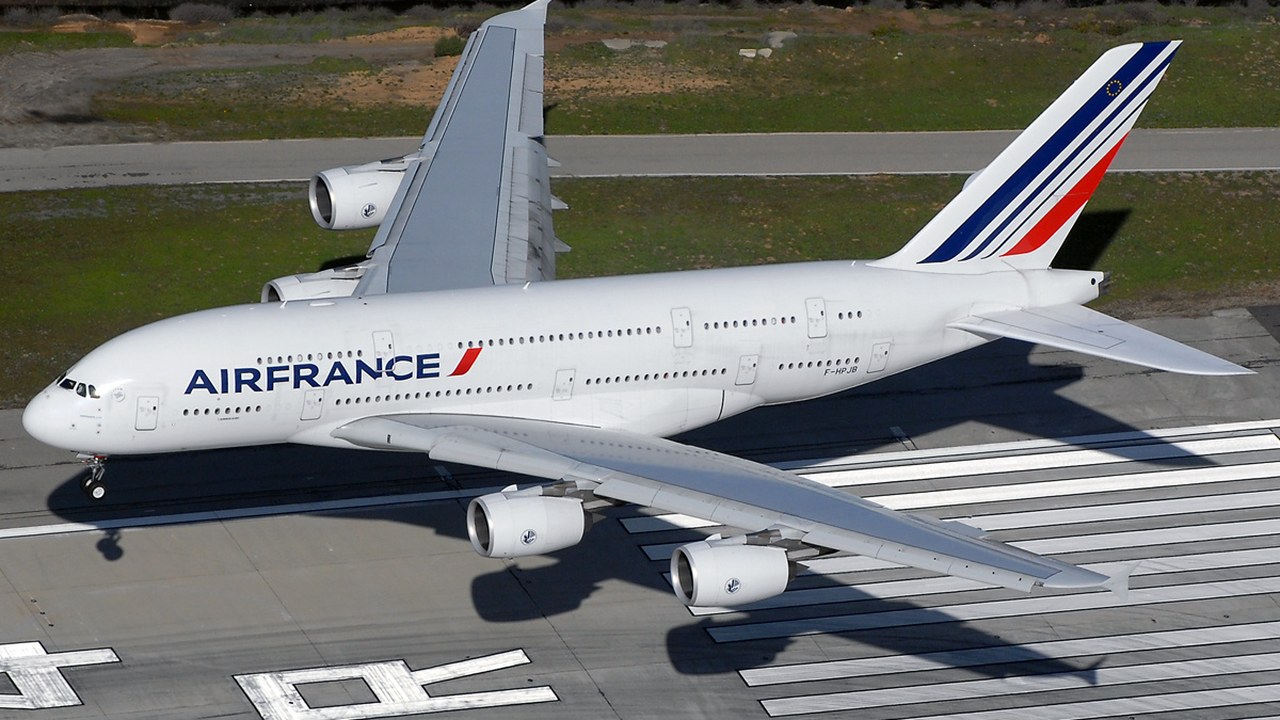
Airbus calls the A380 the largest passenger plane ever built, certified for up to 853 passengers, according to the manufacturer’s A380 page.
Certification for 853 is a ceiling rather than a typical layout, so airlines flying the type usually install fewer seats in roomier cabins. For travelers, the double-deck jet remains the biggest passenger aircraft they are likely to board, and it earns its place here on size alone. It also shows that size and practicality can coexist, since the type carried ordinary passengers on scheduled routes rather than serving as a one-off showpiece.
3. Antonov An-124 Ruslan: Opens at Nose and Tail
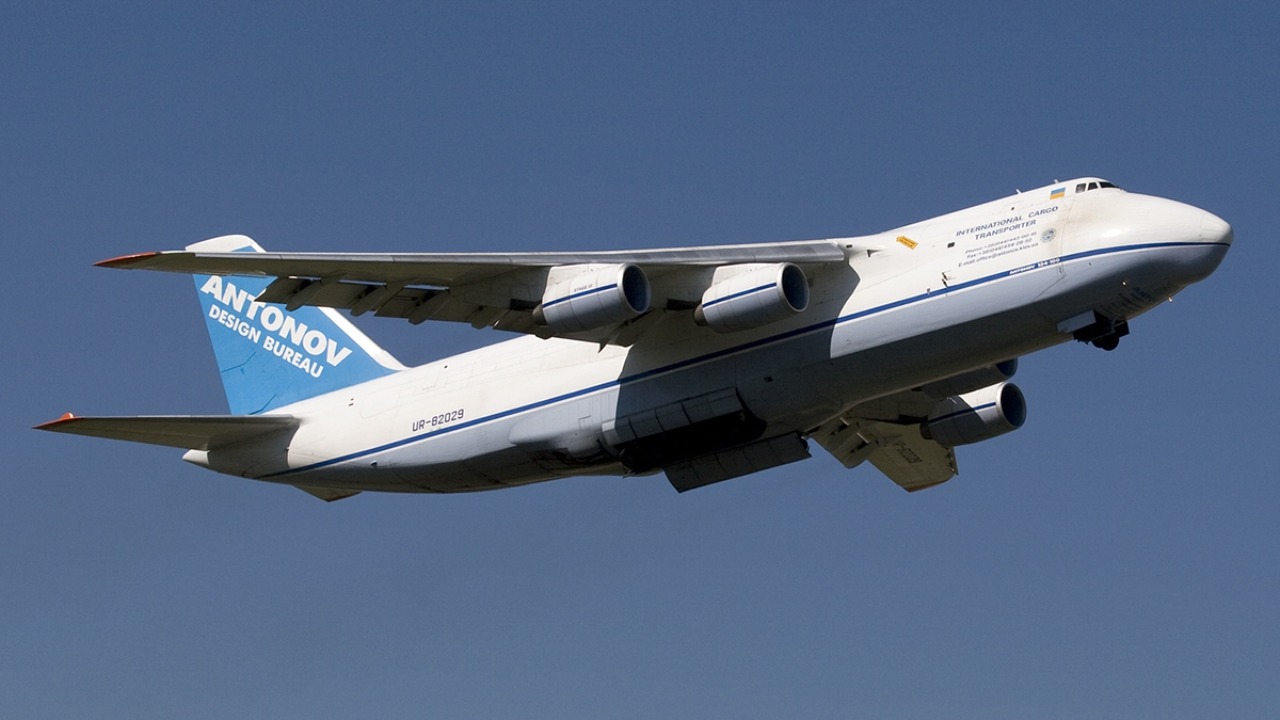
Among the heaviest mass-produced aircraft, the An-124 opens at both nose and tail and was the blueprint for the An-225, Pilot Institute notes.
The two-ended loading arrangement makes bulky freight easier to move on and off, which is the practical payoff of that unusual design. Its status as the template for the Mriya also ties this aircraft directly to the lost giant at the top of the list. Operators value the type for oversize loads that would not fit through the door of a conventional freighter.
4. Boeing 747-8: Longest Airliner Flying
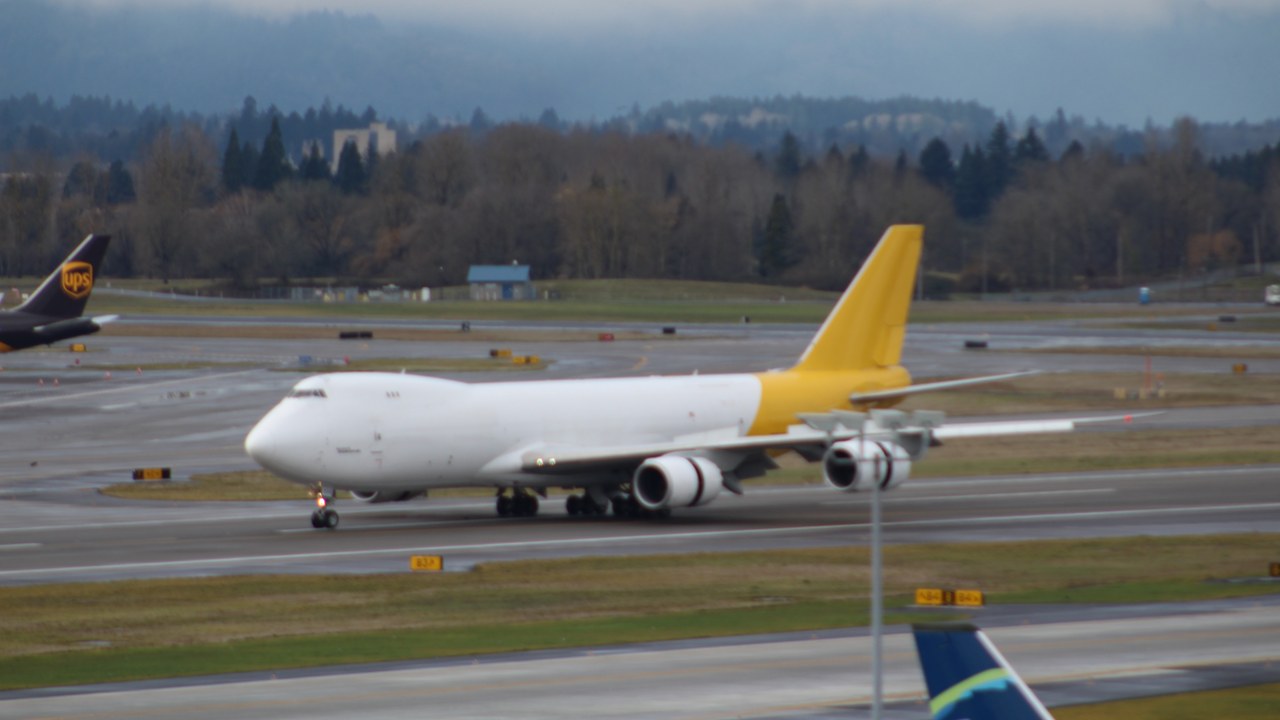
The stretched 747-8 is 76.3 meters long, the longest airliner in operation, Interesting Engineering reports.
Length rather than weight earns it the spot. The record is separate from the takeoff-weight and passenger-capacity marks held by other planes here, and it shows how far a design from the jumbo-jet era could be stretched while still serving as a working airliner. Anyone comparing the 747-8 with the A380 should keep in mind that the two planes are being measured on different yardsticks, length for one and passenger certification for the other.
5. Boeing Dreamlifter: Swollen 747 for 787 Parts
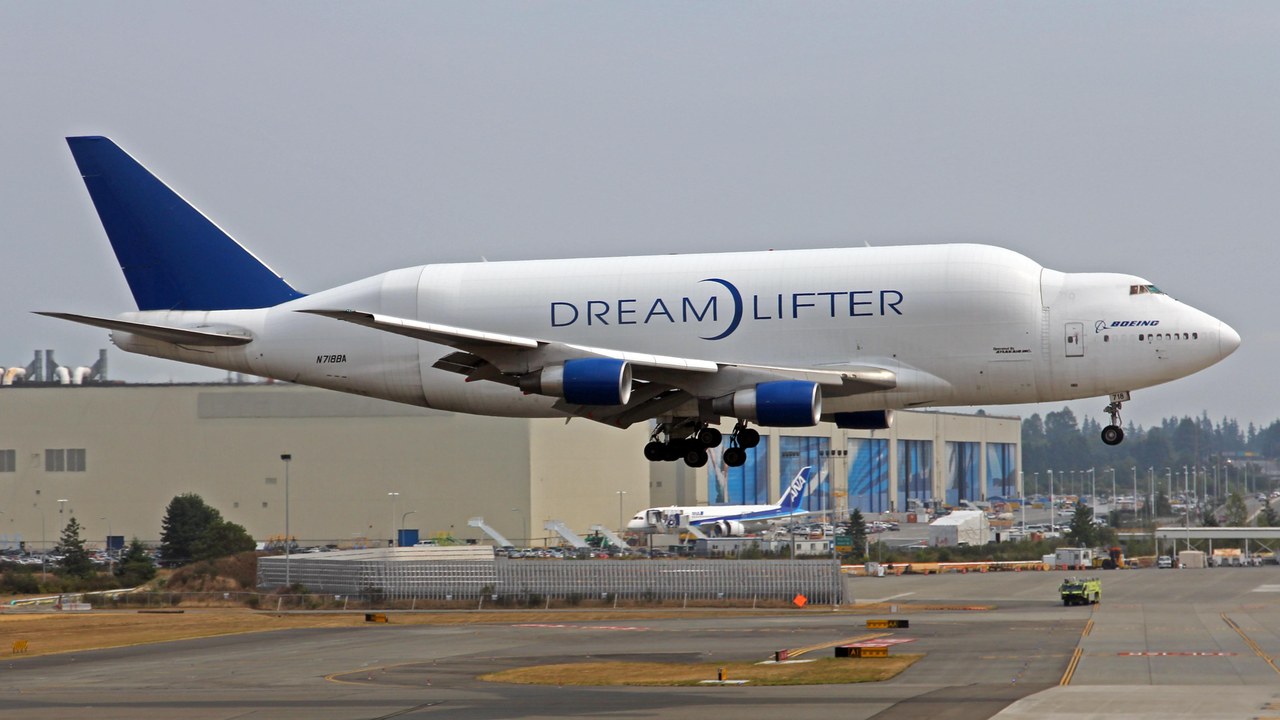
Only four of these swollen 747s were built to haul 787 parts, and they once had the largest cargo hold of any plane, according to Interesting Engineering.
The Dreamlifter is a working tool of aircraft manufacturing, moving large components between factories rather than carrying passengers. The words once had matter: the hold record has since moved to a newer design elsewhere on this list, which keeps the Dreamlifter’s story one of shifting superlatives. Only four were built, which also makes it a rare sight at any airport that handles its flights.
6. Airbus BelugaXL: Largest Cargo Hold by Volume
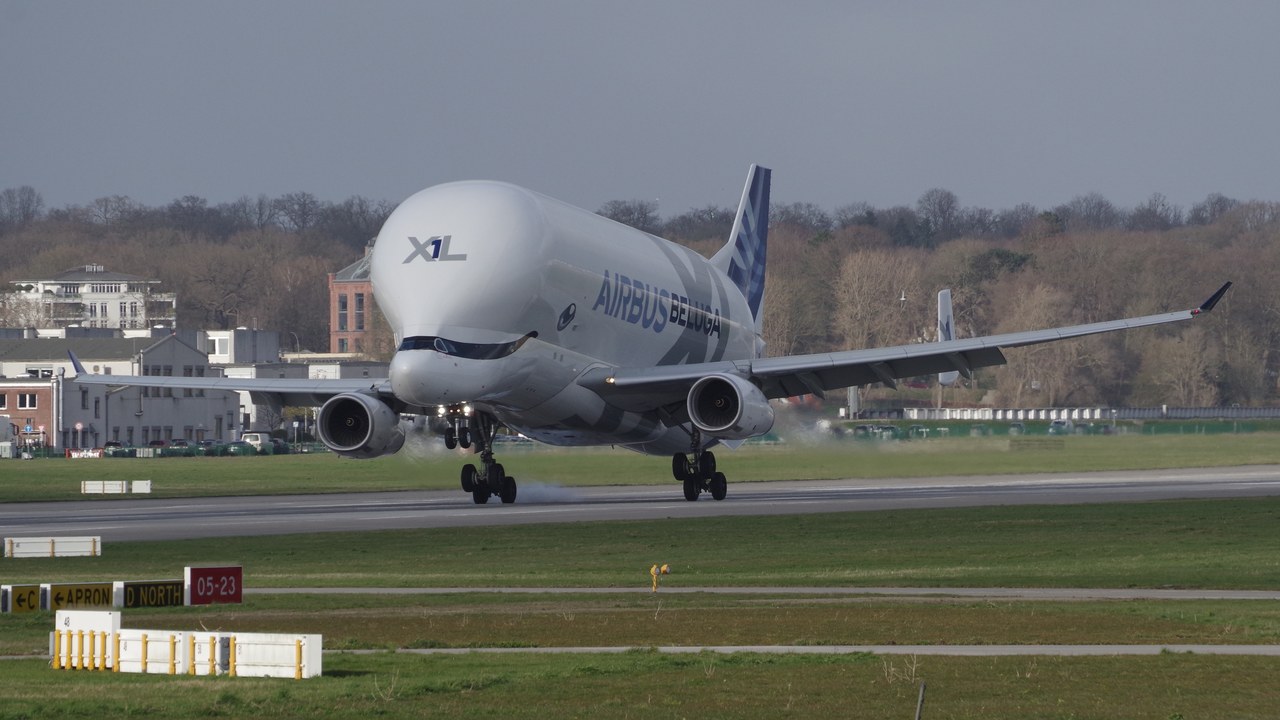
First flown on July 19, 2018, the A330-based BelugaXL has a 2,209-cubic-meter hold, the largest by volume, Wikipedia’s list of large aircraft says.
The BelugaXL is built to move bulky airplane sections between production sites. Its record is about volume rather than weight, a different measure from the one that puts the Mriya first, and it shows how a plane can set a mark without topping the usual size charts. Such records matter to logistics planners, who care less about wingspan than about whether a fuselage section will actually fit inside.
7. Hughes H-4 Hercules: The Spruce Goose

The Spruce Goose spans 320.9 feet and flew only once, Jalopnik notes.
That wingspan exceeds the Mriya’s 88.4 meters, which works out to about 290 feet, yet the Hercules made a single flight. The comparison is a reminder that raw dimensions and everyday usefulness are different things, and that some record-size aircraft remain famous mostly for what they might have done. Visitors who see the aircraft today are looking at one of the most famous single-flight records in aviation. A single flight is a thin résumé for an aircraft of this size, which is exactly why the story endures.
8. Airbus Beluga: Original Twin-Engine Beluga
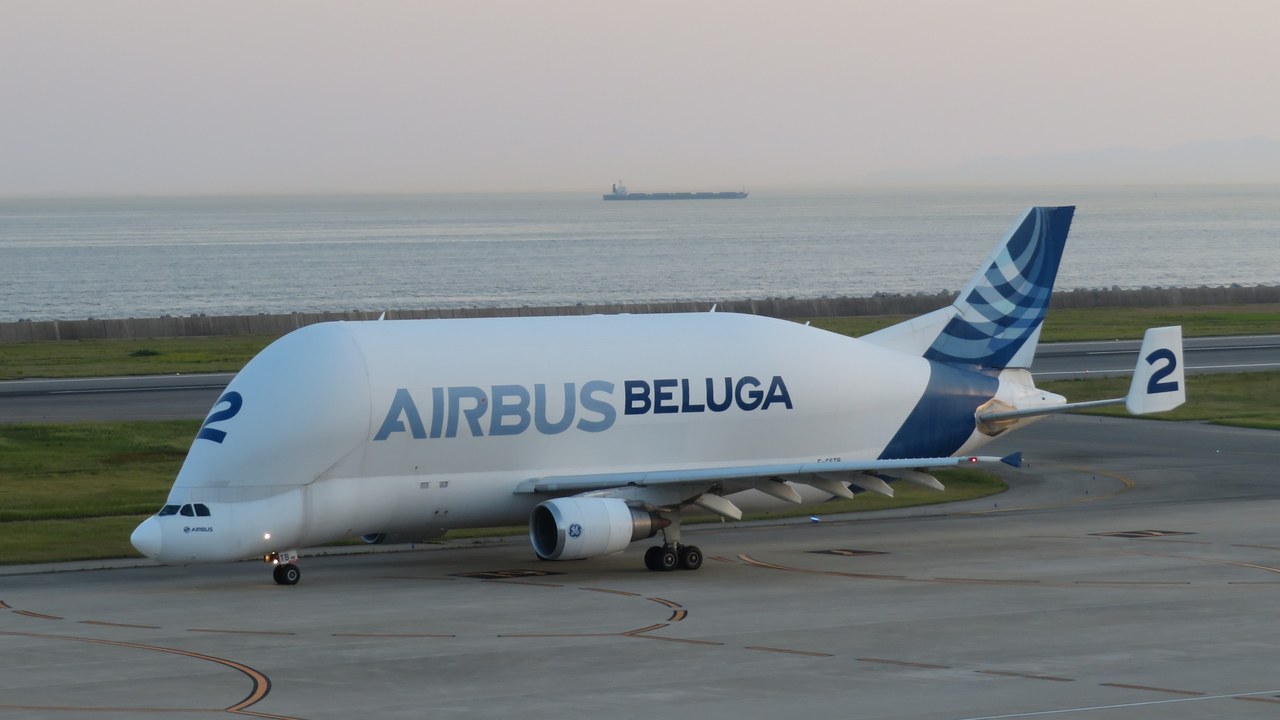
Only five of the original twin-engine Belugas were built to fly airplane parts between factories, Jalopnik says.
The original Beluga shares its job with the BelugaXL listed earlier, hauling bulky airplane parts that would be hard to move any other way. Its small production run shows how specialized these oversize freighters are, built for one customer’s needs rather than for the open market. Fleets like this stay small, and each airframe matters a great deal to the company that depends on it. Losing one aircraft would remove a meaningful share of the whole fleet.
9. Aero Spacelines Super Guppy: NASA’s Bulbous Hauler
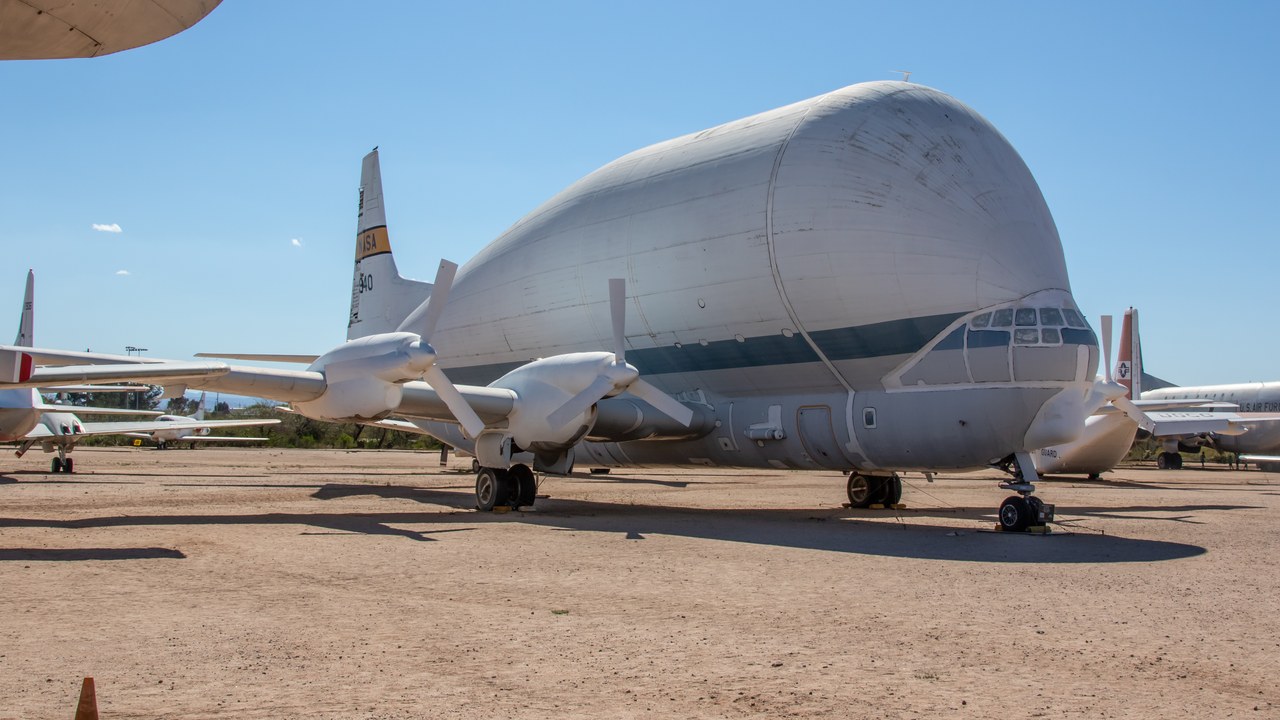
NASA used the bulbous Super Guppy, first flown in 1965, to move spacecraft and rocket parts; five were built, per Interesting Engineering.
Its role links this list to the space program, showing that oversize aircraft have long served missions where road transport would struggle. A swollen fuselage that looks odd on the ramp was exactly what such cargo needed, and the same idea shows up again in later freighters. Five airframes is a tiny fleet, yet the type earned a lasting reputation in a very specialized corner of aviation.
Help yourself and the planet: Get The Cool Down →
We may earn a commission if you sign up.
More from Morning Overview
- Tropical Storm Rachel is dumping up to 12 inches on four Mexican states on its way to major hurricane strength
- The FTC says Lens.com doubled the price shoppers saw in Google ads
- Common allergy, bladder and sleep pills tied to sharply higher dementia odds
- NOAA now gives this winter a 75% chance of the strongest El Nino since 1950
