
Aircraft designs rarely outlast the decades they were drawn in, yet a surprising number are still in the sky. Bombers, tankers, airliners, helicopters and trainers all appear among the survivors, some upgraded repeatedly and some simply maintained. Here are twelve designs that remain airborne today, including the one that first flew in 1954 and is still being built.
Tech news in one quick read: Get the most interesting stories in startups, tech and programming, each with a short TLDR, in one daily email from TLDR.
We may earn a commission if you sign up.
1. Boeing B-52 Stratofortress: Bomber Built to Keep Flying
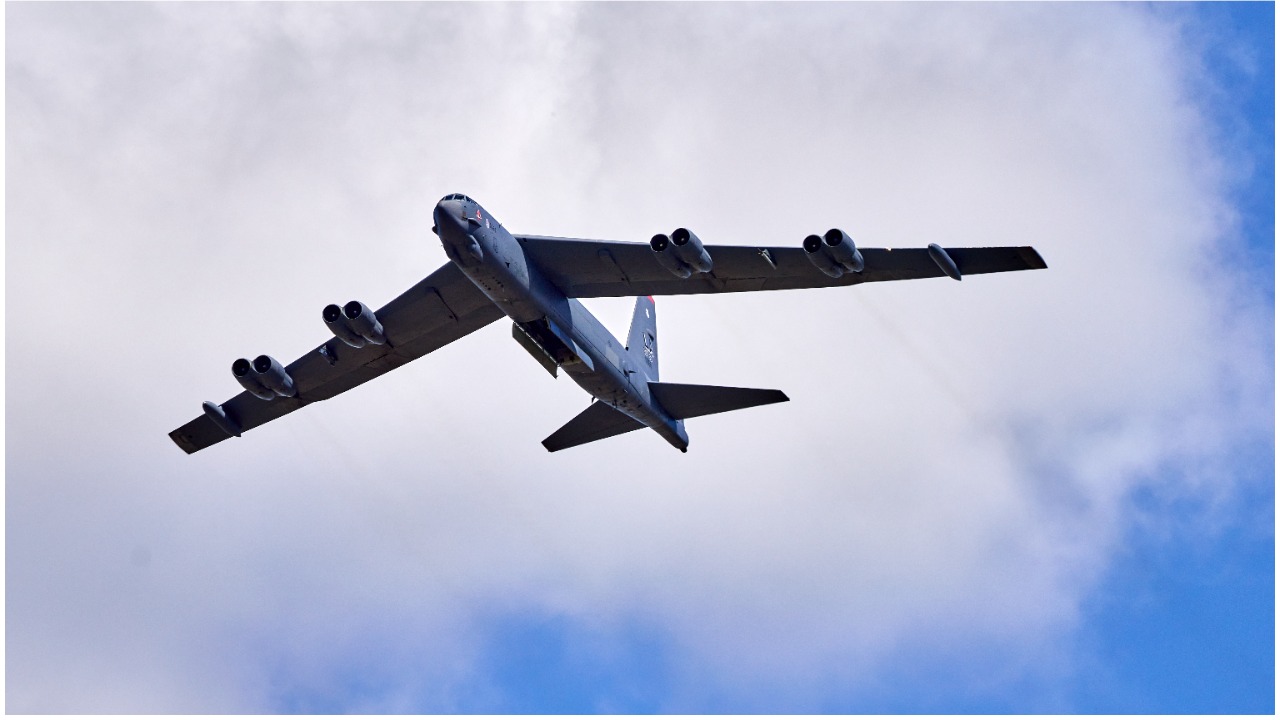
A total of 744 B-52s were built, and the SlashGear list of oldest aircraft notes that 104 of them were H models delivered through 1962. Upgraded bombers are slated to fly until 2040, an extraordinary span for a design from that era.
Planning a service life that long means the airframe is expected to outlast several generations of crews and avionics. For planners, the B-52 stands as the clearest case of a platform kept relevant through upgrades rather than replacement.
2. Lockheed C-130 Hercules: Still Rolling Off the Line
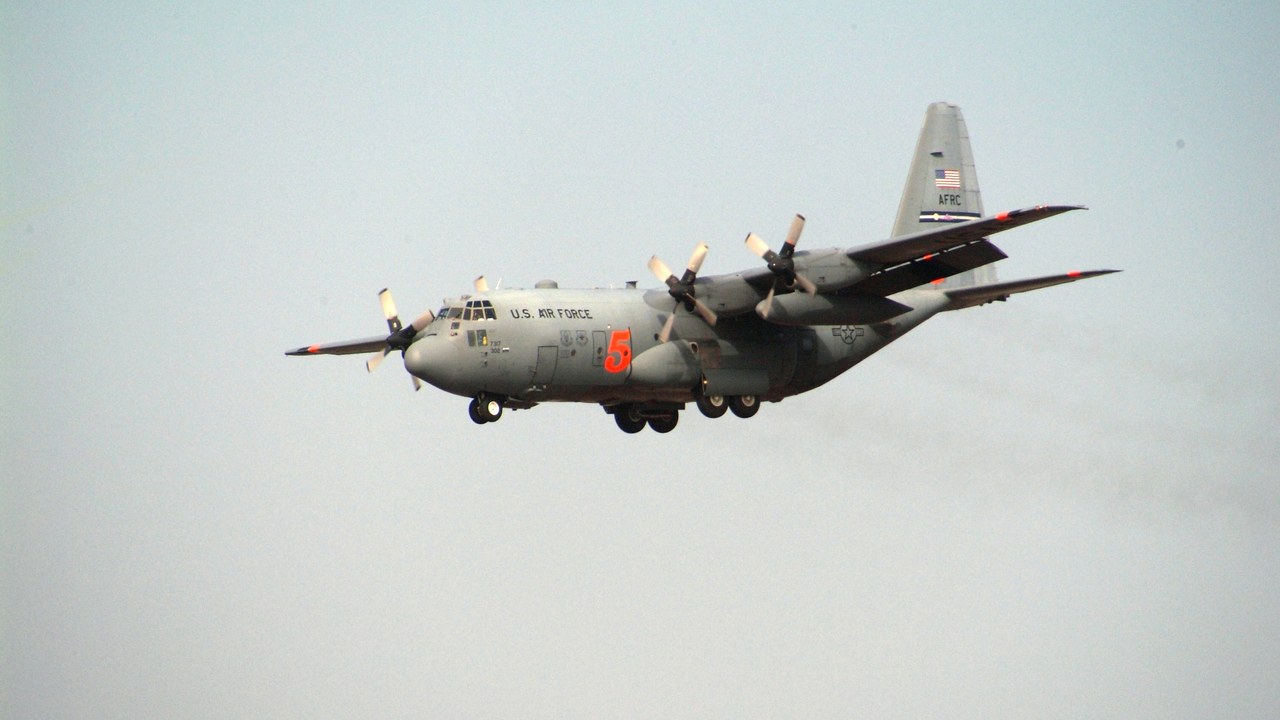
The Hercules first flew in 1954 and entered service in 1956. As AviationA2Z reports on veteran military aircraft, the C-130 is still in production today, which separates it from nearly every other design of its age.
Continued production is the strongest evidence a design has aged well. Instead of surviving only as a museum piece or a worn-out fleet, the Hercules keeps being built, and its 1954 first flight is the date that anchors the headline of this gallery.
3. Boeing KC-135 Stratotanker: The Tanker That Keeps Refueling
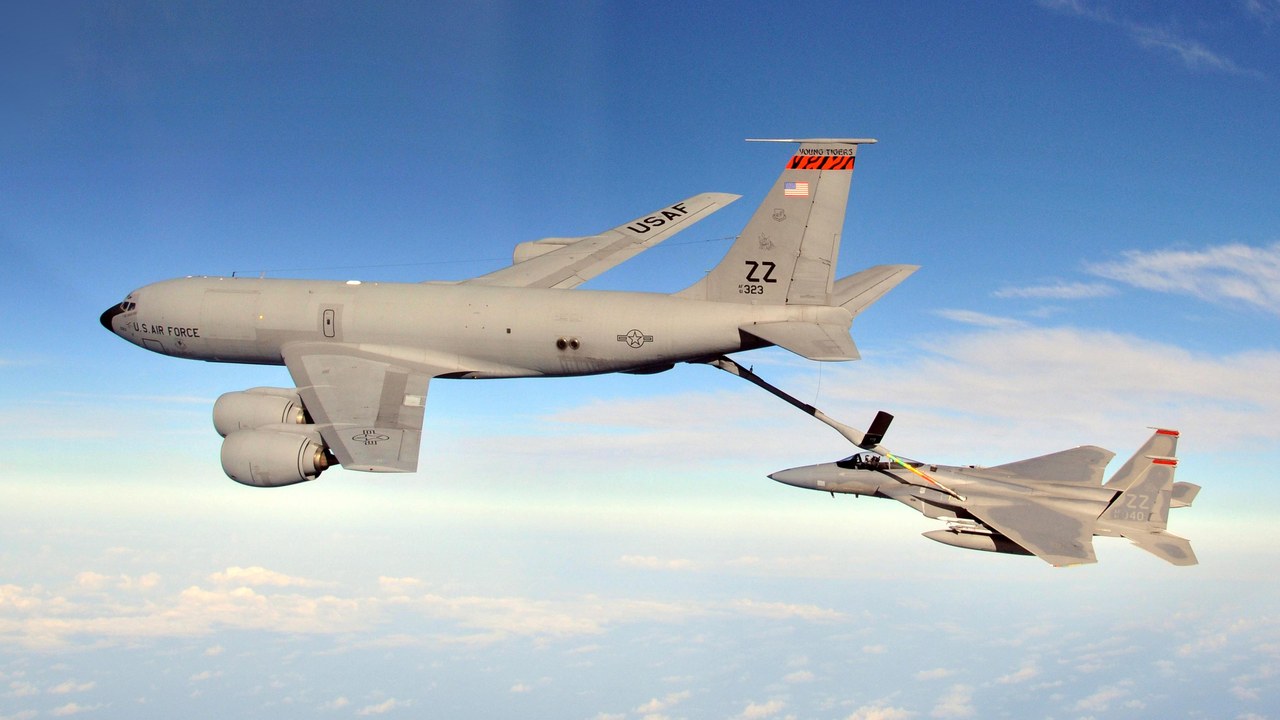
Boeing’s Stratotanker first flew in 1956 and entered service in 1957. The AviationA2Z veteran aircraft overview confirms it is still refueling aircraft today, decades after the first airframes arrived.
A tanker rarely draws the attention given to fighters or bombers, but air operations depend on it. The detail that matters is simple: the aircraft is still working, and that is the real test of a durable design. Its continued duty shows how a plain, well-matched design can remain useful while the aircraft it supports change around it.
4. Lockheed U-2: Spy Plane Above 70,000 Feet
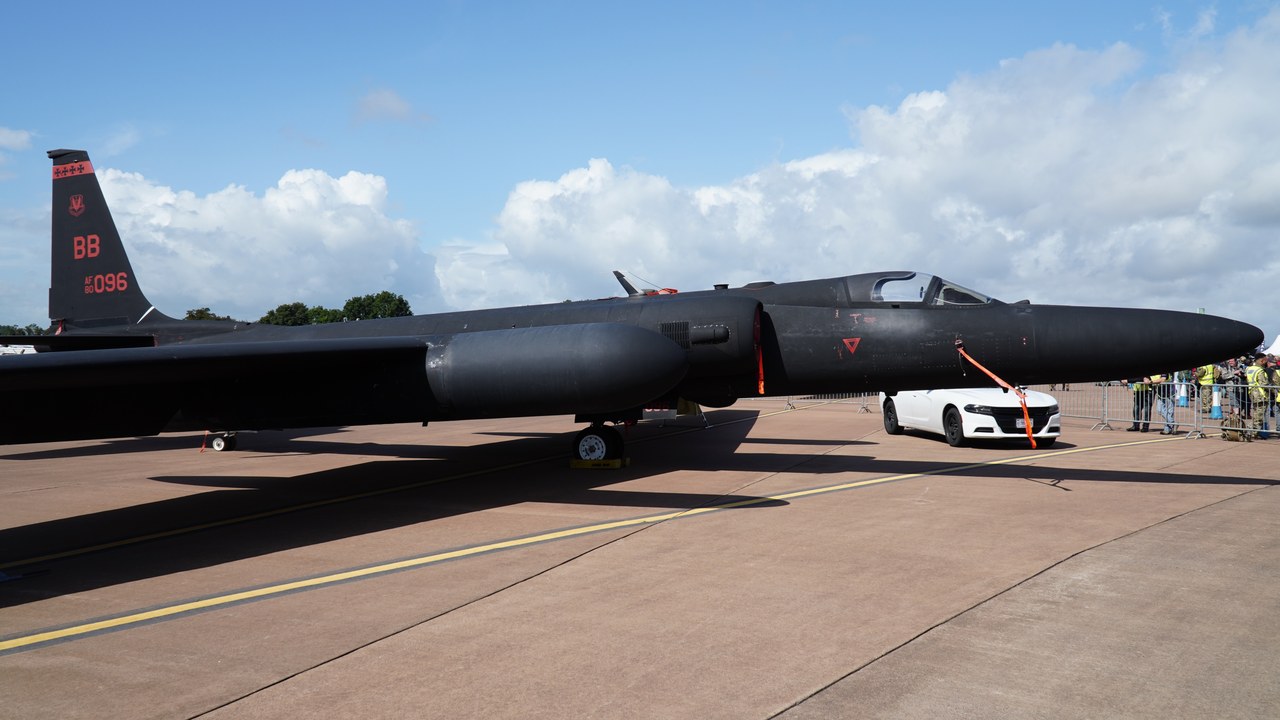
The U-2 has been in service since 1955. According to SlashGear’s aircraft roundup, the spy plane still operates at 70,000 feet after many upgrades, a working altitude that sets it apart from nearly everything else in the air.
Repeated upgrades explain how a design this old stays in use. The airframe provides the high-altitude platform, while improvements keep the mission relevant, so age alone says little about capability in this case.
5. Boeing 737-200: Veteran Airliner in Canadian Service
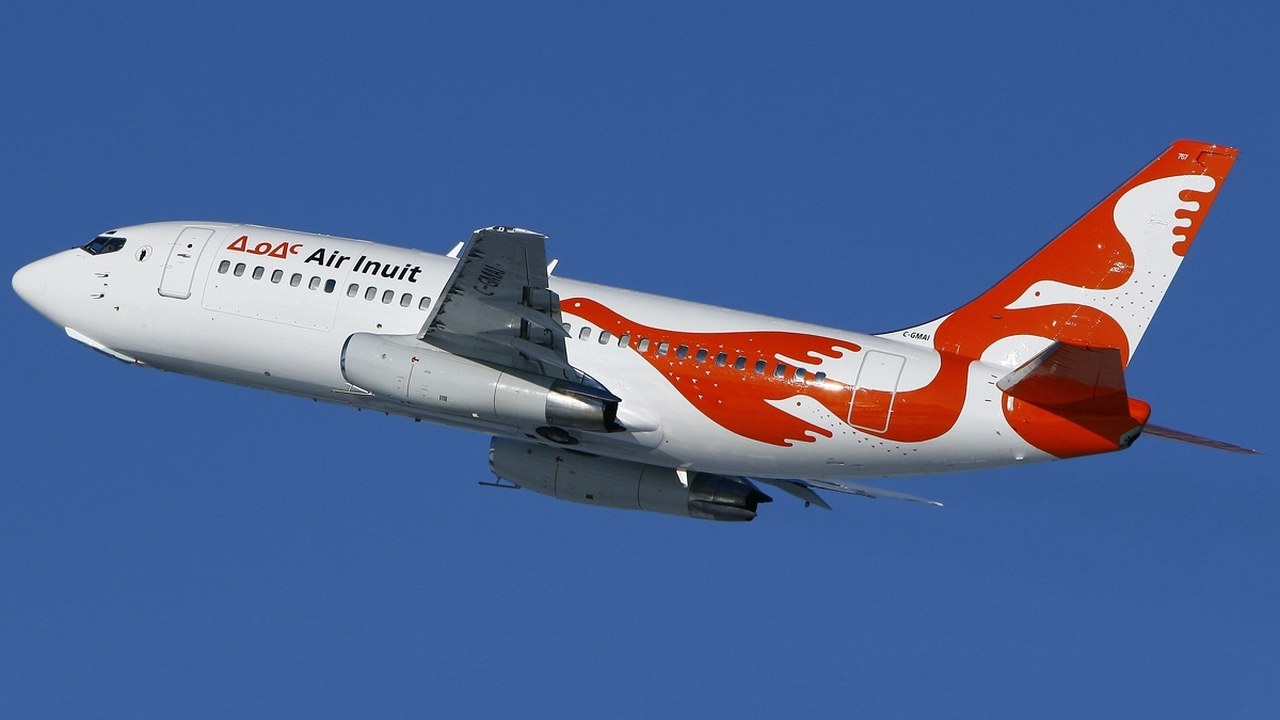
The 737 family has been in production since 1967. A SlashGear piece on old aircraft reports that a Canadian airline still flies 737-200s, one produced in 1974 and the other in 1975, so the early version remains in regular use.
Two jets of that age flying for a commercial operator are a notable sight in modern air travel. They stand as living examples of a design lineage that is still being built more than half a century after it began.
6. Boeing 747: The Oldest Jumbo in the Air
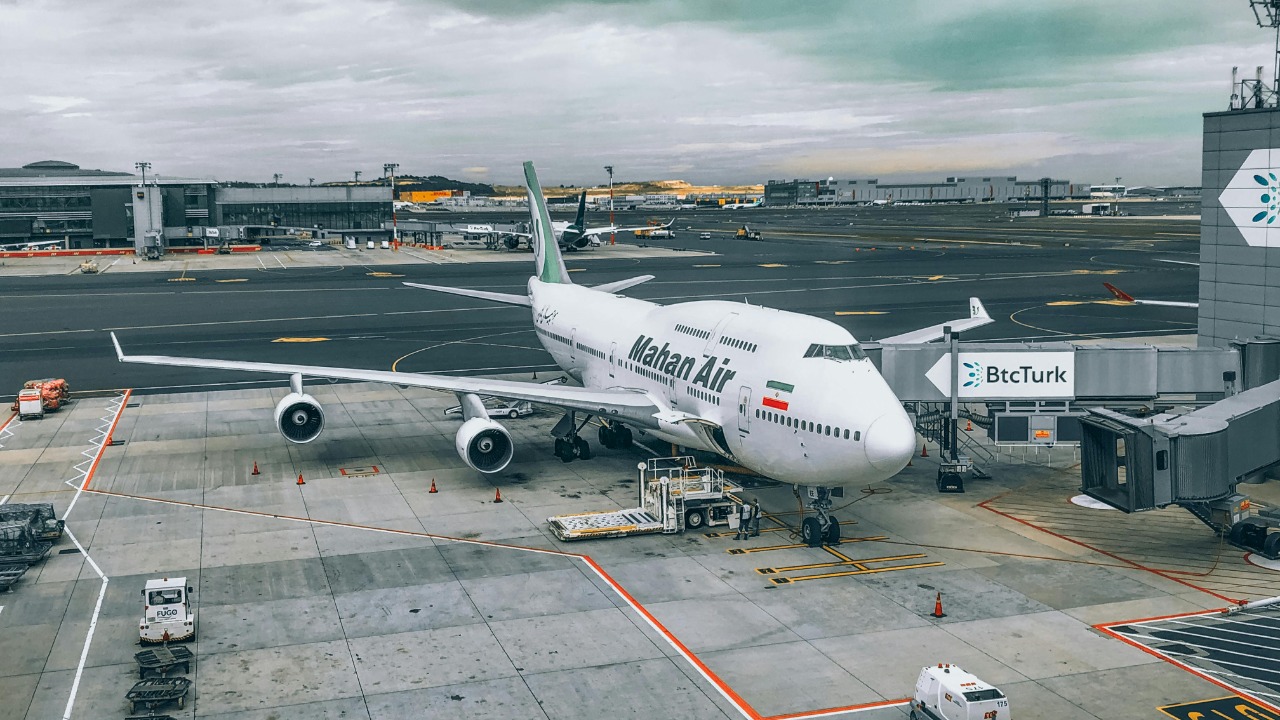
The oldest 747 still in service is a 747-200 built in 1976 and flown by the Iranian Air Force. The SlashGear survey of aging aircraft singles it out for that distinction, calling it the oldest example of the type still operating.
The jumbo jet is remembered as an airline icon, yet this survivor is a military operator’s aircraft. Its longevity is a reminder that large airframes can stay useful long after the commercial market moves on to newer designs.
7. Boeing CH-47 Chinook: Twin Rotors, Still Turning
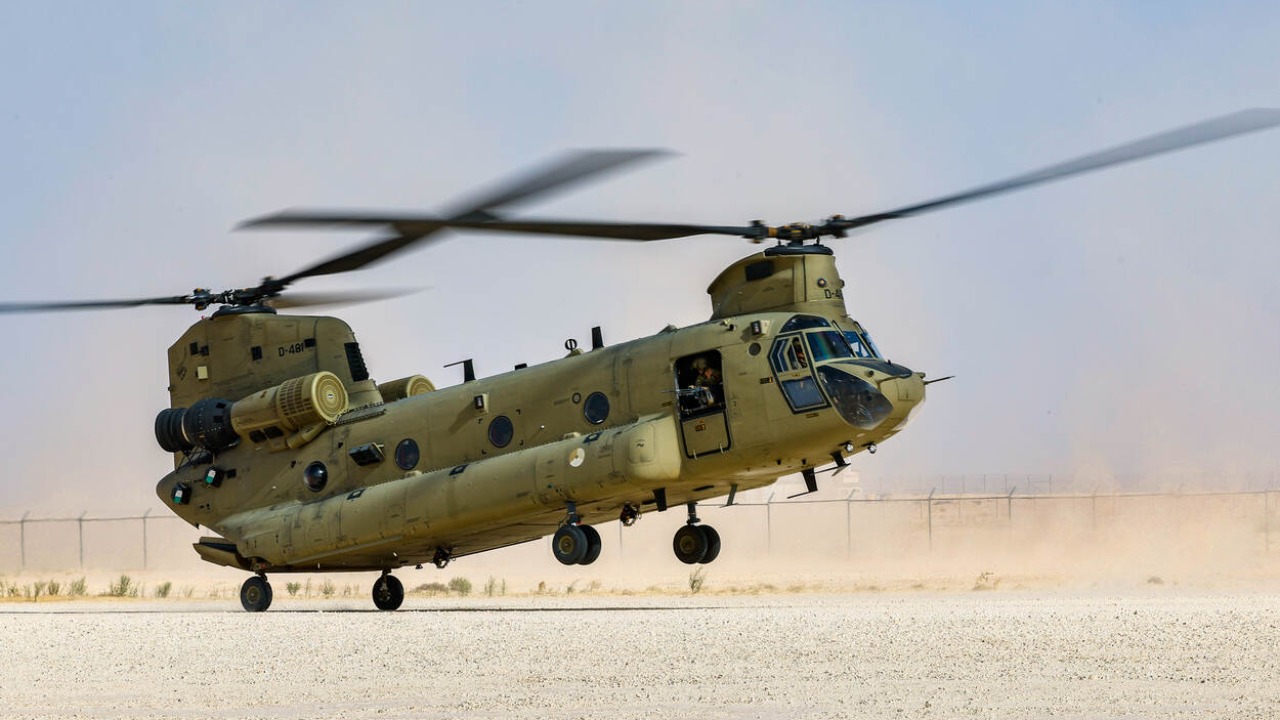
The Chinook first flew in 1961 and has been in Army service since 1962. The AviationA2Z veteran aircraft list notes the twin-rotor helicopter is still flying, a run of service that few rotorcraft can match.
A tandem-rotor layout has proved durable enough to keep the type in demand across generations. For anyone studying long-lived designs, the Chinook shows that a clear mission and a sound configuration can matter more than novelty.
8. Lockheed C-5 Galaxy: The Air Force’s Biggest Airframe
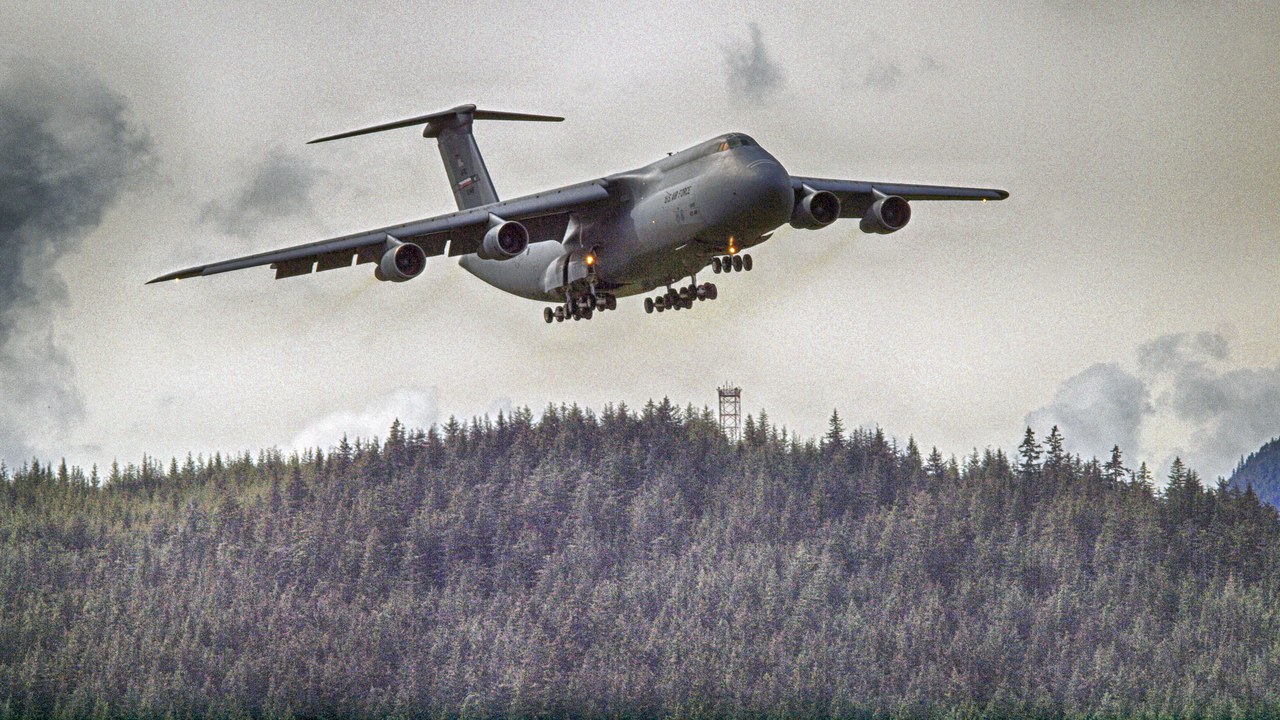
The C-5 Galaxy remains the largest aircraft in the Air Force inventory, according to the Air Mobility Command fact sheet. It measures 247 ft 10 in long, with a wingspan of 222 ft 9 in and a maximum takeoff weight of 840,000 lb.
Those dimensions explain why the Galaxy and its C-5M Super Galaxy upgrade remain central to heavy airlift. Nothing else in the inventory matches its size, so keeping it flying preserves a capability that cannot easily be replaced.
9. Cessna 172: Built by the Tens of Thousands
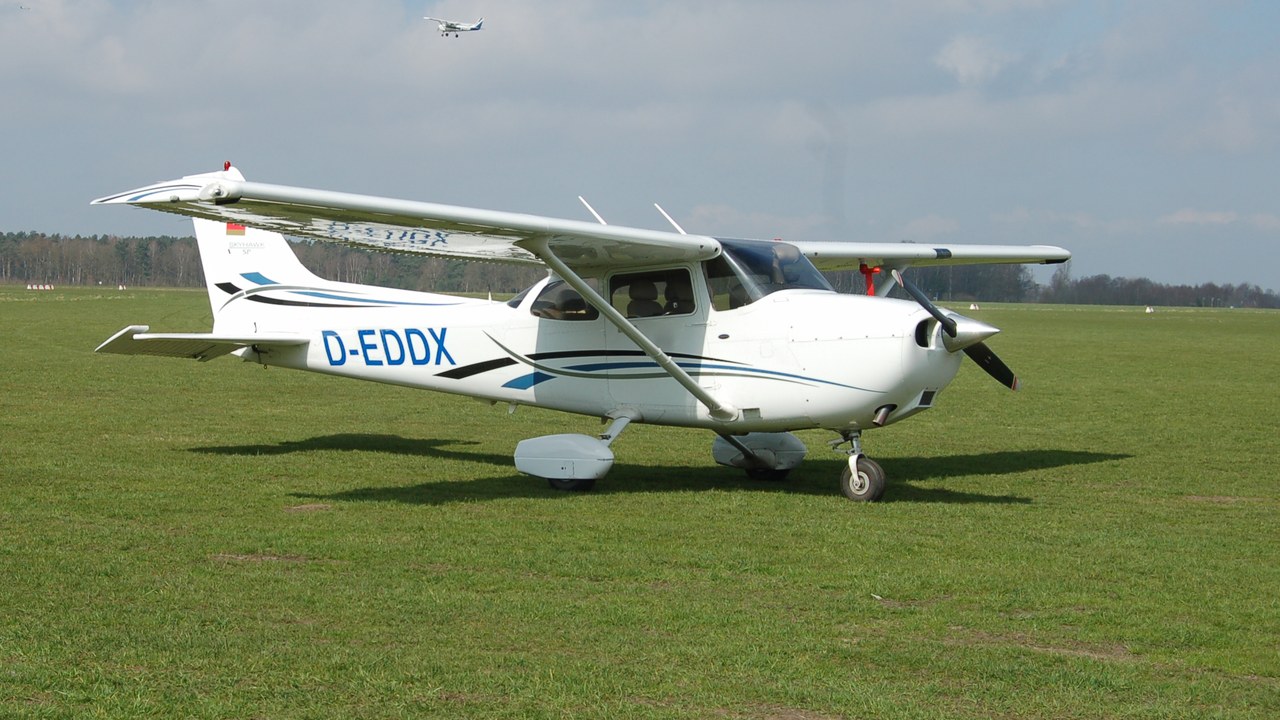
More than 44,000 Cessna 172s have been built, according to AeroCorner’s production ranking, which places the Skyhawk among the most-produced aircraft ever. The number reflects how widely the design has been adopted.
Scale of that kind keeps parts, instructors and experience plentiful. A design built in such numbers is easy to find for rent or purchase, and that availability is a large part of why it remains a common sight at airfields.
10. Bell 206 JetRanger: Helicopter Built by the Thousands
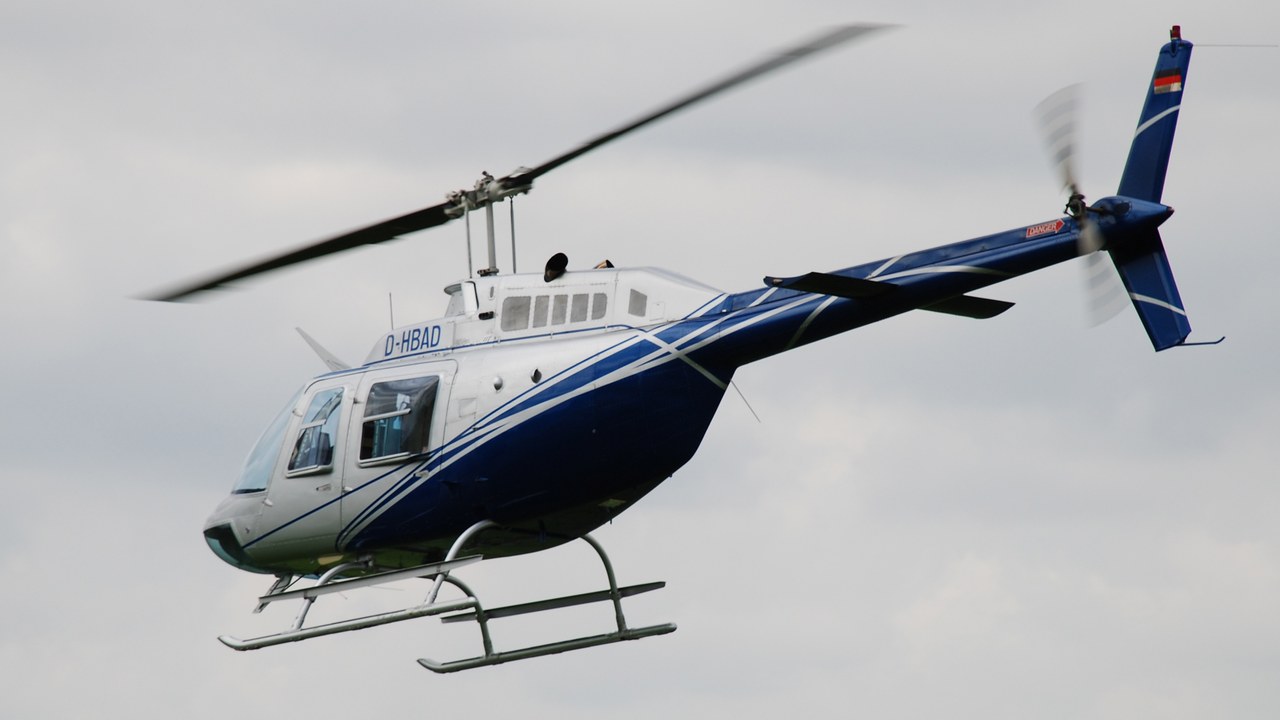
Wikipedia’s production list credits the Bell 206 with more than 7,340 units, making the list of most-produced aircraft a useful reference for how widely the helicopter spread. Few rotorcraft have reached numbers like that.
A fleet that large means the JetRanger has a long tail of operators and support. It stands as proof that a light helicopter, produced steadily, can become a fixture of the skies for many years, and the production total is the clearest measure of that success.
11. Douglas C-47 Skytrain (DC-3): Lead Aircraft on D-Day
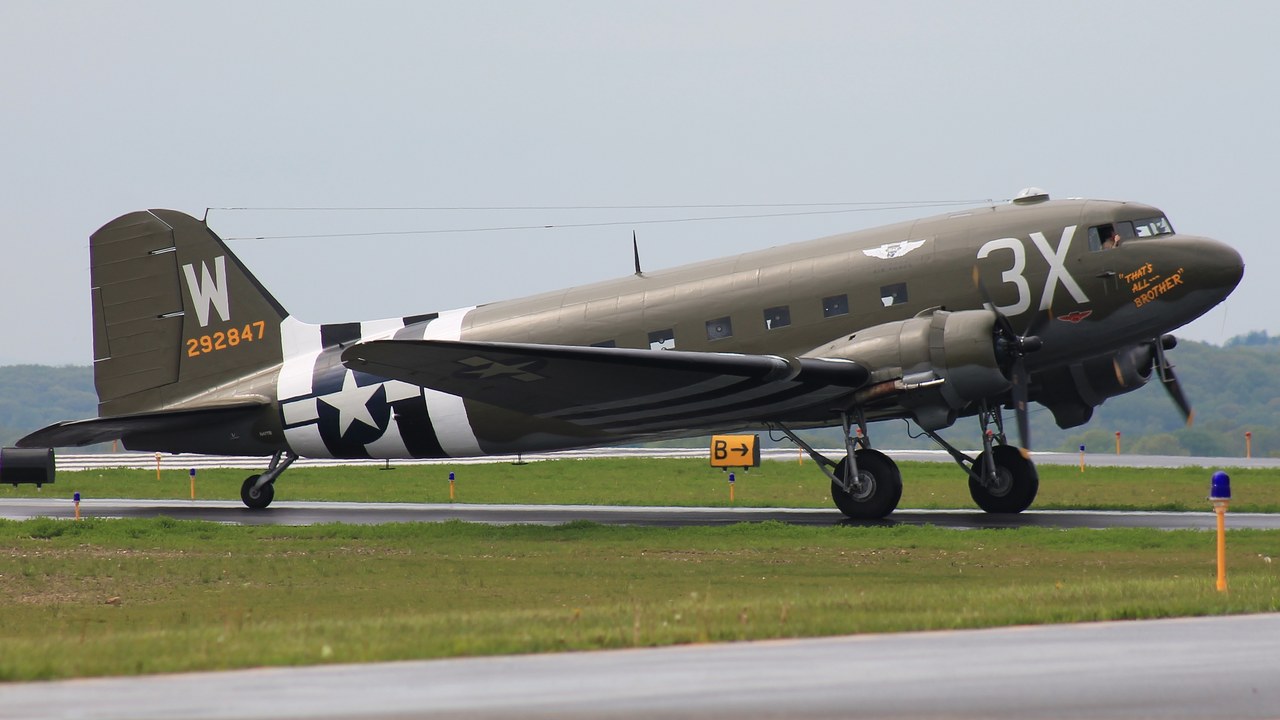
More than 10,000 military C-47s were constructed for the United States, as Bolt Flight’s survivor report notes. One of them served as the lead C-47 in the D-Day airborne assault and is still flying today.
Seeing a wartime transport in the air connects a modern audience directly to events from 1944. Survivors like this, flown by civilian owners, keep the Skytrain, better known as the DC-3, visible long after production ended.
12. Northrop T-38 Talon: The Supersonic Trainer
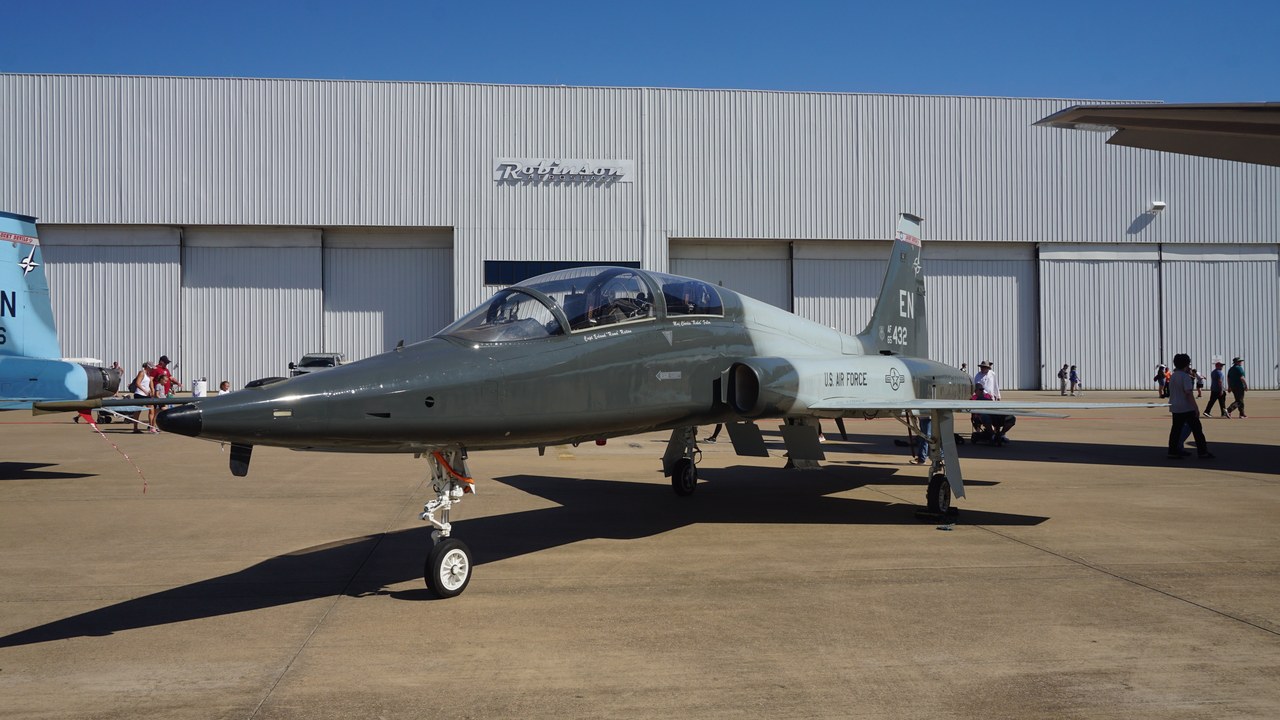
The Talon first flew in 1959 as the world’s first supersonic trainer and entered service in 1961. The AviationA2Z veteran aircraft rundown confirms that it still trains pilots, long after most designs of its generation retired.
A trainer has to stay dependable and affordable to operate, and the T-38’s record suggests it has done both. Its continued role shows how a well-conceived design can educate generation after generation of aviators.
Tech news in one quick read: Subscribe to TLDR →
We may earn a commission if you sign up.
More from Morning Overview
- Regulators cleared the first U.S. small modular reactor, 4 months early
- Lake Powell sank to a record 3,517 feet, nearing the level that stops Glen Canyon Dam’s turbines
- Seven of Earth’s nine planetary boundaries are breached, and all seven are worsening
- The NSA says three phone features should be off whenever you aren’t using them
