
Small cars with oversized engines have a long history, and each generation found new ways to make a compact body feel quick. This list runs from the 1980s hatchbacks that set the template to recent turbocharged models. Here are eleven pocket rockets that earned their reputations.
Tech news in one quick read: Get the most interesting stories in startups, tech and programming, each with a short TLDR, in one daily email from TLDR.
We may earn a commission if you sign up.
1. Dodge Neon SRT-4: Detroit’s Turbocharged Answer
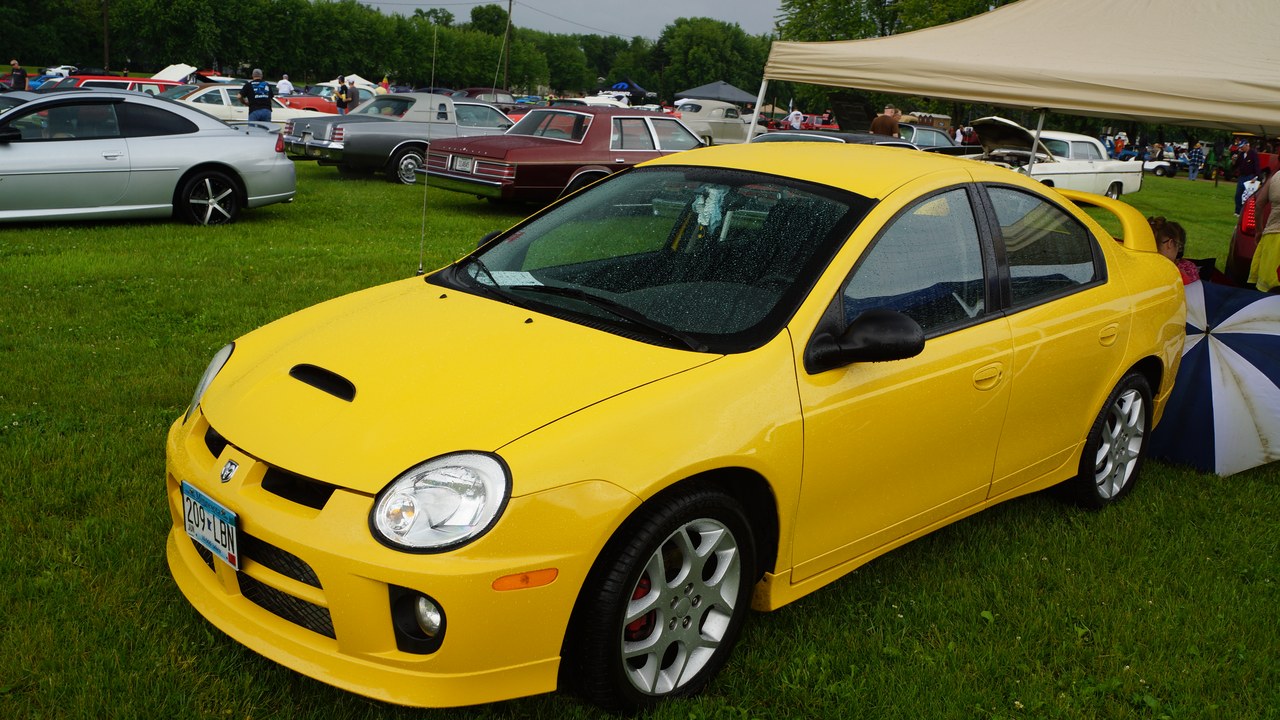
Dodge built the turbocharged Neon SRT-4 for the 2003 through 2005 model years, rating its 2.4-liter turbocharged inline-four at 230 horsepower, with 250 lb-ft of torque quoted between 2,400 and 4,400 rpm on the 2004 and 2005 cars.
That output arrived in a cheap compact sedan rather than a sports car, which is why independent testing of the era kept recording wheel figures close to the factory rating. Owners looking at one now weigh the cost of a hard-used turbocharged engine against how quick the car still feels.
2. Dodge Omni GLH: Goes Like Hell
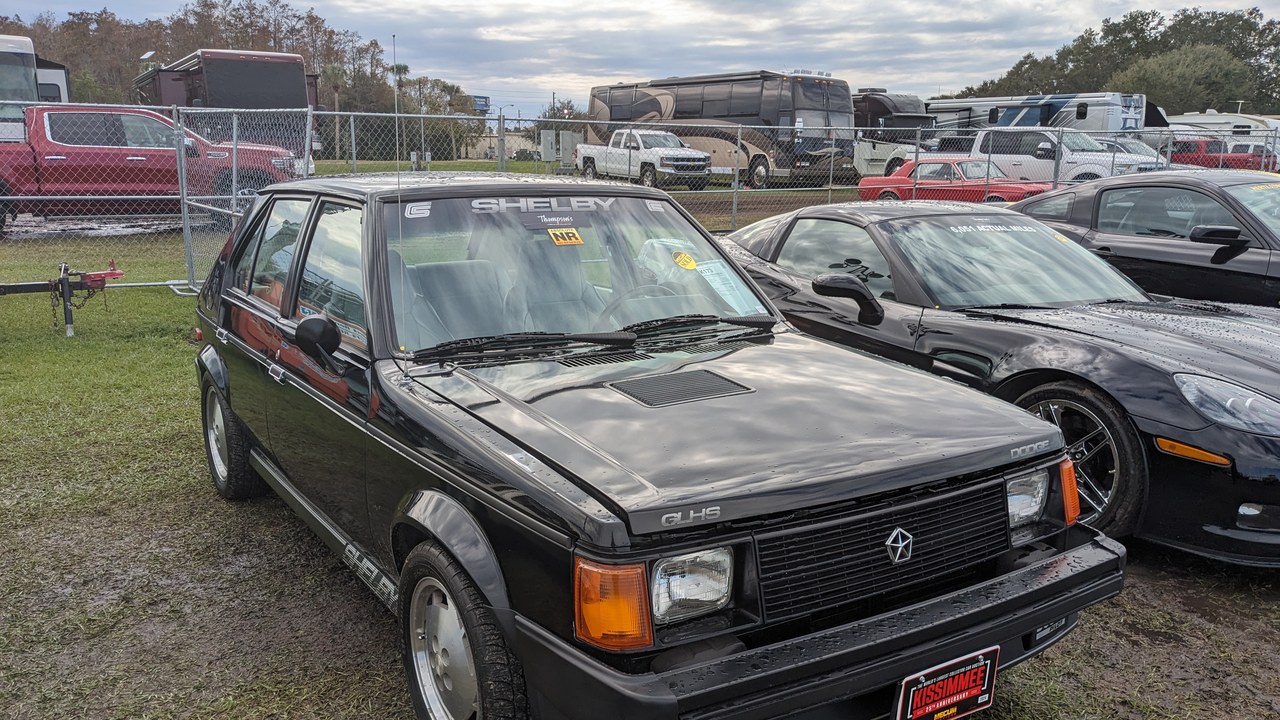
The GLH badge stood for Goes Like Hell, and a turbocharged Dodge Omni made 146 hp, as SlashGear’s Omni GLHS story explains. A Shelby version reached 176 hp, and only 500 were built in 1986, its sole year of production.
Those outputs are modest by present standards, yet in a small front-drive hatchback they were enough to earn the nickname. The tiny Shelby run makes the car a rarity among enthusiasts.
3. Honda CRX Si: Light Weight, Modest Power
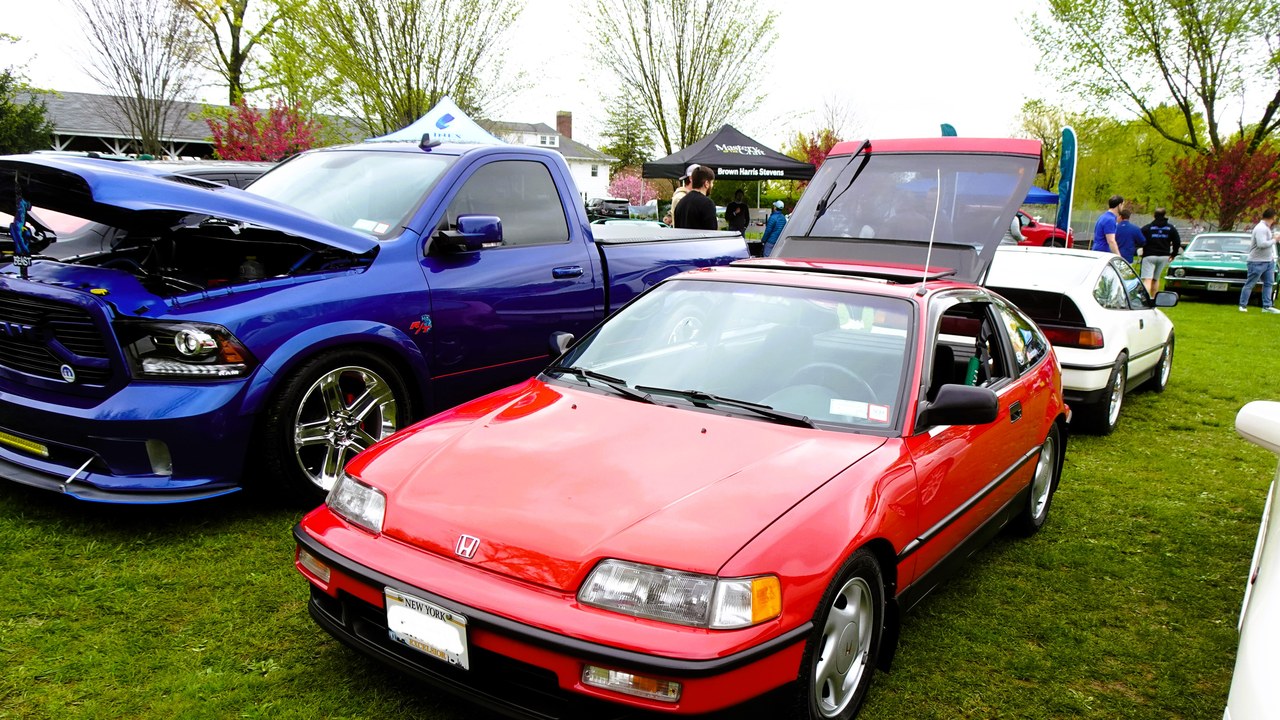
North America’s CRX Si made 108 hp from a 1.6-liter engine in a car of about 2,100 pounds, GearJunkie notes in its best hot hatchbacks guide.
Low weight rather than raw output explains the reputation. The CRX shows that a pocket rocket does not need big power if the car carrying it is small enough, a lesson later hatchbacks kept applying. That recipe is the reason the CRX still draws a following, and clean examples are valued by enthusiasts who prefer a light, direct feel over outright speed.
4. Mazdaspeed3: Torque Up Front
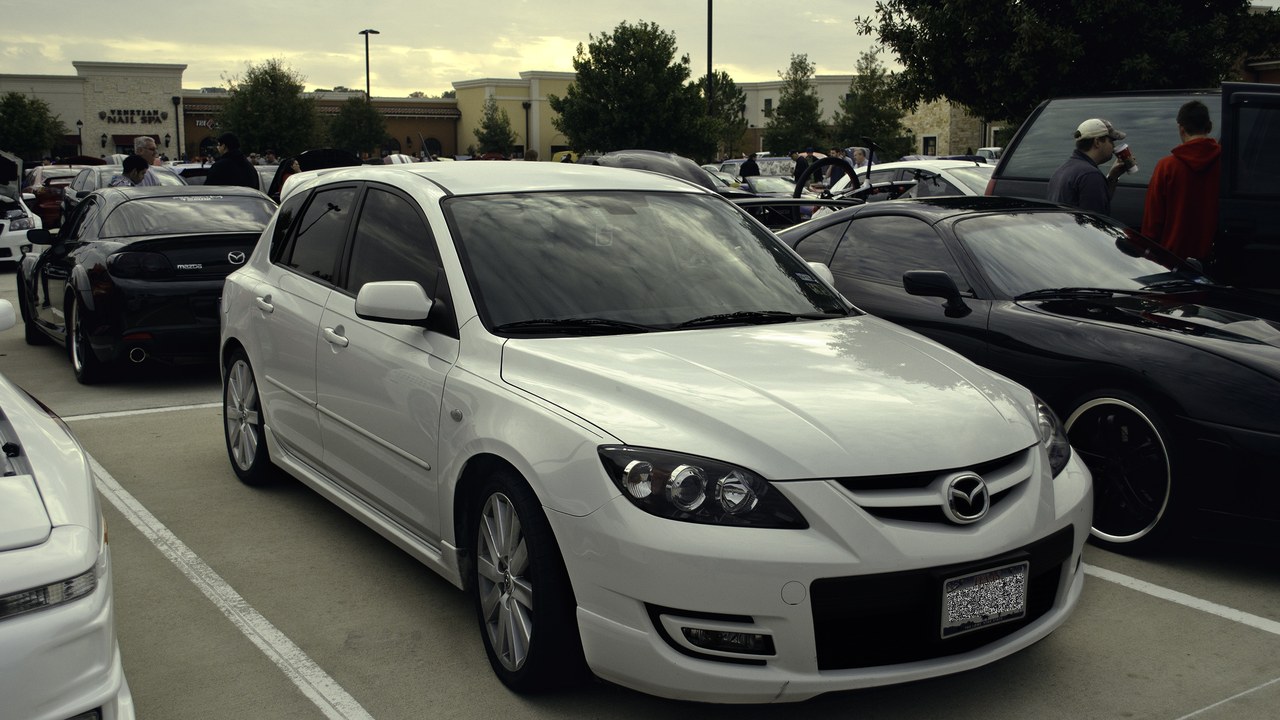
Mazda’s Mazdaspeed3 arrived for the 2007 model year with 263 hp and 280 lb-ft, according to Wikipedia’s Mazdaspeed3 entry. That generation ended after 2013.
Sending that much torque through the front wheels made the car a handful on a wet road, and also made it one of the quicker compacts of its time. Used examples remain popular with enthusiasts. Buyers shopping the used market should look for clean maintenance records, because turbocharged engines driven hard can wear faster than those in the average compact.
5. Ford Fiesta ST: Late to America
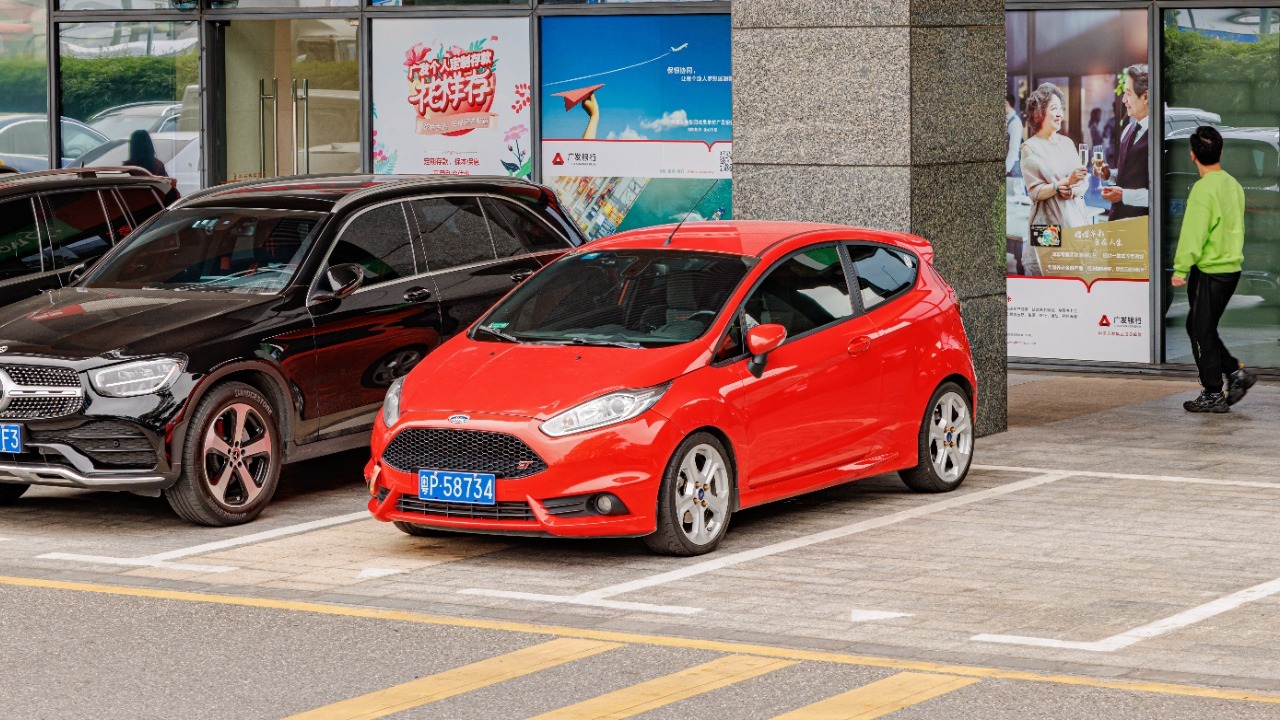
Ford’s Fiesta ST did not reach North America until 2013, when it arrived with 197 hp from a 1.6-liter turbo, per GearJunkie’s hot hatchback roundup.
Europe had enjoyed hot Fiestas for years, so American buyers waited while the car proved itself elsewhere. The wait ended with a small, quick and relatively affordable hatchback. Its arrival gave American hot hatch fans a fresh and relatively affordable choice. The car also showed that a small turbocharged engine in a light body could rival much larger cars for fun.
6. Hyundai Veloster N: First N in North America
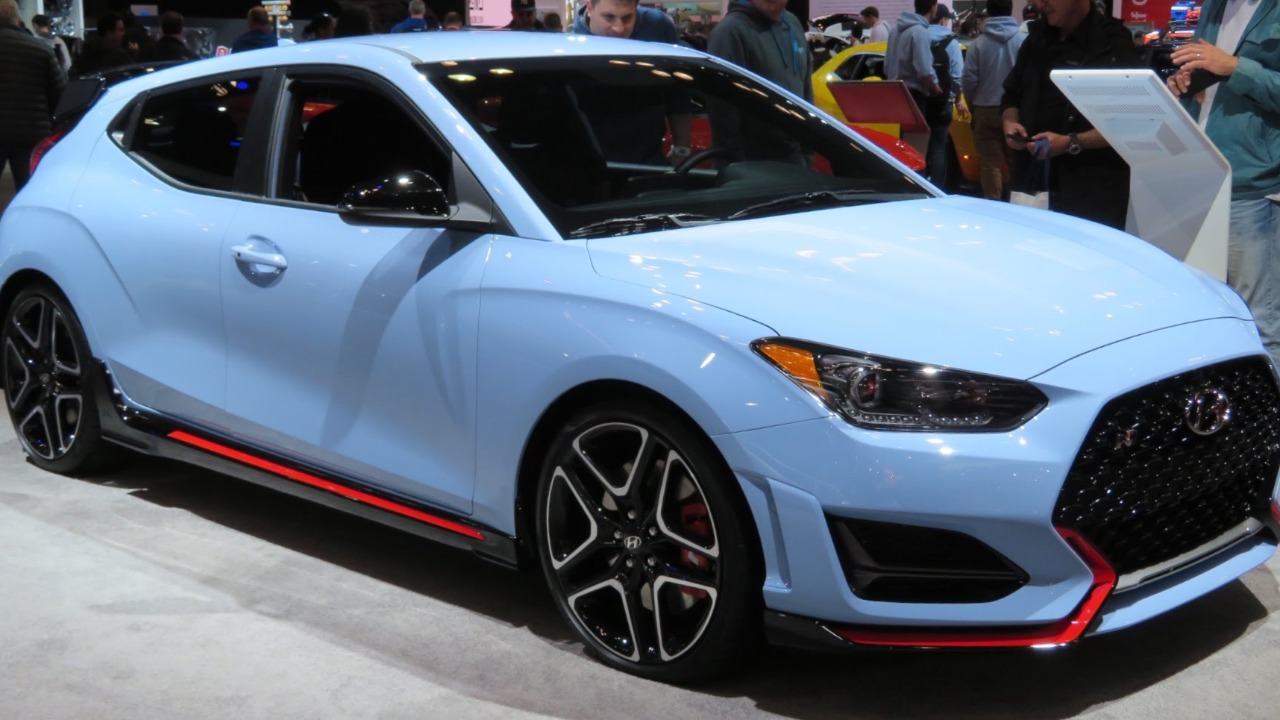
Released in 2019, the Hyundai Veloster N was the first N model sold in North America, with up to 275 hp claimed, Wikipedia’s Veloster article states.
The car signaled that a mainstream Korean brand wanted a place among established performance hatchbacks. Its asymmetrical three-door shape also set it apart from the usual compact. Hyundai’s N division was a newcomer to American buyers then, and the Veloster N gave the badge its first chance to prove itself. That history makes the car a landmark for the brand.
7. Ford Focus RS: Rally Power Arrives

North America got the Ford Focus RS only in 2016, when it came with 350 hp and all-wheel drive, GearJunkie’s hot hatch rundown says.
All-wheel drive and that much output took the pocket rocket idea well past the sub-200 hp cars before it. Buyers on this side of the Atlantic had to wait for it. The wait for a North American version made its arrival feel like an event for enthusiasts, and the car became a benchmark for others in the class.
8. Honda Civic Type R: Rated 7.5 at $47,395
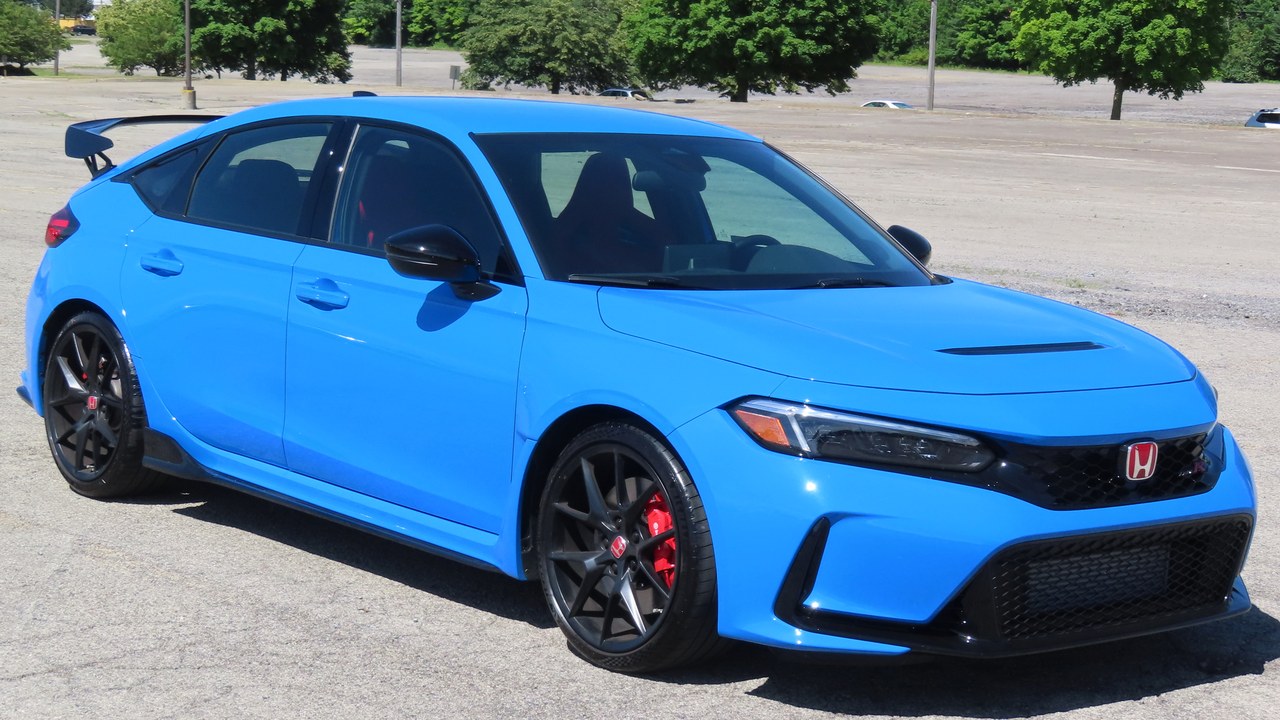
Edmunds rates the Civic Type R 7.5 out of 10 at $47,395, per Edmunds’ hatchback rankings.
The price shows how far the pocket rocket idea has moved from the affordable hatchbacks that began it, though the Type R keeps the front-drive hatchback formula alive. The rating is respectable rather than perfect. Any buyer should budget for insurance and maintenance on top of the sticker, since high-performance front-drive cars tend to be harder on tires and brakes than ordinary compacts.
9. Toyota GR Corolla: From Rally Special to Showroom
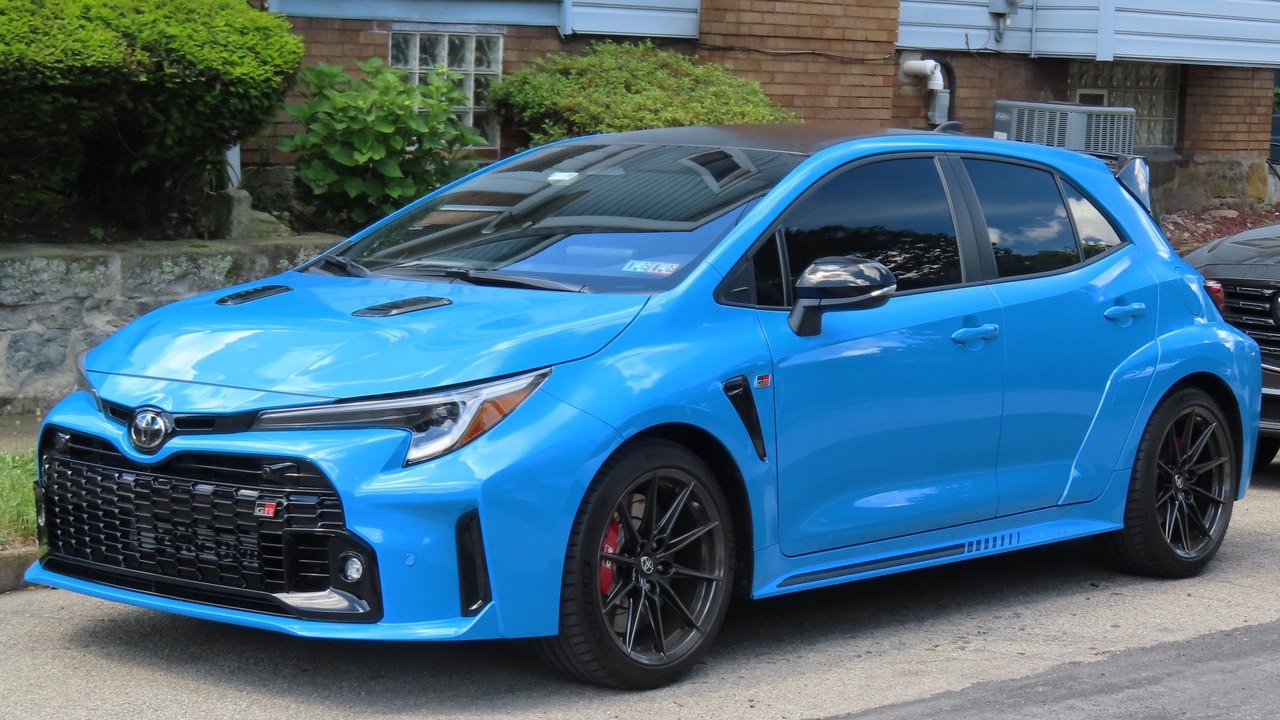
Kelley Blue Book lists the 2026 GR Corolla at $41,115 in its cheapest sports cars ranking.
Placement in a sports-car price ranking frames the GR Corolla as a performance bargain rather than an economy hatchback. For buyers who want a small car with serious ability, the price is the headline. Pricing is only part of the story, since an enthusiast-focused car asks for tradeoffs in ride comfort and daily usability compared with an ordinary Corolla. Insurance and tire costs add to the total.
10. Volkswagen Golf R: Four-Second Sprint
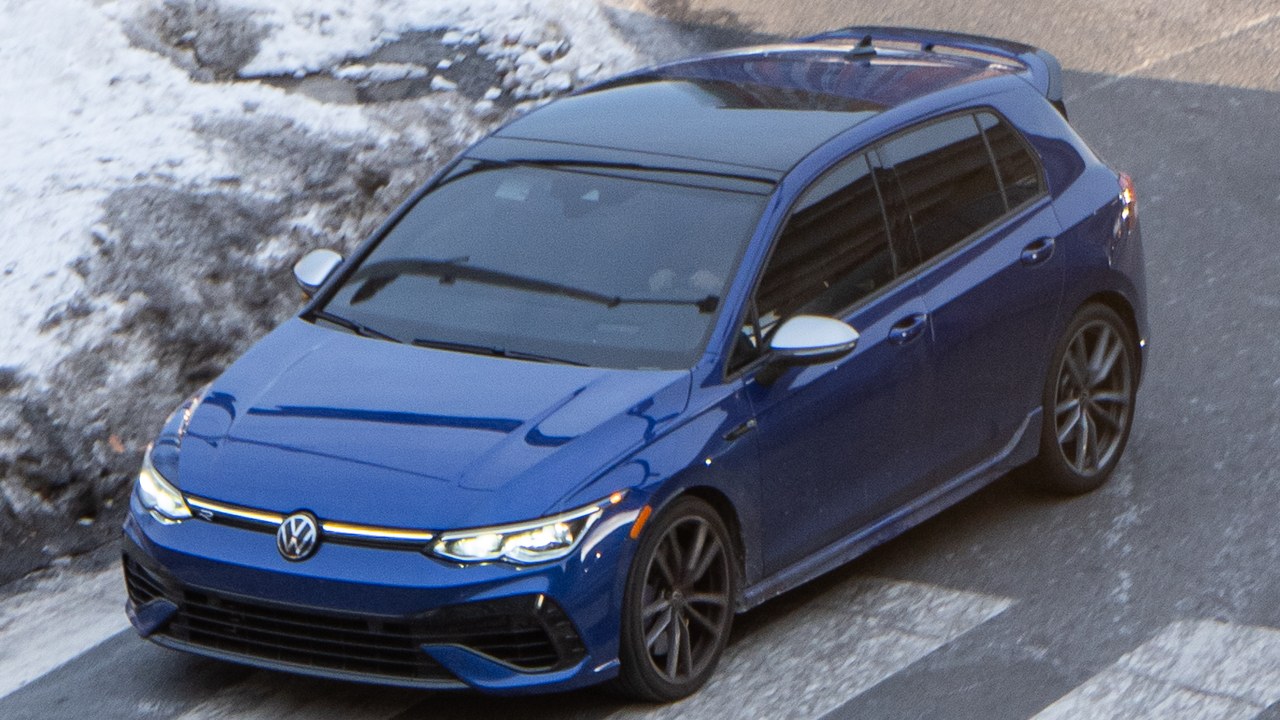
Volkswagen’s Golf R makes 328 hp and reaches 60 mph in 4.1 seconds, according to a Team Gillman VW blog post. The Golf R made Car and Driver’s 10Best list for the fifth time in 2026.
A time like that would have embarrassed many sports cars of the pocket rocket’s early years. The repeat 10Best placement suggests the formula still works. The Golf R represents the top of the ladder in this gallery, the point where the pocket rocket idea becomes a genuinely fast car by any standard.
11. MINI Cooper S: Compressor Cooper
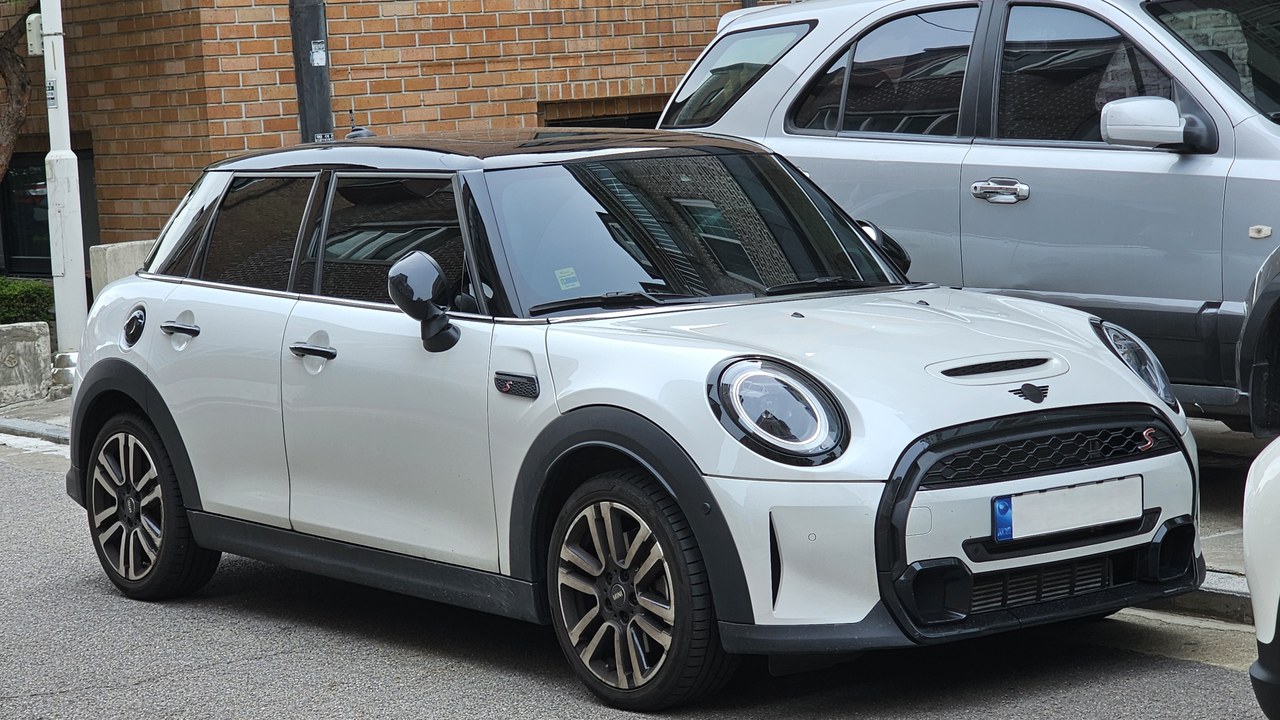
BMW Group’s sixty years of MINI history describes the MINI Cooper S relaunching with a 163 hp compressor engine. KBB lists the 2026 Cooper S at $36,375, with a 6.3-second 0-60 time.
The Cooper S carried the small-car performance idea through a long run, from the original badge to a modern supercharged relaunch. Its figures sit well below the Golf R, but the character is a different pitch. Its numbers are modest, but the Cooper S helped establish that a small car could be fashionable and fun at once.
Tech news in one quick read: Subscribe to TLDR →
We may earn a commission if you sign up.
More from Morning Overview
- Common allergy, bladder and sleep pills tied to sharply higher dementia odds
- NOAA now gives this winter a 75% chance of the strongest El Nino since 1950
- Doctors warn a silent liver disease now affects one in three American adults
- The FBI told the rest of ShinyHunters to surrender after a 24-year-old was arrested
