
Japanese automakers hit a peak in the 1990s, building coupes and roadsters that matched Europe’s best for far less money. Turbochargers, high-revving engines and all-wheel drive arrived in affordable packages that still define the enthusiast scene today. Here are twelve sports cars that show how far the decade pushed performance.
1. Toyota Supra (A80): Turbo Muscle
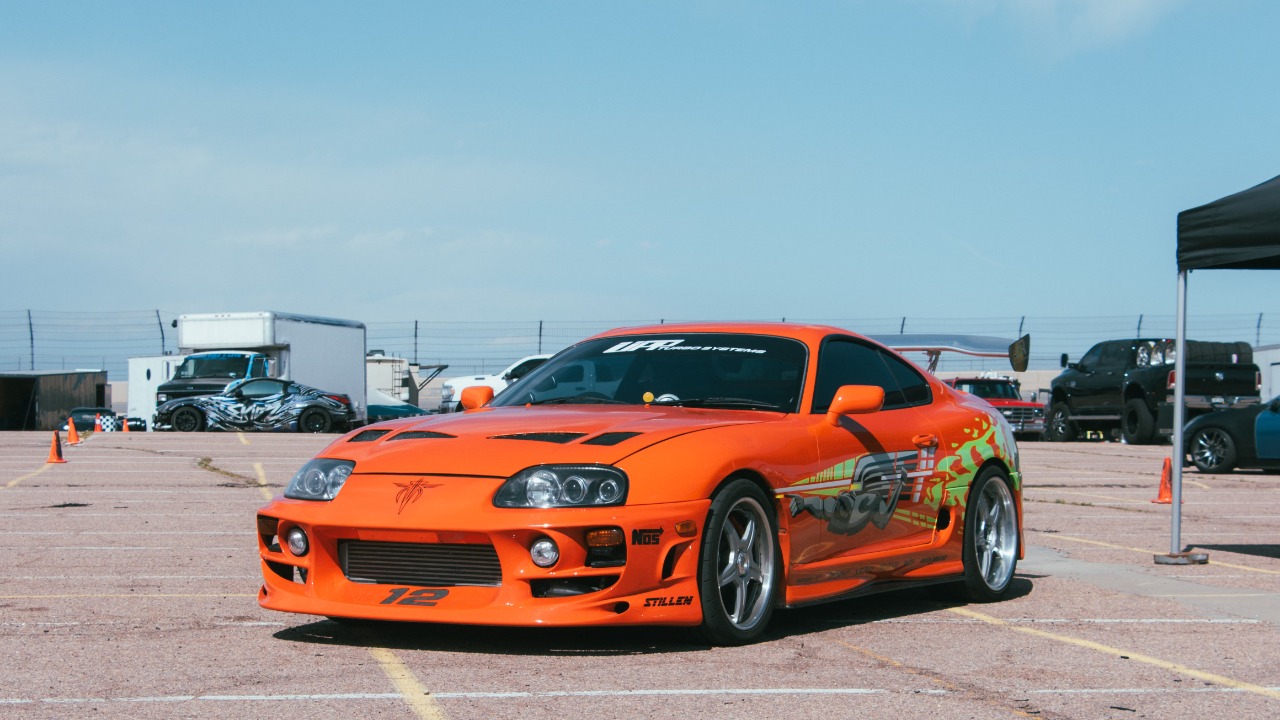
Toyota’s fourth-generation flagship earned its reputation with numbers: the a 320-hp Supra Turbo credited the Supra Turbo with 320 hp and 315 lb-ft of torque, enough to rival far pricier European coupes of the period. Sales of the A80 ended in 1998 in the United States, so the best examples now carry a finite supply.
Buyers hunting a clean turbo car should expect stiff prices and should check for heavy modification, since the platform’s tuning headroom has made stock cars scarce. Documented service history matters more than mileage on an engine this widely tweaked.
2. Nissan 300ZX (Z32): Twin-Turbo Tech
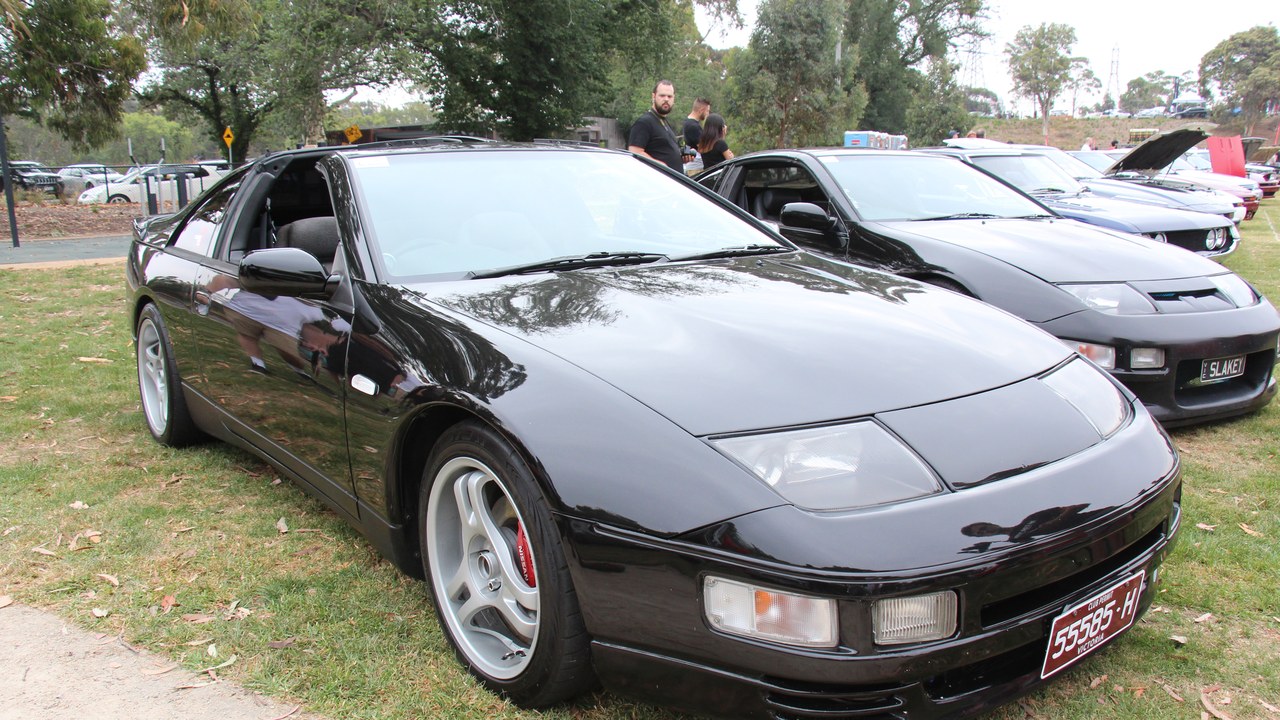
Nissan’s Z32 answered with a 320-hp twin-turbo V6, and the its twin-turbo model also notes available T-tops and a sticker price that approached $40,000. That put the car in direct competition with imported exotics, not just fellow Japanese coupes.
Ownership today hinges on condition: the tightly packaged engine bay makes even routine maintenance labor-intensive. Shoppers should favor cars with records of timing-belt and cooling-system work, which repay the effort when the twin-turbo car is healthy.
3. Mitsubishi 3000GT: All-Wheel-Drive Ambition
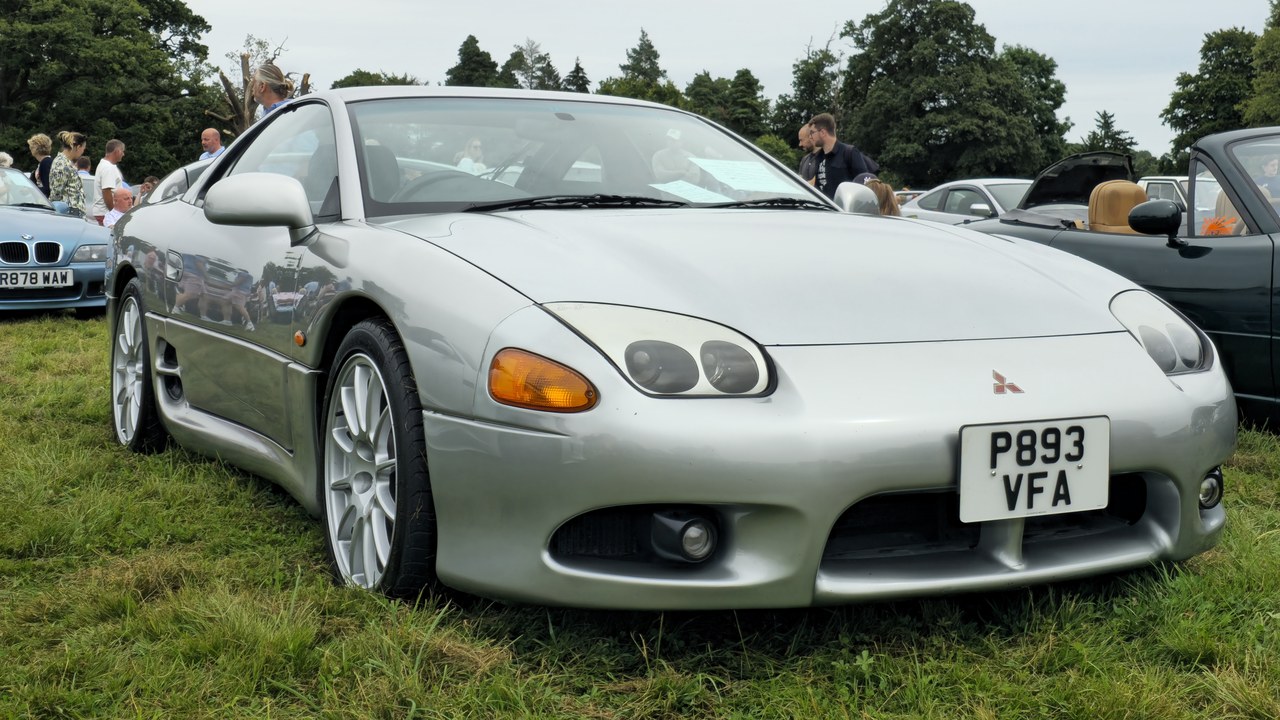
Mitsubishi loaded its flagship coupe with technology, and the turbo VR4 sent power to all four wheels. According to the the turbo VR4 coupe, a hardtop convertible version sold for nearly $70,000, a staggering price for a Japanese car of the era.
Complexity is the caveat. Active aero, all-wheel drive and electronics add up to repair bills that can outrun the car’s value, so a thorough pre-purchase inspection is essential before taking on a VR4 or the folding-hardtop model.
4. Mazda RX-7 (FD): Rotary Brilliance
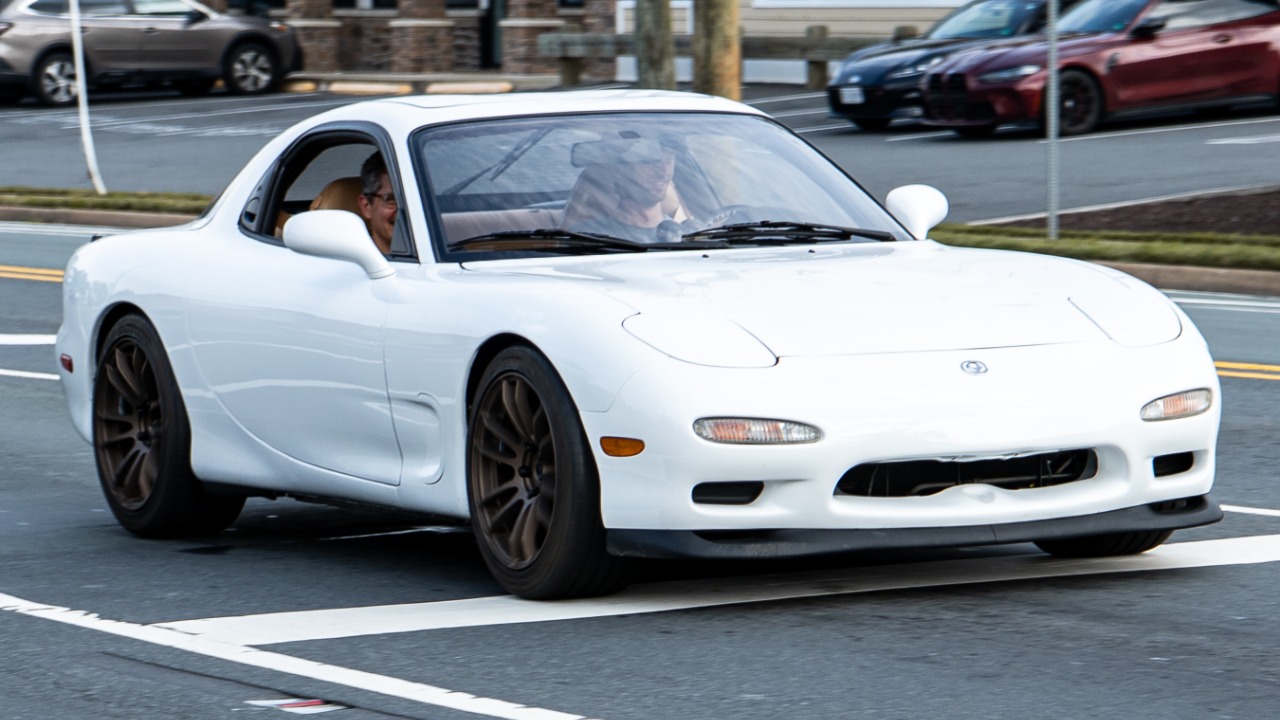
The 1993 to 1995 FD generation of the RX-7 appears in the the FD RX-7 as a showcase for a compact rotary engine. The same engine carried a well-known weakness: its apex seals, the tips that keep combustion pressure sealed against the housing.
Seal wear is the central ownership risk, and a rebuild can be costly. Prospective owners should seek a compression test and proof of careful warm-ups before paying for one of these low, light and exceptionally balanced coupes.
5. Acura Integra Type R: Screaming VTEC
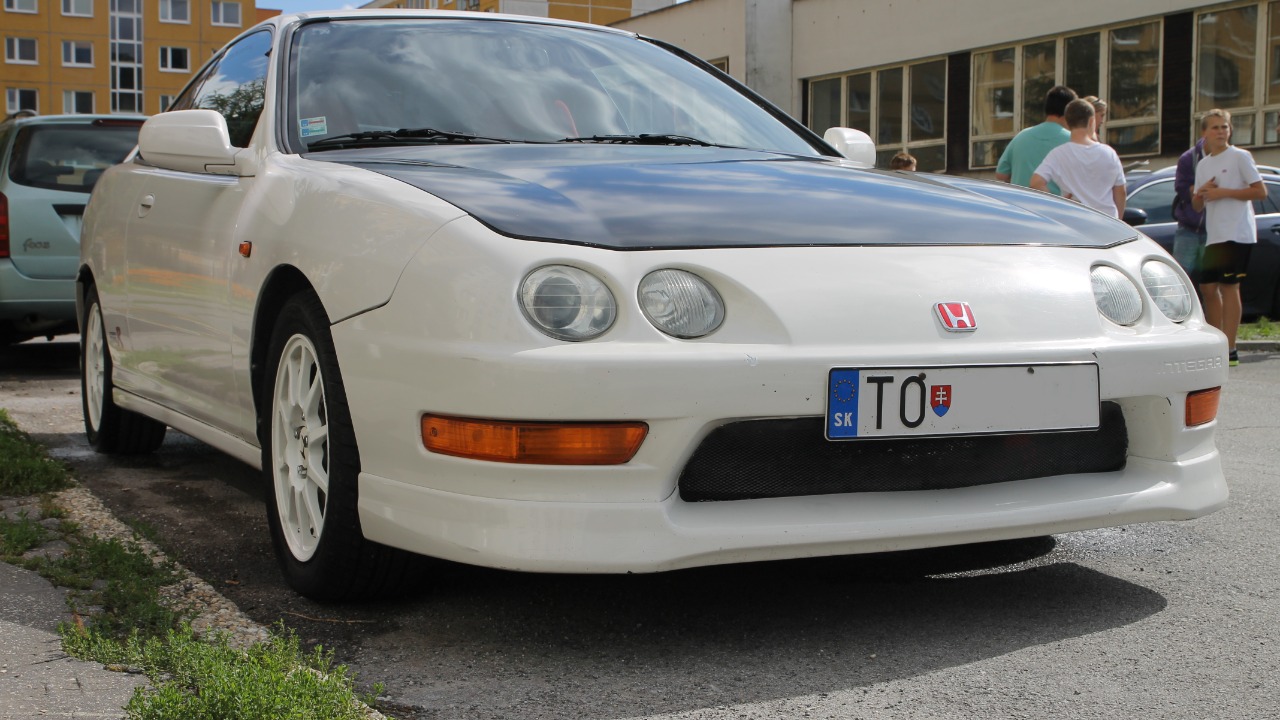
Honda’s most focused front-driver pulled 195 hp from a 1.8-liter four-cylinder, and the a screaming 1.8-liter four points to a redline that could scream to 8,400 rpm. That output per liter was extraordinary for a naturally aspirated road engine in the 1990s.
The Type R rewards drivers who enjoy revving an engine hard and punishes anyone expecting comfort. Clean, unmodified cars have become hard to find, and many were driven hard, so original paint and honest records carry a premium.
6. Mazda MX-5 Miata: Lightweight Fun
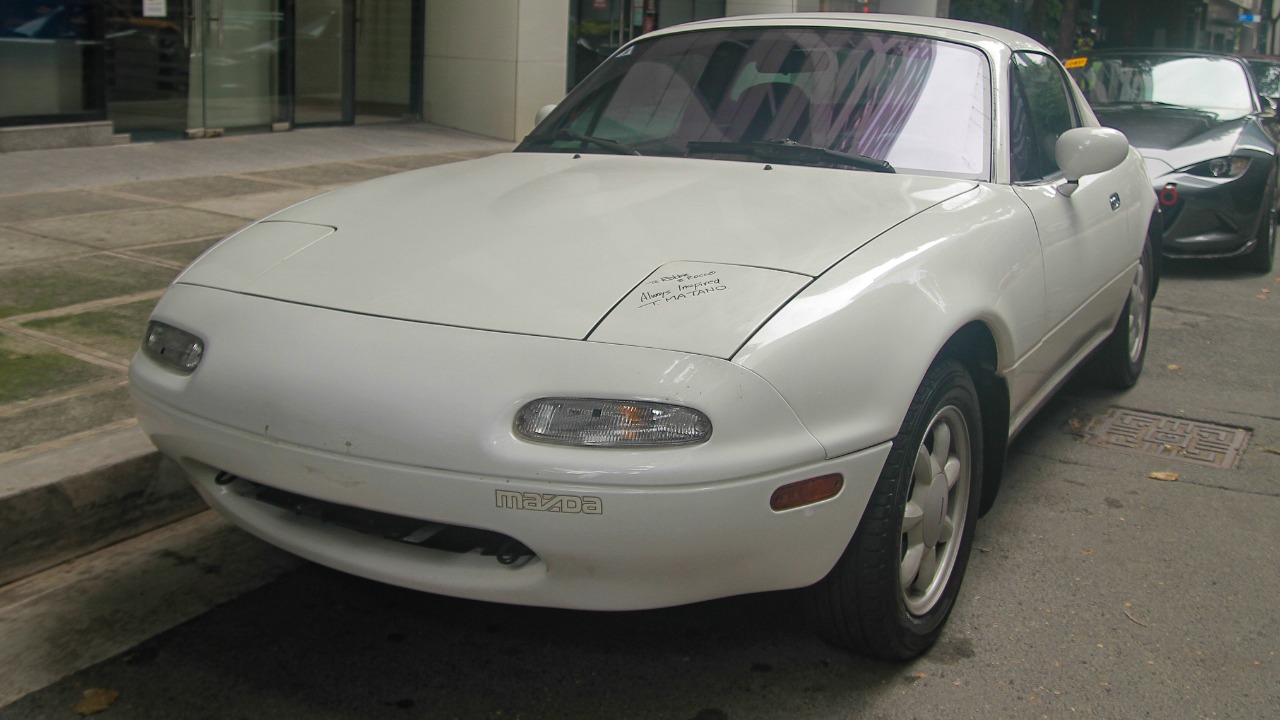
Mazda’s roadster launched with a 116-hp 1.6-liter four, which sounds modest until the the original Miata puts the car’s weight under 2,100 lbs into context. Light weight, rear-wheel drive and a short-throw gearbox gave the NA Miata a charm out of proportion to its power.
The formula made it affordable fun, and it remains one of the easiest classic sports cars to own. Rust around the sills and wheel arches is the usual trouble, so inspecting the underside matters more than checking the engine.
7. Toyota MR2 (second generation): Mid-Engine Value
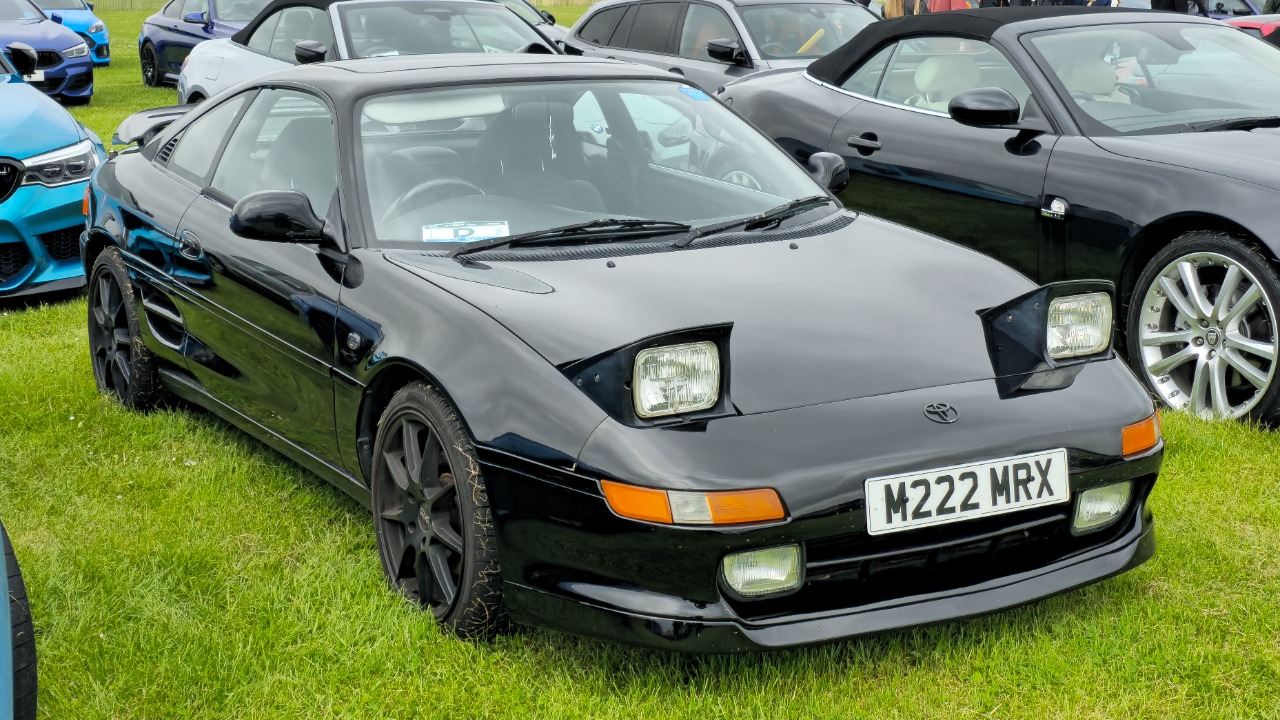
Toyota redesigned its mid-engine two-seater for 1990, and the the second-generation Turbo lists a 200-hp Turbo version capable of reaching 60 mph in around six seconds. The second-generation styling borrowed heavily from supercar themes at a fraction of the cost.
Handling can bite drivers who lift off mid-corner, a trait that earned the earlier cars a skittish reputation. Careful tire choices and sorted suspension help, and the turbo cars have become the sought-after versions among collectors.
8. Mitsubishi Eclipse: Turbo Coupe
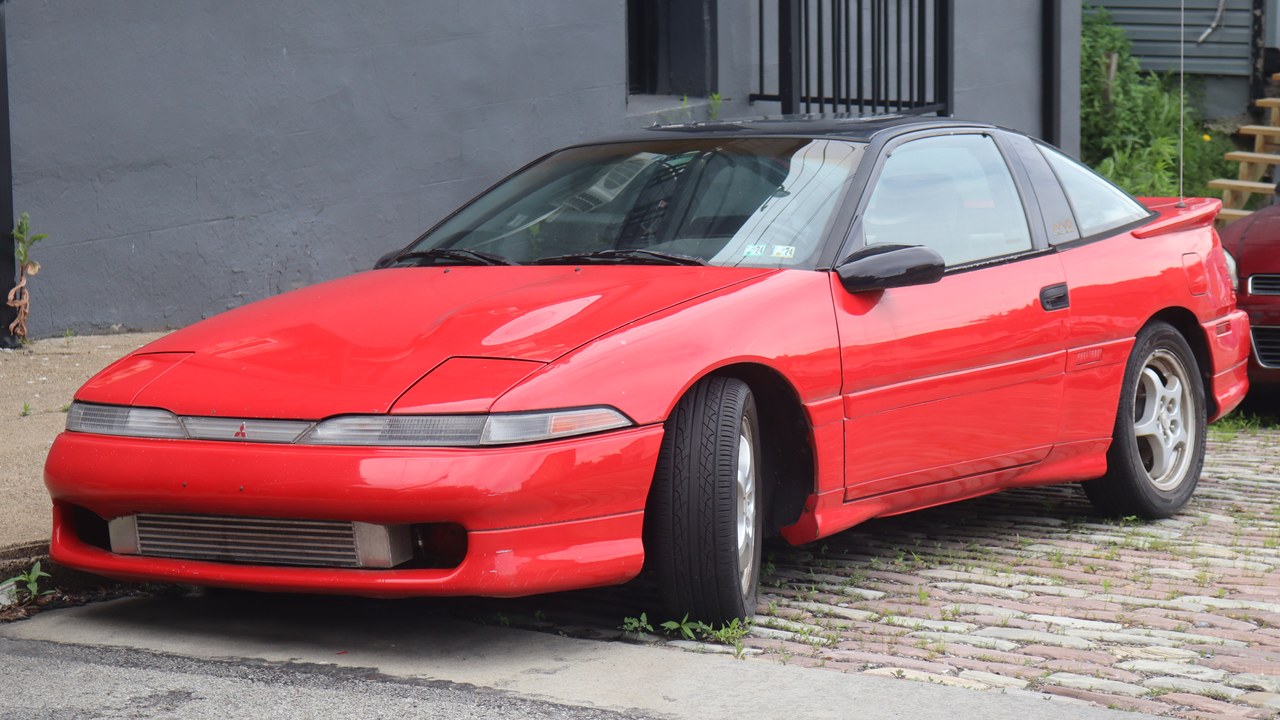
Mitsubishi’s sporty Eclipse used a 2.0-liter turbo four, and the a turbo four cites 195 hp in the first generation, rising to 210 hp in the second. Its all-wheel-drive variants made it a staple of the tuner scene and a popular, attainable performance coupe.
Because so many were modified, finding an unmolested example takes patience. Shoppers should check for a maintained timing belt and look for signs of abuse, as hard launches took a toll on the drivetrain over the years.
9. Nissan Skyline GT-R (R34): Underrated Legend
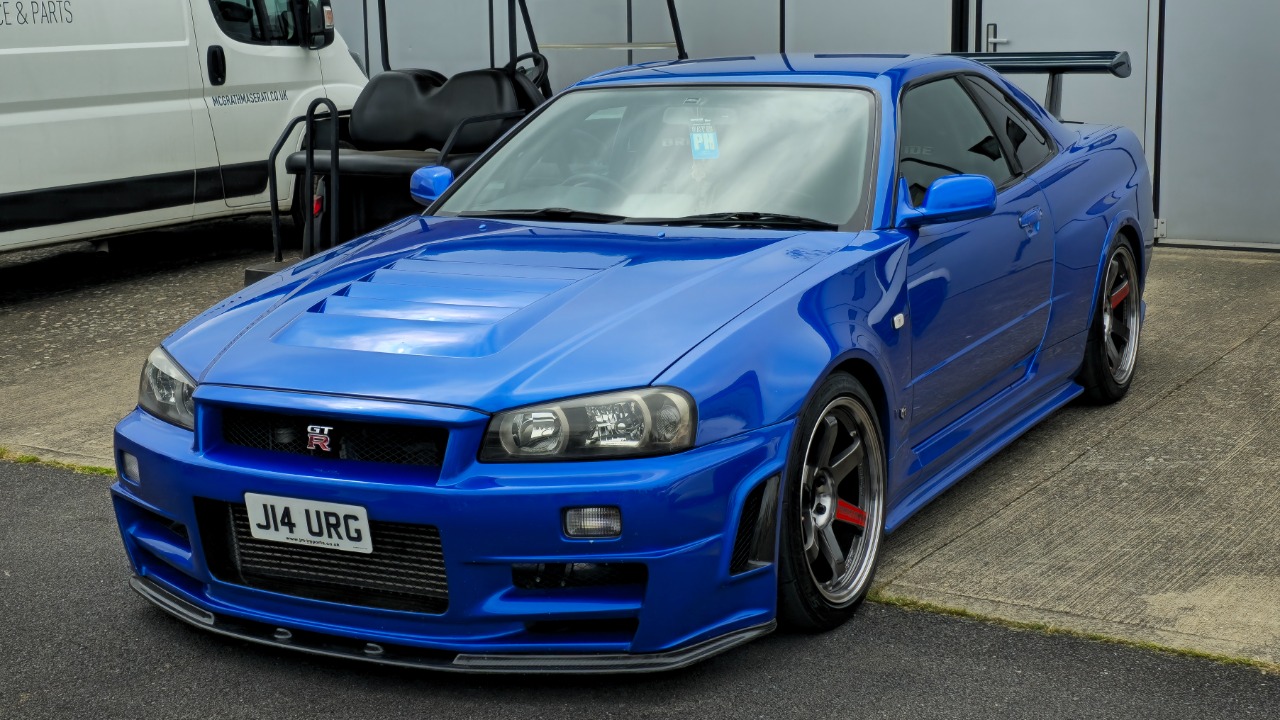
Nissan’s R34 generation carried an official 276 hp, but the the underrated R34 GT-R quotes the claim that it was actually putting out more like 330. That gap reflects the era’s informal horsepower cap and the engineering margin built into the twin-turbo inline-six.
The R34 became a cultural icon, and its values have climbed accordingly. Buyers in the United States face import-eligibility rules and rising prices, so verifying paperwork and condition before purchase is critical.
10. Honda S2000: Nine Thousand RPM
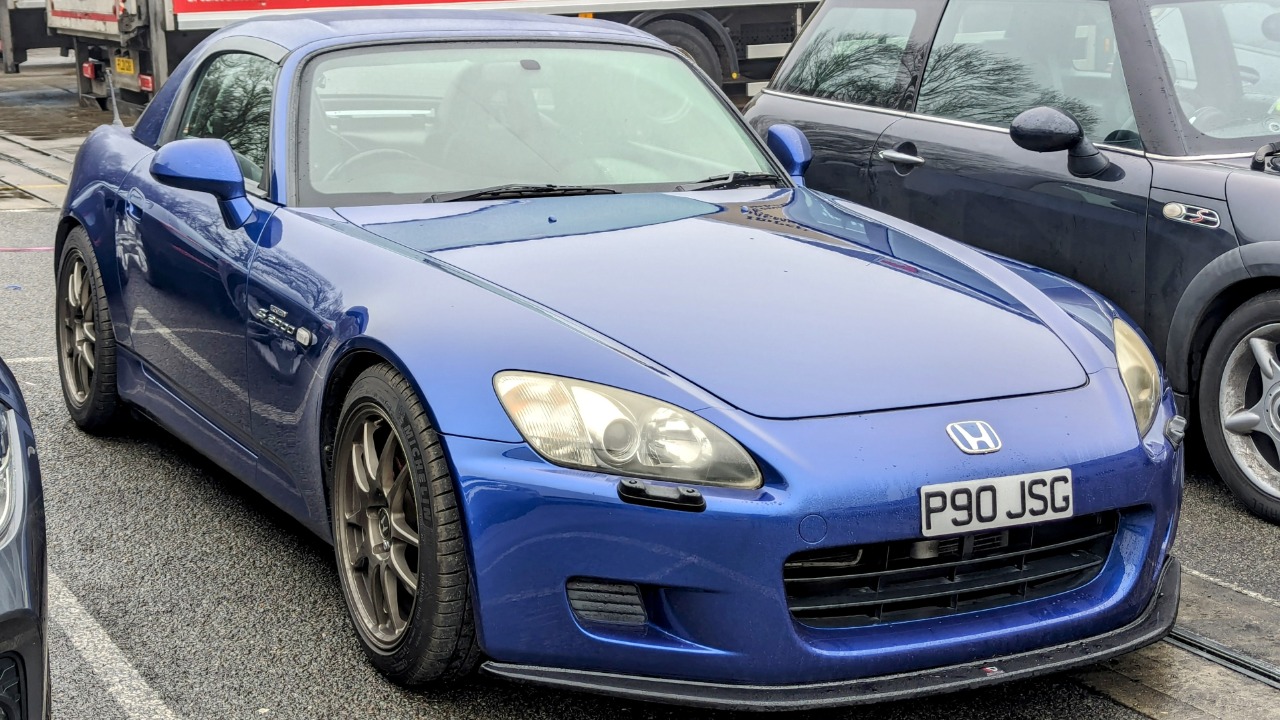
Honda’s roadster arrived in 1999 with up to 250 hp and a 9,000-rpm redline, according to the a 9,000-rpm redline. The high-revving four-cylinder produced exceptional output for its size and set a benchmark for naturally aspirated engines.
The early cars reward precise driving, with snappy rear-end behavior at the limit. Their mechanical simplicity and strong reliability make them among the most sensible modern classics for owners who actually plan to drive.
11. Acura NSX (first generation): Everyday Supercar
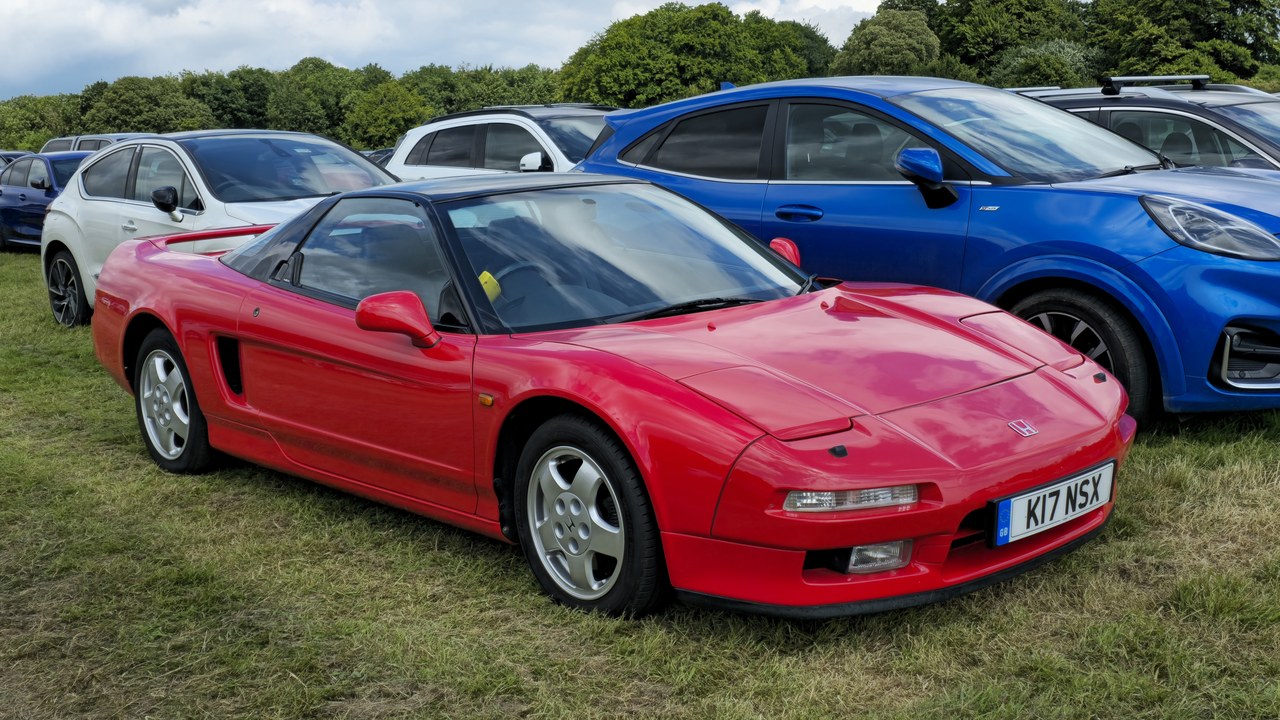
The first-generation NSX paired a VTEC V6 with a curb weight below 3,000 pounds, as the a VTEC V6 sports car highlights. Honda developed it as a mid-engine alternative to exotic cars, combining supercar balance with everyday usability.
Its aluminum body resists rust, and reliability is far better than that of European rivals, which made the car usable as a daily driver. Prices have climbed steeply, so buyers should prioritize documented maintenance and original, unaltered cars.
12. Mitsubishi Lancer Evolution: Rally Weapon
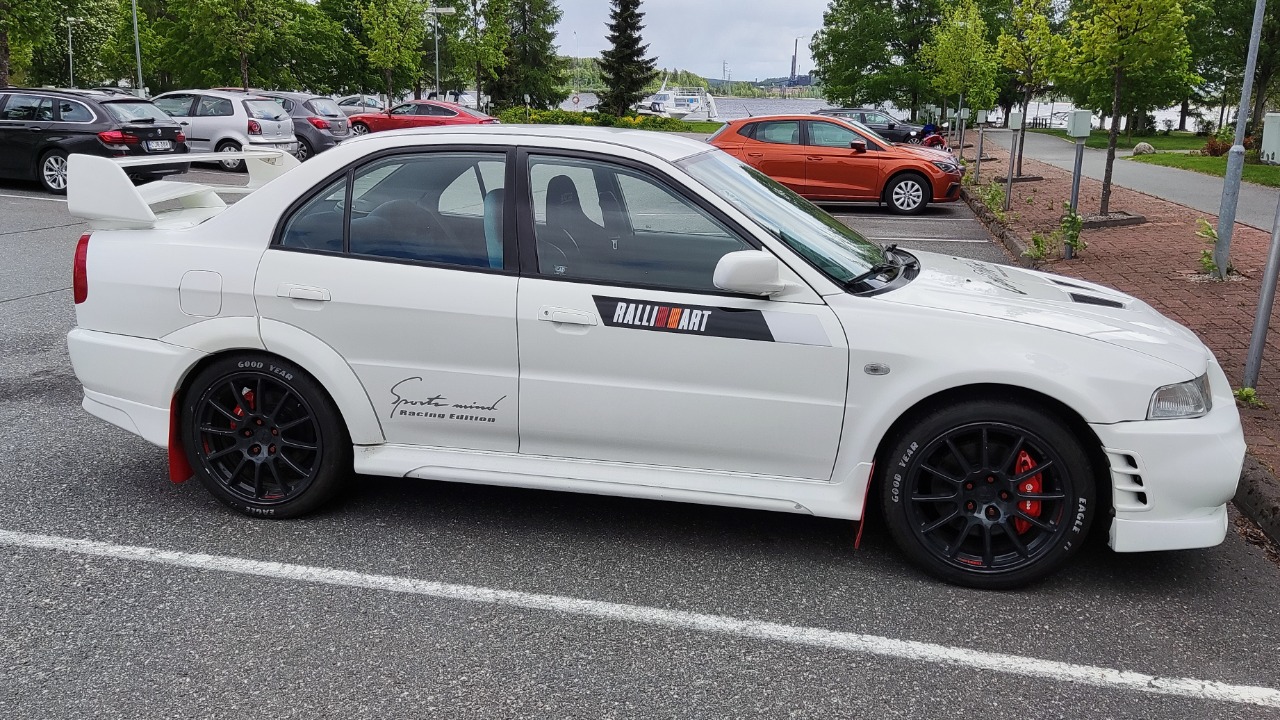
Mitsubishi’s rally-bred sedan reached its late-’90s peak with the Evo V, which the the late-’90s Evo V describes as getting a more powerful turbocharged four-banger. Wider bodywork and sharper chassis tuning helped turn a compact sedan into a giant-killer.
Few were officially sold in the United States in the decade, so many examples are imports with their own paperwork hurdles. Condition varies widely after years of hard use, which makes an inspection by a specialist worthwhile.
More from Morning Overview
- Ford is recalling 223,472 F-150 pickups because the fuel tank can leak or detach
- Hybrids have 15% fewer problems than gas cars, while EVs and plug-in hybrids have about 80% more, Consumer Reports finds
- Regulators cleared the first U.S. small modular reactor, 4 months early
- Lake Powell sank to a record 3,517 feet, nearing the level that stops Glen Canyon Dam’s turbines
