
Most SUVs never leave pavement, but a handful still ship from the factory ready for genuine trail abuse. Locking differentials, low-range transfer cases, and reinforced suspension separate these vehicles from crossovers wearing rugged styling without the hardware to back it up. Here are twelve SUVs that come off the showroom floor built for serious off-road work.
1. Jeep Wrangler: Trail Benchmark With Solid Axles
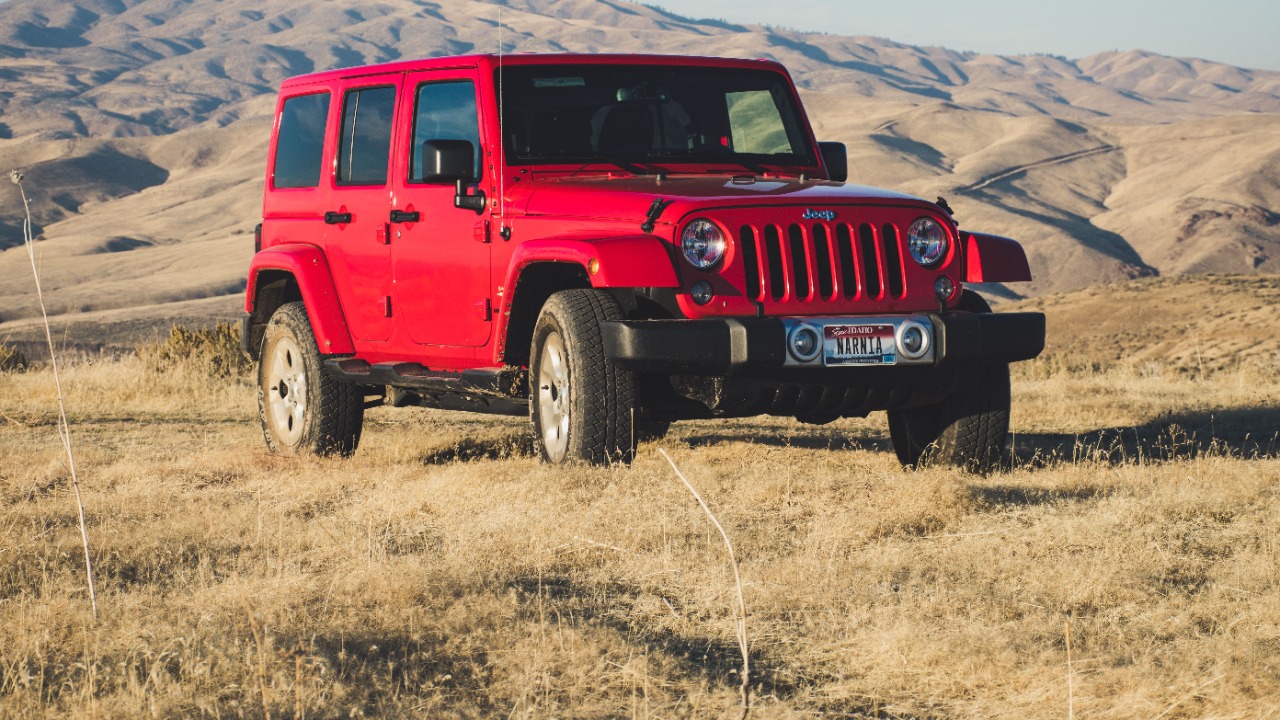
The Wrangler keeps solid front and rear axles long after most rivals moved to independent suspension, a choice that maximizes wheel articulation over broken terrain. Removable doors and a fold-down windshield trace back to the model’s military-inspired lineage, and factory Rubicon trim adds locking differentials plus a low-range transfer case.
That combination has made it the reference point every other off-road SUV gets measured against, for better or worse. Ride comfort and highway manners lag more road-biased crossovers, a tradeoff owners generally accept in exchange for genuine trail capability.
2. Ford Bronco: A Direct Answer To The Wrangler
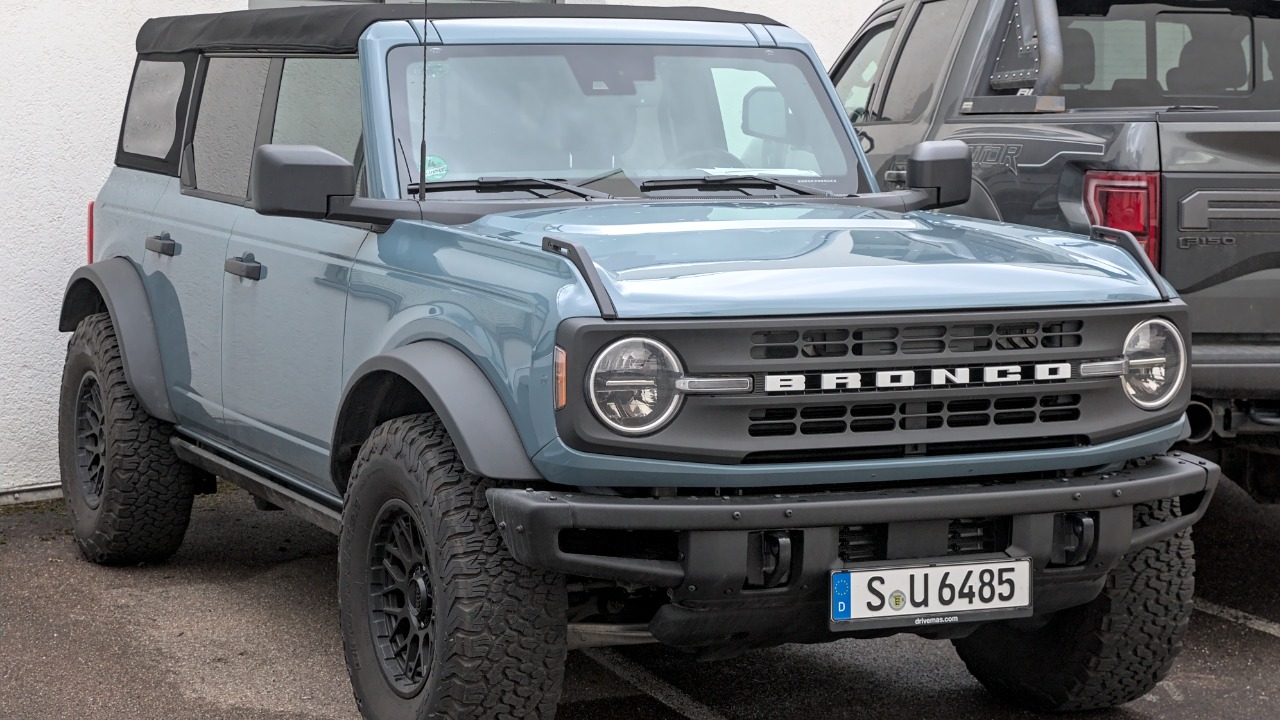
Ford re-entered the segment with a chassis built specifically to counter the Wrangler, and its available disconnecting front sway bar is the clearest sign of that intent. Switched on in low range, the system lets each front wheel travel independently for extra wheel articulation, while the Sasquatch package adds 35-inch tires and locking differentials.
Two-door and four-door body styles plus removable doors and roof panels borrow the Wrangler’s open-air formula almost directly. Owners get a factory-backed alternative that trades decades of Jeep heritage for a more modern electronic terrain-management system.
3. Toyota 4Runner: Body-On-Frame Toughness Endures
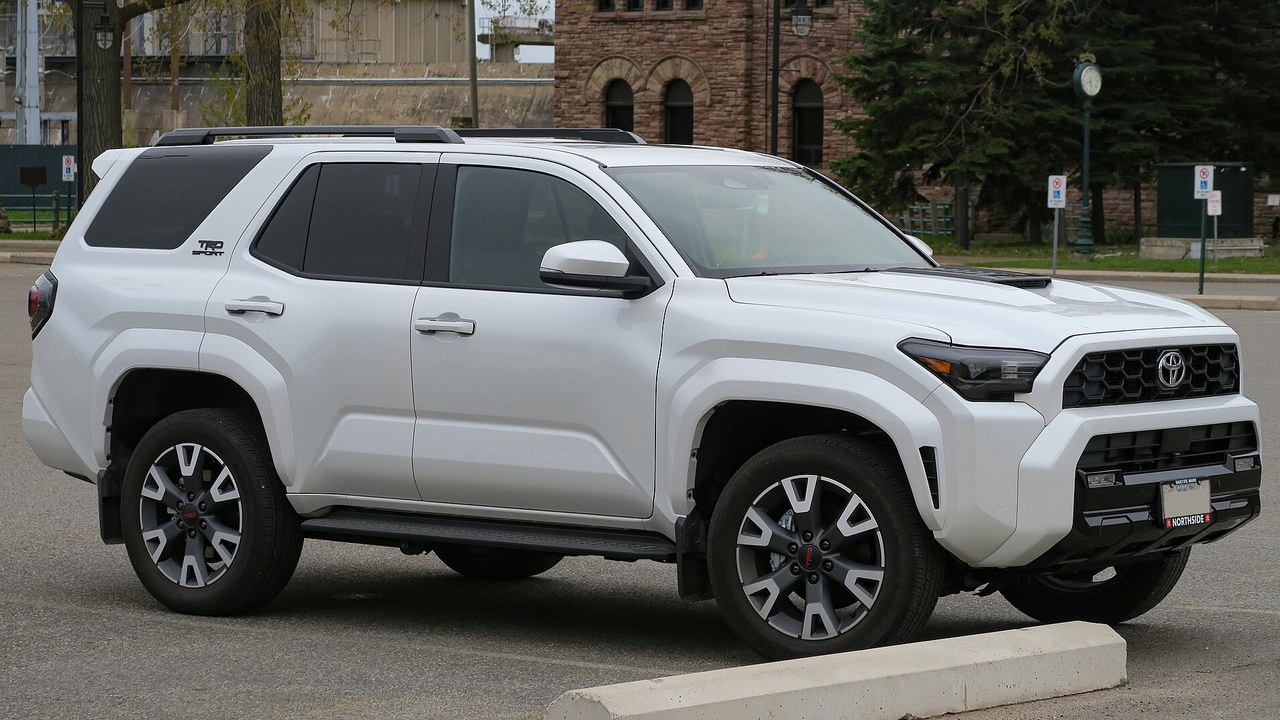
Toyota kept the 4Runner on a traditional body-on-frame platform even as most midsize SUVs shifted to unibody construction, prioritizing durability over refinement. TRD Pro and Trail variants add a locking rear differential and Crawl Control, a low-speed system that manages throttle and brakes automatically on steep, loose off-road terrain.
That old-school architecture is exactly why the 4Runner has a reputation for surviving high-mileage, hard-use ownership. It rides firmer and drinks more fuel than a typical crossover, a compromise long favored by overlanders and search-and-rescue fleets alike.
4. Land Rover Defender: Electronic Terrain Mastery
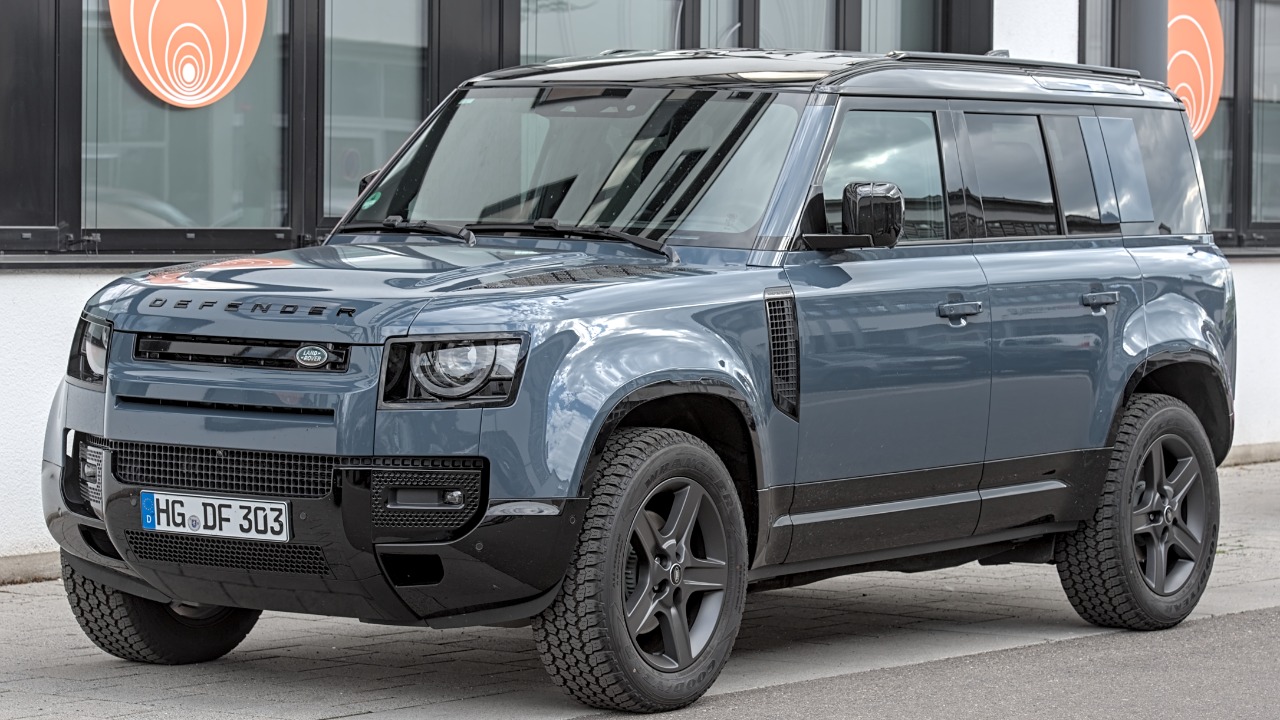
The modern Defender pairs an aluminum unibody with a Terrain Response system that reconfigures throttle mapping, traction control, and suspension height for sand, mud, or rock. Air suspension can raise ground clearance substantially, and the SUV can wade through deep water crossings that would strand most competitors.
It updates the boxy off-roader’s utilitarian reputation with genuine luxury-cabin comfort, a pairing few rivals attempt. That electronic complexity means repairs typically run higher than on simpler mechanical competitors like the Wrangler or 4Runner.
5. Toyota Land Cruiser: Decades Of Unkillable Reputation
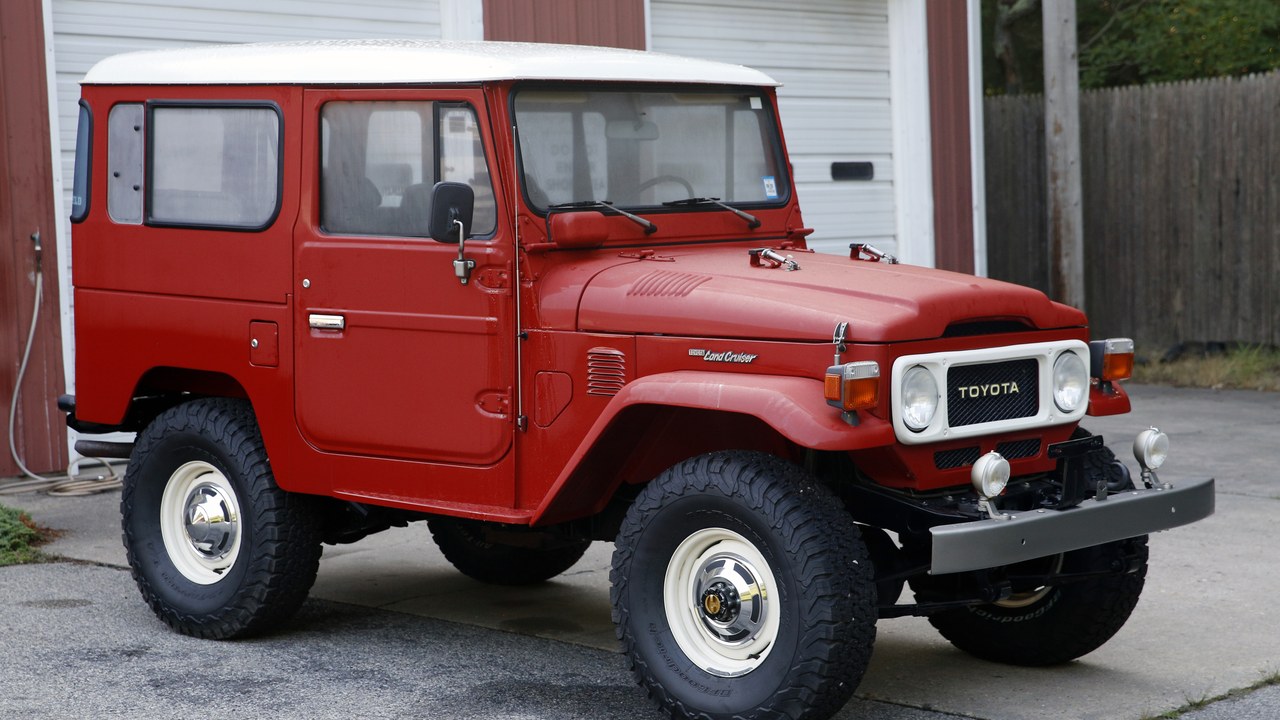
Toyota built the Land Cruiser’s reputation over decades of use across deserts, mountains, and disaster zones where dealership support barely exists, favoring mechanical simplicity over gadgetry. Aid organizations and international agencies still rely on older Land Cruiser generations precisely because they keep running with minimal maintenance.
That track record turned the nameplate into shorthand for reliability among people who cannot afford a breakdown far from help. Toyota’s newer, tech-heavier version chases some of that legacy while adding modern safety and comfort features earlier models lacked.
6. Lexus GX: Land Cruiser Bones, Luxury Skin
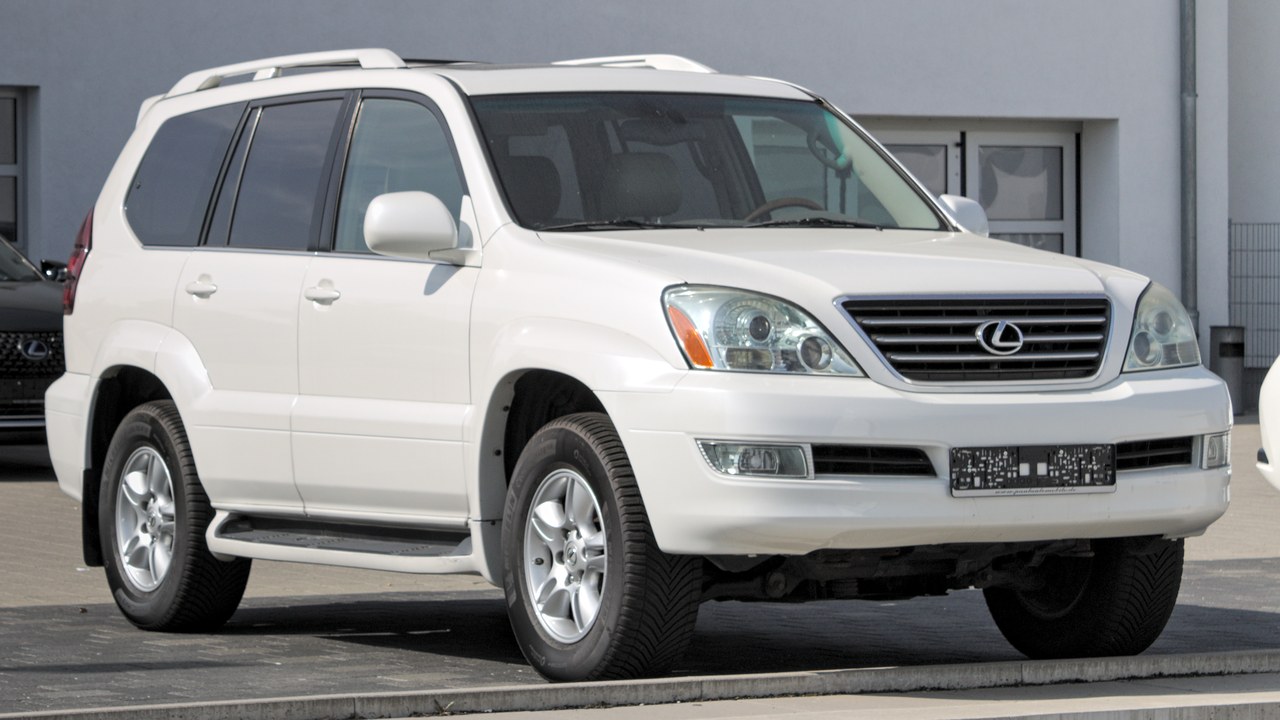
The GX shares its body-on-frame platform and much of its four-wheel-drive hardware with the Land Cruiser, wrapping that off-road foundation in a quieter, better-appointed cabin. A locking center differential, Crawl Control, and a multi-terrain select system give it genuine capability behind the luxury badge.
That pairing lets buyers get Land Cruiser-grade trail hardware without stepping down to a more spartan interior. Most GX owners never leave pavement, but the mechanical ceiling is there for the rare buyer who does.
7. Ineos Grenadier: A Clean-Sheet Defender Homage
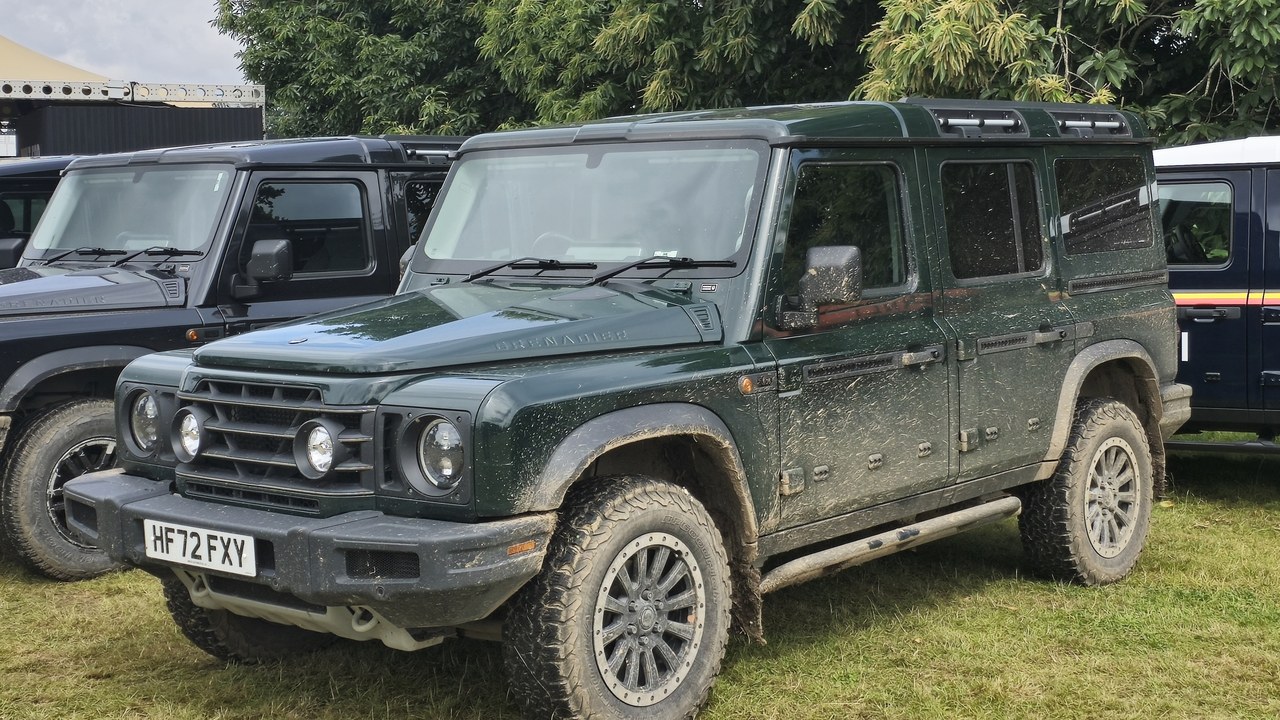
Ineos designed the Grenadier from a blank sheet after BMW-sourced engineering, aiming squarely at the utilitarian void left when Land Rover softened the original Defender. Solid front and rear axles, a two-speed transfer case, and three locking differentials as available options give it hardware few rivals can match.
The approach is unapologetically mechanical, from exposed interior fasteners to a dashboard covered in auxiliary switches. It is a newcomer with no long ownership track record yet, a real question mark next to nameplates with decades of proven trail history.
8. Jeep Grand Cherokee: Quadra-Drive Meets Daily Comfort
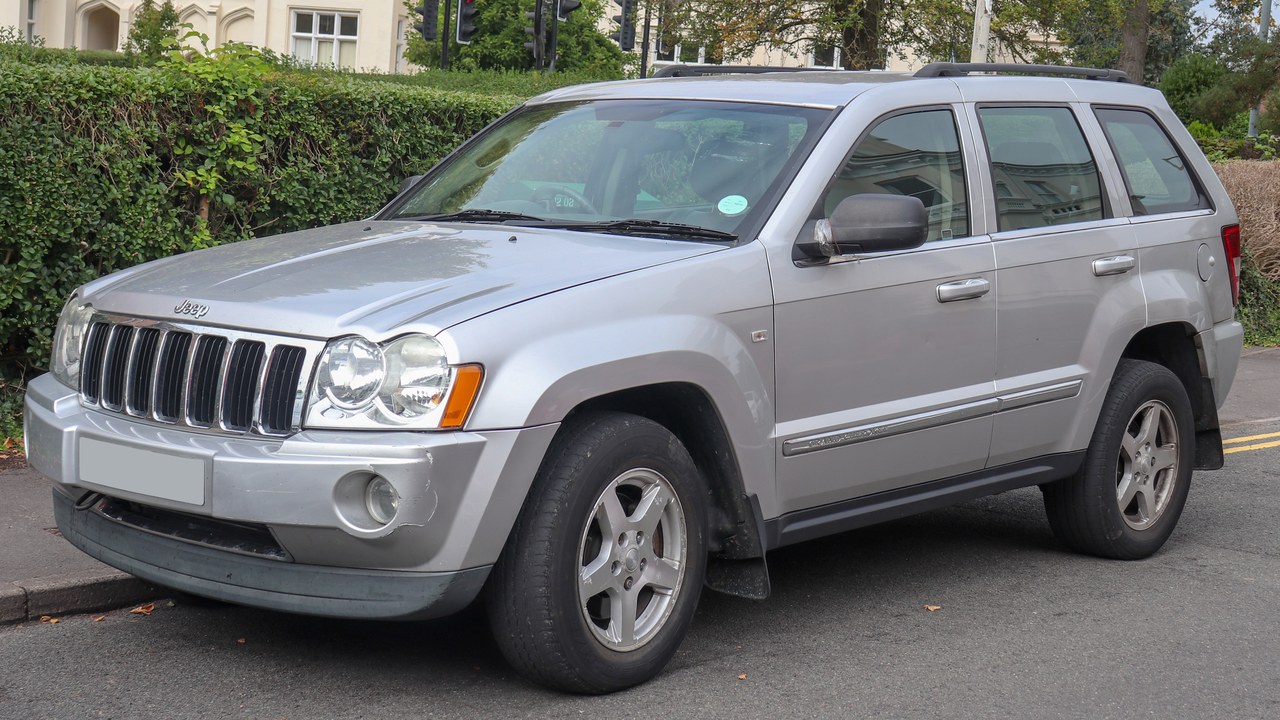
Jeep’s Grand Cherokee Trailhawk and higher trims add the Quadra-Drive II four-wheel-drive system with an electronic limited-slip rear differential, paired with air suspension that raises ride height for extra clearance. Selec-Terrain lets a driver dial in settings for rock, mud, or sand conditions.
Unlike the Wrangler, the Grand Cherokee delivers that capability inside a unibody SUV built around comfort and daily livability. It sacrifices some of the extreme articulation of a solid-axle Jeep in exchange for a smoother, quieter highway ride.
9. Mercedes-Benz G-Class: Three Lockers, Military Roots
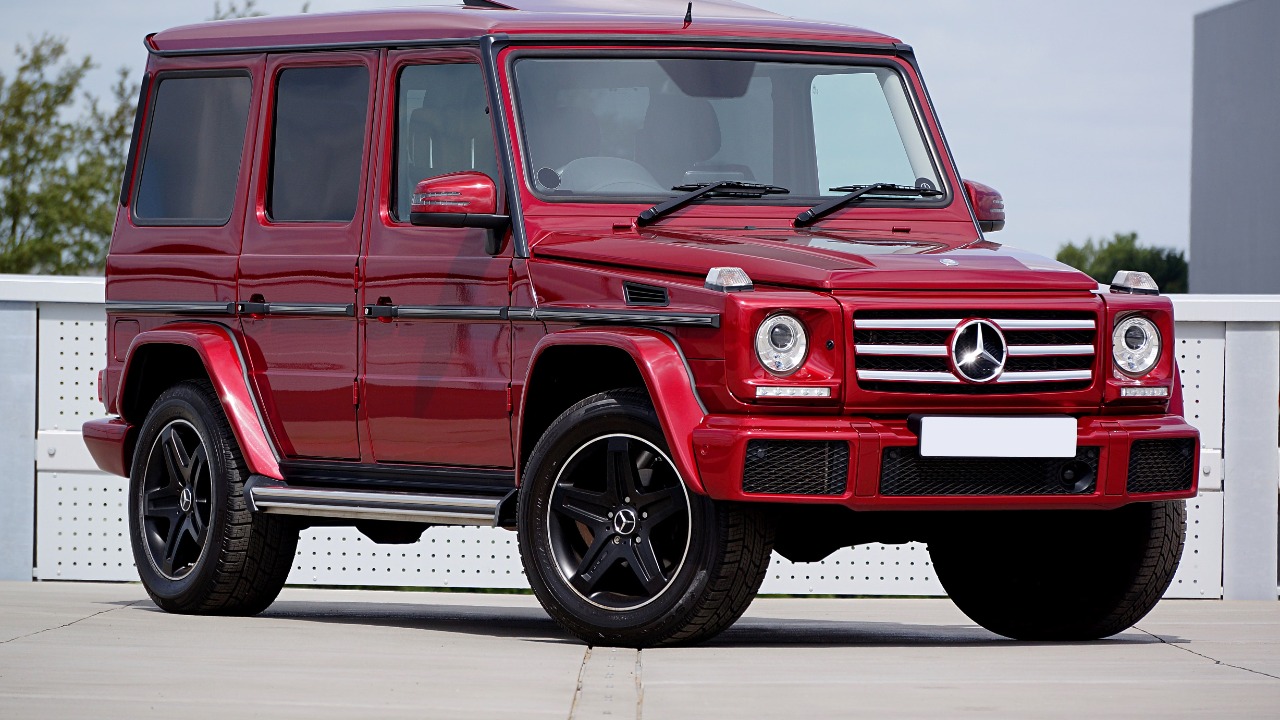
The G-Class still rides on the ladder-frame chassis and solid axles it launched with decades ago as a military vehicle, and three locking differentials, front, center, and rear, remain standard equipment. That combination lets a driver lock all three axles together for maximum traction across broken terrain.
Mercedes has layered increasingly powerful engines and a luxury interior onto that unchanged mechanical core over the years. Few owners ever use the locking differentials, but the hardware persists as a link back to the vehicle’s rugged origins.
10. Land Rover Discovery: The Trail Sleeper Of The Lineup
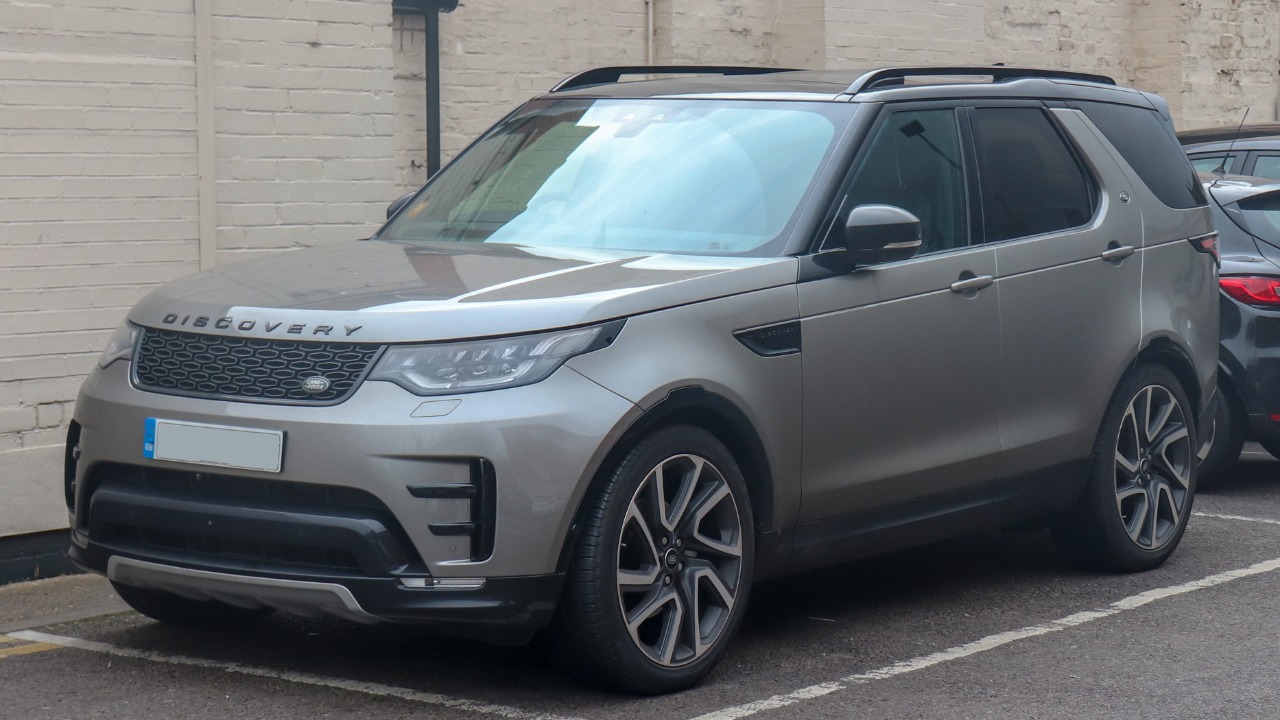
The Discovery shares Terrain Response and much of its air suspension hardware with the Defender, yet gets sold and marketed primarily as a family SUV, not as an off-roader. Independent air suspension delivers unusually deep wheel articulation for a three-row vehicle over uneven ground.
That gap between marketing and mechanical reality makes it something of a sleeper in the segment. Buyers cross-shopping three-row crossovers rarely realize how much genuine trail hardware sits underneath the Discovery’s family-hauler body.
11. Jeep Gladiator: Wrangler Hardware, Pickup Bed

The Gladiator takes the Wrangler’s solid axles, removable doors, and available locking differentials and stretches them over a mid-size pickup bed and longer wheelbase. Rubicon trim adds the same low-range transfer case and electronic-disconnecting sway bar found on the top Wrangler trim.
That shared platform gives buyers Wrangler-level trail capability with genuine towing and payload numbers a two-door Jeep cannot match. The longer wheelbase does reduce breakover angle, a tradeoff on the steepest, most broken sections of trail.
12. Subaru Outback Wilderness: A Wagon Built For Mud
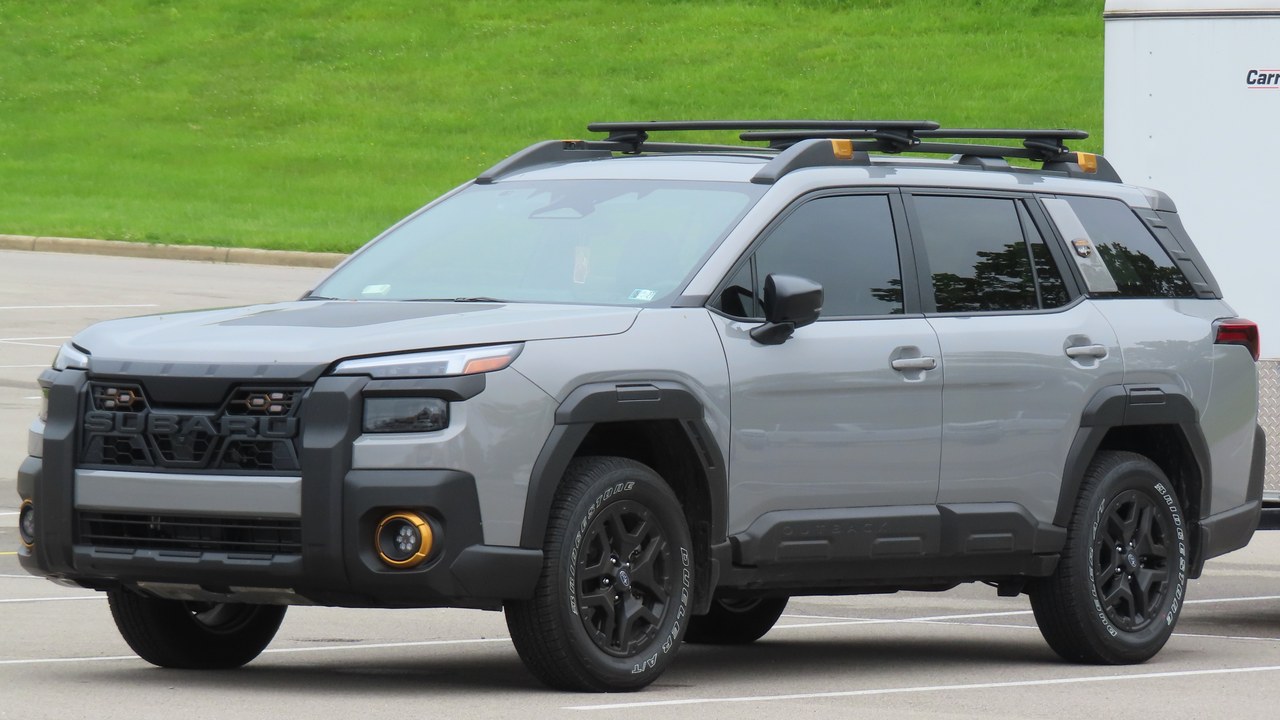
Subaru raised the Wilderness trim’s ground clearance well above the standard Outback and paired it with all-terrain tires and a reinforced X-Mode system tuned for deep snow and mud. Front and rear tow hooks and additional underbody armor round out the Wilderness package.
It is the only wagon-based vehicle on this list, built around a continuously variable transmission rather than a low-range transfer case. That means real capability for moderate trails, without the low-speed crawling ability of a true four-wheel-drive SUV.
More from Morning Overview
