
Suspension bridges rank among the most recognizable structures on American roads, and each one carries its own record or oddity. Some are measured by tower spacing, others by a title held decades ago or a toll milestone. Here are twelve suspension bridges that still carry traffic today, each with the specific figure or distinction that earns its place.
1. Verrazzano-Narrows Bridge: Towers Bent by the Earth
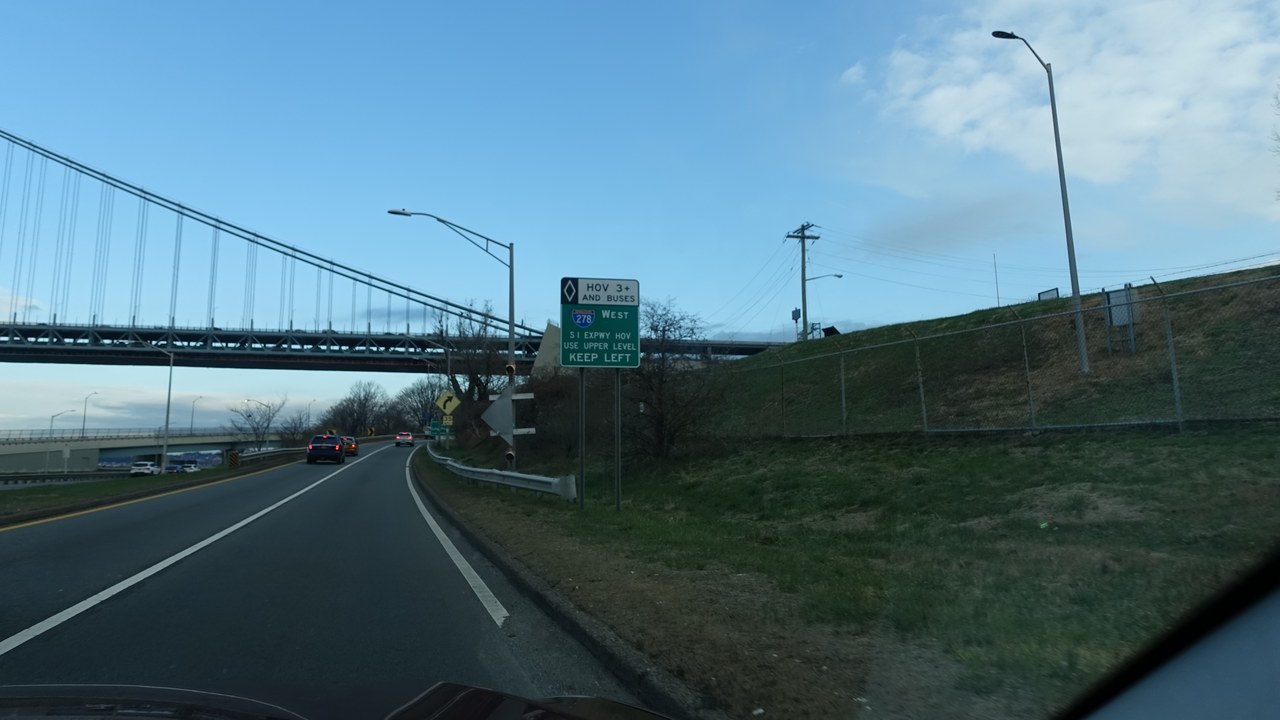
The towers of the Verrazzano-Narrows Bridge rise 693 feet and stand 4,260 feet apart, a gap wide enough that the curvature of the earth had to be built into the design. According to the MTA, each tower top sits 1 5/8 inches farther from its twin than the base does.
The adjustment is invisible from the roadway, yet it shows how great the distance between the supports really is. It is a deliberate correction made by the engineers, not a flaw, and it explains why the towers are not perfectly parallel.
2. Golden Gate Bridge: Four Thousand Two Hundred Feet

The bridge district’s own construction statistics page puts the length of the main span portion of the suspended structure, measured as the distance between the towers, at 4,200 feet, or 1,280 meters. That is the span between the two towers, not the length of the whole bridge.
The distinction matters when comparing crossings, since published lengths can refer to the main span, the suspended structure, or the entire bridge. Tower-to-tower distance is the measure used here, and the district itself publishes it as the main span.
3. Mackinac Bridge: Western Hemisphere Champion
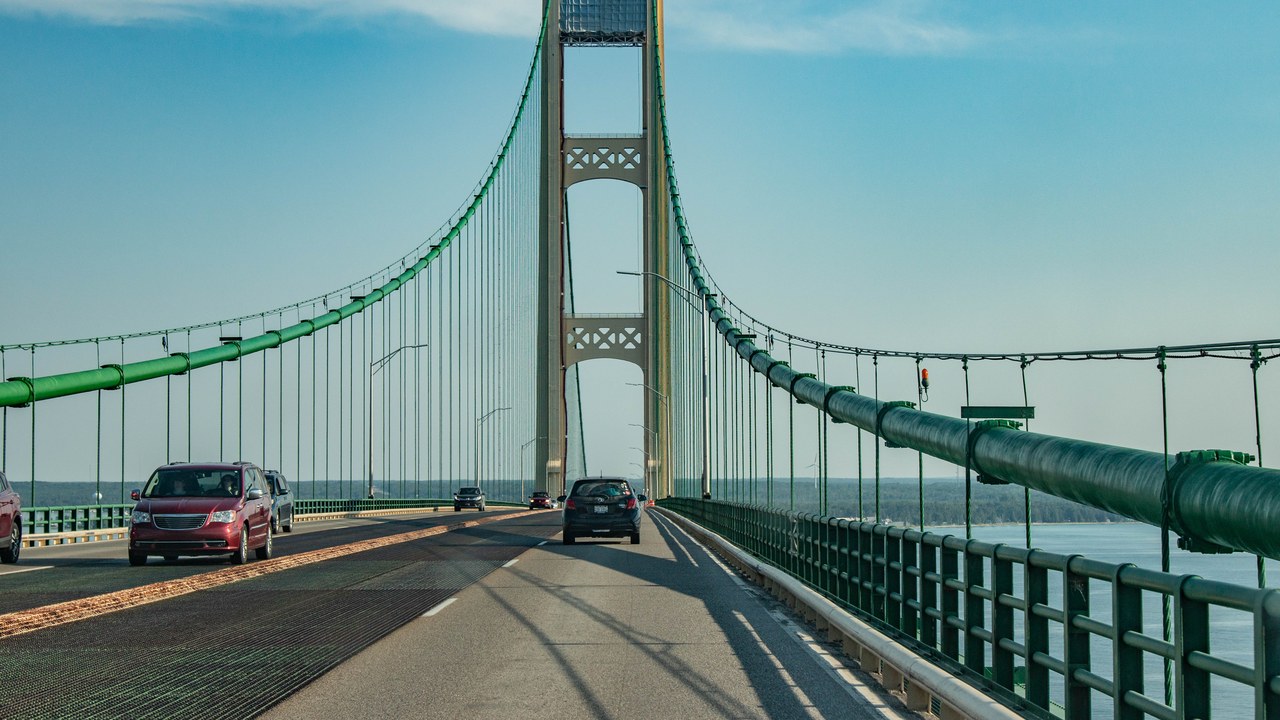
The Mackinac Bridge Authority states that the span is the longest suspension bridge in the western hemisphere and the seventh-longest in the world. Its ranking is based on total suspended length, a different yardstick from the distance between the towers.
Because the claim is tied to that particular measure, the standing depends on how length is counted. Motorists on the bridge are crossing a structure that its own operating authority places in the top ten worldwide, using total suspended length as the basis.
4. George Washington Bridge: Hudson Crossing in Numbers
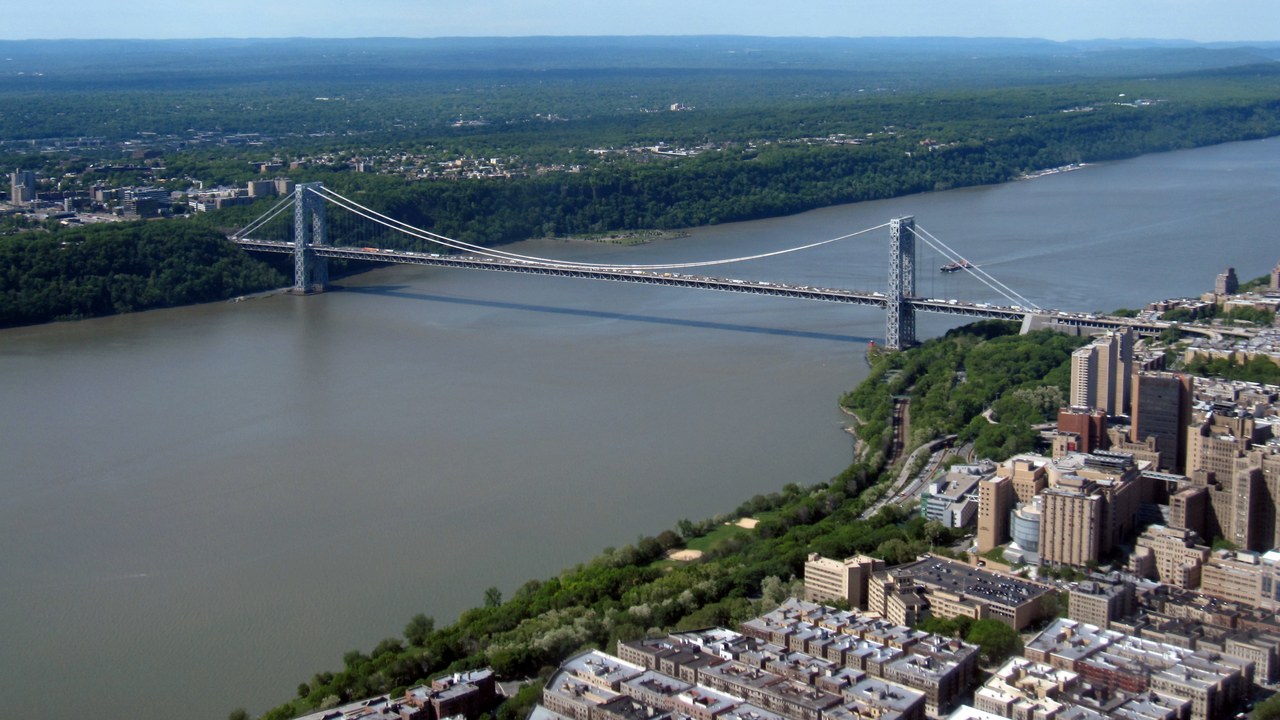
The George Washington Bridge measures 4,760 feet in total length, and its main span between the two steel towers is 3,500 feet, or 1,100 meters. Total length therefore runs well beyond the stretch that hangs between the towers.
The two figures describe different things, so comparisons with other crossings should use matching measures. Main span captures the open distance between the steel towers, while overall length includes everything else that makes up the structure.
5. Tacoma Narrows Bridge: A Fifth-Place Span
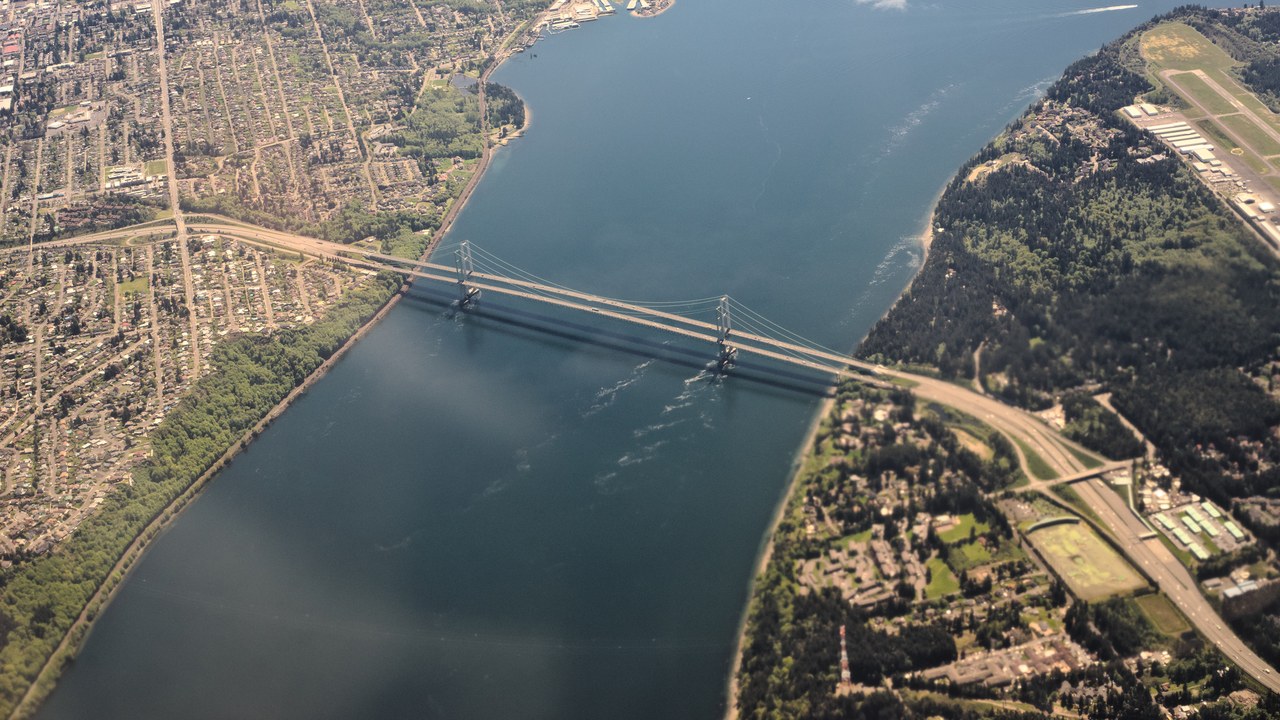
With a main span of 2,799 feet, or 853 meters, the eastbound Tacoma Narrows Bridge ranks fifth among suspension bridges in the United States. The eastbound structure has an overall length of 5,400 feet, or 1,646 meters, so the span is a little over half of the total.
The ranking applies specifically to the eastbound bridge, so the figures describe that structure and not every crossing at the site. Even so, a fifth-place national standing places it among the largest suspension spans in the country.
6. San Francisco-Oakland Bay Bridge: Two Suspensions, Two Decks
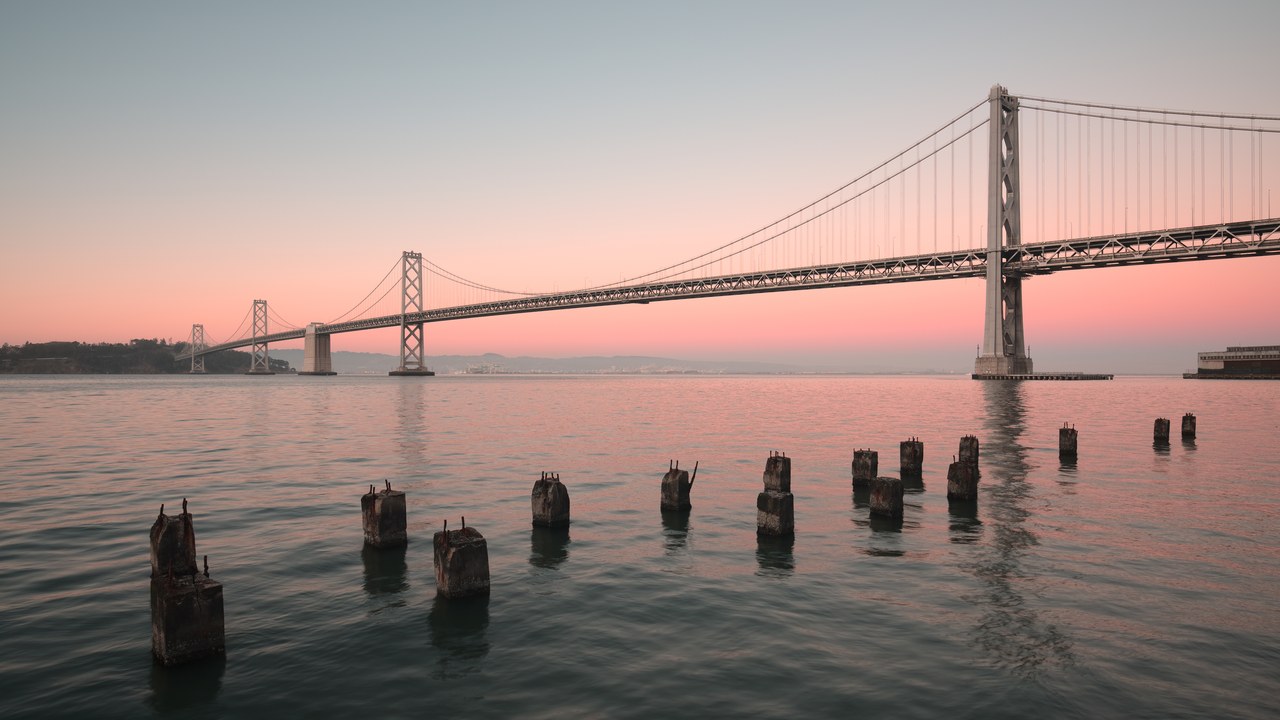
The western section of the Bay Bridge is described as a double suspension bridge, two suspension spans run end to end and carrying two decks. Westbound traffic is carried on the upper deck, while eastbound traffic uses the lower one.
Direction determines the level, with motorists heading west riding on top and those heading east riding below. The double-deck, double-suspension layout describes the western crossing only, so it should not be read as a description of the whole bridge.
7. Bronx-Whitestone Bridge: Once Fourth in the World
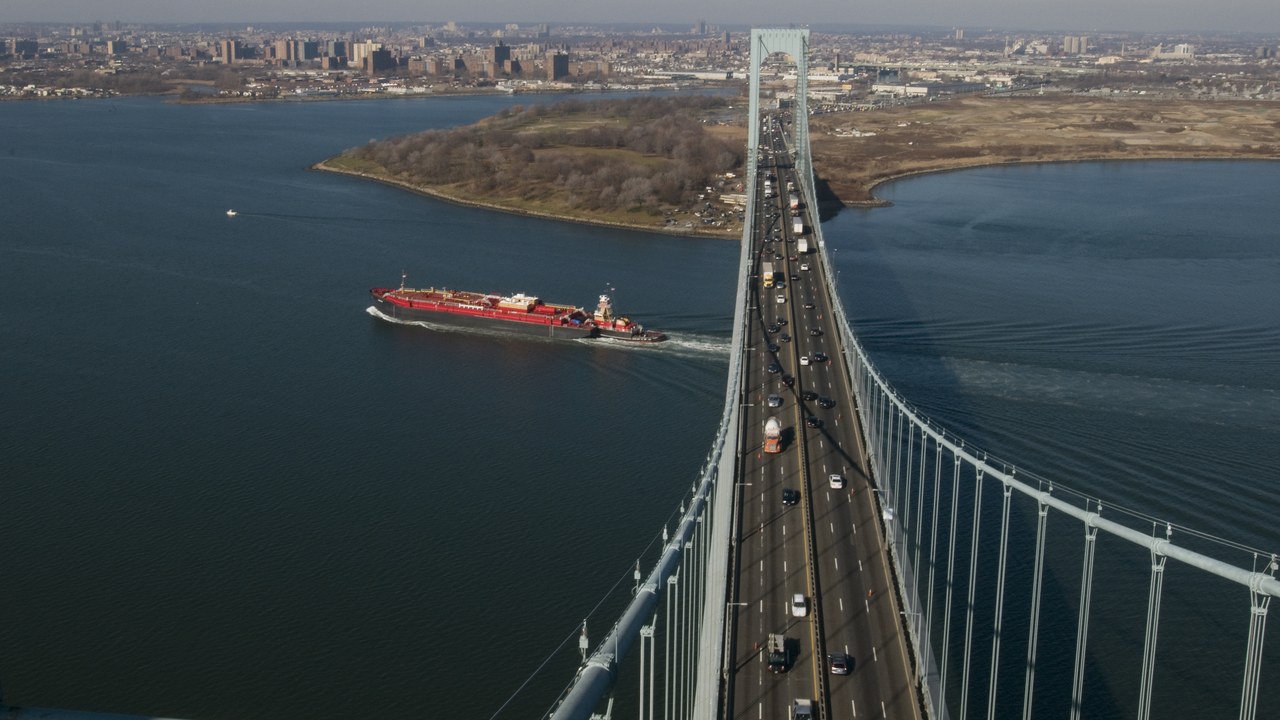
Its center span of 2,300 feet, or 700 meters, once gave the Bronx-Whitestone Bridge the fourth-largest center span of any suspension bridge in the world. The Wikipedia entry frames the ranking in the past tense, as a standing the bridge held earlier.
The ranking is historical, so it describes where the bridge stood among suspension spans in an earlier era and not where it stands today. The 2,300-foot figure itself remains the measure of the center span that drivers cross, and it is the number the ranking was based on.
8. Delaware Memorial Bridge: A Billion Tolls
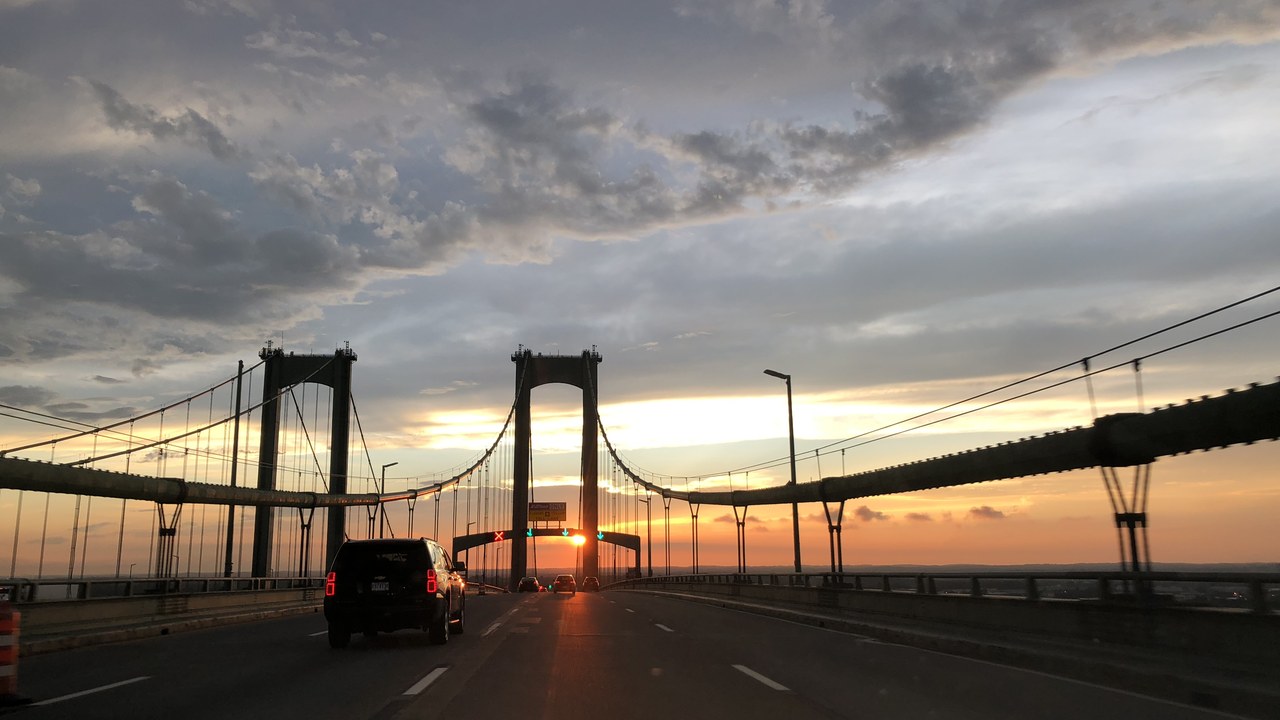
The twin suspension spans of the Delaware Memorial Bridge recorded their one billionth toll transaction on December 18, 2012, according to the bridge’s own website. The date is given plainly as a milestone in the crossing’s operating history.
A transaction total counts every passage rather than individual drivers, so the figure measures cumulative use of the twin spans. It marks a milestone reached in 2012 and should not be read as a current traffic count or a daily average.
9. Walt Whitman Bridge: Opening-Day Price Tag
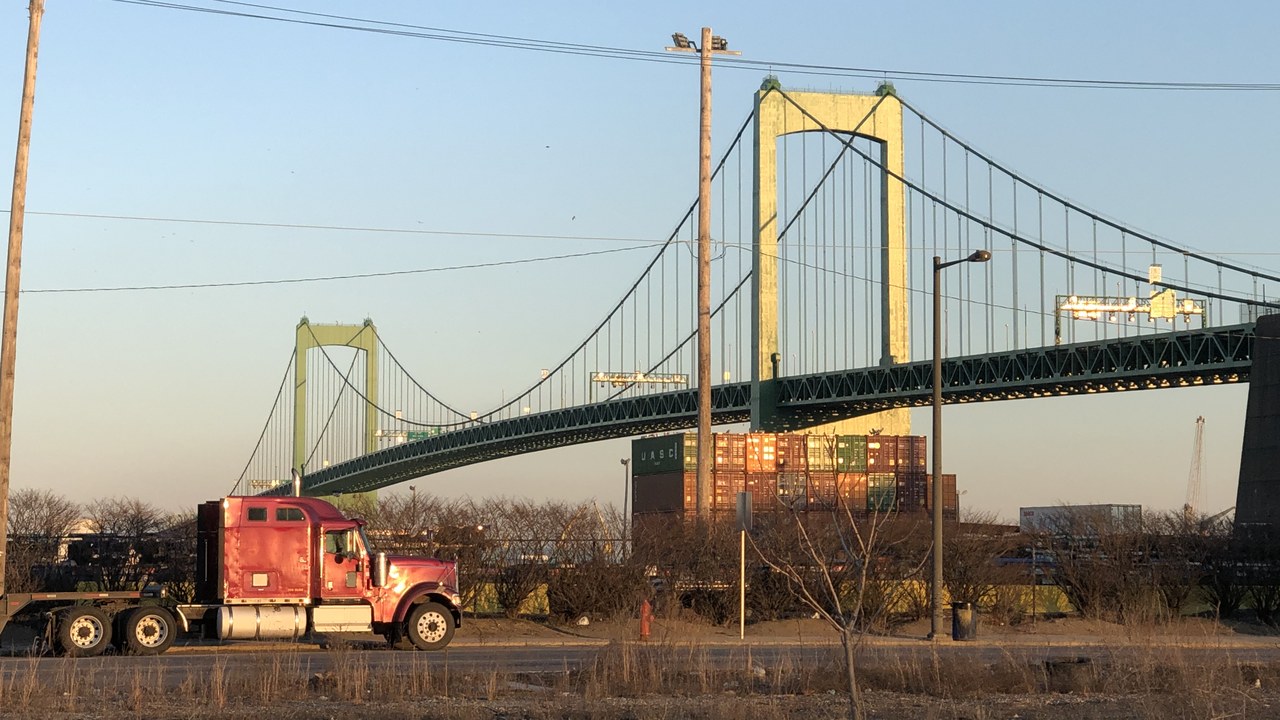
The Delaware River Port Authority’s page on the Walt Whitman Bridge reports that construction began in August 1953 and that the span opened to traffic on May 16, 1957, after an initial investment of $86.9 million. It connects Philadelphia to Gloucester City, New Jersey.
The same page records 39.3 million vehicles in two-way traffic for 2024, showing the span in active service more than six decades after its opening. The $86.9 million is the initial investment as reported then, not an adjusted modern cost.
10. Ambassador Bridge: Longest of Its Day
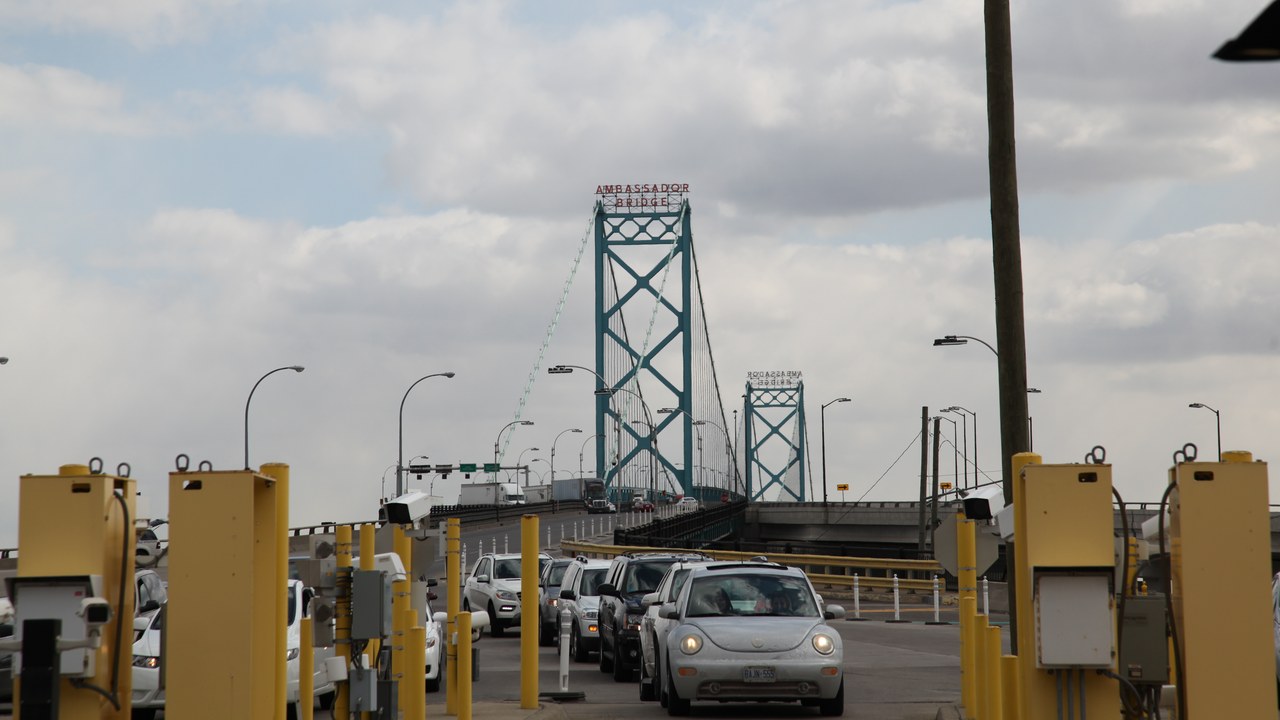
When it was completed in 1929, the Ambassador Bridge had the longest suspended central span in the world, at 1,850 feet, or 560 meters. The bridge crosses the Detroit River, and its encyclopedia entry gives that distinction as a matter of completion-year standing.
That distinction belonged to the bridge at completion in 1929 and is not a current ranking, since longer spans have been built in the years since. The 1,850-foot figure remains the length of the central span, the stretch suspended between the two supporting towers over the water.
11. Throgs Neck Bridge: Span Versus Anchorage
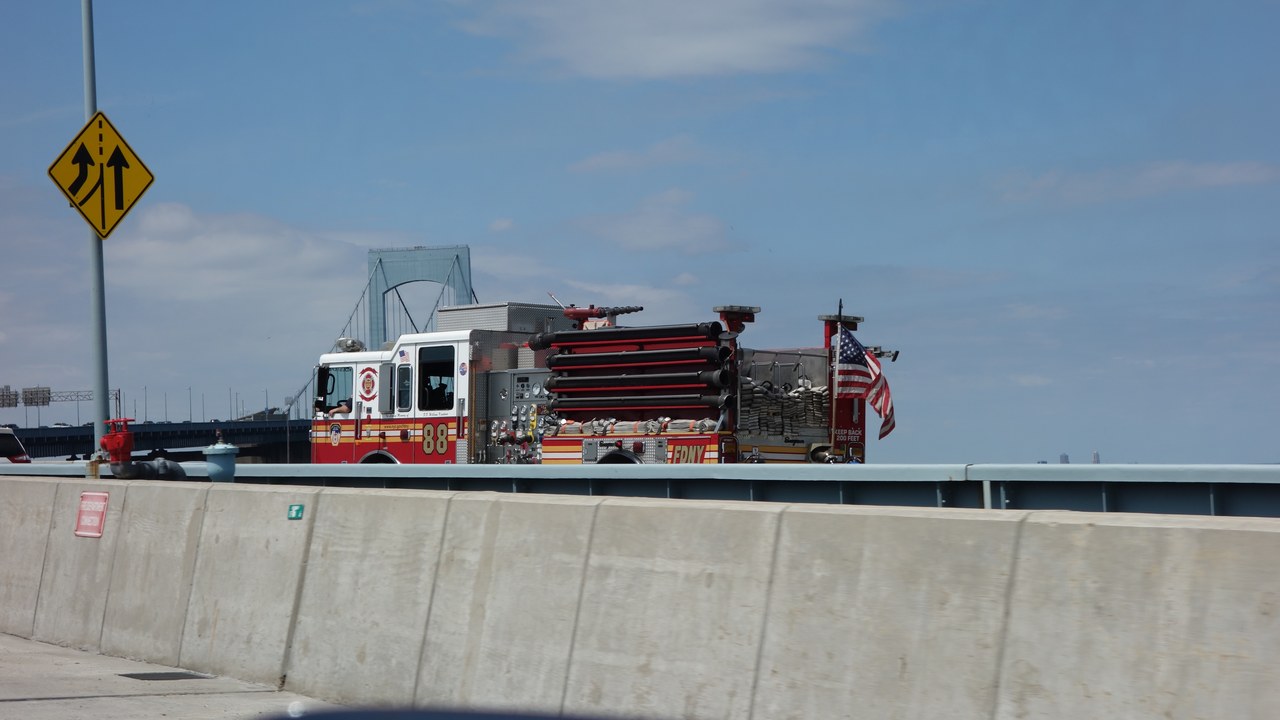
The Throgs Neck Bridge has a center span of 1,800 feet, or 550 meters. Each suspension tower sits 555 feet from its anchorage, which brings the anchorage-to-anchorage total length to 2,910 feet, or 887 meters.
Center span and anchorage-to-anchorage length are two distinct measures, and the second includes the stretches between the towers and the anchorages. Both appear in the bridge’s Wikipedia entry, so either can be cited, provided the two are not confused.
12. Benjamin Franklin Bridge: A 1926 Record Holder
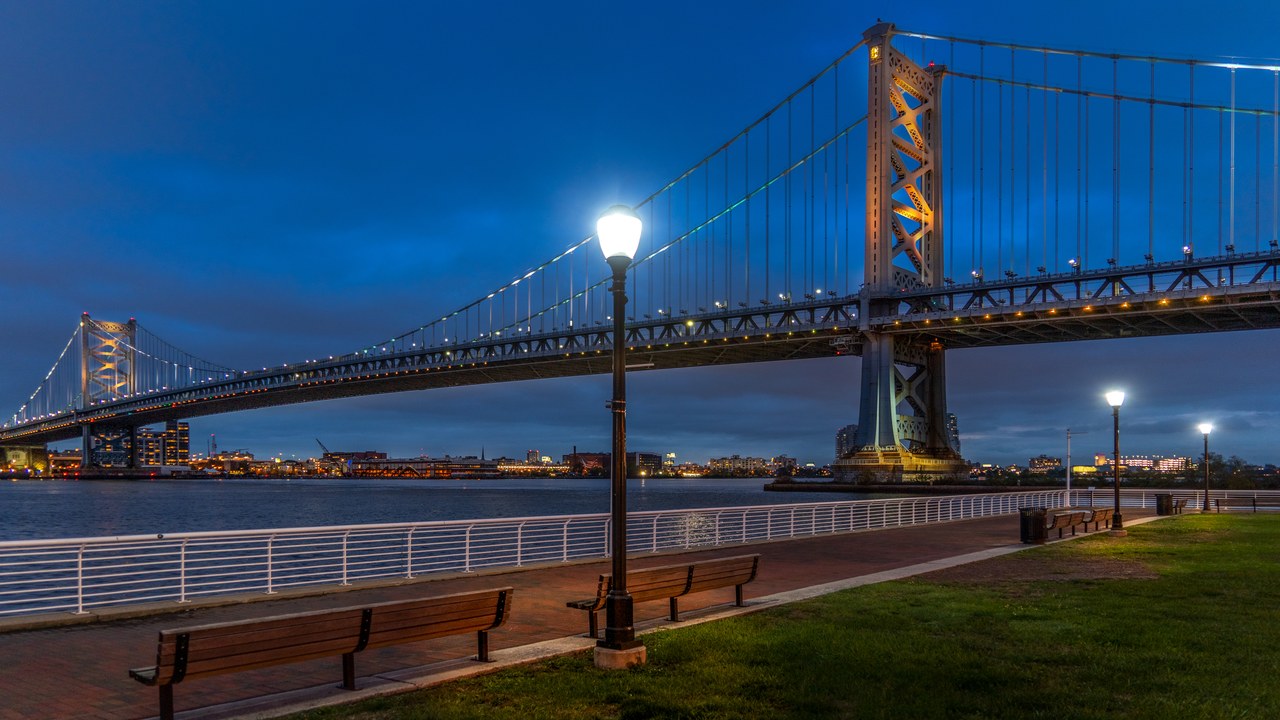
When it opened in 1926, the Benjamin Franklin Bridge held the title of world’s longest suspension bridge, according to the Delaware River Port Authority. The authority now ranks it 57th.
The slide from the top spot to 57th shows how thoroughly that title has been surpassed since 1926. The title belonged to the bridge only at its opening, and the current ranking is the better guide to its place today. The Delaware River Port Authority gives both the 1926 title and the 57th-place figure.
More from Morning Overview
- Supplements now rank as the fifth-leading cause of death from liver disease.
- Herbal supplements are landing Americans in the hospital with liver damage, doctors warn
- General Motors is switching on cameras that record inside your vehicle by update
- A geomagnetic storm is forecast to hit Earth today, pushing the northern lights unusually far south
