
The years after the Second World War brought a rush of new American designs, and not every memorable one survived in popular memory. Some introduced engineering that later became standard, while others offered striking styling or tiny production runs. Here are twelve postwar cars from the late decade that deserve a second look.
The tech news worth your time: 400,000+ professionals from Google, Apple and OpenAI read Techpresso, a daily email with the most interesting tech news and insights.
We may earn a commission if you sign up.
1. Tucker 48: Visionary, Briefly
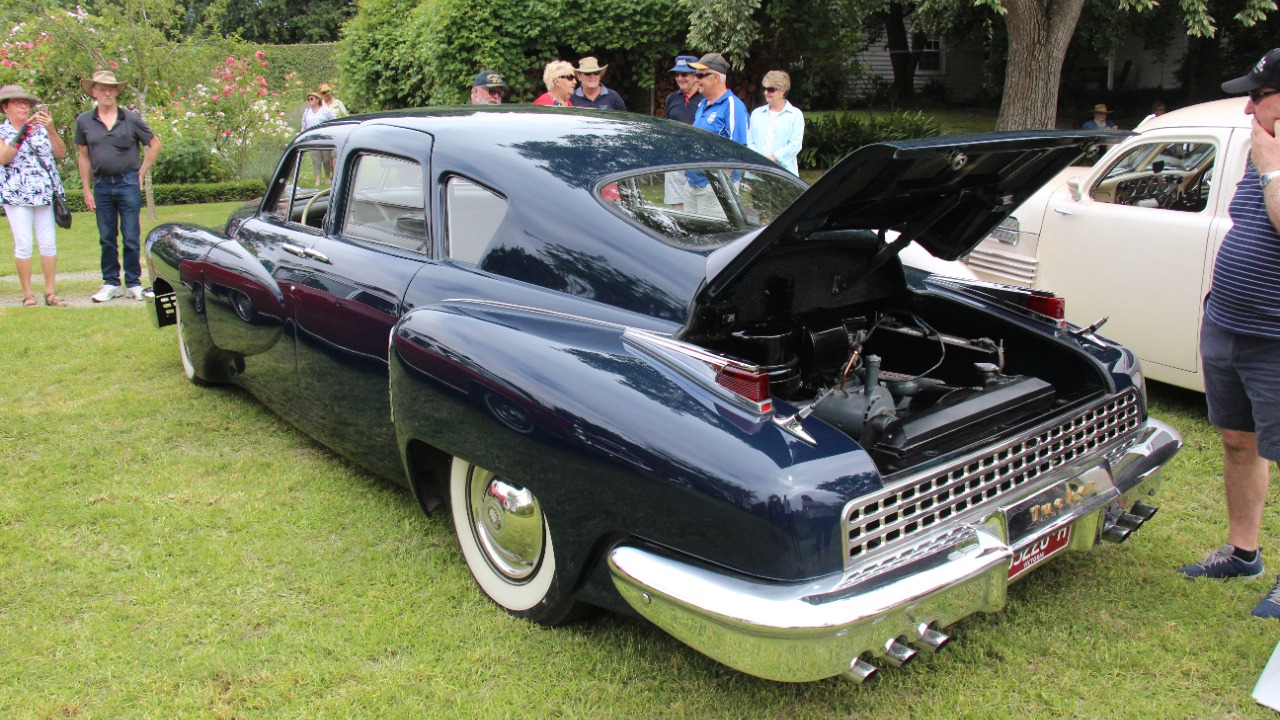
Only 51 Tuckers were ever built before federal investigations and lawsuits sank the company by 1950, according to the Drivers Foundation registry.
The Tucker 48 is remembered as a bold postwar attempt by an upstart to challenge Detroit’s established makers. Its tiny output makes surviving cars rare, and the story of the company’s collapse has often overshadowed the car itself, which is the reason it belongs on any list of overlooked postwar machines.
2. Hudson Commodore (1948 step-down): The Step-Down Hudson
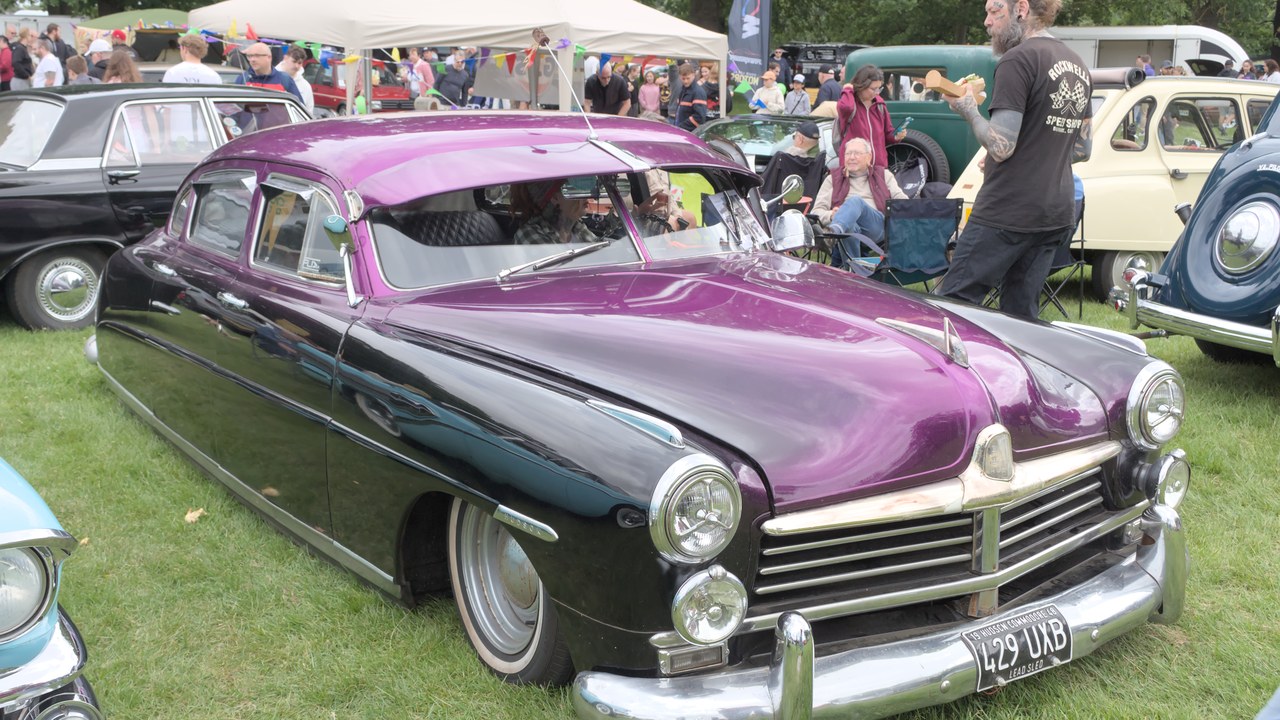
Hudson was among the first to unveil postwar models, in December 1947, and the Commodore carried a “Monobilt” box-section frame with the floor set below the door sills, as a 1948 car spotter’s guide describes.
The floor set below the door sills is the feature behind the “step-down” name enthusiasts still use. It shows Hudson betting on structure and a low, wide stance rather than only on new trim, and it explains why the car looks different from its tall-bodied rivals of the period.
3. 1949 Ford: Independent Thinking
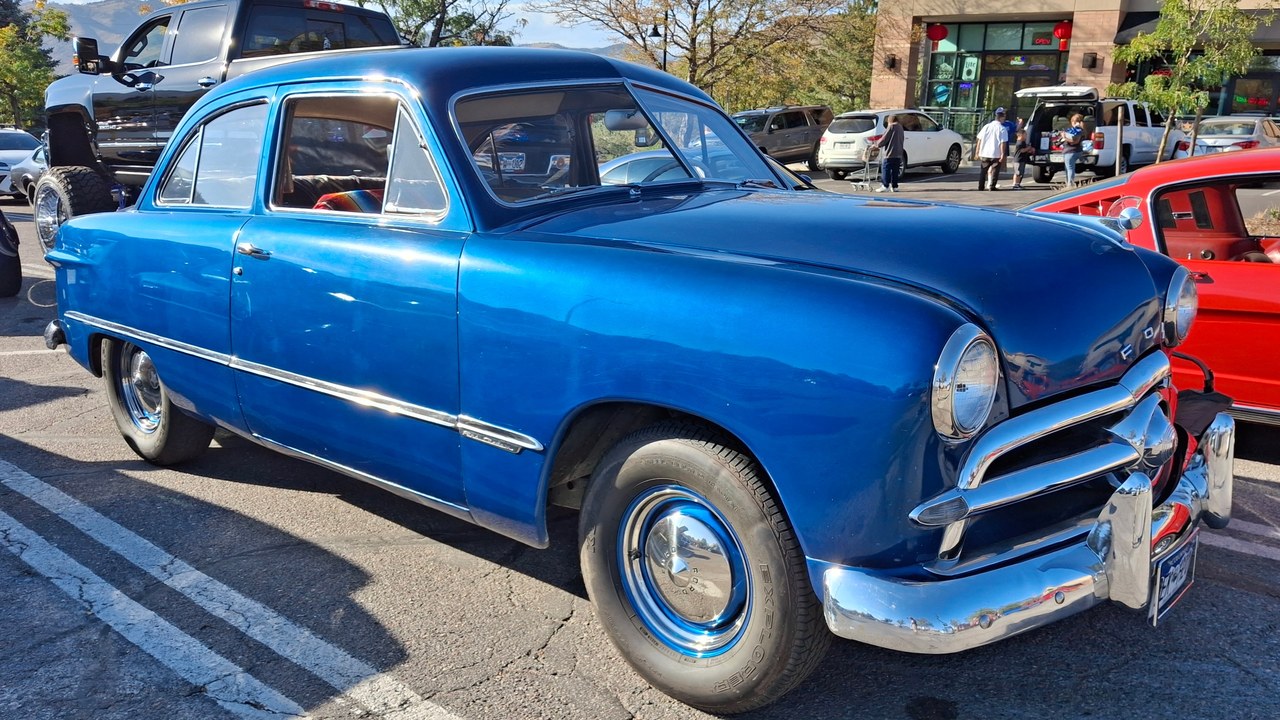
Launched in June 1948, the 1949 Ford was the first Ford with independent front suspension, using coil springs, as a 1949 car spotter’s guide notes.
Independent front suspension improved ride and handling compared with the solid front axles common before the war. The clean, modern body also made the 1949 car a favorite starting point for later customizing, so its significance reaches beyond showroom sales into hot-rod culture, where the car remains a familiar sight.
4. Studebaker Starlight coupe: Which Way Is It Going
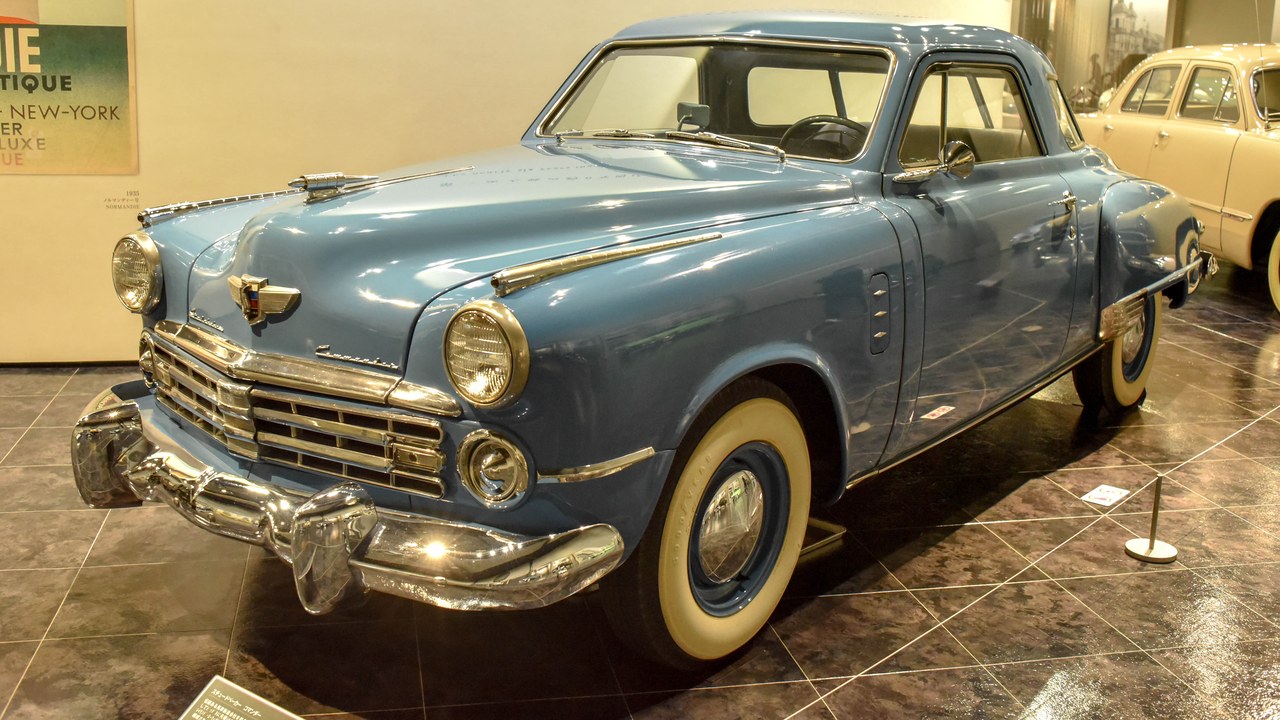
Virgil Exner designed the airplane-inspired Starlight coupe, sold from 1947 with a wraparound rear window, and its looks earned the nickname “Which way is it going?” according to the Starlight article.
The nickname captured how similar the front and rear ends appeared at a glance. The glassy rear greenhouse gave passengers a bright, open view, and the design remains one of the most distinctive of its decade, a reminder that Studebaker took styling risks.
5. Willys Jeepster: Open-Air Oddball
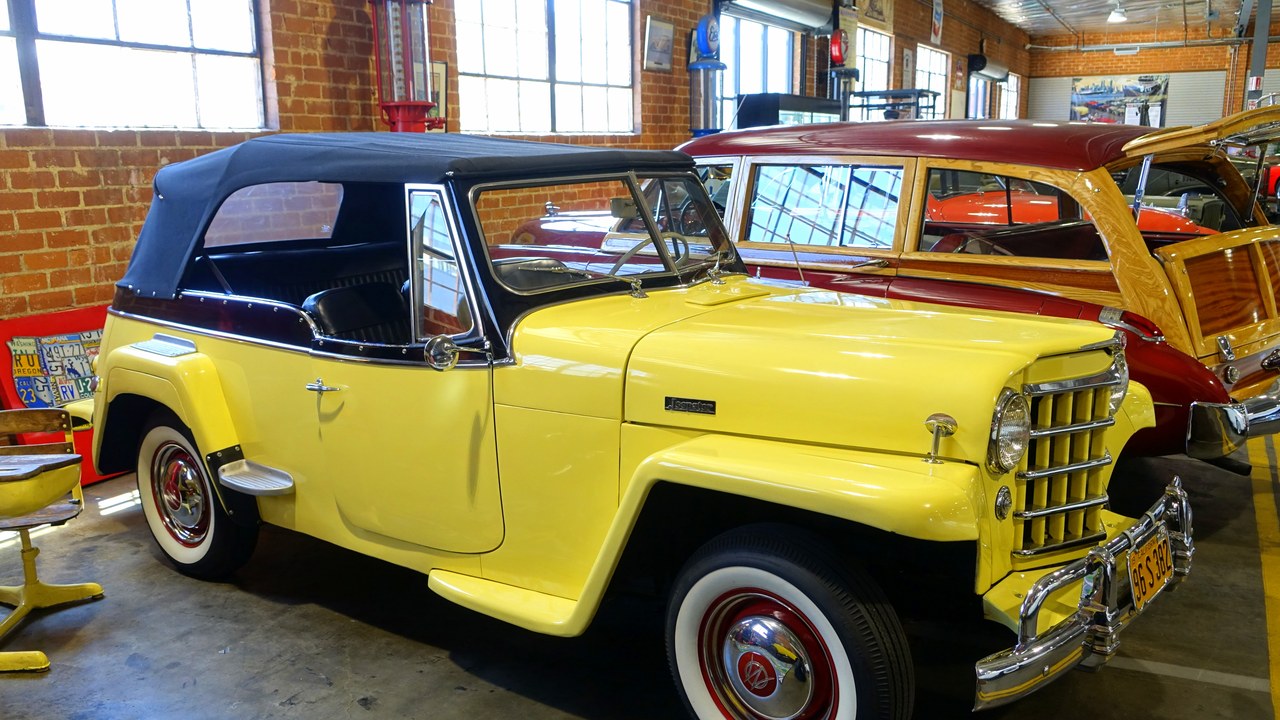
The VJ2/VJ3 Jeepster was a Jeep-inspired phaeton on a 104-inch chassis with a 134 cubic-inch four, as a 1949 car spotter’s guide lists.
A phaeton is an open touring body, so the Jeepster blended utility-vehicle toughness with convertible-style fun, an unusual combination for the era. The small four-cylinder made it more about character than speed, which is part of its charm for collectors today, and it gives buyers an unusual open-air alternative to the typical sedans of the period.
6. Chrysler Town & Country: Wood-Trimmed Chrysler
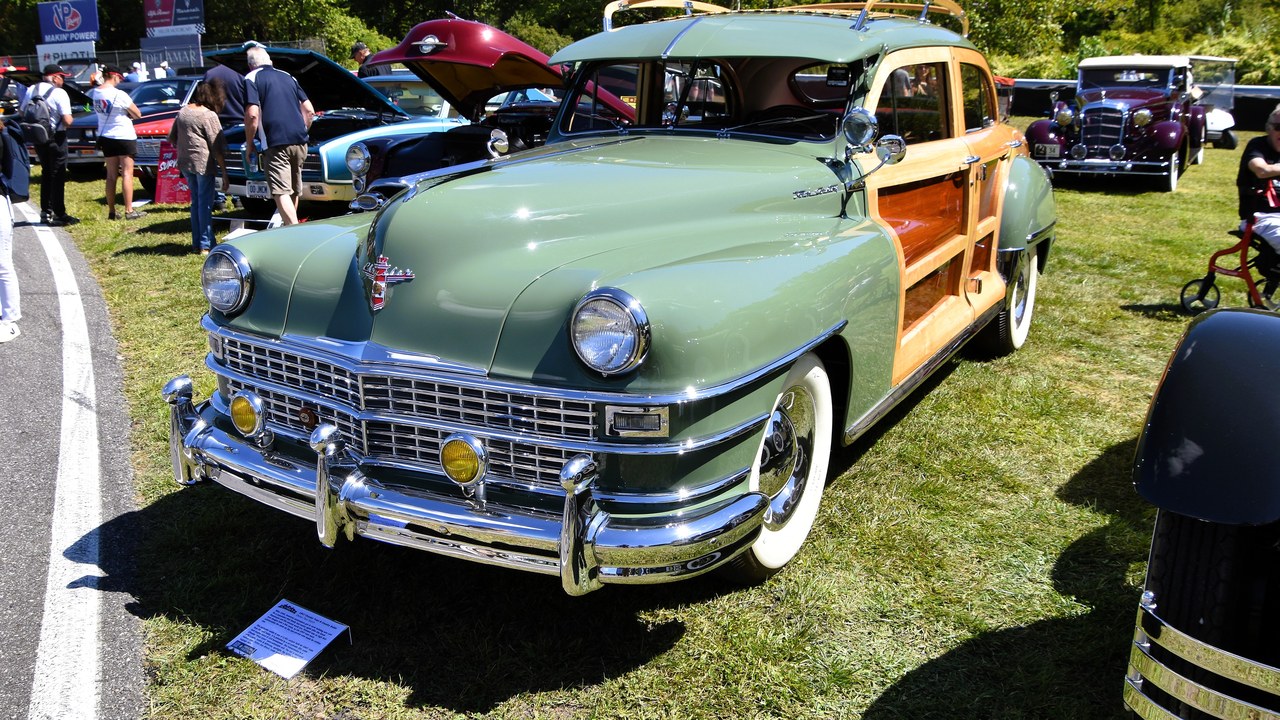
The woody Town & Country came in five body styles trimmed in white ash with mahogany panels and ran until February 1949, as a 1946 car spotter’s guide notes.
Real wood trim made these cars distinctive, and the look has become a symbol of an earlier era of American motoring. The Town & Country is also a reminder that Chrysler once built a stylish wood-bodied car as a showpiece rather than as a work vehicle.
7. 1948 Cadillac: First Fins
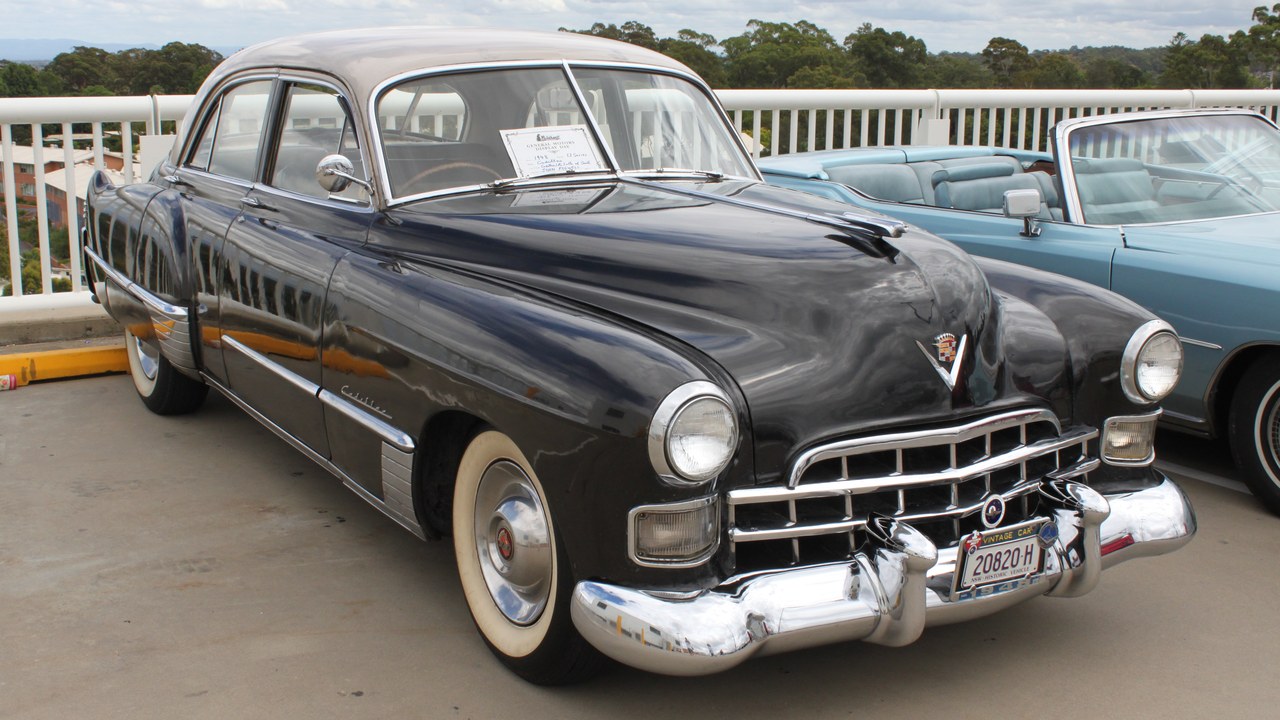
The 1948 Cadillac had restyled rear fenders that carried the first Cadillac tail fins, then described as little more than an upsweep at the fender tips, according to a 1948 spotter’s guide.
Tail fins would grow dramatically over the following years and became a hallmark of American styling. Starting small, the 1948 car shows where the trend began, which is why collectors and design fans pay attention to it, since a feature later exaggerated to extremes began as a modest detail.
8. Buick Roadmaster: Smooth Eight
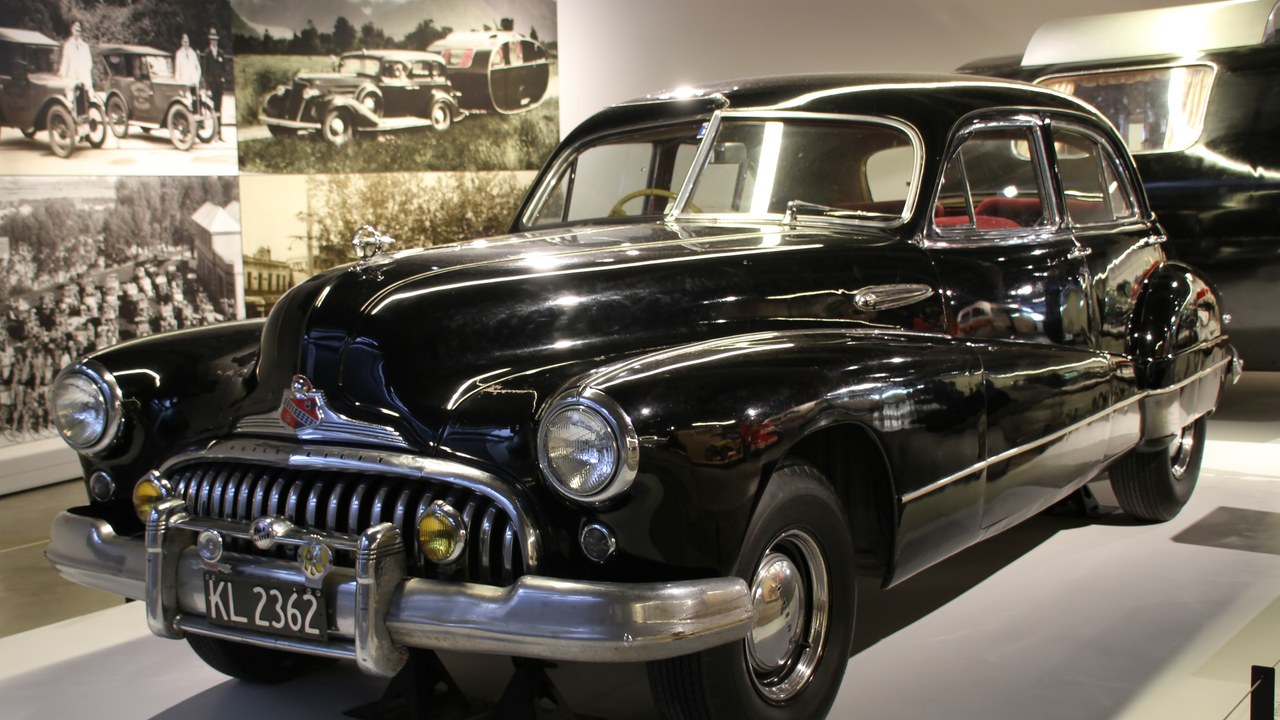
The postwar Series 70 Roadmaster carried a 320.2 cubic-inch, 144-hp straight-eight and was priced at $2,110, and 20,864 were built in the 1946 model year.
The straight-eight layout offered smooth running and reflected prewar engineering carried into peacetime. The price and build count show a car that sold in meaningful numbers yet has since faded behind more famous names, so it rewards a closer look from anyone interested in the middle of the American market in those years.
9. Packard Clipper: Postwar First
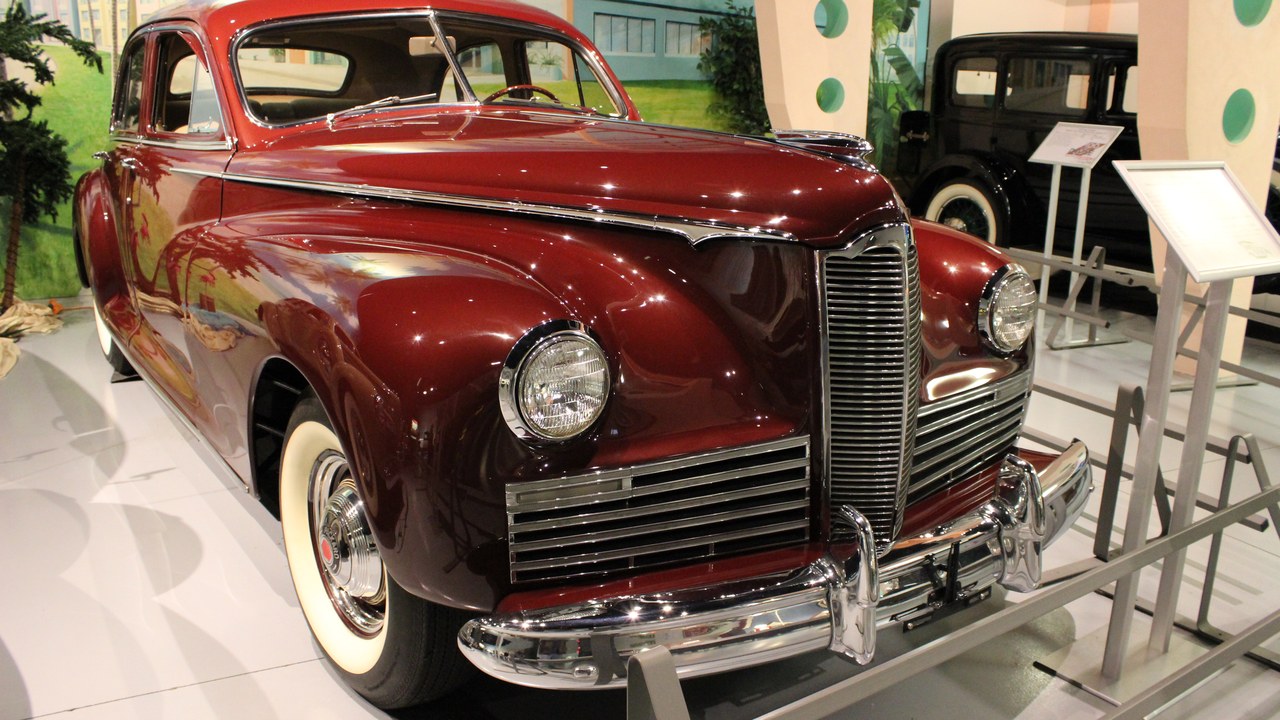
The first postwar Packard was built October 19, 1945, and the company turned out 42,102 cars in 1946, according to a 1946 car spotter’s guide.
Restarting production soon after the war ended put Packard early in the race to supply pent-up demand. The Clipper’s flowing, modern shape helped define the brand in those years, even though the name is less familiar to casual fans than it once was, and its postwar numbers show how healthy the company then was.
10. Nash Airflyte: Bathtub Beauty
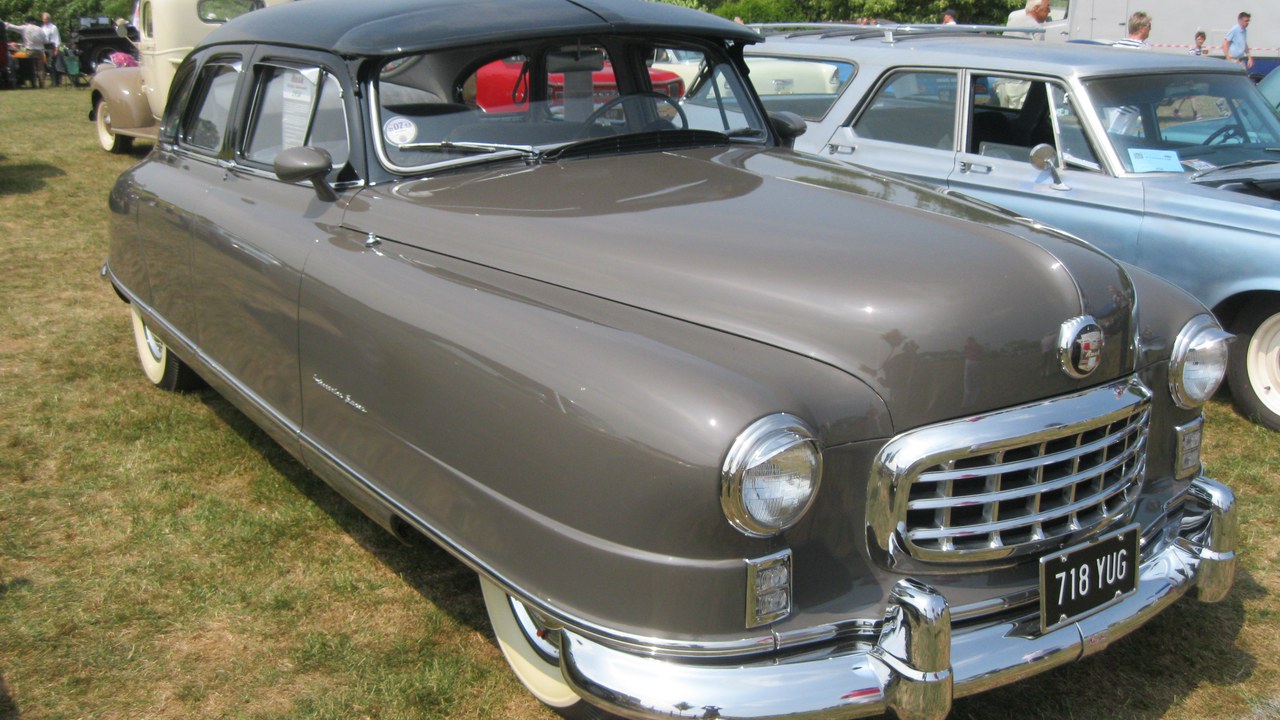
The Nash Airflyte introduced the Airflyte name and envelope bodies with enclosed wheels and a fully curved windshield with no center divider, as a 1949 car spotter’s guide describes.
Rounded, wind-cheating shapes were a clear break from the upright bodies of the prewar years, and the one-piece windshield improved forward visibility. The look is distinctive enough that surviving Nash cars are easy to spot at a show, and the unusual styling remains a talking point among classic car fans.
11. Kaiser Special: Independent Newcomer
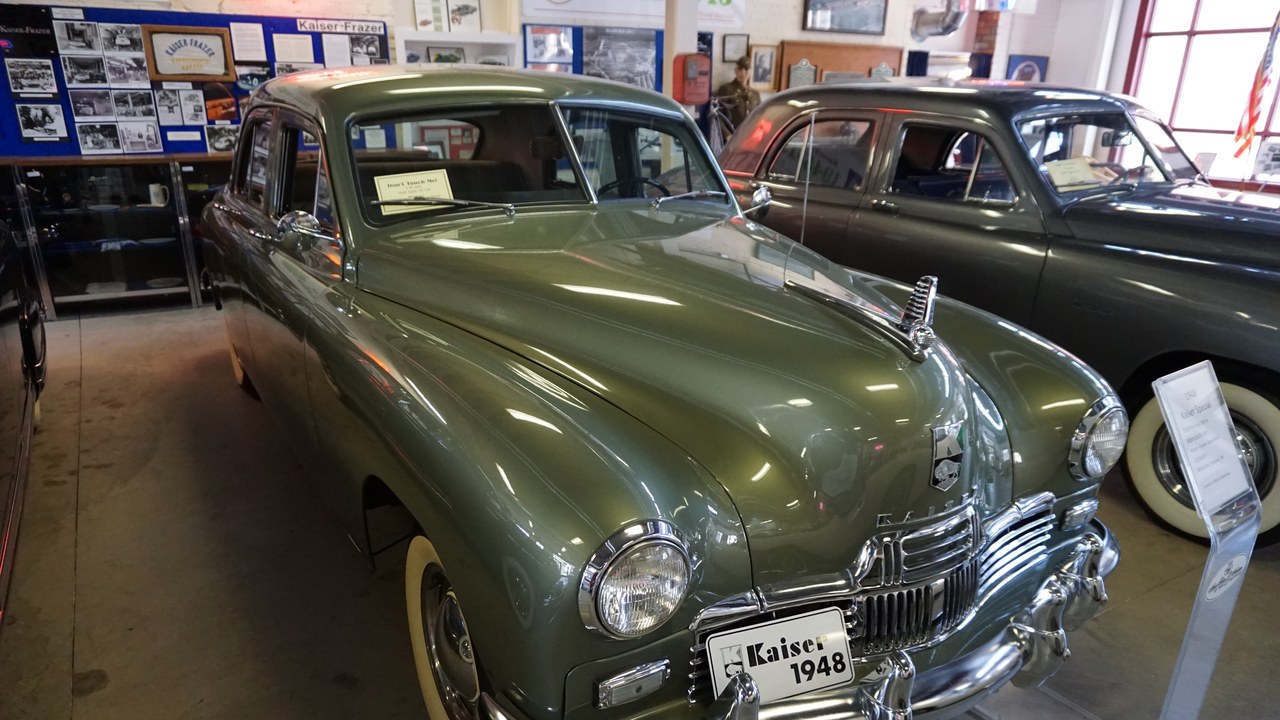
Kaiser sold the Special and DeLuxe in 1949 on a 123.5-inch wheelbase with a 226.2 cubic-inch Continental six, according to a 1948 spotter’s guide.
Kaiser was one of the independent newcomers trying to break into a market dominated by established makers. The Continental engine shows it relied on an outside supplier rather than building its own, a practical shortcut that is part of the car’s story, and a reminder of how difficult it was for newcomers to compete.
12. Oldsmobile Rocket 88: Rocket Man
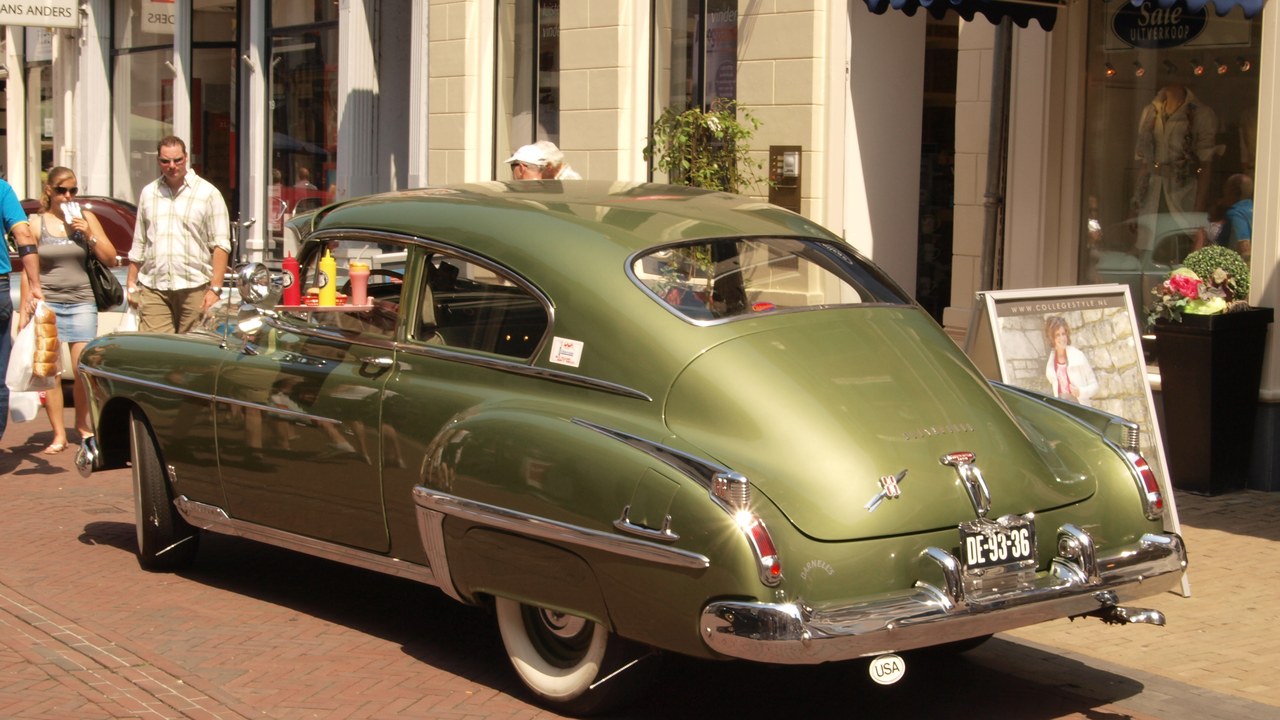
The 303-cubic-inch V8 Olds 88 was the 1949 Indy pace car and won 10 of 19 NASCAR races in 1950, according to Hagerty’s profile.
Pairing a modern V8 with a lighter body is a recipe for performance, and the 88’s racing record explains why it is often mentioned in discussions of early performance cars. It deserves more recognition than many of its better-remembered contemporaries, because it helped link performance with everyday family-car buyers.
The tech news worth your time: Subscribe to Techpresso →
We may earn a commission if you sign up.
More from Morning Overview
