
Ferries remain part of the American transportation network wherever water interrupts the road map. The systems differ widely in size, from commuter boats on a single harbor to state-run fleets with long coastal routes. Here are ten ferry operators, with the ridership, capacity or service figures that define each.
1. Washington State Ferries: Largest in the Nation
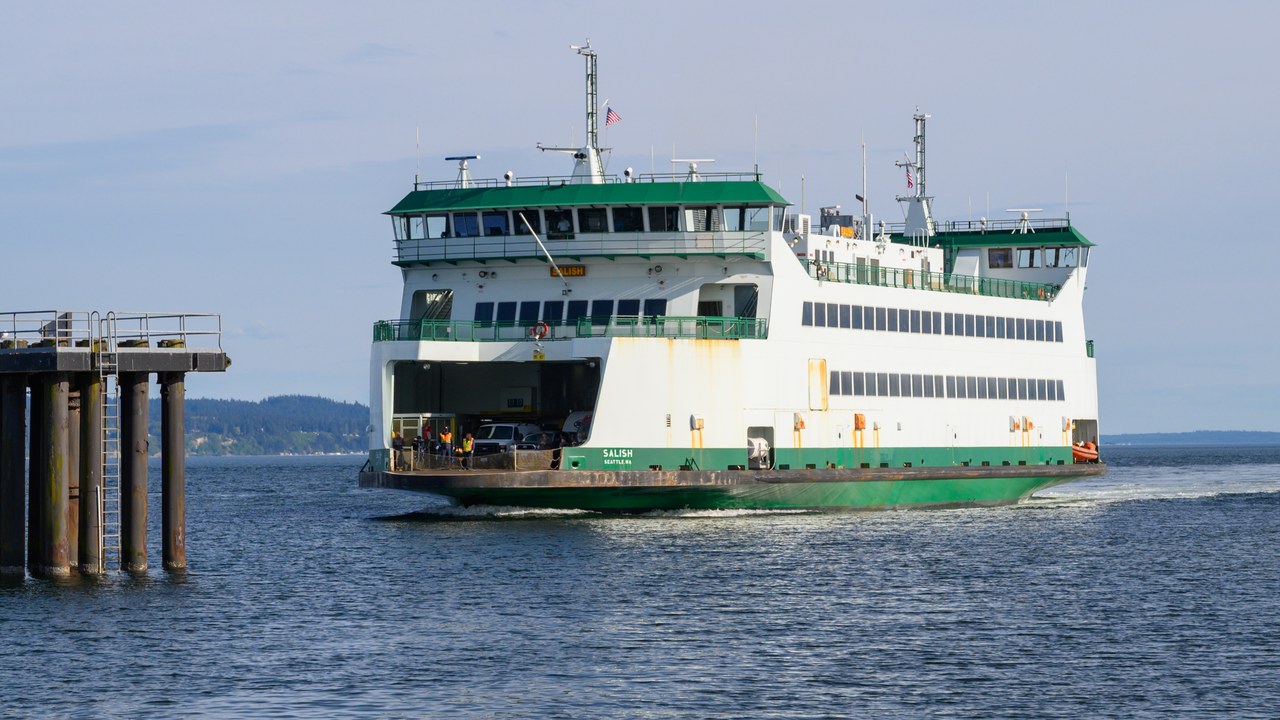
Washington State Ferries is the largest ferry system in the United States and carried 20.1 million total riders in 2025. Of that total, 10.7 million were passengers and 9.4 million were driving vehicles, according to Wikipedia.
The split shows that close to half of the system’s riders brought a vehicle aboard, which makes the boats an extension of the highway network as well as passenger transit. Those ridership figures are the basis for the system’s place at the top of the national list.
2. Staten Island Ferry: Free Every Day
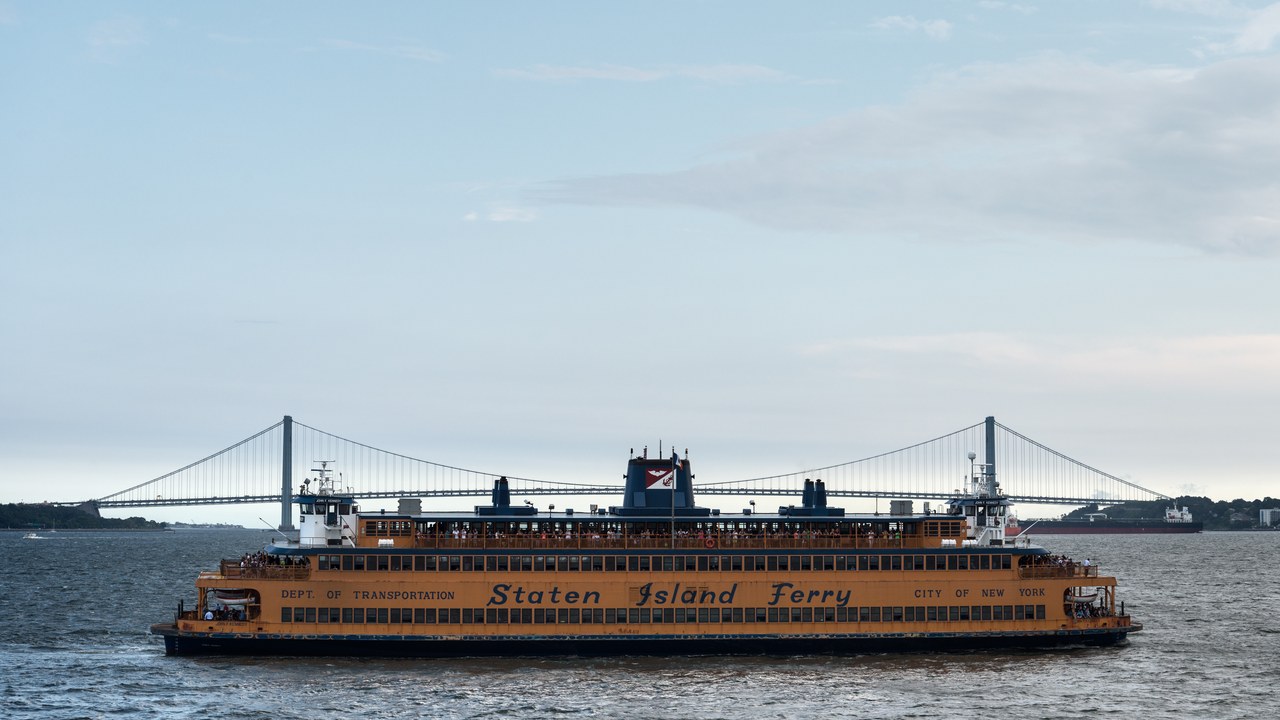
The Staten Island Ferry, run by NYC DOT, offers free service between Staten Island and Lower Manhattan every day of the week, year-round. The service has been fare-free since 1997.
A schedule that never pauses for a day of the week or a season, and that carries no fare, sets the route apart as a standing public service. Commuters and visitors crossing between the two boroughs can treat it as part of the city’s everyday transit. Because it runs every day of the week all year, no seasonal timetable applies, and the fare-free policy has held since 1997.
3. Alaska Marine Highway: A Coastline Highway
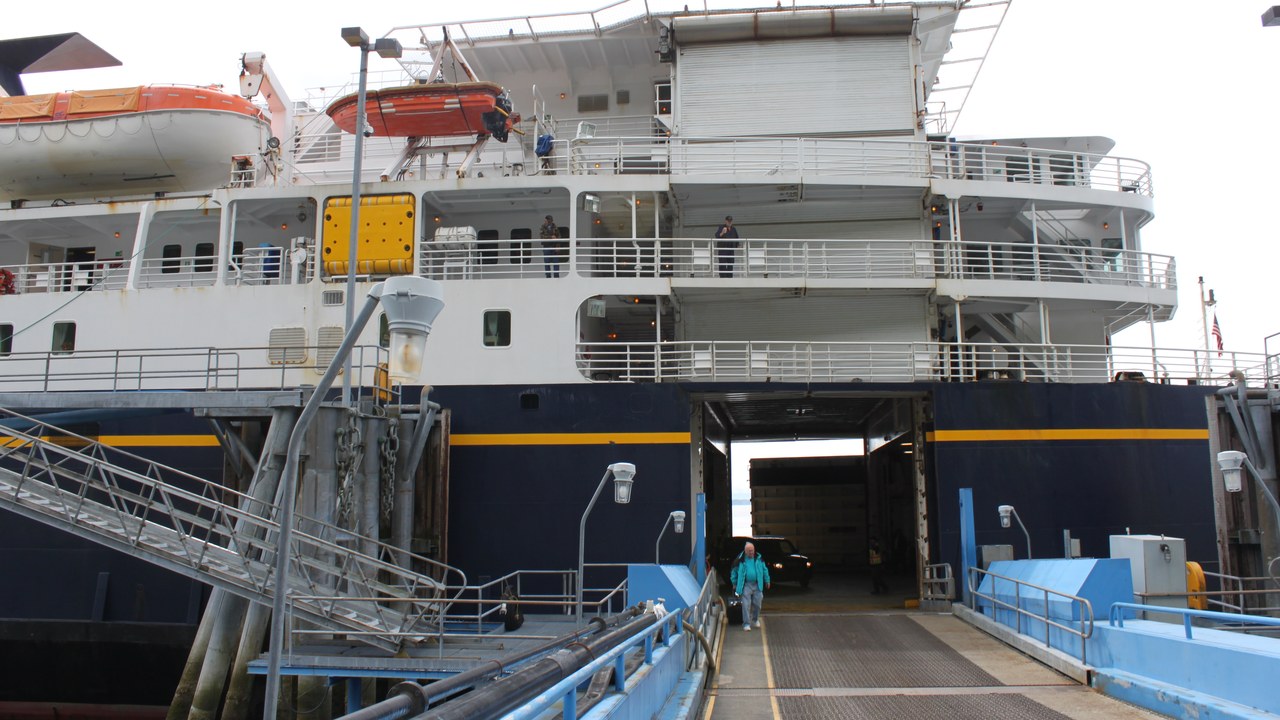
The ferries of the Alaska Marine Highway form a large part of the state’s highway system, covering 3,500 miles of coastline and serving more than 30 communities. The route stretches from Bellingham, Washington, to Dutch Harbor in the Aleutian Chain.
The state counts the ferries as part of its highway system, which explains both the name and the scale of a route spanning that much coastline. Bellingham to Dutch Harbor is the span the system is measured by, and 3,500 miles of coastline with more than 30 communities along the way make it a very different kind of operation from a single harbor crossing.
4. NYC Ferry: Four Routes, One Fare
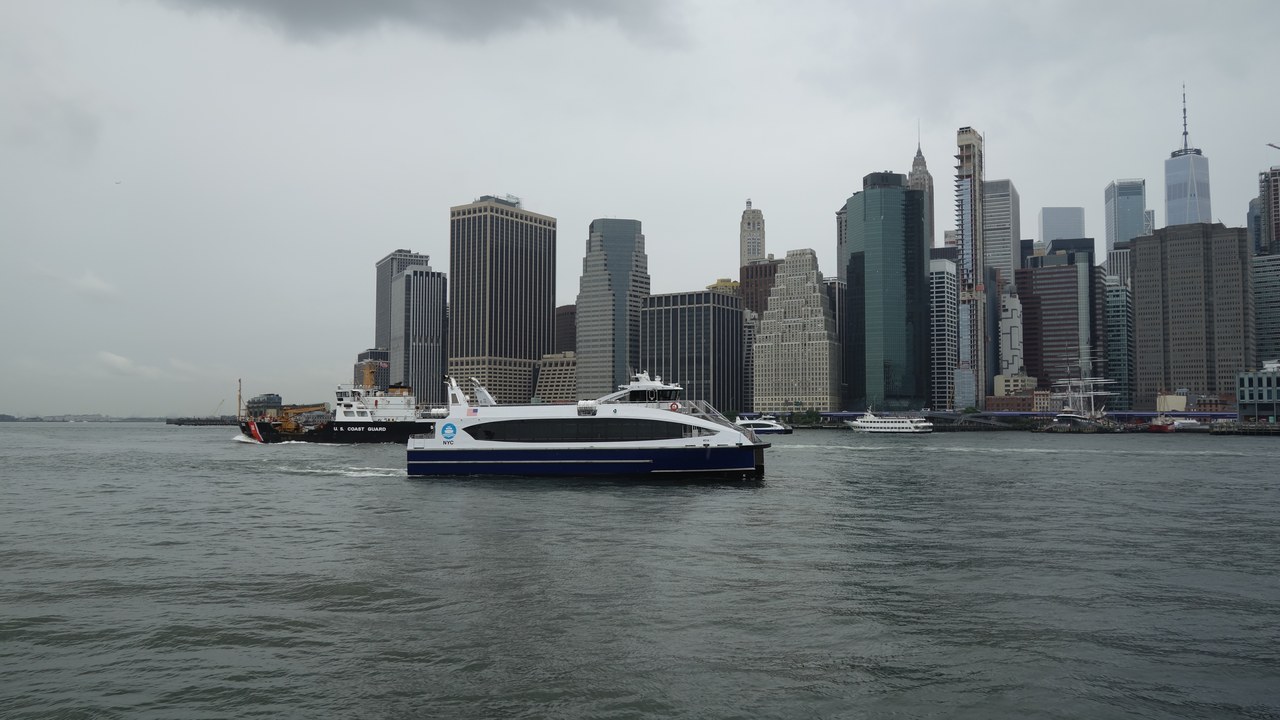
NYC Ferry’s own route and schedule list includes the East River, South Brooklyn, Astoria and Rockaway-Soundview routes, which run under a single fare.
Riders choosing among the routes deal with one fare rather than separate prices for each line. Four named services, East River, South Brooklyn, Astoria and Rockaway-Soundview, share that one fare, so a rider switching between them does not face a different price structure for each. Unlike the fare-free Staten Island Ferry, NYC Ferry charges a fare, but one fare covers every route.
5. Golden Gate Ferry: Larkspur Leads
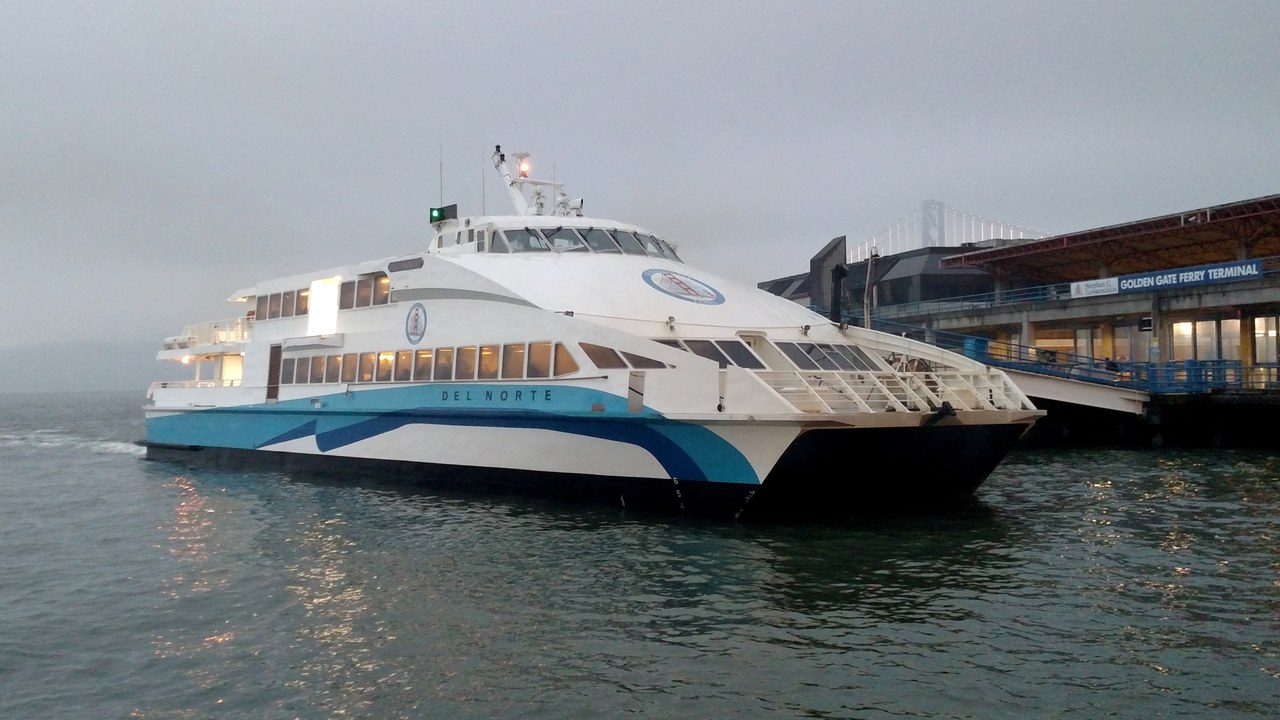
The Golden Gate district’s own statistics table shows 1,582,632 annual riders in fiscal 2025, a year ending June 30. Of those, 952,087 rode the Larkspur run, the largest share among the routes the table breaks out, which also include Sausalito, Tiburon and Angel Island.
More than half of the total on one route shows how concentrated the ferry’s traffic is on the Larkspur crossing. The table also reports average daily ridership for weekdays, Saturdays and Sundays or holidays, which the district publishes for each fiscal year.
6. San Francisco Bay Ferry: Six Routes, Three Million
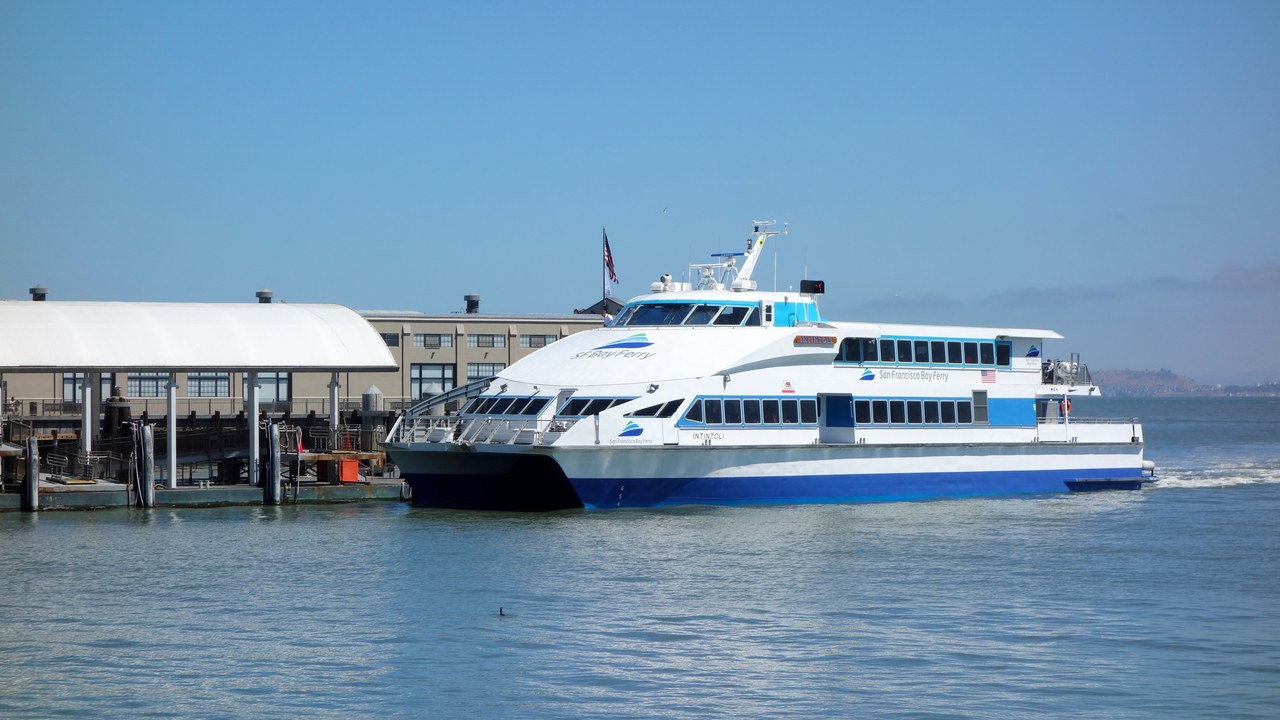
San Francisco Bay Ferry had ridership of 3,013,100 in 2025, according to Wikipedia, or about 11,600 per weekday as of the second quarter of 2026. The service runs across six routes on the bay.
The weekday figure is a snapshot from the second quarter of 2026 and not a full-year average. Riders comparing operators on the bay should note that the annual and weekday numbers cover different periods. The 3,013,100 annual total is a system-wide count across all six routes. Golden Gate Ferry’s 1,582,632 for fiscal 2025 is about half as large, though the two count different year-ends.
7. Steamship Authority: Island Lifeline Since 1960
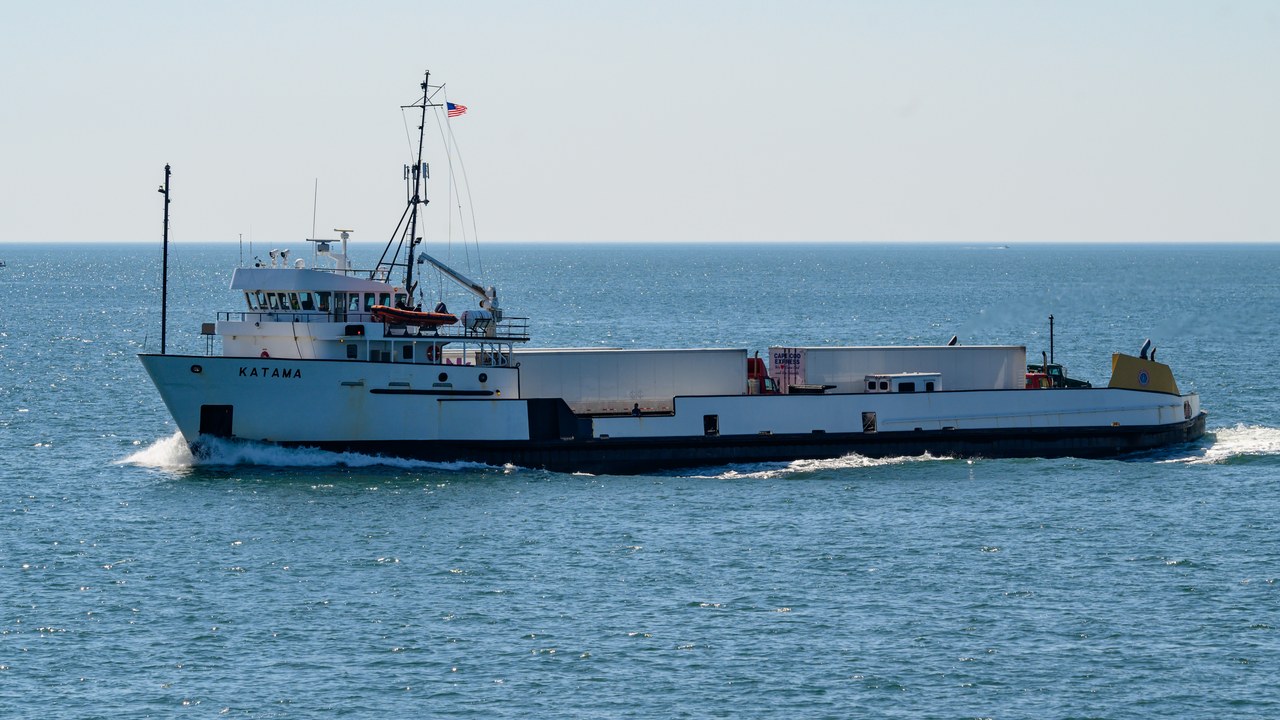
The Steamship Authority describes itself as the year-round lifeline to the Islands since 1960, serving Martha’s Vineyard and Nantucket. Its service also includes a high-speed run to Nantucket that takes an hour.
The lifeline wording reflects year-round operation and not a summer-only schedule. Since 1960, more than six decades, the authority has linked the mainland to both Martha’s Vineyard and Nantucket, and the high-speed run cuts the Nantucket crossing to an hour. Schedules for a specific crossing should come from the authority directly.
8. Cape May-Lewes Ferry: Hundred Cars Aboard
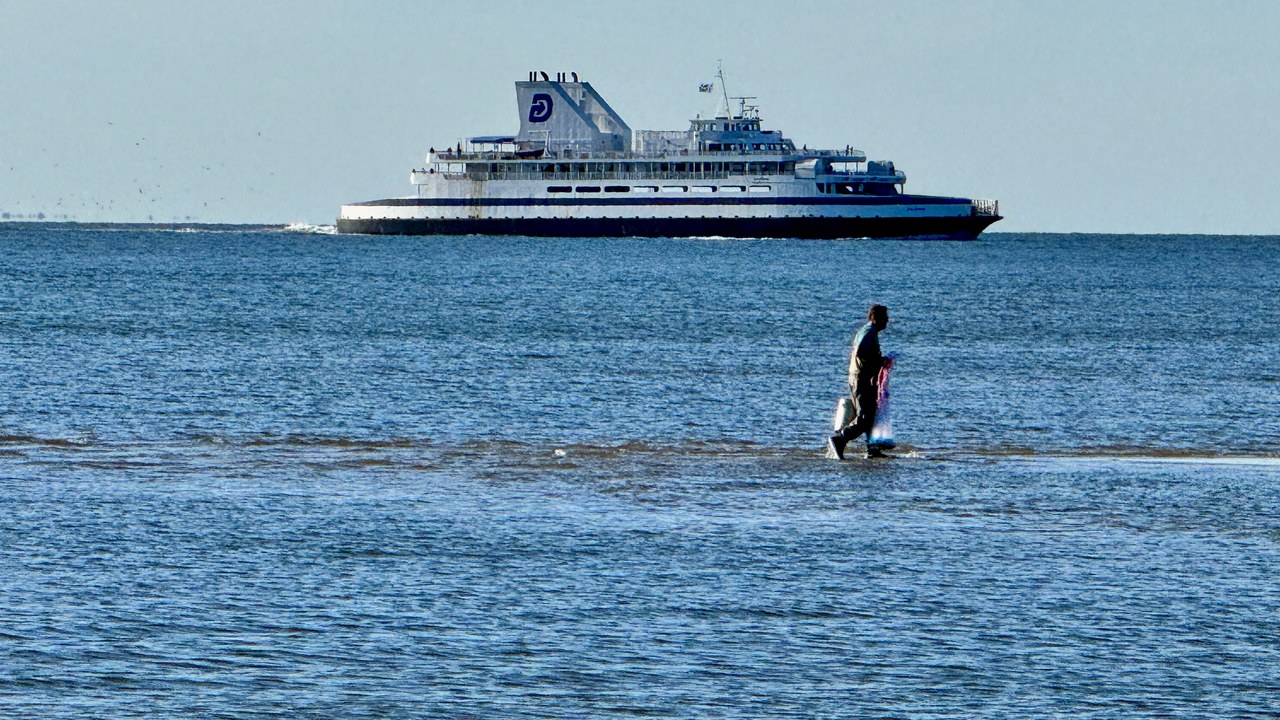
Each of the Cape May-Lewes Ferry’s three vessels has a capacity of 100 vehicles and 800 passengers for the crossing at the mouth of Delaware Bay. According to Wikipedia, the boats sell out in advance during popular summer weekends.
The same passage notes that passenger capacity usually does not run out, so the pressure falls on vehicle spaces. Drivers planning a summer-weekend crossing have reason to book ahead, while foot passengers face less of a squeeze. The capacity figures apply to each vessel individually, and not to the fleet as a whole, so the three vessels together have room for 300 vehicles and 2,400 passengers.
9. Seastreak: Fast Catamarans
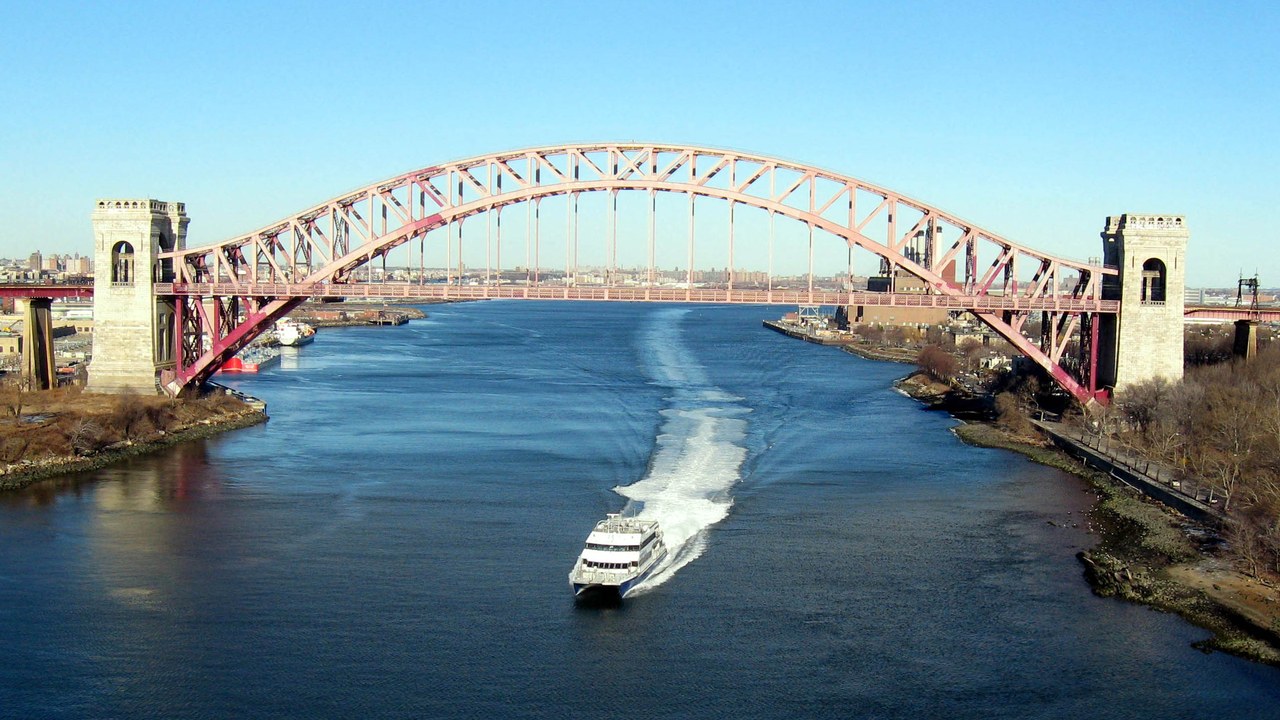
Seastreak owns ten double-hulled catamarans, each 141 feet long with a capacity of 505 passengers and a top speed of 38 knots, which is 44 mph.
Capacity is rated in passengers, which fits a fleet described by its speed. Riders can read 38 knots, or 44 mph, as the top speed of the vessels and not as a typical crossing speed. The 141-foot length is the same for every vessel in the fleet, which makes the 505-passenger rating a uniform figure that adds up to 5,050 seats across all ten.
10. Fire Island Ferries: The Western Link
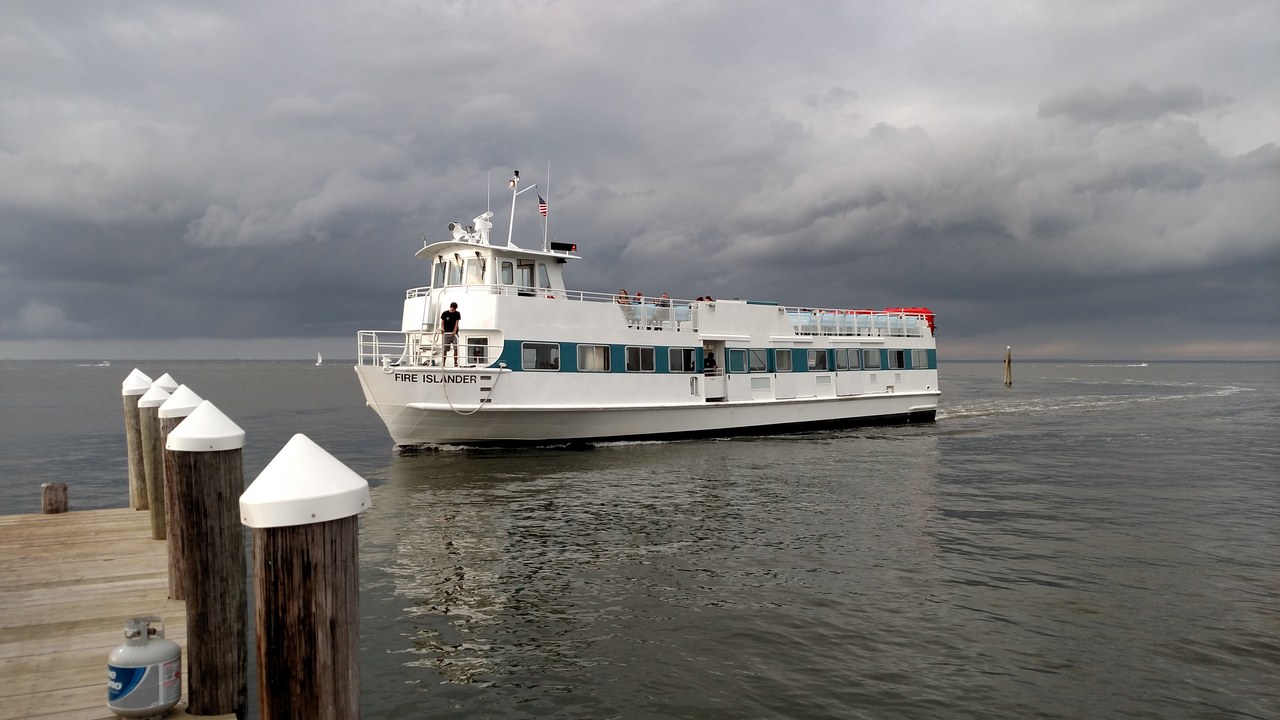
Fire Island Ferries is a passenger and freight service that serves the western communities of Fire Island, New York, according to its Wikipedia description. The freight role sits beside passenger carrying in that definition, which marks it as more than a commuter shuttle.
The service is best understood by its role as the working link to those communities. Visitors heading to the western end of the island can treat it as the water connection, and should confirm schedules with the operator.
More from Morning Overview
- A recalled pill hid a stimulant dose linked to heart attacks and death
- Four U.S. startups fired up their first small nuclear reactors, aiming to power AI data centers on-site
- Card skimmers hidden on gas pumps and ATMs are draining accounts, and here’s the tell
- Doctors warn a silent liver disease now affects one in three American adults
