
Pace cars are the most visible machines at the Brickyard, yet their stories rarely make the main broadcast. Some arrived as showroom launches, some as tributes and one as a cautionary tale about what can go wrong at the head of the field. Here are thirteen cars from the Speedway’s long parade that earned a place in that history.
1. 1971 Dodge Challenger: Brake Marker Gone Wrong
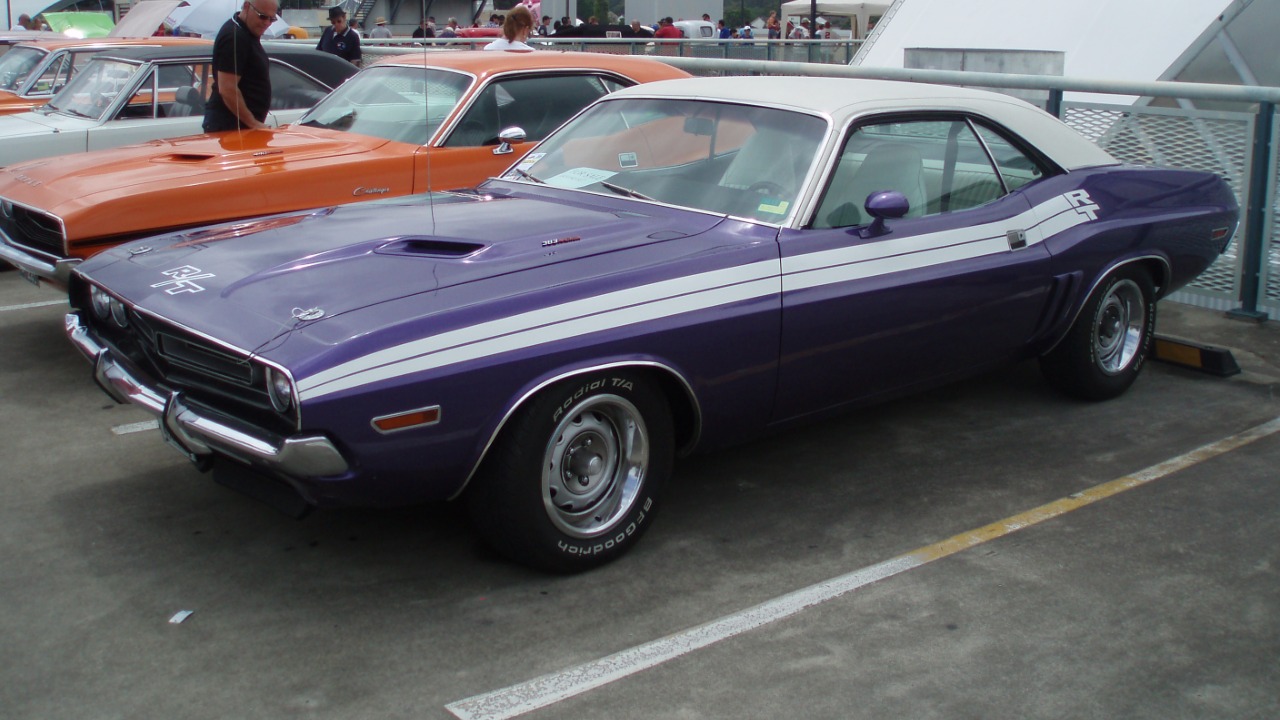
The 1971 Indianapolis 500 pace car became infamous when a moved braking marker left the Dodge Challenger overrunning its stop and plowing into a photographers’ stand. According to a a removed braking marker, the crash injured 29 people, making it the most notorious moment in the long tradition of pace-car duty.
The episode shows how much risk sits inside what looks like a ceremonial job. Track officials, drivers and manufacturers have treated the pace car as a serious piece of race-day equipment ever since, and the Challenger remains the cautionary tale collectors still bring up first.
2. 1978 Chevrolet Corvette: One Replica Per Dealer
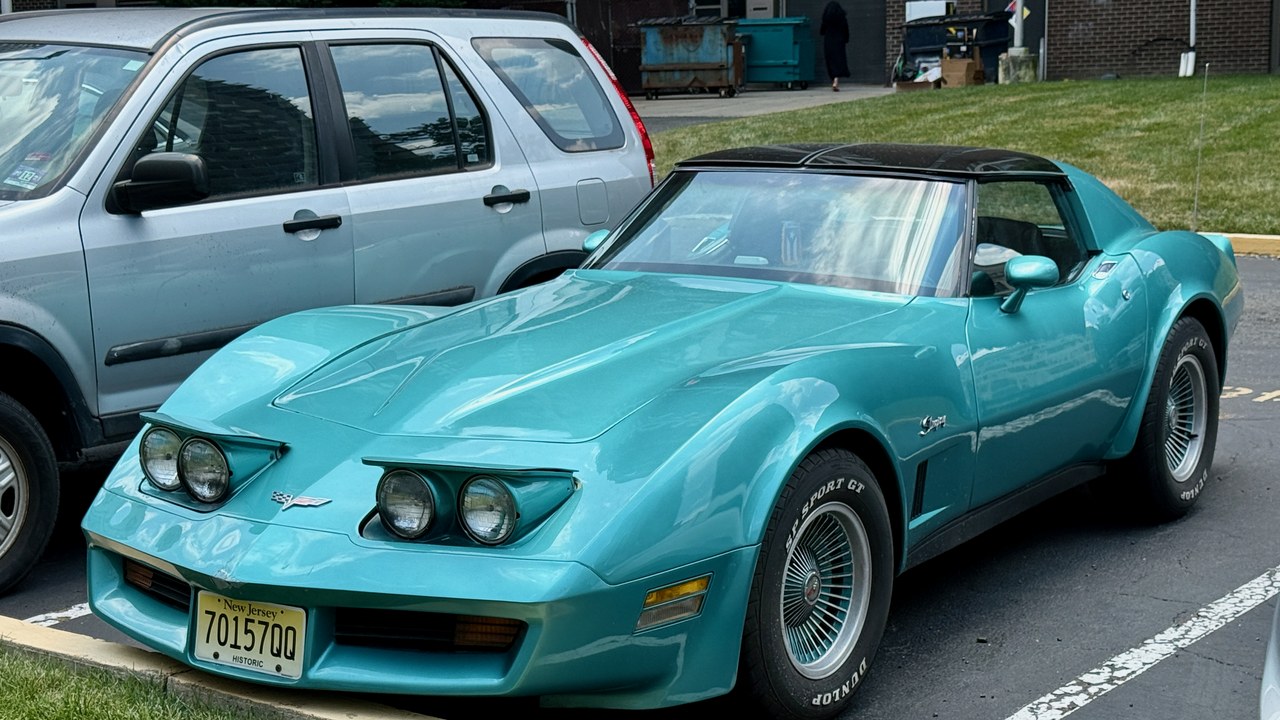
Chevrolet turned the 1978 Corvette pace car into a showroom event. A a pace car retrospective notes that the company built 6,502 replicas, one for every dealership in its network, which made the paint-and-graphics package a dealer-floor centerpiece rather than a rare track souvenir.
For collectors, that production number defines the car. A fixed run tied to dealer count means supply is known, and buyers today look for documented originals with the correct decals and equipment, since the replica look is easy to imitate on an ordinary Corvette.
3. 1979 Ford Mustang: Stewart at the Wheel
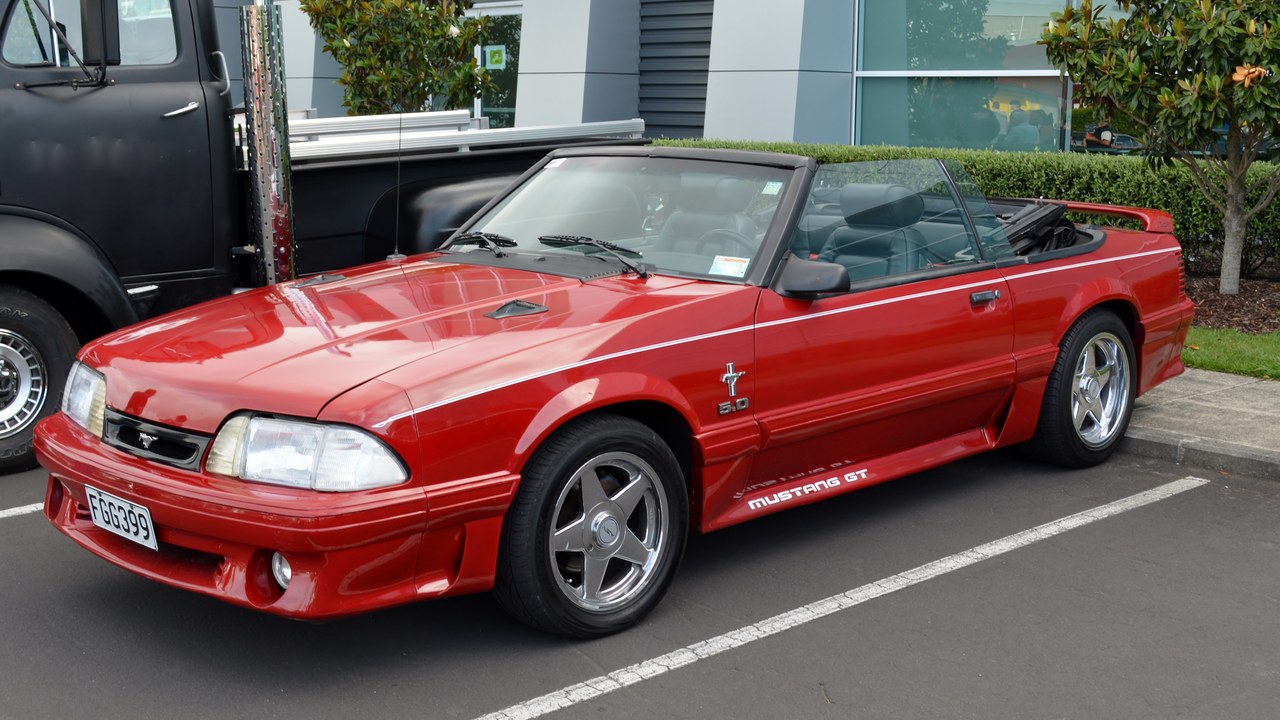
Ford returned to the pace-car spotlight in 1979 with a Mustang driven by Jackie Stewart. A a slideshow history of pace cars records that more than 10,000 replicas were sold, an unusually large figure for an event car and proof that the Fox-body Mustang had a wide audience.
That volume matters to anyone shopping for one now. Unlike limited-run pace cars, the 1979 replicas turn up regularly, so condition and documentation decide value more than scarcity, and buyers can afford to wait for a clean, unmodified example.
4. 1973 Cadillac Eldorado: Big Convertible, Bigger Engines
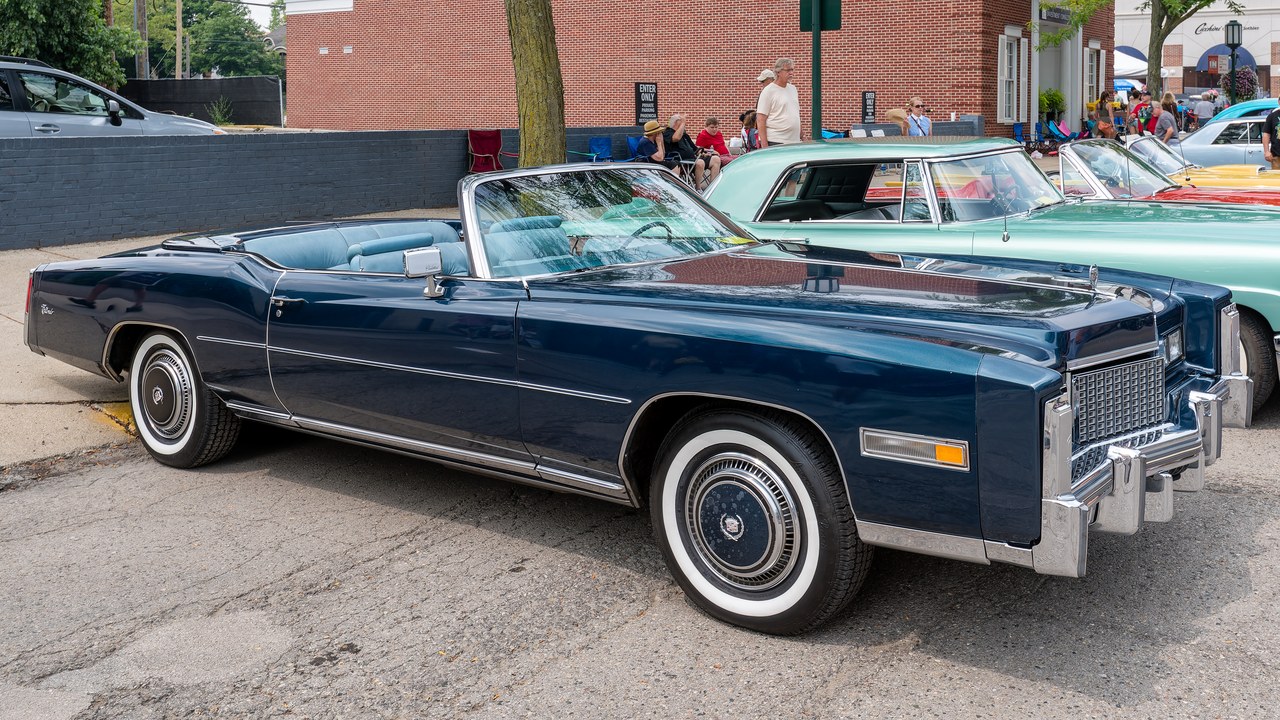
Cadillac supplied a full-size Eldorado convertible for the 1973 race. The a history of Indy pace cars says more than 560 replicas followed, and that two of the pace cars carried the 500-cubic-inch V8, the largest engine Cadillac offered in that era.
The large-displacement detail is what separates this pace car from a typical parade convertible. Shoppers chasing an Eldorado from this period usually find the standard car easy to locate, while anything tied to the pace-car program needs paperwork to prove it.
5. 2026 Chevrolet Corvette ZR1X: 1,250 Horsepower Pace Duty
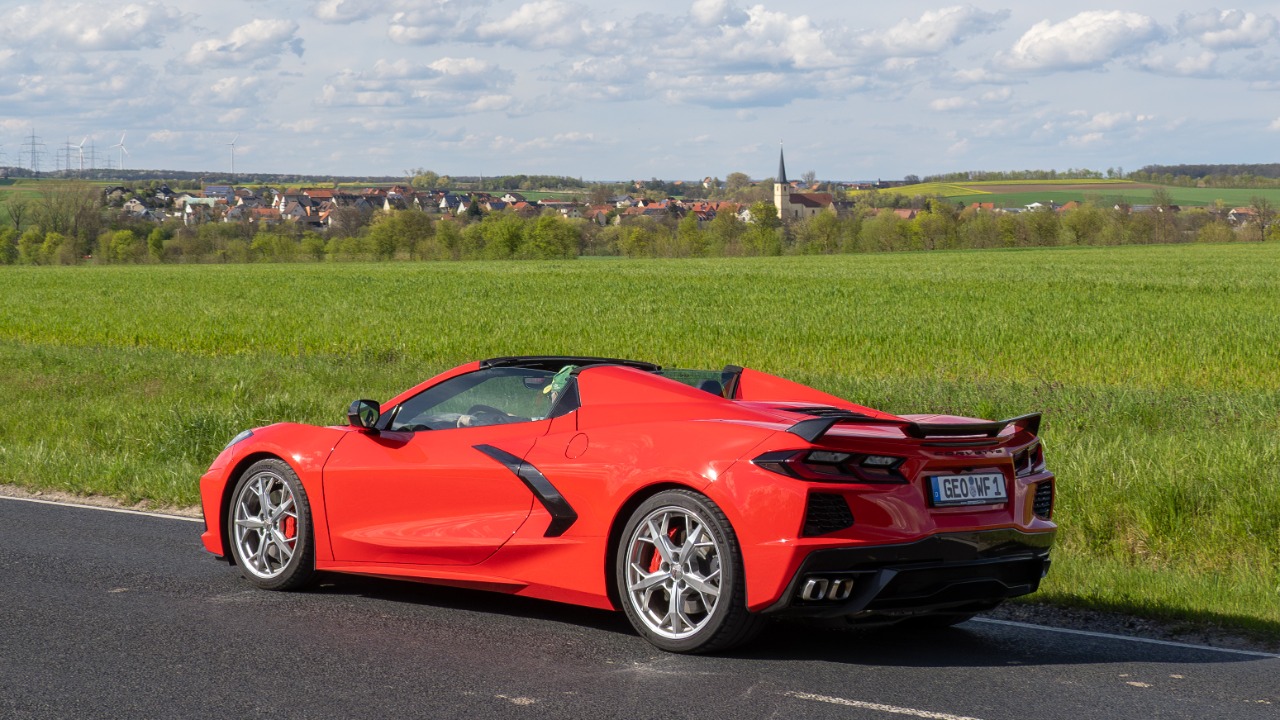
The most recent car on the list is the 2026 Corvette ZR1X, a hybrid-assisted C8 variant. A an overview of Indy pace cars lists 1,250 horsepower combined and a 0-60 mph time of under two seconds, figures that put a pace car ahead of the field it leads by a wide margin.
The numbers show how far the role has moved from the stately sedans of earlier decades. A modern pace car is now a showcase for current performance technology, and the ZR1X gives Chevrolet a headline example of electrified power in a production sports car.
6. 1957 Mercury Turnpike Cruiser: Sun Glitter Yellow
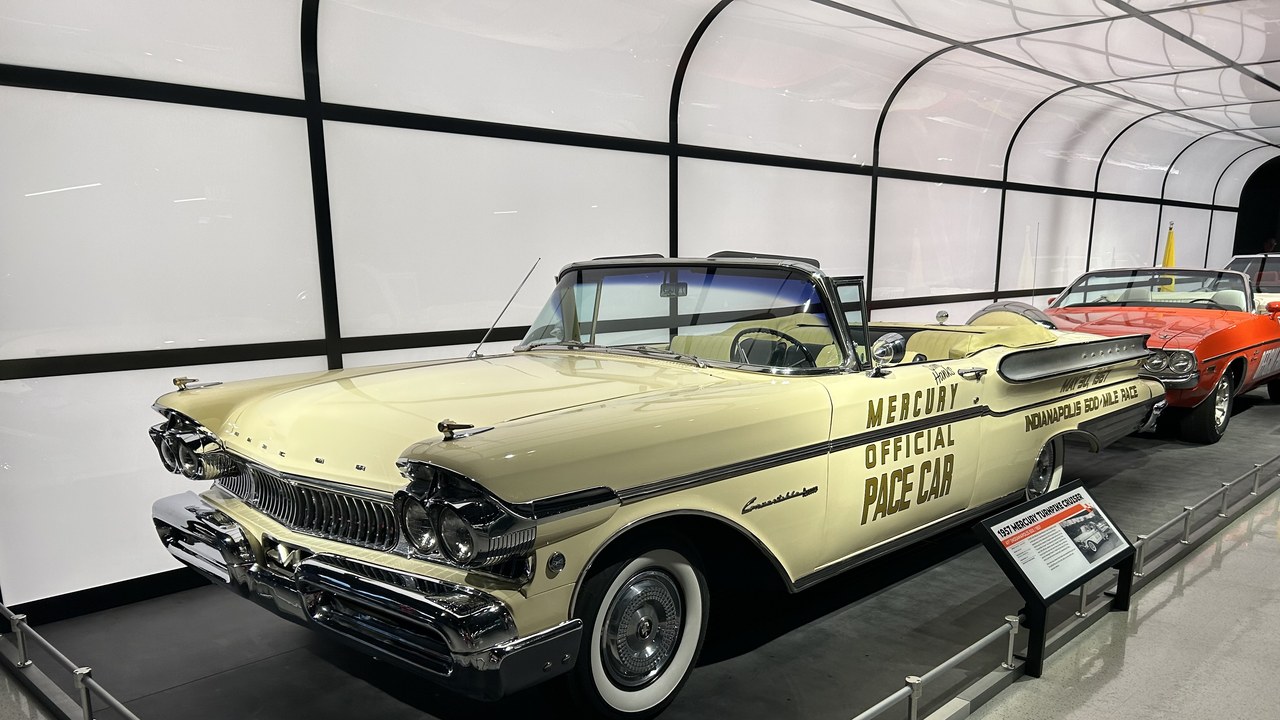
Mercury’s 1957 Turnpike Cruiser wore a distinctive shade called Sun Glitter yellow when it led the field. The a classic-car pace car guide also marks 1957 as the year the pace car’s lead grew to two laps, a sign of how the starting procedure was changing.
The Turnpike Cruiser is remembered as one of the flashier designs of its decade, and its pace-car turn is part of that reputation. Restorers chasing the livery need the right color and lettering, since the paint scheme is what makes the car recognizable.
7. 1964 Ford Mustang: Born at the World’s Fair

The first Mustang paced the 1964 race. As the a pace car timeline puts it, the car premiered at the World’s Fair on April 17, 1964, which placed it on the Indianapolis grid within weeks of its public debut.
That timing is the story. Ford used the pace-car slot as a launch platform for a model that would define the pony-car class, and early cars tied to the event remain among the most researched in Mustang collecting, where verification of origin drives price.
8. 1965 Plymouth Sport Fury: The Lone Plymouth
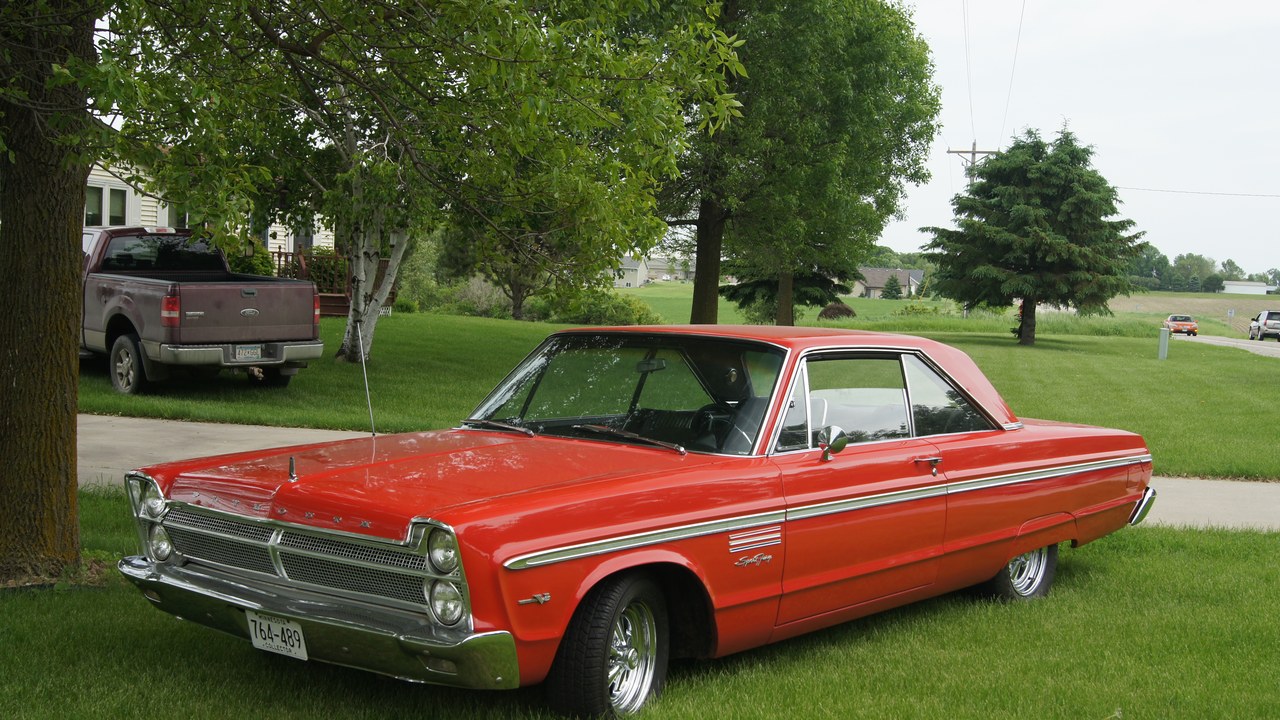
Plymouth earned the pace-car assignment only once, with the 1965 Sport Fury. A a pace car timeline states plainly that this was the only time a Plymouth paced the Indy 500, a distinction that sets the car apart from the repeat visitors on the list.
For owners and buyers, a one-time appearance gives the Sport Fury a clear identity within Mopar circles. Documentation of pace-car status carries weight, because few other Plymouths can claim any link to the Speedway’s most visible honor.
9. 1991 Dodge Viper RT/10: Shelby Before Showrooms
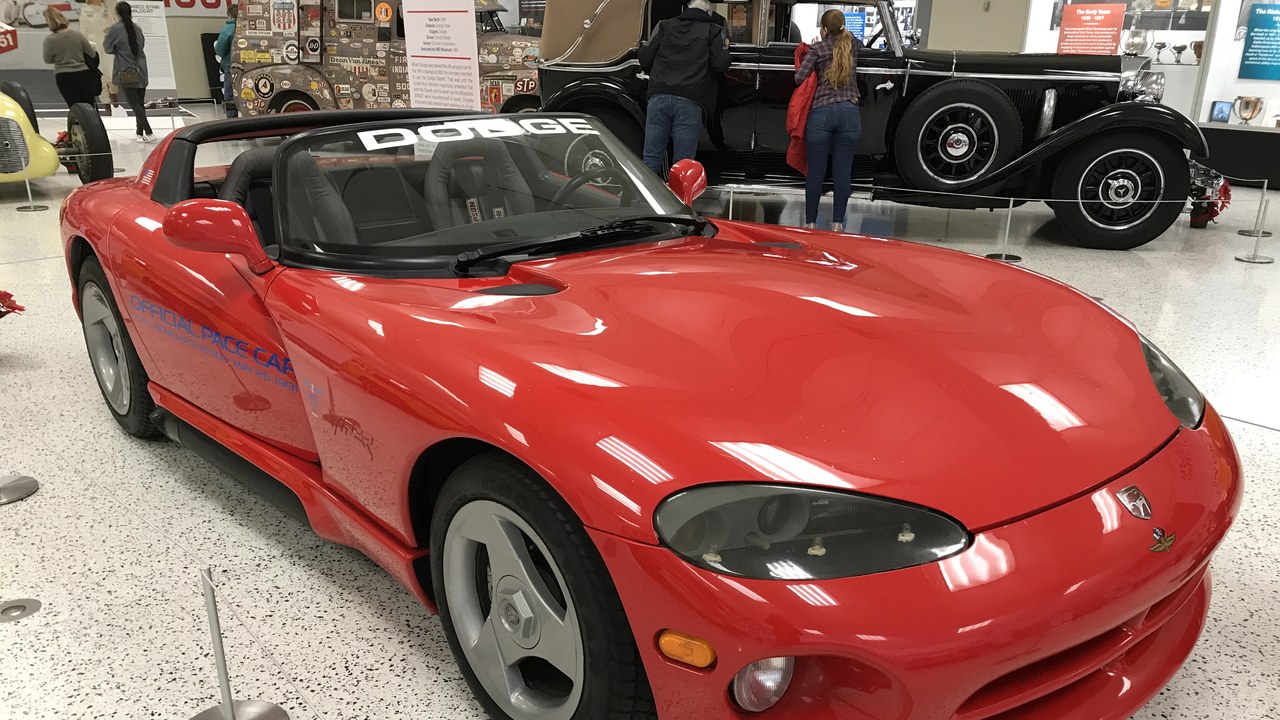
Dodge handed the 1991 pace-car job to a pre-production Viper roadster. The a classic pace car guide describes Carroll Shelby driving a 400-horsepower V10 before the Viper reached showrooms in 1992, so the race served as the car’s public preview.
The appearance helped establish the Viper as a serious performance statement from Dodge. Buyers looking at early cars today still tie the model to that debut, and the 1991 pace-car link remains one of the most quoted pieces of Viper history.
10. 1961 Ford Thunderbird: Hanks Behind the Wheel
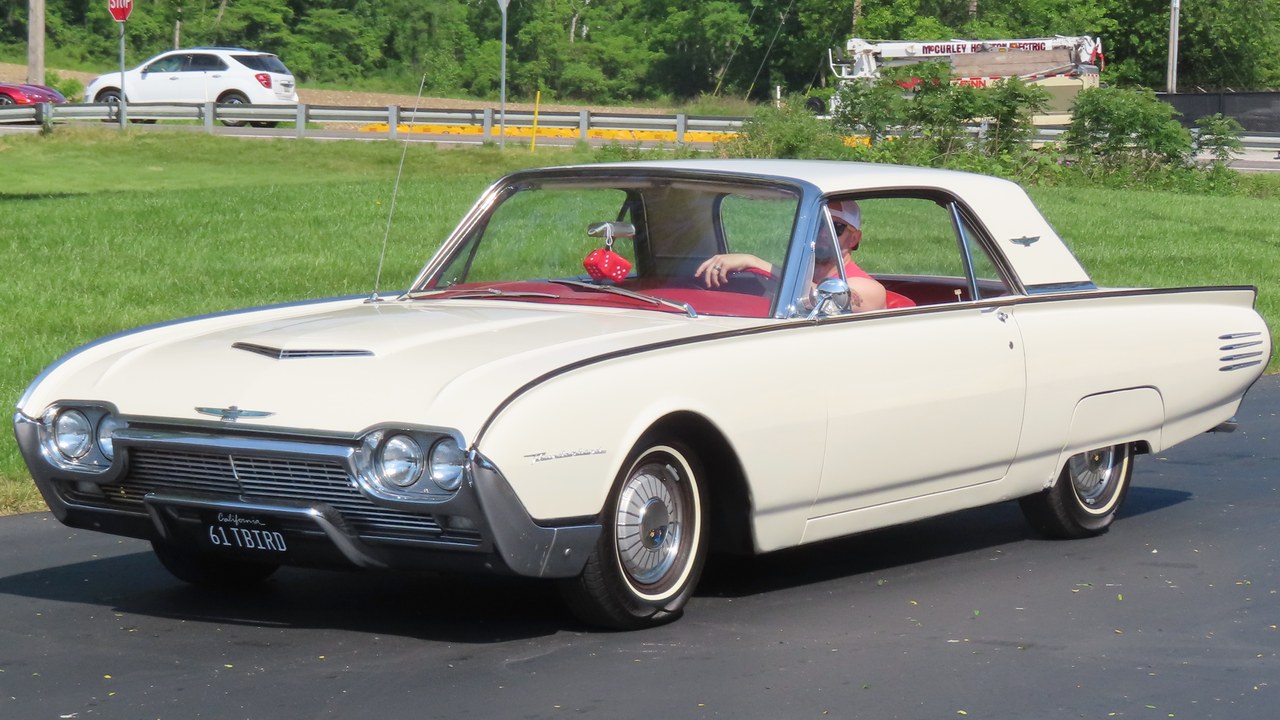
Ford’s 1961 Thunderbird was driven by Sam Hanks, the 1957 winner. The a list of every pace car notes that this was part of his run of six straight years at the wheel of the pace car, a rare stretch of continuity in an assignment that usually rotated.
A former winner steering the car gave the role extra credibility with fans. For Thunderbird enthusiasts, the connection adds a racing chapter to a car better known as a personal luxury cruiser, and it helps explain why the 1961 model is so often photographed.
11. 1969 Chevrolet Camaro SS: Rathmann and a Moonwalker
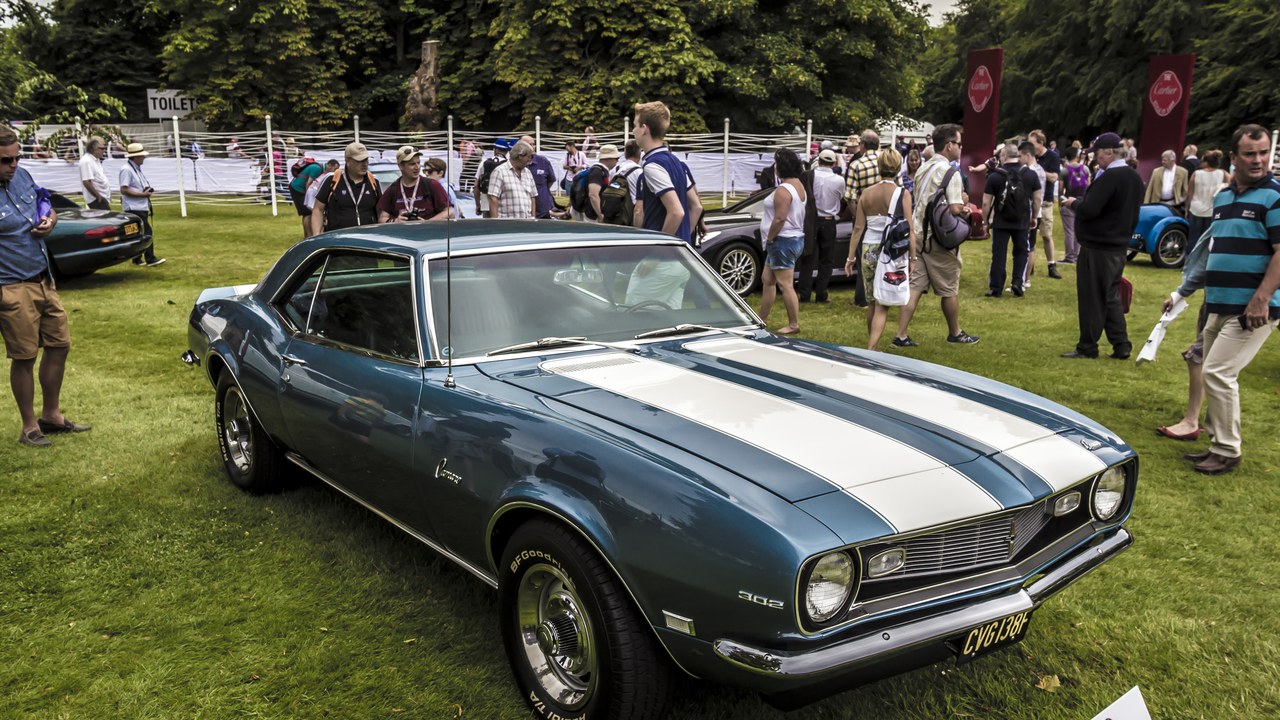
The 1969 Camaro SS carried a notable crew. A a list of every pace car reports that Jim Rathmann drove, with Tony Hulman and astronaut Pete Conrad aboard, pairing the Speedway’s owner with a figure from the space program.
That passenger list captures the cultural mood of the year. For Camaro fans, the pace-car convertible is a touchstone of first-generation history, and owners of ordinary SS models use the story to explain why the 1969 model remains a favorite among collectors.
12. 1977 Oldsmobile Delta 88: Garner Leads Three Laps
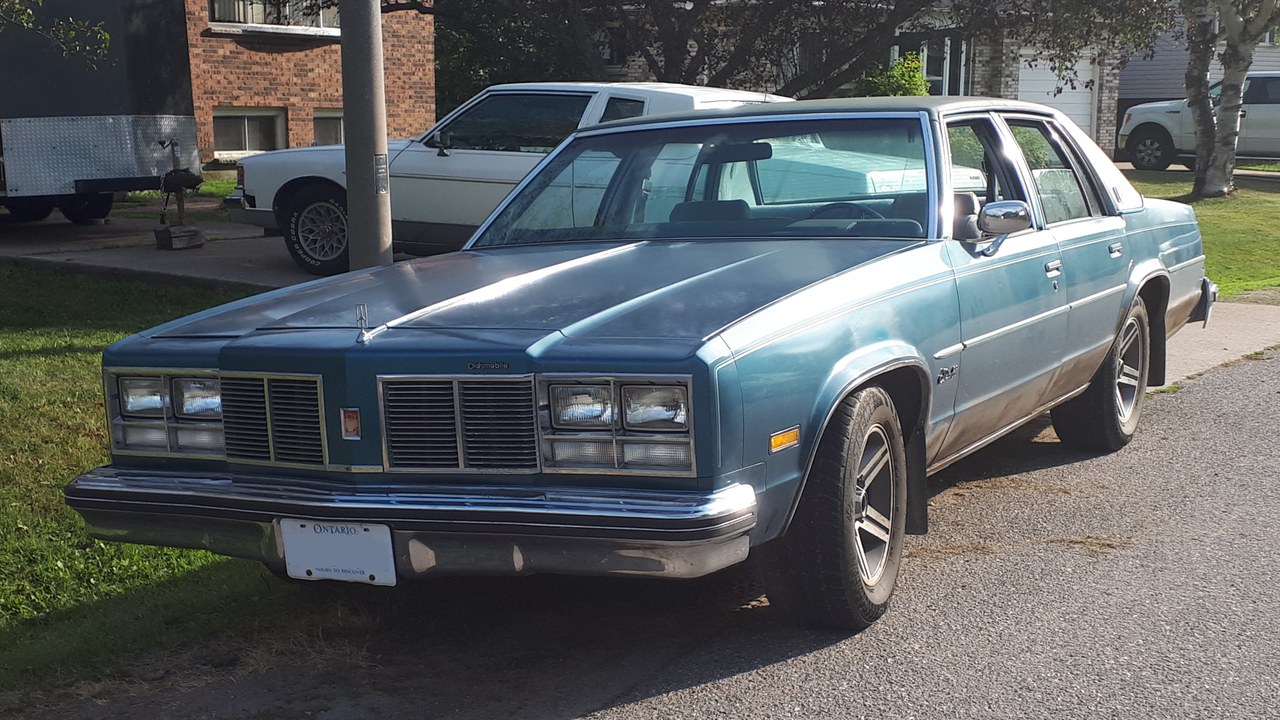
The 1977 Oldsmobile Delta 88 had actor James Garner at the wheel. The a list of every pace car says it was the first year the pace car led for three laps, extending the car’s time on camera well beyond earlier races.
The extended exposure made the Delta 88 one of the most visible Oldsmobiles of its decade. Buyers of the downsized 1977 sedan today find a comfortable, affordable classic, and the pace-car connection offers a distinctive story that few other cars from the period can match.
13. 1984 Pontiac Fiero: The Indy Fiero
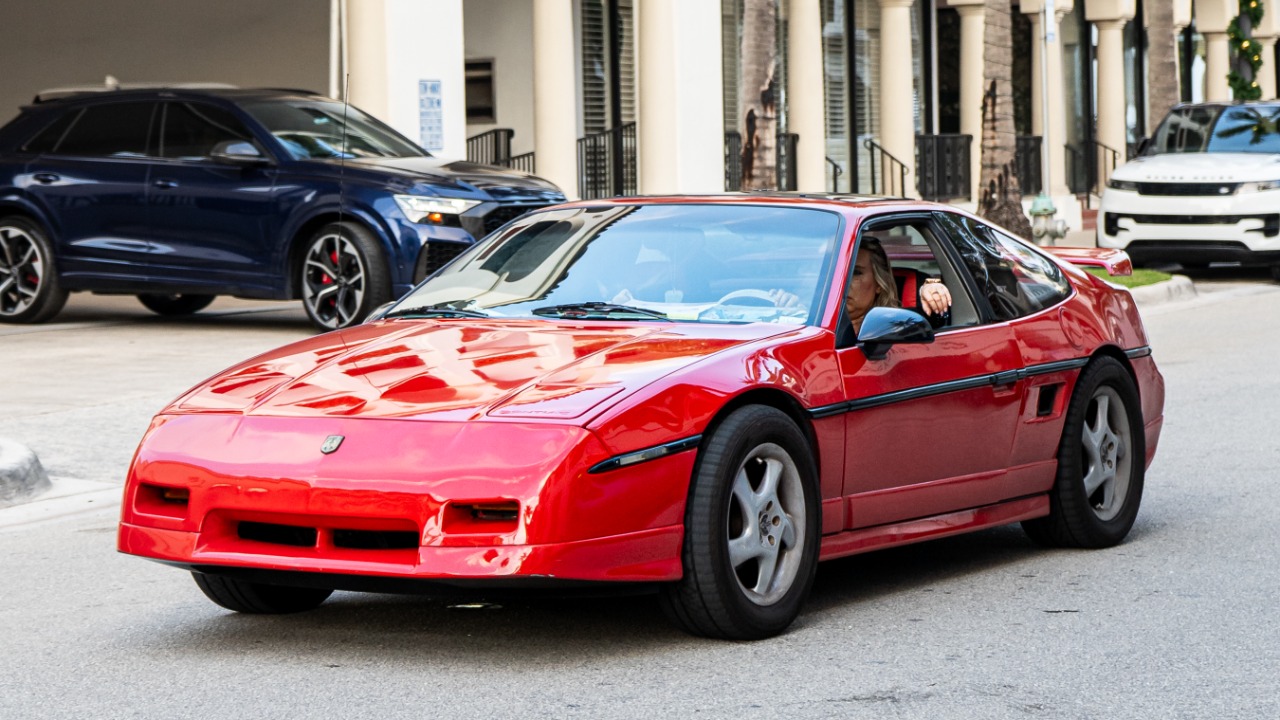
Pontiac built a special ‘Pontiac Indy Fiero’ for the 1984 race, and a a pace car history confirms that John Callies drove it. The mid-engine two-seater was new that year, and the pace-car role gave it immediate exposure.
The Fiero’s Indianapolis appearance is a high point in the history of a car that later struggled with reliability concerns. Collectors treat the 1984 Indy edition as the model’s most recognizable variant, and documented examples draw interest well beyond the usual Fiero crowd.
More from Morning Overview
- Two passengers died at an Ohio toll plaza, and the NTSB now wants the cash lanes shut
- Long use of a common prostate pill is tied to a higher chance of glaucoma
- Ford is recalling 223,472 F-150 pickups because the fuel tank can leak or detach
- Hybrids have 15% fewer problems than gas cars, while EVs and plug-in hybrids have about 80% more, Consumer Reports finds
