
Corvette history is a long climb in power, technology and ambition, with a few model years standing well above the rest. Some mark engineering firsts, others mark rarity or a stubborn survival through hard times. Here are twelve milestone Corvettes, from the fuel-injected small-block of 1957 to the electrified ZR1X rated at 1,250 horsepower.
1. Chevrolet Corvette fuel-injected “Fuelie” (1957): One Horsepower Per Cubic Inch
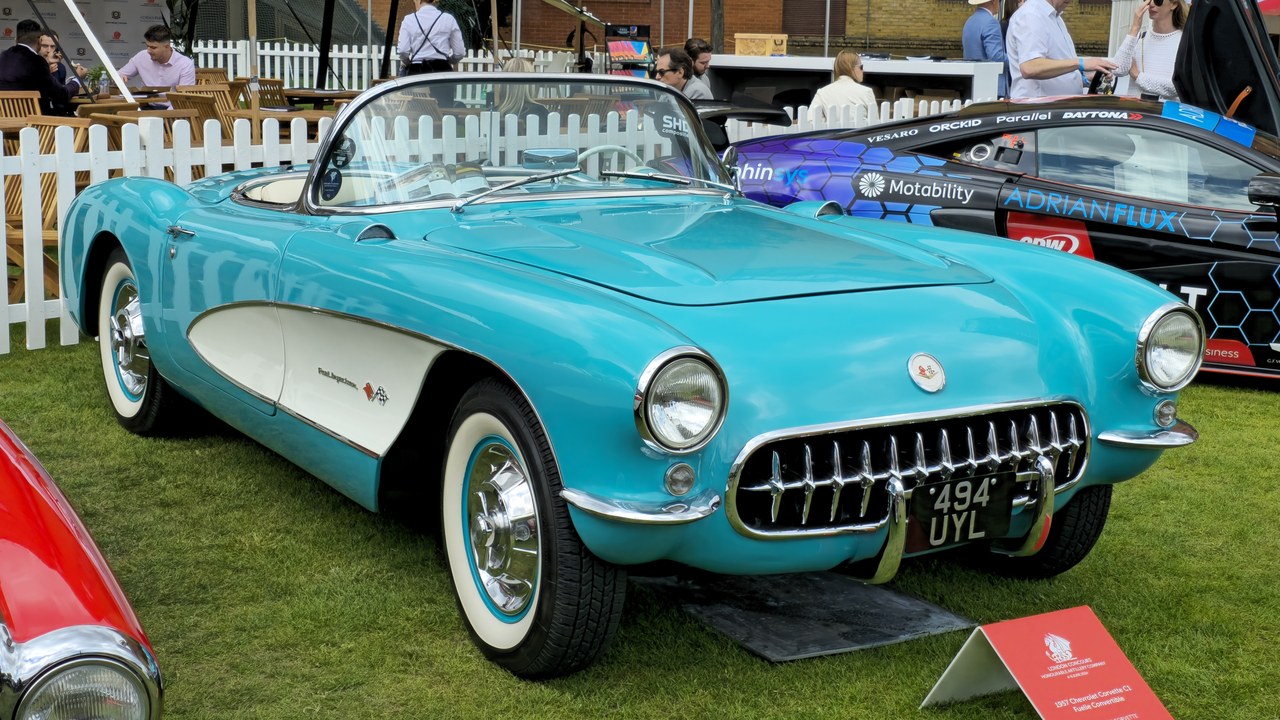
For 1957 the small-block grew to 283 cubic inches, and the top Fuelie with Ramjet mechanical fuel injection was rated at one horsepower per cubic inch, according to Hagerty’s list of Corvette facts.
That rating was a celebrated target in its day, and it gave the Corvette serious performance credentials. Fuel injection of that era set the car apart, and surviving Fuelie examples remain a prized part of Corvette collecting.
2. Chevrolet Corvette Sting Ray split-window coupe (1963): Birth of the Split Window
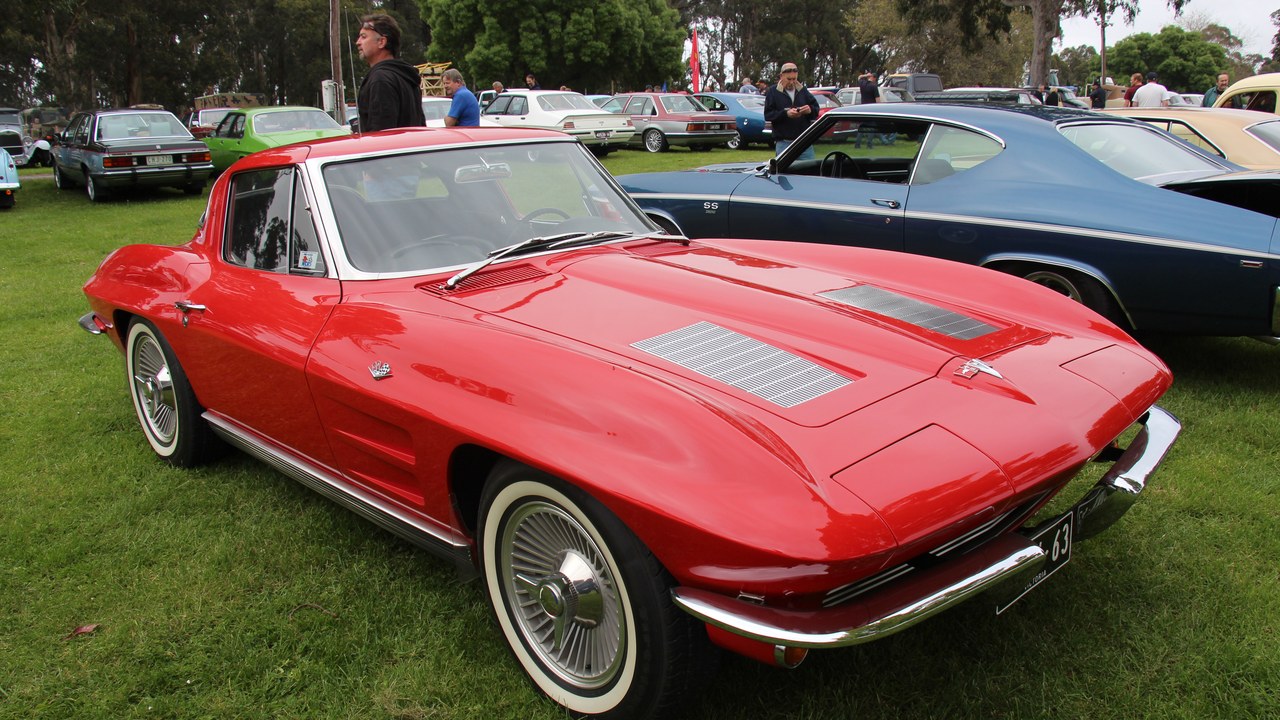
The 1963 Sting Ray added the first Corvette coupe with its split rear window, and Hagerty notes that 10,594 of the 21,513 Corvettes built that year were coupes, so the new body took roughly half of output.
The divided glass was a one-year design, and that brevity helps explain its fame. Collectors still seek the 1963 coupe for its distinctive rear view, which was changed after a single season. Because the body style lasted only that single year, it has become one of the most recognizable shapes in American automotive history.
3. Chevrolet Corvette L88 (1967): Only Twenty Built
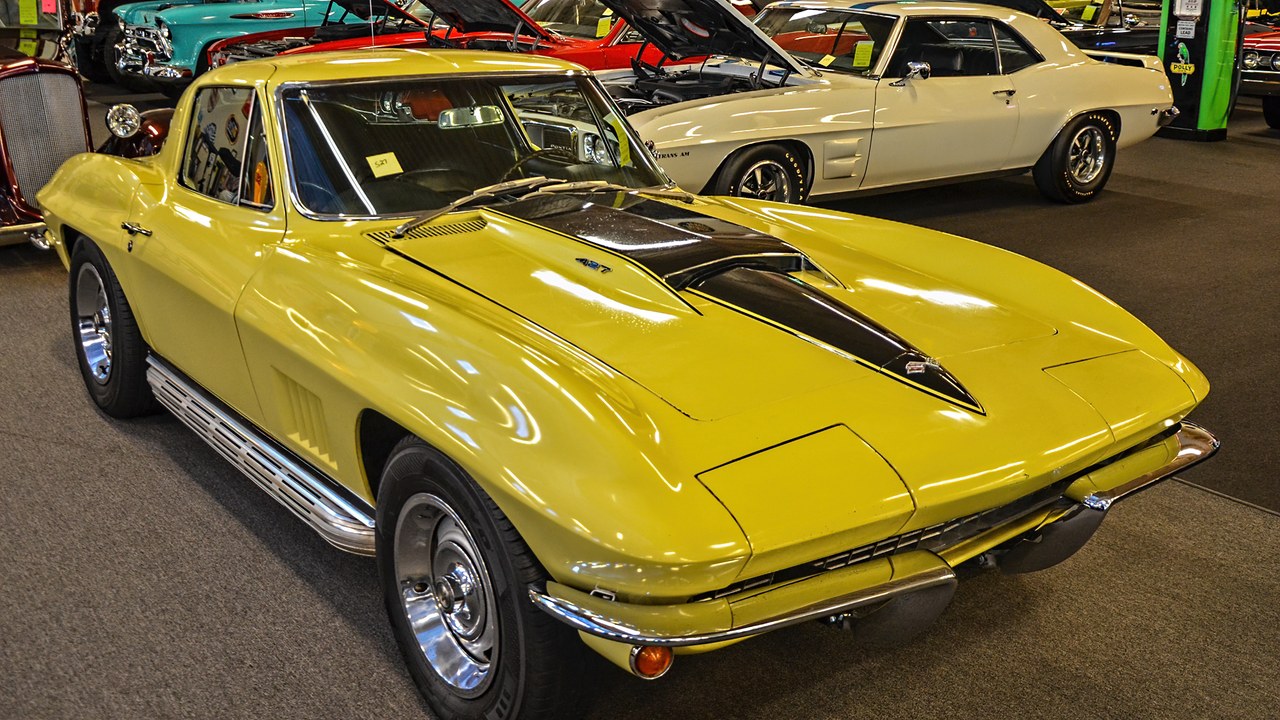
The 1967 L88 427 came with a working ram-air hood scoop, and only 20 of these cars were built that year, according to Hagerty’s list of Corvette facts.
That tiny production run places the L88 among the rarest Corvettes of the period. A functioning scoop and a 427-cubic-inch engine made it a car aimed at serious competition rather than casual street use. Any genuine example would draw intense attention at auction, so provenance and documentation matter enormously for a car so scarce.
4. Chevrolet Corvette Indy 500 Pace Car Edition (1978): Pacing the Brickyard
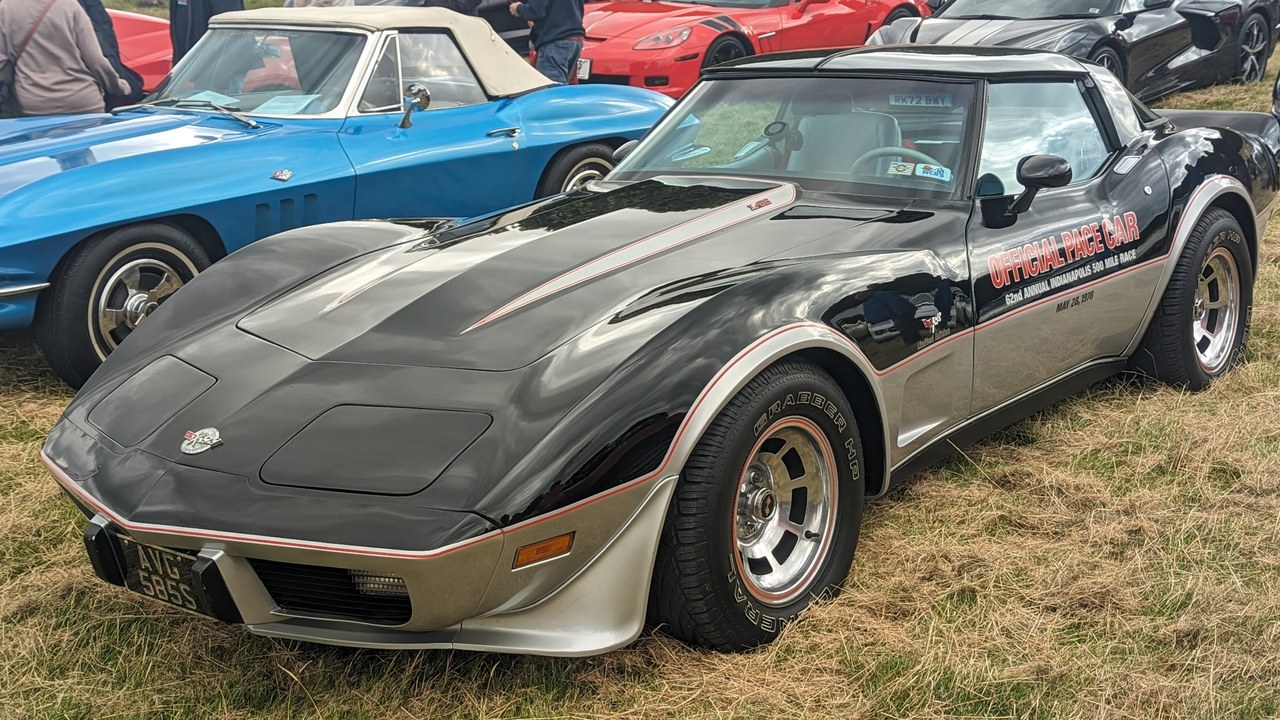
Chevrolet built 6,502 Pace Car Editions in 1978, beginning a relationship that has seen Corvettes pace the Indianapolis 500 fourteen times, according to Hagerty’s rundown of Corvette facts.
The edition tied the Corvette to one of racing’s most visible stages. Pace car replicas of the era are still recognized for their special trim, and the relationship with Indianapolis has continued ever since. Pace car editions are easy to identify by their paint and graphics, and they remain a familiar sight at Corvette gatherings.
5. Chevrolet Corvette (1979): Weaker Yet Wildly Popular
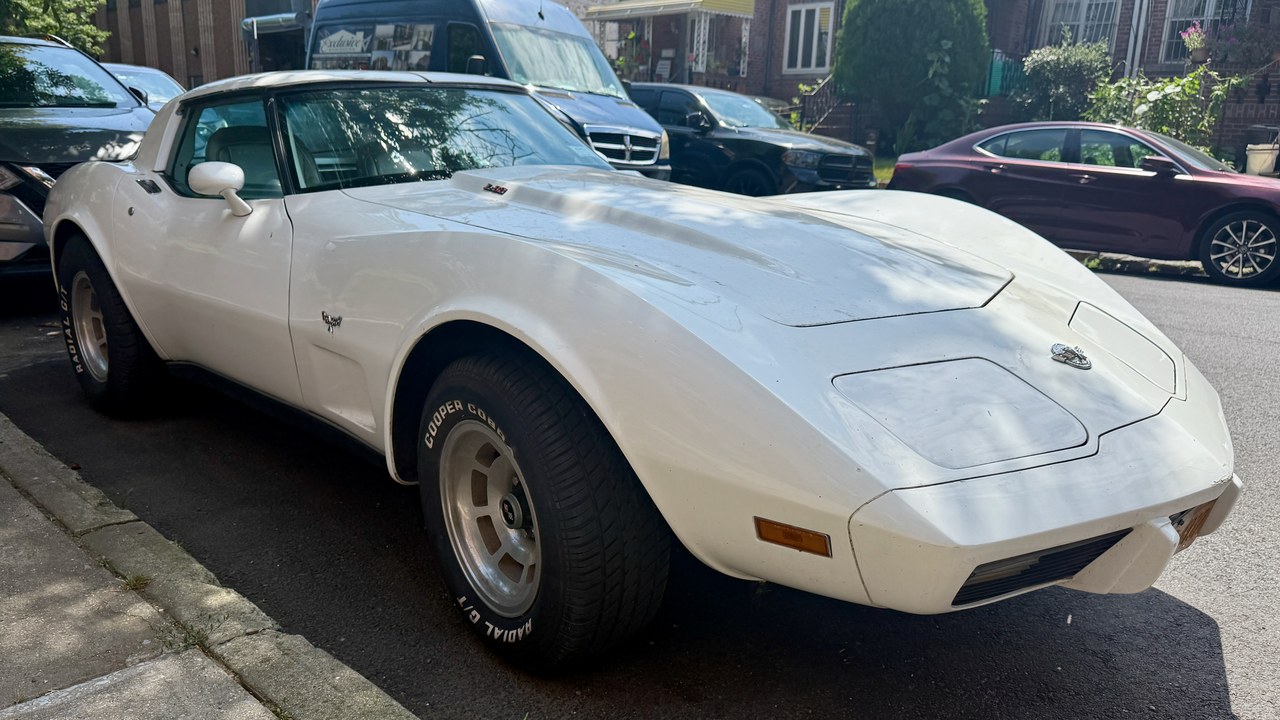
Emissions rules cut the 1979 Corvette to 195 horsepower, yet it still set a sales record of more than 53,000 units, according to the National Corvette Museum’s seventy-year history.
The result shows that buyers kept coming even when output slid during the emissions era. For shoppers today, the 1979 car is a plentiful and affordable entry into the third generation. Buyers with limited budgets often find that cars from this stretch offer the look of the era without the steep prices of earlier decades.
6. Chevrolet Corvette ZR-1 (1990): Outrunning Exotics
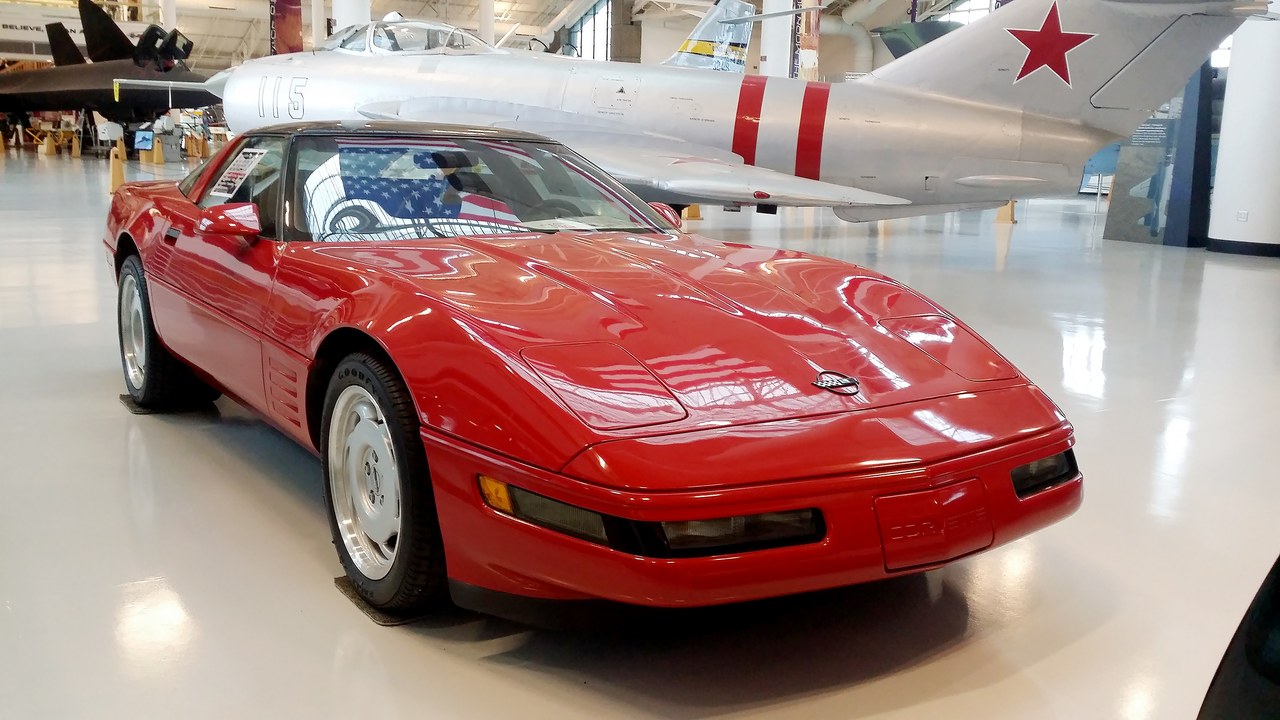
The 1990 ZR-1 reached 375 horsepower and beat Ferrari, Lamborghini and BMW models in the same horsepower range, according to the National Corvette Museum.
A domestic sports car that could take on European exotics changed perceptions of what a Corvette could do. The ZR-1 label has since come back for several later generations of top-tier models. The achievement was notable because the competition came from established European makers with long performance histories.
7. Chevrolet Corvette ZR1 (2009): Launched in Hard Times
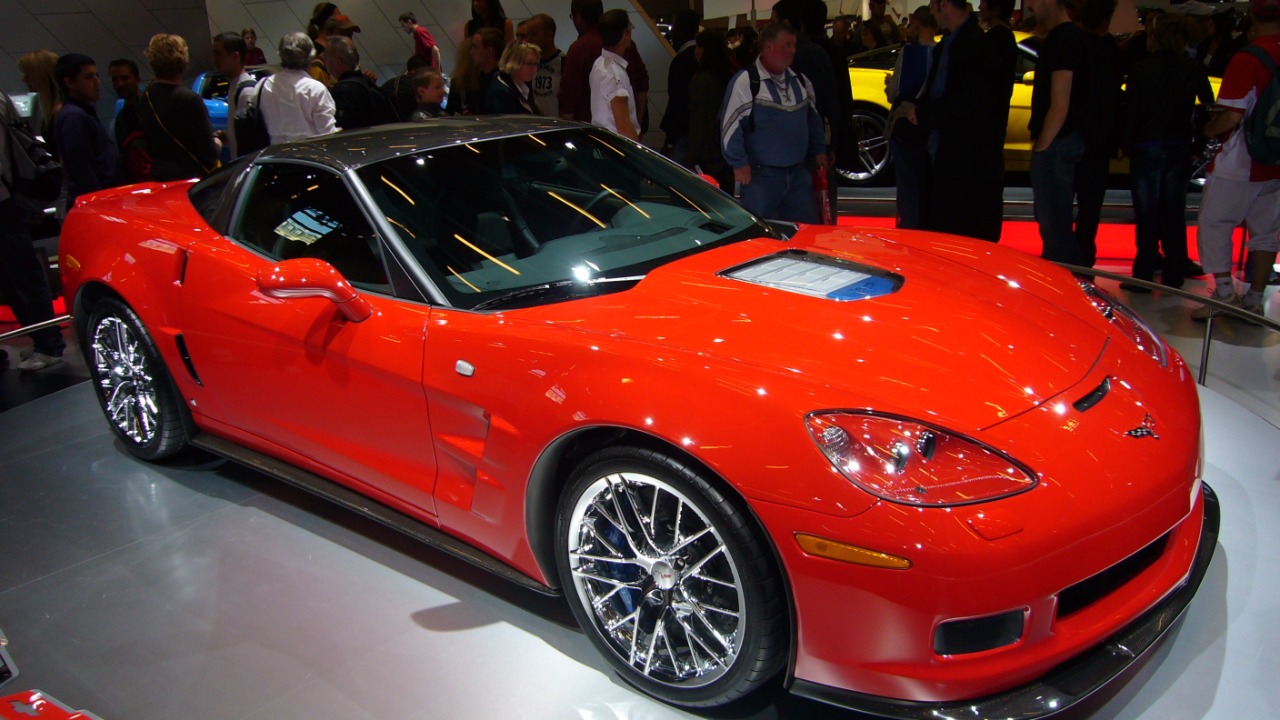
The supercharged 2009 ZR1 launched while General Motors faced financial difficulties and delivered the most power any Corvette had produced up to that point, as the National Corvette Museum records.
Releasing such a car during a corporate crisis was a bold decision. The ZR1 showed that the Corvette team would keep pushing limits, and it set the standard for later halo models. That timing makes the car a useful reminder that performance halo projects can survive even when a company faces serious pressure.
8. Chevrolet Corvette Stingray (2020): Mid-Engine at Last
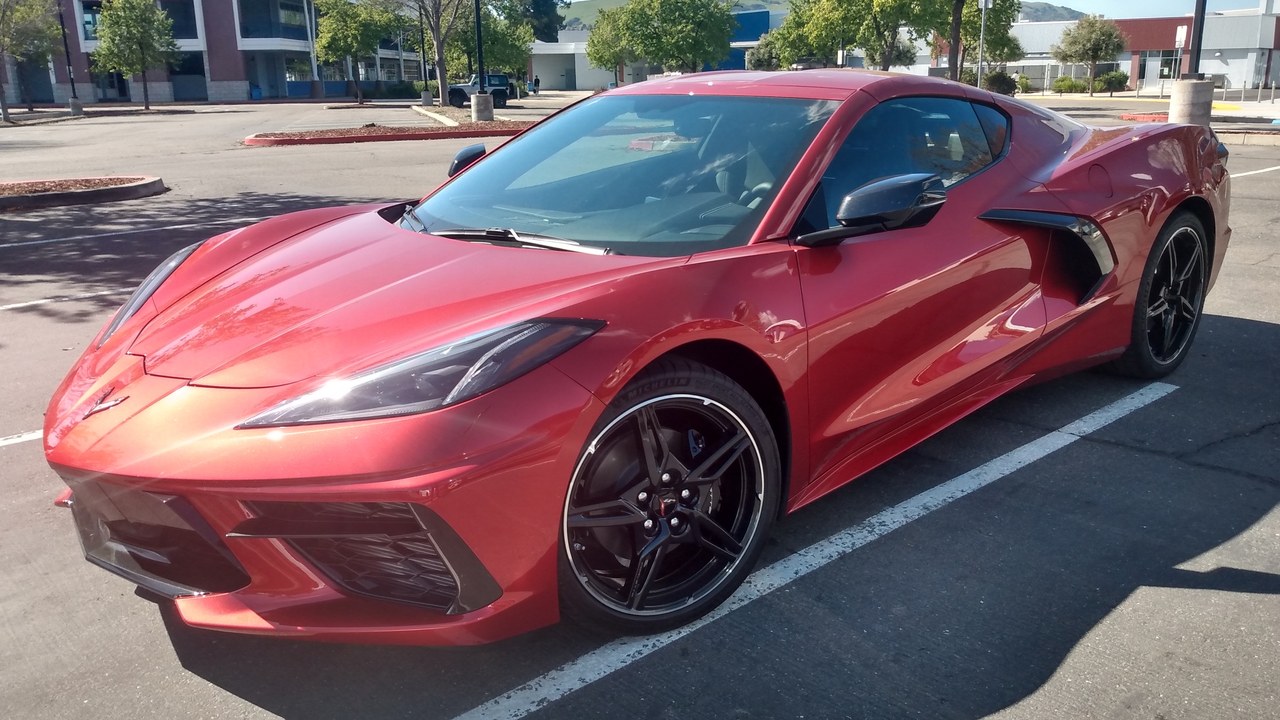
The 2020 Stingray became the first rear mid-engine Corvette, making 490 horsepower and reaching 60 mph in 2.9 seconds with the Z51 package, according to Chevrolet.
The layout change was the biggest structural shift in the car’s history. It opened the way for the later performance variants that follow on this list, all built on the same basic architecture. Owners of the earlier front-engine cars often debated the change, but the new layout has since become the foundation of the lineup.
9. Chevrolet Corvette Z06 (2023): No Boost Required
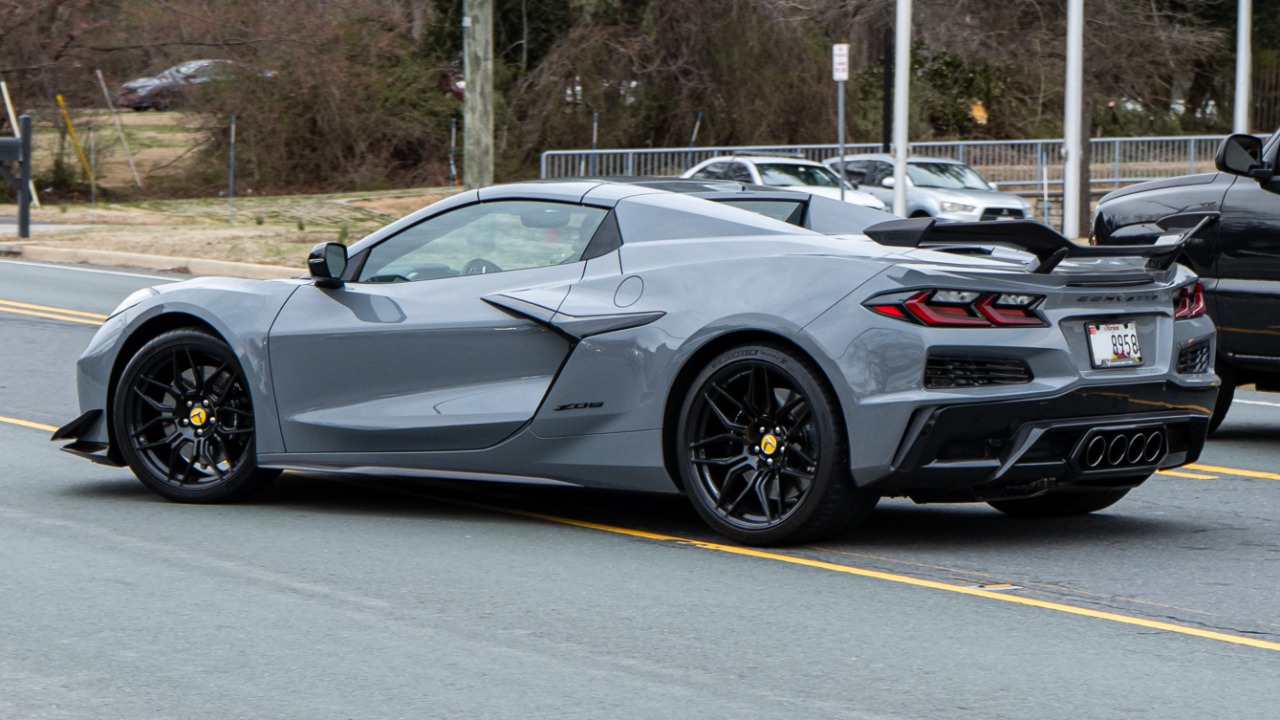
The 2023 Z06 uses a 5.5-liter flat-plane-crank LT6 V-8 that produces 670 horsepower at 8,400 rpm without any turbocharging or supercharging, according to the Corvette C8 article on Wikipedia.
Making that output naturally aspirated is the main reason the Z06 draws attention. The high redline and distinctive engine design appeal to buyers who value a high-revving V8 over forced induction. Drivers who want the sound and response of a large engine will find the approach unusual among modern performance cars of this power level.
10. Chevrolet Corvette E-Ray (2024): First Hybrid, First AWD
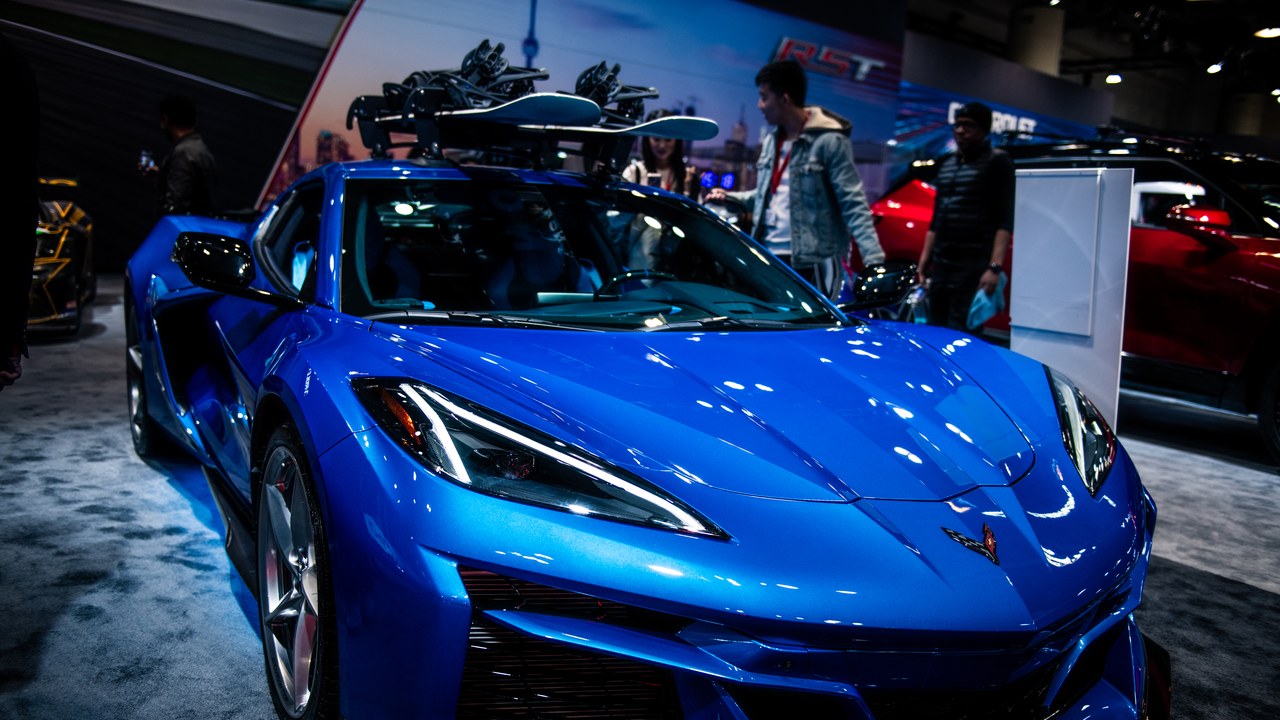
The 2024 E-Ray became the first all-wheel-drive Corvette and its first performance hybrid, with 655 combined horsepower and a 2.5-second 0-60 time, per Chevrolet.
Electrification brought all-wheel traction to a car that had always driven its rear wheels. The E-Ray signals how the nameplate is adapting to new technology without giving up its performance focus. The hybrid system is also built to add efficiency, which gives the car a role as both a performer and a technology showcase.
11. Chevrolet Corvette ZR1 (2025): Over 1,000 Horsepower
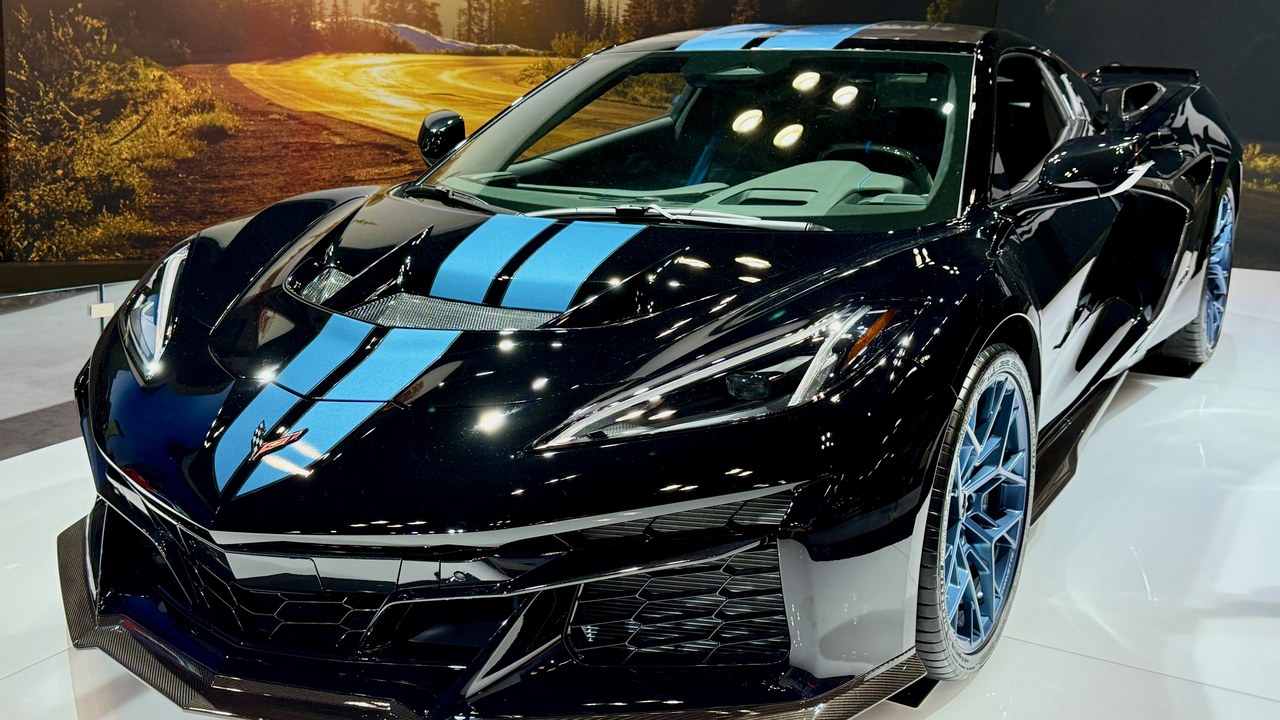
GM rates the 2025 ZR1’s twin-turbocharged 5.5-liter LT7 V-8 at 1,064 horsepower, with an estimated top speed of over 215 mph on a racetrack, according to the company’s announcement.
Crossing the four-digit mark was a landmark for a car built in America. The top speed is an estimate, so independent verification matters, but the output rating is GM’s own. Anyone considering the car should keep in mind that figures like top speed come from the manufacturer rather than an outside test.
12. Chevrolet Corvette ZR1X (2026): Electric Assist, 1,250 Horsepower
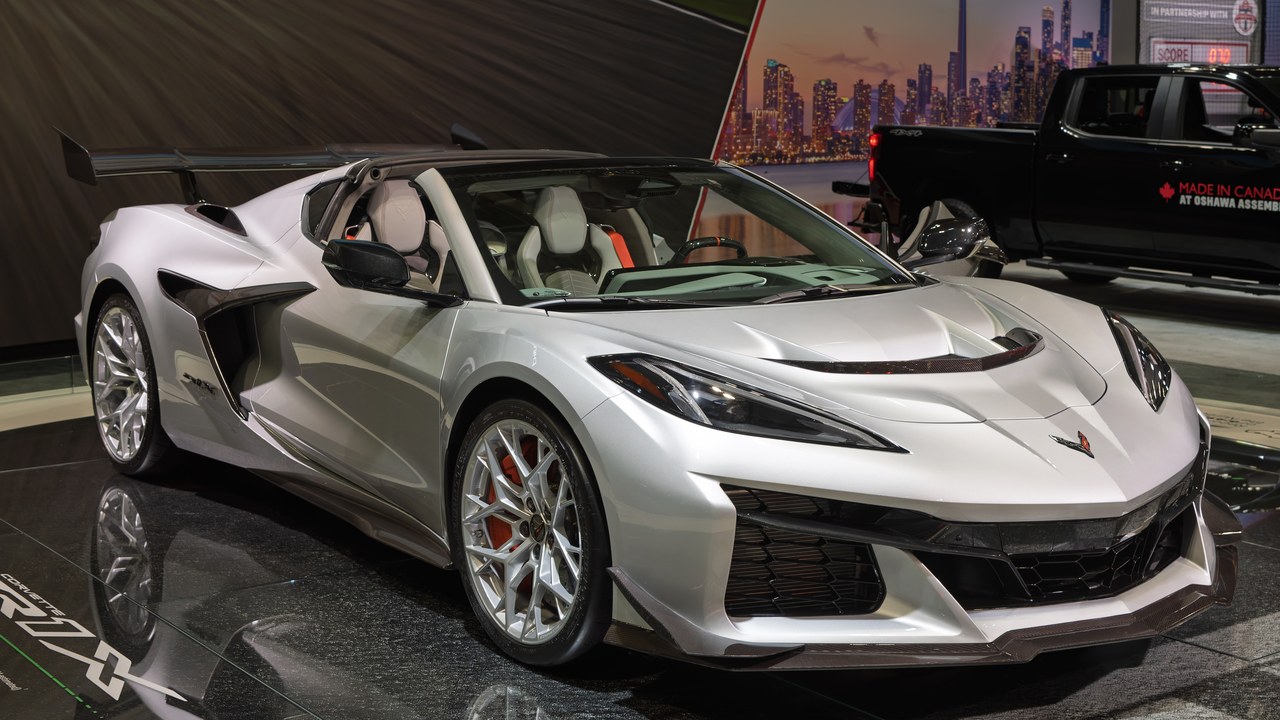
Adding a 186-hp front electric motor to the ZR1’s V-8 gives the 2026 ZR1X 1,250 combined horsepower and an estimated 0-60 time under 2 seconds, according to GM.
The ZR1X caps the climb that began with the fuel-injected small-block nearly seven decades earlier. Its hybrid-assisted layout shows where the top end of the Corvette range is heading. Electric motors fill torque instantly, which helps explain how the car reaches such a quick estimated launch time from a standstill.
More from Morning Overview
- NOAA now gives this winter a 75% chance of the strongest El Nino since 1950
- Doctors warn a silent liver disease now affects one in three American adults
- The FBI told the rest of ShinyHunters to surrender after a 24-year-old was arrested
- Two passengers died at an Ohio toll plaza, and the NTSB now wants the cash lanes shut
