
Korean automakers arrived in America as budget outsiders and spent the following decades earning genuine respect from shoppers and critics. Awards, American factories and a push into electric vehicles gradually changed how the public saw both Hyundai and Kia. Here are thirteen models that mark the main steps along that road.
The tech news worth your time: 400,000+ professionals from Google, Apple and OpenAI read Techpresso, a daily email with the most interesting tech news and insights.
We may earn a commission if you sign up.
1. Hyundai Excel: The Car That Started It
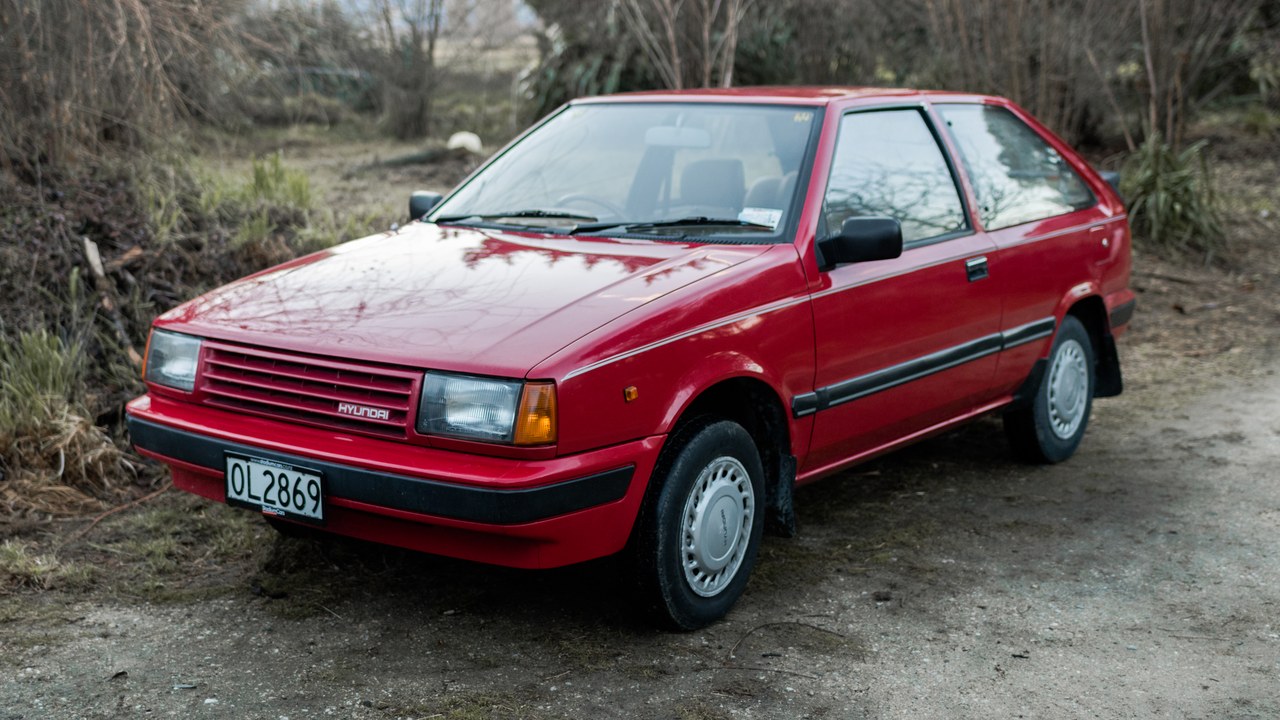
Hyundai began its American chapter in February 1986 with the Excel, and Hyundai’s own retrospective records 168,882 sales in that first year. Because the Excel was the company’s only model, that figure is the whole 1986 total for the brand.
A small, low-priced car was a modest entry point, but it gave dealers something to sell and shoppers a reason to look. Every later model on this list, from sedans to electric crossovers, traces back to that single launch. Few automotive debuts have been followed by such a long climb.
2. Kia Sephia: A Budget Sedan Debuts

Kia entered the American market in 1993, and the Kia America history lists the Sephia as one of the first two models it introduced. The compact sedan gave the brand a foothold alongside its sibling launch.
Newcomers rarely get a second chance if the first car disappoints, so an affordable and simple sedan was a sensible opening move. It put the Kia name on dealer lots before the brand had any reputation to lean on. That early foothold mattered more than any single sales chart suggests.
3. Kia Sportage: An Early SUV Bet

The Sportage arrived as the Sportage 4×4 in the same 1993 debut as the Sephia, according to Kia America’s launch history. That put a sport utility vehicle in Kia’s very first American lineup.
Sport utility vehicles were becoming a bigger part of American driveways, and an early entry positioned the young brand to follow that shift. Pairing a car with a utility vehicle also gave it two different ways to attract buyers. It was a cautious beginning with a long runway ahead.
4. Hyundai Sonata: Built In Alabama
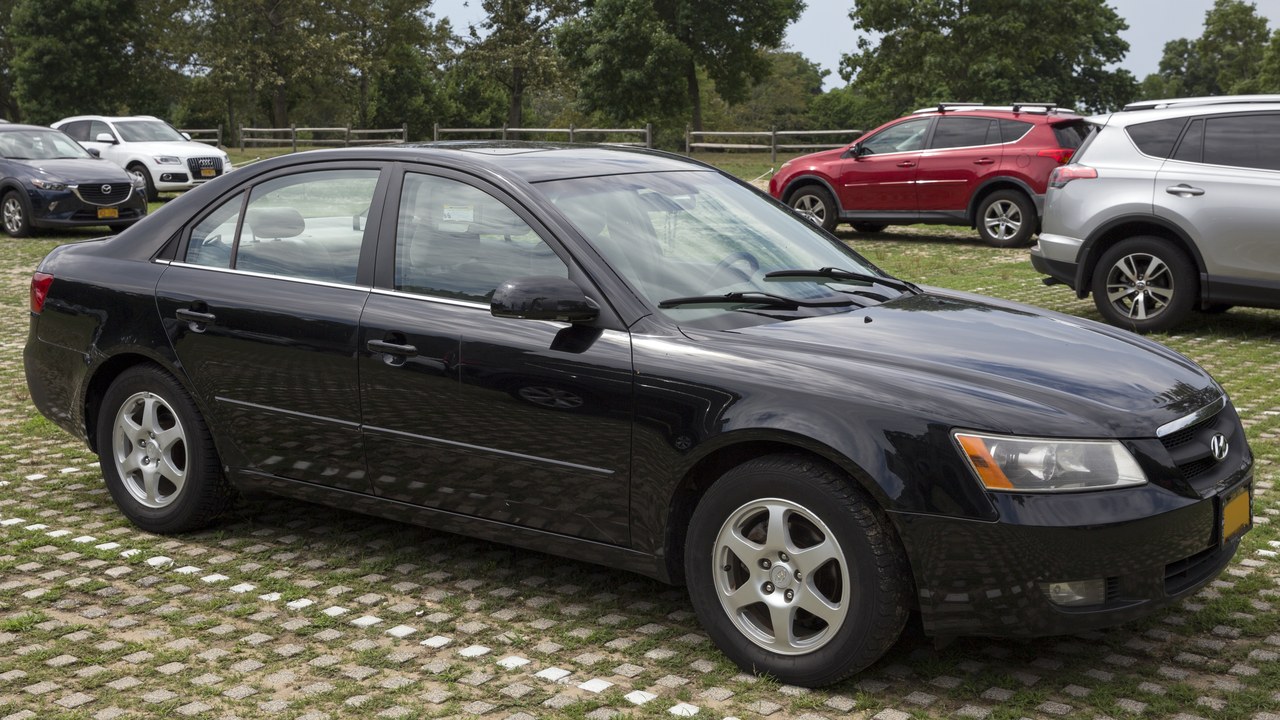
Hyundai’s first American factory opened in Montgomery, Alabama, in 2005, and the Sonata was among the models built there, as a Hyundai anniversary release notes. Local assembly marked a break from shipping every car across the Pacific.
Producing midsize sedans close to their customers is a common way for a foreign brand to show long-term commitment. For Hyundai, the plant helped turn a visiting importer into a permanent part of the domestic industry. It also gave Alabama workers a direct stake in the brand’s American story.
5. Hyundai Santa Fe: Praise From Reviewers
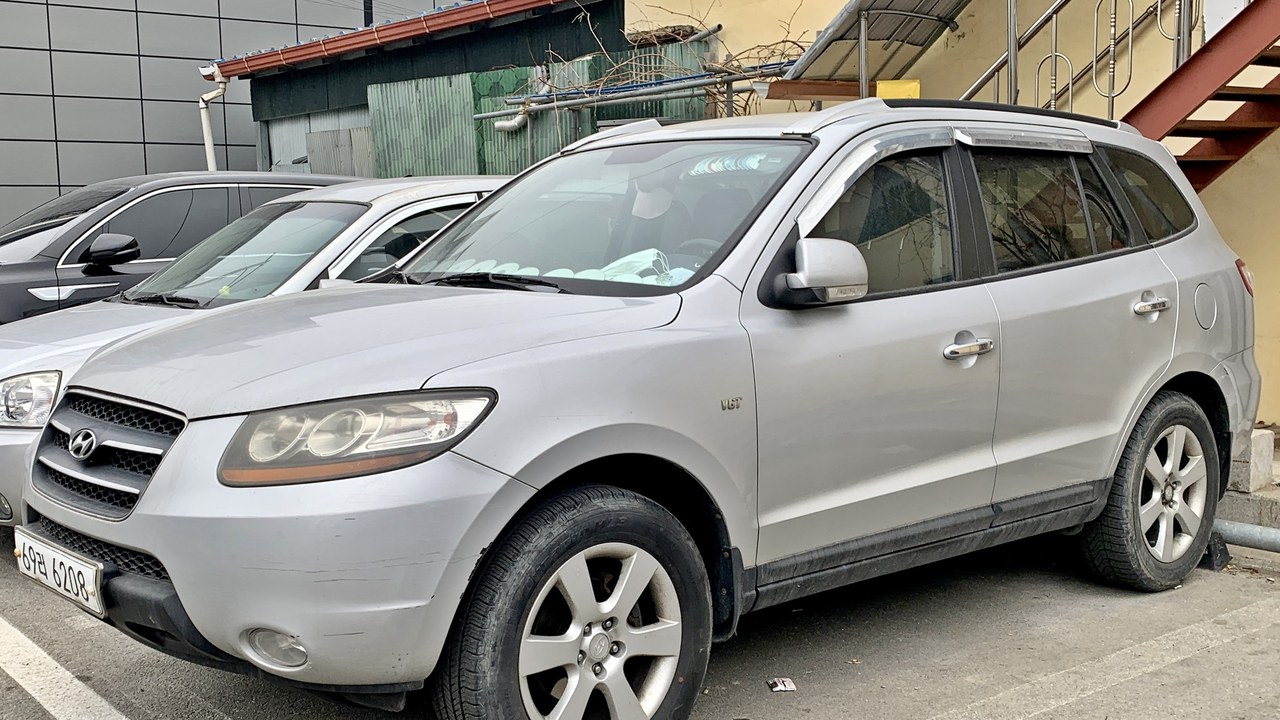
Consumer Reports named the Santa Fe a 2008 top pick, and the 2009 model earned an IIHS Top Safety award, according to the Hyundai Motor America history. Two respected, independent voices backed the crossover within a short span.
Those endorsements mattered because they came from testers rather than advertisers. For families who still associated the brand with bargain pricing, a safety award and a magazine recommendation offered a different kind of proof. For many buyers, that mix of safety and value became the brand’s strongest selling point.
6. Hyundai Genesis: A Luxury Sedan Wins
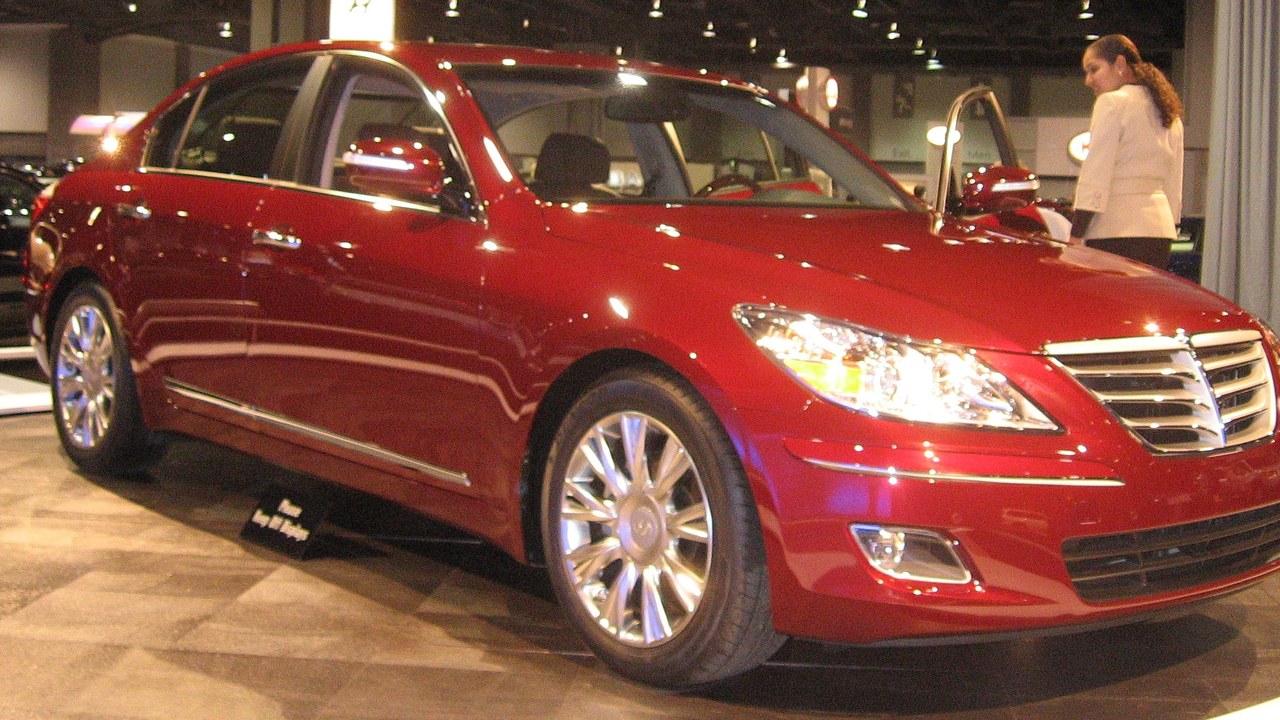
The Genesis won the 2009 North American Car of the Year, which the Hyundai Motor America entry calls the brand’s first, and it offered a 375-hp V8 option. A rear-drive luxury sedan was a bold step for a company known for economy cars.
Winning a jury of automotive journalists gave Hyundai credibility that sales figures alone could not. The award signaled that the company was now competing on quality and performance, not simply on price. Few observers in the 1980s would have predicted that a Korean sedan could earn this kind of recognition.
7. Hyundai Genesis Coupe: The First Sports Car
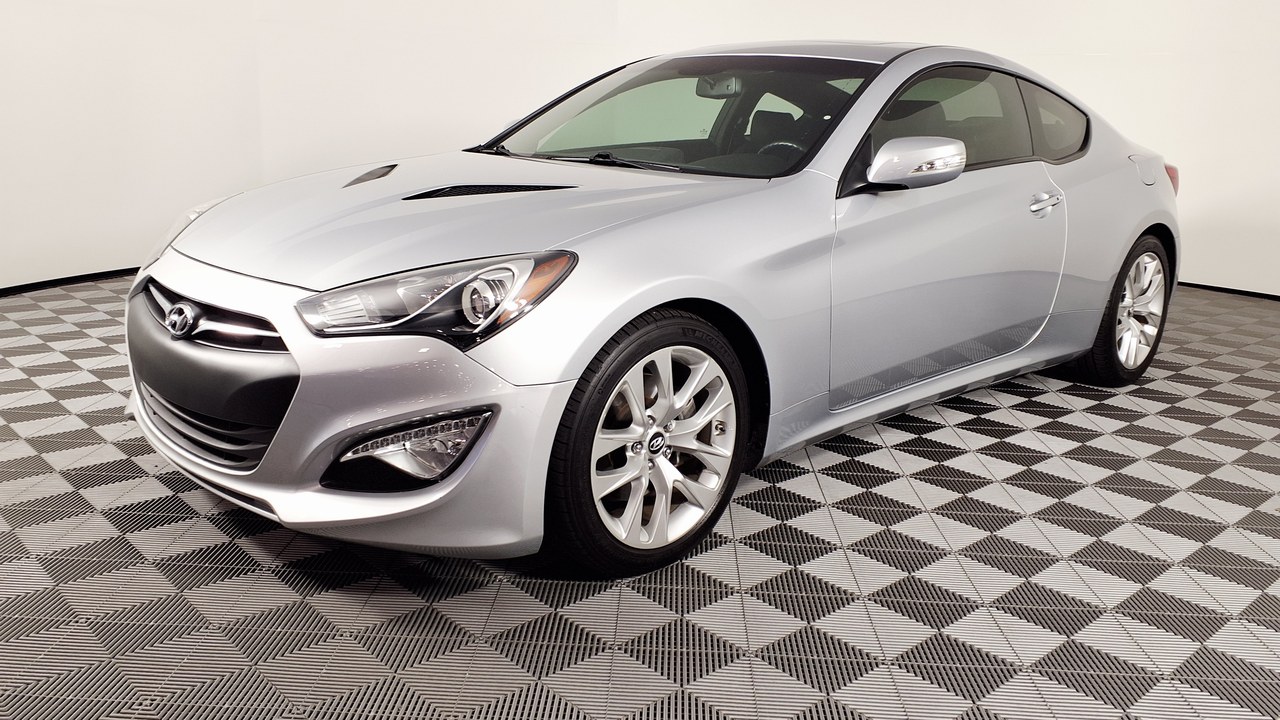
Hyundai’s first sports car, the Genesis Coupe, reached dealers in early 2009, according to the Hyundai Motor America account. It shared a name with the sedan that won top honors the same year.
A coupe aimed at enthusiasts did little for volume, but it added excitement to a lineup built on practical cars. It showed that the brand wanted to be taken seriously by drivers who cared about more than a warranty. Enthusiasts noticed, and the car helped broaden the company’s appeal beyond commuters.
8. Kia Sorento: Family SUV Champion
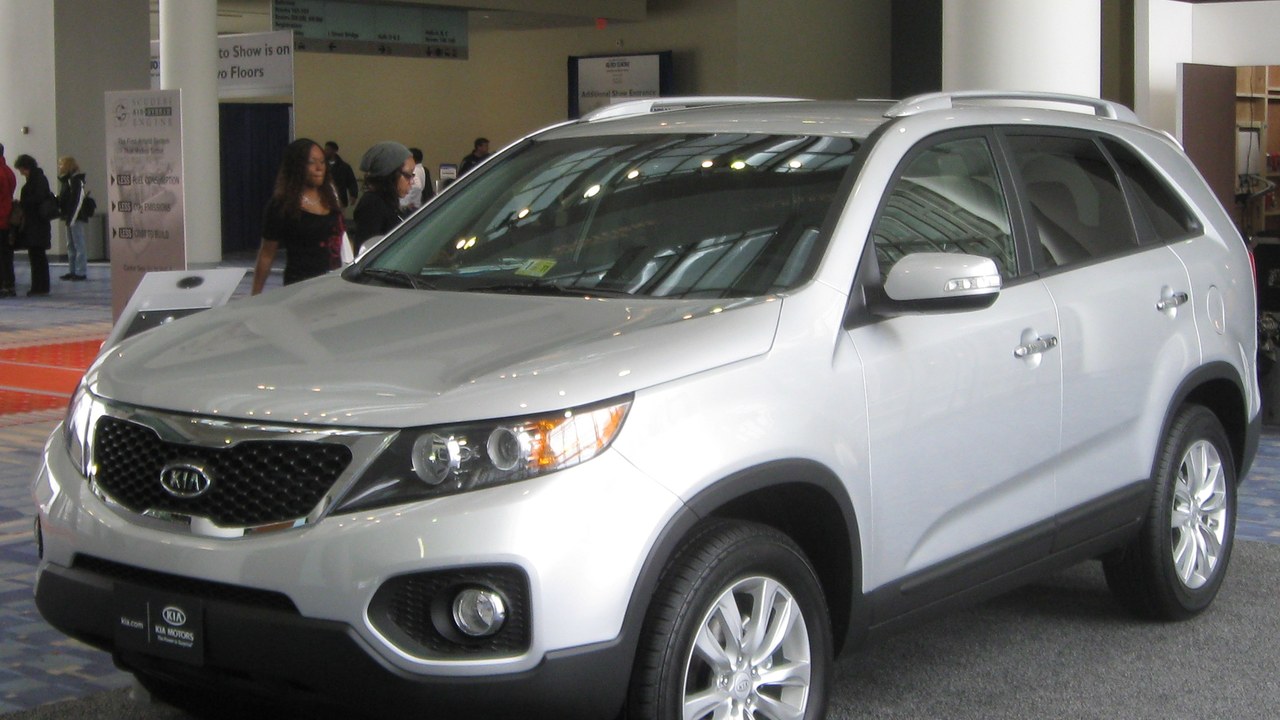
Consumer Reports named the Sorento the Best Family SUV of 2011, a result highlighted in Kia’s heritage story. For a brand that began with a budget sedan, a family-vehicle title from that publication was a notable turn.
Three-row-capable utility vehicles are where many parents shop, so recognition in this class carried real weight. It helped show that Kia could win the biggest and most competitive part of the market. It was proof that the company could compete directly in a crowded class.
9. Kia Optima: Georgia Production Begins
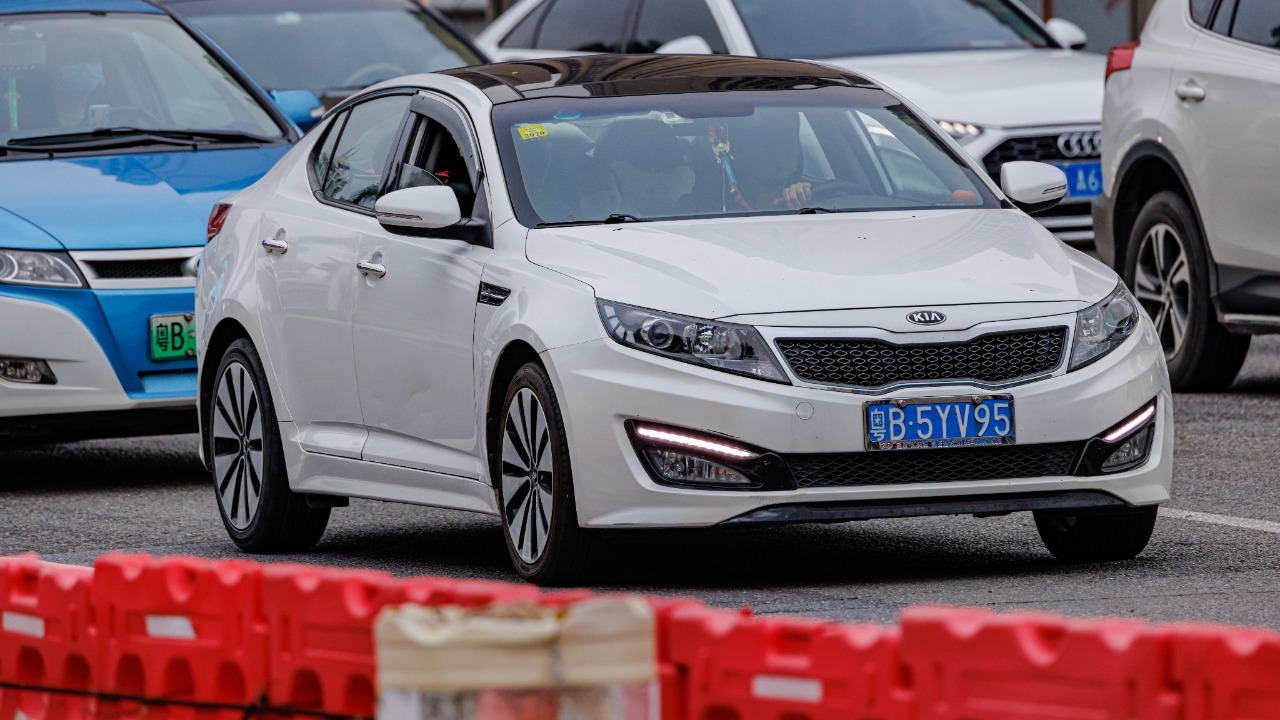
The Optima joined production at Kia’s West Point, Georgia, plant in 2011, and the Kia America article notes it is now sold as the K5. The midsize sedan was thus built on American soil for American buyers.
The new name reflects how the brand has reworked its lineup over time. For shoppers, the practical point is that the car once called Optima and the car now called K5 share the same basic role. Naming changes like this can confuse used-car shoppers, so checking the badge and year is wise.
10. Hyundai Elantra: Car Of The Year Again
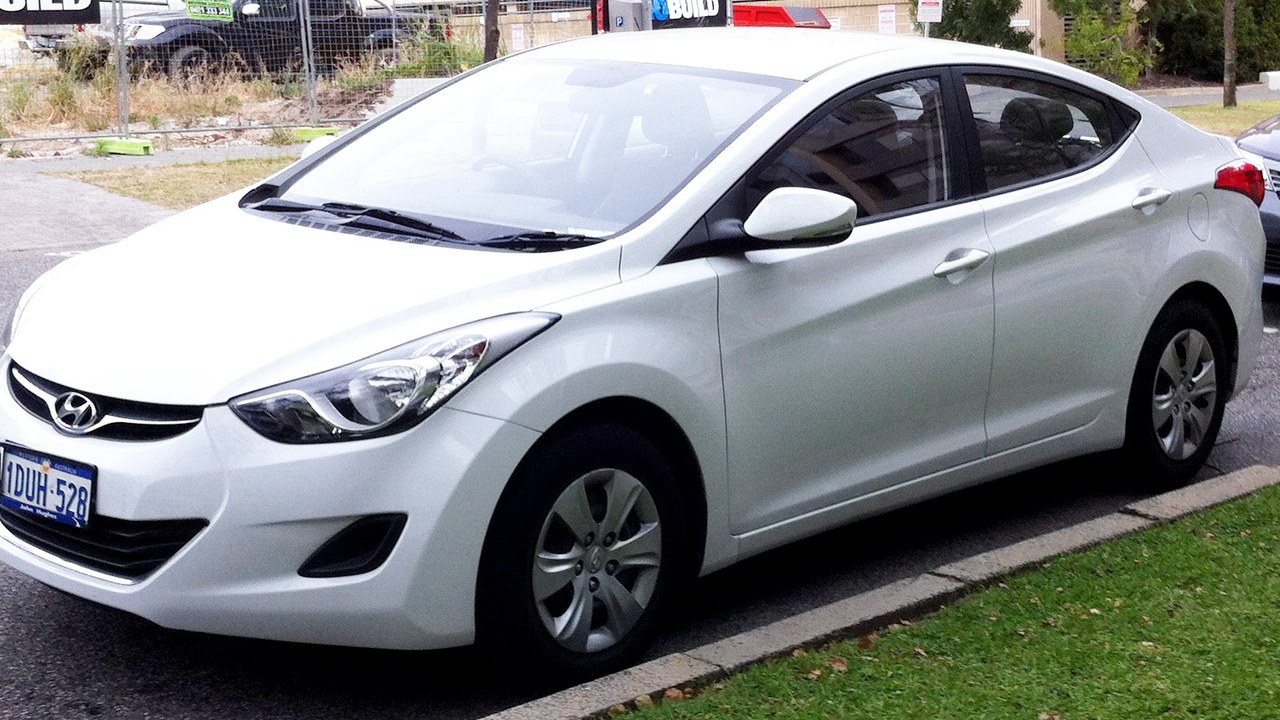
The redesigned Elantra was named the 2012 North American Car of the Year after more than 200,000 sales since the redesign, says the Hyundai Motor America history. It gave Hyundai a second win in that award’s history after the Genesis.
A compact sedan that sells in those numbers and still impresses jurors shows how far the company had moved from its early days. Few small cars manage to be both popular and well reviewed. Awards like this tend to follow strong word of mouth and steady improvements across a model’s life.
11. Kia Telluride: A Triple Crown
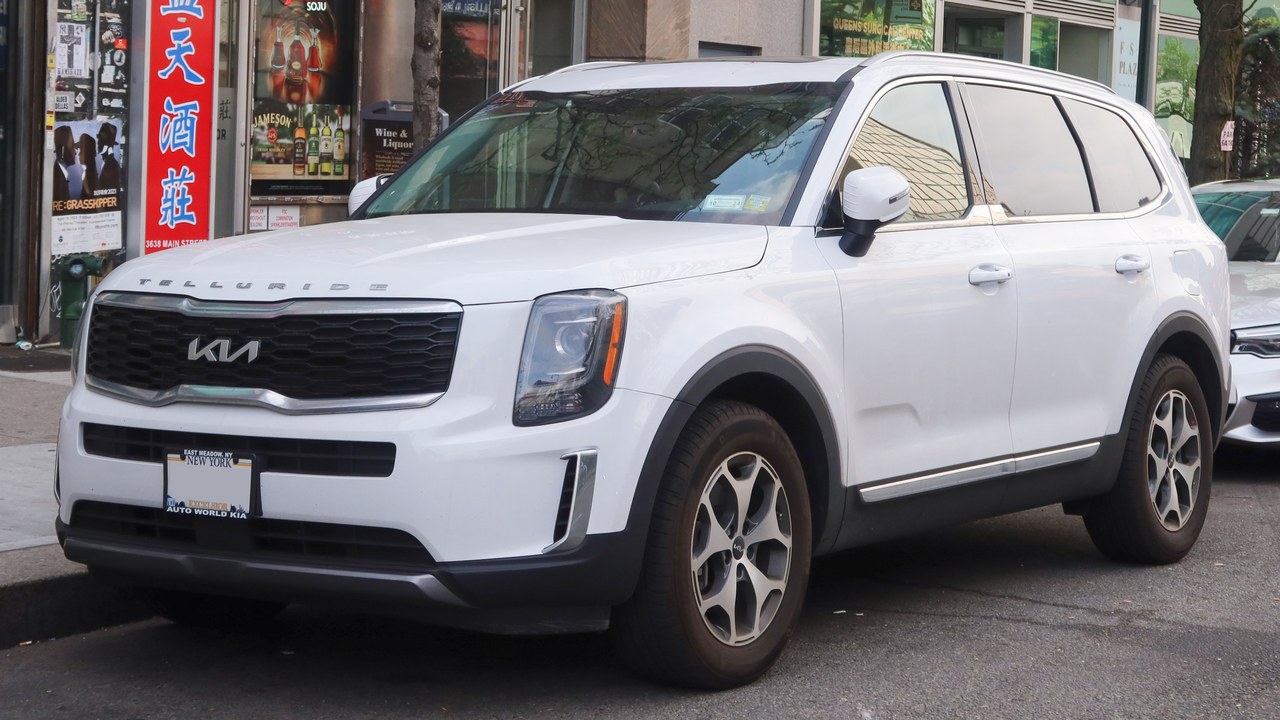
The Telluride swept 2020 World Car of the Year, North American Utility Vehicle of the Year and MotorTrend SUV of the Year, as Kia’s brand heritage page recounts. Winning all three in a single season is rare.
The three-row SUV became a symbol of how far Kia had traveled since the Sephia. Awards from global and domestic judges alike suggested that the praise was not a quirk of one panel. Critics and owners alike treated the result as a turning point for the brand’s image.
12. Hyundai Ioniq 5: The Electric Turn
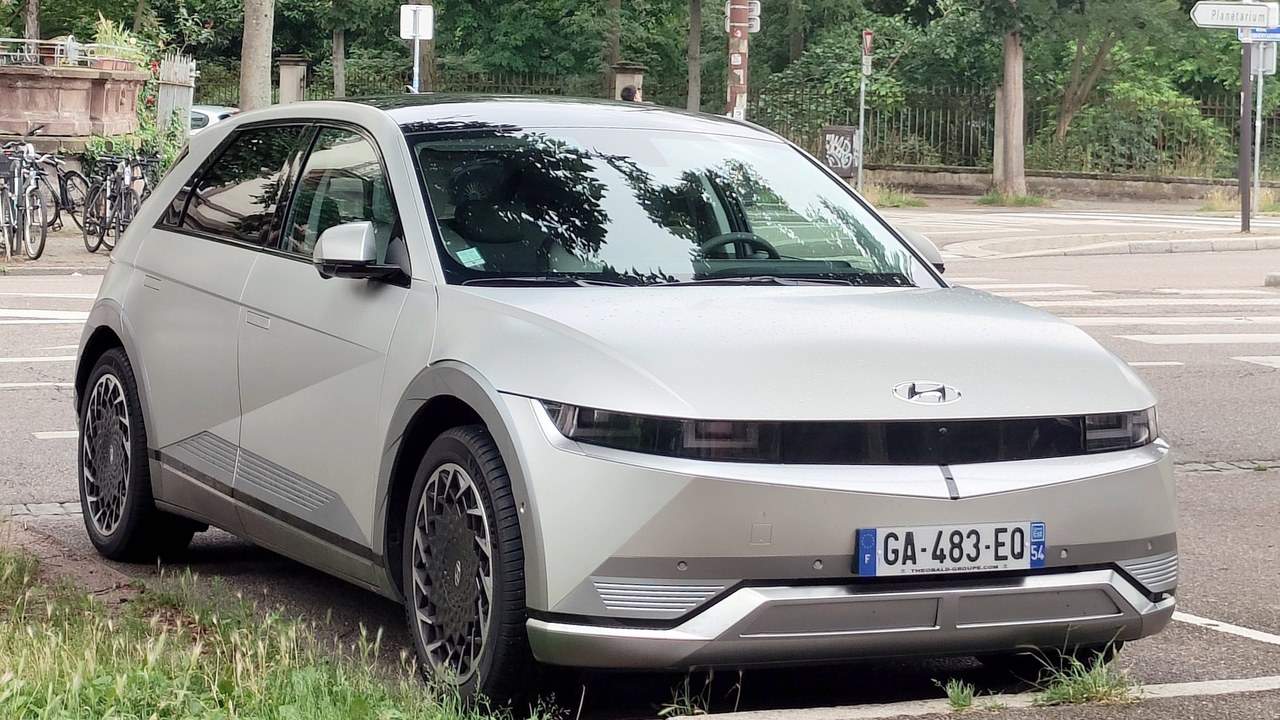
The Ioniq 5 rides Hyundai’s E-GMP electric platform, which debuted in 2020, and earned a 2025 IIHS Top Safety Pick+, according to a Hyundai forty-year release. It pairs a purpose-built architecture with a strong crash-test result.
Electric vehicles are where Korean makers now compete head to head with long-established rivals. A dedicated platform and top safety marks show the company aiming at the front of that field. Range, charging and price will decide how much of that promise reaches ordinary shoppers.
13. Kia EV9: A Big Electric SUV
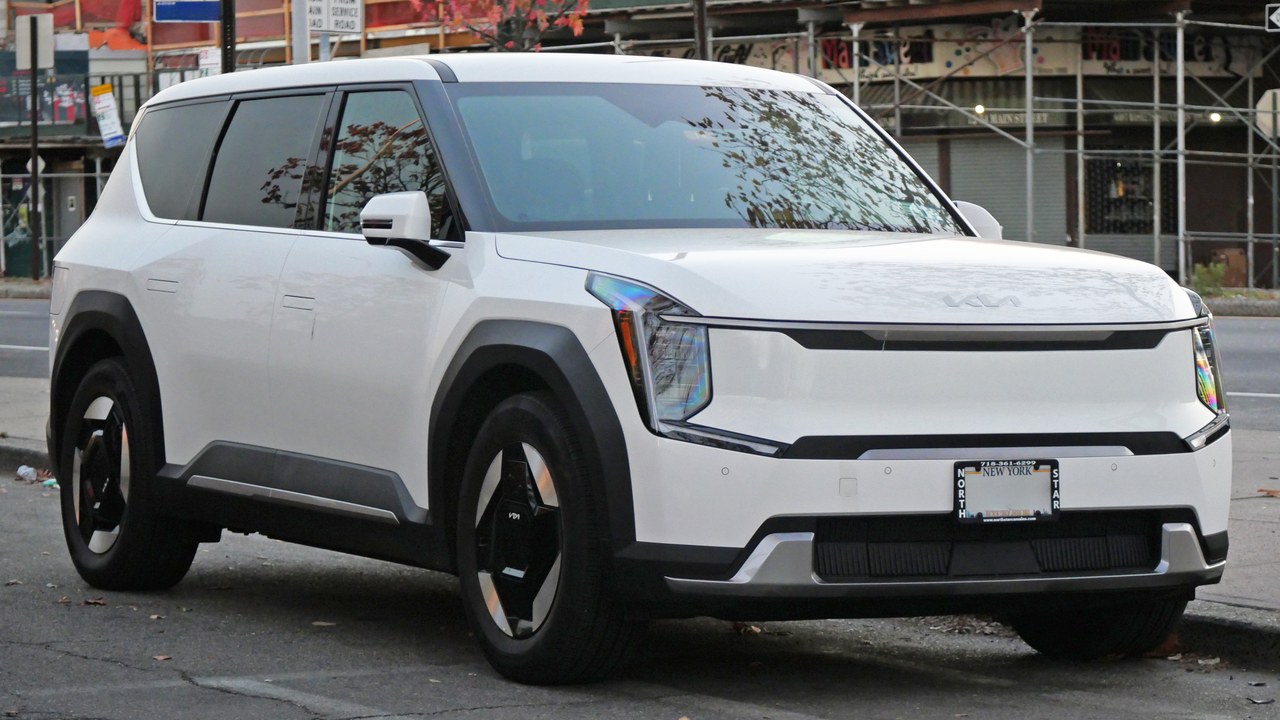
The EV9 was named the 2024 North American Utility Vehicle of the Year, according to Kia’s heritage story. It is a large electric SUV from a brand that once sold only small, cheap sedans.
The distance between the Sephia and the EV9 sums up the story of this list. In a few decades a newcomer went from entry-level transportation to winning one of the most visible awards in the industry. It also shows how seriously the brand now treats its flagship models.
The tech news worth your time: Subscribe to Techpresso →
We may earn a commission if you sign up.
More from Morning Overview
