
Engines are meant to outlast the loan, yet a run of current powertrains has produced recalls, federal probes, penalties and lawsuits. Each entry below represents a different engine, so the problems are spread across mainstream brands rather than concentrated in one. Here are twelve cars and trucks where owners have faced real trouble under the hood.
AI, explained every day: The Deep View is the go-to daily newsletter for 600,000+ founders, knowledge workers and professionals who want to stay up to date with artificial intelligence.
We may earn a commission if you sign up.
1. Nissan Rogue (1.5L VC-Turbo): Warranty Stretched
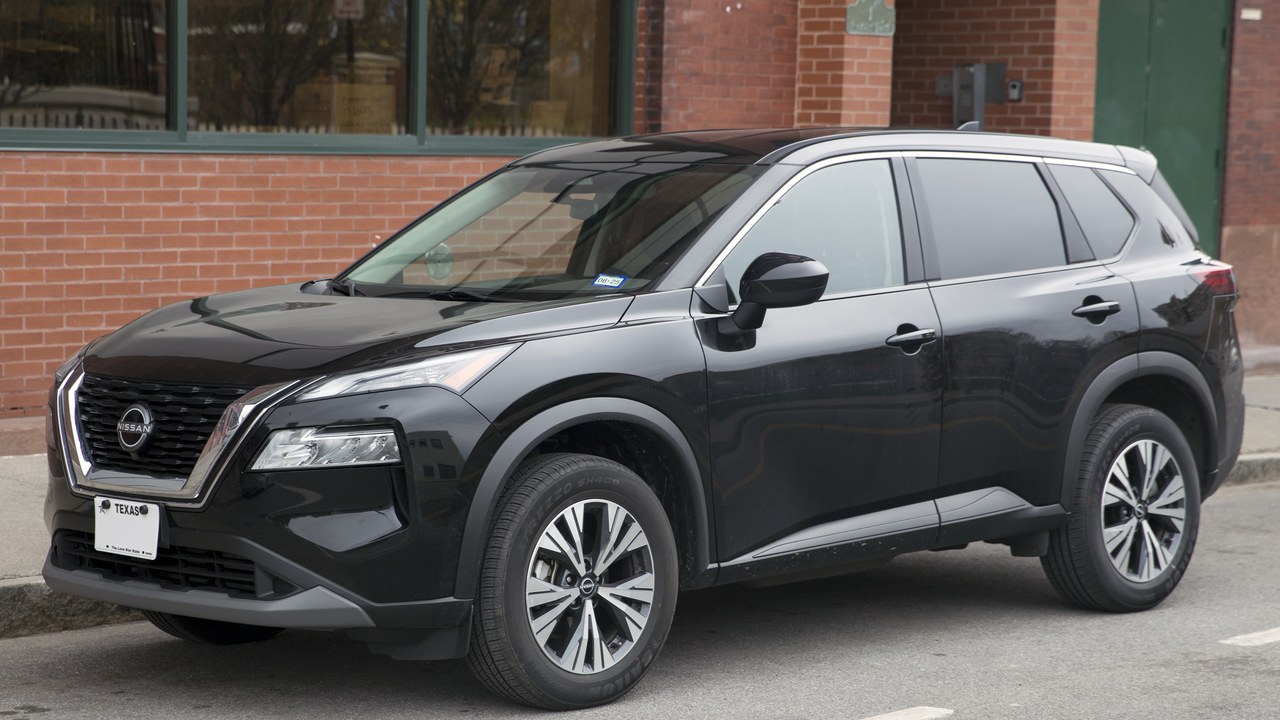
Nissan recalled more than 650,000 vehicles in February 2026 over its 1.5-liter VC-Turbo engine, and the company extended the powertrain warranty to 10 years or 120,000 miles, as AutoGuide reported.
The longer coverage is a notable concession, since it admits the issue may surface well beyond the usual warranty window. Rogue is the volume seller carrying this engine, which explains why the recall reached such a large number of vehicles. The recall figure makes it one of the largest engine actions in recent memory, and owners of affected cars should confirm their coverage.
2. Nissan Altima: Bearing Trouble
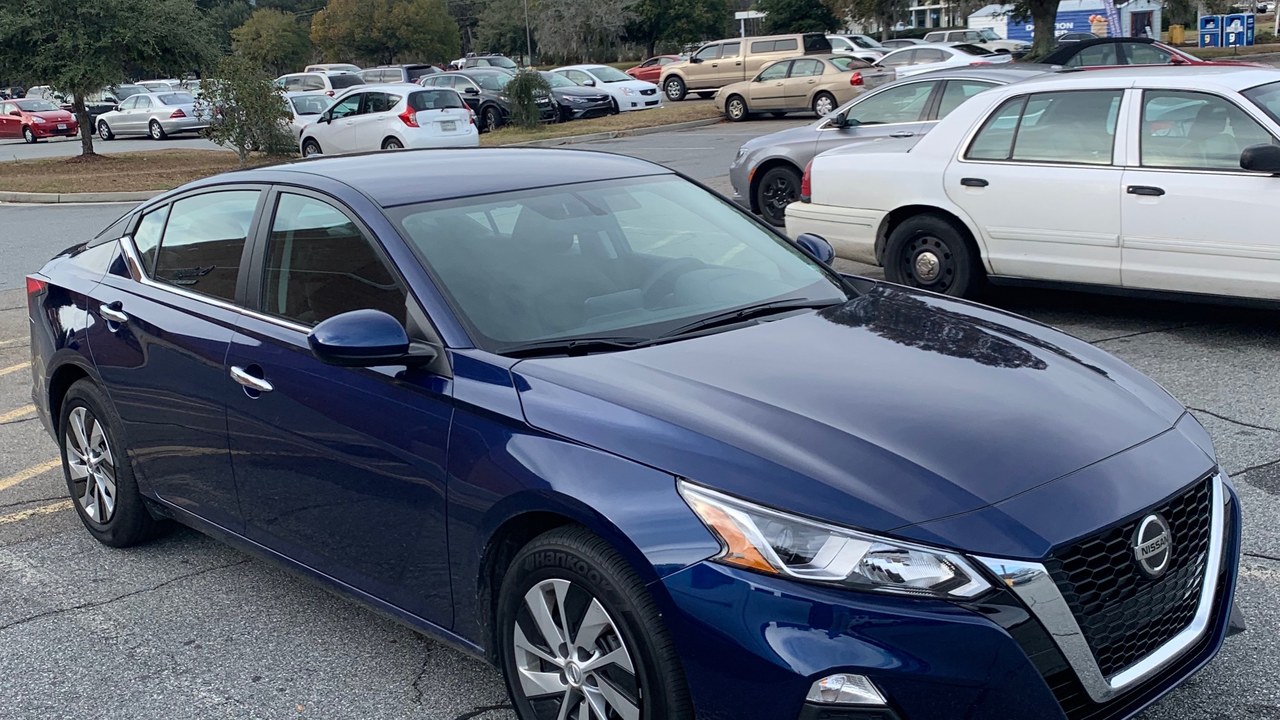
The Altima shares the 1.5-liter VC-Turbo, and SlashGear’s engine review notes that bearing failures require a complete engine replacement.
A full replacement is the most expensive outcome for any owner, which is why bearing damage draws such concern. The shared engine ties this sedan to the Rogue story, showing that one powertrain design can create problems across several models. Owners experiencing knocking noises or warning lights should have the car inspected promptly, since waiting can make the damage worse.
3. Honda Civic: Lawsuits, No Recall
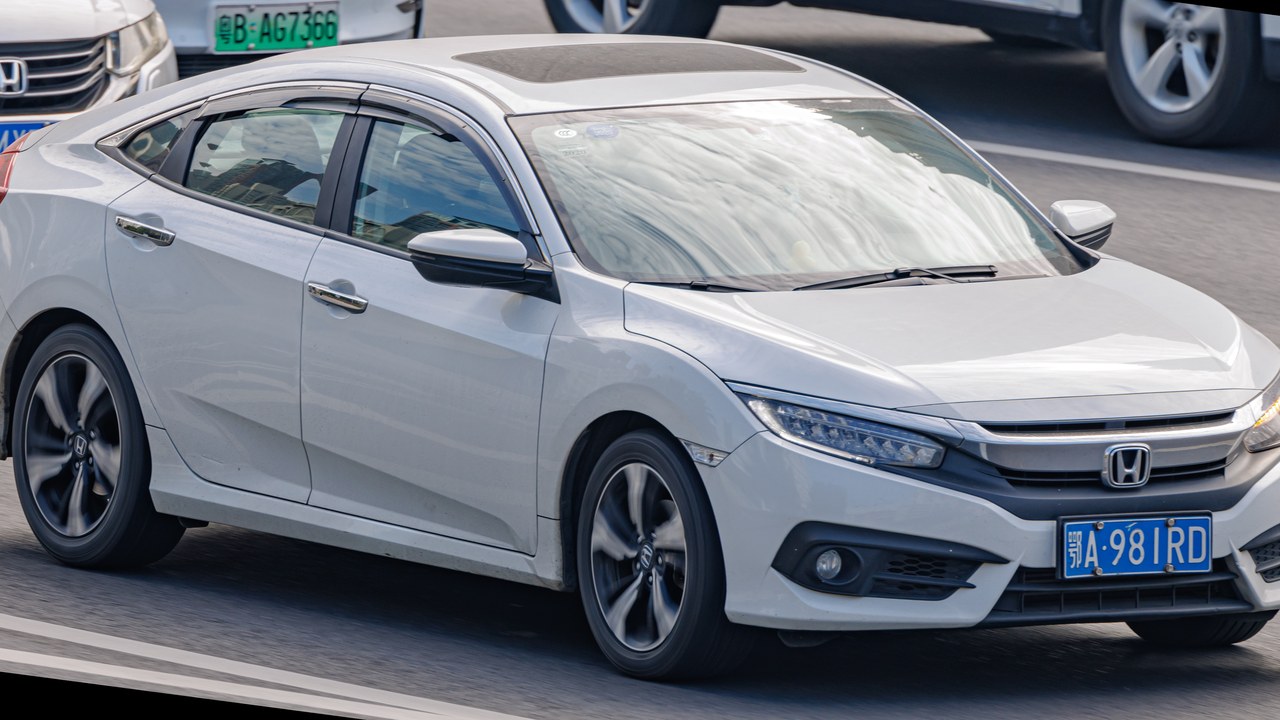
Honda’s 1.5-liter turbo in the Civic, Accord and CR-V faces class actions over oil dilution and head-gasket failures, with no factory recall, according to SlashGear coverage.
Without a recall, owners must rely on warranty claims or legal action, and outcomes vary. The Civic is the best-known carrier of this engine, so the allegations touch one of the most common compact cars on the road. Shoppers considering a used Civic with this engine should ask for service records and check how the oil level has been handled.
4. Chevrolet Trax: Backordered Engines
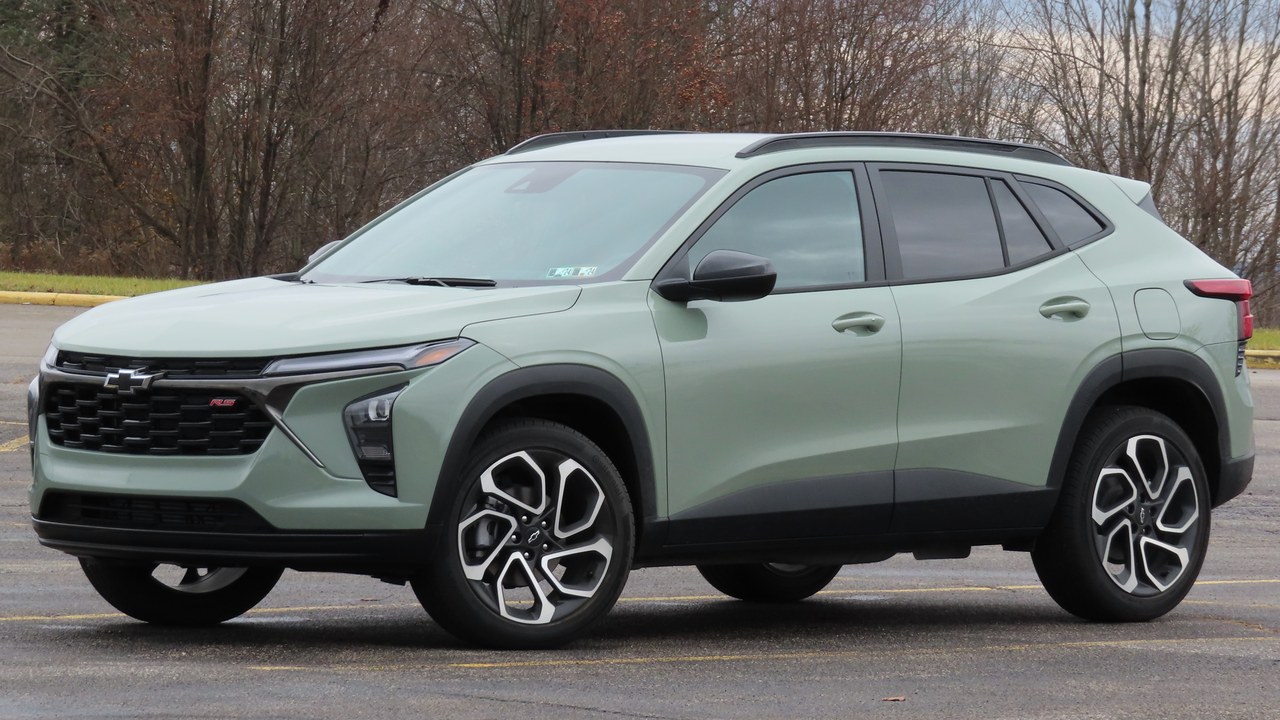
Owners of GM’s 1.2-liter turbo three-cylinder, found in the Trax, Trailblazer, Envista and Encore GX, filed class actions alleging premature internal failures, and AutoGuide noted replacement engines were backordered for weeks or months.
The delay may be as frustrating as the failure itself, leaving drivers without a car during repairs. The cluster of models shows how a single small engine can sit under the hood of several affordable crossovers. Prospective buyers of these small crossovers may want to read owner forums and warranty terms before committing to a purchase.
5. Chevrolet Silverado 1500: Large Engine Probe
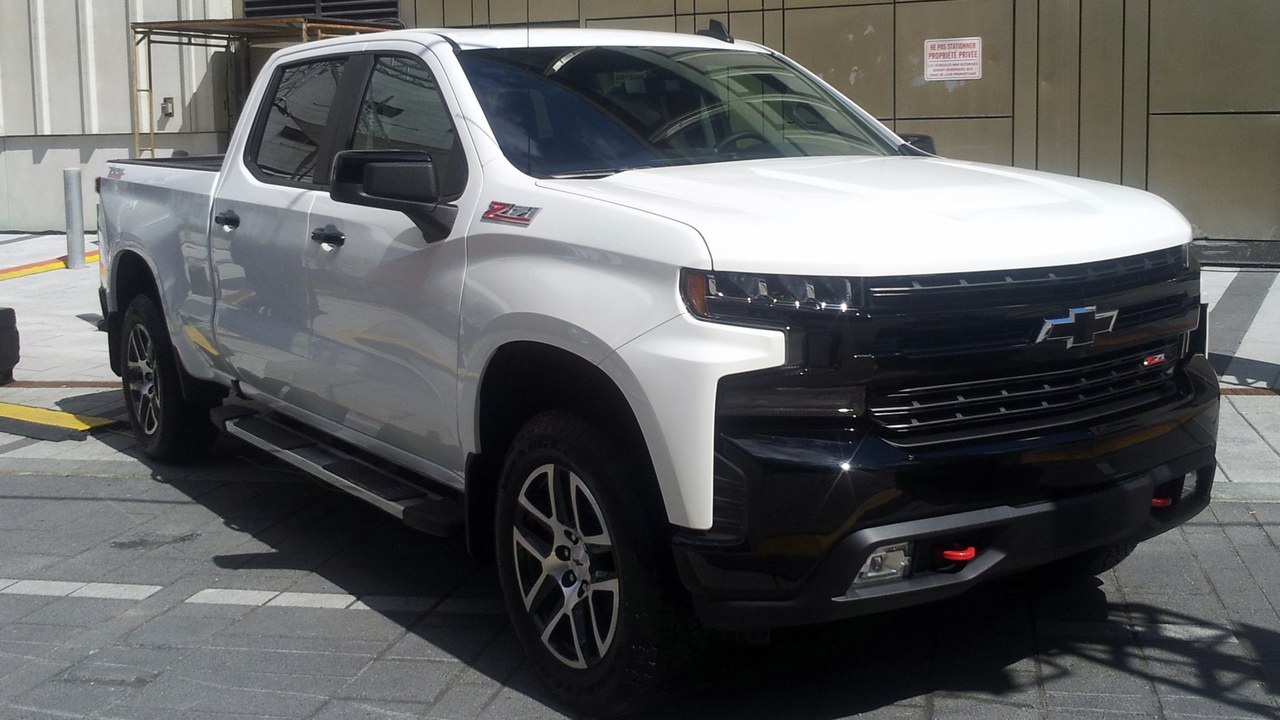
GM’s 6.2-liter L87 V8 led to the recall of over 700,000 trucks and SUVs, and NHTSA opened an investigation in early 2026, as SlashGear summarized.
Scale sets this case apart, because the engine powers some of the company’s most popular full-size vehicles. A federal probe following a recall suggests regulators want to confirm the fix is adequate, so the story is likely to continue. Owners should watch for official notices and keep documentation of any engine trouble in case the investigation widens.
6. Jeep Wrangler 4xe: Sand in the Engine
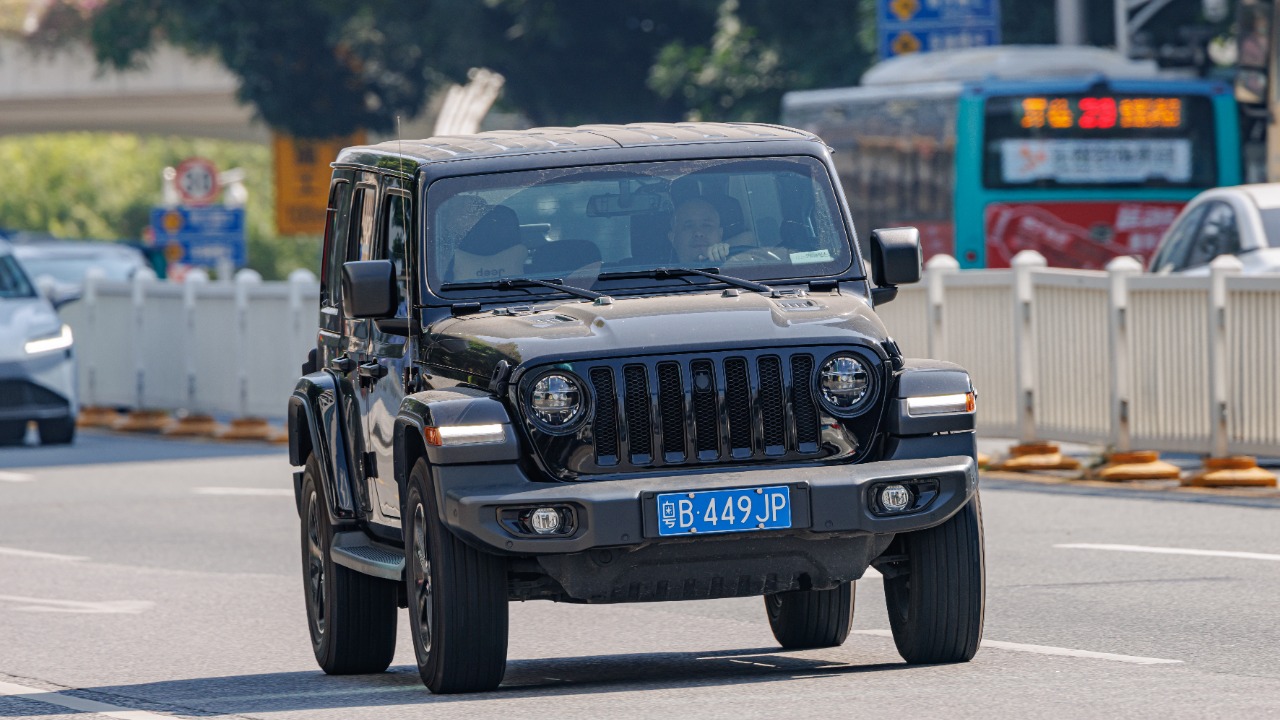
Casting sand possibly left inside the 2.0-liter turbo of the Wrangler 4xe could cause total engine failure and fire, affecting over 100,000 vehicles, according to SlashGear’s report.
The manufacturing leftover is a startling cause, because a contaminant from the casting process can undermine an otherwise sound design. Combining engine failure with fire risk makes this one of the more serious entries in the group. The plug-in hybrid setup adds complexity, so owners should confirm recall completion with a dealer rather than assume the problem is fixed.
7. Toyota Tundra (i-Force Max twin-turbo V6): Twin-Turbo Repeat
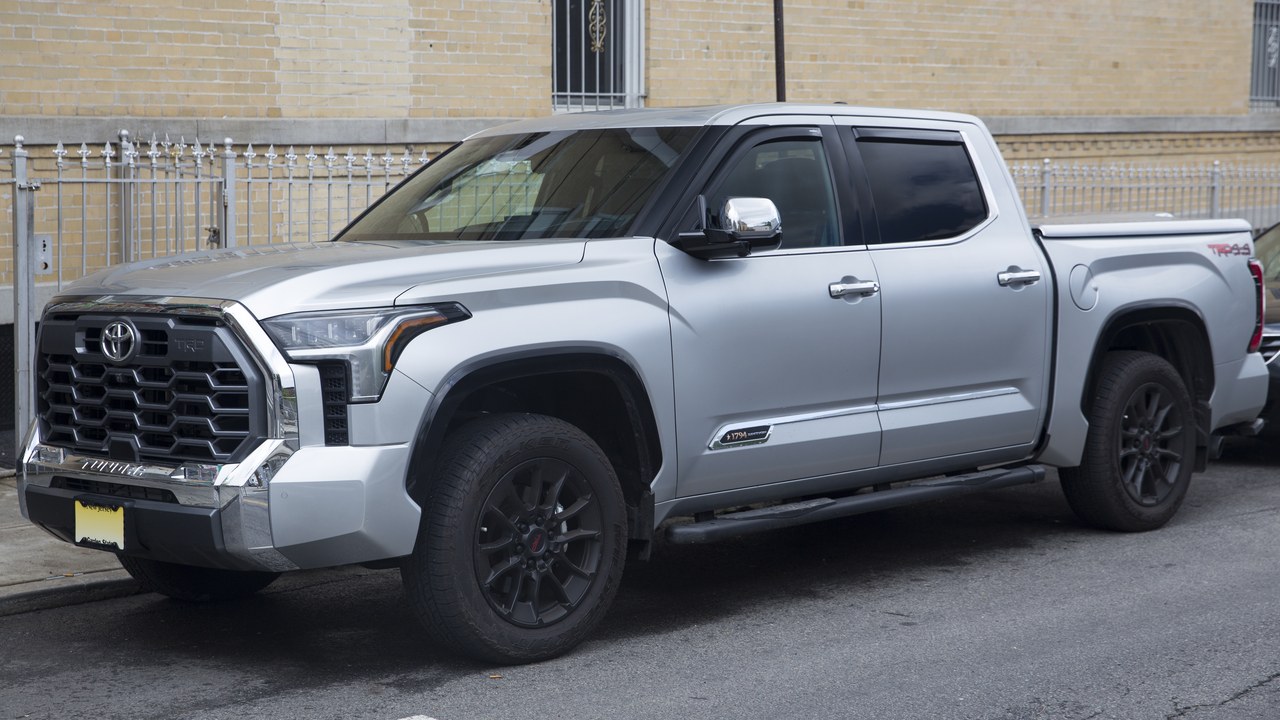
Toyota recalled another 127,000 Tundras and Lexus SUVs in November 2025 over self-destructing twin-turbo V6 engines, as The Drive reported.
The word another is telling, since it points to a series of actions rather than a single event. For a brand prized for reliability, repeated recalls on that twin-turbo V6 stand out and have drawn close attention from truck buyers. The repeated action keeps attention on a flagship engine that was meant to showcase modern turbo performance.
8. Volkswagen Tiguan: Oil Consumption Claims
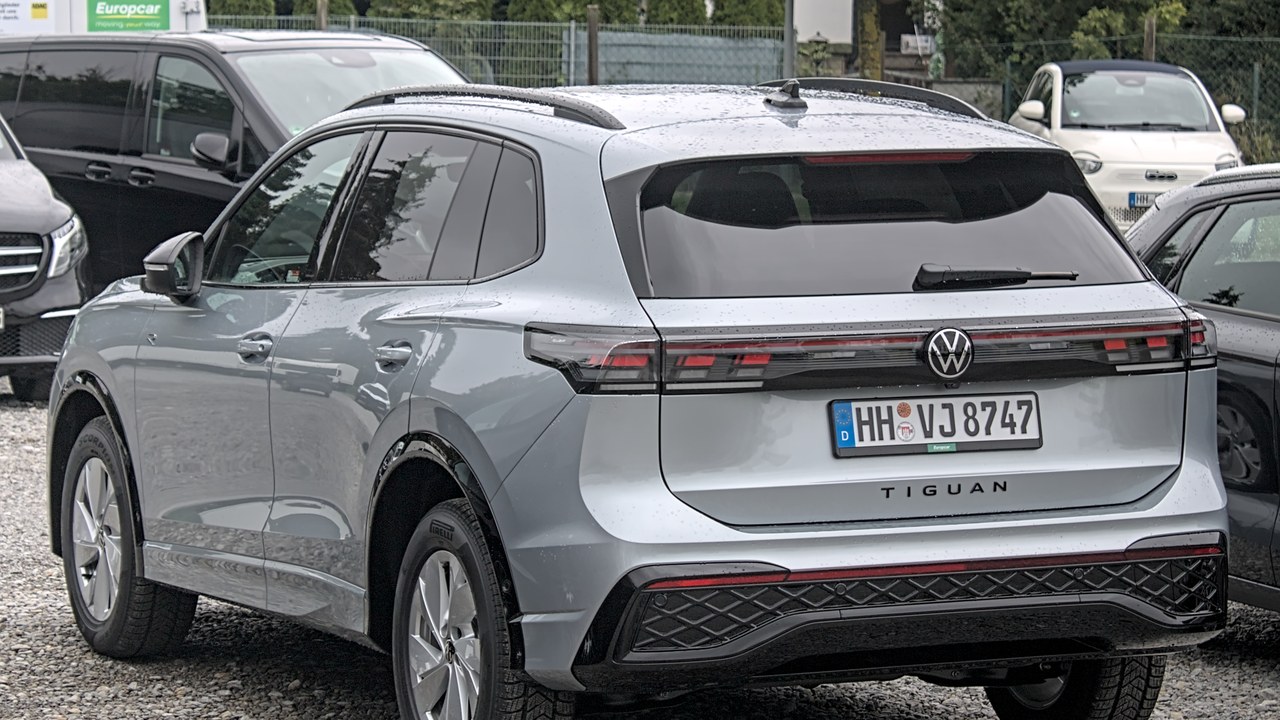
Volkswagen’s 2.0-liter EA888 turbo, used in the 2026 Tiguan, has oil-consumption complaints that can require a full engine replacement, and AutoGuide recounted a settled class action over turbo failures on 2008 to 2024 models.
The settlement shows that the engine’s history has already led to costly consequences. Current complaints suggest that owners of newer models should watch oil levels, since low oil is a common path to major damage. Regular oil checks are a low-cost habit that can help catch trouble before it becomes a major repair.
9. Ford Edge: Coolant Concerns
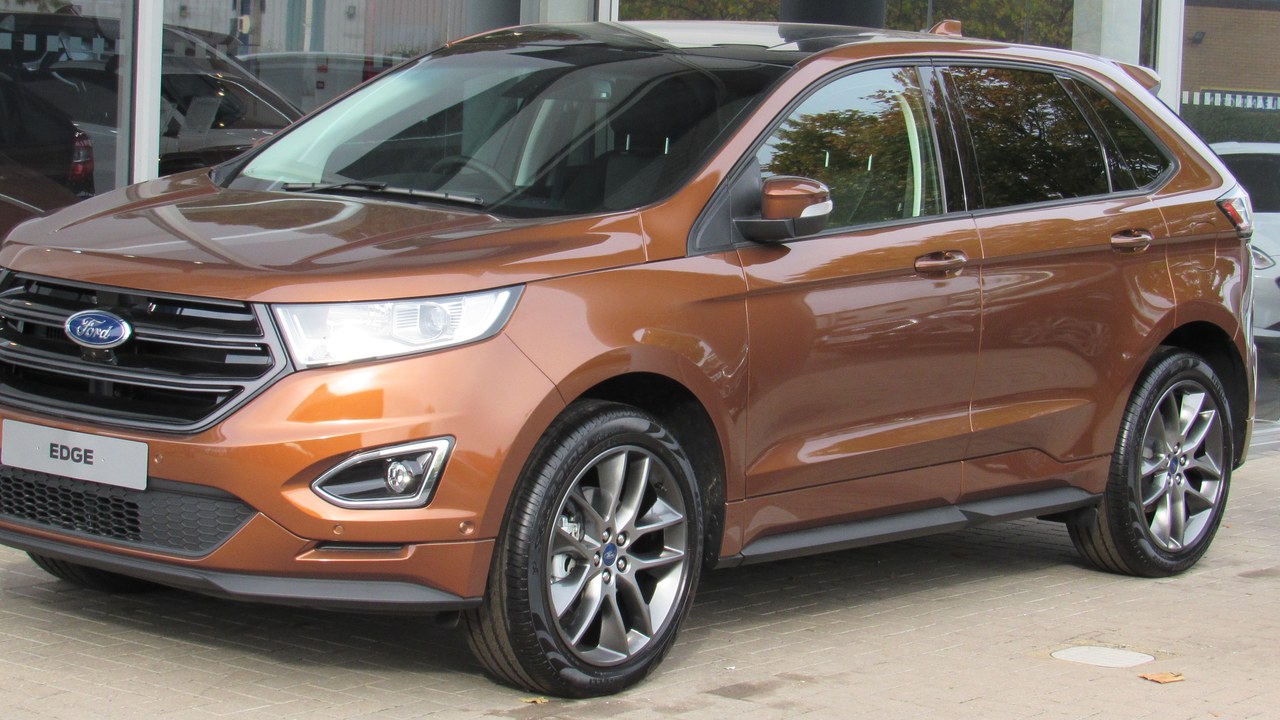
NHTSA is scrutinizing 499,603 Edges from 2015 to 2018 over coolant leaking into the 2.0-liter EcoBoost, with 1,563 incidents reported, according to the autoevolution report.
Coolant entering the combustion chamber can wreck an engine quickly, which explains the regulatory interest. The review is an investigation rather than a finding, so the outcome could range from no action to a recall of the affected crossovers. Owners of these crossovers should watch for coolant loss and keep records in case a recall is eventually announced.
10. Ram 1500: Hurricane Lawsuit
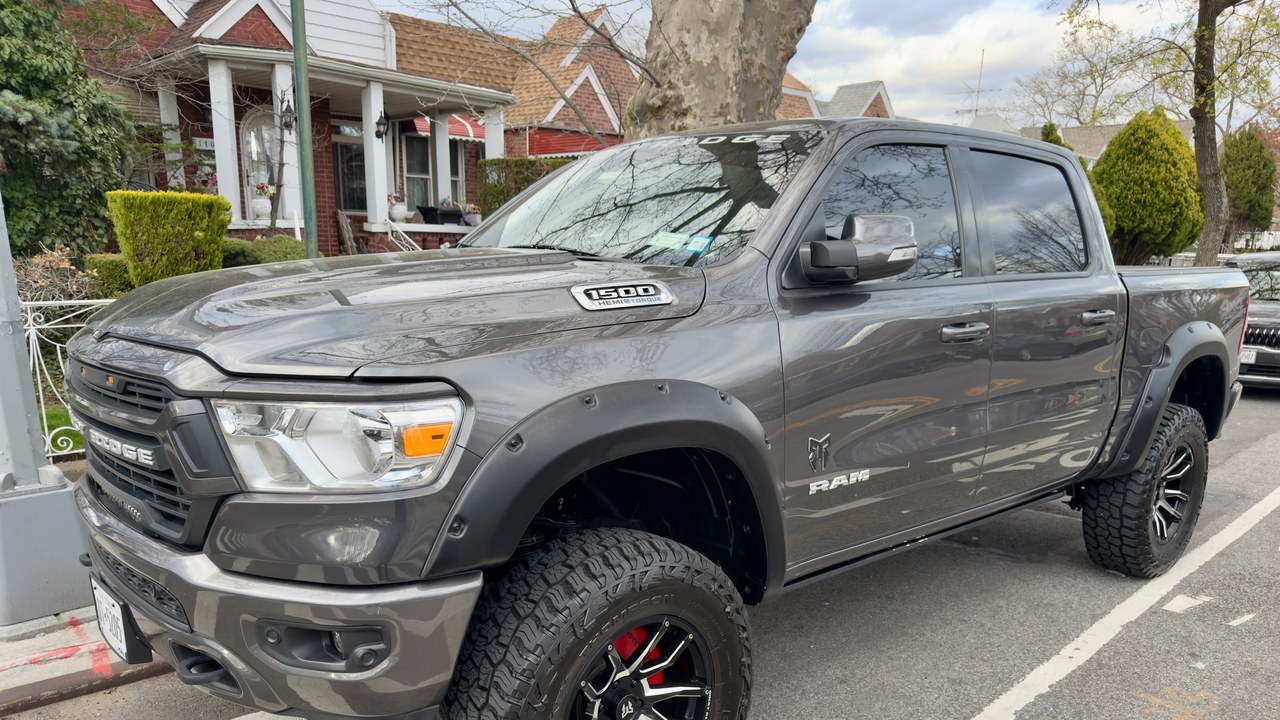
A lawsuit seeking over $5 million says the 3.0-liter Hurricane six in 2025 Ram 1500s fails early, with stalls and power loss, as CarComplaints reported.
Allegations in a lawsuit are not proven facts, and the manufacturer may contest them. Even so, claims of stalling in a mainstream full-size truck carry safety implications, and owners of the new engine will likely follow how the case develops. Buyers weighing the new engine against older V8 options may want to wait for clearer evidence on its record.
11. Hyundai Sonata: Record Penalties
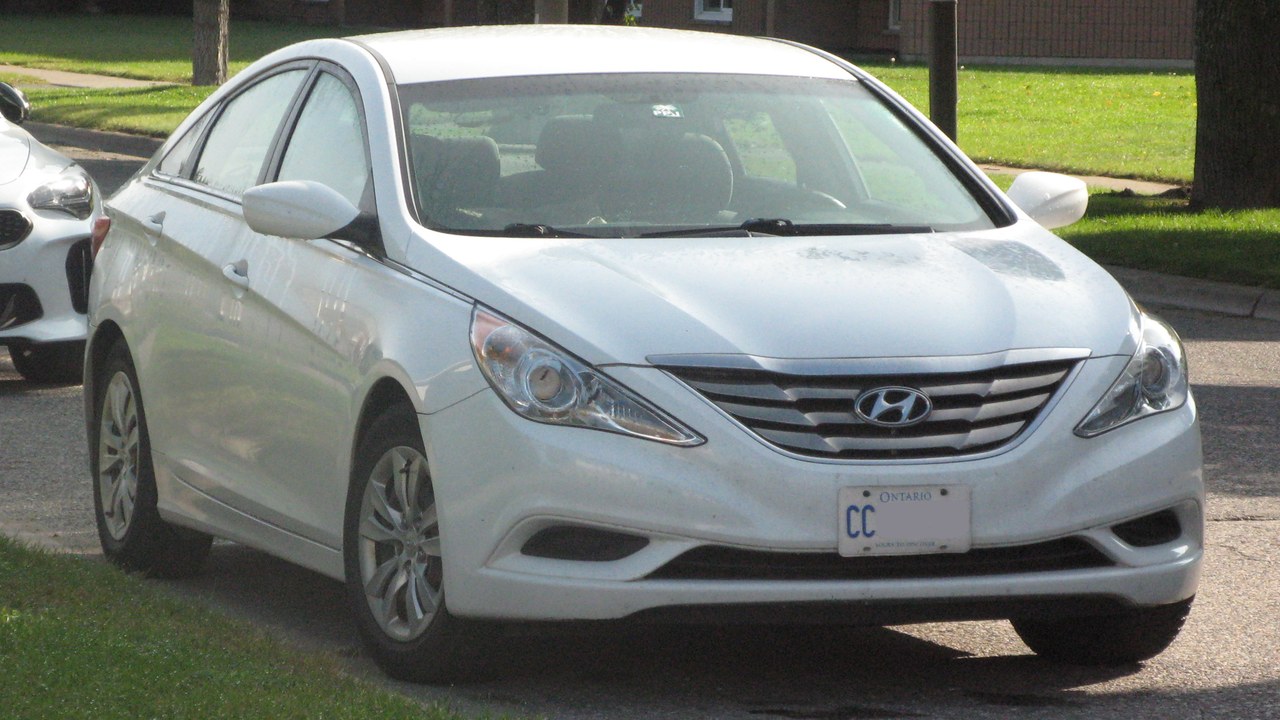
Hyundai and Kia paid $210 million in penalties over untimely recalls of more than 1.6 million Theta II-engine vehicles, according to an NHTSA press release.
The Sonata is among the cars tied to that engine, and the penalty centers on how slowly the companies acted rather than only on the defect. It remains a benchmark for how regulators punish delays in addressing known engine problems. Owners of affected vehicles from this period should verify their recall status, because older repairs sometimes remain unfinished.
12. Dodge Challenger SRT Demon 170: Damper Batches
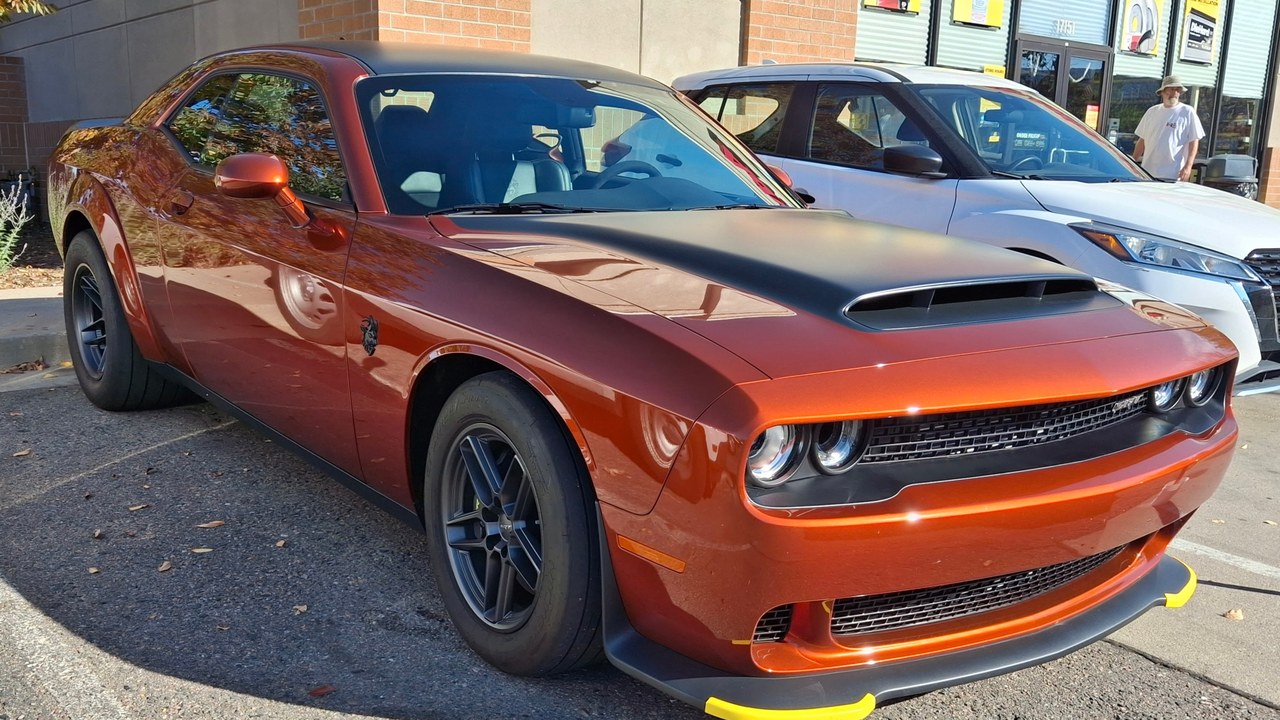
Dodge traced Demon 170 engine failures to specific batches of crankshaft dampers, affecting 345 American cars, as autoevolution reported.
The small number reflects a limited-production halo car, and pinpointing a supplier batch is a more contained problem than a design flaw. It still shows how one component can end the life of a very powerful engine. Owners of the few affected cars should contact a dealer, while most buyers will never encounter the issue because of how rare the car is.
AI, explained every day: Get The Deep View →
We may earn a commission if you sign up.
More from Morning Overview
- Lake Powell sank to a record 3,517 feet, nearing the level that stops Glen Canyon Dam’s turbines
- Seven of Earth’s nine planetary boundaries are breached, and all seven are worsening
- The NSA says three phone features should be off whenever you aren’t using them
- Hurricane Hunter radar shows four warning signs that a tropical cyclone is about to strengthen, a University of Miami study found
