
Automakers have discovered that hardware already built into a car can be locked and sold back as a recurring service. Some of these charges cover advanced driver assistance, while others cover conveniences that used to come standard. Here are ten features that carry or once carried a monthly bill.
The day in tech, in one email: TLDR is the daily newsletter with links and TLDRs of the most interesting stories in startups, tech and programming.
We may earn a commission if you sign up.
1. Tesla Full Self-Driving: Subscription Shift
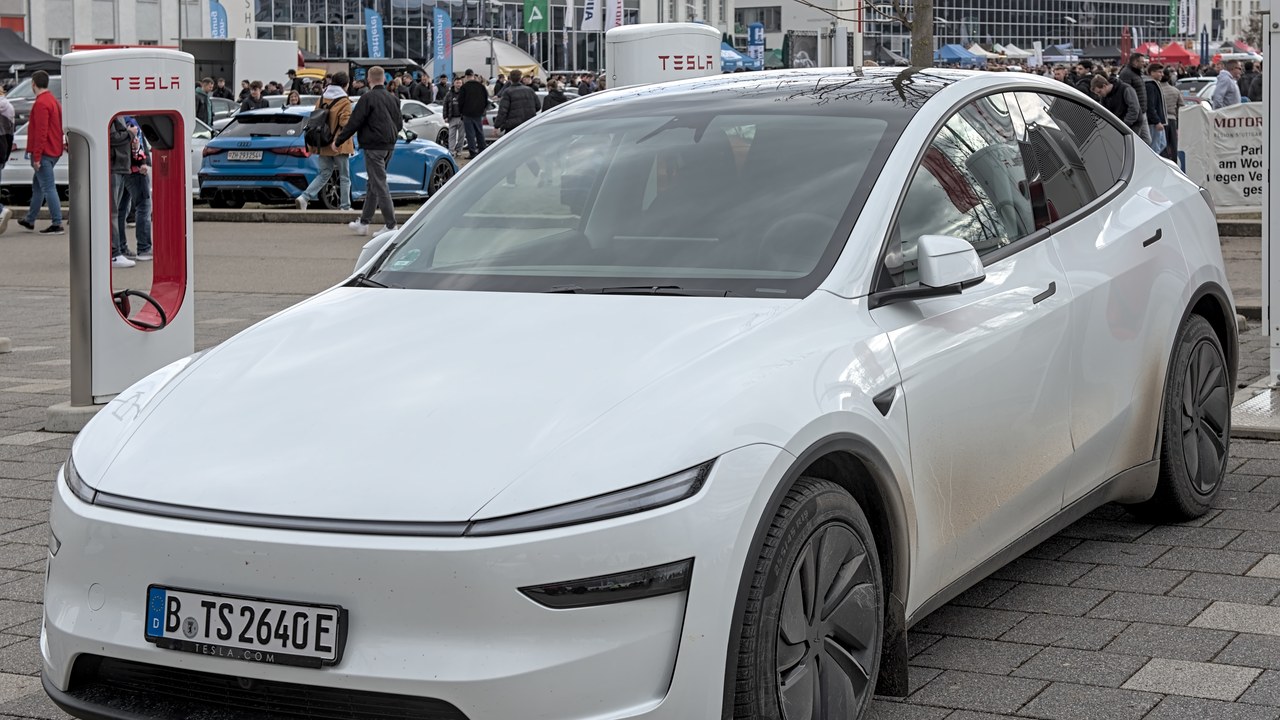
Tesla dropped the one-time Full Self-Driving purchase in early 2026 and moved to a $99-a-month subscription, as Carscoops reported.
The change turns a big upfront purchase into an ongoing cost, which lowers the entry price but adds up over years. It also signals that the industry’s most prominent driver-assistance suite is now treated as a service, not a product. For drivers who use the system heavily, the monthly plan may be fair, while occasional users may prefer to pay only when needed. The model also lets the company collect revenue after the sale.
2. Tesla Autosteer: Autosteer Removed
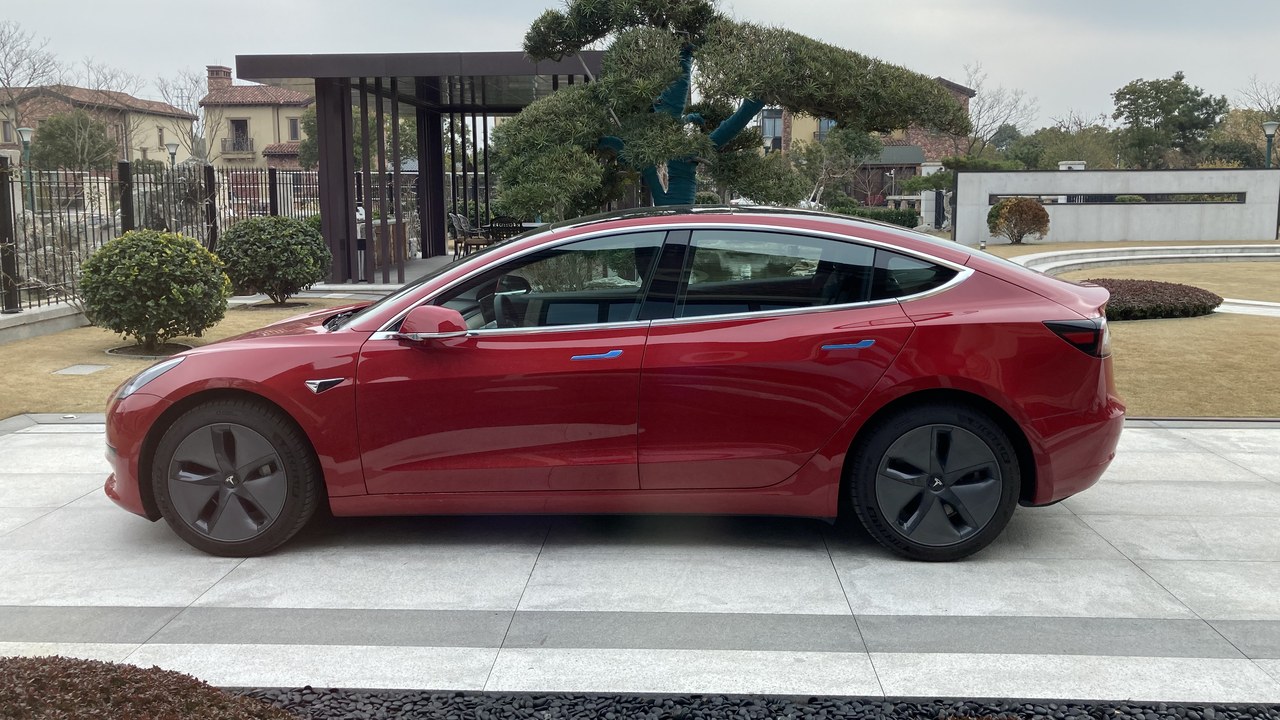
Autosteer was removed from all Model 3 and Model Y trims in late January 2026 and now requires FSD at $99 a month or $999 a year, according to the BGR report.
Taking a familiar feature out of the standard package and placing it behind a fee frustrated some owners. The annual price offers a discount over paying monthly, giving a clear incentive to commit for a full year. The move shows how a subscription can reach into basics that earlier buyers received at no extra charge. Shoppers comparing vehicles should check which driver aids are included before signing a purchase contract.
3. GM Super Cruise: Hands-Free Highway
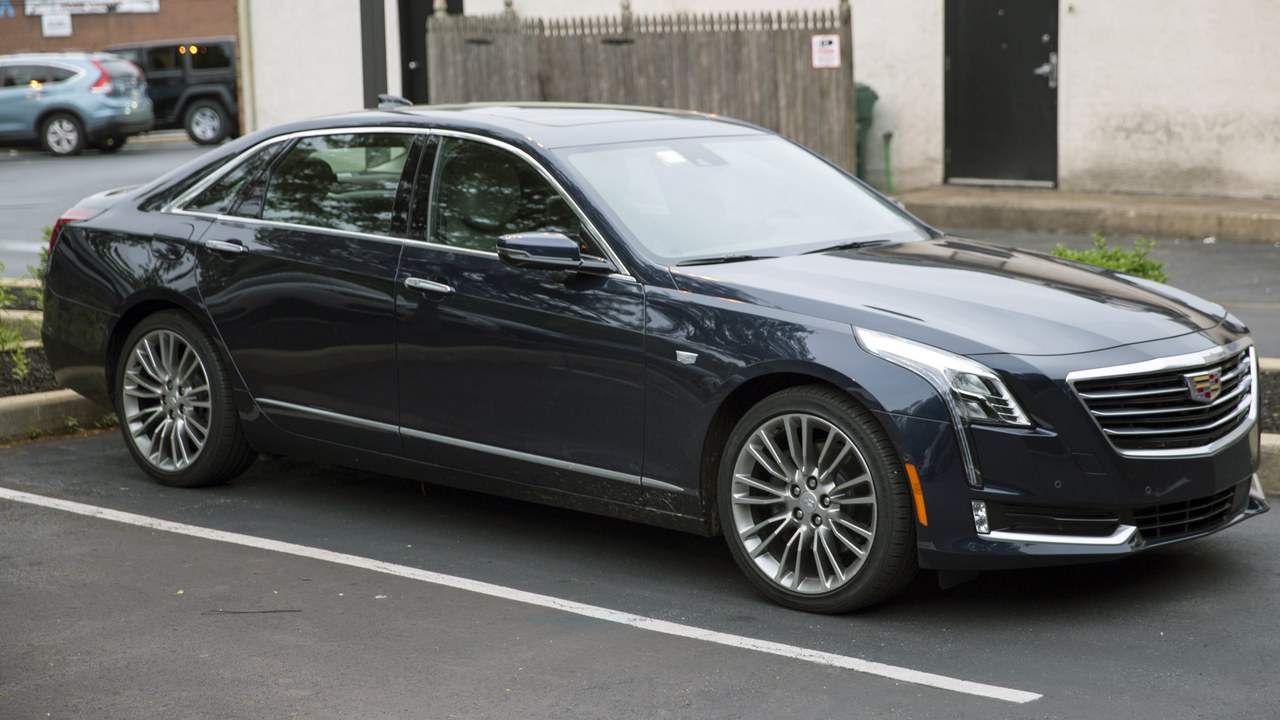
GM’s hands-free highway system is a $39.99-a-month subscription with no outright-purchase option, according to the Carscoops report.
Without a buy option, long-term owners face a bill that never ends, though a lower monthly rate makes it cheaper than Tesla’s service. It shows how a legacy automaker has embraced recurring revenue. Buyers who rarely take long highway trips may find it hard to justify, while frequent commuters can see more value. The trial period offered by some dealers can help decide whether the plan is worth keeping.
4. Rivian hands-free highway driving: Rivian Rate
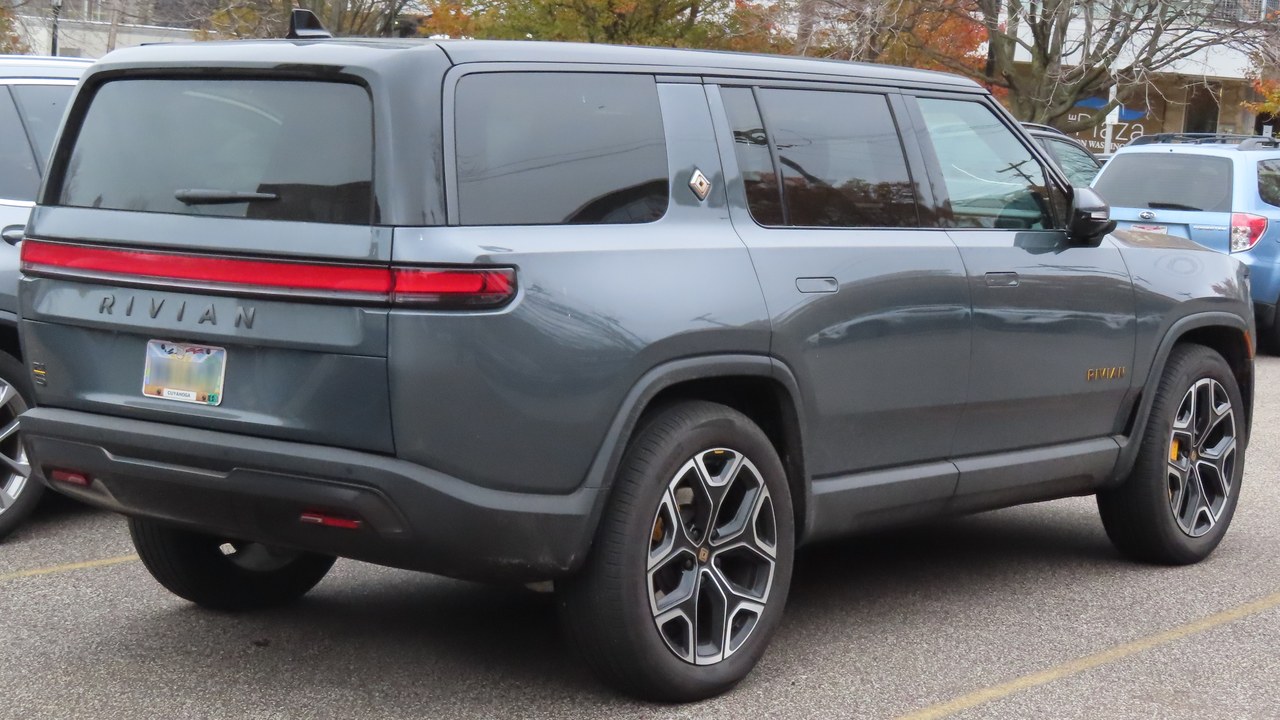
Rivian charges $49.99 a month for hands-free highway driving, as listed in a Carscoops comparison.
The price sits between GM and Tesla, giving shoppers a way to compare similar systems. As more brands adopt such plans, driver-assist fees are becoming a normal line in the cost of ownership. Shoppers should compare the cost with a rival’s before choosing an electric truck or SUV, since the totals add up over a long ownership period. Monthly fees can be canceled, which gives owners some flexibility.
5. Toyota key-fob remote start: Remote Start Fee
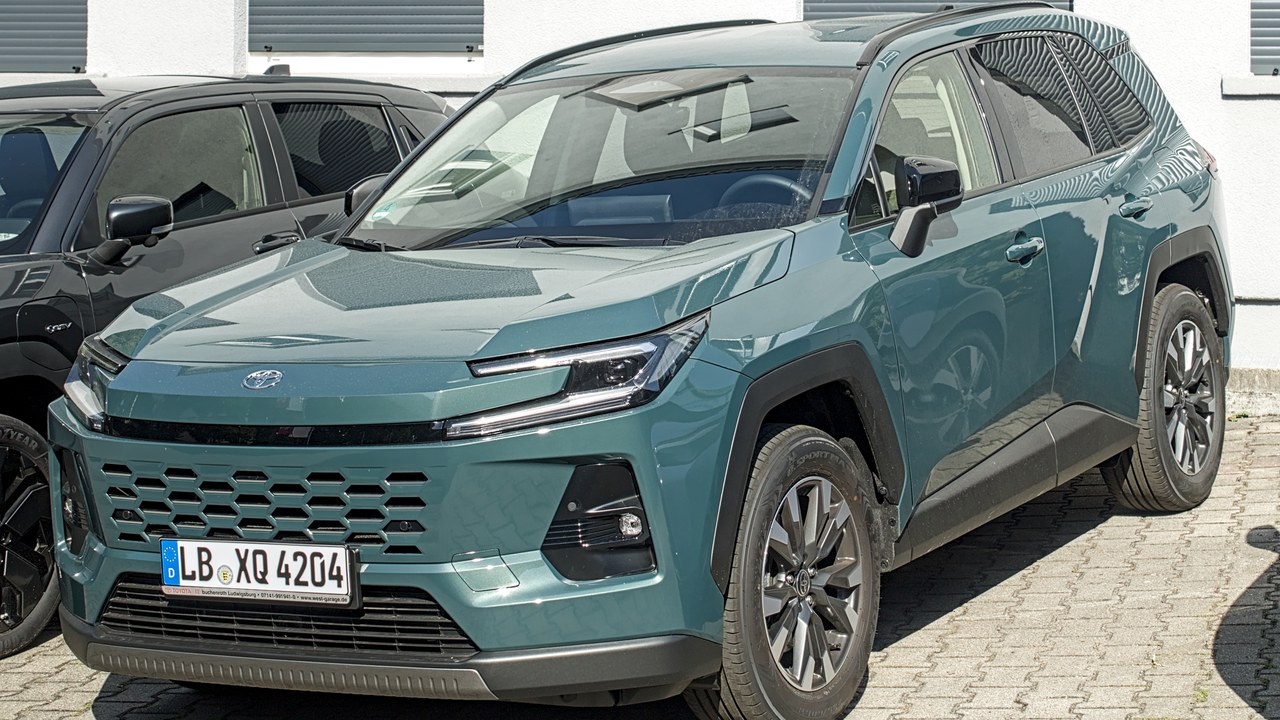
Toyota tied key-fob remote start to a Remote Connect plan costing $8 a month or $80 a year after the trial, according to Kelley Blue Book.
A convenience that once worked with a simple fob now relies on connectivity and a plan. The annual price is cheaper than paying monthly, but owners who dislike recurring charges may see the change as a step backward. The trial period gives owners a chance to decide whether the convenience is worth the cost. Those who rarely use the feature may choose to let the plan lapse and simply start the car by hand.
6. Toyota real-time traffic: Live Traffic Cost
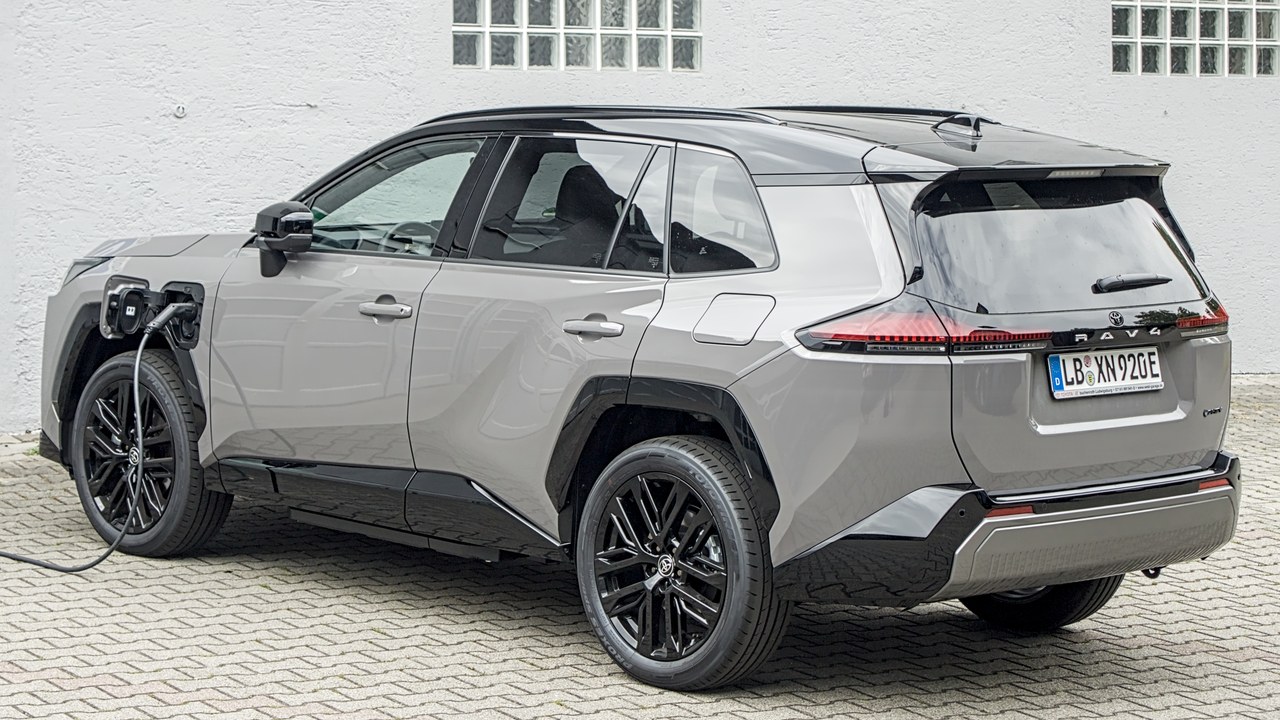
On the 2026 RAV4, live traffic data requires a $15-a-month Drive Connect subscription, according to BGR’s report.
Real-time traffic is available free on most phones, which makes the charge hard to justify for many drivers. It is an example of an in-dash service competing against free alternatives. Owners who rely on a phone for navigation can skip it, though built-in routing may feel more seamless. The fee is an extra expense that rarely appears in the sticker price shoppers see on the lot.
7. Toyota in-car streaming: Streaming Add-On
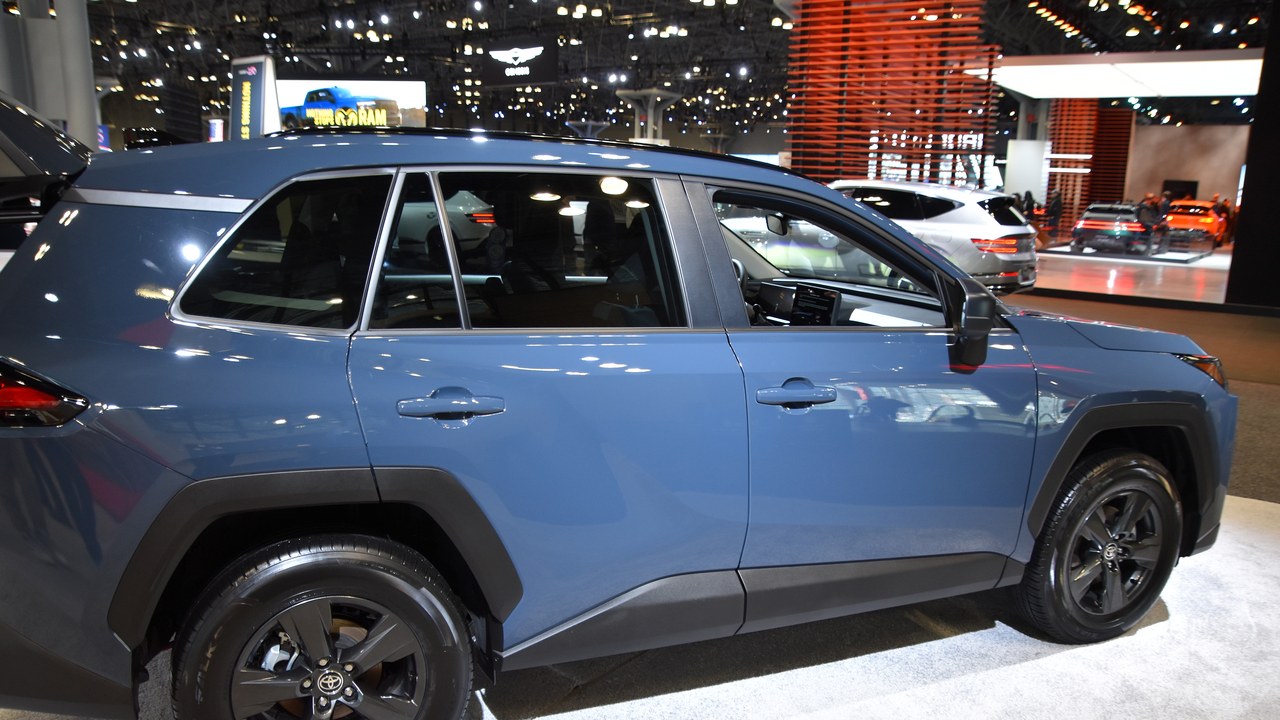
Integrated Spotify streaming on the 2026 RAV4 is another $15 a month, or $25 a month bundled with traffic and remote features, per the BGR report.
The bundle offers a discount for buying several services, nudging owners toward a larger recurring commitment. Phone-based streaming remains an alternative, so the integrated option mainly appeals to those who value a seamless dashboard. Anyone who streams music from a phone can use that instead, and the bundle only makes sense when several of the services are wanted. Reading the plan details helps avoid paying for features that go unused.
8. BMW heated seats: Heated Seat Backlash
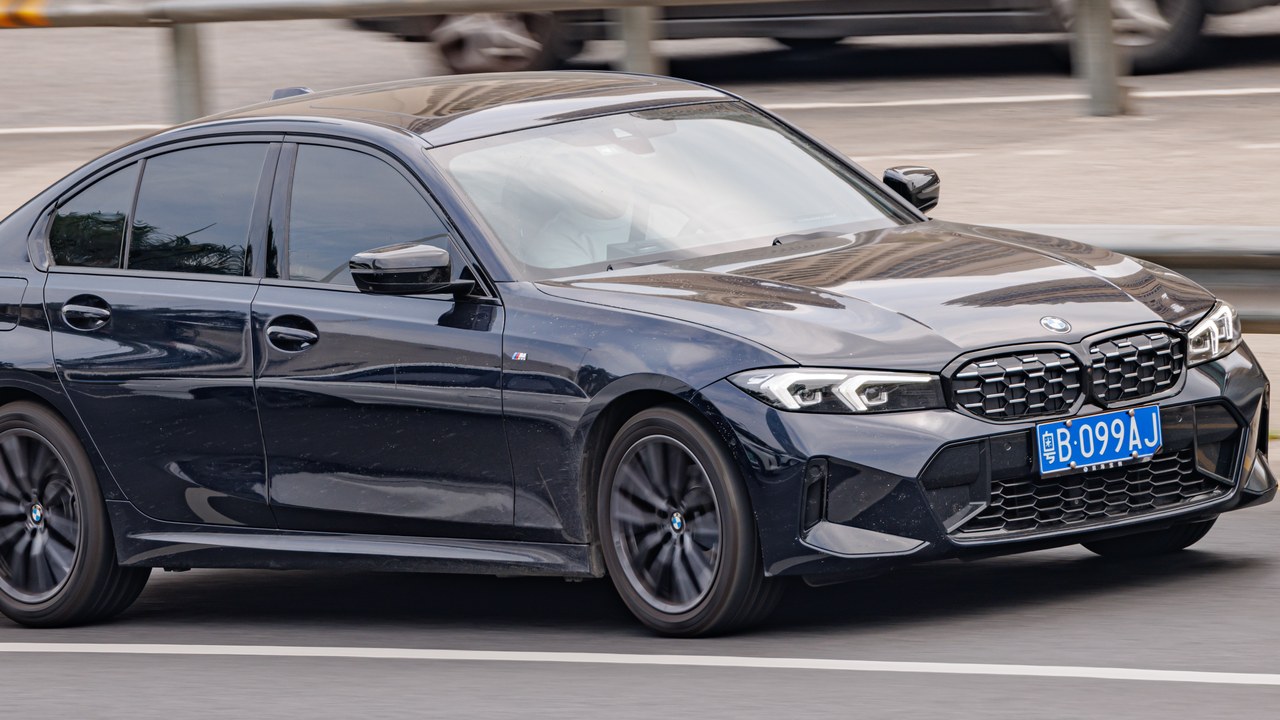
BMW’s $18-a-month heated-seat subscription drew so much backlash that BMW dropped it, according to the Edmunds report.
The reversal shows that customers will push back when hardware already installed is held hostage behind a monthly fee. It remains the best-known example of a subscription idea that failed, and a warning for other automakers. Heated seats were already installed in the cars, which is why the fee felt so objectionable to critics. The episode is often cited by consumer advocates as a case study in how far automakers can push monthly charges.
9. Volkswagen performance boost: Power on Demand

Volkswagen charges the equivalent of $23 a month or $225 a year to raise the ID.3’s output from 201 hp to 228 hp, as BGR reported.
Selling extra performance by software turns horsepower into a rented feature. The upgrade is modest, and the setup raises the question of whether owners should pay to unlock capability that the car already carries. The software lock makes the power increase reversible, so an owner could pay for a stretch and then stop. Some buyers will see value in that flexibility, while others will resent paying for hardware already in the car.
10. Audi automatic high beams: Europe’s Experiment
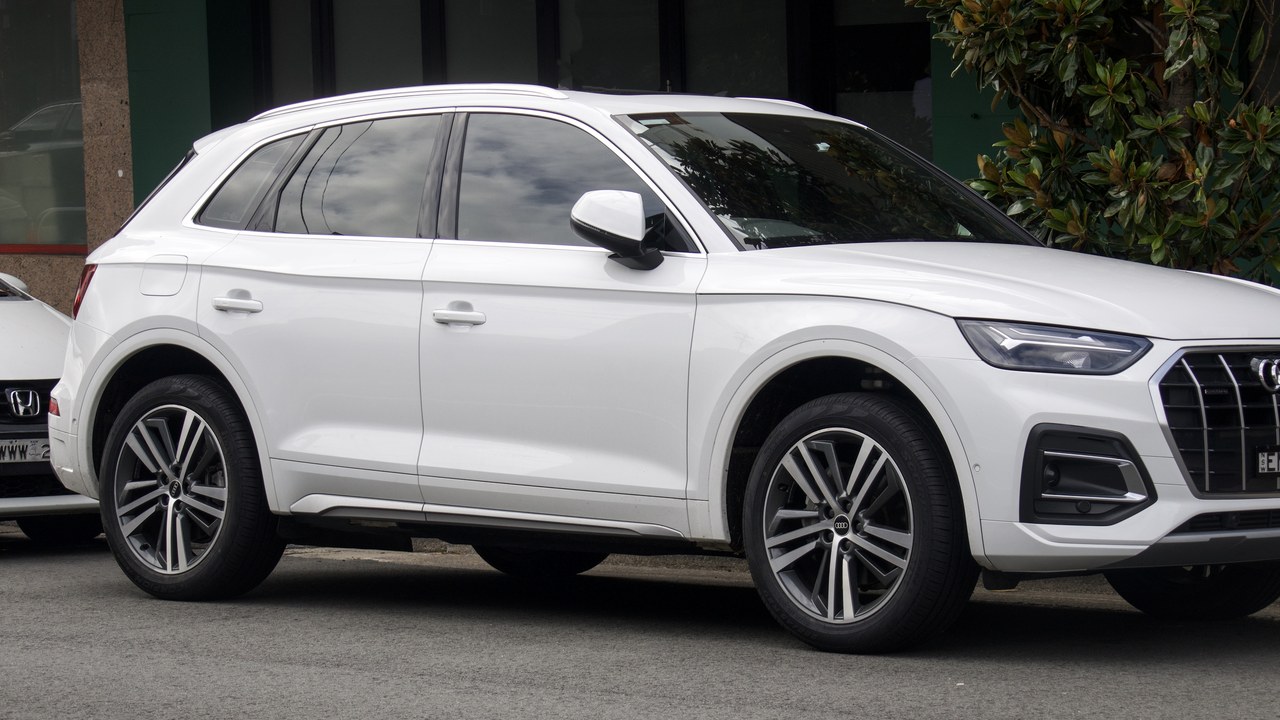
In Europe, some Audi owners pay subscription fees for automatic high beams, adaptive cruise control and built-in CarPlay, and an AJC feature reports willingness to pay for connected services fell from 86% to 68% in a year.
The drop in willingness suggests shoppers are growing tired of recurring fees. Automakers promoting subscriptions may need to prove value, especially for features buyers see as basic equipment. Automakers now have to weigh the revenue against customer trust, particularly when the features resemble standard equipment. Shoppers may find that vehicles without such fees become a selling point in competitive segments.
The day in tech, in one email: Get TLDR →
We may earn a commission if you sign up.
More from Morning Overview
- The NSA says three phone features should be off whenever you aren’t using them
- Hurricane Hunter radar shows four warning signs that a tropical cyclone is about to strengthen, a University of Miami study found
- Tropical Storm Rachel is dumping up to 12 inches on four Mexican states on its way to major hurricane strength
- The FTC says Lens.com doubled the price shoppers saw in Google ads
