
The 1950s turned the automobile into a statement of optimism, power and sometimes outright excess. Mass-market sedans, European sports cars and oddball independents all left a lasting mark on the decade’s roads and showrooms. Here are twelve cars that show how wide that range ran.
Tech news worth reading: Get Techpresso, the daily email with the most interesting tech news and insights, read by 400,000+ professionals from Google, Apple and OpenAI.
We may earn a commission if you sign up.
1. 1955 Chevrolet Bel Air: Tri-Five Volume Leader
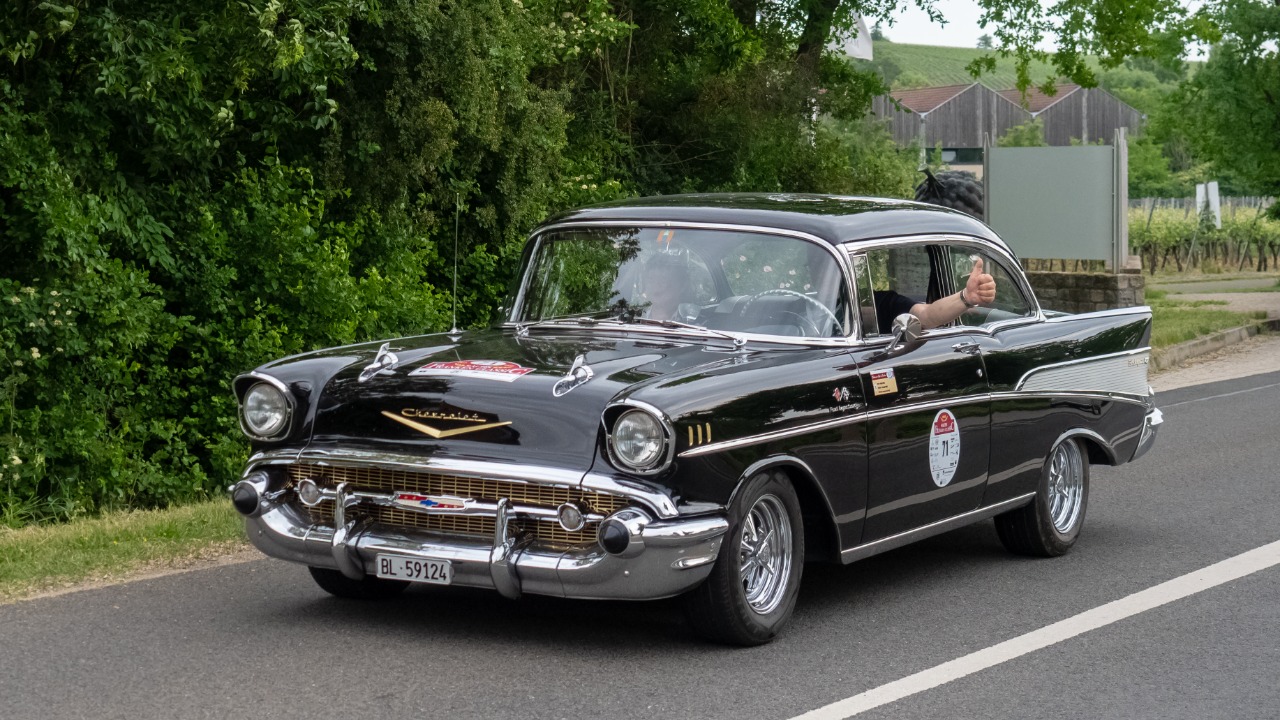
Chevrolet reached mass-market scale in 1955, the first year of the Tri-Five generation. According to Hagerty, Chevrolet’s 1955 sales totaled 1.8 million across the 150, 210 and Bel Air trim levels, and the new small-block 265 V8 arrived rated at 162 or 180 horsepower depending on the version.
The Bel Air sat at the top of those three trim levels, so it carried the styling polish while sharing the new engine and the sales momentum. Few cars of the decade show as plainly how a mainstream builder could pair huge volume with genuinely fresh engineering under the hood.
2. 1953 Chevrolet Corvette: A Slim First Year
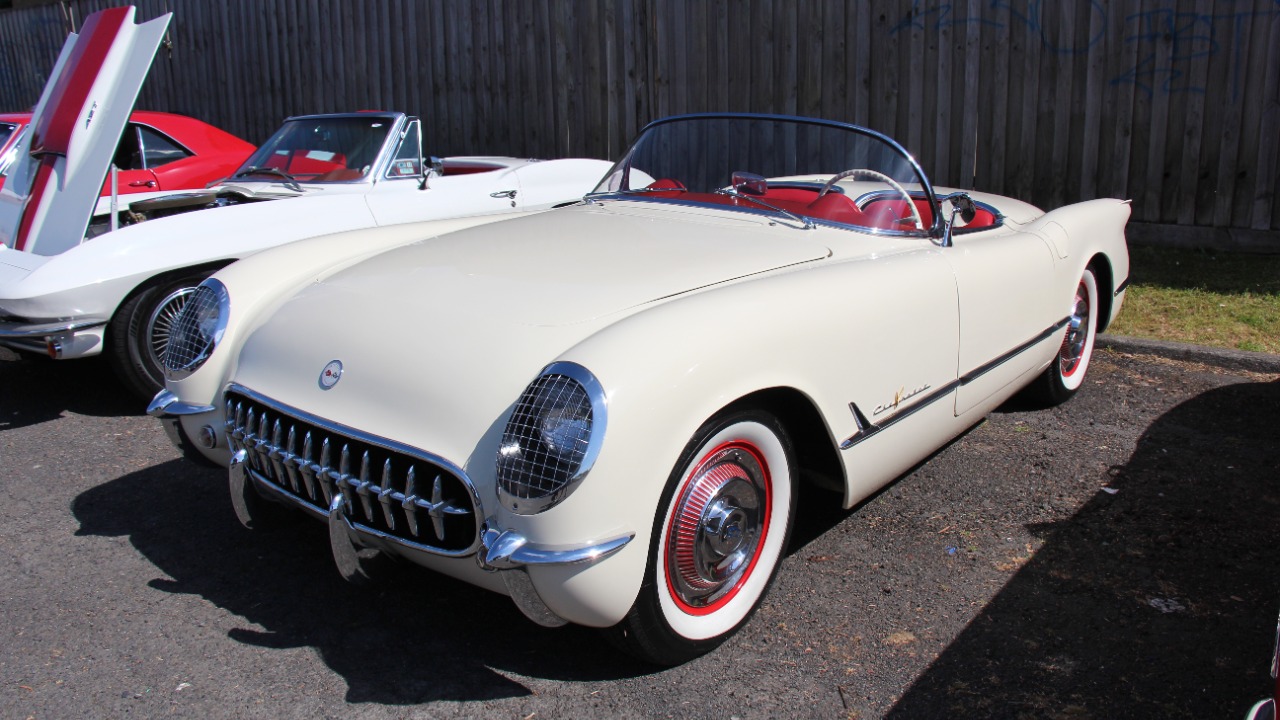
Chevrolet’s sports car debuted in tiny numbers. Only 300 were built in the first year, according to a tour of 1950s icons, and each one carried a 150-horsepower six-cylinder engine.
That modest start makes the earliest Corvette a rarity next to the volume sedans sharing the showroom. The six-cylinder output was far from the V8 reputation the nameplate would carry later, which gives the 1953 car the feel of an experiment rather than a finished performance machine.
3. 1955 Ford Thunderbird: Two Seats, One V8
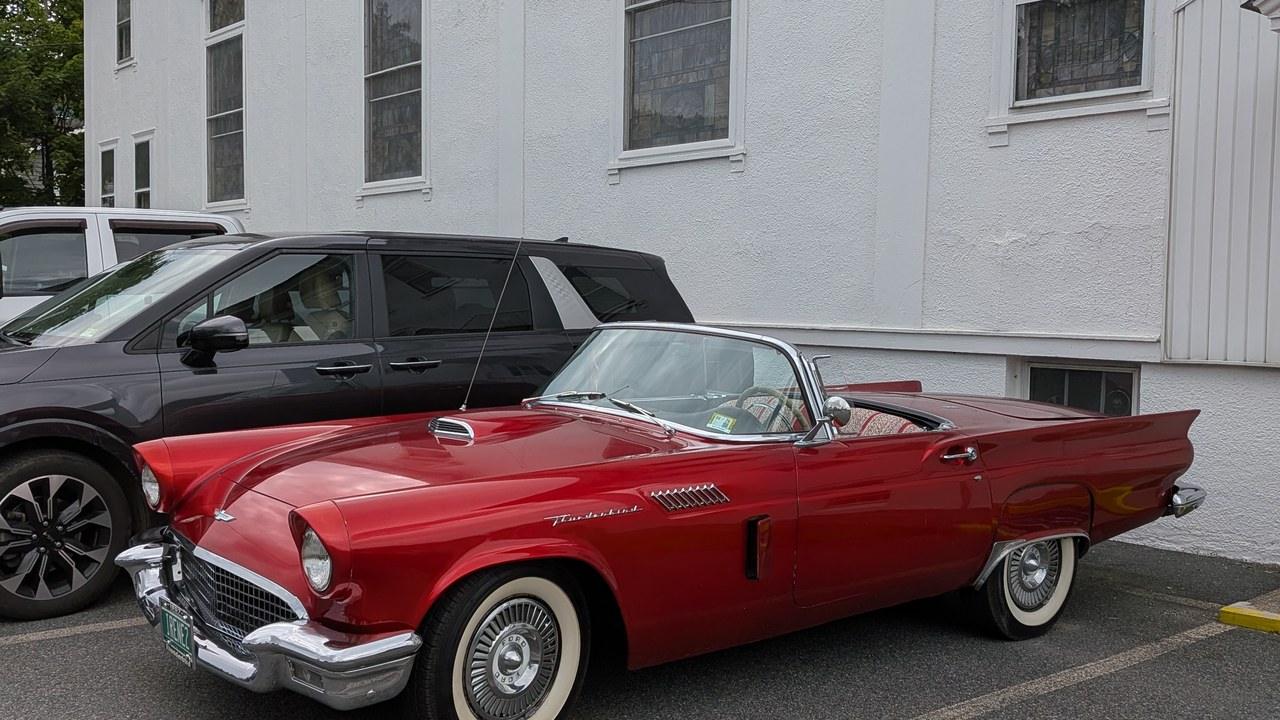
Ford’s two-seater found a ready audience, with about 53,000 Thunderbirds sold across the 1955 to 1957 model years. The debut year used a 292 cubic-inch V8 that made 193 horsepower.
A sales figure of that size for a two-seat car shows the Thunderbird was never a niche curiosity. Buyers wanted a personal car with a V8 and a stylish shape, and the model supplied both in a package that looked different from the sedan-heavy lineups around it.
4. 1959 Cadillac Eldorado: The Fin at Its Tallest
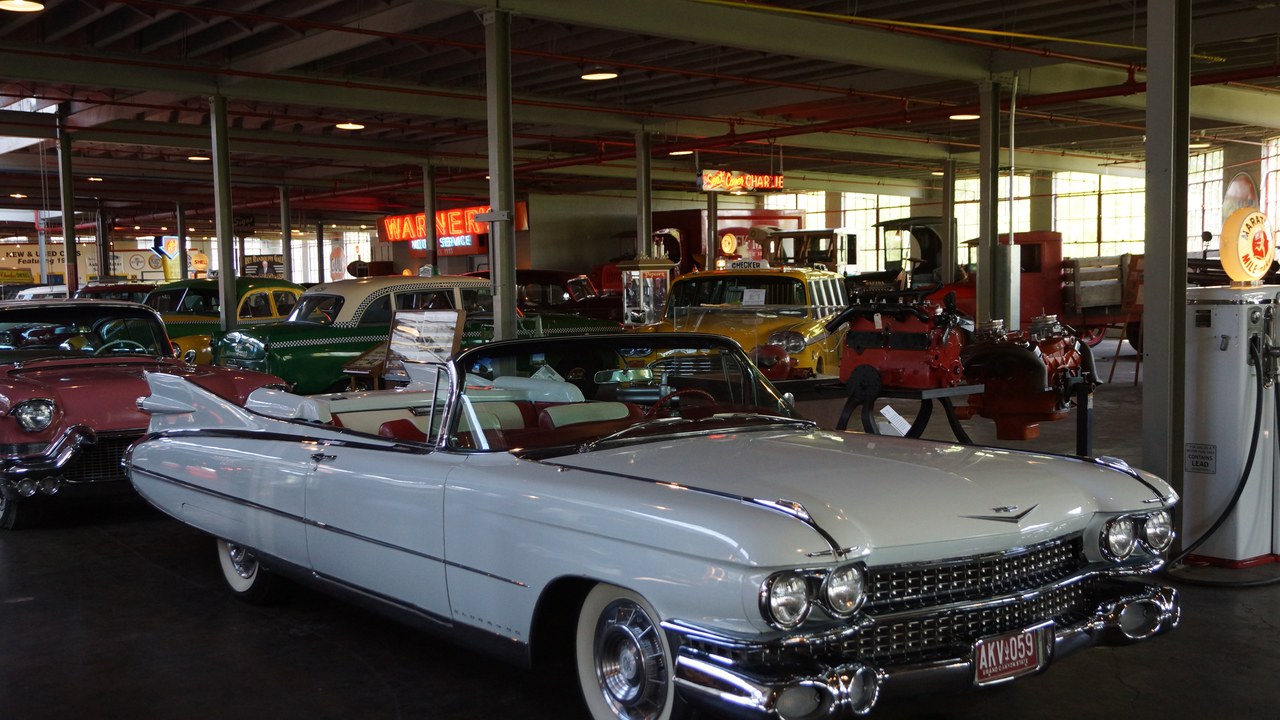
Styling excess hit its ceiling on the 1959 Cadillac, whose tailfins reached 45 inches at their tallest, the high point of the fin era.
The Eldorado carried that look to the extreme, which is why the model stands in for the whole age of chrome and sheet-metal theater. Shoppers and collectors alike read those fins as a period signature, a feature that dates a car to one particular moment in American design. The 1959 model year is the point where the fin trend reached its limit.
5. 1955 Chrysler C-300: First of the Letter Cars
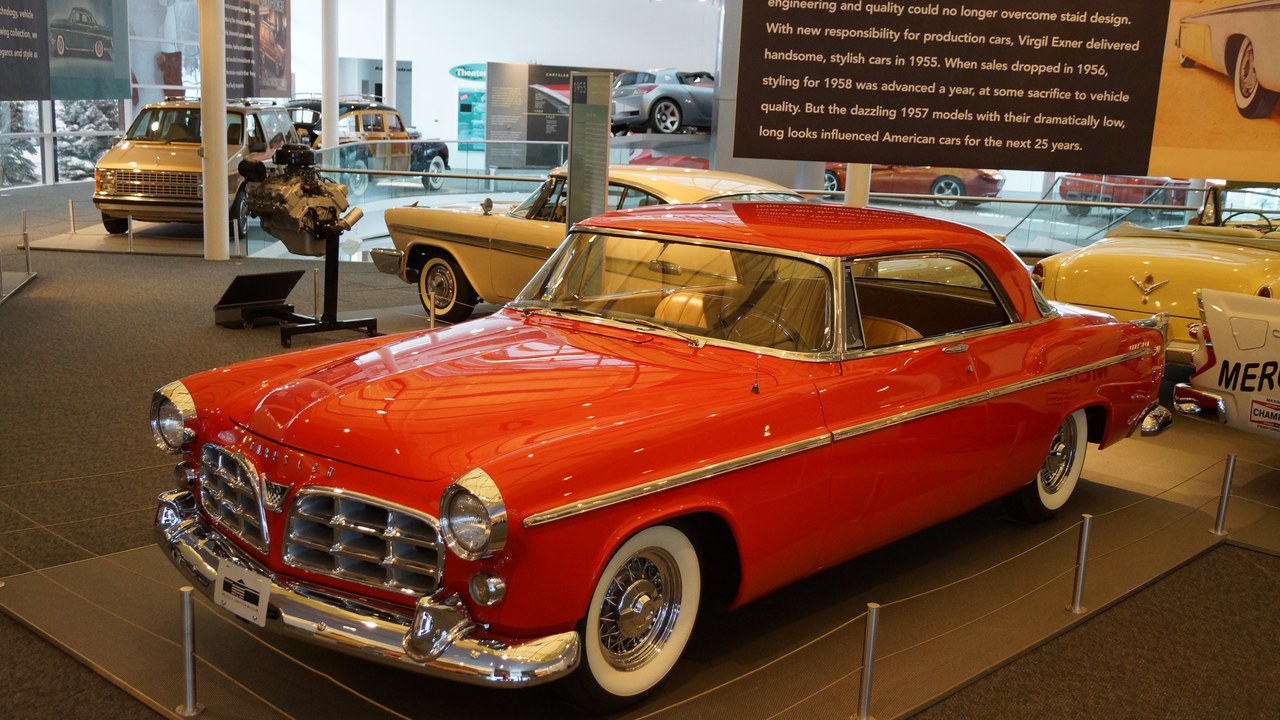
The 1955 C-300 earned its place as the first of the Letter Series muscle cruisers. A tour of 1950s icons credits it with 300 horsepower, roughly 1,700 cars built and 37 wins to its name.
Few big sedans of the period paired that much output with a competition record. The numbers explain why the model is remembered as a performance statement from a large American automaker, and why the Letter Series label carried real weight afterward.
6. 1956 Continental Mark II: Priced Above Two Cadillacs
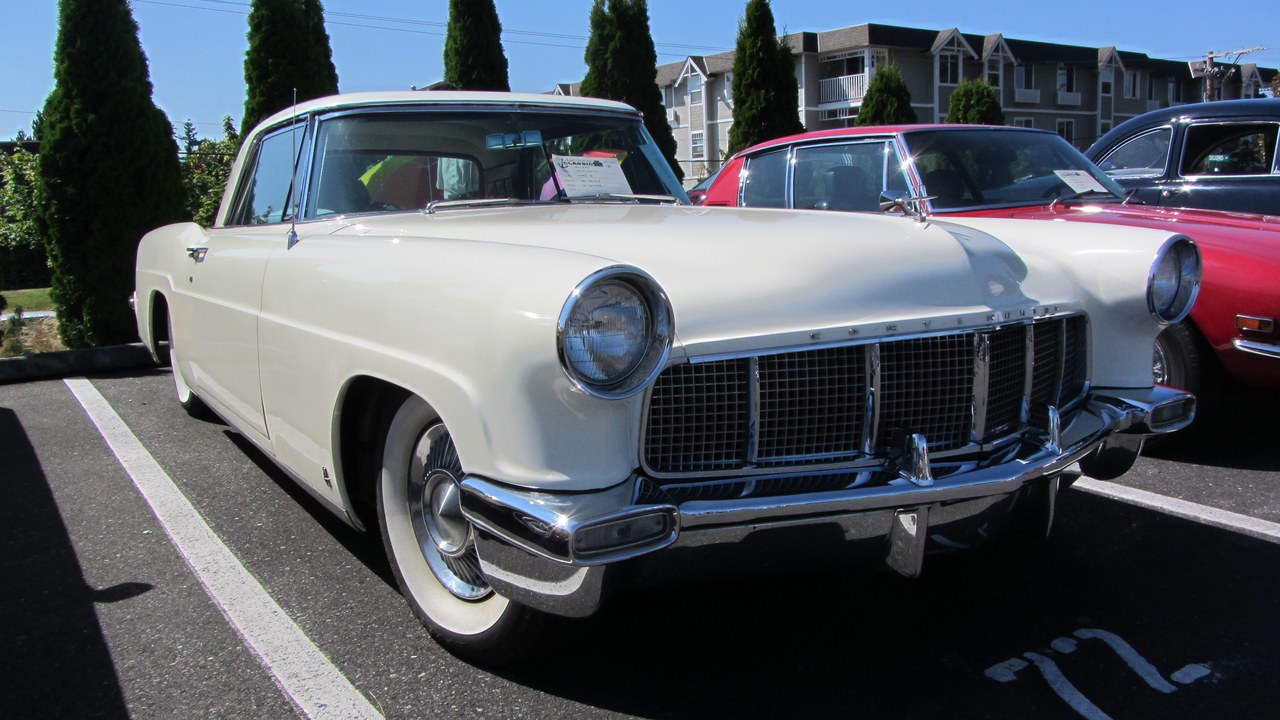
At $9,966 in 1956, the Continental Mark II cost more than two Cadillacs, a sticker close to $10,000 that set it apart from nearly everything on the road. Only 3,005 were built.
A steep price and such small production explain the car’s exclusive reputation. The Mark II was less a volume product than a rolling statement of prestige, positioned above a Cadillac in every sense that a price tag can measure. The combination of a near-$10,000 price and a run of just over three thousand cars kept the Mark II rare.
7. Mercedes-Benz 300SL Gullwing: Doors Opening Skyward
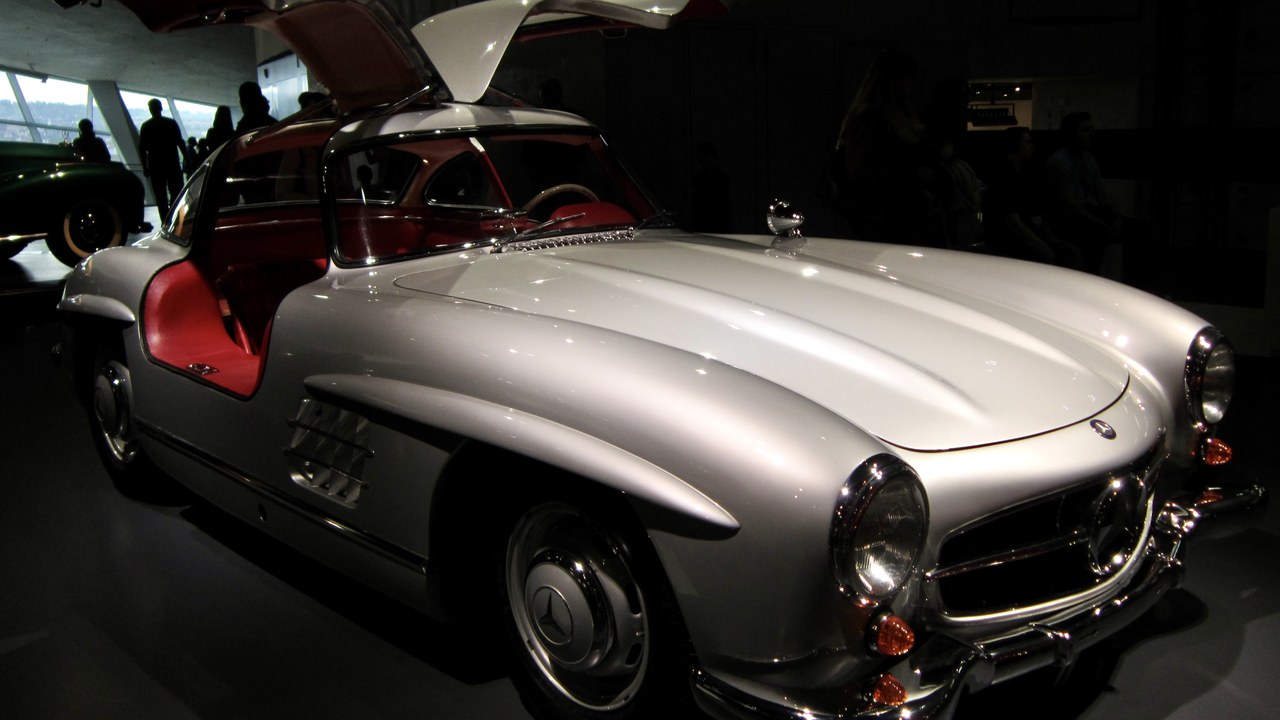
Mercedes-Benz’s gullwing coupe delivered 215 horsepower and 160 mph, serious numbers for the 1950s, according to a tour of the decade’s icons.
The name comes from the upward-hinged doors, which became the shape most people picture when the 300SL is mentioned. Pairing that look with genuine speed gave the car a dual identity as both a design landmark and a performance benchmark. Owners and admirers still point to that blend of showpiece styling and real pace as the reason the Gullwing endures.
8. Volkswagen Beetle: From Oddity to Fixture
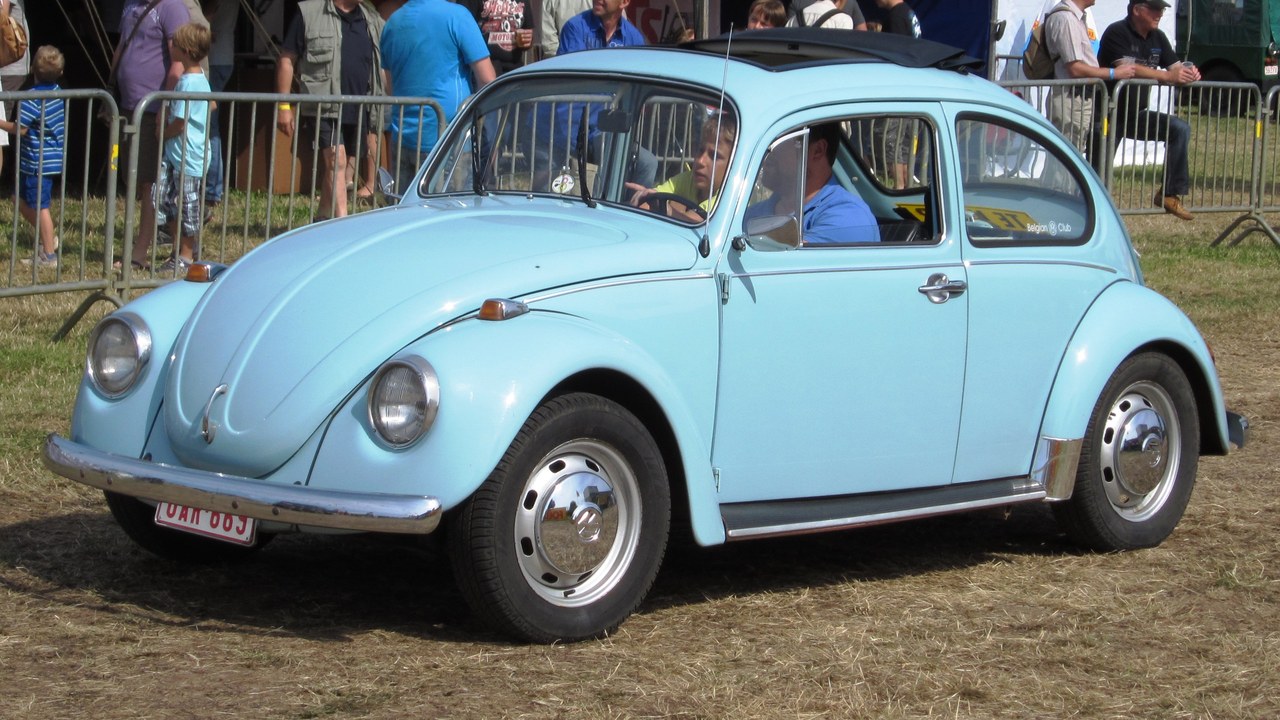
The Beetle began as a long shot on American roads. Priced at $1,280 in 1950, it found only about 9,000 buyers in 1954, yet a Hagerty buyer’s guide records that American sales passed 100,000 in 1960.
That climb from a handful of early customers to six figures within a decade shows how a small, plainly priced import could win over a market built on size. The Beetle’s growth pattern remains one of the clearest sales stories of the postwar years.
9. 1957 Studebaker Golden Hawk: Blown for Speed
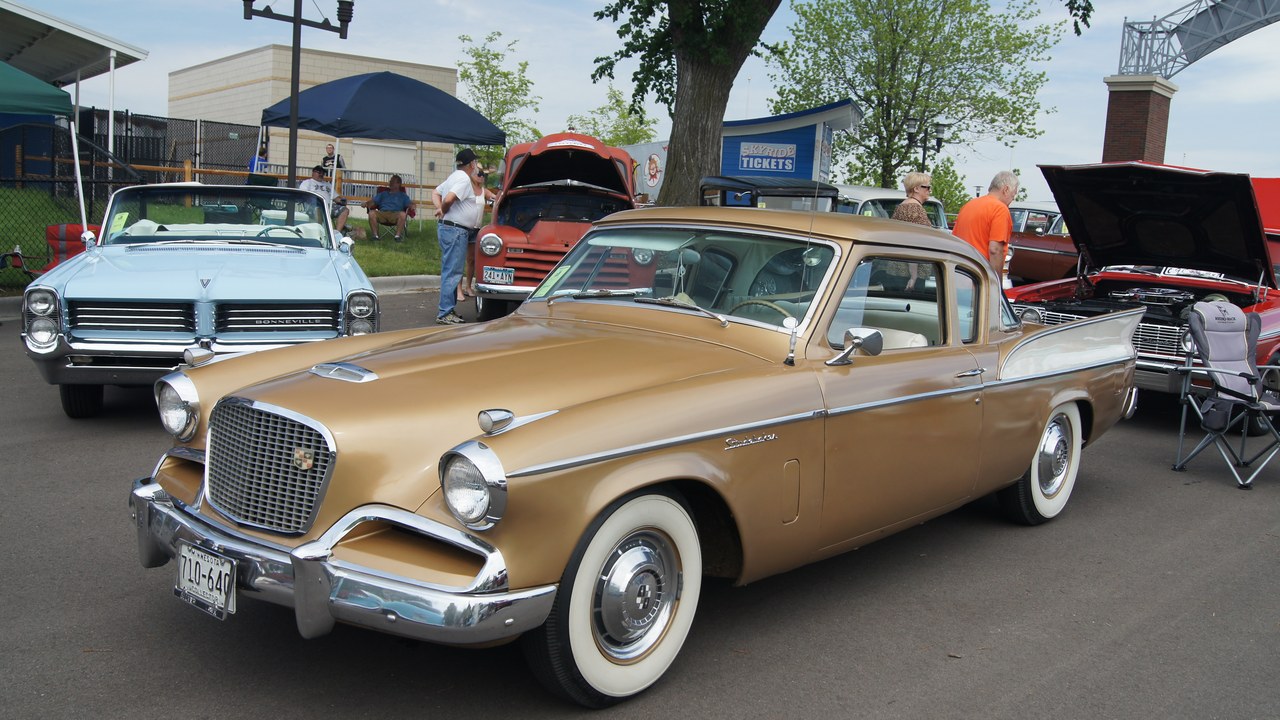
Studebaker’s Golden Hawk drew its punch from a McCulloch-supercharged 289 V8, which delivered 275 horsepower, according to Jalopnik’s list of valuable 1950s collector cars.
Forced induction was an unusual route to power on a production coupe in the 1950s, and the Golden Hawk shows it in practice. A blower instead of extra displacement made the car a distinctive entry among the era’s performance models, and a talking point today. Supercharger hardware also gave the Studebaker a mechanical story that few rivals on a dealer lot could tell.
10. DeSoto Adventurer: Rare Convertible Muscle
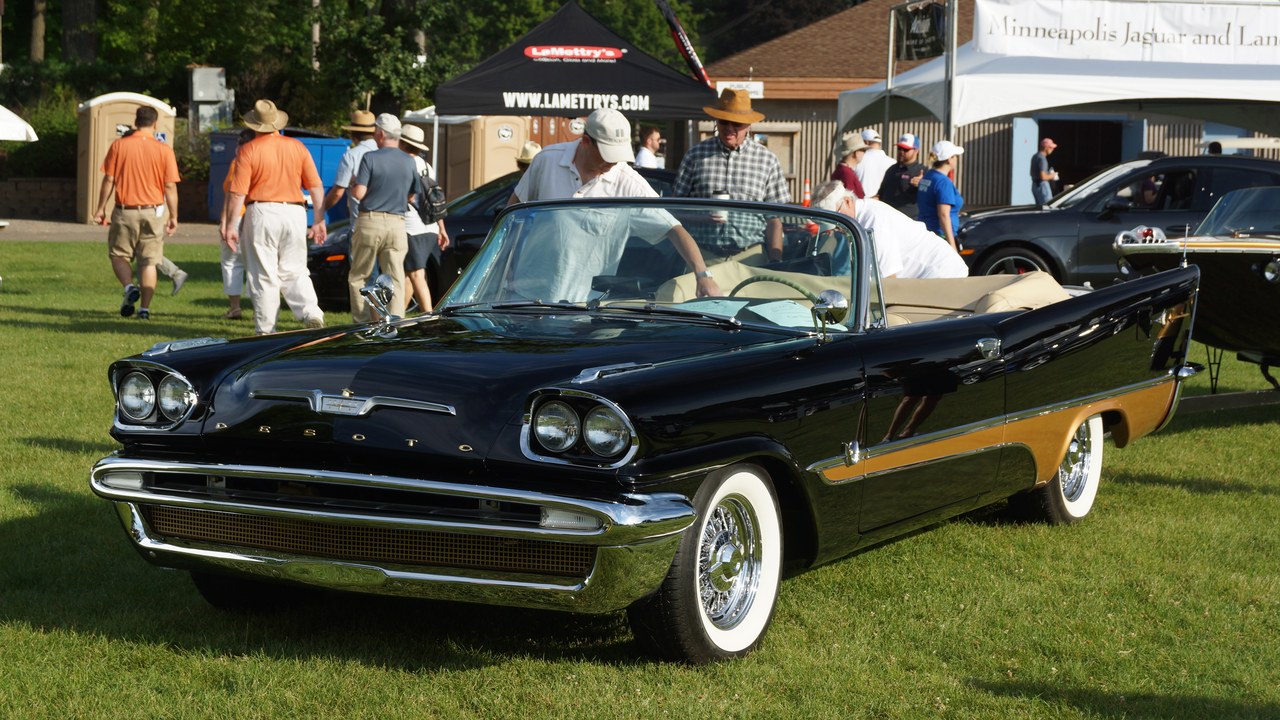
DeSoto’s Adventurer convertible is scarce: just 497 convertibles reached production, each with 320 horsepower, per Jalopnik’s roundup of valuable 1950s American collector cars.
Scarcity and output together place the car near the top of DeSoto’s lineup and make a surviving example a notable find. The same figures help explain why a list of valuable 1950s collector cars, drawing on Hagerty, includes the Adventurer. For anyone tracking 1950s Chrysler Corporation products, the 497-car run marks the model as a genuine rarity rather than a common sight.
11. Kaiser Darrin: Sliding Doors, Fiberglass Body

Kaiser’s Darrin was an unusual sports car. Only 435 were built, and the fiberglass two-seater offered 90 horsepower and sliding doors, according to Jalopnik’s collector-car roundup.
Ninety horsepower leaves the Darrin’s appeal resting on its fiberglass construction and its unusual door arrangement rather than on speed. Rarity and sheer novelty are the draw, which is why the car earns attention from collectors despite its modest output. Few cars from the decade combined such a small production run with so many unconventional features in a single body.
12. Nash Metropolitan: The Little Import-Built Nash
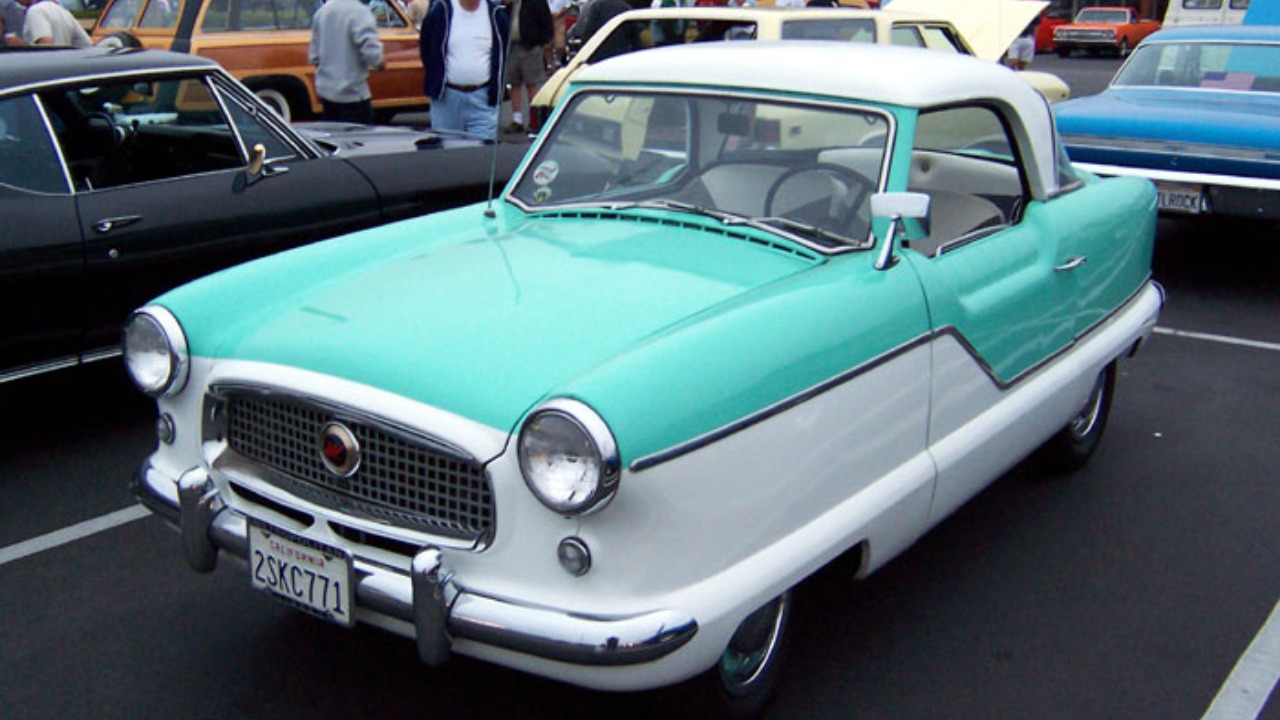
Nash’s compact Metropolitan was a tiny car built overseas, and it sold in real numbers. Approximately 95,000 units found buyers, according to Wikipedia’s account of the model.
A figure near 95,000 makes the little car one of the more successful small-car experiments of its time, selling at scale in a decade dominated by large American sedans. The Metropolitan proved that a market for compact cars existed well before small cars became common. Its small size made it an unusual sight next to the full-size American cars of the period.
Tech news worth reading: Get Techpresso →
We may earn a commission if you sign up.
More from Morning Overview
- Doctors warn a silent liver disease now affects one in three American adults
- The FBI told the rest of ShinyHunters to surrender after a 24-year-old was arrested
- Two passengers died at an Ohio toll plaza, and the NTSB now wants the cash lanes shut
- Long use of a common prostate pill is tied to a higher chance of glaucoma
