
Head gaskets rarely fail without warning, but a handful of engines built their reputations on doing exactly that, again and again, across an entire production run. Some slipped past owners with slow external leaks, while others hid coolant escaping straight into the cylinders until the damage was already done. Here are eight engines that mechanics still bring up first when chronic head gasket trouble comes up.
1. Subaru EJ25: The Boxer’s Signature Leak

Subaru’s 2.5-liter EJ25 boxer four, fitted across the Outback lineup and its Legacy and Forester siblings through the 2000s, built a reputation for external head gasket failures severe enough that owners groups call it “the Subaru weep.” Coolant seeps past the factory gasket at the case seams, often before 100,000 miles, and pools on the block before the engine ever overheats.
Shops treat a full gasket job as labor-heavy, since the horizontally opposed layout means pulling the heads sideways instead of lifting them off an inline block. Buyers shopping older Outbacks and Foresters are generally advised to check service records for a documented gasket replacement, since a car that already had the job done is a safer buy than one still running the original seals.
2. Volkswagen and Audi 1.8T: Coolant Slips Into the Cylinders
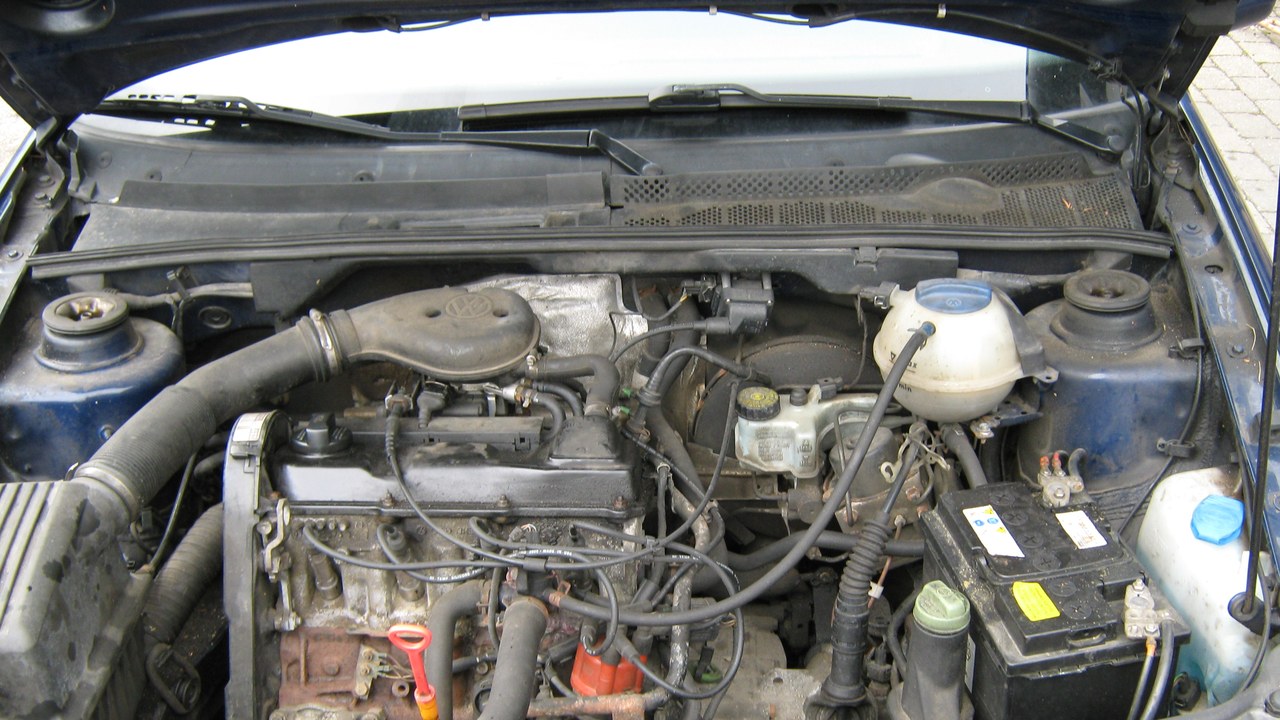
Volkswagen and Audi’s 1.8T four-cylinder, descended from the long-running EA827 engine family and installed in Jettas, Passats, A4s and TTs through the late 1990s and 2000s, developed a habit of letting coolant seep into the cylinders past a worn head gasket. The turbo version ran hotter cylinder pressures than the naturally aspirated variants it descended from, and that stress showed up first at the gasket.
A failing 1.8T often announces itself with white exhaust smoke on a cold start and a coolant reservoir that empties with no puddle underneath, since the leak happens internally. Mechanics familiar with the platform treat the symptom as routine, but the repair still means pulling the head and checking it for warp.
3. BMW N20: A Turbo Four’s Timing Trouble
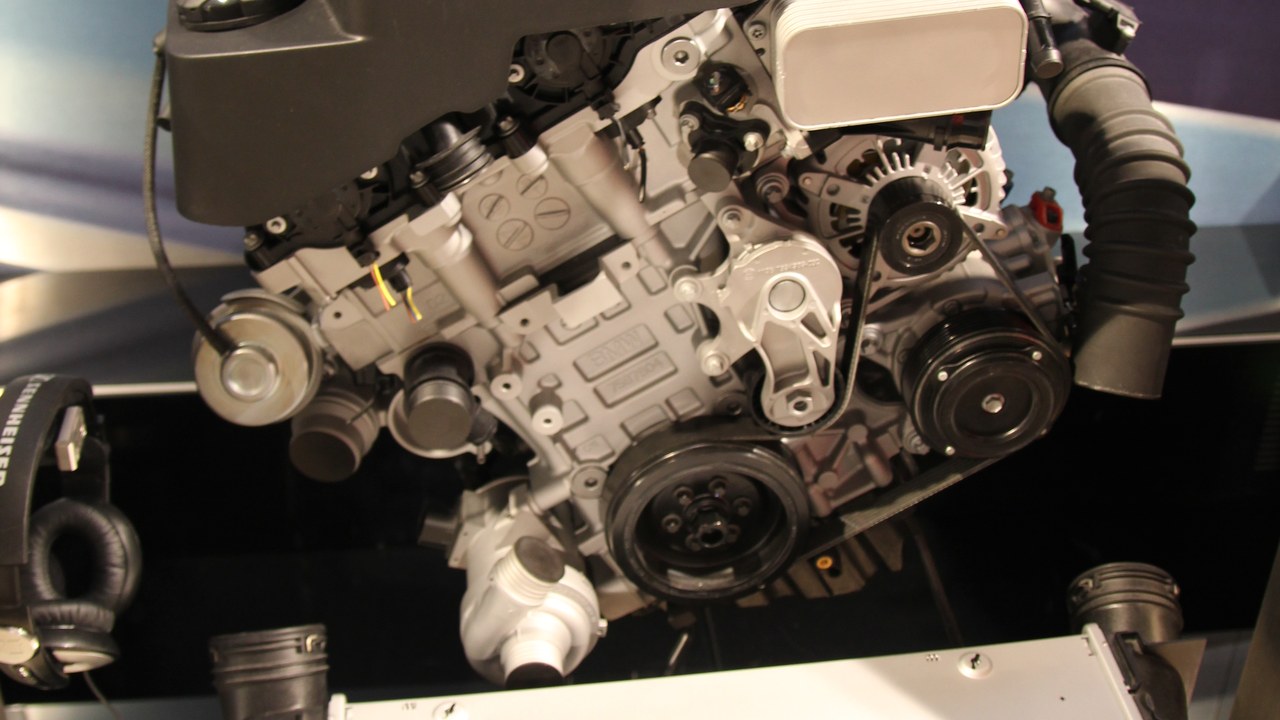
BMW’s N20 turbocharged four, which replaced naturally aspirated sixes in the 3 Series starting in 2011, is best known for timing chain guide wear and oil leaks, but the head gasket sits in the same failure cluster as the engine ages past roughly 80,000 miles. Owners report coolant loss tied to the water pump and gasket area in the same repair visit.
Because the N20’s problems cluster together, a shop opening the front of the engine for a timing chain job often finds the head gasket and water pump due at the same time. Buyers considering a used N20-equipped 3 Series are steered toward a full service history rather than a spot check.
4. Chrysler 2.7 V6: Sludge, Heat and a Weak Seal
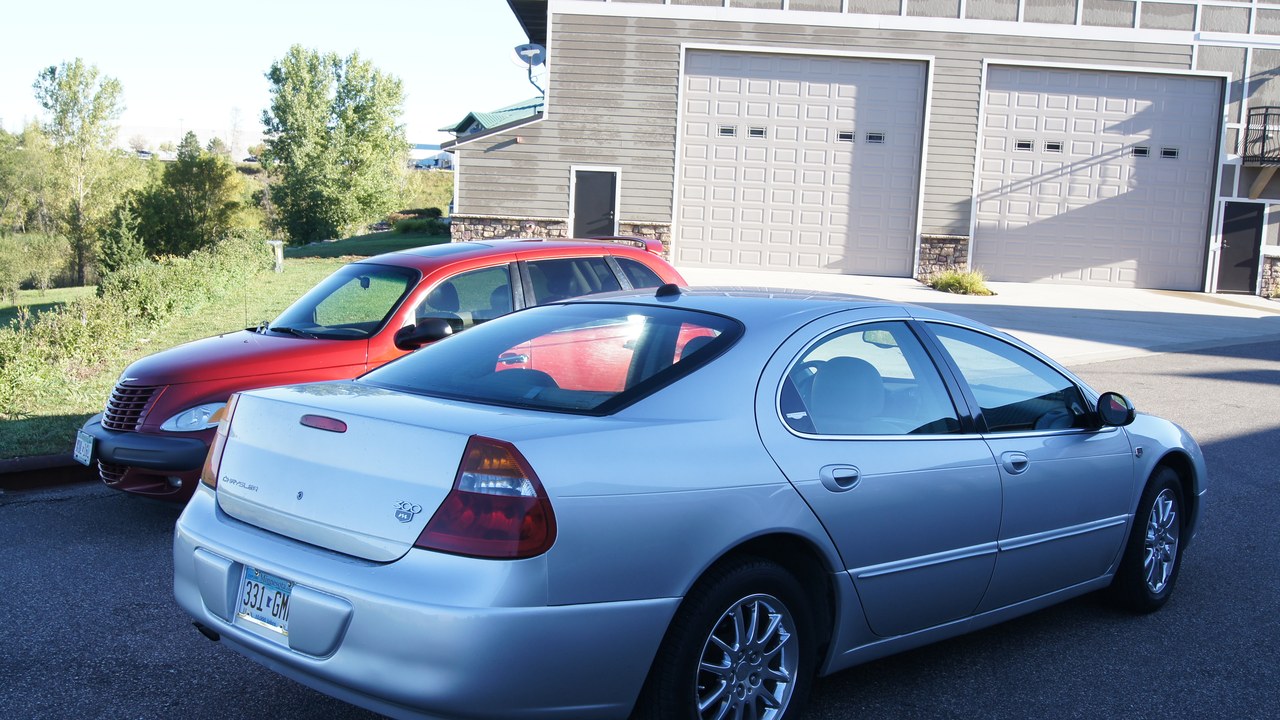
Chrysler’s 2.7-liter SOHC V6, used in the Concorde, Intrepid, Stratus and 300M from 1998 through the mid-2000s, is remembered as a sludge-prone design whose narrow oil passages could clog and starve the top end of lubrication. Overheating followed, and a stressed head gasket was often the first part to fail once the engine ran hot for any length of time.
The engine’s tight oil galleys made it unusually sensitive to skipped or stretched oil-change intervals, so a neglected 2.7 failed years before a well-maintained one of the same age. Shoppers looking at Concordes and 300Ms from this era are typically told to prioritize documented oil-change history over mileage.
5. GM 3.1 and 3.4 V6: The Intake Gasket’s Weak Plastic
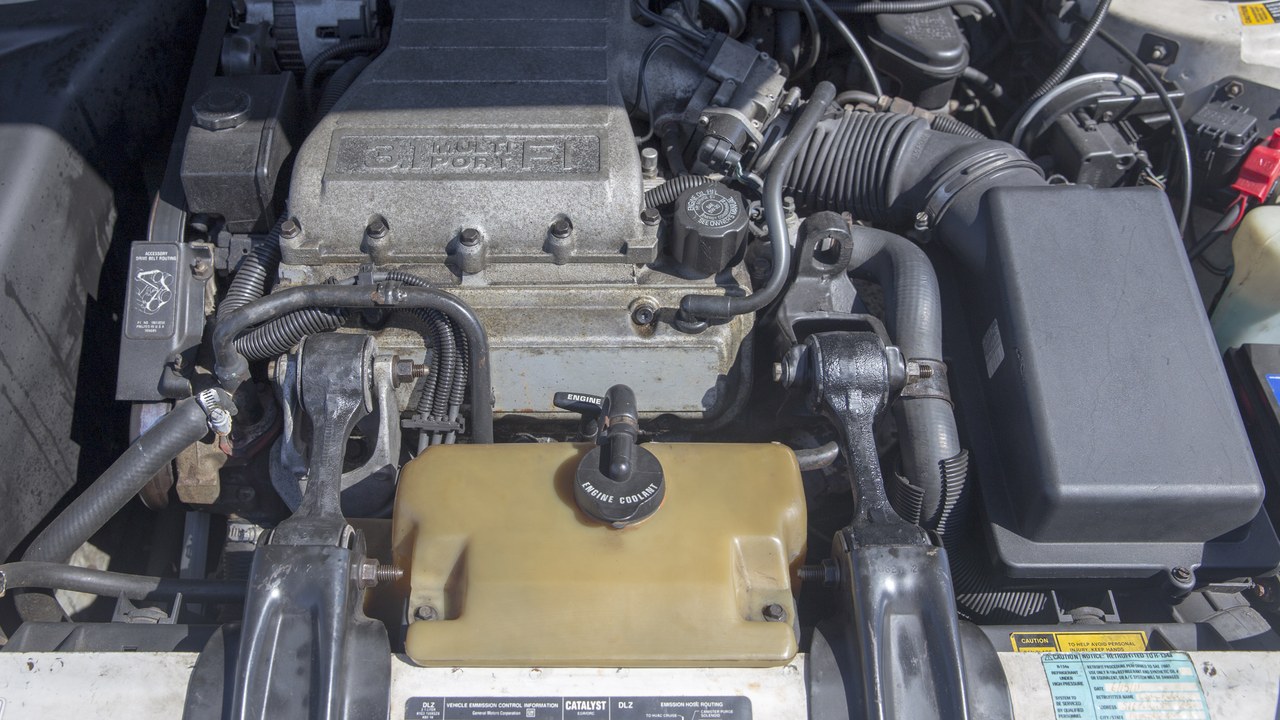
General Motors’ 60-degree V6 family, sold as the 3.1 and 3.4 liter in Luminas, Grand Ams, Venture minivans and other GM cars through the 1990s and early 2000s, built its bad reputation mainly on a plastic intake manifold gasket that degraded from heat cycling. Coolant then leaked into the crankcase or onto the ground, and on a hot-running example the head gasket followed the intake gasket into failure.
Because the intake gasket typically failed first, many owners replaced it once or twice without ever reaching the head gasket, while others let the leak run long enough that overheating took out both seals at once. Shops servicing these V6-powered GM cars used to keep the intake gasket kit in stock as routine maintenance.
6. Ford 6.0 Power Stroke diesel: A Diesel Legend for the Wrong Reason

Ford’s 6.0-liter Power Stroke diesel, built by Navistar for the Super Duty pickups from 2003 through 2007, produced one of the most notorious head gasket failures in modern trucks. Undersized head bolts stretched under the engine’s high cylinder pressure, and once a bolt lost clamping force the gasket blew, often letting exhaust gas or coolant into places it did not belong.
The fix that stuck in the diesel world is a head-bolt upgrade to stronger studs done alongside the gasket replacement, since reinstalling the stock bolts nearly guarantees a repeat failure. Buyers shopping 6.0-equipped Super Duty trucks treat proof of that upgrade as close to mandatory.
7. Mitsubishi 4G63 of the turbo era: Boost Pressure Finds the Weak Point
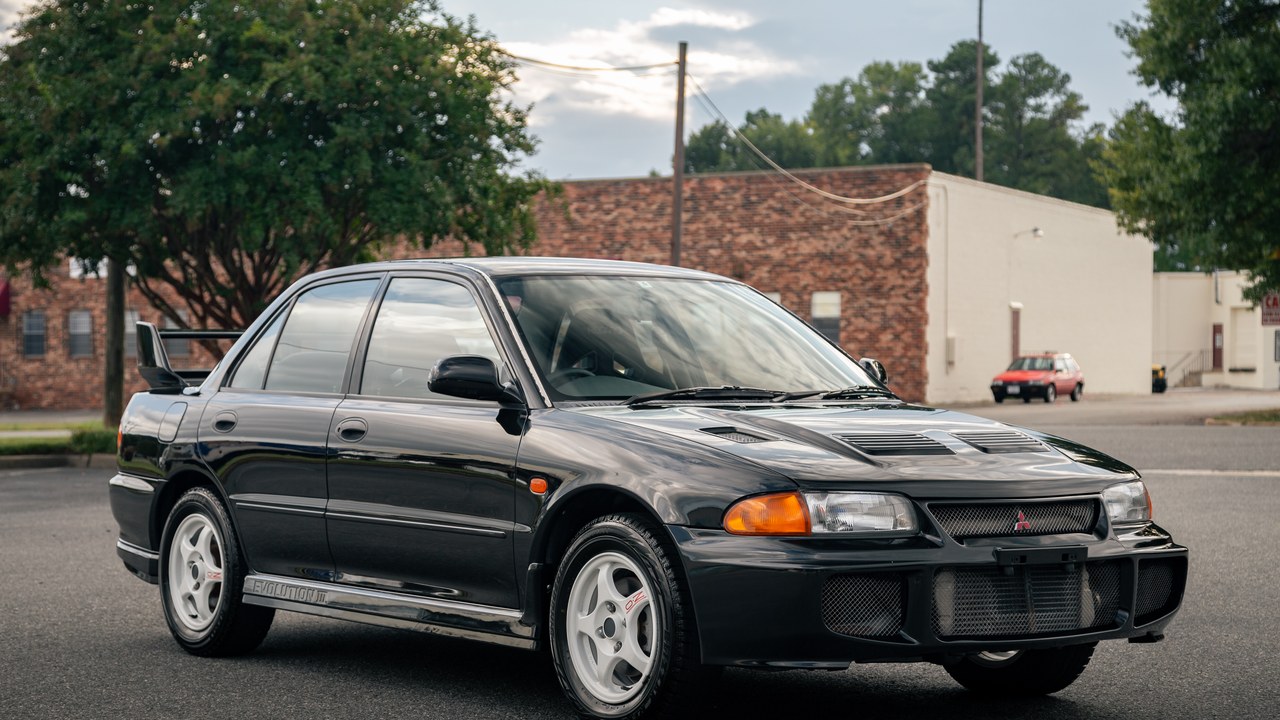
The turbocharged version of Mitsubishi’s 4G63, the engine behind the Lancer Evolution and Eclipse GSX, is prized for how much power it can take but is also known to lift its head gasket once boost pressure climbs past factory levels. The multi-layer steel gasket can shift or leak between cylinders under sustained high-boost driving, particularly on tuned cars.
Enthusiasts who push the 4G63 hard generally treat a head gasket swap as routine maintenance for a modified car rather than a sign something went badly wrong, often pairing it with stronger head studs the same way diesel owners do. A stock, unmodified 4G63 is far less prone to the failure.
8. Rover V8 in Land Rover form: Aluminum Liners That Slip
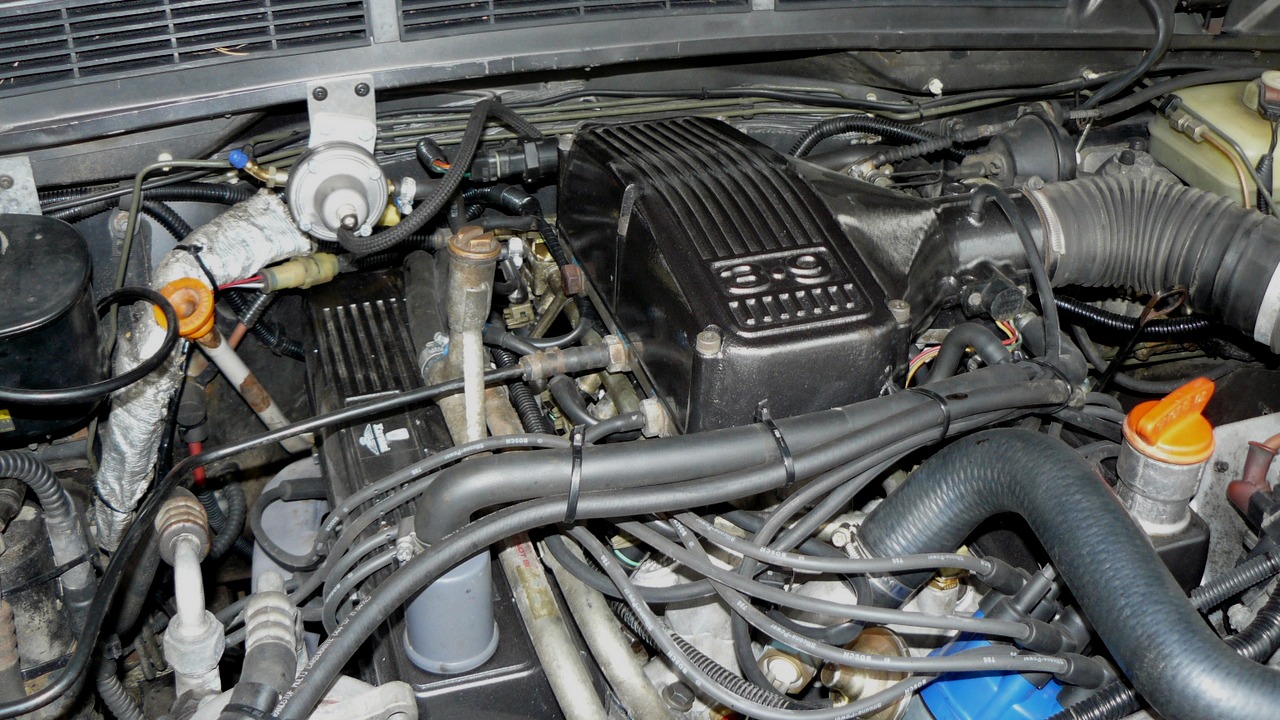
The aluminum Rover V8, fitted to Land Rover Range Rovers, Discoverys and Defenders for decades after Rover originally adapted the design from Buick, is remembered for cylinder liners that could slip within the block and head gaskets that lifted once the engine ran hot. The lightweight construction that made the V8 easy to work on also made it more sensitive to overheating than an iron-block equivalent.
Land Rover owners learned to watch the temperature gauge closely, since a Rover V8 that overheated even briefly could shift a liner enough to cause a persistent gasket leak afterward. A cooling system kept in good repair is generally treated as the difference between a Rover V8 that lasts and one that needs head work.
More from Morning Overview
