
Water fording depth measures how deep a vehicle can drive through a flooded road or river crossing before water reaches the engine intake or cabin electronics. Automakers publish these figures after testing sealed components, raised suspension, and intake placement against rising water. Here are eleven SUVs and trucks rated to handle the deepest crossings.
1. Rivian R1T: Deepest Fording Height on the List
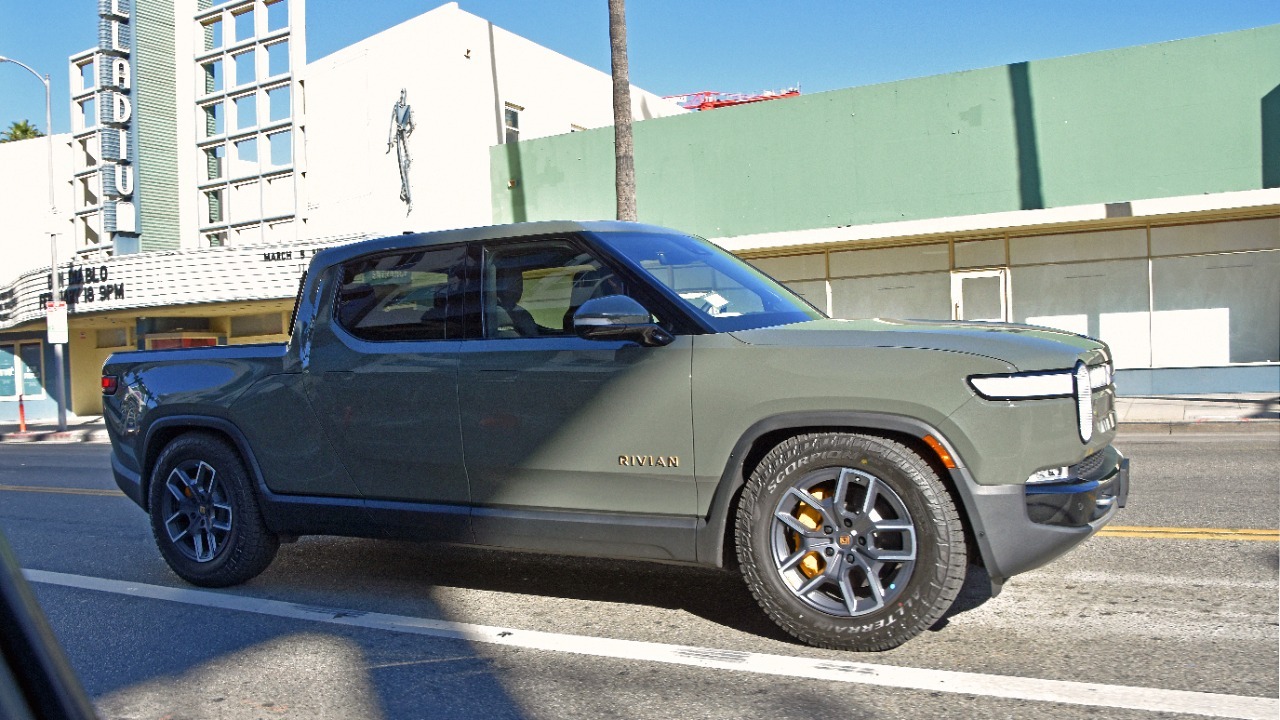
Rivian’s own support documentation lists a water fording height of 43.1 inches for the R1T, the tallest figure among any vehicle here. Air suspension raised to its highest setting and a sealed battery pack allow the electric pickup to cross water that would flood a conventional truck engine bay.
A driver facing a flooded backroad or a river crossing on a remote trail gains real margin over gas pickups, most of which cap out closer to two feet before water threatens the intake or cabin electronics.
2. Land Rover Defender OCTA: A Metre of Wading Depth
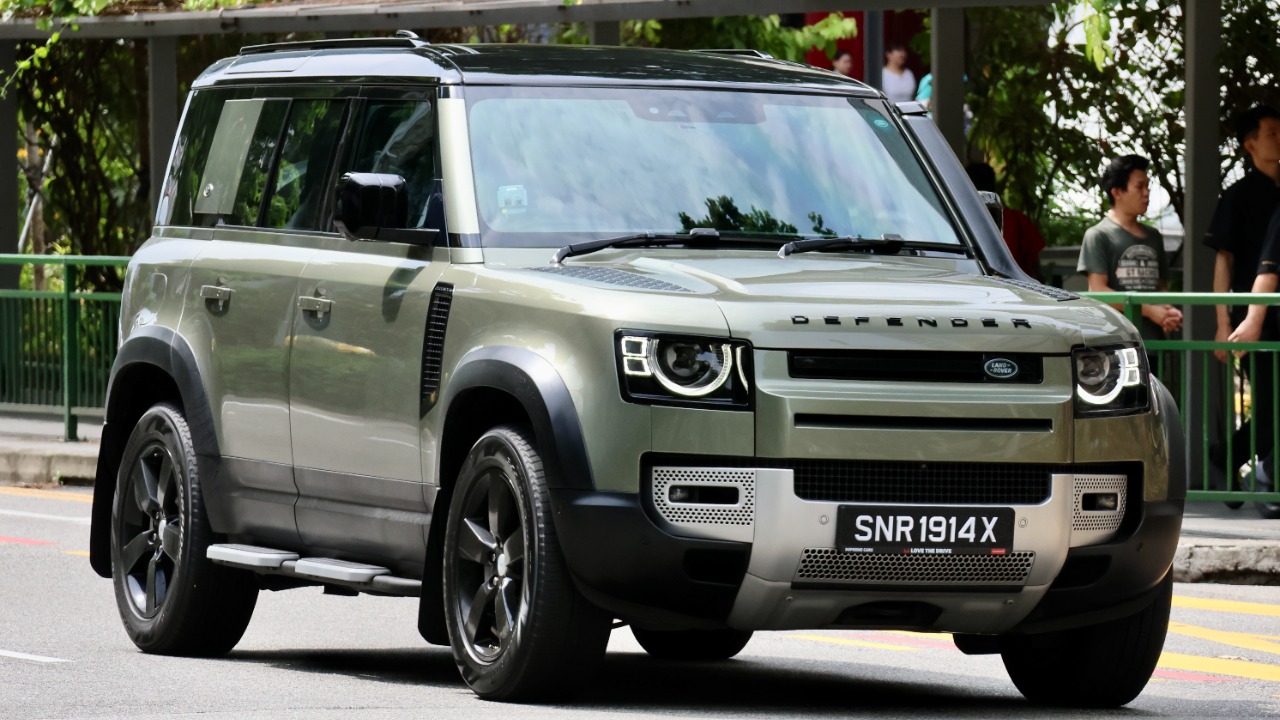
Land Rover rates the OCTA to wade up to a metre, roughly 39 inches, the deepest figure of any Defender variant the brand builds. A raised air intake and sealed underbody electronics support that depth on the performance-tuned off-roader.
That number sits well above most three-row SUVs, giving an owner confidence fording a swollen creek or a flooded campsite access road that would otherwise force a detour of several miles. The OCTA pairs that depth with reinforced underbody protection, so the same crossing that risks a lesser SUV’s electronics is treated as routine terrain.
3. Ford Bronco Everglades: A Snorkel Built for Water
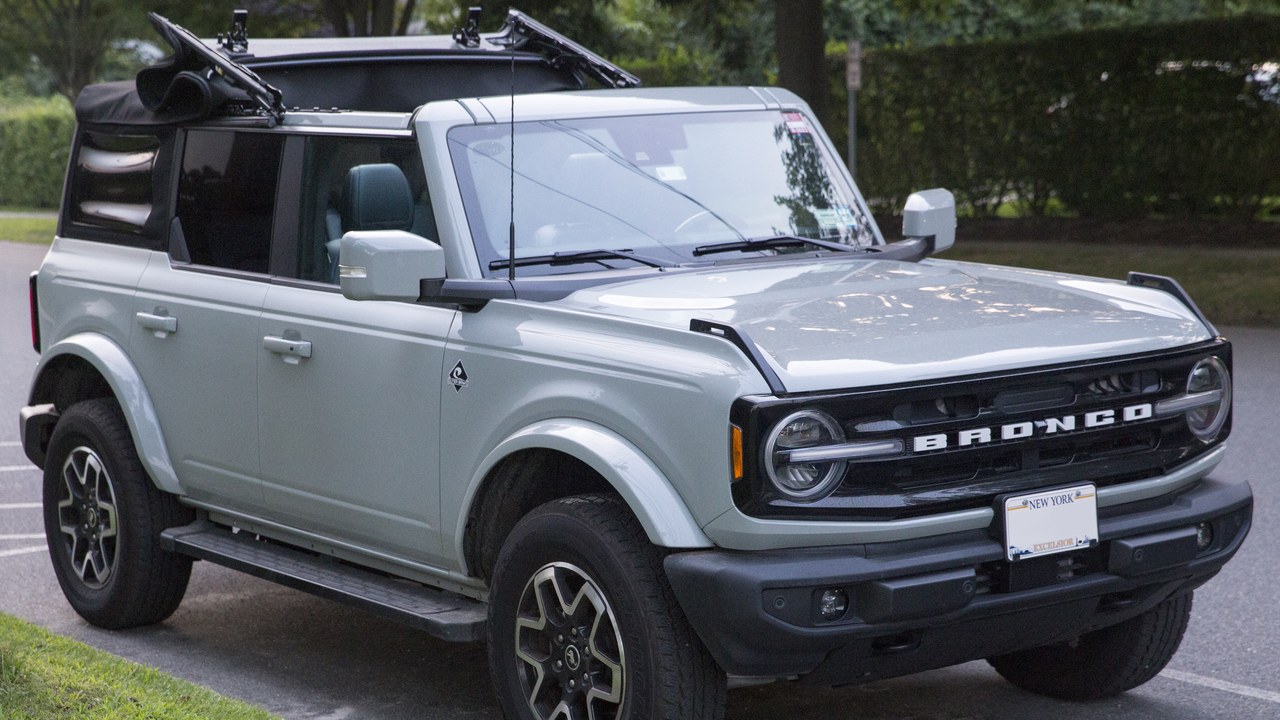
A factory snorkel lifts fording capability to 36.4 inches on the Everglades trim, nearly three inches deeper than the 33.5 inches a standard Bronco manages. The raised air intake keeps the engine breathing above the waterline instead of pulling air from the flooded wheel wells.
That extra margin was built with swamp-heavy terrain in mind, letting an owner push through standing water on a trail that would stall a Bronco without the snorkel fitted. The Everglades trim also adds a rear locker and beadlock-capable wheels, pairing the deeper wade rating with traction once the truck reaches the far bank.
4. Range Rover Electric: Luxury SUV, Serious Depth
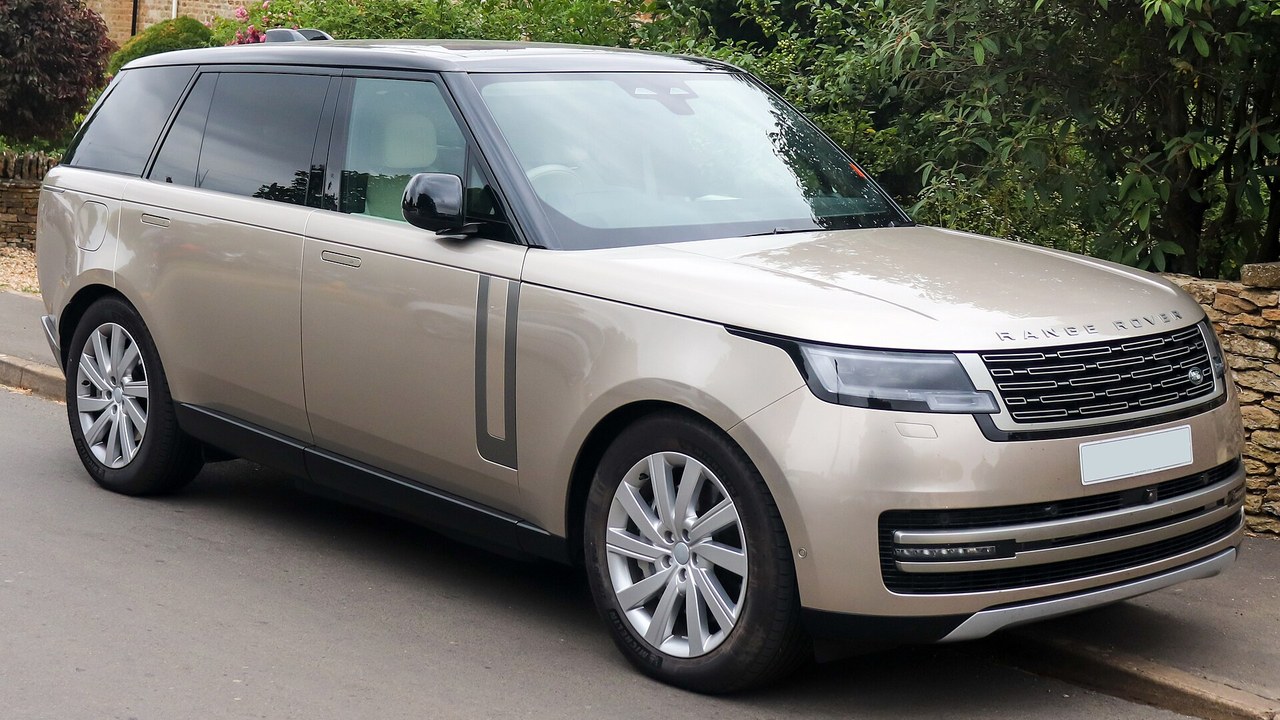
JLR says the electric Range Rover wades through up to 900mm of water, close to 35 inches, a figure the automaker frames as proof the battery-powered SUV loses none of the brand’s off-road pedigree. Sealed high-voltage components and adjustable air suspension underpin the rating.
For a buyer cross-shopping luxury EVs, that depth answers the usual worry about batteries and water, matching or beating several combustion-engine rivals in the same class. Air suspension raises ride height before a crossing, and the sealed battery pack sits high enough in the chassis to stay clear of the waterline at the rated depth.
5. Jeep Wrangler Rubicon with Xtreme Recon Package: 35-Inch Tires Raise the Bar
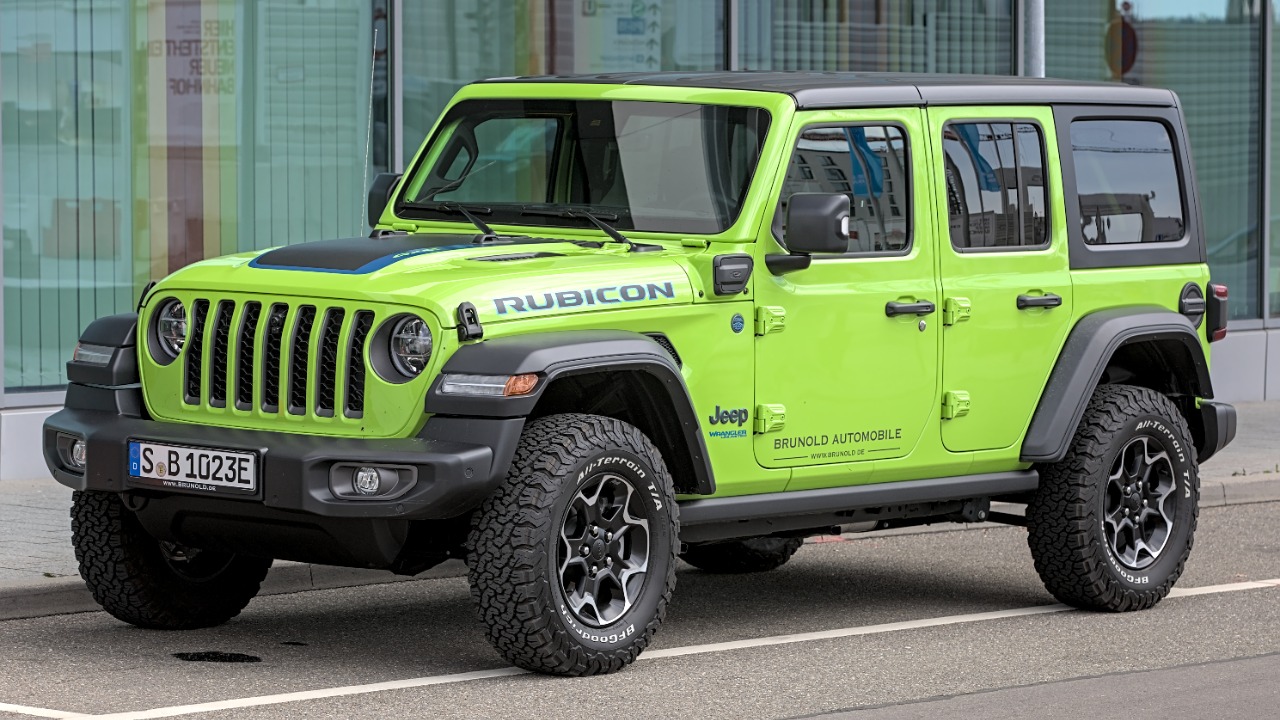
Factory 35-inch tires push Jeep’s rated water fording depth to 33.6 inches on a Wrangler Rubicon fitted with the Xtreme Recon Package, the tallest stock tire and gearing combination Jeep offers on the model.
That taller stance lifts the air intake and electrical components further from the waterline than a standard Rubicon, a meaningful edge for an owner who regularly crosses desert washes or flooded ranch roads. The package pairs the taller tires with wider fenders and a specific axle ratio to keep gearing usable off-road.
6. Ford Ranger Super Duty: 50 Extra Millimeters of Depth
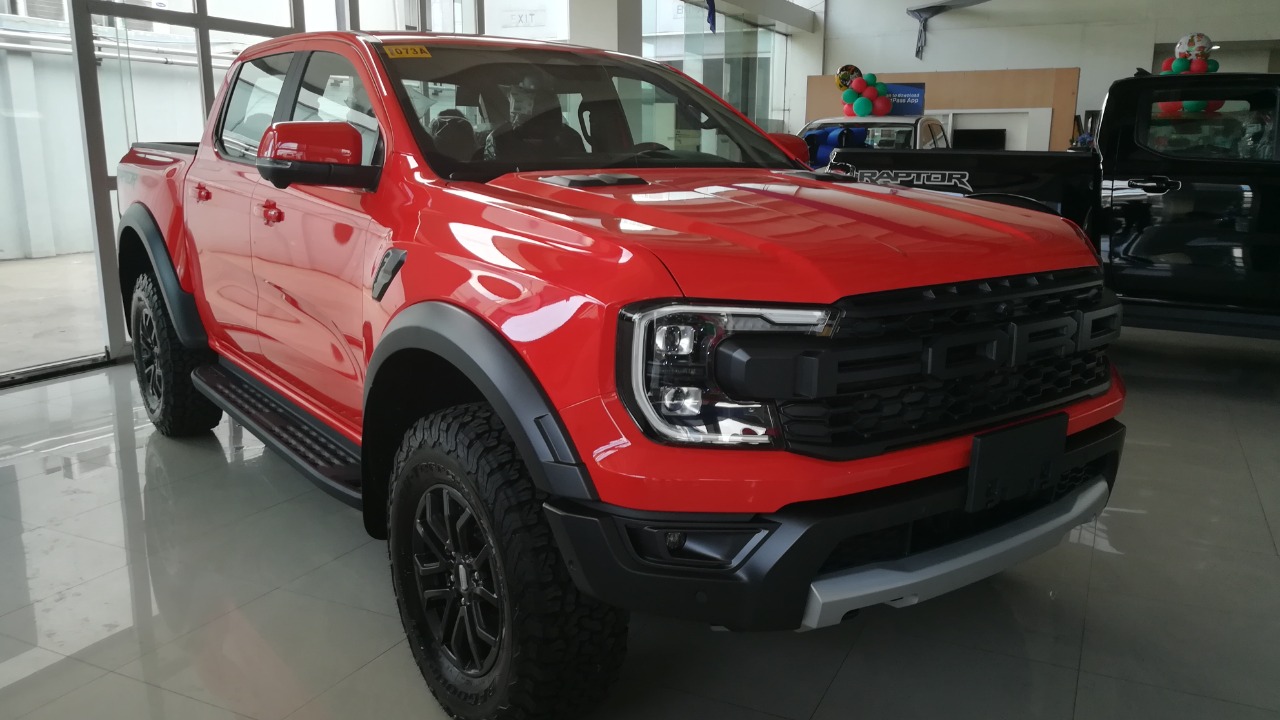
Ford lists 850mm of wading depth for the Ranger Super Duty, 50mm more than a standard 4×4 Ranger manages, thanks to reworked suspension travel and a taller ride height built for the heavy-duty variant.
That gap matters most in flash-flood country, where an extra two inches of clearance can be the difference between a safe crossing and water reaching the cabin floor. Ford built the Super Duty variant primarily for mining and agricultural buyers who cross unpaved, often-flooded routes as a daily requirement rather than an occasional detour.
7. GMC Hummer EV Pickup: Extract Mode Adds Inches
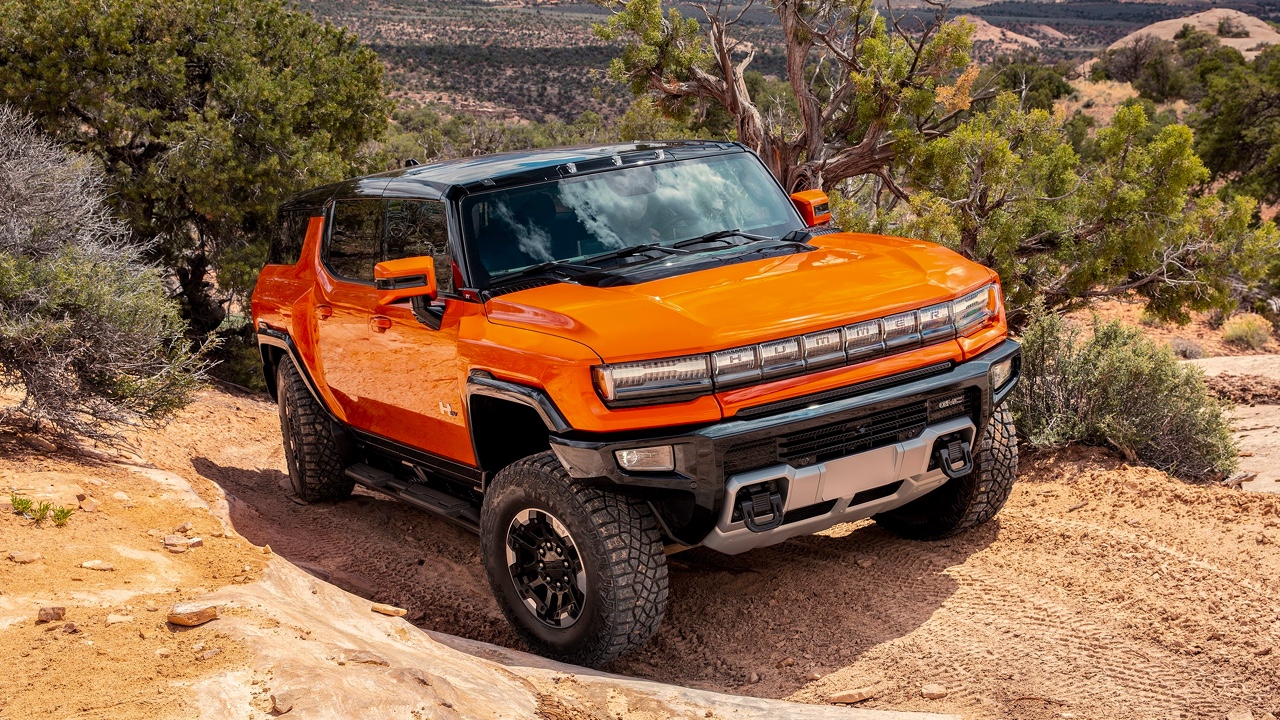
Engaging Extract Mode raises rated water fording depth to 32.0 inches, or 813mm, on the electric pickup, up from lower figures in the truck’s standard ride-height settings.
The adjustable air suspension does the work here, letting a driver dial in extra clearance only when a crossing calls for it rather than running the taller ride height at all times. Extract Mode also stiffens the suspension and adjusts torque delivery, a setting GM designed for pulling the electric pickup out of mud as much as deep water.
8. Ineos Grenadier Station Wagon: A Dedicated Wading Mode
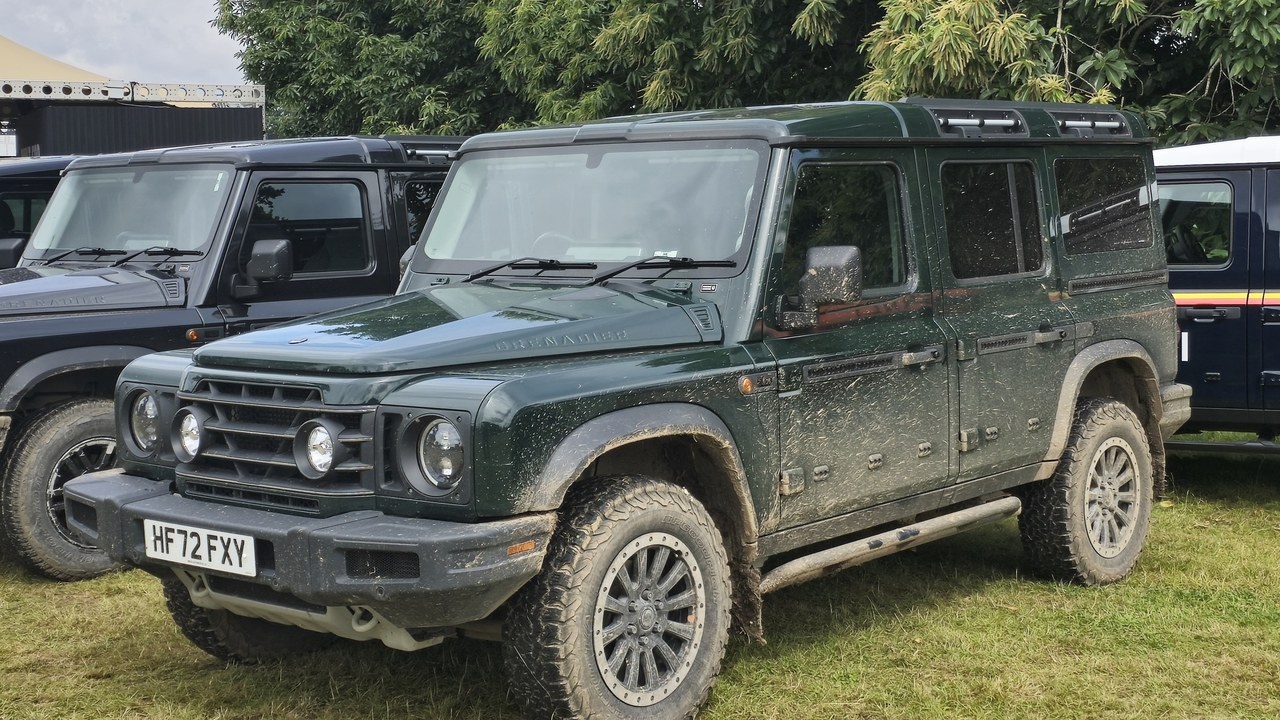
The off-road geometry table lists 800mm of wading depth once a driver engages Wading Mode, a setting built into the Grenadier Station Wagon specifically to prepare the SUV’s seals and sensors for deep water.
That dedicated mode reflects the truck’s utilitarian, expedition-vehicle design brief, aimed at buyers who cross rivers and flooded tracks as a matter of routine rather than an occasional detour. Ineos built the Grenadier around a ladder frame and solid axles specifically to match older Land Rover Defenders prized for that same dependability.
9. Jeep Gladiator Rubicon: 30 Inches on 33-Inch Tires
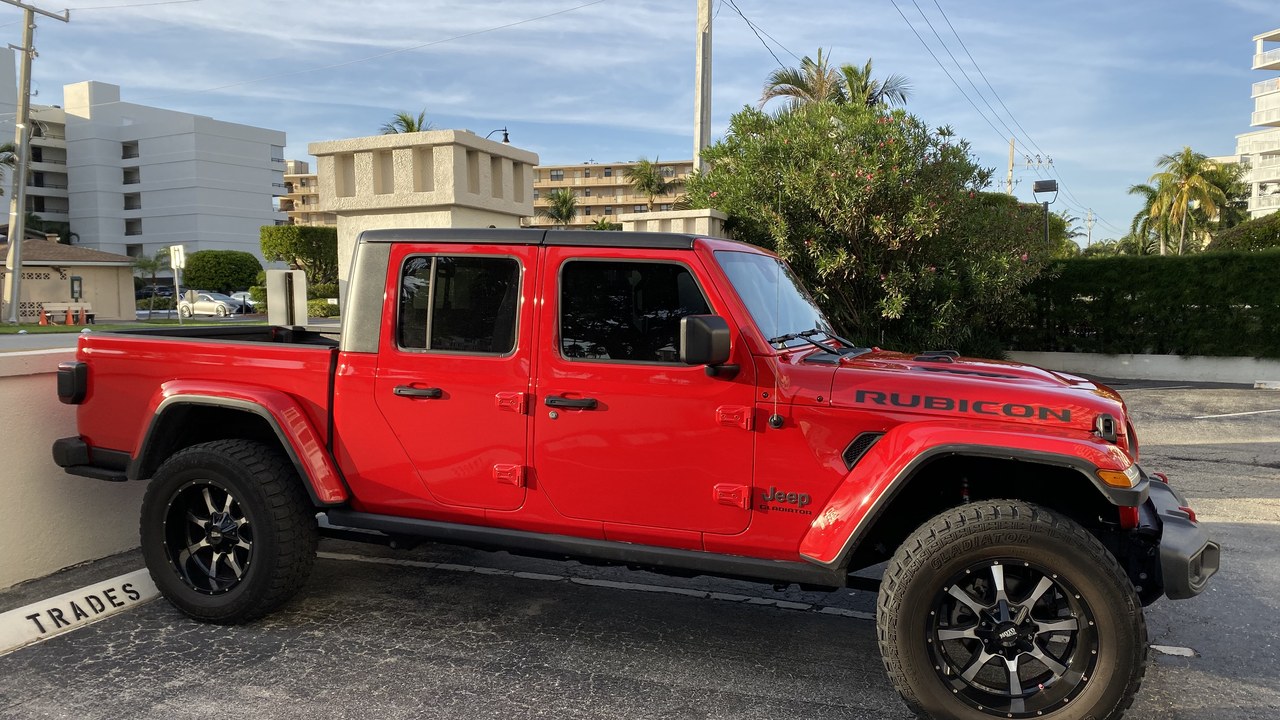
Jeep’s own fact sheet claims up to 30 inches of water fording for the Gladiator Rubicon, achieved on the truck’s standard 33-inch off-road tires rather than an aftermarket lift.
As a mid-size pickup built on the Wrangler platform, the Gladiator carries that same fording pedigree into a truck bed body style, useful for an owner hauling gear to a remote crossing. The Rubicon trim adds locking differentials front and rear, so traction on the far bank matches the truck’s depth rating on the way in.
10. Toyota Land Cruiser 300: A 700mm Factory Rating
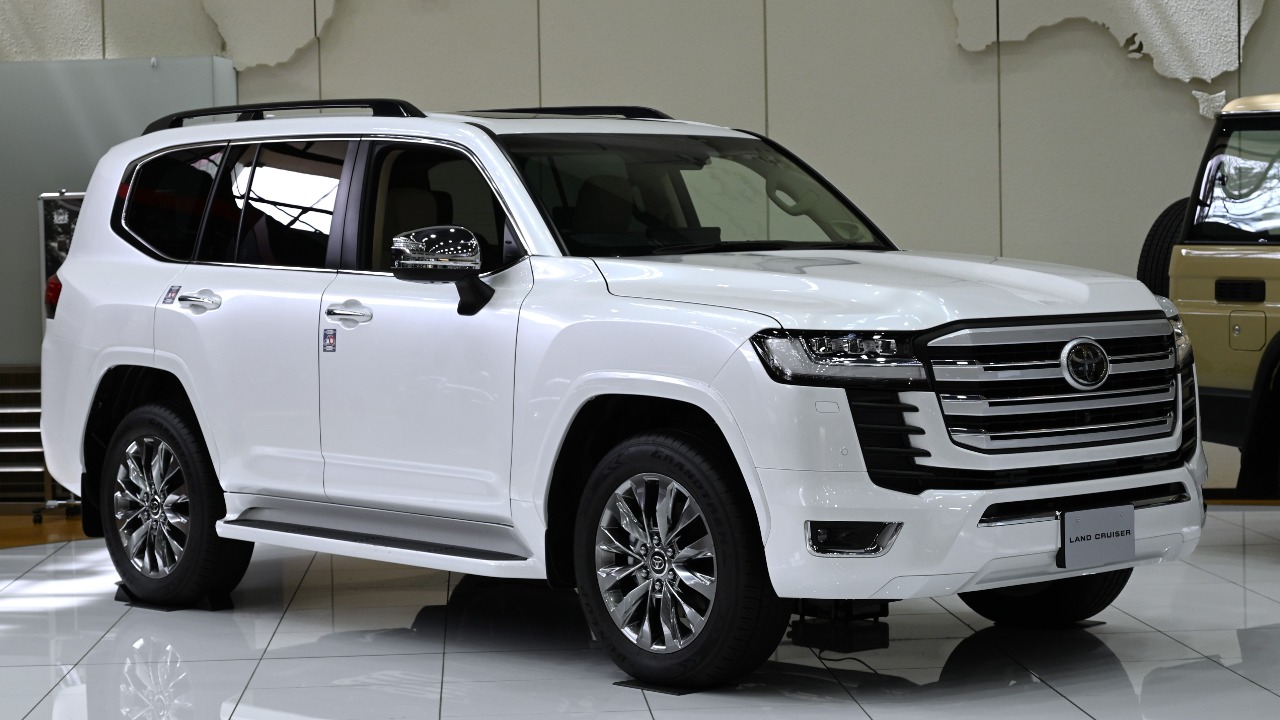
Toyota quotes a 700mm wading depth, close to 27.6 inches, for the Land Cruiser 300, paired with 235mm of ground clearance that keeps the underbody well above rutted or submerged terrain.
That combination underscores the Land Cruiser’s reputation across Africa, Australia, and the Middle East as a dependable choice for regions where paved roads give way to river fords. Toyota engineers the J300 with a snorkel-ready intake path, so owners in those markets can raise the practical depth further with a factory-approved accessory.
11. Mercedes-Benz G-Class: Four More Inches Than Before
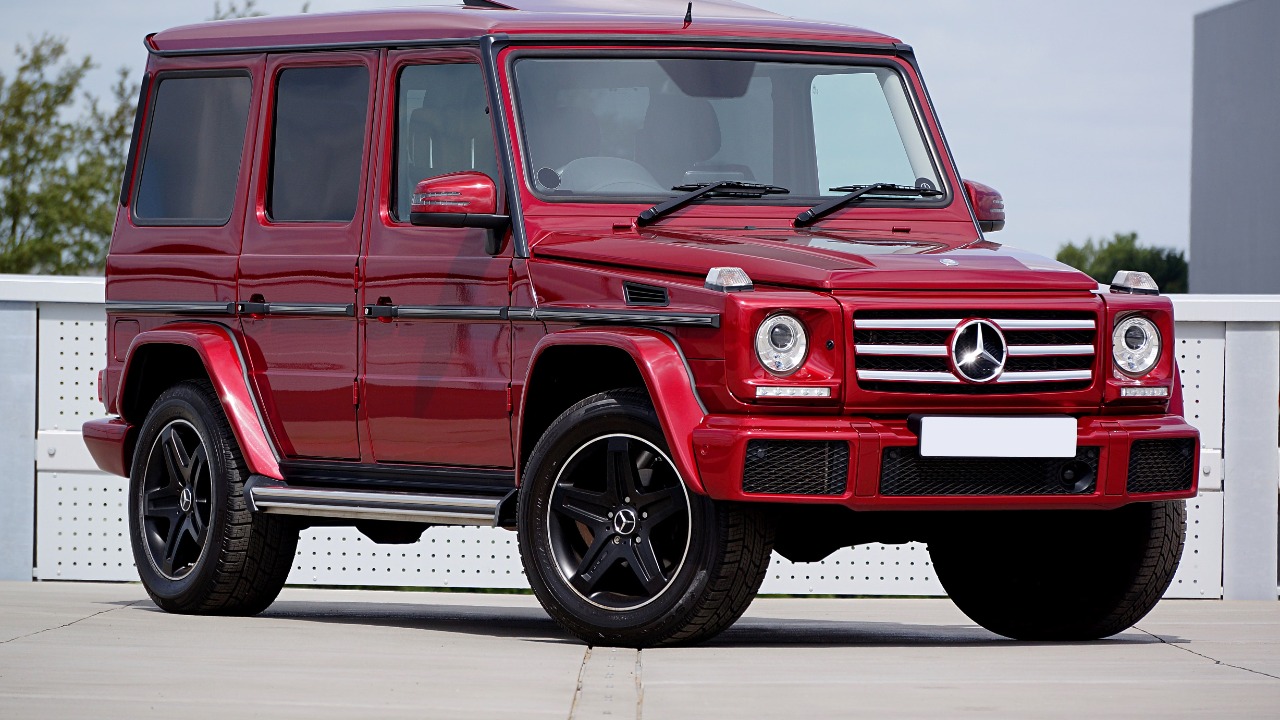
Mercedes-Benz puts maximum fording depth at 27.6 inches on the current G-Class, four inches deeper than the previous generation managed, despite the model’s luxury cabin and on-road manners.
That gain shows the boxy SUV’s ladder-frame engineering still prioritizes genuine capability, not just the styling that has made it a status symbol in cities far from any river crossing. Mercedes credits a redesigned front axle and raised air intake position for the improvement over the previous G-Class generation.
More from Morning Overview
