
Mechanics and owners keep a running tally of which vehicles drain wallets the fastest, and the numbers can be startling. The entries below draw on owner-reported repair averages, spanning compact sedans, crossovers and a pickup. Here are eleven models, ordered from the largest reported bill to the smallest.
1. 2008 Toyota RAV4: Oil Burn Bill
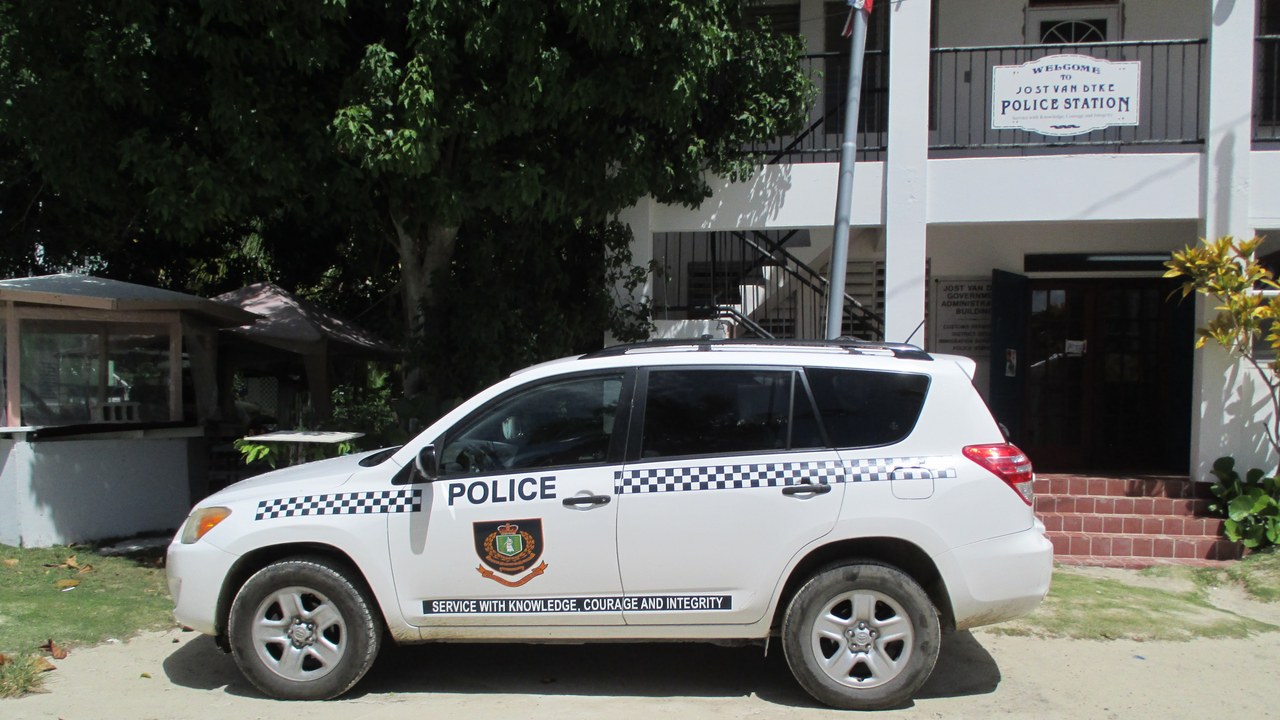
Owner reports collected on the CarComplaints brand page put a $35,600 average on excessive oil consumption in this crossover, reached at about 105,000 miles. That is the single steepest figure in the whole group.
Oil burn of that kind can starve an engine until it fails, which explains a bill near the price of a new vehicle. Anyone shopping used examples should ask for oil-top-up history and consider a consumption test before buying. Averages like this hide wide variation, though, so individual repair quotes can land well above or below the headline number.
2. 2019 Volkswagen Jetta: Gearbox Grind
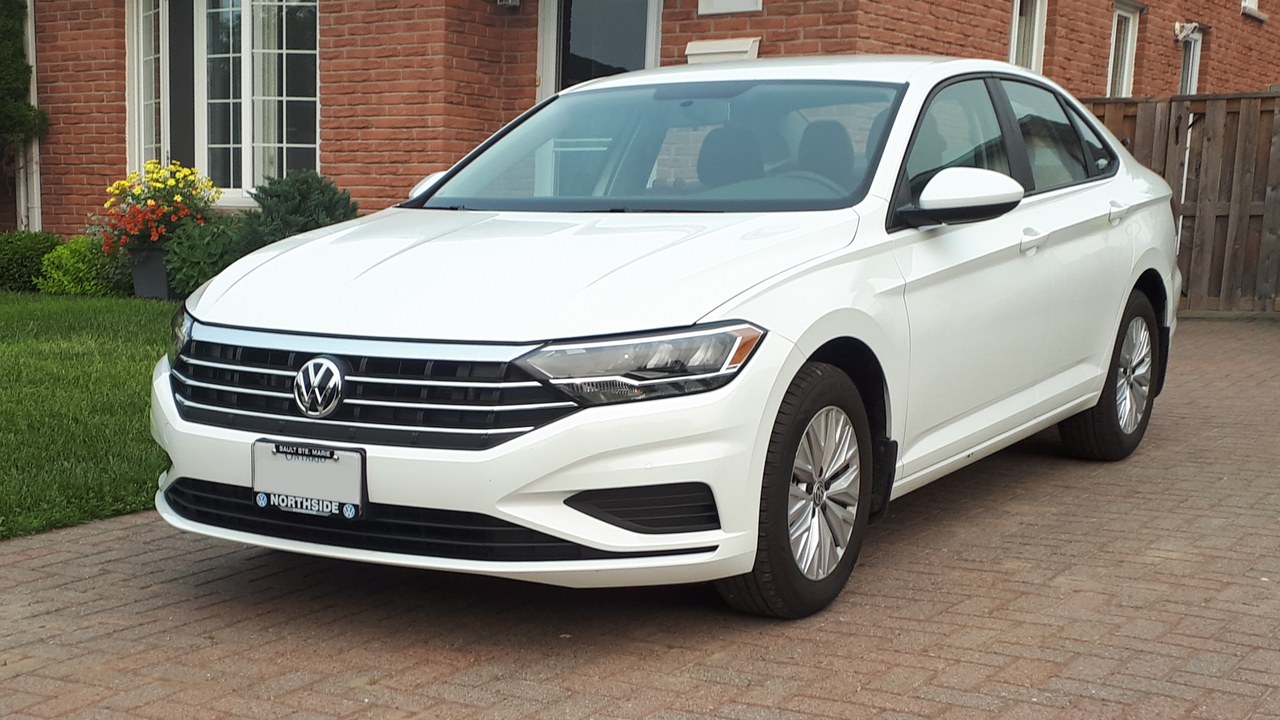
The costliest entry on Volkswagen’s complaint board, per CarComplaints brand page, is a transmission grinding noise that averages $26,000 on this compact sedan.
A figure that large usually points to a full gearbox replacement rather than a quick adjustment. Buyers of this generation should have the transmission road-tested for harsh shifts, listen for whining under load, and read service records closely before signing anything. Because the figure is an owner-reported average, a shop estimate for a specific car may differ, but the order of magnitude is the warning worth heeding.
3. 2015 Jeep Grand Cherokee: Shifter Trouble
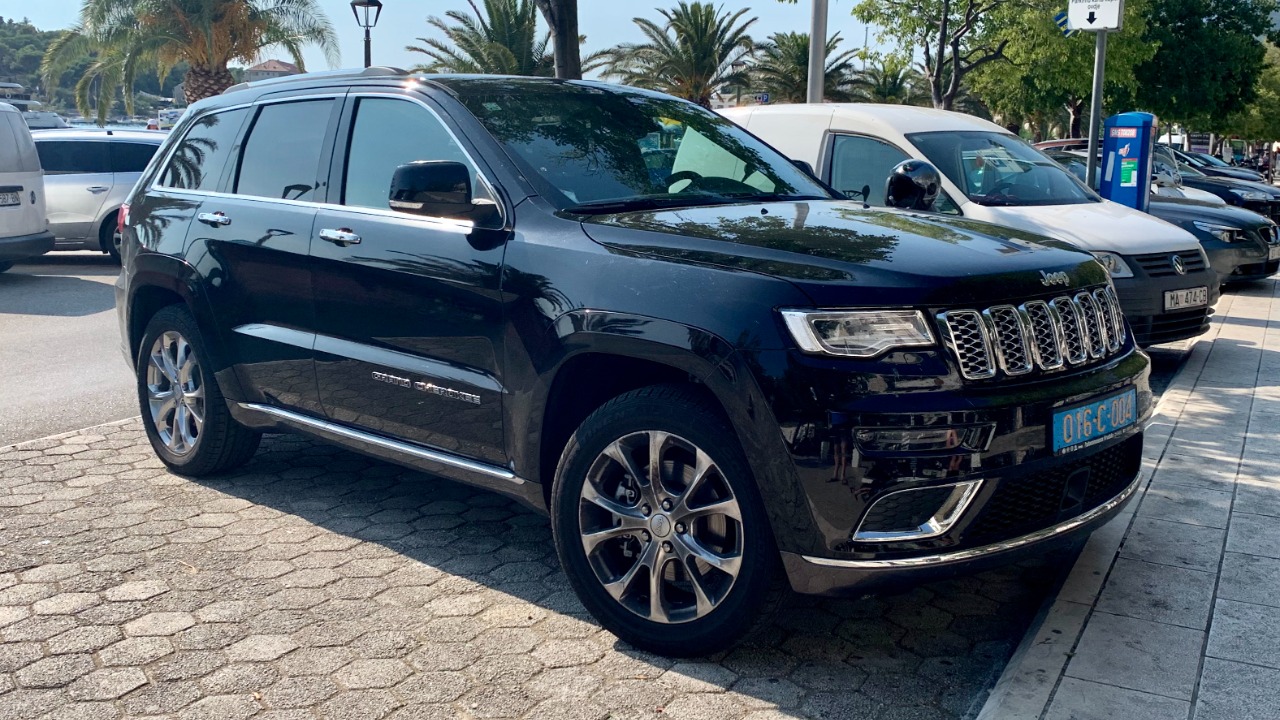
Reports compiled on the CarComplaints brand page list unreliable electronic shifting as the headline fault for this SUV, with an average repair of $7,500.
The shift-by-wire setup replaced a traditional lever with software and actuators, so a failure can leave the driver unsure of which gear is engaged. Owners worried about it should check for open recalls and software updates, since fixes often differ from replacing hardware. Even where a recall exists, coverage rules vary by model year and mileage, so a dealer lookup by VIN is a fast first step.
4. 2016 Kia Sorento: Engine Failure
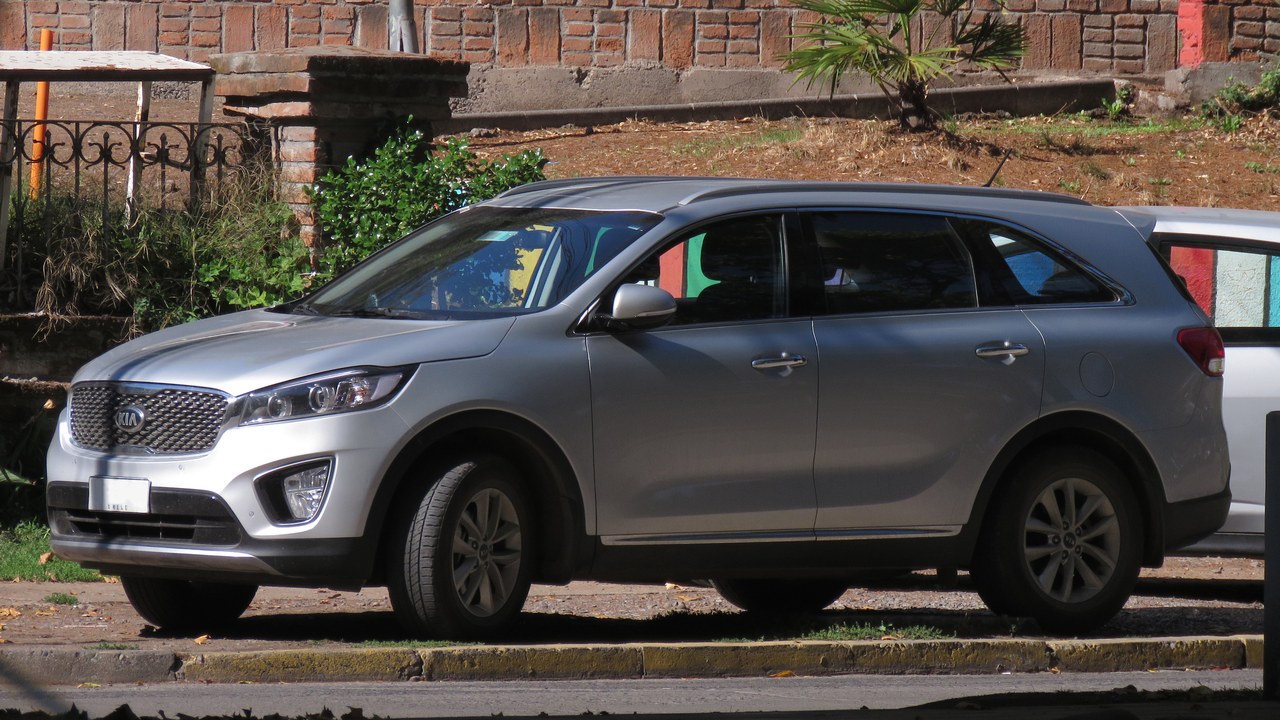
According to the CarComplaints brand page, engine failure on this three-row crossover averages $7,300, typically around 94,000 miles.
Failures at that mileage frequently trace to bearing damage or oil starvation, and a replacement engine is the usual remedy. Cars from this period often carry extended-warranty coverage for the engine, so confirming eligibility before paying out of pocket is worthwhile. Independent shops can sometimes price the job lower than dealerships, which makes a second quote a cheap piece of due diligence.
5. 2015 Nissan Murano: Jerky Drive
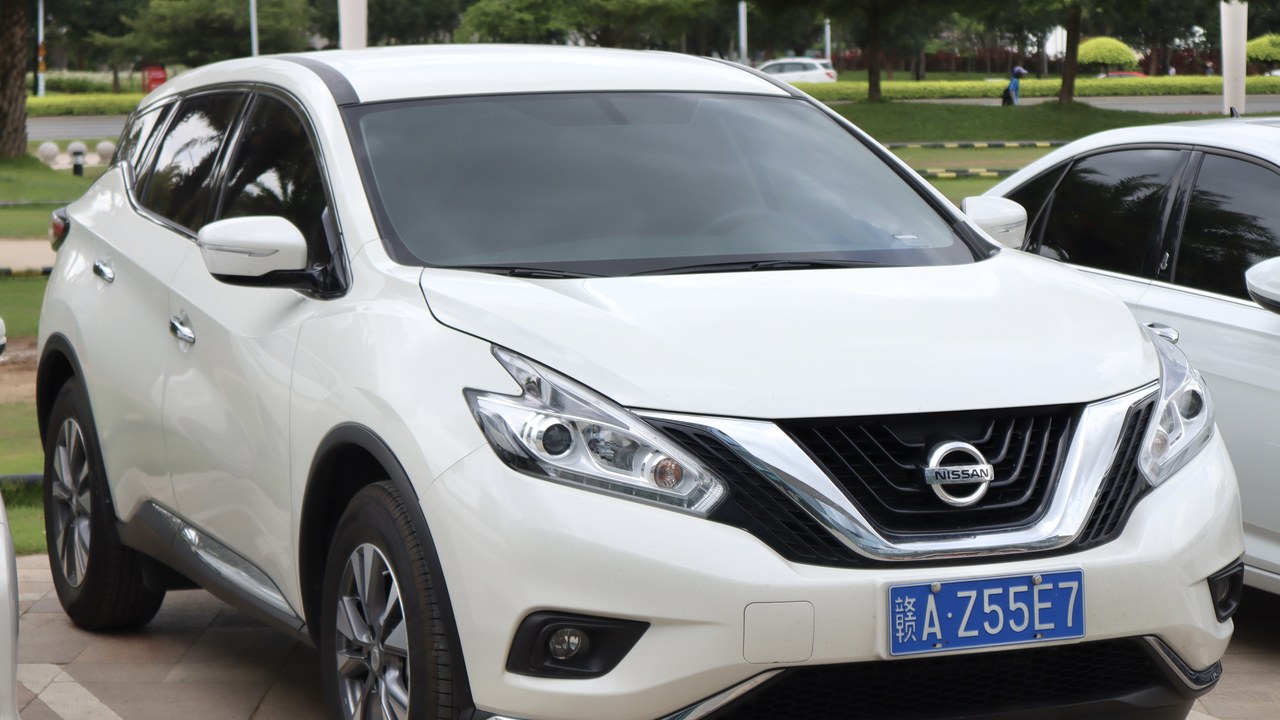
Owners filing reports on the CarComplaints model page describe jerking from this midsize crossover, with an average repair cost of $6,500 at just 21,000 miles.
That low mileage is the striking part, since the fault appears long before most warranties expire. The symptom is commonly tied to the continuously variable transmission, so a test drive that includes slow-speed acceleration is the best early check. Sellers rarely volunteer such history, so a pre-purchase inspection by an independent mechanic is inexpensive protection.
6. 2011 Audi A4: Thirsty Engine

On the CarComplaints brand page, excessive oil usage in this luxury sedan averages $6,000, with the typical case surfacing near 65,000 miles.
Piston-ring wear is the usual explanation for engines that drink oil between changes. Because levels can drop quickly without warning lights, owners are best served by checking the dipstick regularly and keeping a record, which also helps if a goodwill repair is requested. A mechanic familiar with this engine can often spot early warning signs that a casual inspection would miss entirely.
7. 2011 GMC Terrain: Oil Appetite
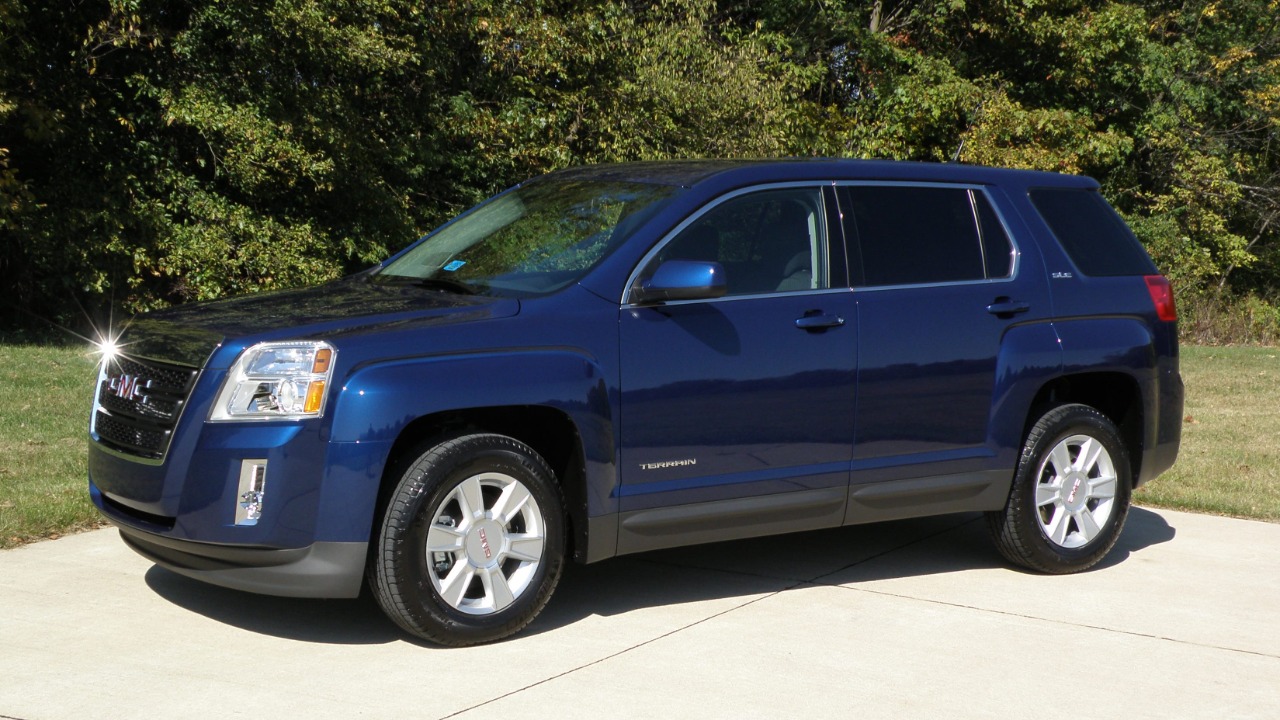
Excessive oil consumption in this compact SUV averages $5,100 at roughly 93,000 miles, based on the CarComplaints brand page.
The sum reflects internal engine work rather than a simple top-up. A four-cylinder that goes through quarts between services deserves attention early, and a documented history of oil additions strengthens any claim made to a dealer or manufacturer. Reported averages come from self-selected owners, so they signal risk rather than guaranteeing that every example will fail.
8. 2015 Hyundai Sonata: Piston Ring Problem
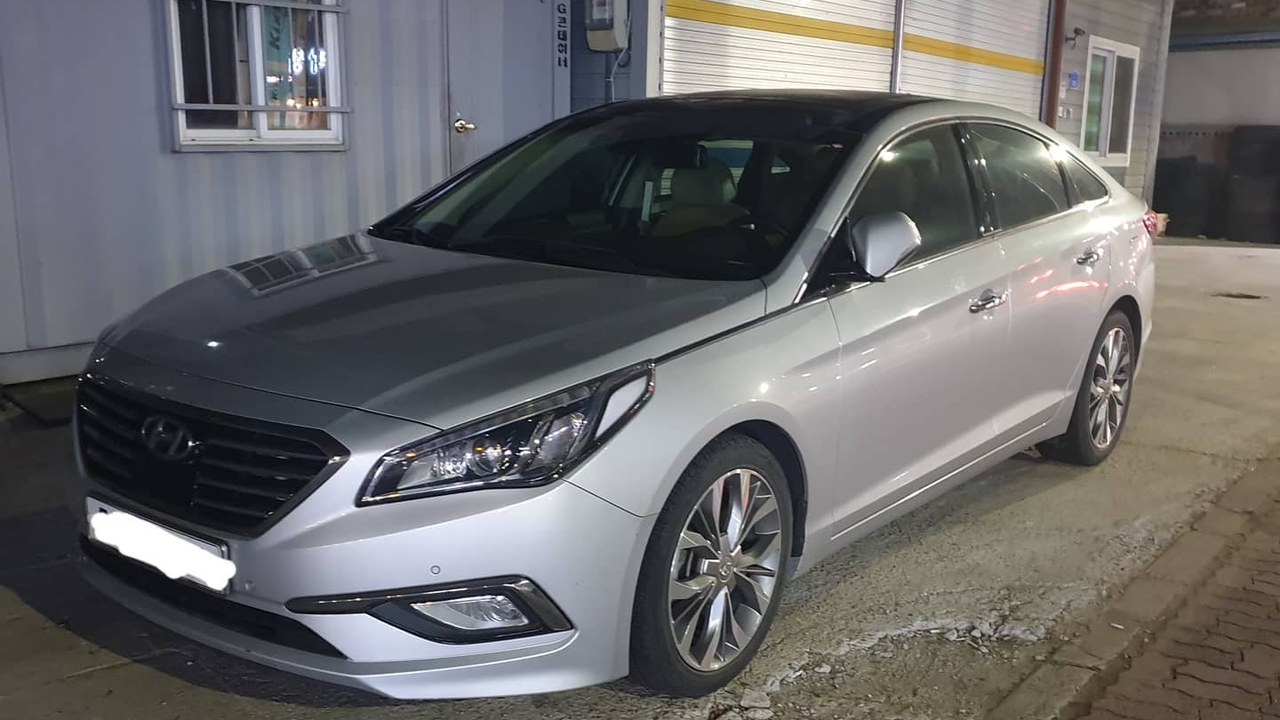
Complaint data on the CarComplaints brand page shows excessive oil consumption averaging $5,000 at 77,000 miles for this family sedan.
The bill points to engine-level repair, and the mileage sits past most basic warranties. Prospective buyers can reduce risk by asking whether the engine was ever replaced under a recall or extended coverage, and by inspecting oil level before a test drive. Used-car shoppers comparing similar sedans can treat such patterns as a tiebreaker when prices are otherwise close.
9. 2012 Nissan Rogue: Power Loss
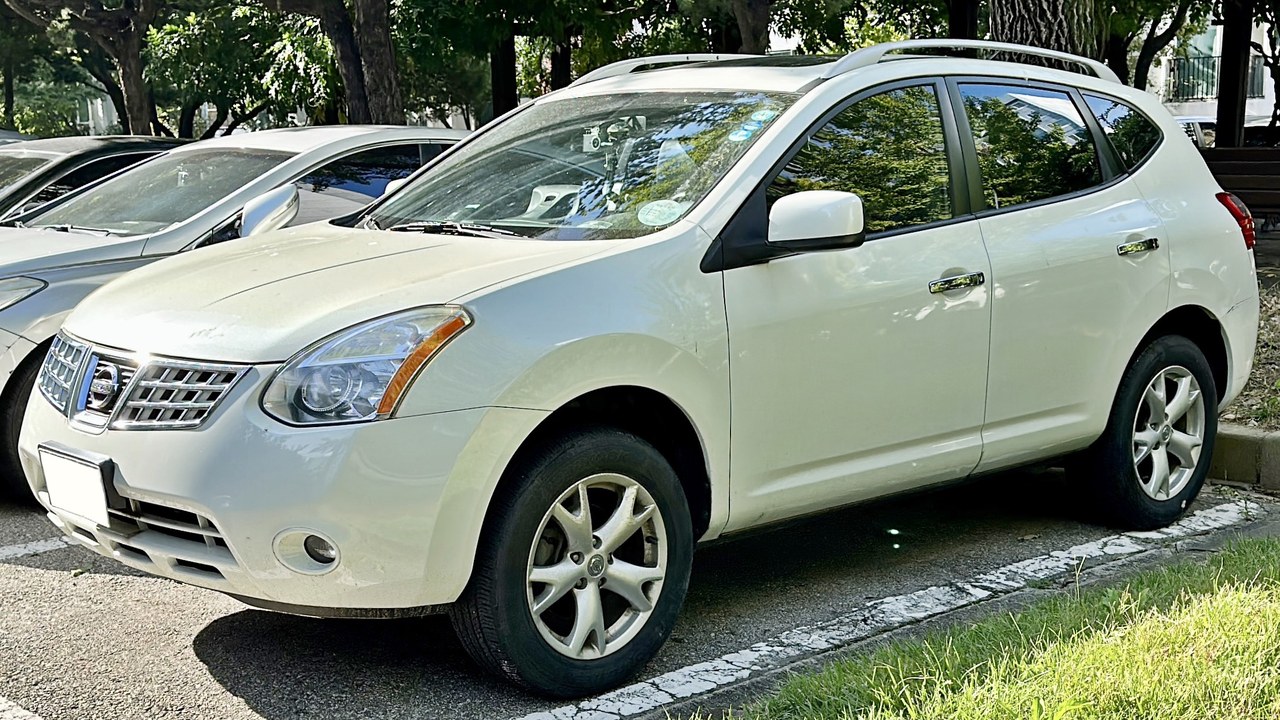
Reports gathered on the CarComplaints model page cite loss of acceleration as the leading fault for this compact crossover, averaging $4,700 at about 82,000 miles.
The symptom is widely linked to the continuously variable transmission, which can slip or lose power when worn. Fluid history matters here, so a seller unable to show any service record for the transmission is a reason to negotiate or walk away. Regular fluid changes are the cheapest known defense, and skipping them tends to turn small symptoms into large invoices.
10. 2015 Nissan Sentra: Transmission Failure
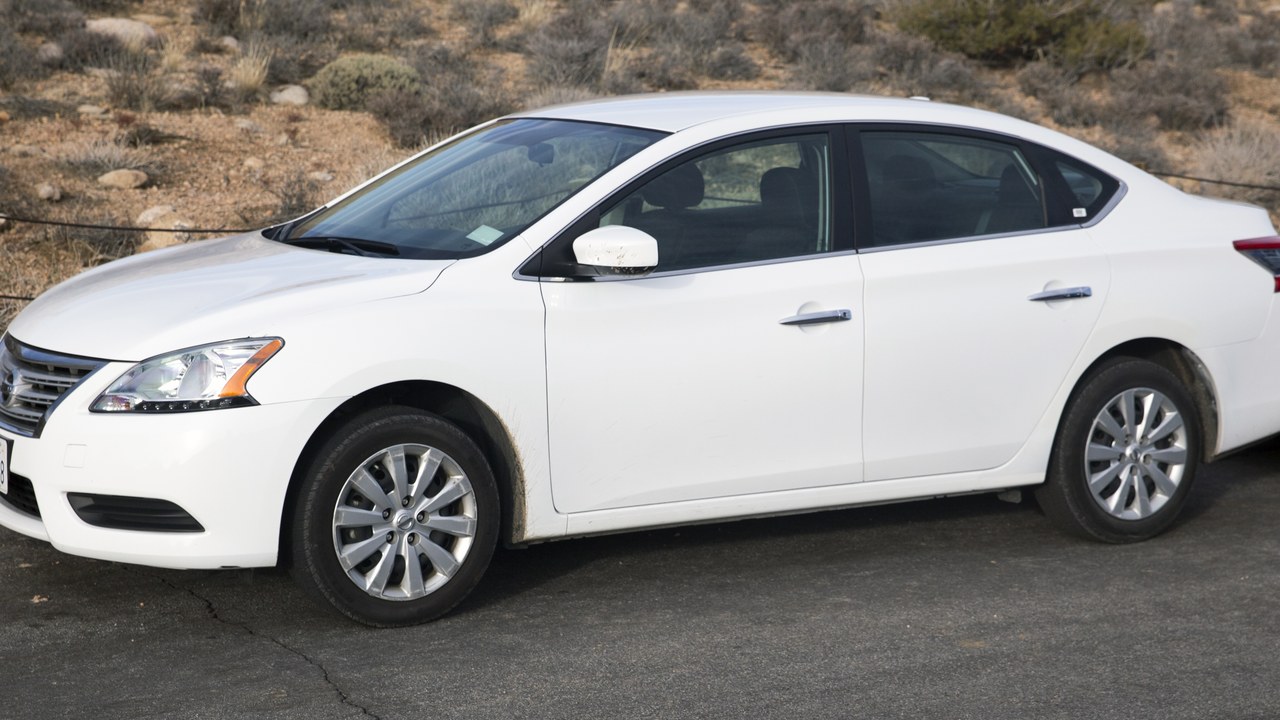
The lowest rung on this list, per the CarComplaints model page, is transmission failure at $4,100 on average, reported at around 63,000 miles.
Even the cheapest entry costs thousands, and it arrives early in the car’s life. Compact sedans bought for their low price can lose that advantage fast, so checking for shuddering, delayed engagement and service bulletins is sensible before agreeing to a deal. Reports from owners still make a useful screening tool, even though they cannot predict how any single car was maintained.
11. 2006 Nissan Frontier: Radiator Cross-Contamination
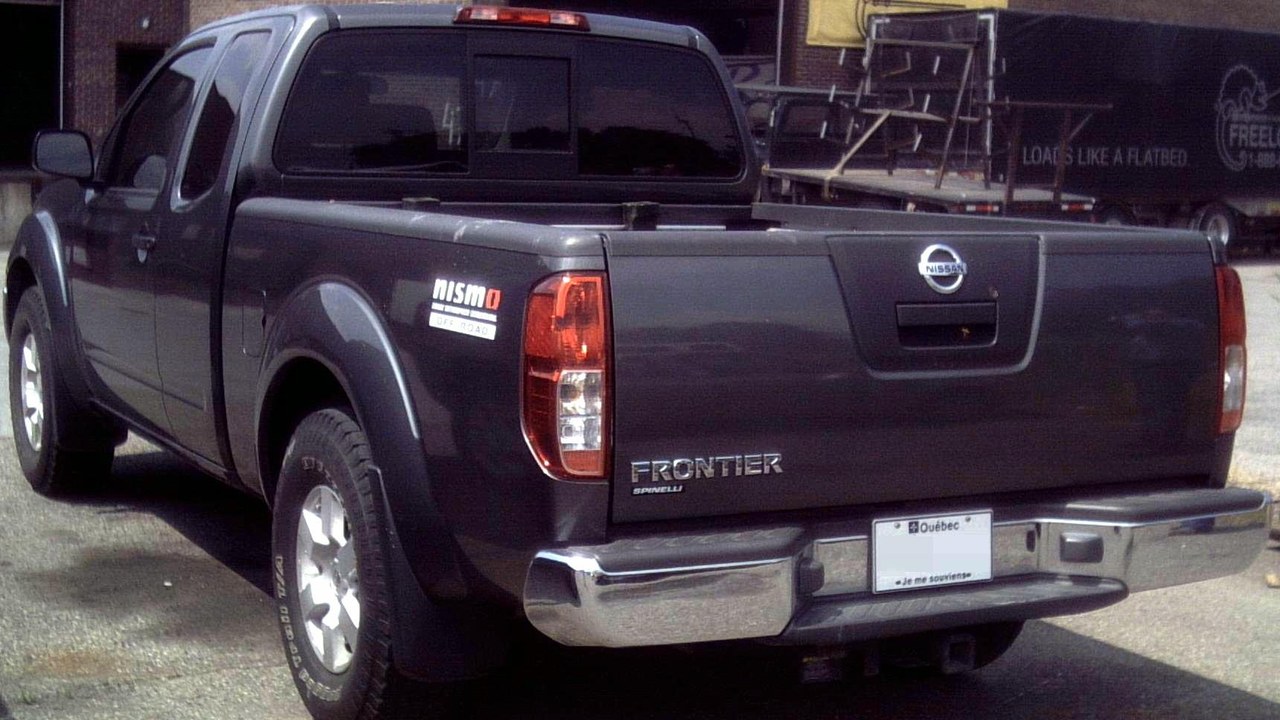
A cracked radiator that leaks coolant into the transmission averages $4,100 at about 117,000 miles, according to the CarComplaints model page.
The mechanism is what makes it costly, because mixed fluids destroy transmission clutches. Replacing an inexpensive radiator before it fails is far cheaper, so owners of this pickup should inspect the radiator and check the transmission fluid for a milky look. The lesson applies broadly, since cooling-system neglect quietly damages parts that sit nowhere near the original leak.
More from Morning Overview
- Card skimmers hidden on gas pumps and ATMs are draining accounts, and here’s the tell
- Hurricane Hunter radar shows four warning signs that a tropical cyclone is about to strengthen, a University of Miami study found
- NTSB report details how a family of four died when their plane’s nose suddenly pitched up
- Doctors warn a silent liver disease now affects one in three American adults
