
Headlamps that vanish when switched off gave some American cars a sleek, almost futuristic face. Several General Motors, Chrysler, Ford and Lincoln models used sliding or rotating covers to hide their lights. Here are ten Detroit nameplates that did exactly that, from luxury coupes to muscle cars.
1. Buick Riviera: Clamshell Covers
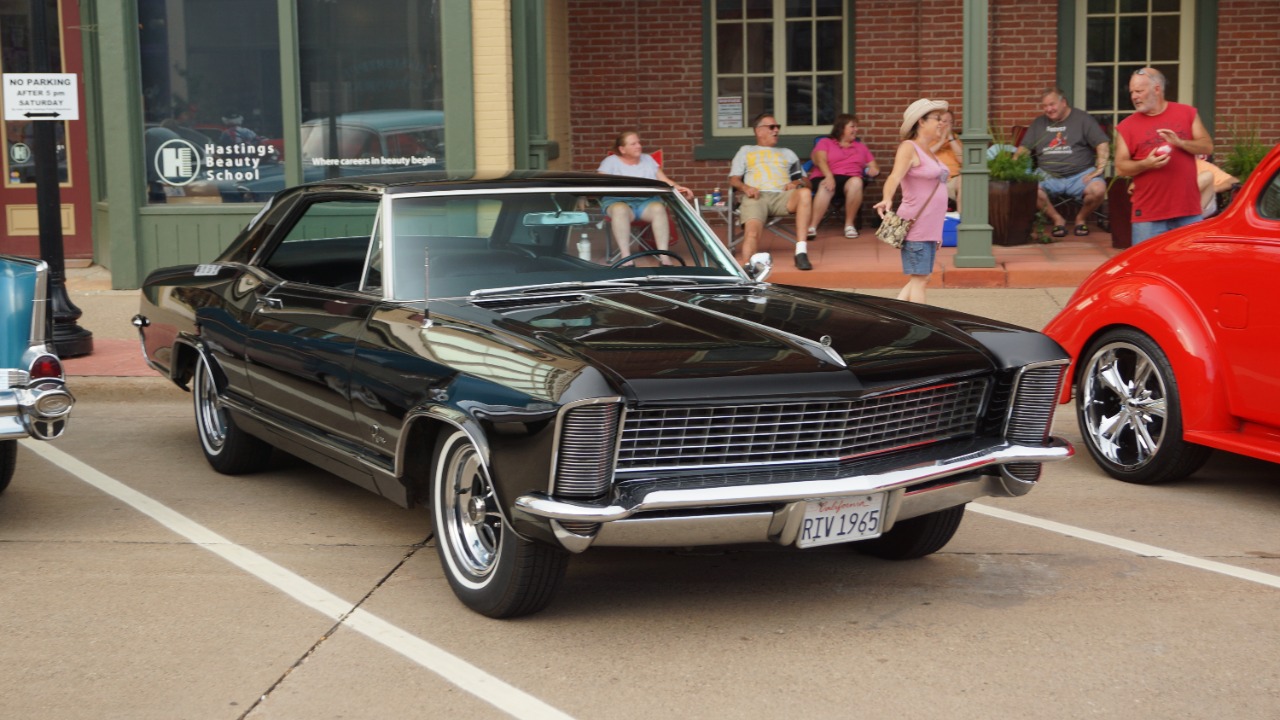
The 1965 Buick Riviera introduced clamshell covers that hid the headlights for a futuristic nose, as described in a Slashgear hidden headlights roundup. The covers parted to reveal the lamps only when they were switched on, so the front end looked clean and unbroken by day.
The idea proved popular enough that Buick kept the clamshell look as a signature for the personal luxury coupe. Even so, the source offers only the headline detail, so the exact mechanism and how reliably it worked are left unexplained here. For readers, it remains a handy example of how Detroit styling turned a simple headlamp into a design statement.
2. Oldsmobile Toronado: Rotating Grille
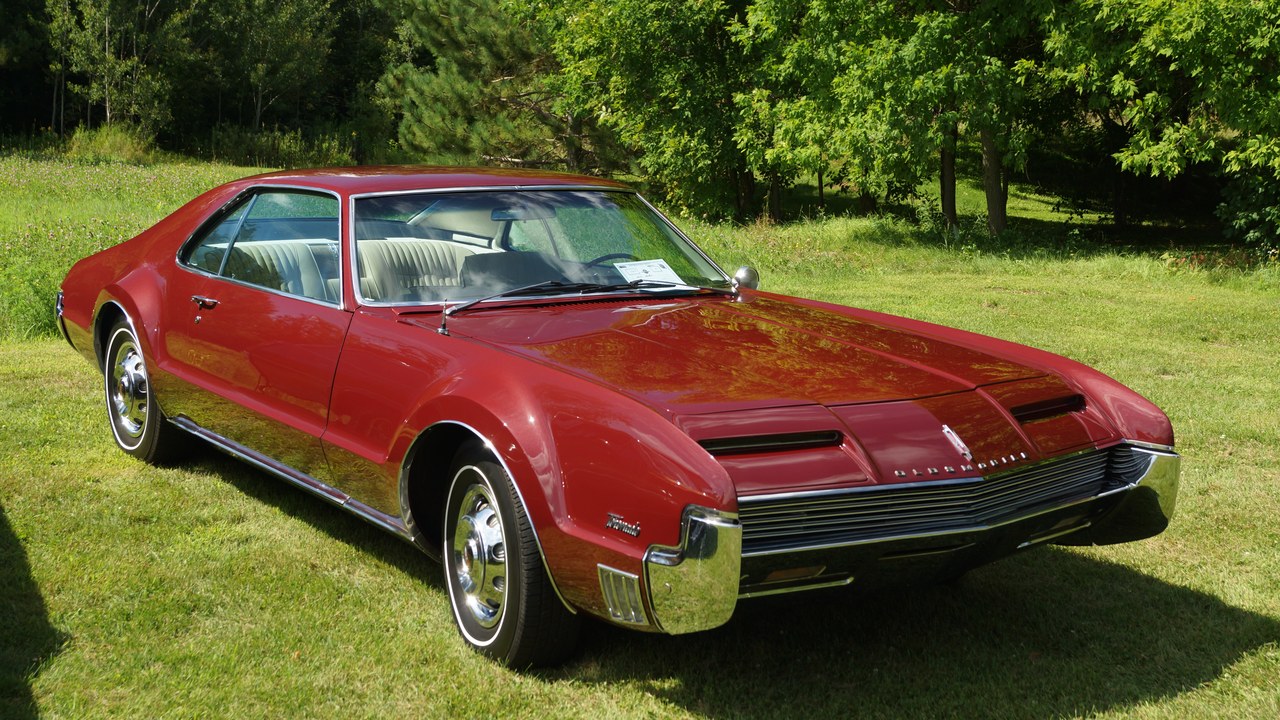
On the 1968-69 Oldsmobile Toronado the entire grille rotated upwards under the hood to expose the headlights, according to a Slashgear hidden headlights roundup. That approach made the whole front fascia move, rather than just two small doors covering the lamps.
Few other designs of the period moved so much of the car just to light the road at night. The source gives the basic idea only, so how well the system worked in daily use is not covered in this item. That makes it a handy example of how styling ambition shaped the cars that Detroit built in that decade.
3. Chevrolet Camaro: Rolling Covers
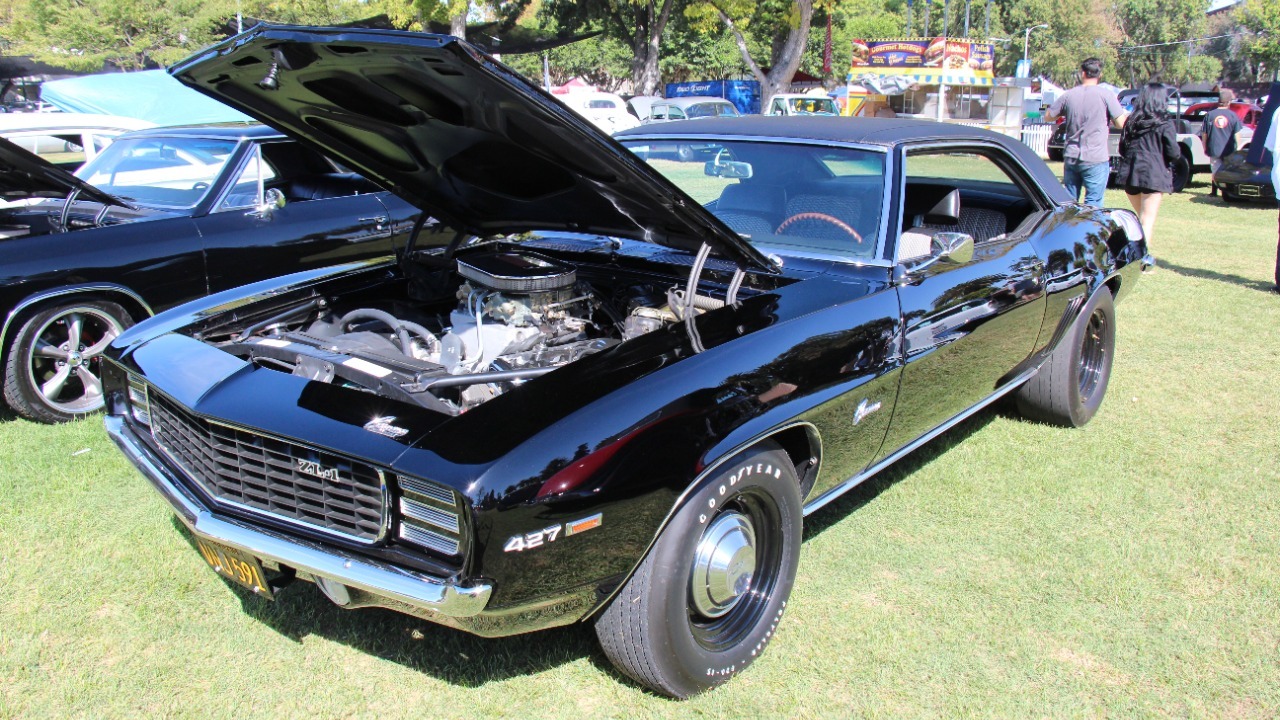
The 1967-69 Camaro RS hid fixed-position lights behind covers that rolled inwards toward the grille, based on a Slashgear hidden headlights roundup. The lamps themselves never moved, since only the doors in front of them swung out of the way.
Because the mechanism was simple, the trick showed up on a mainstream sporty car rather than only on luxury models. The source notes the covers on the RS version, so it does not say whether other trims shared them. Readers curious about the details can follow the link to see the full list and how the other models compare.
4. Mercury Cougar: Vacuum Lifts
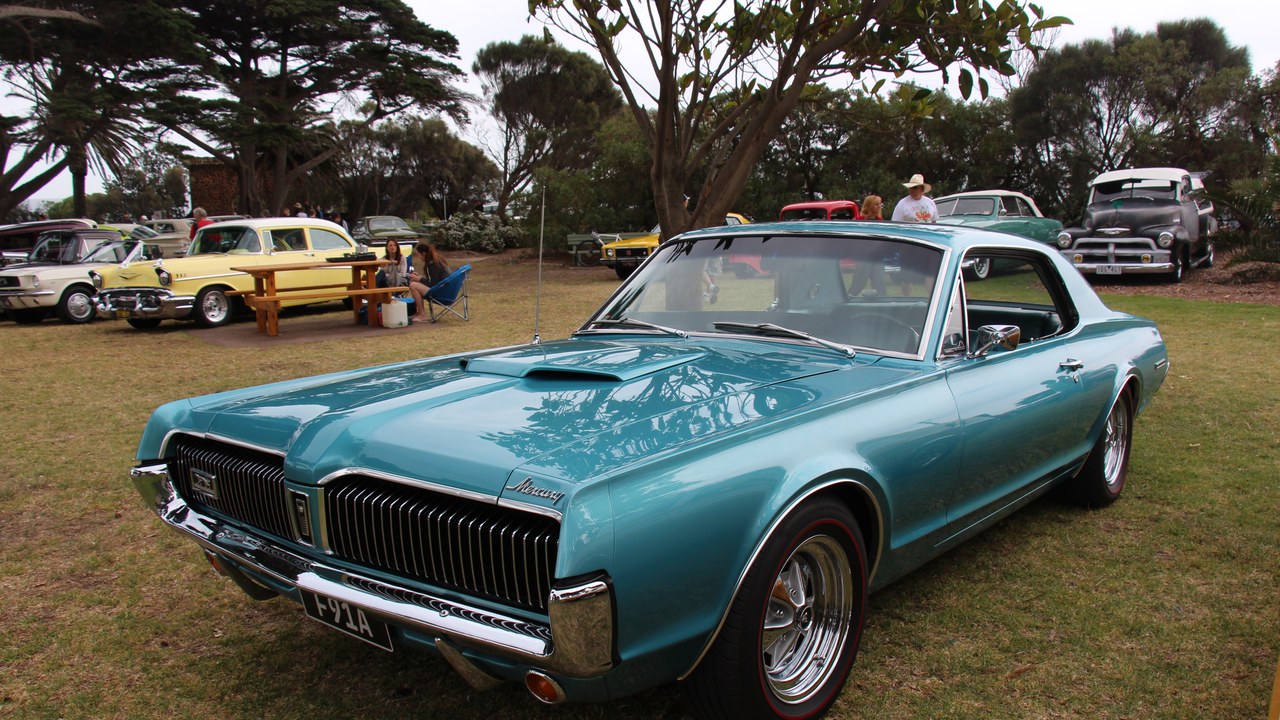
The 1967 Mercury Cougar’s hidden headlights were raised by vacuum activators rather than electric motors, says a Heacock pop-up headlights history. The covered lamps gave the new personal coupe a distinctive, uninterrupted grille across its full width.
The vacuum setup shows that designers had more than one way to raise a lamp cover without relying on electric motors. The source does not explain how dependable that approach proved over the years, so that question stays open. For readers, it remains a handy example of how Detroit styling turned a simple headlamp into a design statement.
5. Pontiac GTO: Optional Concealment
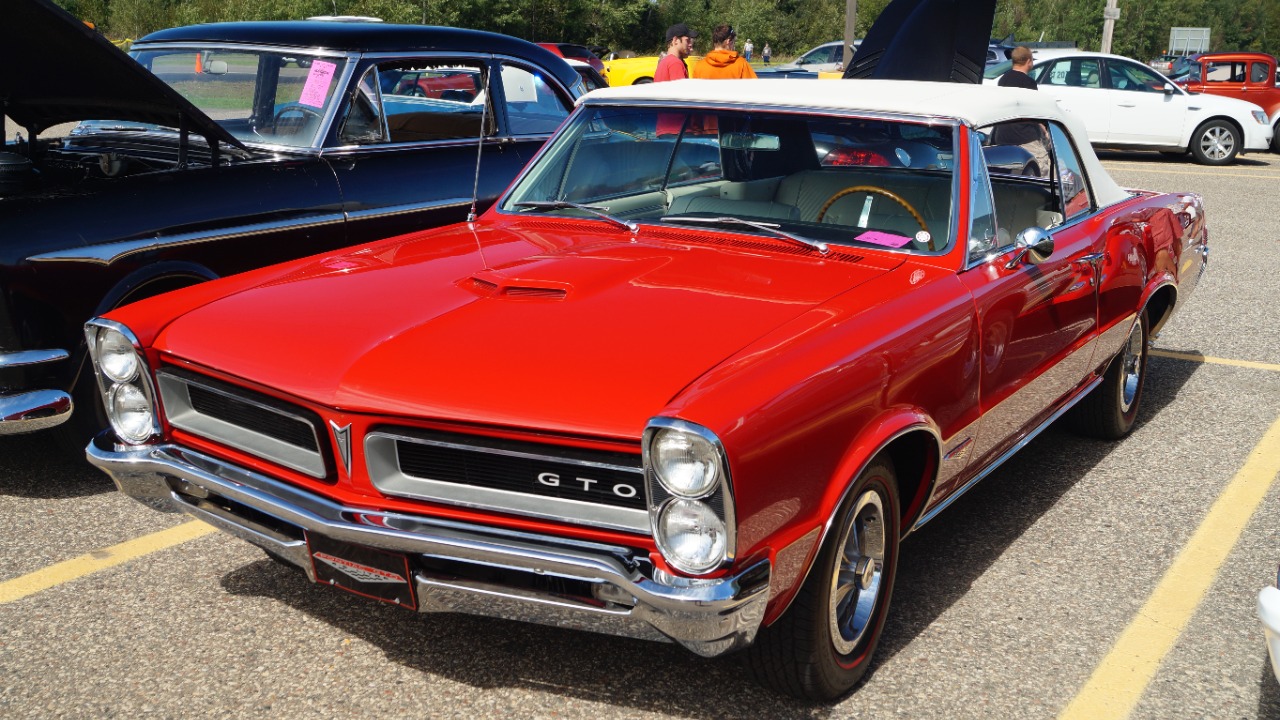
Hidden headlights were an option on the 1968 Pontiac GTO, according to a Heacock pop-up headlights history. Buyers who checked that box swapped the exposed lamps for concealed ones, which changed the look of the muscle car’s nose.
The source describes only the option itself, not how many buyers ordered it or how the system operated. Readers should treat it as a note about availability on that year, rather than a claim about every GTO built. Readers curious about the details can follow the link to see the full list and how the other models compare.
6. Chevrolet Caprice: Optional Disguise
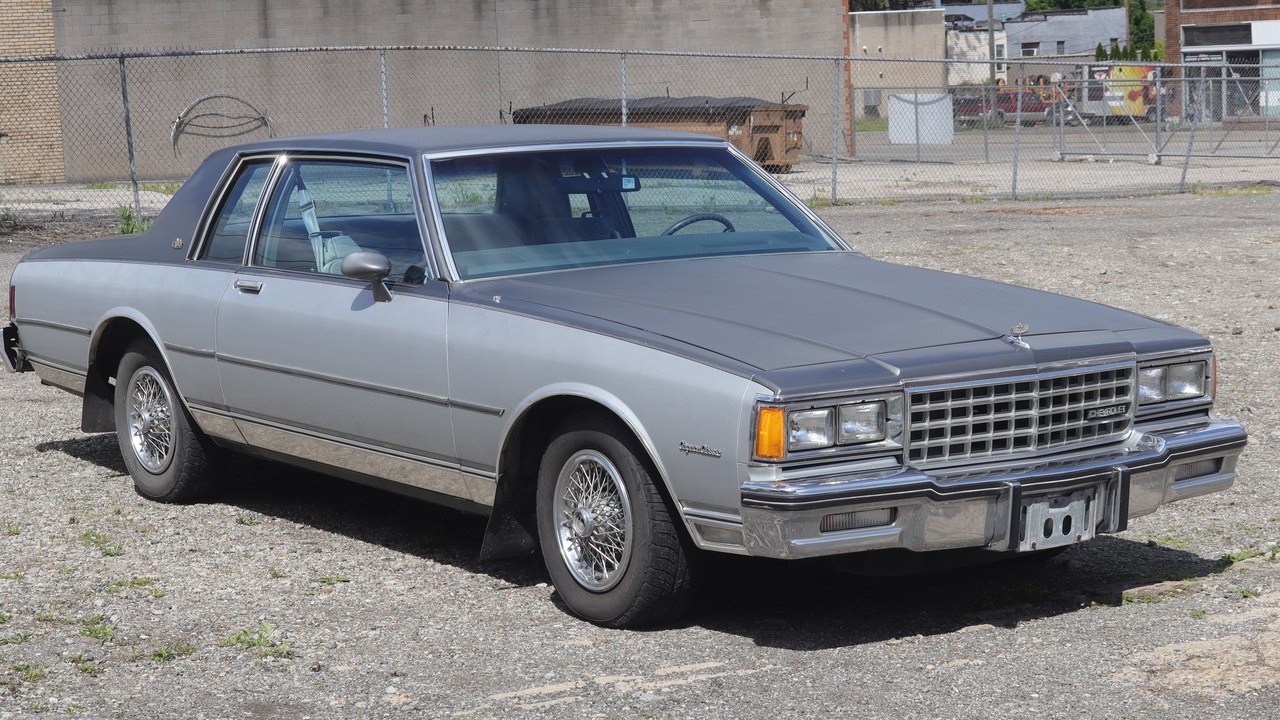
Hidden headlights were an option on the 1968 Chevrolet Caprice, according to a Heacock pop-up headlights history. Choosing them gave the full-size Chevrolet a smoother, more upscale face than the standard exposed lamps provided.
The source gives no production figures, so how common the equipped cars were remains unclear from this item alone. It confirms the option existed for that year, but it says nothing about later or earlier model years. That makes it a handy example of how styling ambition shaped the cars that Detroit built in that decade.
7. Dodge Charger: Long Hidden Run
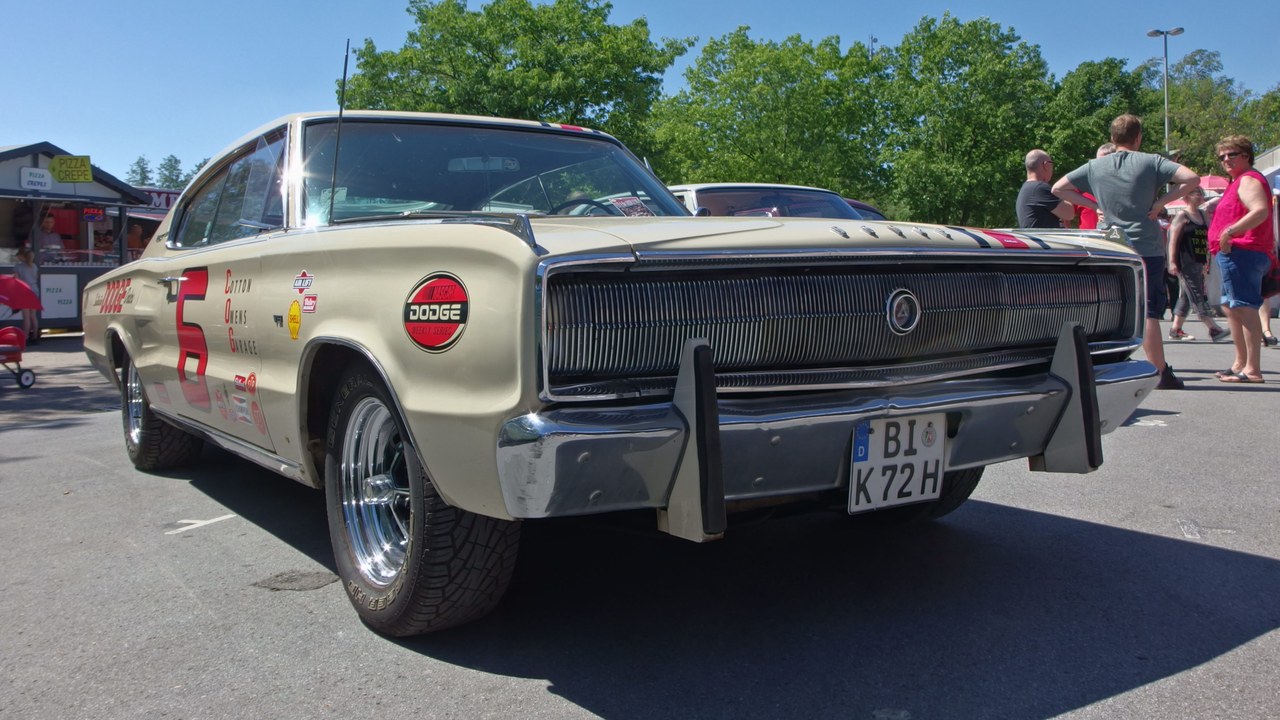
The Dodge Charger carried hidden headlamps from 1966 through 1972, according to a Wikipedia hidden headlamps list. That span covers the first two generations of the fastback and muscle-era coupe.
The list does not say which Charger years used which mechanism, only the overall span of the hidden design. That makes it a useful marker of how long the feature lasted, though it leaves the engineering details to other sources. Readers curious about the details can follow the link to see the full list and how the other models compare.
8. Lincoln Continental: Late Concealment
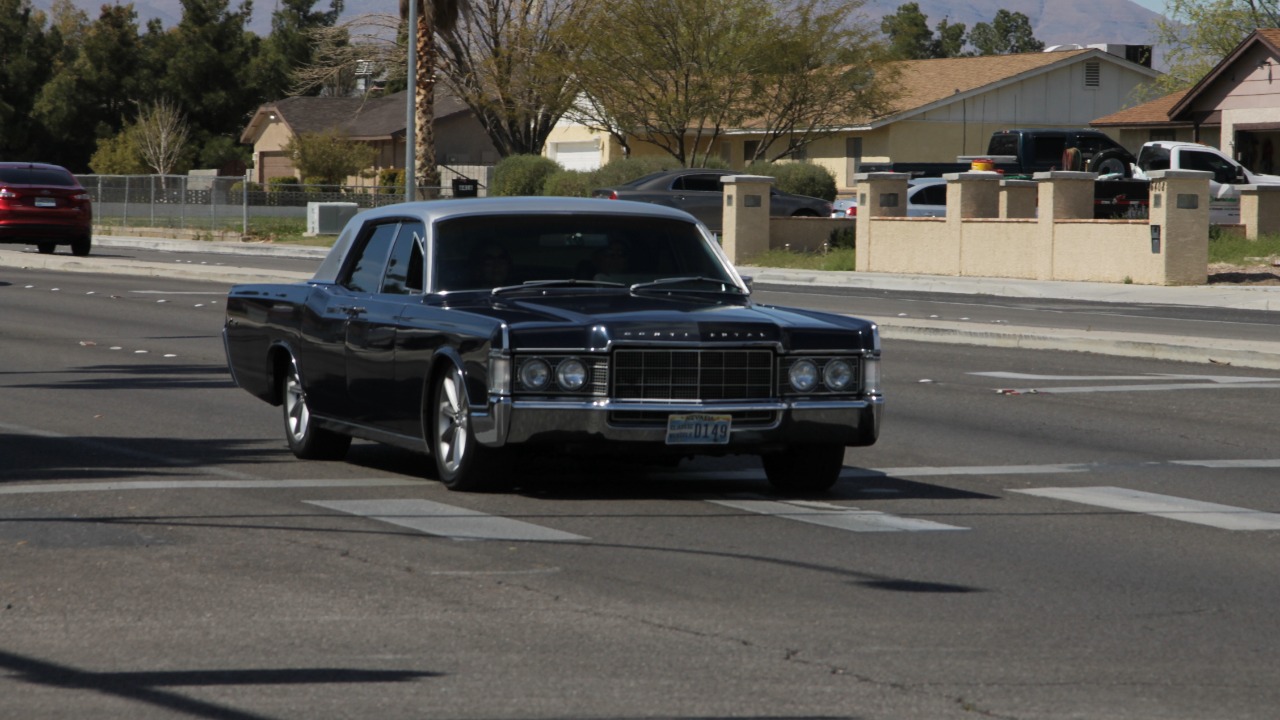
The Lincoln Continental carried hidden headlamps from 1968 through 1983, according to a Wikipedia hidden headlamps list. Across those years the flagship sedan kept its lamps tucked away behind its stately grille.
The source limits itself to those dates and does not detail how the covers worked on each model year. The long span still stands out, because it shows the feature outlasting several redesigns of the big Lincoln. For readers, it remains a handy example of how Detroit styling turned a simple headlamp into a design statement.
9. Chrysler Imperial: Longest Concealed Run
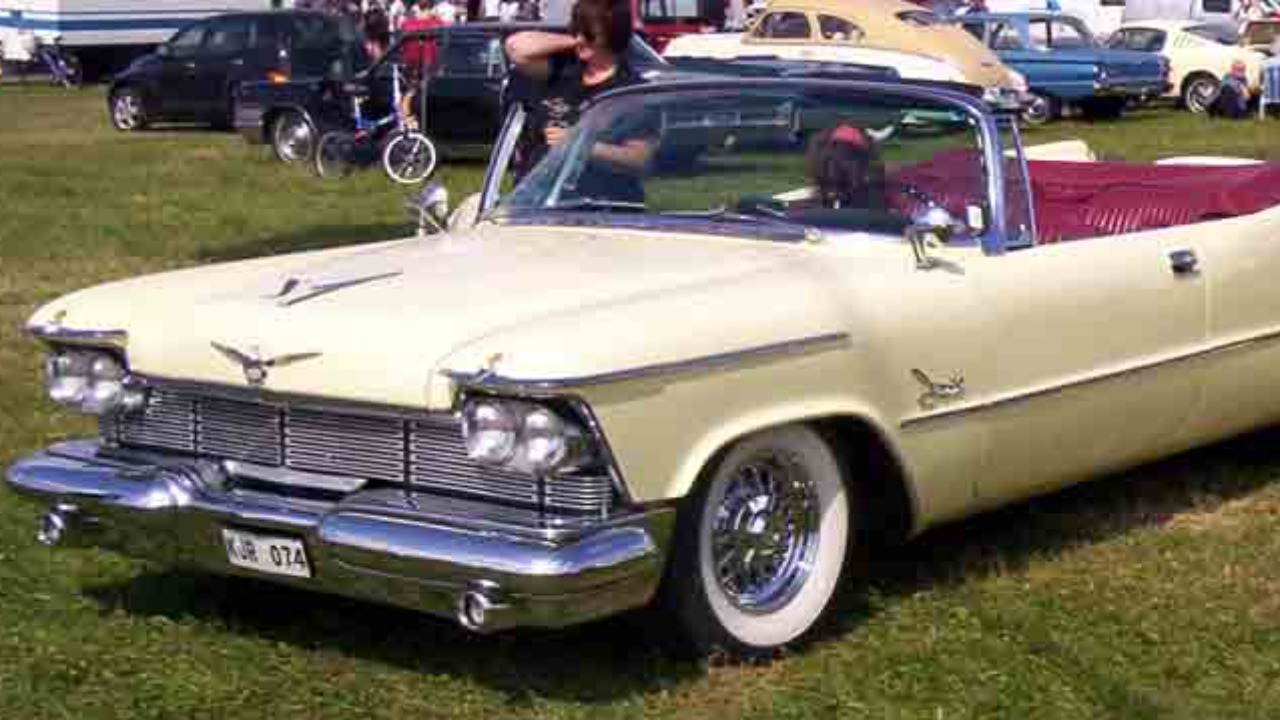
The Chrysler Imperial carried hidden headlamps from 1969 through 1993, the longest run on the list, according to a Wikipedia hidden headlamps list. Few other nameplates concealed their lamps across so many model years.
The listing records the span only, so details of the mechanism and the changes across those years are not covered here. Its length is the notable point, since the feature stayed available for roughly a quarter of a century. That makes it a handy example of how styling ambition shaped the cars that Detroit built across those decades.
10. Buick Reatta: Last Hidden Lamps
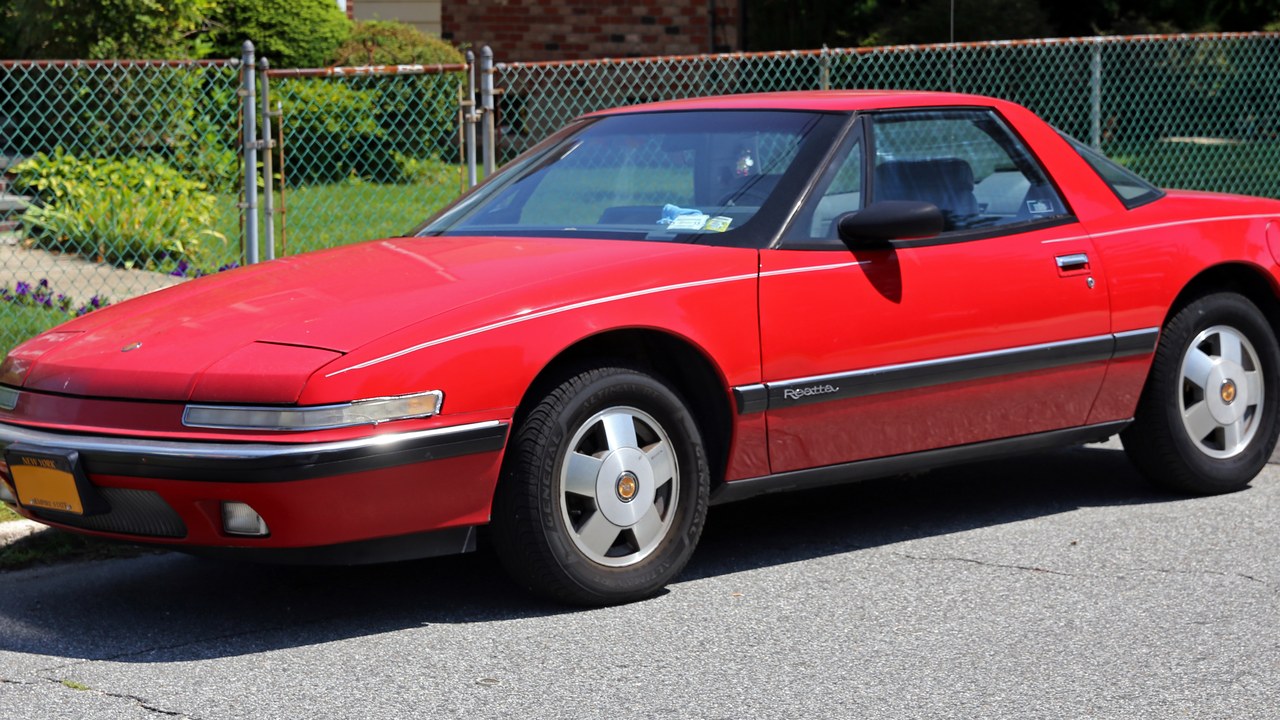
The Buick Reatta carried hidden headlamps from 1988 through 1991, according to a Wikipedia hidden headlamps list. It brought the concealed-lamp idea to a compact two-seat coupe late in the era.
The listed span is short compared with the others, and the source offers no further detail on the design. It still marks a late example, showing the concealed-lamp idea persisting into the final years before the car ended. Readers curious about the details can follow the link to see the full list and how the other models compare.
More from Morning Overview
- Doctors warn a silent liver disease now affects one in three American adults
- Common allergy, bladder and sleep pills tied to sharply higher dementia odds
- The second-largest U.S. reservoir just fell to its lowest level ever recorded
- Security experts still urge phone owners to switch off one location-tracking setting
