
Most convertibles leave the roof behind, but a handful of cars fold it away entirely, and a few merely lift a panel out. This list follows that idea from a 1957 Ford to Porsche’s modern Targa. Ten cars show how differently engineers tackled the same problem.
1. Ford Fairlane 500 Skyliner: Flip-Top Showpiece
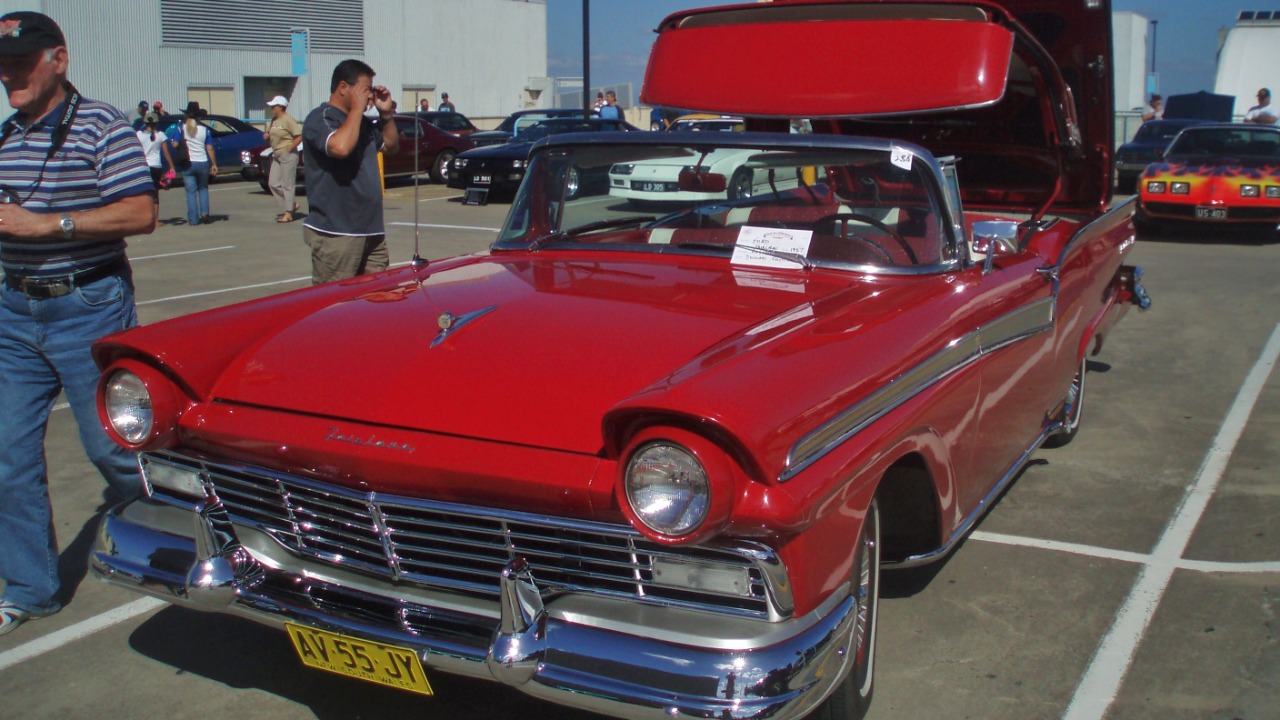
Ford’s retractable-hardtop Skyliner sold 20,766 units for 1957, then 14,713 for 1958 and 12,915 for 1959, according to Old Cars Weekly’s retrospective.
The slide from five-figure sales to roughly thirteen thousand within two years shows how quickly the novelty cooled, even as the mechanism itself stayed remarkable for its era. Those three model-year totals give a simple measure of how a costly, complicated roof fared against ordinary buyers, and they make the Skyliner a useful starting point for everything that follows on this list.
2. Mercedes-Benz SLK: Glass Roof Pioneer
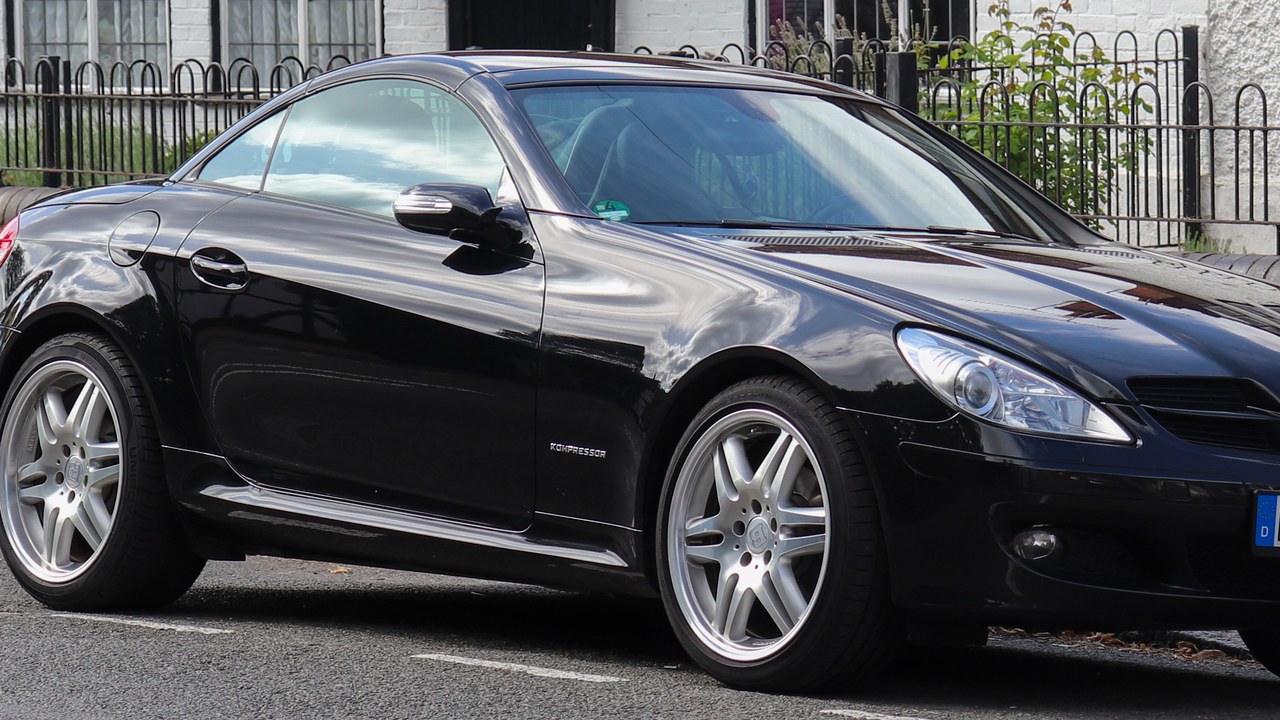
The folding metal roof on the 1996 Mercedes-Benz SLK included a glass section that rotates as the roof retracts, as this retractable hardtop overview describes.
Folding the roof away gave a coupe’s quiet cabin and a roadster’s open sky in one car, an idea that later rivals copied. The point here is the engineering detail itself, a roof built from rigid panels that still packs away, which is the core idea shared by every retractable hardtop that appears in the entries ahead.
3. Volkswagen Eos: Five-Piece Roof
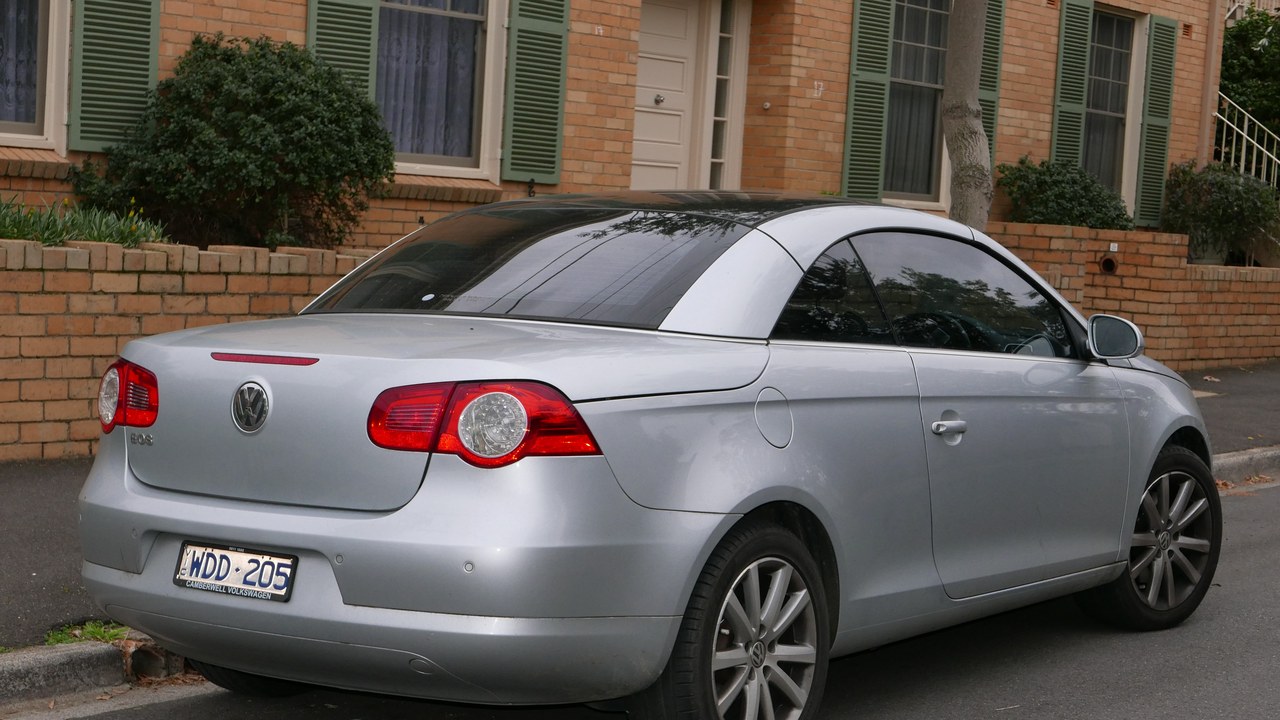
The 2007 Volkswagen Eos used a five-segment retractable roof in which one section is an independently sliding transparent sunroof, per the same hardtop overview.
Buyers got coupe security with a convertible’s open-air option in one package, though a multi-piece roof like this needs space to stow, so the arrangement is a trade rather than a free upgrade. The independently sliding transparent section means the car offers a sunroof option even with the full roof closed, a feature that separates it from simpler folding designs and keeps it interesting among its peers.
4. Chevrolet SSR: Pickup With a Folding Lid

The 2004 Chevrolet SSR was a pickup truck with a retractable hardtop engineered by ASC, as that hardtop overview notes.
Pairing that mechanism with a retro pickup shape made the truck an unusual blend of cargo bed, open-air cruising and showroom curiosity, and it remains a distinctive example of the hardtop idea outside sedans. That gives readers a clear case where the same roof-vanishing trick was applied to a body style few people associate with it, which is exactly why the truck earns a place on this list of ten.
5. Mazda MX-5: Plastic Roof, Extra Weight
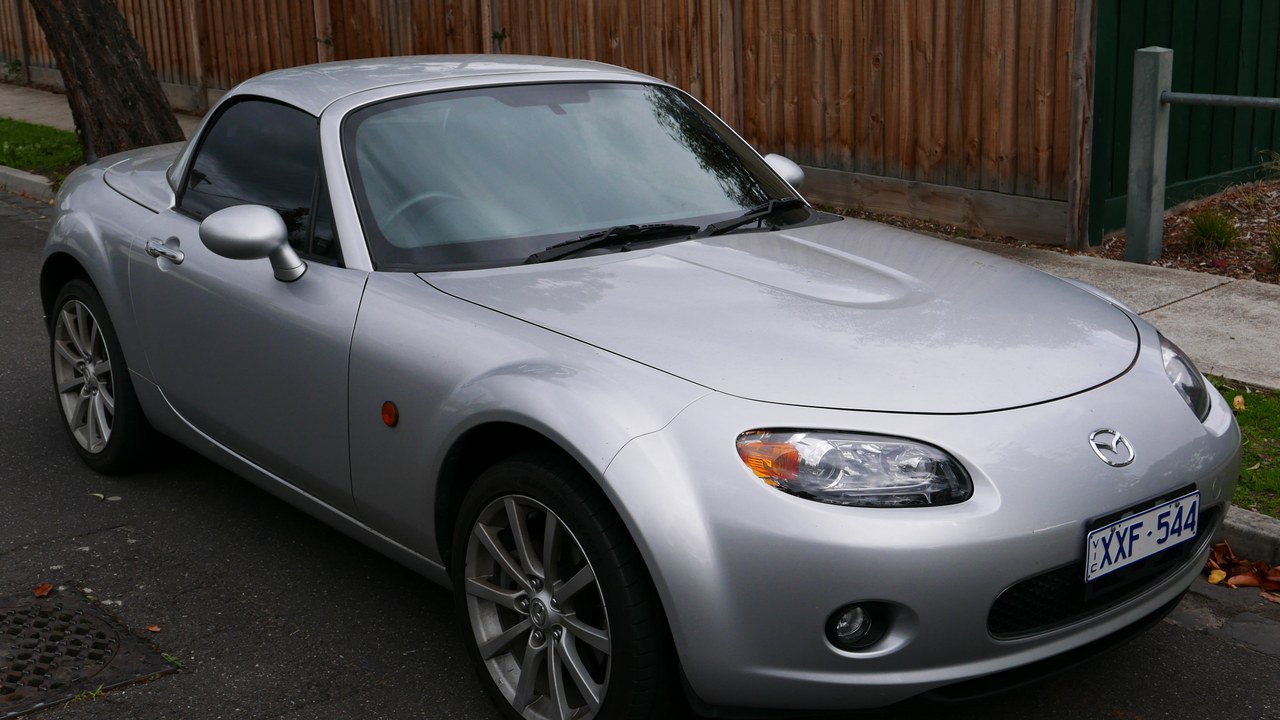
The 2007 MX-5 carried a polycarbonate retractable hardtop, built by Webasto, that weighed 77 lb (35 kg) more than the soft top, according to the hardtop overview.
The extra mass is the trade the hardtop asked of drivers who wanted weather protection, a figure worth weighing for a car prized for lightness, though the payoff says nothing about handling or sales. Readers comparing roofs can treat that figure as the cost of the feature, a modest but real amount, and a reminder that every convenience on a sports car arrives with a price somewhere else.
6. Chevrolet Corvette: Lift-Out Panel Tradition
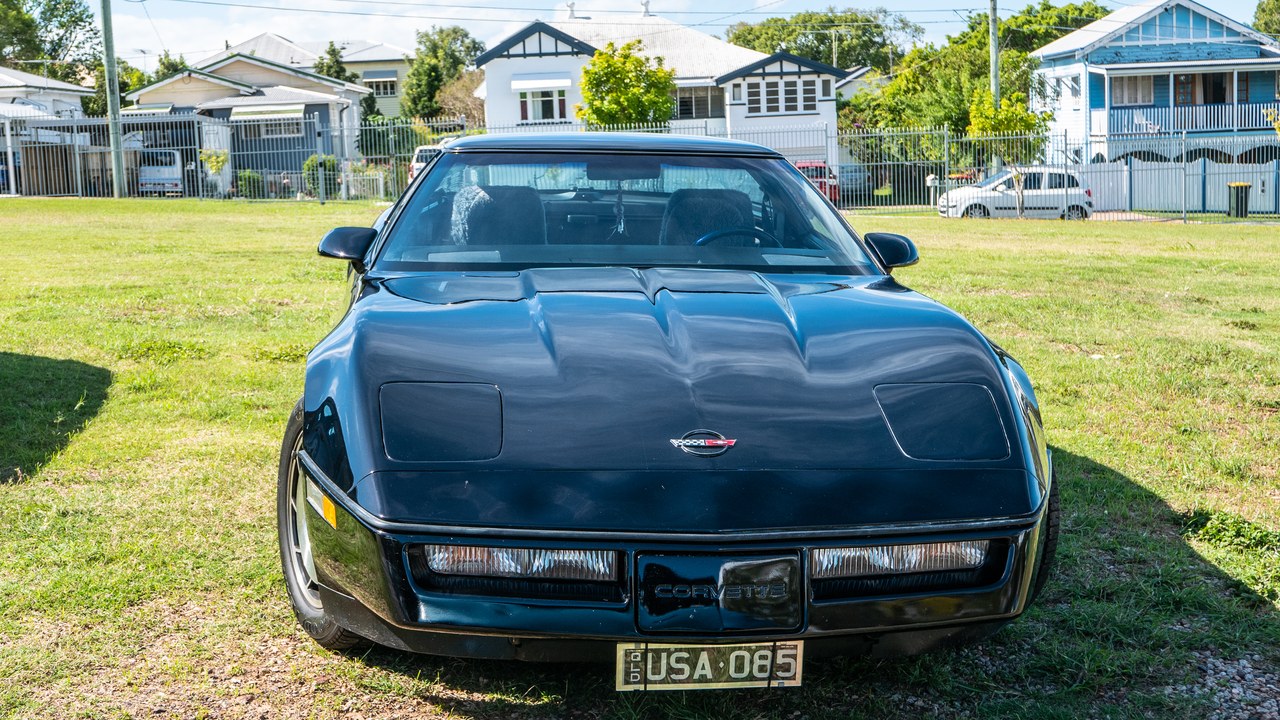
The Chevrolet Corvette coupe has carried a lift-out targa roof panel from 1984 to the current car, as this targa top entry records.
Strictly speaking a targa panel lifts out by hand rather than vanishing into the body, so this entry stretches the premise, yet it explains the open-roof coupe formula that the Corvette carried for decades. It remains a useful bridge between true retractable roofs and simpler open-top designs, and it shows how long one coupe nameplate has stayed tied to the idea of sky overhead.
7. Honda CR-X del Sol: Sun-Roof Surprise
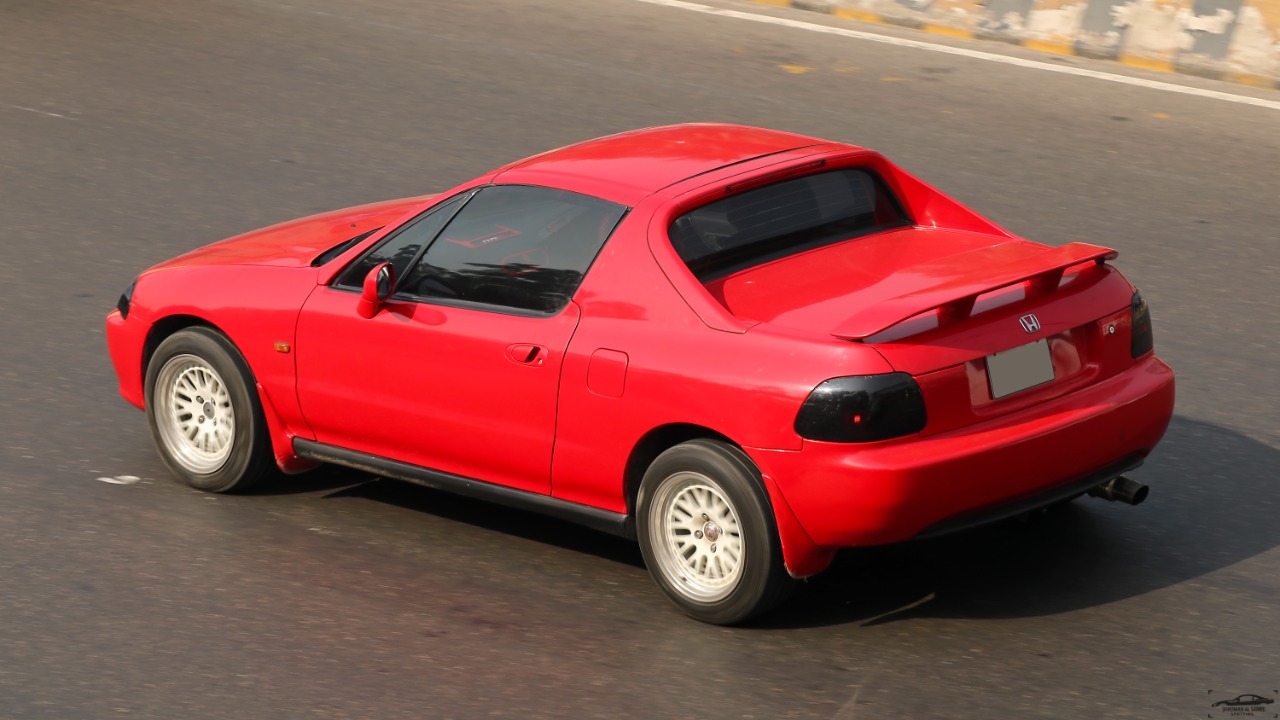
The Honda CR-X del Sol is listed among the production cars built with a lift-out targa top, according to the targa top entry.
That listing places the small Honda in the same family of open-top coupes as the Corvette, though a manual lift-out panel differs from a roof that stows itself into the body at the touch of a switch. Including it keeps the list honest about the range of roof types, since the lift-out panel is a different solution from the folding hardtops, and the entry says no more than that about the car.
8. Porsche 911 Targa: The Original Roll-Bar Cabriolet
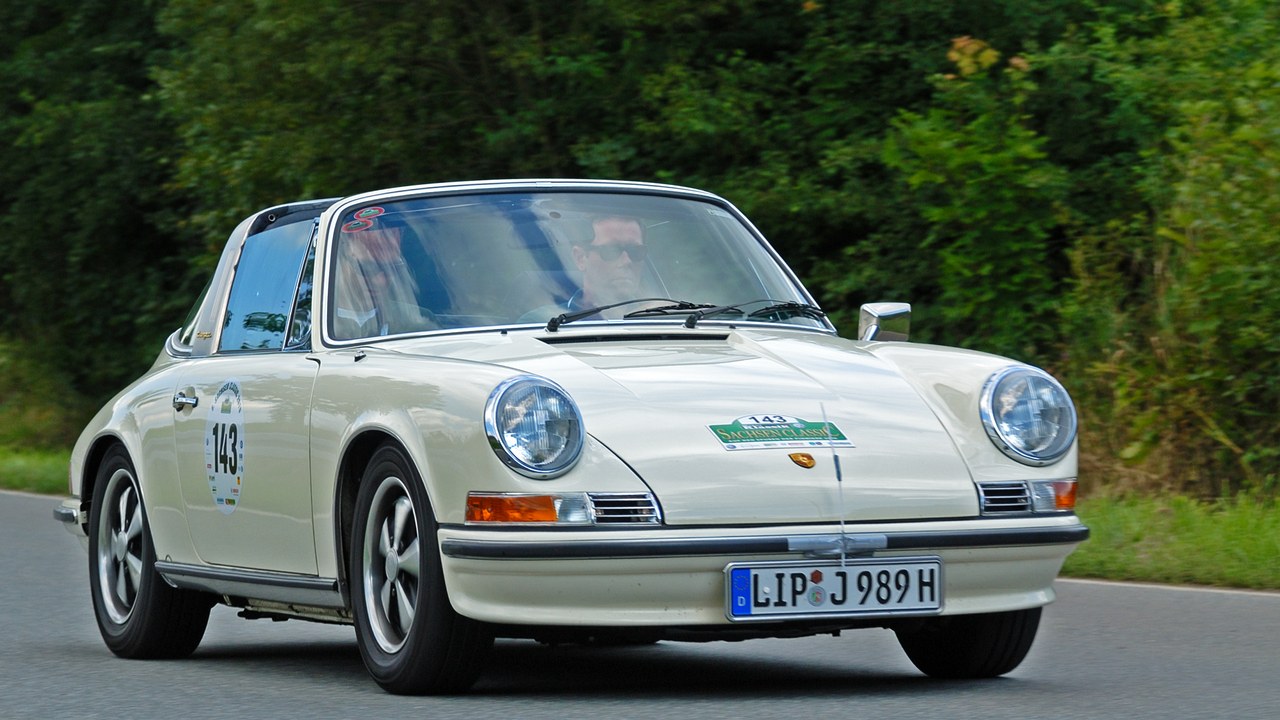
Launched in September 1965 with a removable folding roof and a fold-down plastic rear window, it was the first safety cabriolet in the world with a fixed roll bar, and 87,663 Targas were built across the first three 911 generations, per Porsche’s generations history.
The fixed roll bar was the selling point that turned a safety worry into a signature look, and it defined the Targa name for decades, even though this early roof still had to be removed by hand and stored.
9. Porsche 911 Targa (993): Glass Roof Replaces the Bar
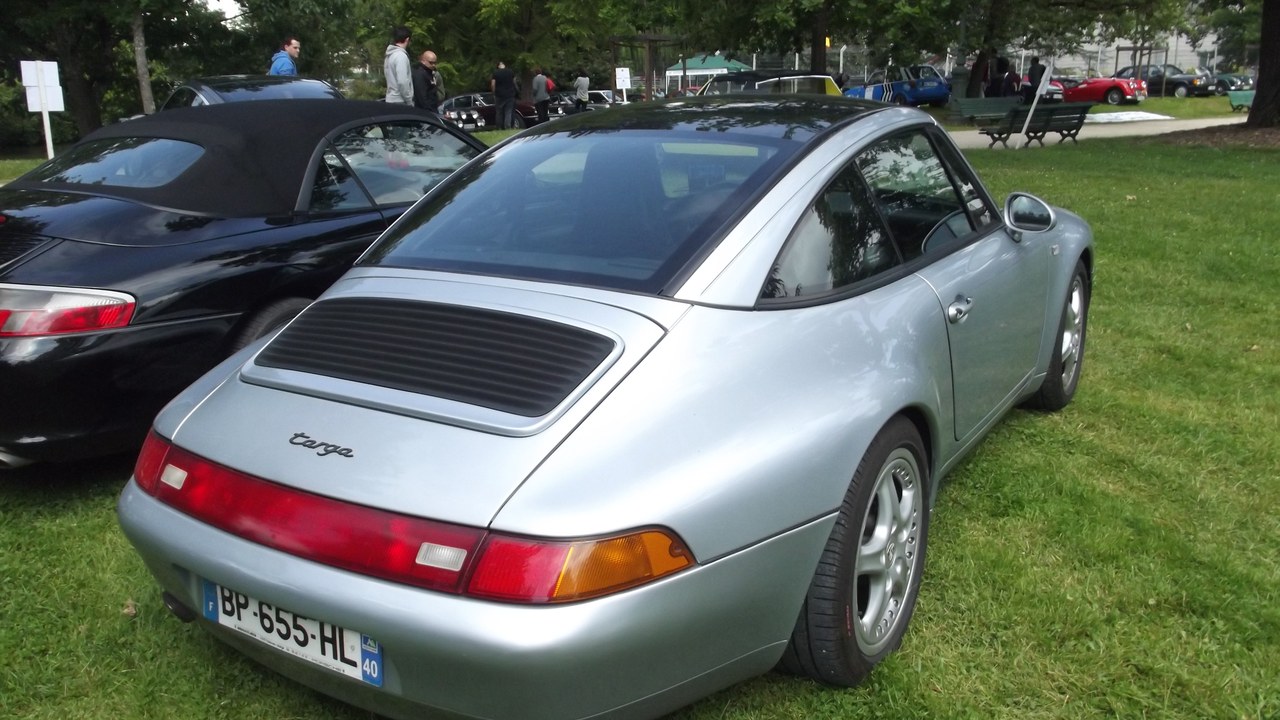
From November 1995 the Targa dropped the roll bar for an electrically operated glass roof that retracted behind the rear window at the push of a button, according to Porsche’s newsroom history.
Replacing the bar with a retracting glass roof moved the Targa much closer to the premise of a roof disappearing into the car, and it showed the model could change shape while keeping its name and its purpose. Pressing a button to remove the roof was a clear break from the earlier arrangement.
10. Porsche 911 Targa (991): The Wide Bar Returns
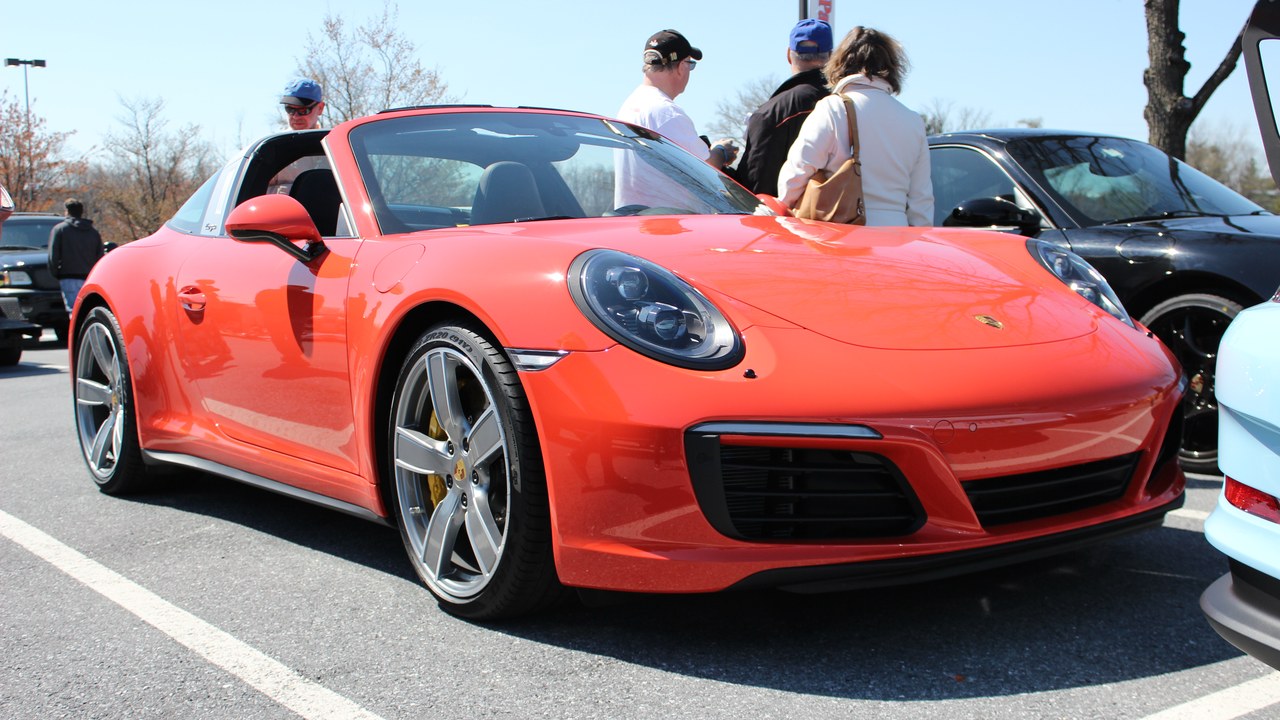
Presented in January 2014, the 991 Targa brought back the characteristic wide bar in place of B-pillars, with a roof that opens and closes at the push of a button, as Porsche’s newsroom feature explains.
The wide bar gave the modern Targa a visible link to the original, while the powered roof kept the convenience of the previous generation, so the car blended heritage styling with a button-operated mechanism. That return to a bar-and-roof layout gave the model a clear look.
More from Morning Overview
- NTSB report details how a family of four died when their plane’s nose suddenly pitched up
- Doctors warn a silent liver disease now affects one in three American adults
- Common allergy, bladder and sleep pills tied to sharply higher dementia odds
- The second-largest U.S. reservoir just fell to its lowest level ever recorded
