
Engine trouble ends more ownership stories than almost any other fault, and the cheapest repairs on this list still cost hundreds while the worst reach five figures. The entries below draw on owner-submitted complaint data covering mileage and repair costs for each model. Here are twelve cars where owner reports point to a dead engine as the defining complaint.
1. 2016 Kia Sorento: The $7,300 Engine Bill

Engine failure is the worst-rated problem for the Sorento, according to owner complaint reports filed by owners. The average repair cost reaches $7,300, and it arrives at about 94,000 miles, a point when many of these SUVs are still carrying a loan or a fresh warranty expiry.
Anyone shopping for a used example should ask for full service records and proof of any engine replacement. A repair bill of that size can erase most of the savings from buying a cheaper used crossover, so the figure belongs in the price negotiation.
2. 2011 Kia Optima: Another Kia, Same Failure
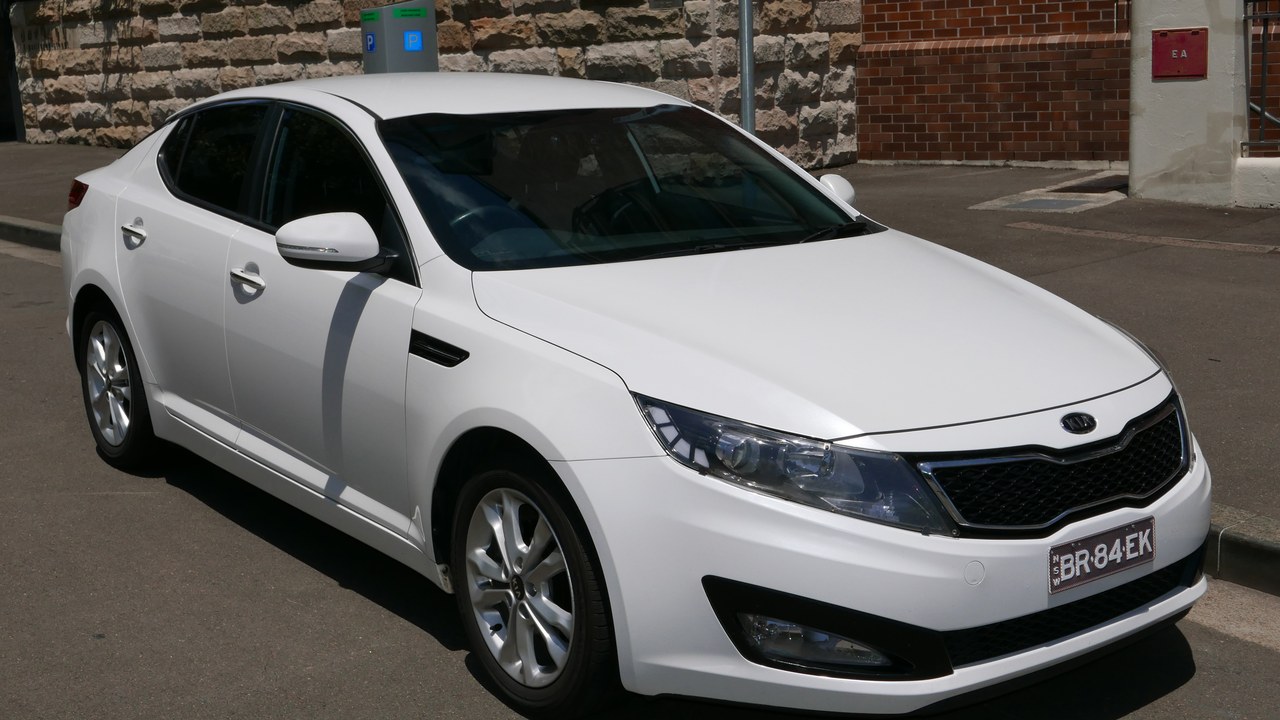
Engine failure turns up again on the Optima, with owner-reported repair costs showing an average repair of $4,600 at roughly 103,000 miles. The mileage is a little higher than the Sorento’s, yet the cause of the complaint is identical.
The pattern suggests that these Kia engines deserve a close look before purchase, particularly regarding oil consumption history and maintenance gaps. A pre-purchase inspection costs a small fraction of a four-thousand-dollar repair and can reveal warning signs early.
3. 2011 Hyundai Sonata: Simply Seized
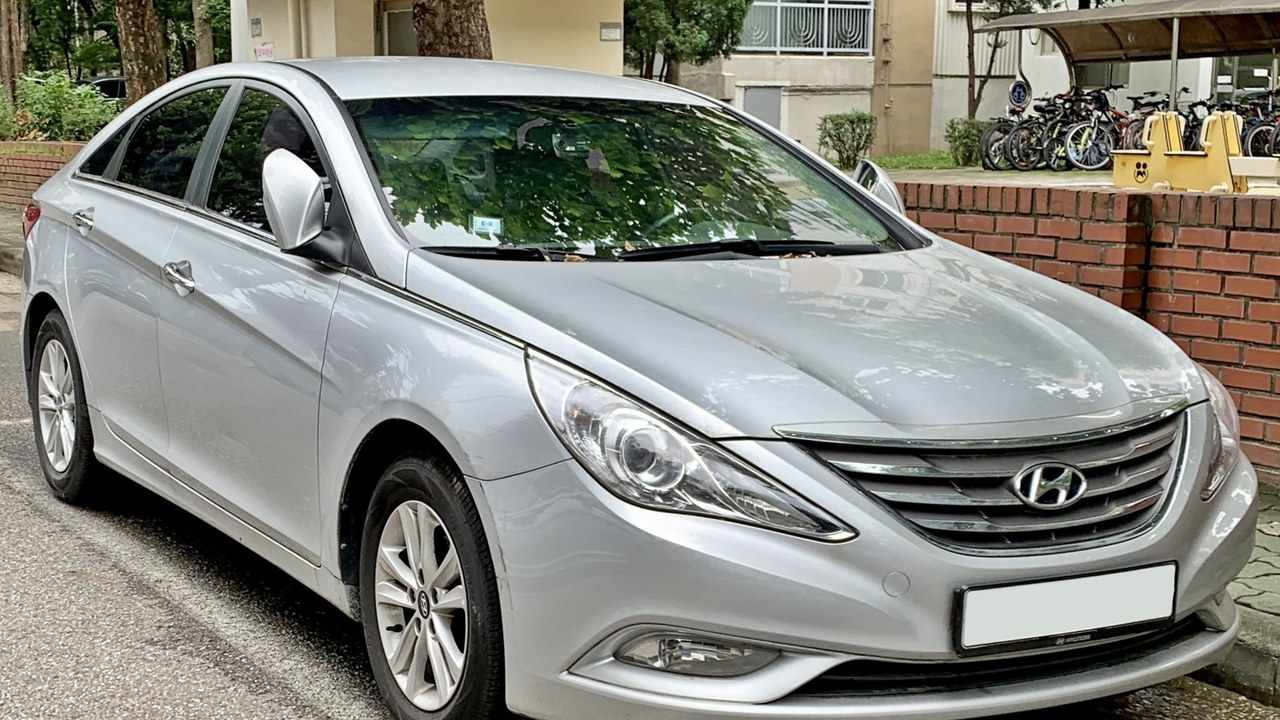
The top complaint for the Sonata is plain and blunt: owners listing engine seizure cite an engine that seized outright. Repairs average $5,100 and typically come around 96,000 miles, which puts the failure after most warranty coverage has ended.
Owners of this generation should treat oil level checks and regular changes as non-negotiable. Buyers should ask whether the engine was ever replaced and keep in mind that a seizure is rarely cheap, since the average bill exceeds many used cars’ entire value.
4. 2012 BMW 750: The $15,000 Seizure
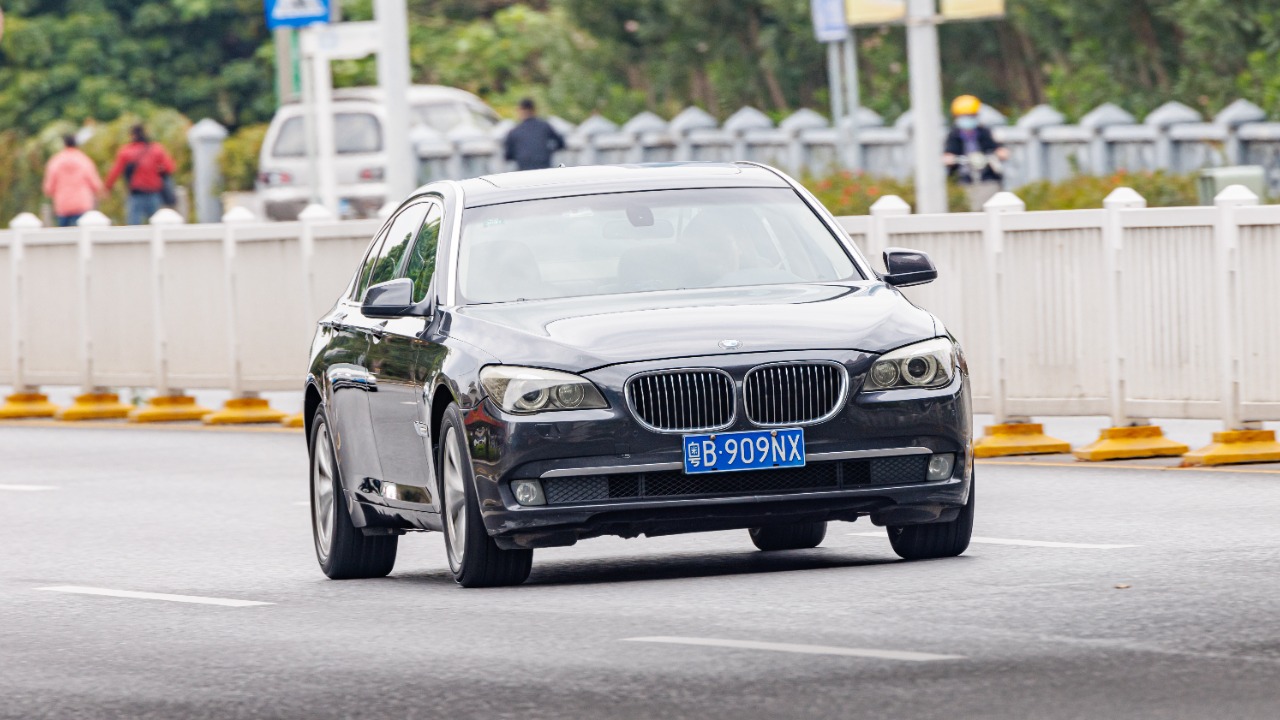
A seized engine is the most serious reported fault on the 7 Series, and BMW owner complaint data put the average bill at $15,000. The failure shows up near 89,000 miles, a point at which flagship sedans of this age often sell at steep discounts.
A cheap used luxury sedan can hide an expensive trap. The repair figure alone may exceed the car’s market value, so a buyer needs a specialist inspection, a documented maintenance history and a cash reserve before taking on an example of this age.
5. 2002 Jeep Liberty: Early Liberty Engine Trouble
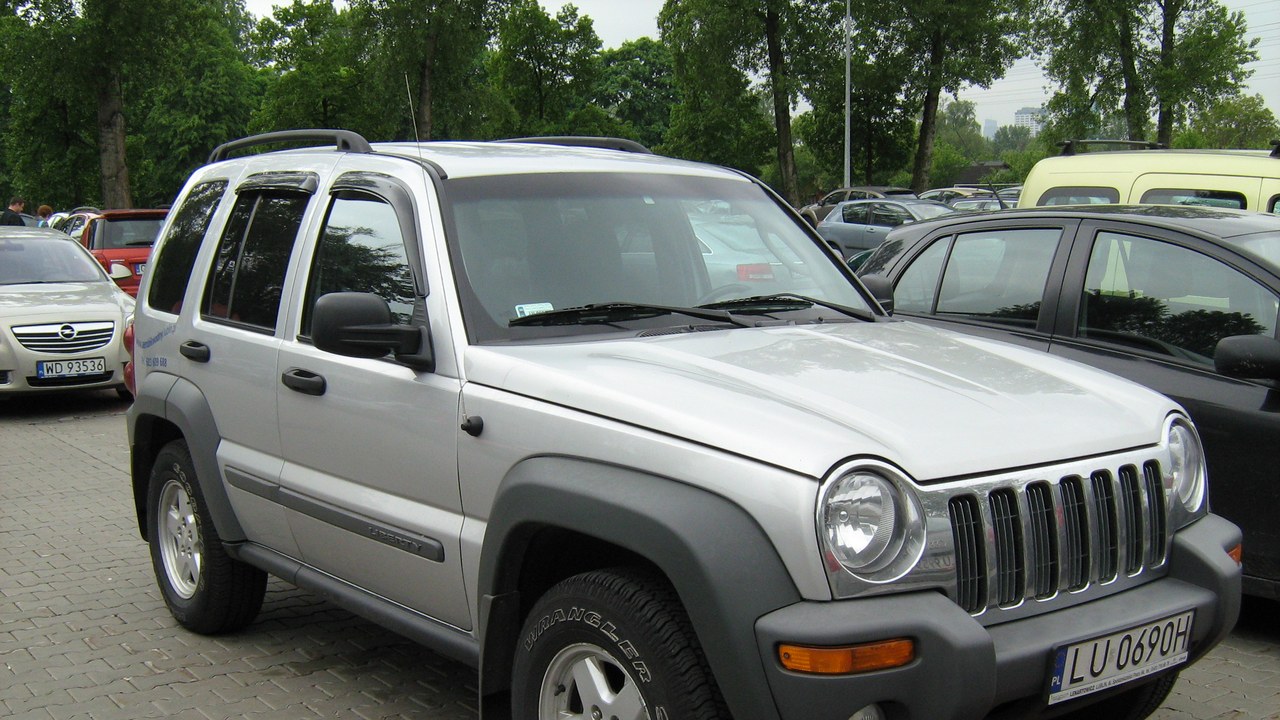
Engine failure tops the complaint list for the first-generation Liberty, and Jeep Liberty complaint pages report an average cost of $3,400. The failure tends to arrive around 130,000 miles, which is later than most entries here.
The longer mileage makes this one more forgivable than the others, though the repair can still cost more than a high-mileage SUV is worth. Buyers should check for leaks and ask about maintenance habits before paying anything near the asking price.
6. 1999 Dodge Intrepid: Sludge Takes the Intrepid
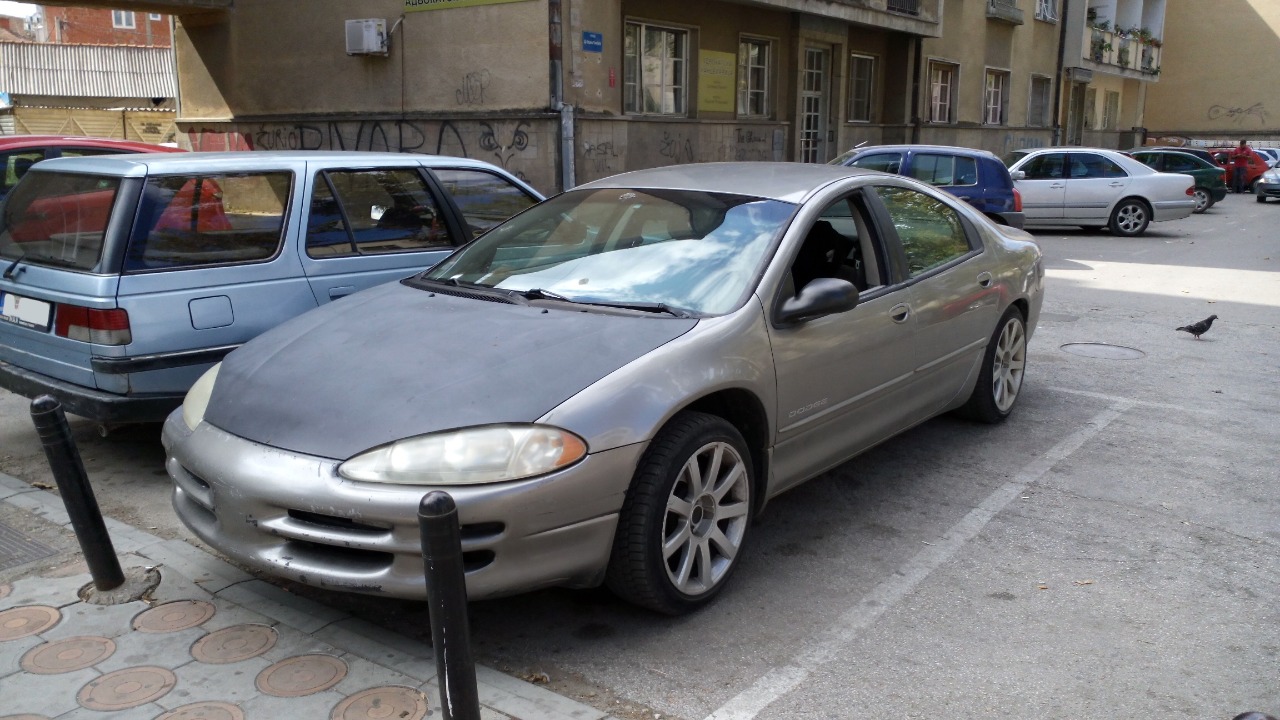
The Intrepid’s recurring complaint is owner reports of sludge described as oil sludge resulting in engine failure. Repairs average $4,300 at around 87,000 miles, an early death for an engine in a family sedan.
Sludge points to oil that was left too long or never changed on schedule, so the history of previous owners matters a great deal. A car lacking receipts for regular oil changes should be viewed as a gamble, and its price should reflect that risk.
7. 2002 Chrysler Sebring: The Sebring Sludge Problem
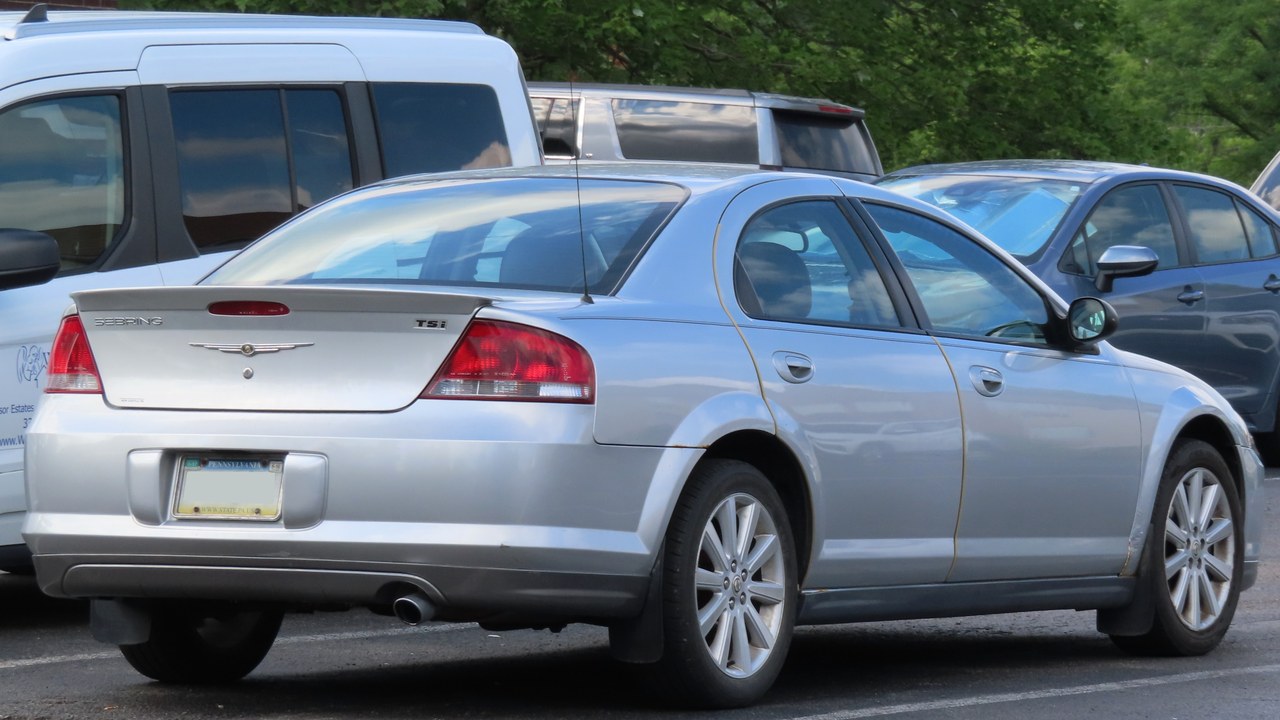
The Sebring shows the same sludge-to-engine-failure pattern, and Sebring engine complaints put the average repair at $4,000 near 94,000 miles. The similarity to the Intrepid suggests a shared weakness in how these engines handle aging oil.
Used buyers should look inside the oil filler cap for sludge and request proof of regular changes. A budget convertible or sedan from this era can turn expensive quickly if its previous owners skipped the basics of maintenance.
8. 2002 Volkswagen Passat: Passat and the Sludge Trap
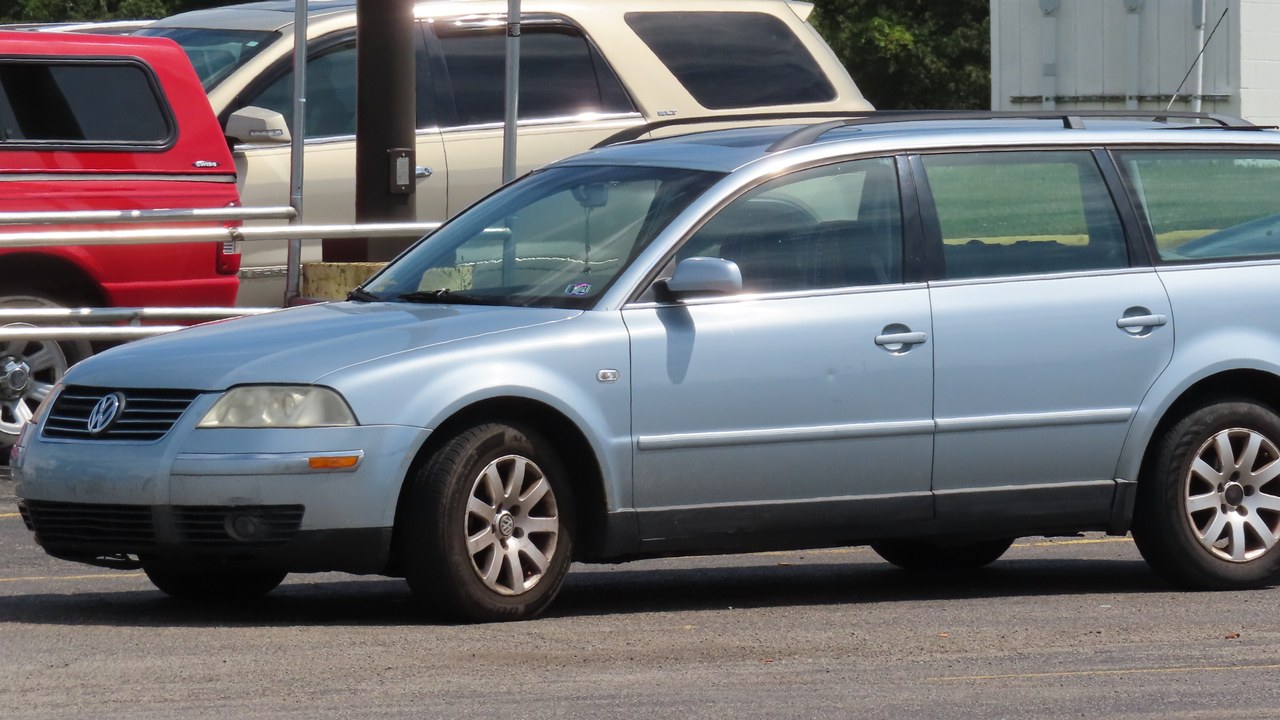
Sludge strikes the Passat as well, with Passat owner reports describing oil sludge resulting in engine failure. The average repair comes to $2,800 at around 92,000 miles, the lowest cost among the sludge cases on this list.
The cheaper repair does not make the problem harmless, since a used Passat rarely sells for much more than that figure. Regular oil changes with the correct specification remain the main defence, and a clean service history should come before any test drive.
9. 2019 Jeep Cherokee: Dying at 17,000 Miles
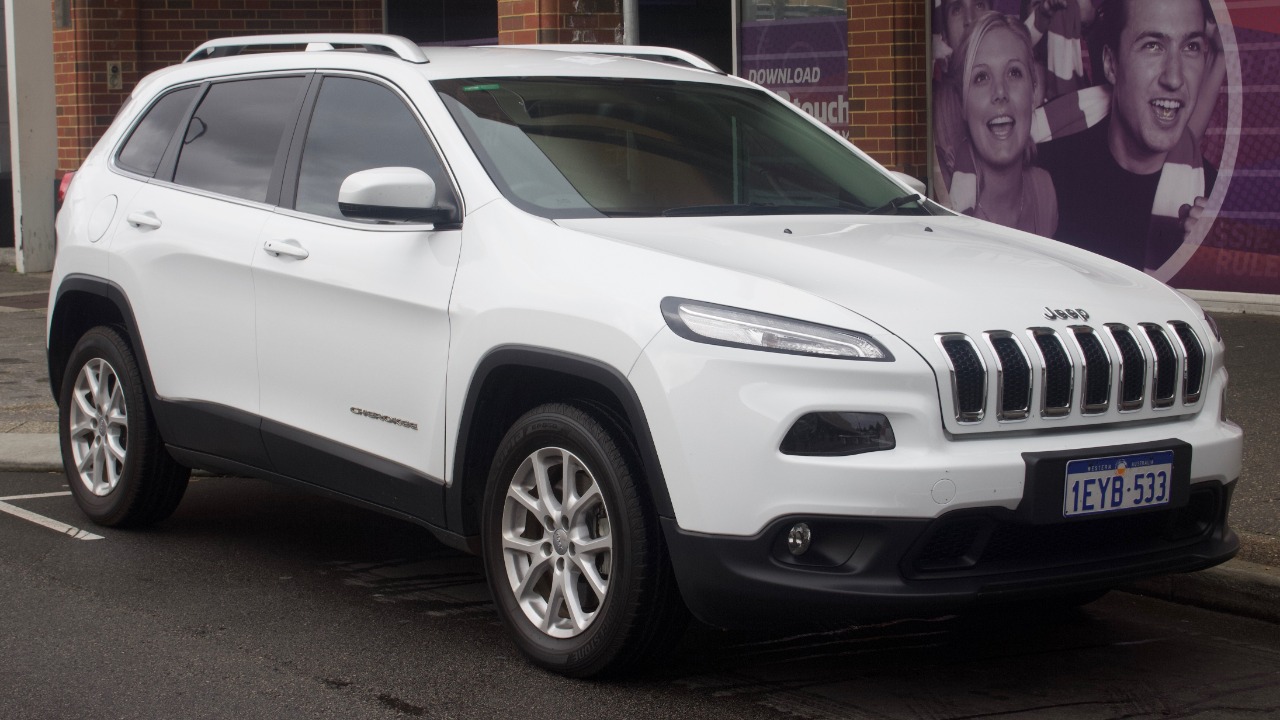
The Cherokee stands apart because of how early it fails. Engine shut down is the worst-rated Jeep problem of all, and Jeep complaint listings show a $6,000 average repair at only 17,000 miles.
Failures that early land inside the factory warranty, so owners should document every incident and report it quickly. A buyer of a nearly new example should confirm that any engine work was completed and that coverage remains in force.
10. 2017 Chevrolet Cruze: A Cracked Piston at 33,000
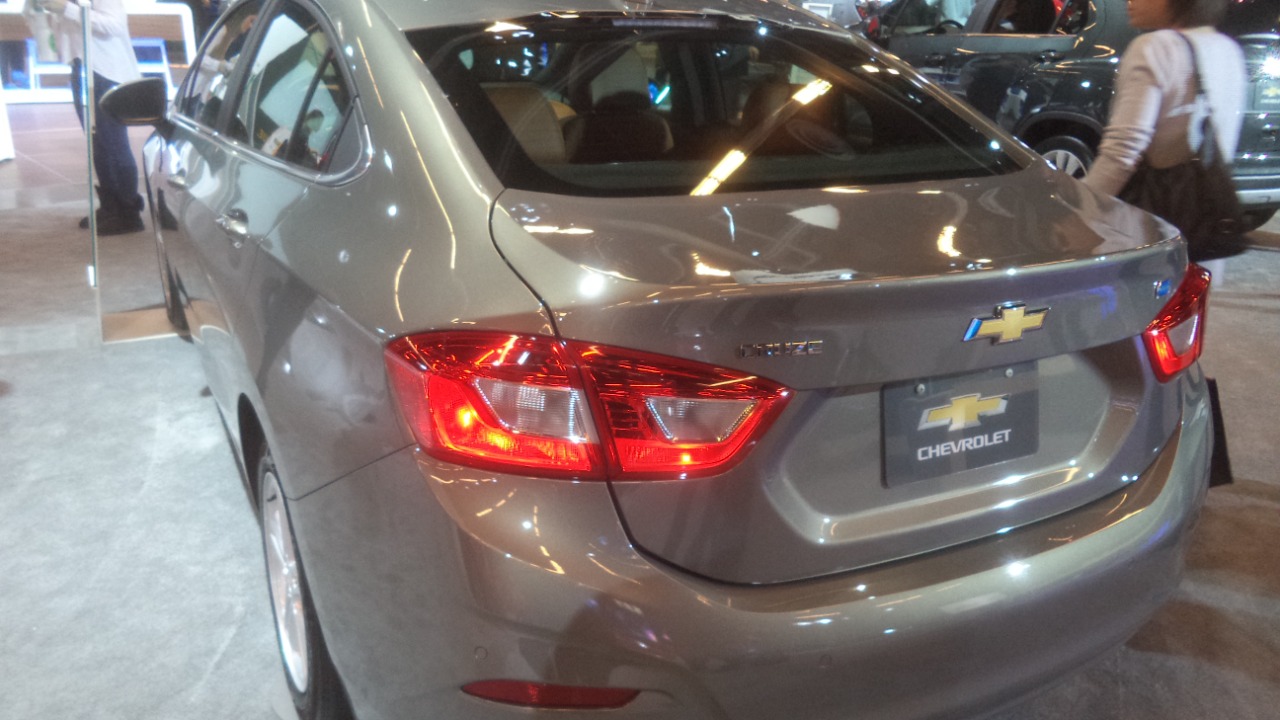
A cracked piston is the worst-rated fault on the Cruze, and Cruze owner reports give an average cost of $2,700 at 33,000 miles. That mileage is remarkably low for a mechanical failure of this kind.
Because the failure arrives so early, warranty coverage often applies. Buyers of a used Cruze should check for open engine repairs, confirm that the work was done under warranty and ask the seller for paperwork proving it.
11. 2015 Chrysler 200: The Stall That Strikes While Driving
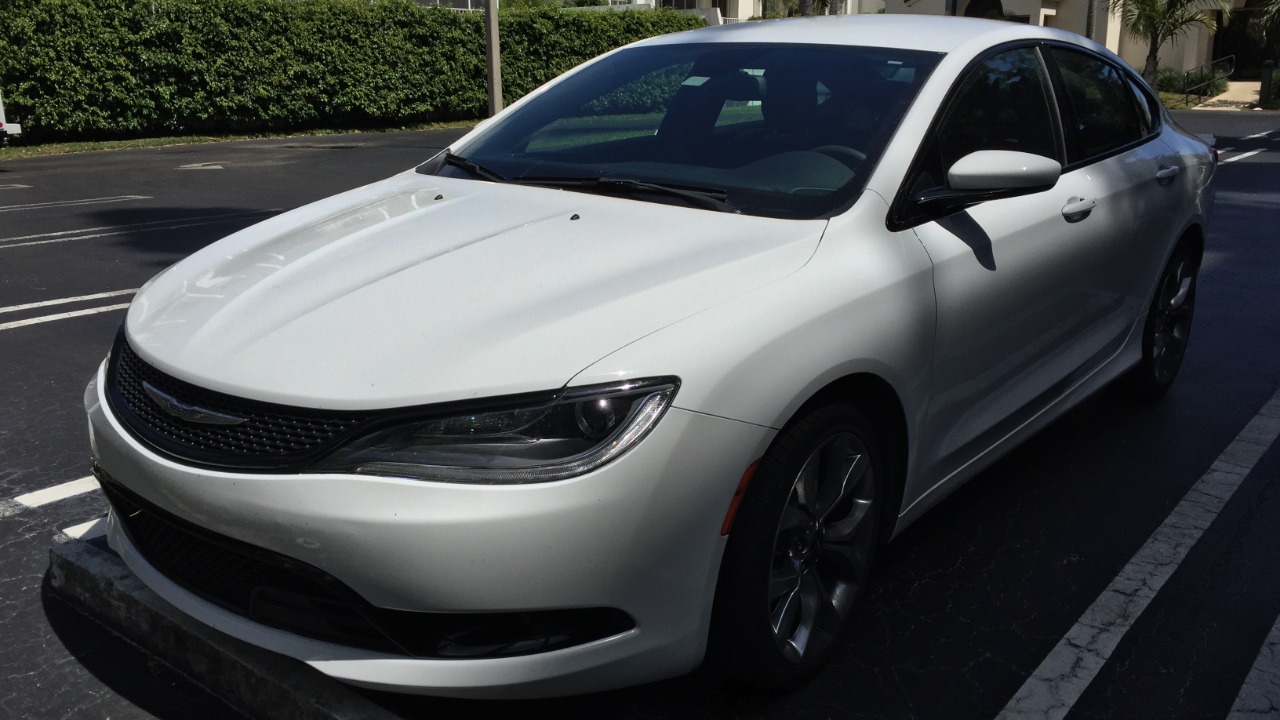
Engine stalling or shutting off while driving is the leading complaint for the 200, and 200 owner complaints list an average repair of $1,100 at about 35,000 miles. The cost is modest, yet the failure happens in traffic.
A stall at speed removes power assistance and creates a real safety concern. Owners who notice hesitation should seek a diagnosis right away, and buyers should test the car on varied roads before agreeing to a purchase.
12. 2009 Dodge Journey: The $600 Won’t-Start
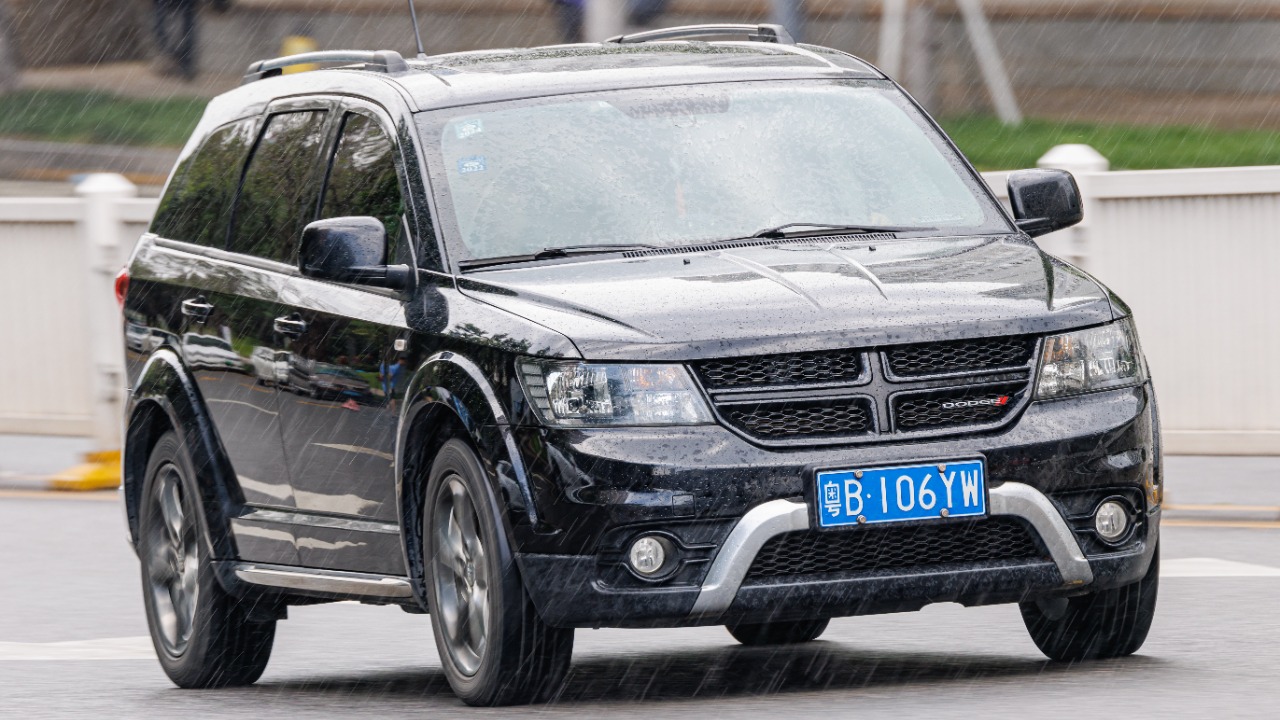
The bottom of the price range belongs to the Journey, where Journey no-start reports describe an engine that will not turn over or start. The average repair is only $600 at 61,000 miles, far below the other cars here.
A no-start can stem from a modest part, so the fix may be cheap, but the failure still strands the driver. Buyers should confirm that starting is reliable in all conditions, including cold mornings, before signing for a used example.
More from Morning Overview
- Tropical Storm Rachel is dumping up to 12 inches on four Mexican states on its way to major hurricane strength
- The NSA is again telling phone owners to switch off one location setting
- Card skimmers hidden on gas pumps and ATMs are draining accounts, and here’s the tell
- Hurricane Hunter radar shows four warning signs that a tropical cyclone is about to strengthen, a University of Miami study found
