
Station wagons once dominated American driveways, and a few are still on sale today. This gallery follows the body style from the chrome-and-wood family haulers of the 1950s to the performance and luxury models of 2026. The ten entries below end with a Volvo that is leaving the US market.
1. Chevrolet Nomad: Sportier Sibling
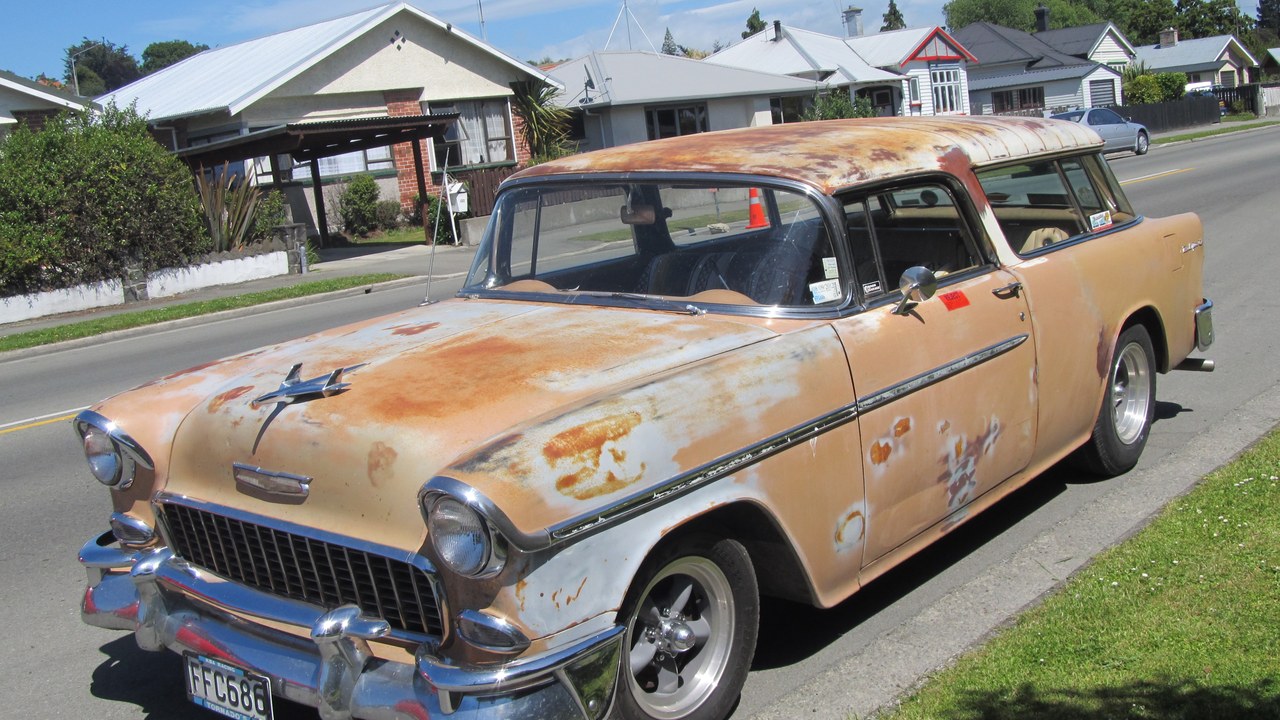
General Motors added the sportier Chevrolet Nomad alongside the Pontiac Safari to its wagon lineup in 1955, as described in this overview of station wagons.
That pairing shows a carmaker giving the family hauler a style-led variant rather than a single plain body. The Nomad entry also opens this list at the earliest point named in the headline, with nearly every later wagon measured against that 1950s starting point. Readers comparing later entries can treat this one as the baseline for how wagon design began to chase personality.
2. Ford Country Squire: Woody Name
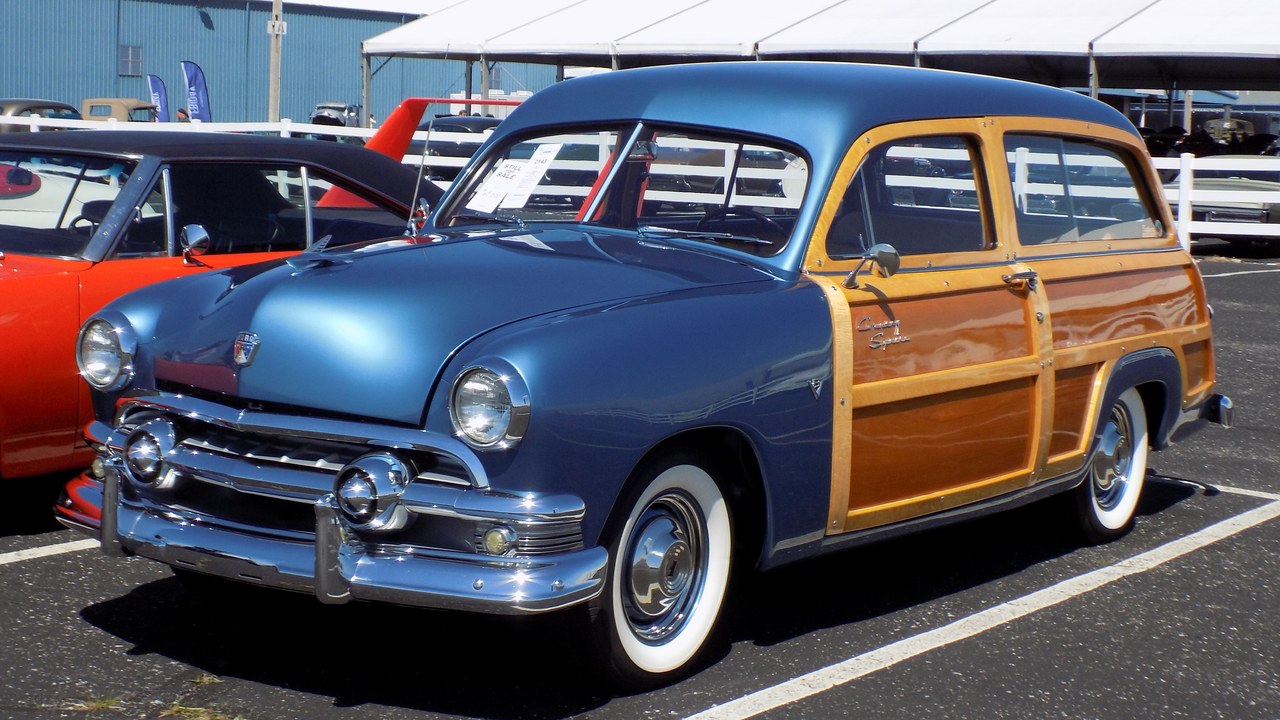
Ford began using the Country Squire name for its station wagon body with the 1950 model year, according to a station wagon history.
Using one nameplate for a wagon body gave buyers a recognizable label for a practical family car. The entry supports only the start of the badge in 1950, so how long the name lasted or how the design changed afterward belongs to separate sources. Readers can treat it as an early marker of how American wagons gained distinct names, not just body codes.
3. Oldsmobile Vista Cruiser: Raised Roof
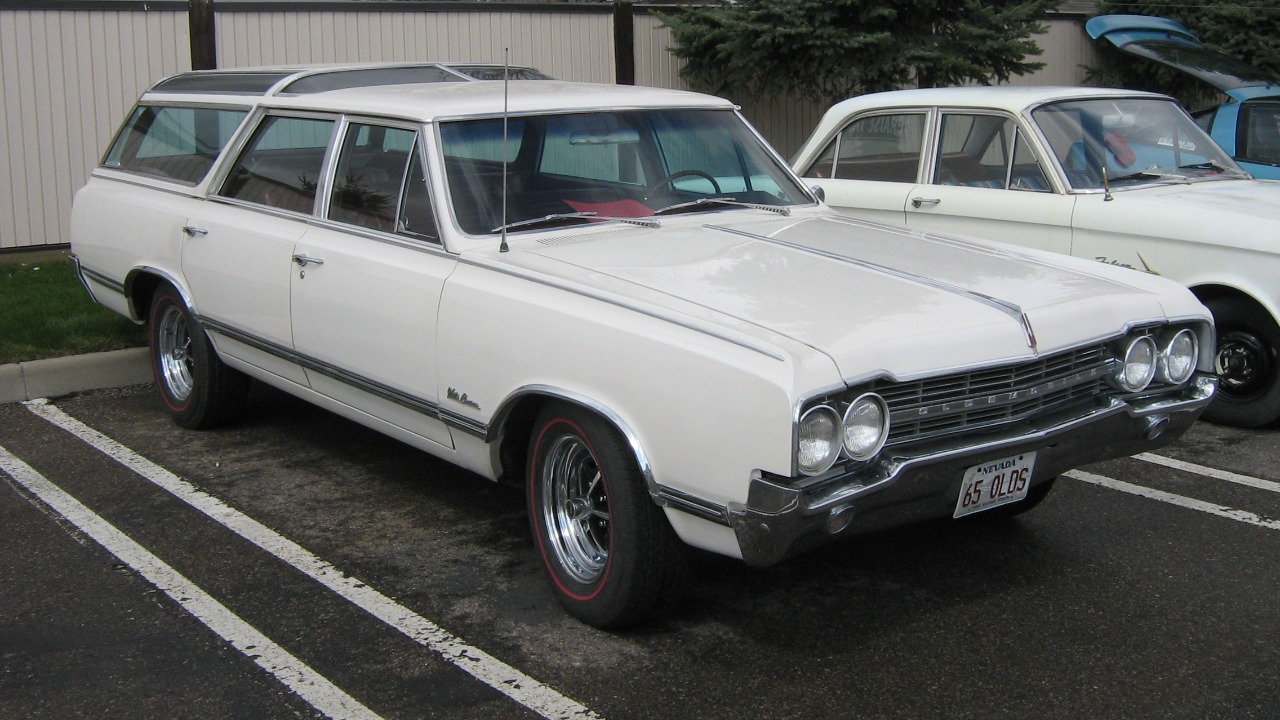
The 1964-1972 Oldsmobile Vista Cruiser featured a raised roof line beginning above the second-row seat, a feature noted in the station wagon article.
That stepped roof gave rear passengers extra headroom and a more open view than a flat-roofed wagon offered. The detail is a styling and packaging choice rather than a performance claim, and it identifies the model across its roughly eight-year production run. Readers looking for a distinctive roofline among the older entries will find it here, a clear visual difference.
4. Buick Roadmaster: Last Big Wagon
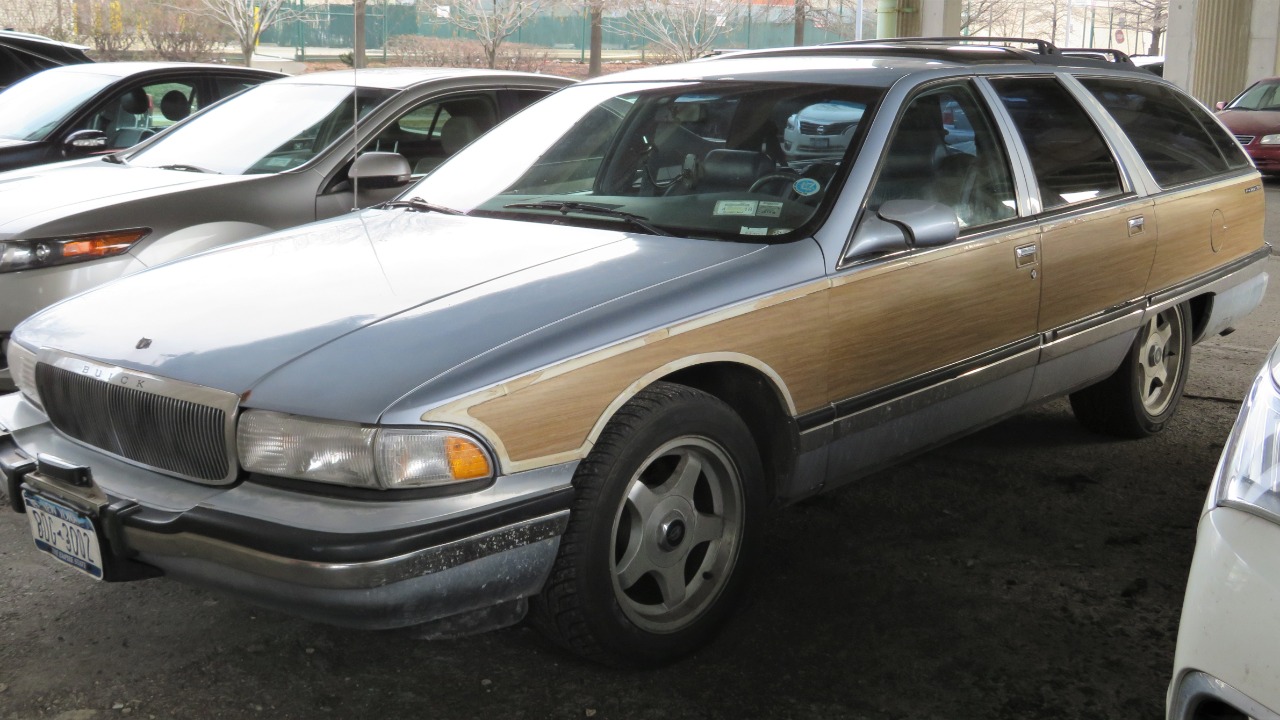
The Buick Roadmaster and Chevrolet Caprice, the last American full-size wagons, were discontinued in 1996, per the station wagon overview.
Their exit closed a long chapter for large domestic wagons, since no American maker kept a full-size version afterward. The source treats the two models together, so the date describes the end of that whole category rather than a Buick-only milestone. Readers tracing the decline of the big American wagon can treat that year as the clearest endpoint in this gallery.
5. Audi A6 Allroad: Long-Roof Luxury
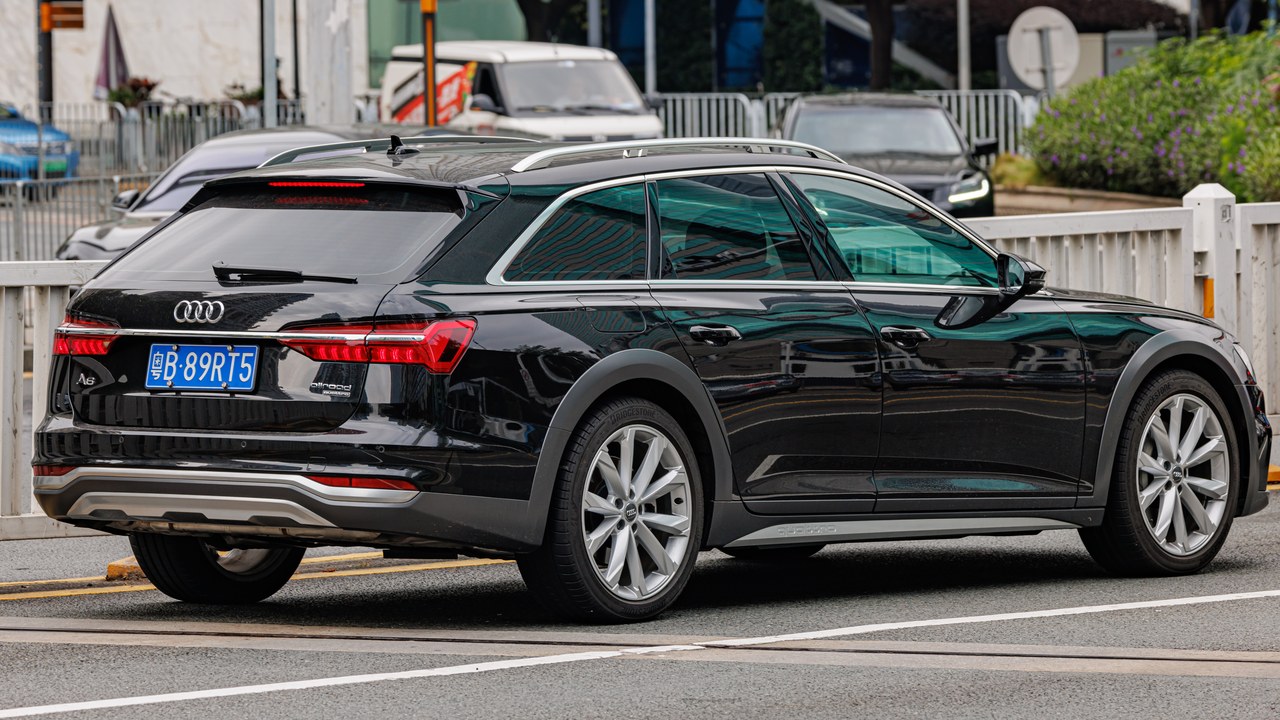
Audi sells the A6 Allroad new in America for 2026 at $73,100, and Autoblog’s 2026 wagon roundup describe it as essentially a long-roof A6 with extra ride height and standard Quattro all-wheel drive.
That recipe keeps the wagon shape but adds some of the stance buyers associate with crossovers. The price is the figure listed for 2026, so trim, options and fees would change what an actual buyer pays. Readers weighing it against the other imports will find it positioned as the more restrained, all-weather choice.
6. BMW M5 Touring: Wagon With Muscle
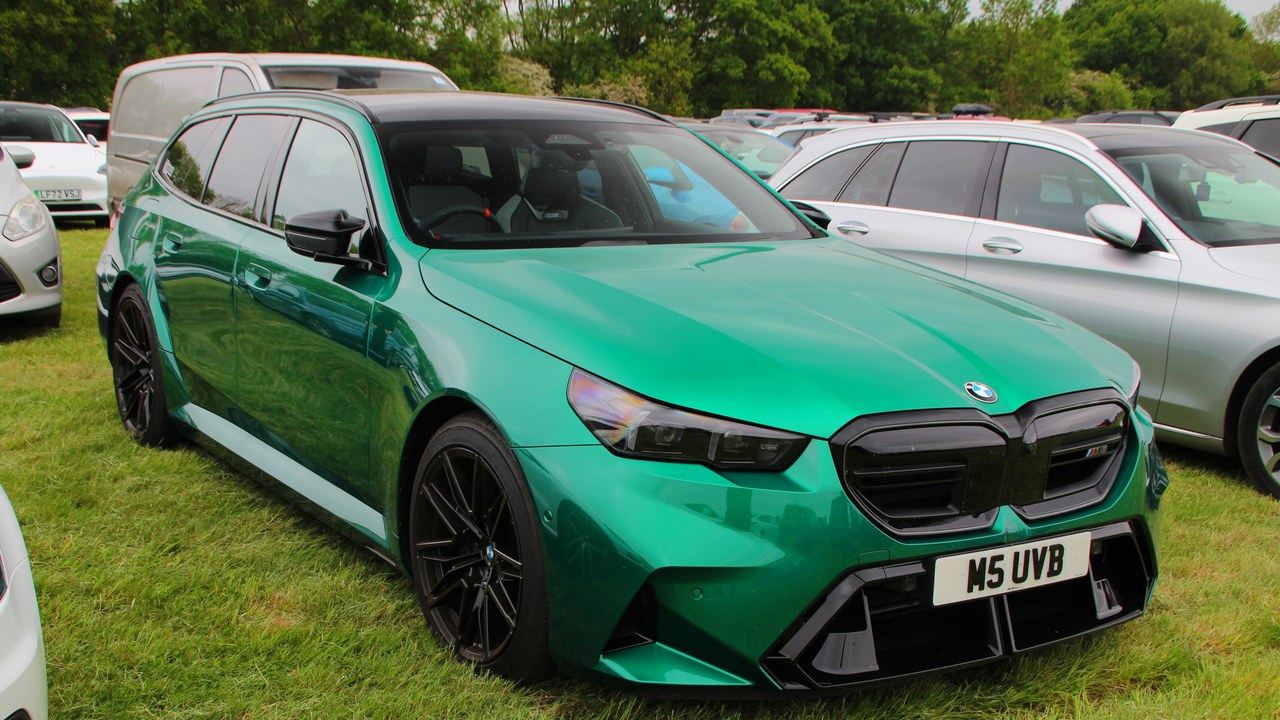
At $125,300 for 2026, the BMW M5 Touring pairs a twin-turbocharged 4.4-litre V8 with a plug-in hybrid system for over 700 horsepower and a mid-three-second 0-60, according to Autoblog’s wagon guide.
The combination puts supercar-level acceleration in a body built to carry luggage. Those figures come from the roundup’s 2026 listing, so real-world performance and the final price depend on the car as specified and on how it is tested. Readers should note it is the most expensive of the German entries here, aside from the Porsche at the top of its range.
7. Mercedes-Benz E-Class All-Terrain: Comfort First
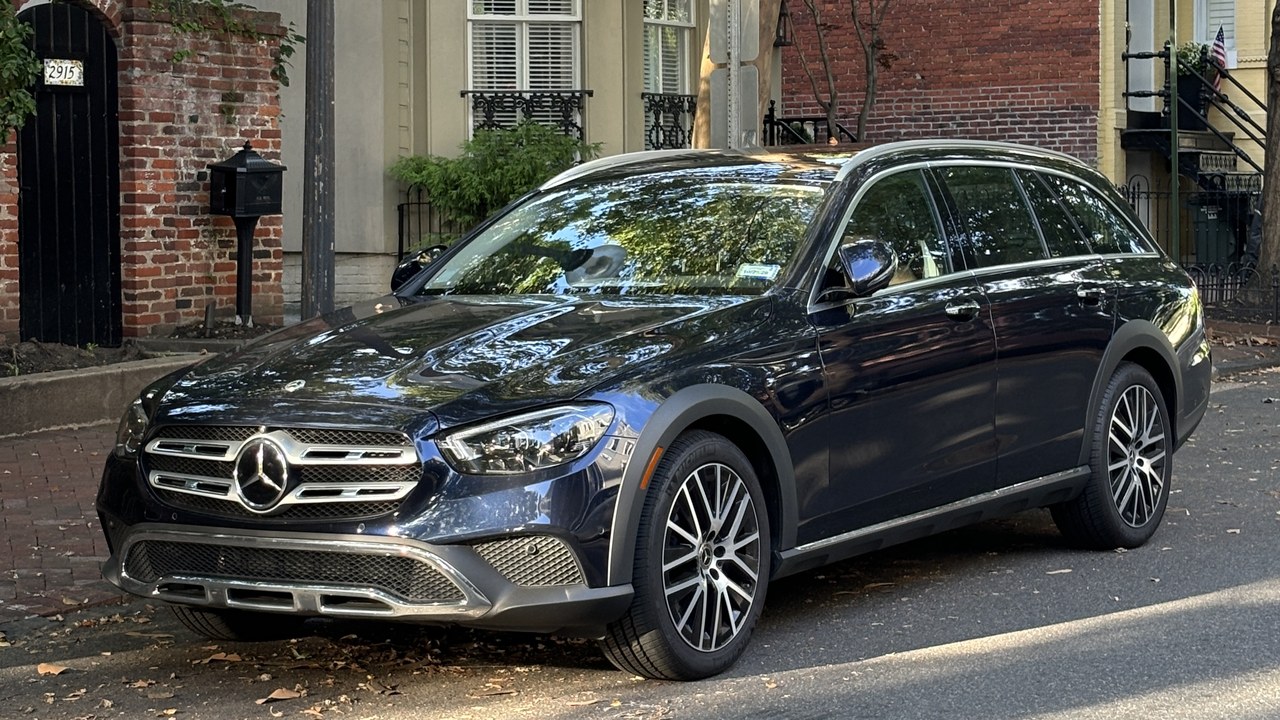
The Mercedes-Benz E-Class All-Terrain is listed at $78,300 for 2026 and is built around ride comfort and interior quiet rather than outright pace, based on this 2026 buying guide.
That positioning sets it apart from the performance-minded wagons elsewhere on the list. It is a description of the car’s priorities, not a measured comparison, so shoppers who care about speed would need to look at other models. Readers choosing among the 2026 wagons here can use that difference to separate the relaxed cruisers from the fast ones.
8. Porsche Taycan Cross Turismo: Electric Wagon
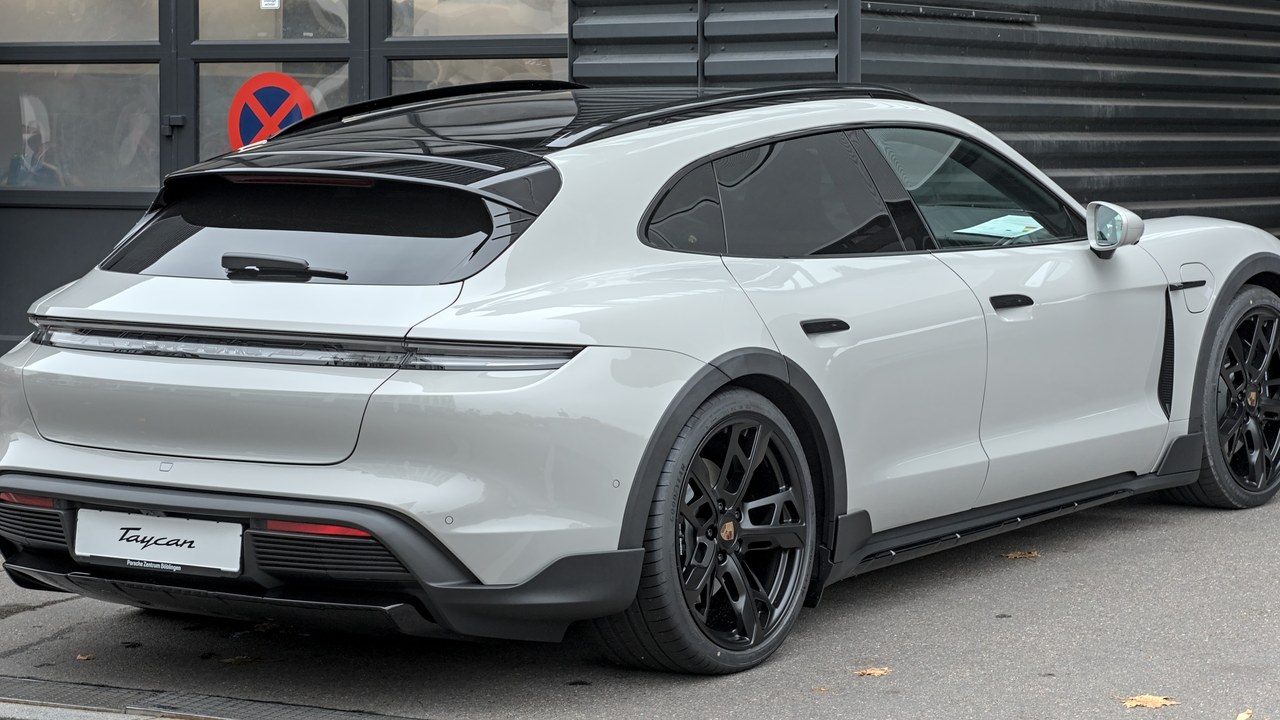
The Taycan wagon body spans $118,100 to $224,300 for 2026, with the Cross Turismo adding higher ride height, as Autoblog’s 2026 roundup lists.
The wide price spread reflects how many versions share the body style, from entry models to the most expensive. The source gives the range for the whole wagon line, so the Cross Turismo alone may start above the lowest figure. Readers should also note it is an electric model, which makes it an unusual entry in a list that begins with 1950s gasoline cars.
9. Volvo V60 Cross Country: Final Orders
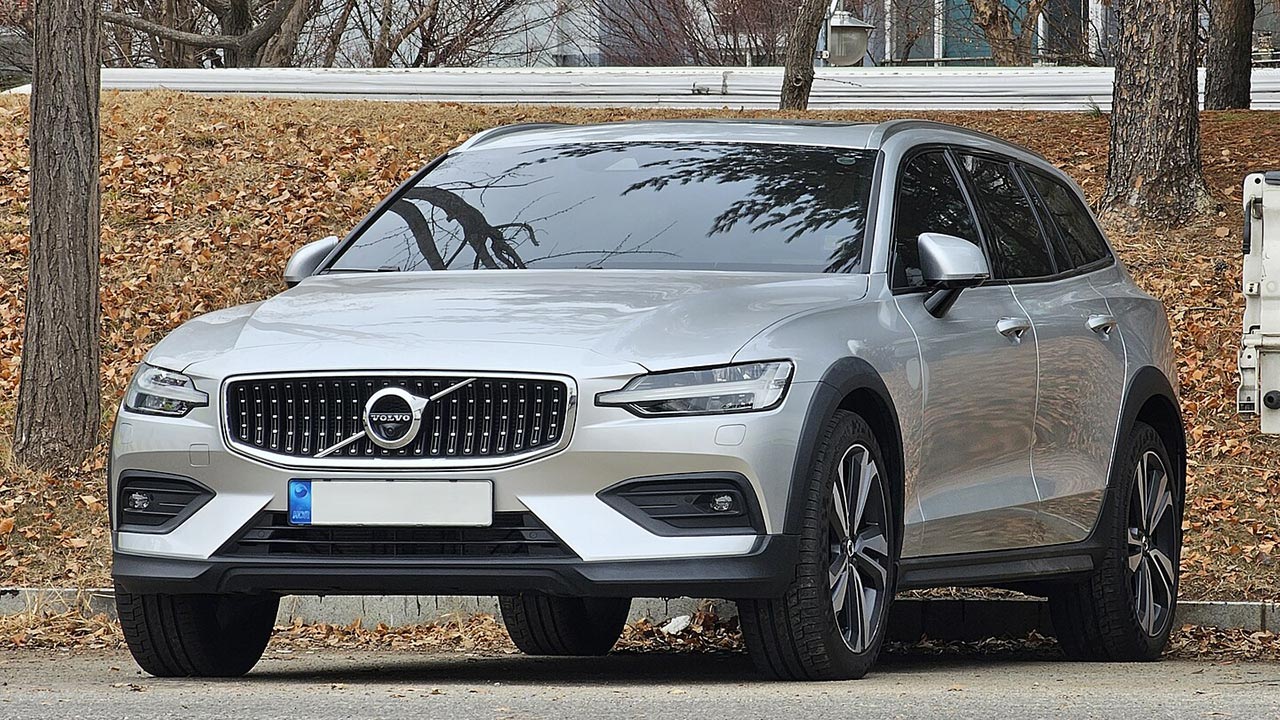
Volvo takes the last US orders at the end of January 2026 and ends production in April 2026, because American customers overwhelmingly prefer SUVs, as The Drive’s report reports.
The decision removes the V60 Cross Country from the American market and gives this list its closing date. The reason cited is customer preference for SUVs, so the move reflects demand in the United States rather than a verdict on the car itself. Readers should treat April 2026 as the production end and the January cutoff as the last chance to place an order.
10. Volvo V90: Earlier Volvo Wagon
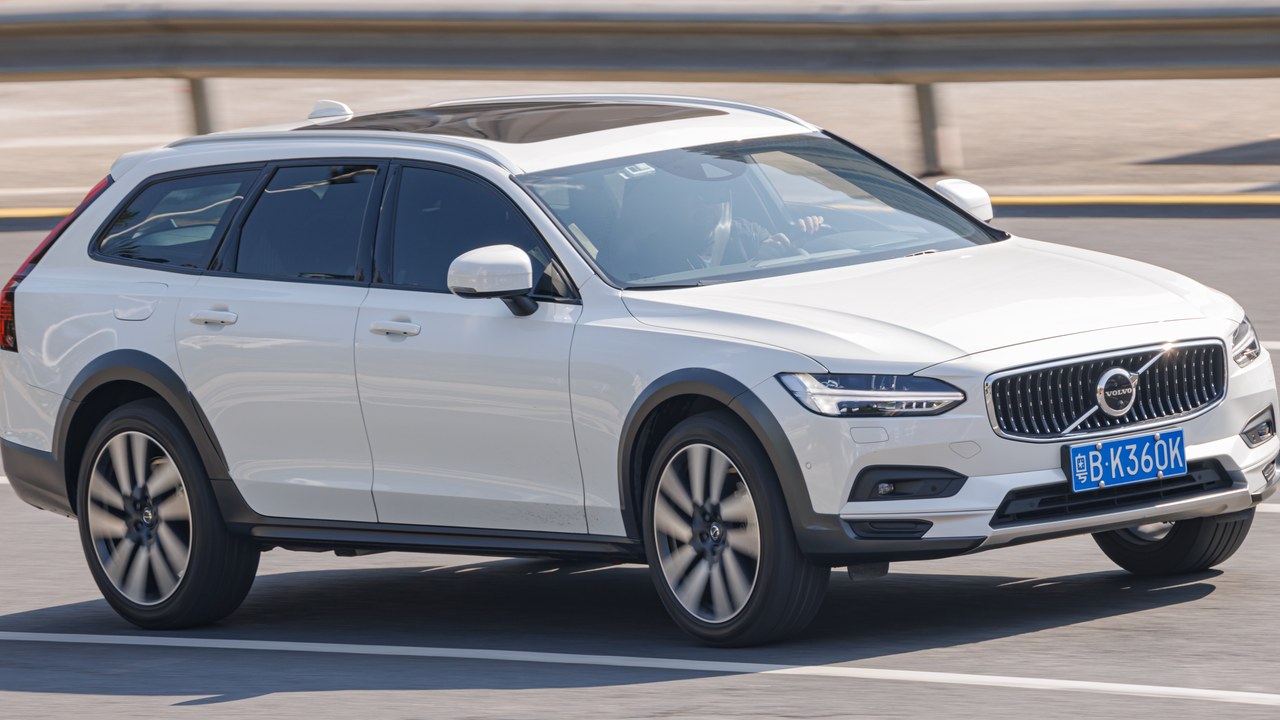
The V90 is named among the Volvo wagons that preceded the V60 Cross Country in the United States, according to The Drive’s last-call story.
That places it in the same lineage of Swedish wagons sold to American buyers before the V60 Cross Country became the last. The source only names the V90 as a predecessor, so details such as sales dates or volumes are outside what it supports. Readers can use it as a reminder that the brand had other wagon options before the model that closes the list.
More from Morning Overview
- The FBI warns a new phishing trick can hijack your account without your password
- The NSA says three phone features should be off whenever you aren’t using them
- Hawaii’s magnitude 6.0 Kona earthquake is now a federal major disaster
- Comcast is shutting down its email service, and Xfinity customers must act to keep it
