
Some cars matter because they gave the world a feature before anyone else, and others because they were the final holdouts. This gallery follows doors, steering systems, headlamps, seats and body styles from 1954 to 2013. Each of the twelve entries pairs one model with the single milestone it owns.
1. Mercedes-Benz 300 SL: The Door That Opened Upward
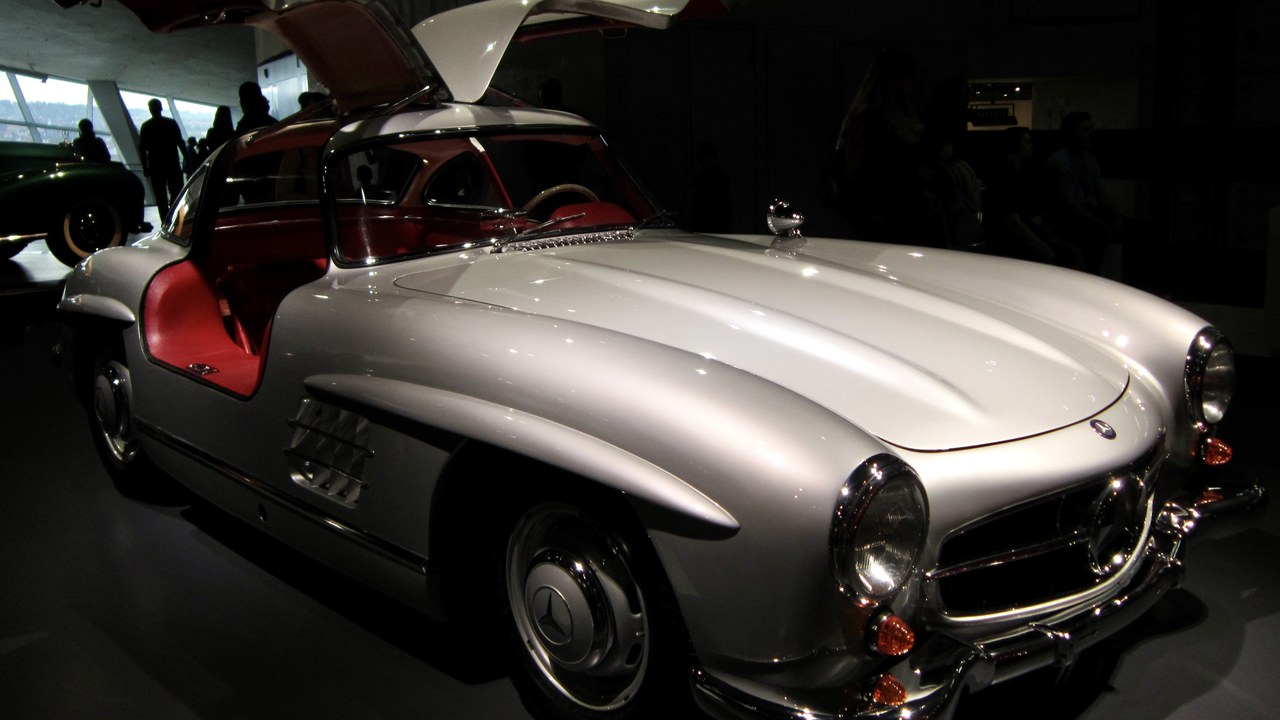
Mercedes-Benz brought the gull-wing door to the road with the 300 SL sports car, a two-door coupe, in 1954. That detail is documented in a spotter’s guide to unconventional car doors published for car shoppers.
The upward-hinged doors were a practical answer to a tall, strong tubular frame that left little room for conventional ones. Many people still picture this coupe first when gull wings come up, which shows how lasting a single design choice can be. The claim concerns road cars, since earlier racing machines had experimented with similar ideas.
2. Porsche 911 Targa: Roll Bar With a Removable Roof
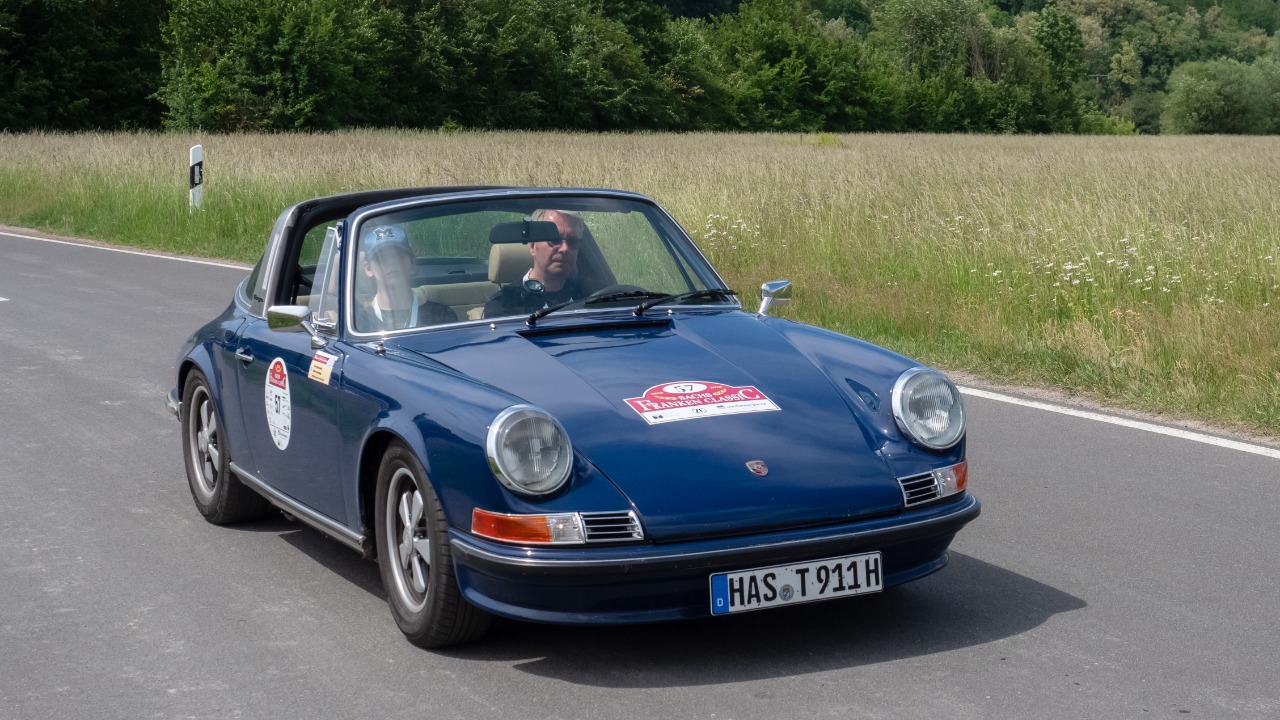
Launched in September 1965, the 911 Targa was the first safety cabriolet in the world with a fixed safety or roll bar, and 87,663 Targas were built across the first three 911 generations, according to Porsche’s own newsroom history.
The fixed bar was meant to reassure buyers worried that open cars would soon be restricted on safety grounds. It created a whole new body style that Porsche has revisited repeatedly. The production figure covers only the early generations, not later Targas, so it should not be read as a lifetime total.
3. Lamborghini Countach: Doors That Swing Up
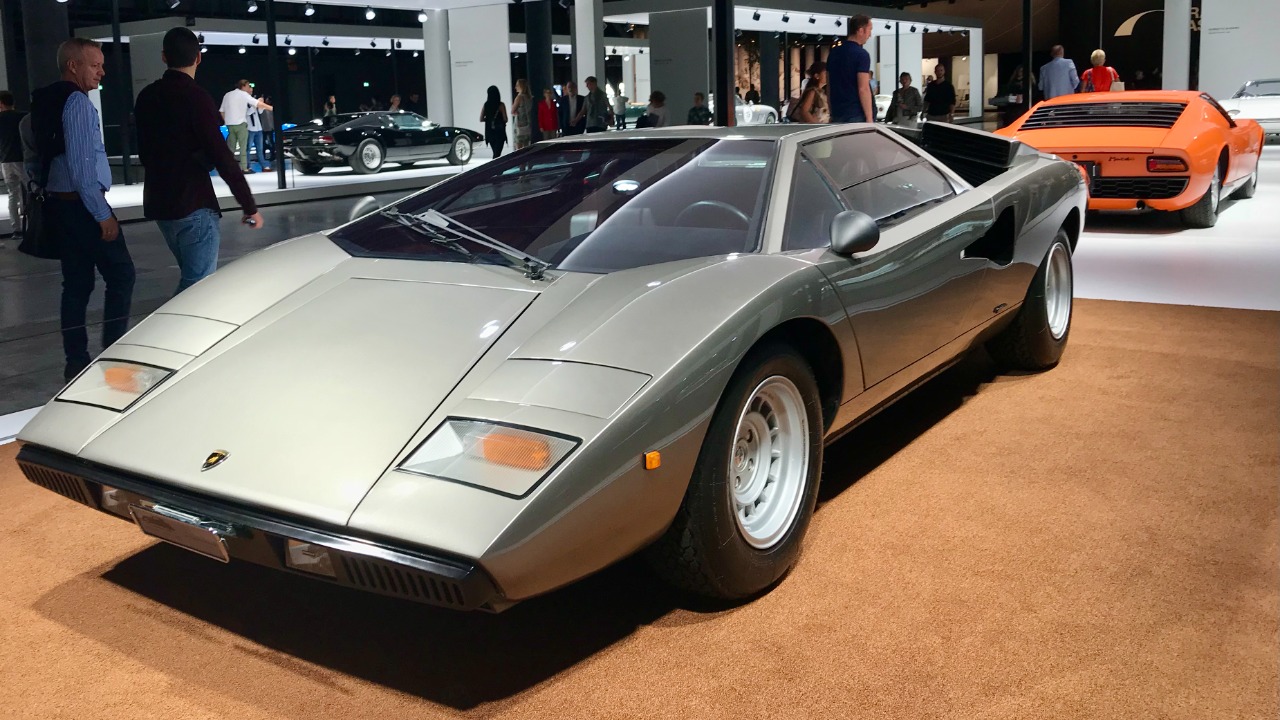
The first production car to feature scissor doors was a Lamborghini, the Gandini-designed Countach, as described in a reference entry on scissor doors.
The upward-swinging doors suited a wide, low supercar whose sills and chassis left little space to open a normal door outward. They became a lasting symbol of exotic design and were copied by many later cars. The payoff speaks only to production cars, because one-off show cars and prototypes had tried vertical doors before the Countach reached customers.
4. Porsche 928: Rear Wheels That Steer Themselves
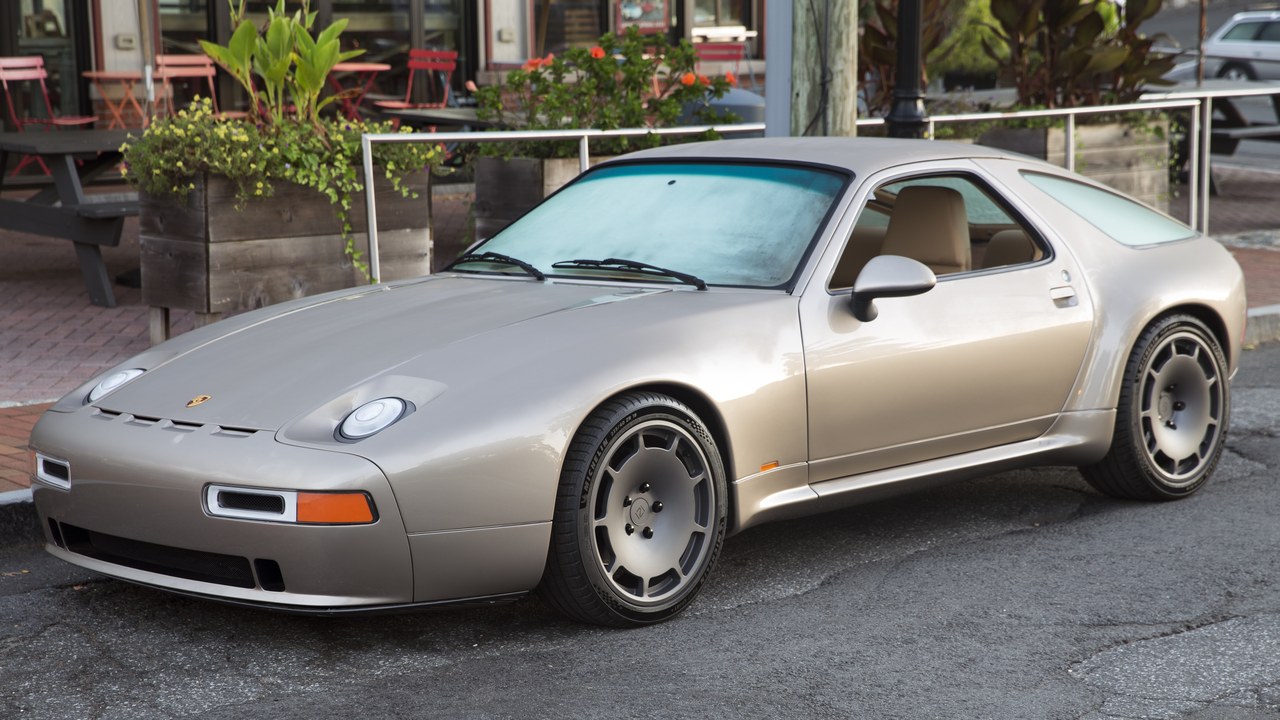
Porsche first introduced four-wheel steering in 1977 when it debuted the 928 featuring the Weissach Axle, a passive rear-axle setup, according to a J.D. Power shopping guide on rear-axle steering.
The Weissach Axle was passive rather than electronically driven, so the rear wheels shifted slightly under cornering loads to keep the car stable. This makes it an early ancestor of today’s active systems rather than a direct match for them. The claim is specific to Porsche’s approach and does not say that no other maker had experimented with the idea.
5. Nissan Skyline: Steering at All Four Corners
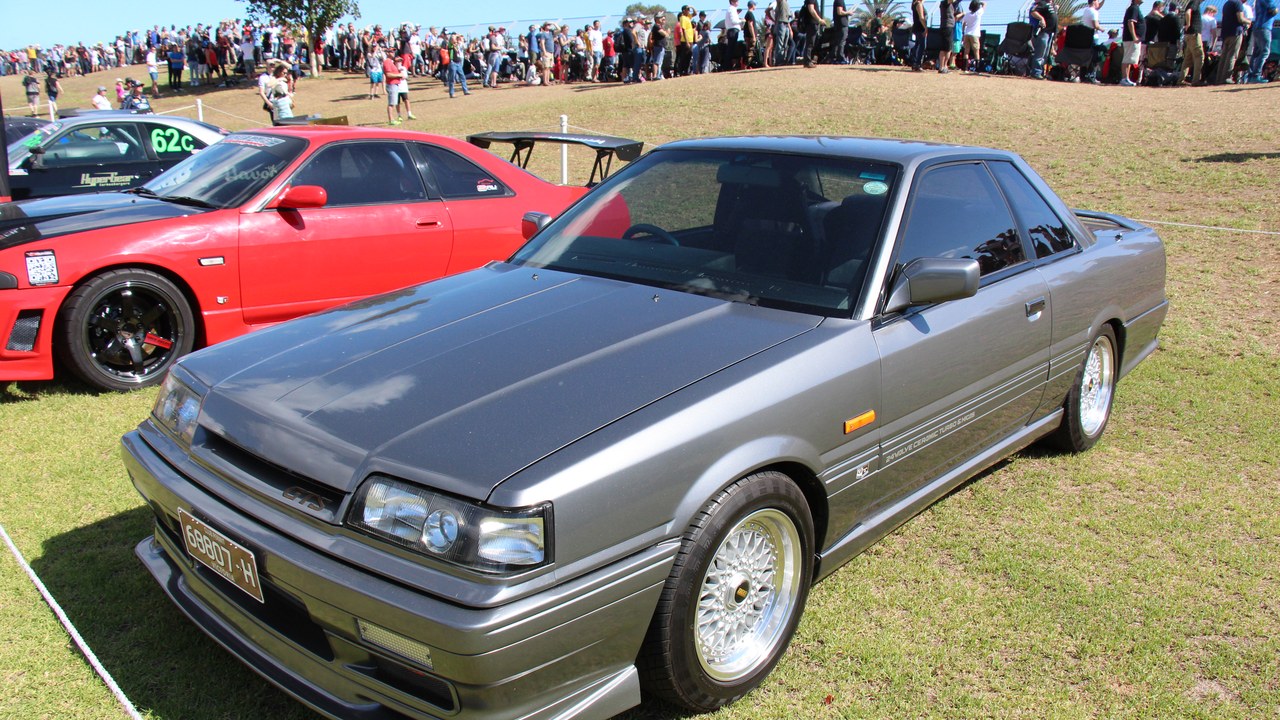
In 1985 Nissan introduced the first active four-wheel steering system, on its R31 Skyline for the Japanese market, as the same J.D. Power explainer on rear steering notes.
Unlike a passive setup, an active system uses actuators to steer the rear wheels deliberately, which improves agility at low speed and stability on the highway. The debut was limited to Japan, so many drivers elsewhere first met the technology years later on other models. The statement concerns the first active system and leaves the passive Porsche approach of 1977 as a separate milestone.
6. Tesla Model X: Gull Wings Reimagined
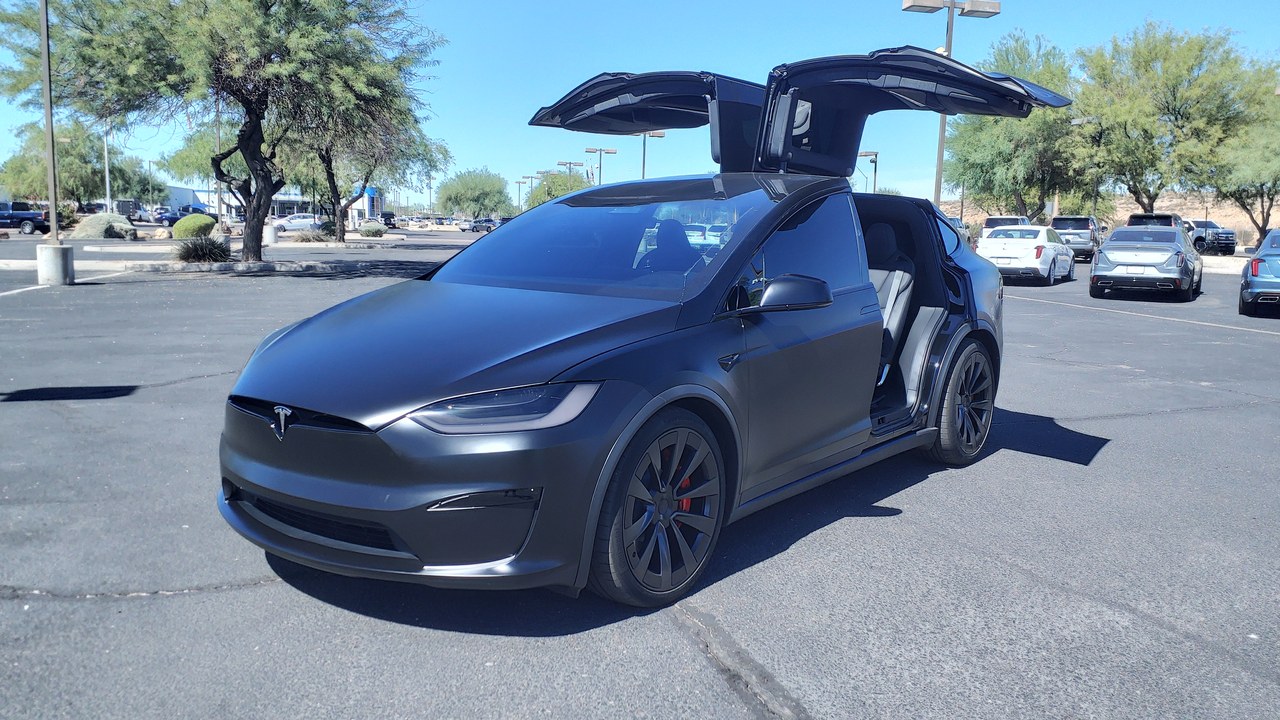
Tesla fine-tuned the gull-wing door and in 2015 introduced its own version, Falcon Doors, on the Model X, as outlined in a guide to unconventional car doors aimed at shoppers.
The Falcon Doors are hinged in two places so they can fold and clear low ceilings or tight parking spaces. They were a deliberate rework of a classic idea rather than a brand-new invention. The source frames them as a refinement of the gull wing, so the Model X is not credited here with creating upward-opening doors from scratch.
7. Ford Thunderbird: The Last Cheap Suicide Doors
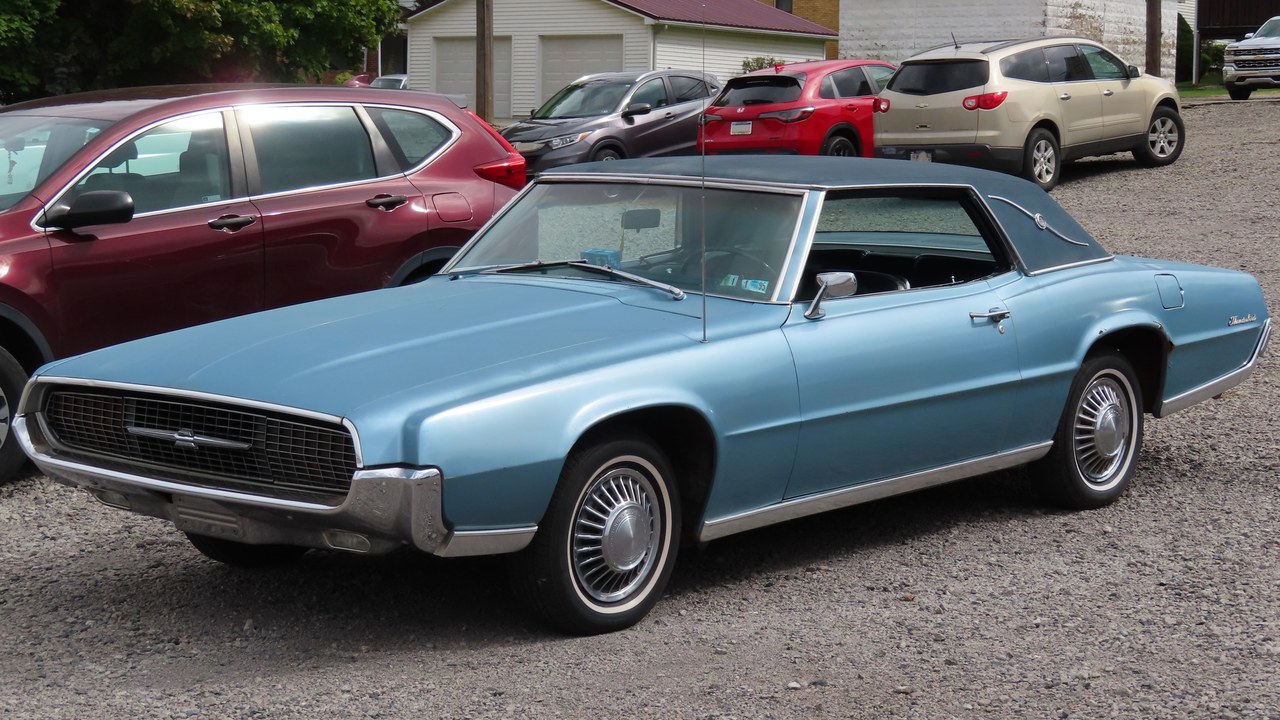
The four-door Ford Thunderbird from 1967 to 1971 was the last low-priced passenger car to have suicide doors, according to an eBay Motors blog on door types.
Rear-hinged back doors made entry easier for rear passengers, and the Thunderbird sedan offered them to ordinary buyers rather than only luxury customers. The wording matters, since later and pricier cars kept rear-hinged doors in some form. The claim covers low-priced passenger cars only and should not be stretched to every vehicle ever built.
8. Buick Roadmaster: The End of the Big Wagon
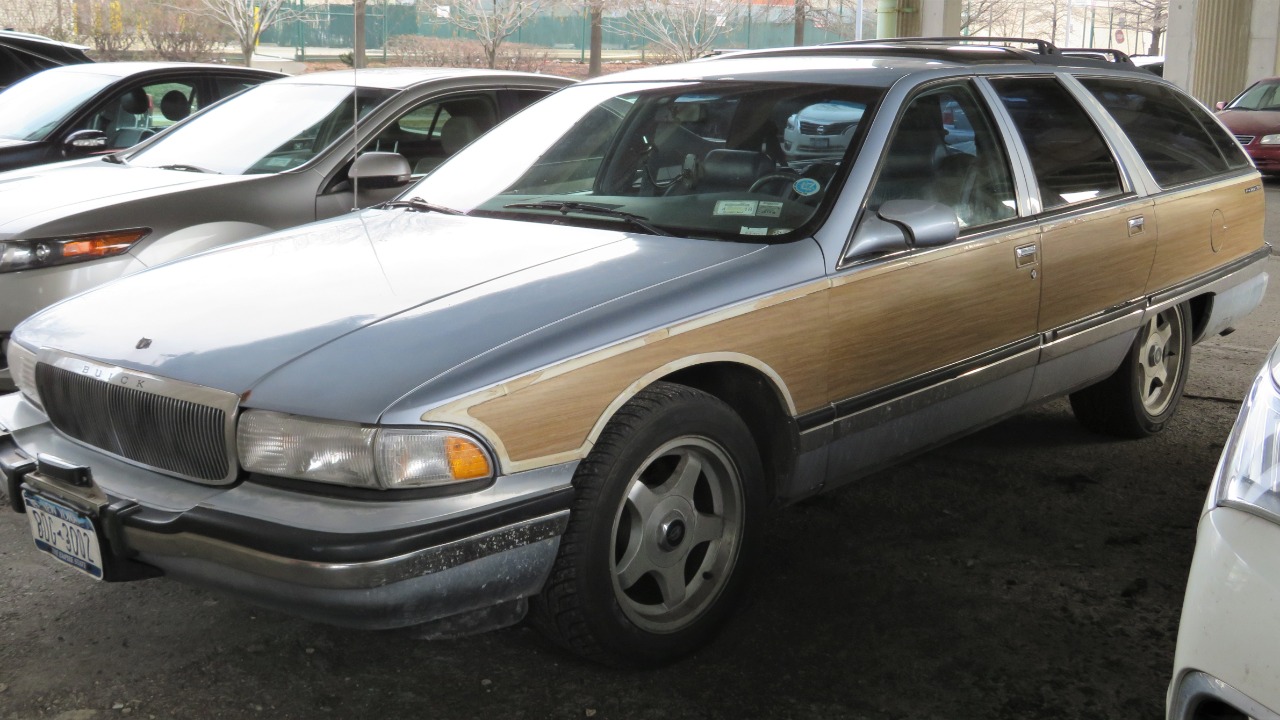
The Chevrolet Caprice and the Buick Roadmaster, the last American full-size wagons, were discontinued in 1996, a point made in the station wagon reference article.
Their exit marked the end of a long era in which large, rear-drive family haulers filled American driveways. Buyers had been moving toward minivans and sport utility vehicles for years. This entry uses the Roadmaster to represent the pair, so the Caprice shares the same end date, and smaller wagons continued to be sold afterward.
9. Lotus Esprit: Headlamps That Popped Up One Last Time
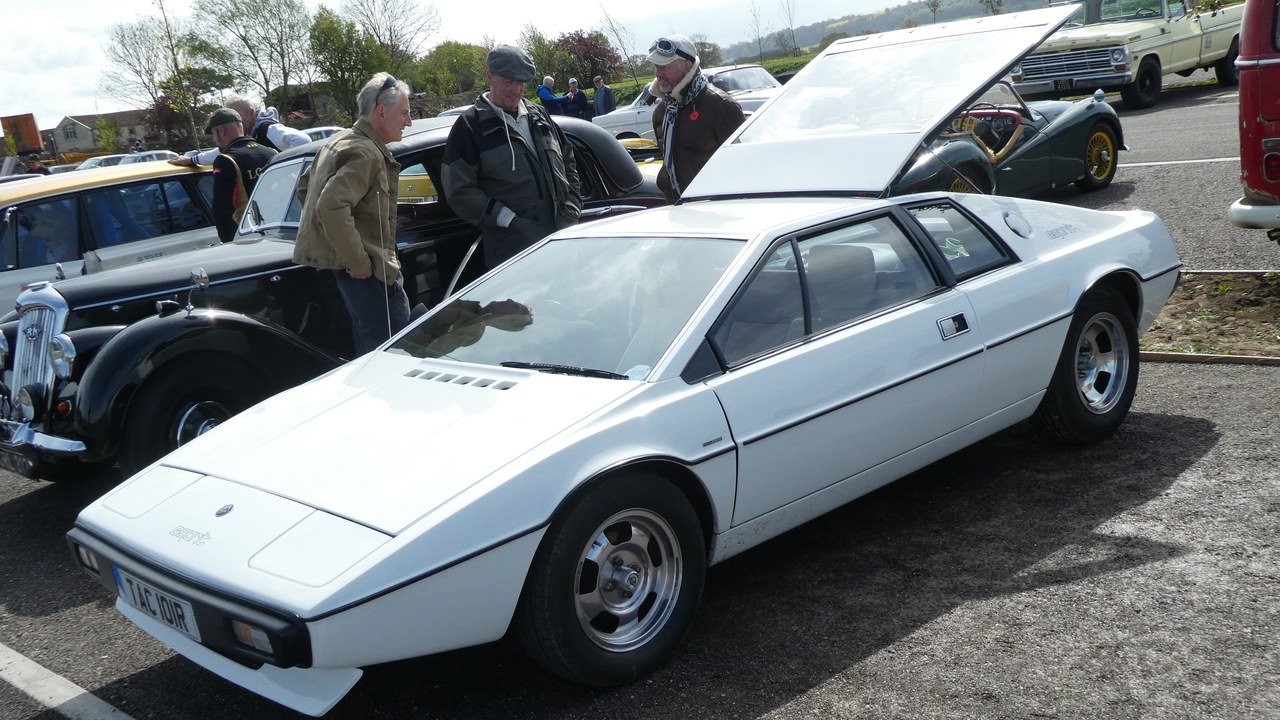
The last time pop-up headlamps appeared on a volume-production car was 2004, when both the Lotus Esprit and the C5 Corvette ended production, according to a reference page on hidden headlamps.
Pedestrian-protection rules and aerodynamic goals made fixed lamps a better fit for later designs, and so the feature faded away. The Esprit was a long-running Lotus supercar that carried the look into the new century. The statement is about volume production, so small-run specialist cars may have used the feature afterward.
10. Chevrolet Impala: A Bench Seat Bows Out
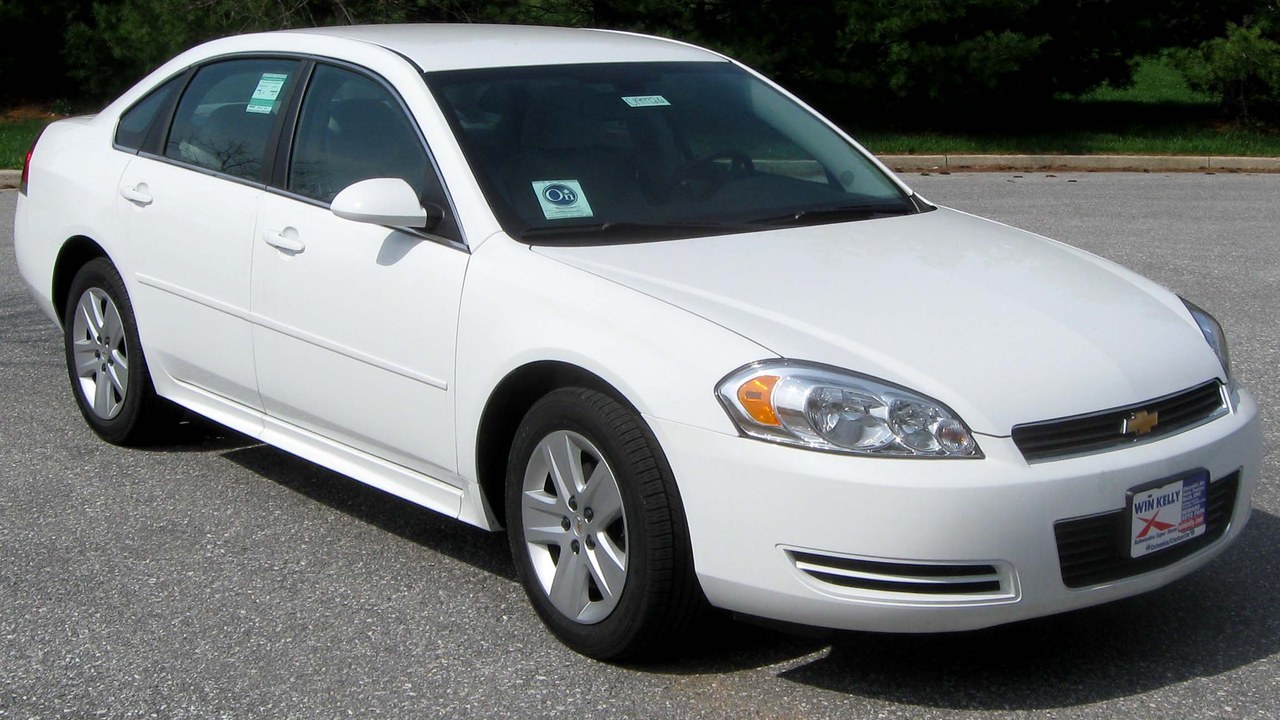
The Impala was one of the last American sedans to offer a front bench seat option, ending it after the 2013 model year, as a reference entry on bench seats explains.
Bench seats once let a car carry three people across the front row, but console-mounted shifters, cup holders and bucket seats gradually replaced them. The wording is cautious, calling it one of the last rather than the very last. Other sedans may have dropped the option around the same time, so the Impala is best seen as a late example.
11. Cadillac CTS-V Wagon: A Manual Wagon With Muscle
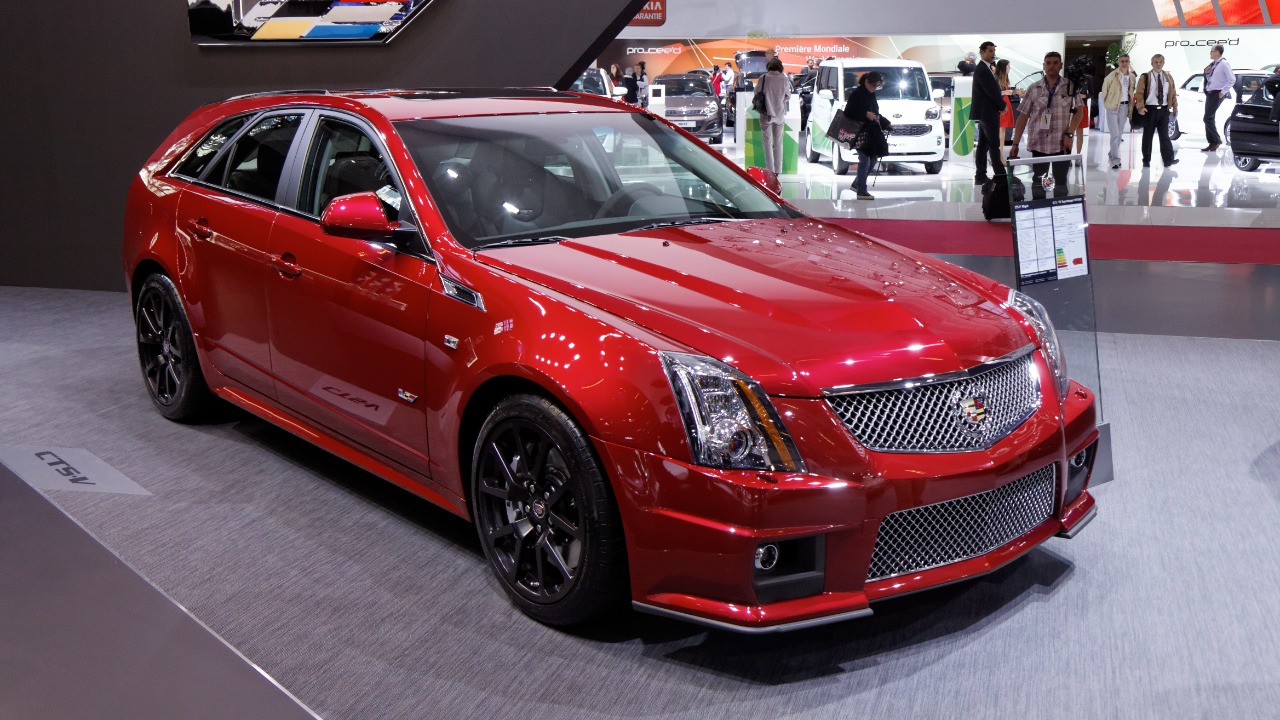
The Cadillac CTS-V Wagon introduced for the 2011 model year was considered the most potent production station wagon offered with a manual transmission, according to the station wagon reference article.
It paired a supercharged engine with a long roof and a stick shift, a combination that enthusiasts still talk about. The source says it was considered the most potent, which reflects opinion and comparison rather than a formal ranking. Because the claim is limited to production wagons with a manual gearbox, performance wagons with automatics are outside its scope.
12. Subaru Outback: The Wagon That Stayed
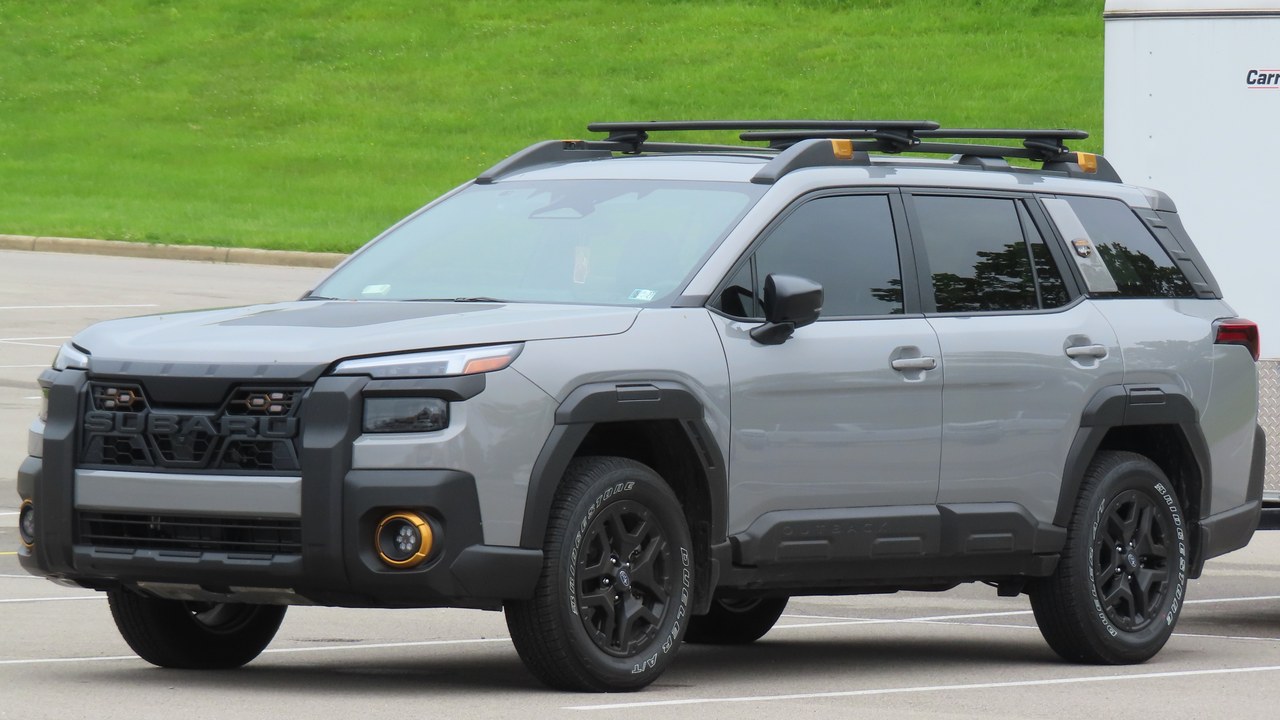
The Outback accounted for 80% of wagon sales in the United States, carrying the body style almost single-handedly, as the station wagon reference article puts it.
Raised ground clearance, all-wheel drive and a crossover look let the Subaru survive while traditional wagons disappeared from showrooms. The share reflects a period when few rivals remained, so it is a snapshot and not a permanent figure. The source does not give a year for the number, which is worth remembering before treating it as current.
More from Morning Overview
- Verizon just moved to cut landline phone service in 9 states within weeks
- Tropical Storm Rachel is dumping up to 12 inches on four Mexican states on its way to major hurricane strength
- The NSA is again telling phone owners to switch off one location setting
- Card skimmers hidden on gas pumps and ATMs are draining accounts, and here’s the tell
