
Pop-up headlights gave a generation of sports cars their winking, low-slung look. Most of them have long since vanished from showrooms, though the idea keeps resurfacing in new forms. Here are eight cars and coupes that wore the hidden lamps, from the first electric versions to the very last.
1. Mazda MX-5: Flip-Up Roadster
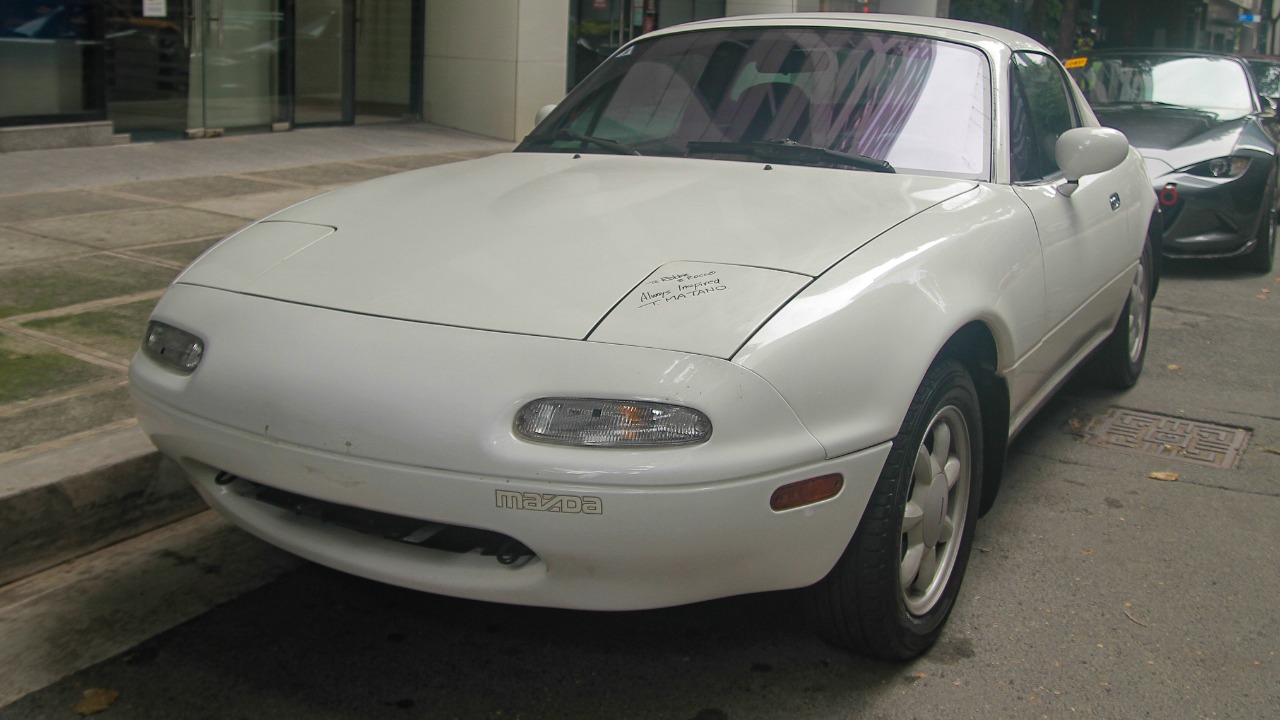
The Mazda MX-5, also sold as the Miata, was fitted with pop-up headlamps from 1989 to 1997, according to this list of hidden-headlamp vehicles. That stretch covers the car’s early years, when the lamps were part of its look. The dates mark the pop-up era for the model.
Anyone shopping for one should note the pop-ups belong only to that first generation. Later versions of the car switched to fixed lamps, so the look is a marker of the early cars specifically. The same list is a handy way to check which other models shared the feature.
2. Mazda RX-7: Hidden Eyes, Long Run
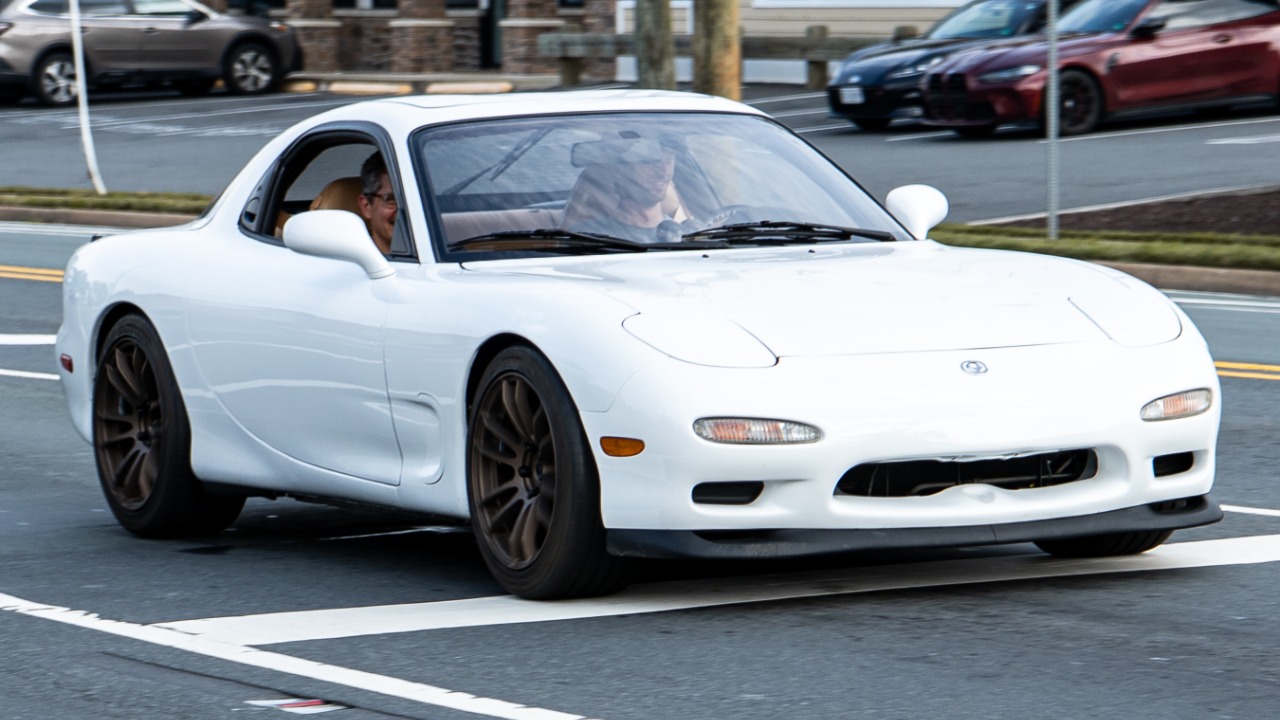
The Mazda RX-7 carried hidden headlamps across its run from 1978 to 2002, as this hidden-headlamp vehicle list records. Few sports cars kept the feature for so long, and the rotary-engined coupe wore its retractable lamps through more than two decades of production.
A run that long means the car changed a great deal while the lamps stayed out of sight. Details of individual generations are beyond what the list covers, so anyone buying one should check each car’s own specification. What the record does show is how long the rotary coupe leaned on this styling choice.
3. Toyota MR2: Mid-Engine Flipper
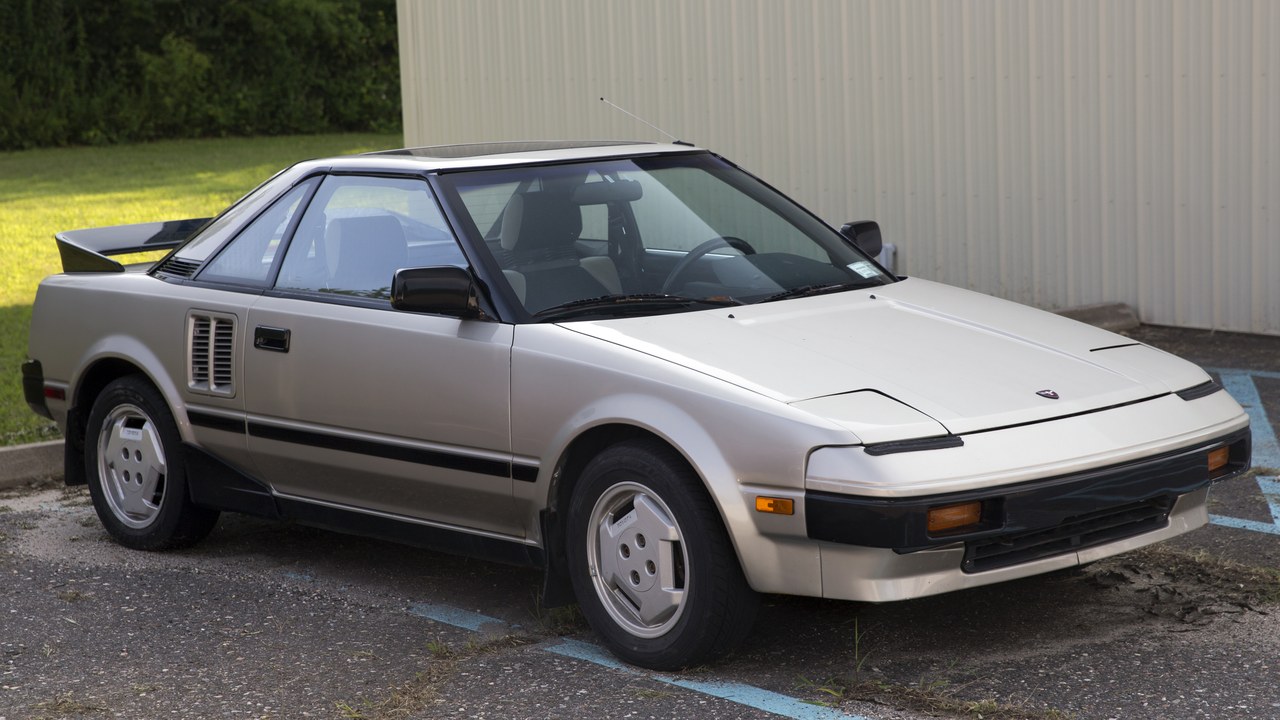
The Toyota MR2 carried hidden headlamps from 1984 to 1999, according to the same hidden-headlamp vehicle list. Toyota’s compact two-seat coupe therefore spent most of its first fifteen years with lamps that folded flush into the nose when switched off, helping keep the front low and slim.
The span covers more than one version of the car, so the exact look of the lamps may differ between model years. The list gives the overall dates rather than a generation-by-generation breakdown. Even so, the dates place the MR2 firmly among the long-running pop-up cars of the era.
4. Lotus Esprit: Last Lamps Standing
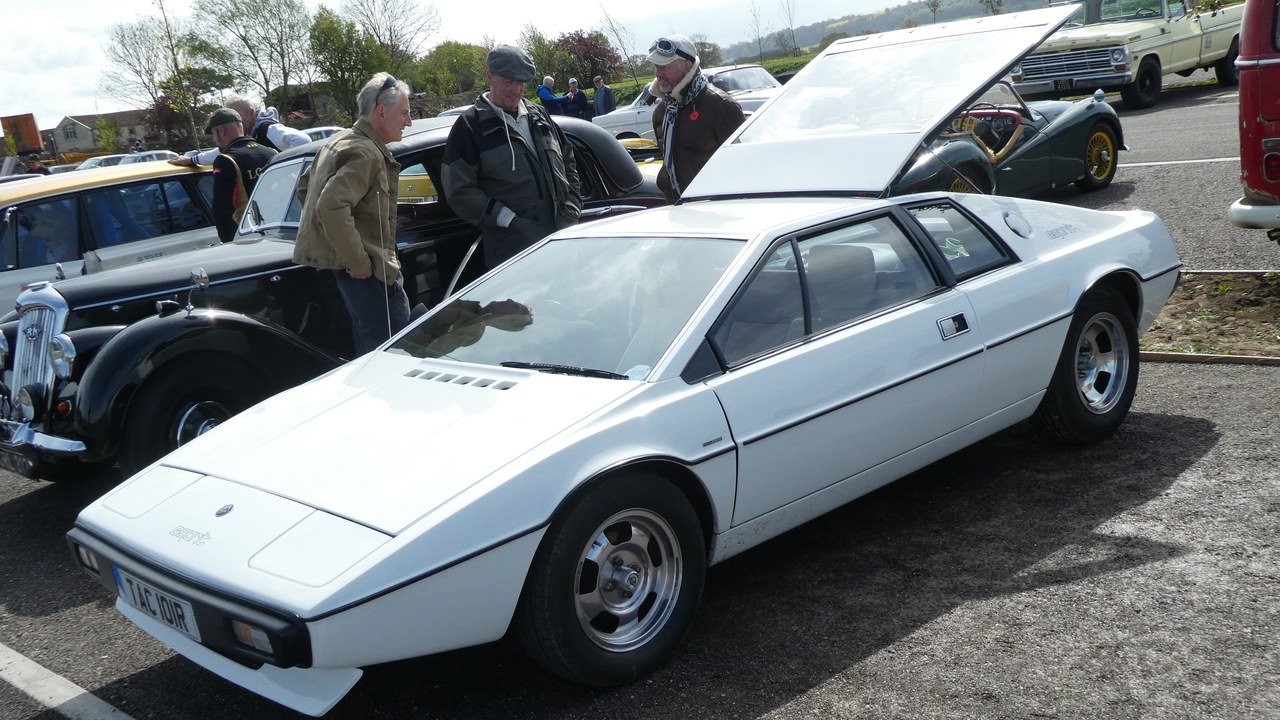
The last time pop-up headlamps appeared on a volume-production car was 2004, when the Lotus Esprit and the C5 Corvette both ended production, as the hidden headlamp article notes. That date effectively closes the story of a design that had begun decades earlier.
The wording matters, since it refers to volume-production cars and not to every vehicle ever built. Smaller makers or one-off projects fall outside that claim. Even so, the Esprit and the Corvette sharing the final year gives the pop-up era a tidy ending, with a British wedge and an American icon leaving together.
5. Alfa Romeo Montreal: Eyelids Over Headlights
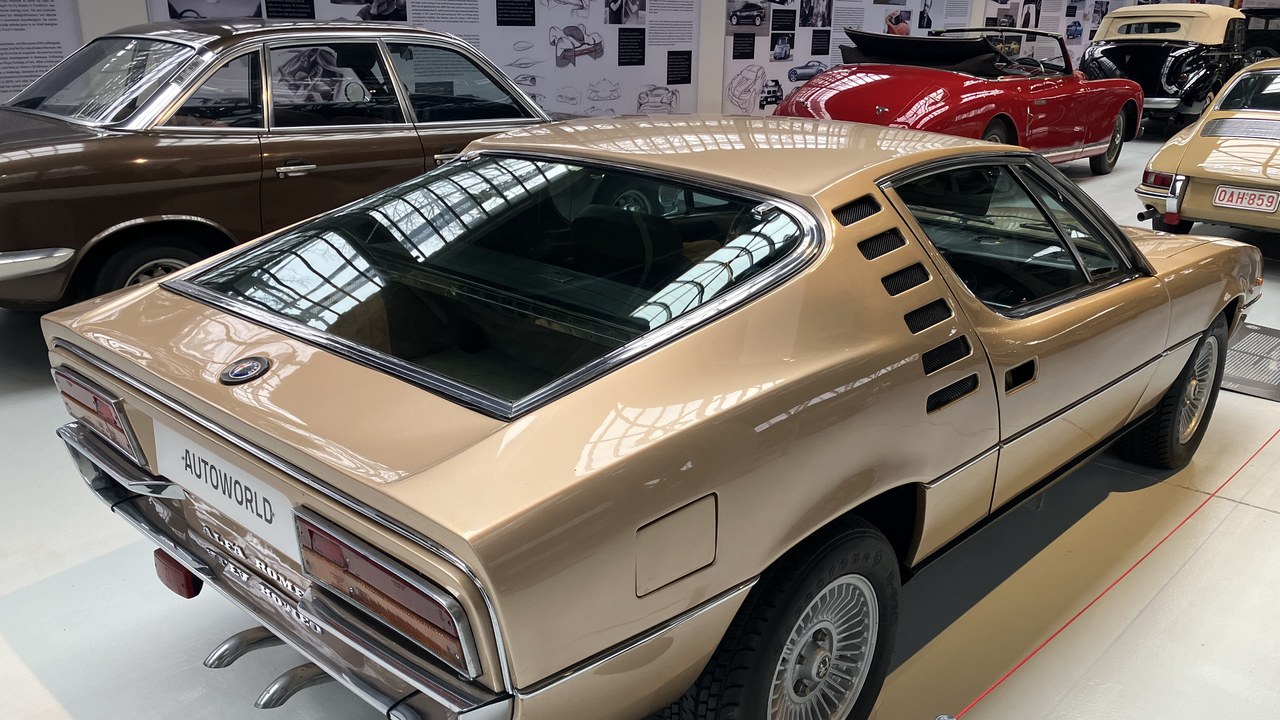
The 1970-77 Alfa Romeo Montreal used retractable louvered eyelids that half-concealed its headlights for lower drag, as this classic hidden-headlight roundup describes. Instead of flipping up like a conventional pop-up, the covers slid away to uncover the lamps.
This makes the Montreal a variation on the theme more than a textbook example. The source credits the design with reducing drag, though it gives no figures for how much was gained. That caution matters, because the benefit is described in general terms only, and the slatted covers are best understood as a styling and aerodynamic compromise.
6. Ferrari Daytona SP3: Hidden Lamps Return
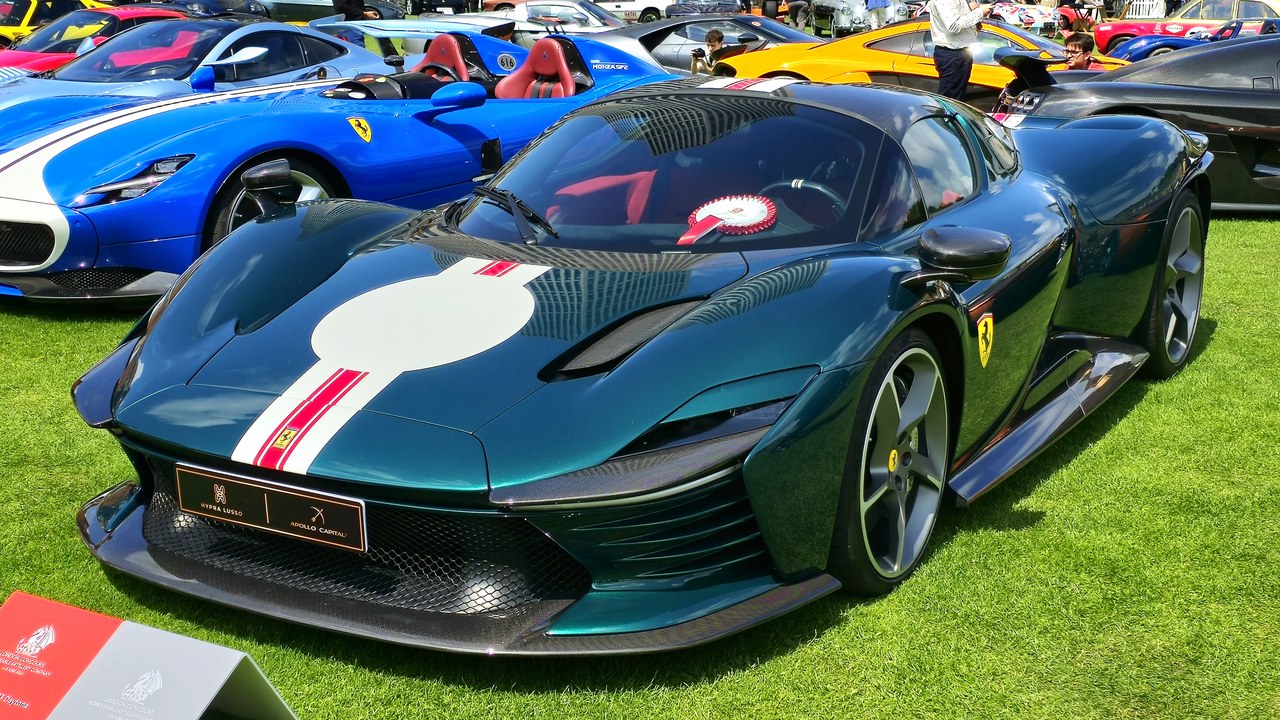
The Ferrari Daytona SP3, from 2022, partially hides its LED headlights behind retractable hoods, according to this hidden-headlight car roundup. The source adds that the idea did not die with the pop-up, showing the concealed-lamp look still has a place on very expensive modern machinery.
Those hoods do not work like the old flip-up units, since the lights are only partly covered and are LEDs rather than sealed beams. The Daytona SP3 is therefore a modern echo and not a revival of the true pop-up headlamp. It is a reminder that designers keep returning to the look even after regulations and tastes moved on.
7. Chevrolet Corvette: First With Electric Lamps
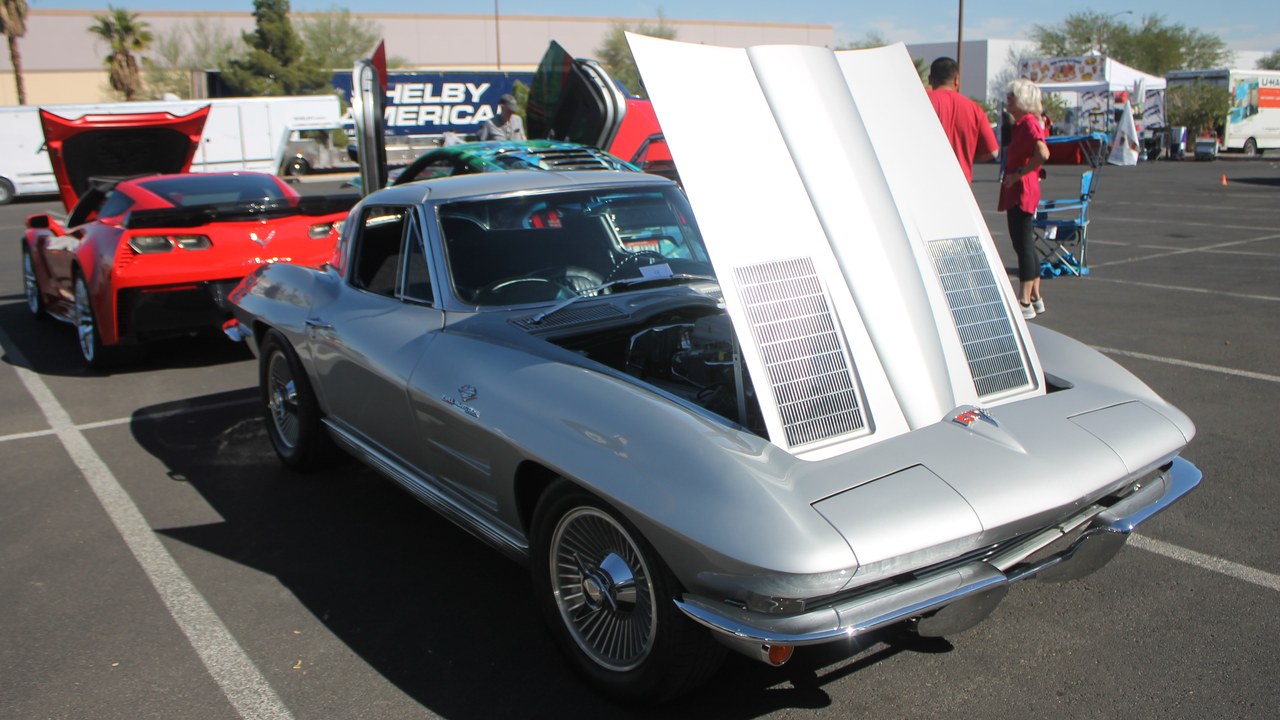
The Corvette was the first to get electrically operated hidden headlight units, on the 1963 model, according to this pop-up headlight history. That placed the American sports car at the front of a trend that other makers would follow for decades afterward.
The claim concerns electric operation specifically, so other hidden-lamp designs may have existed earlier in other forms. Later cars on this page took up the idea in their own ways. What the source credits to the Corvette is the electrically driven mechanism that became the template for the flip-up lamps drivers remember from the following decades.
8. Mercury Cougar: Vacuum-Raised Lamps
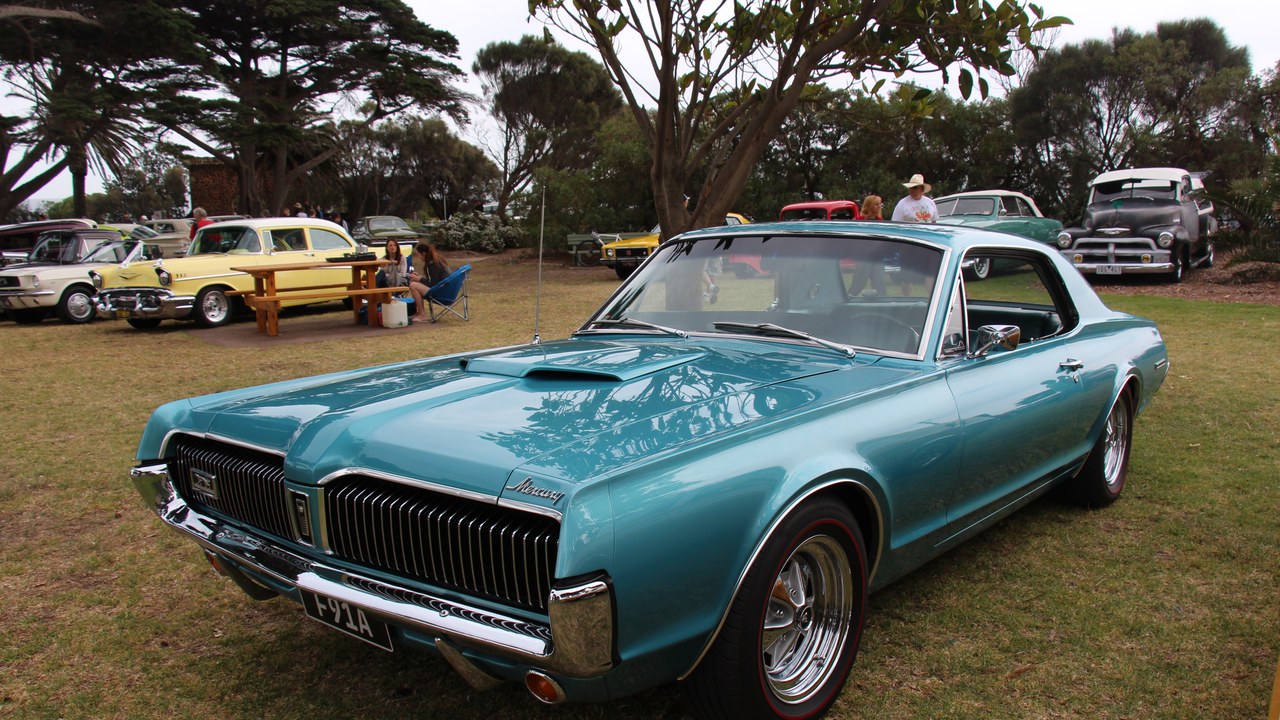
The 1967 Cougar’s concealed headlights were raised by vacuum activators, according to this pop-up headlight history. Rather than relying on electric motors, the Mercury coupe used vacuum to bring the lamps into view. The detail comes from a history of pop-up lamps.
That mechanism differed from the electric units on some rivals, and it shows pop-up systems were not all built the same way. The source describes the 1967 model only, so later years may have used other arrangements. Even so, the vacuum approach stands as one of the more unusual ways to hide a pair of headlights behind a grille.
More from Morning Overview
- Common allergy, bladder and sleep pills tied to sharply higher dementia odds
- The second-largest U.S. reservoir just fell to its lowest level ever recorded
- Security experts still urge phone owners to switch off one location-tracking setting
- The FBI warns a new phishing trick can hijack your account without your password
