Federal rules exempt a vehicle from American safety standards once it turns 25 years old, and the calendar keeps handing enthusiasts new keys. Cars built in 2001 cross that line during 2026, opening the door to a generation of right-hand-drive machinery that never reached American showrooms. Here are eleven Japanese performance cars now within reach.
Image Credit: Calreyn88 – CC BY-SA 4.0/Wiki Commons
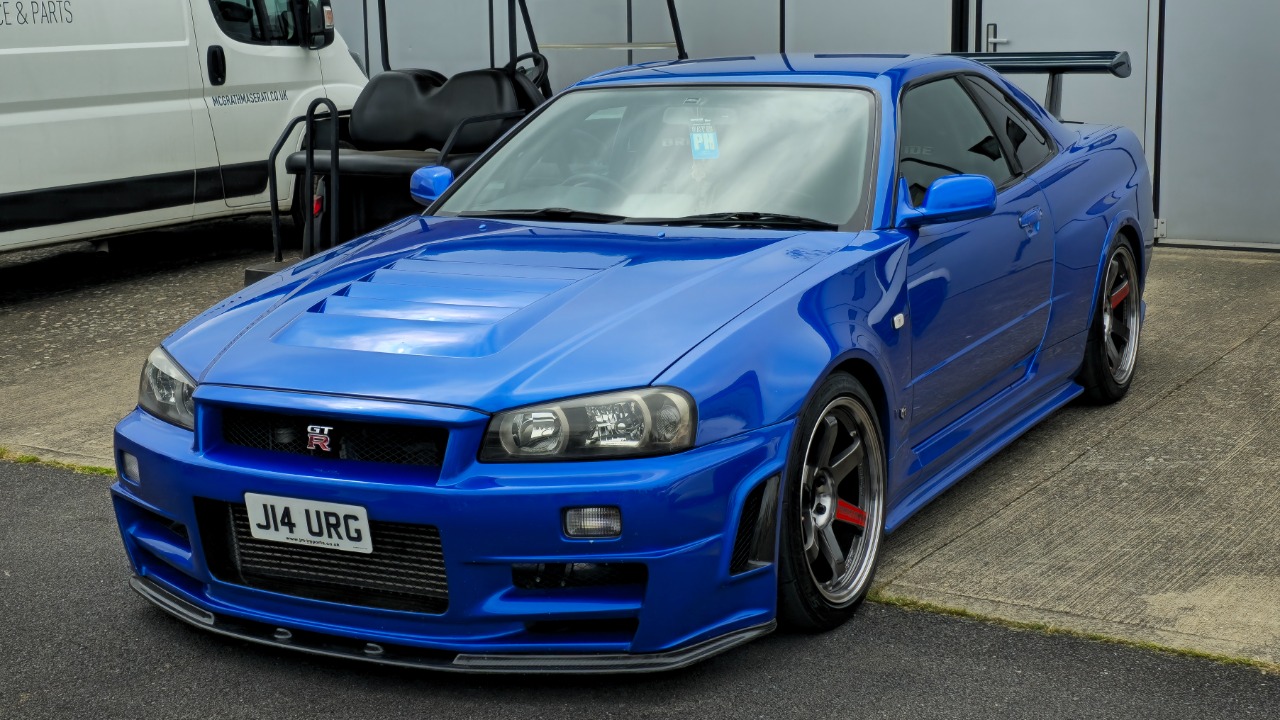
The R34-generation GT-R arrived in January 1999 with the RB26DETT twin-turbocharged 2.6-liter inline-six, a rear-biased ATTESA E-TS all-wheel-drive system and an advertised 276 horsepower that the Japanese industry’s gentlemen’s agreement capped for every performance model. Nissan never federalized it for American sale, so the Skyline model line reached the country only through gray-market channels and racing.
Production continued into August 2002, so the final V-Spec II Nur cars stay off-limits a while longer while earlier examples clear the threshold. Condition matters more than trim, since many survivors have been modified well beyond factory specification.
2. Toyota Supra A80: The 2JZ Keeps Going
Image Credit: Calreyn88 – CC BY-SA 4.0/Wiki Commons
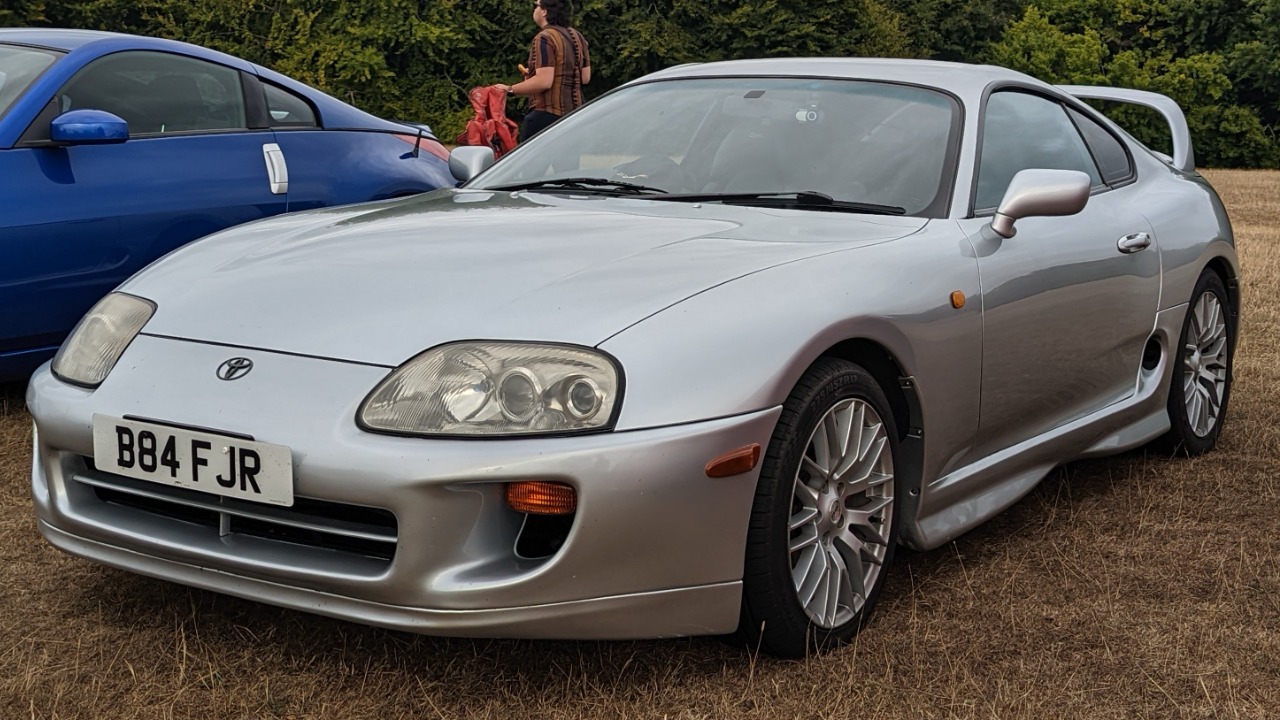
American showrooms dropped the fourth-generation Supra after the 1998 model year, but Toyota kept building the JZA80 in Japan until 2002, which is why the A80 Supra run matters to importers. Japanese-market turbocharged cars carried the 2JZ-GTE, a cast-iron-block 3.0-liter inline-six with sequential twin turbochargers rated at 280 PS under the domestic power ceiling.
Those later right-hand-drive cars are the ones the age rule is unlocking, model year by model year. The iron block is also why tuners chase them, because it tolerates boost far beyond the factory figure.
3. Mazda RX-7 FD: The Rotary America Lost
Image Credit: OWS Photography – CC BY 4.0/Wiki Commons
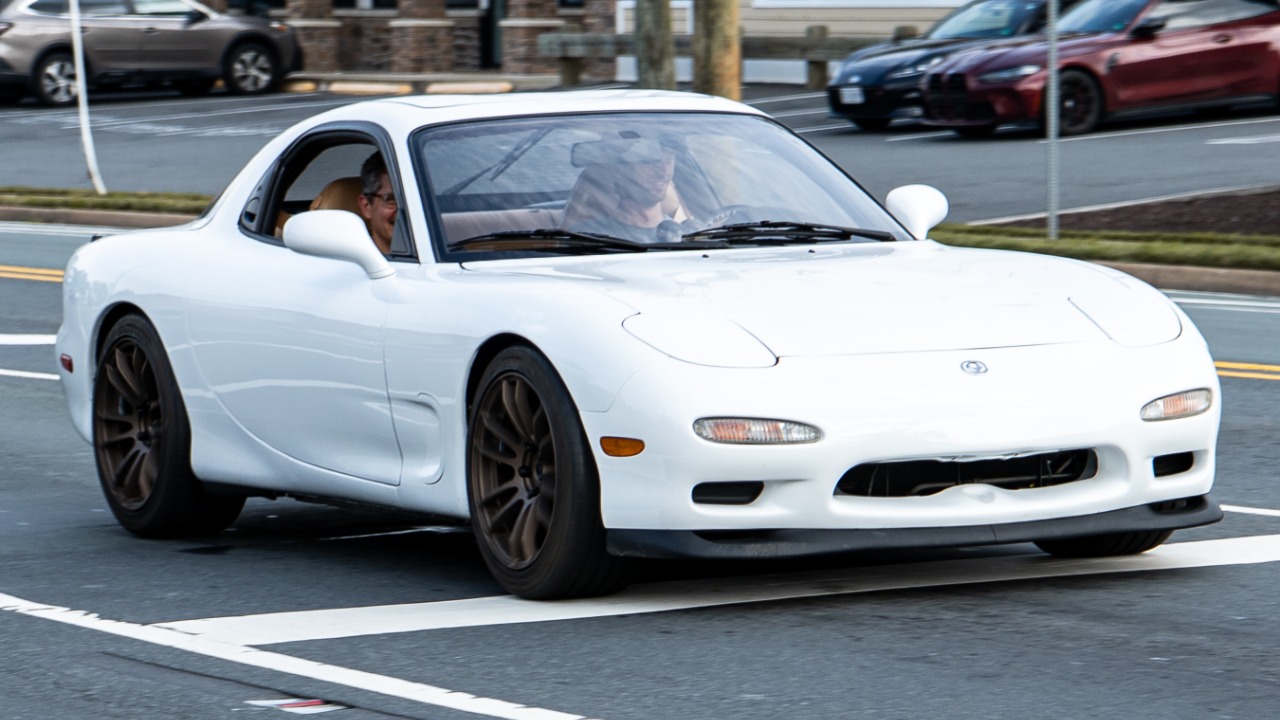
Mazda pulled the FD RX-7 from the American market after the 1995 model year, yet the FD3S production run continued in Japan until August 2002. Its 13B-REW twin-rotor engine used sequential twin turbochargers, displaced just 1.3 liters, and ended its domestic life rated at 280 PS in the final Spirit R editions.
Every year Mazda kept building after 1995 produced a car Americans could not buy new, and the earliest of those are clearing customs now. Apex seal wear and heat management remain the standing risks with any rotary purchase.
4. Subaru Impreza WRX STI: The Rally Homologation Years
Image Credit: TTTNIS – CC0/Wiki Commons
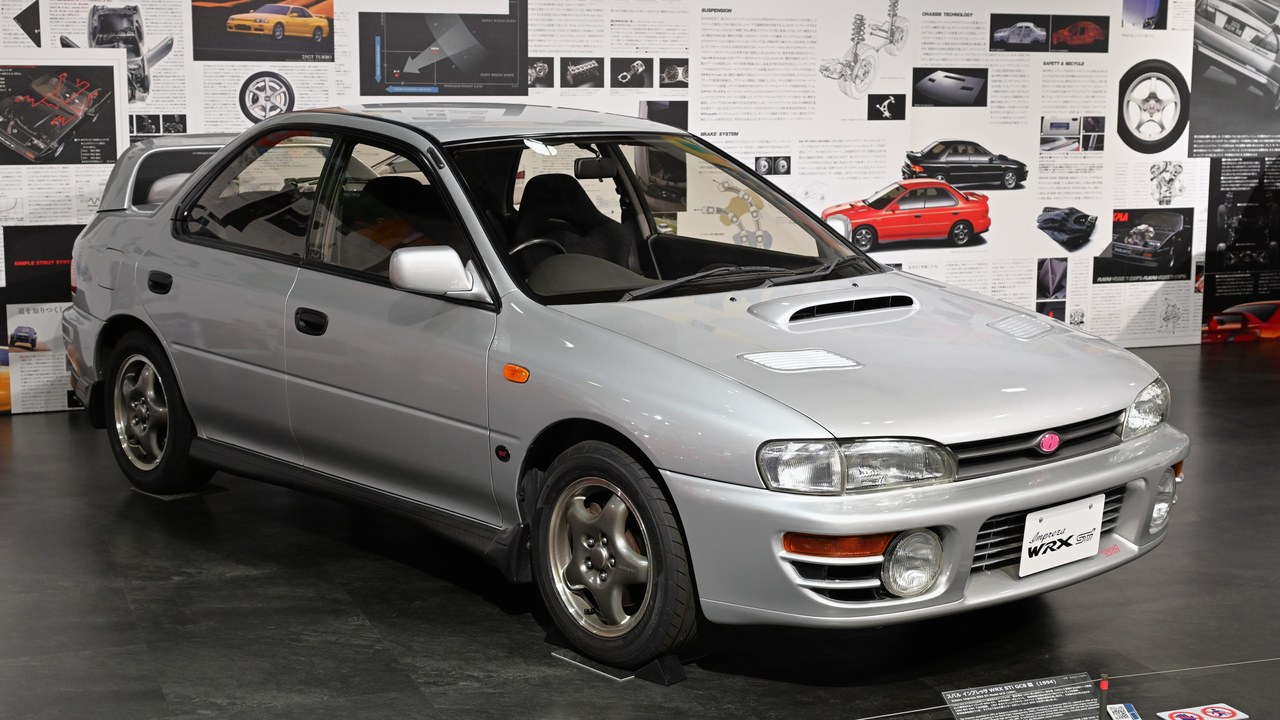
Subaru sold Americans no STI-badged Impreza until the 2004 model year, long after Subaru Tecnica International had turned the first-generation Impreza into a World Rally Championship winner. The GC8 STi versions built through 2000 ran a closed-deck 2.0-liter turbocharged flat-four, short gearing and, on later versions, a driver-controlled center differential that the contemporary American lineup never offered.
Those cars are now old enough to enter legally, complete with right-hand drive and the numbered version badges collectors track. Rust and hard rally-inspired use have thinned the supply of honest examples.
5. Mitsubishi Lancer Evolution: The Generations America Skipped
Image Credit: Interesting.cars.insta – CC BY-SA 4.0/Wiki Commons
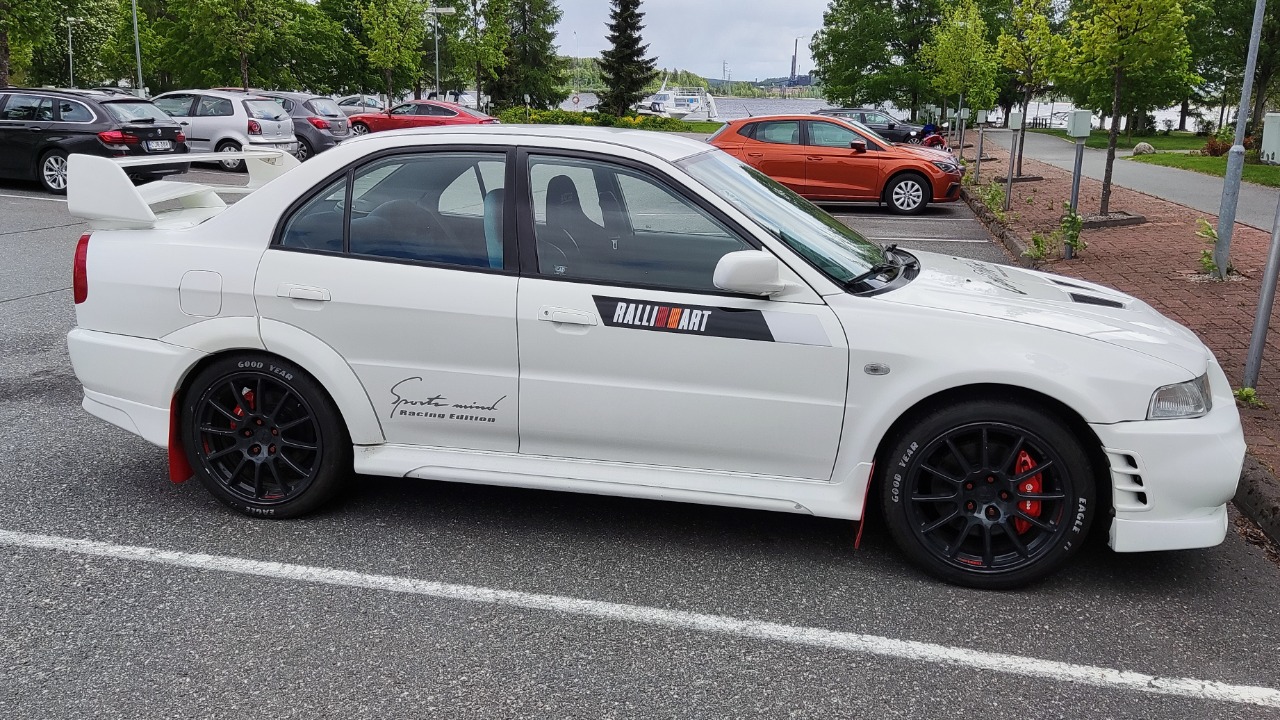
Mitsubishi did not sell an Evolution in the United States until the Evo VIII arrived for 2003, which left the first seven generations as Japanese-market cars. the Lancer Evolution lineage began in 1992 around the 4G63 turbocharged 2.0-liter four and all-wheel drive, and reached the Tommi Makinen Edition Evo VI at the end of 1999.
Everything through the Evo VII of 2001 now falls inside the import window. Parts for the earliest cars are scarcer than the tuning scene’s reputation suggests, particularly body panels.
6. Honda NSX: The Home-Market Original
Image Credit: Calreyn88 – CC BY-SA 4.0/Wiki Commons
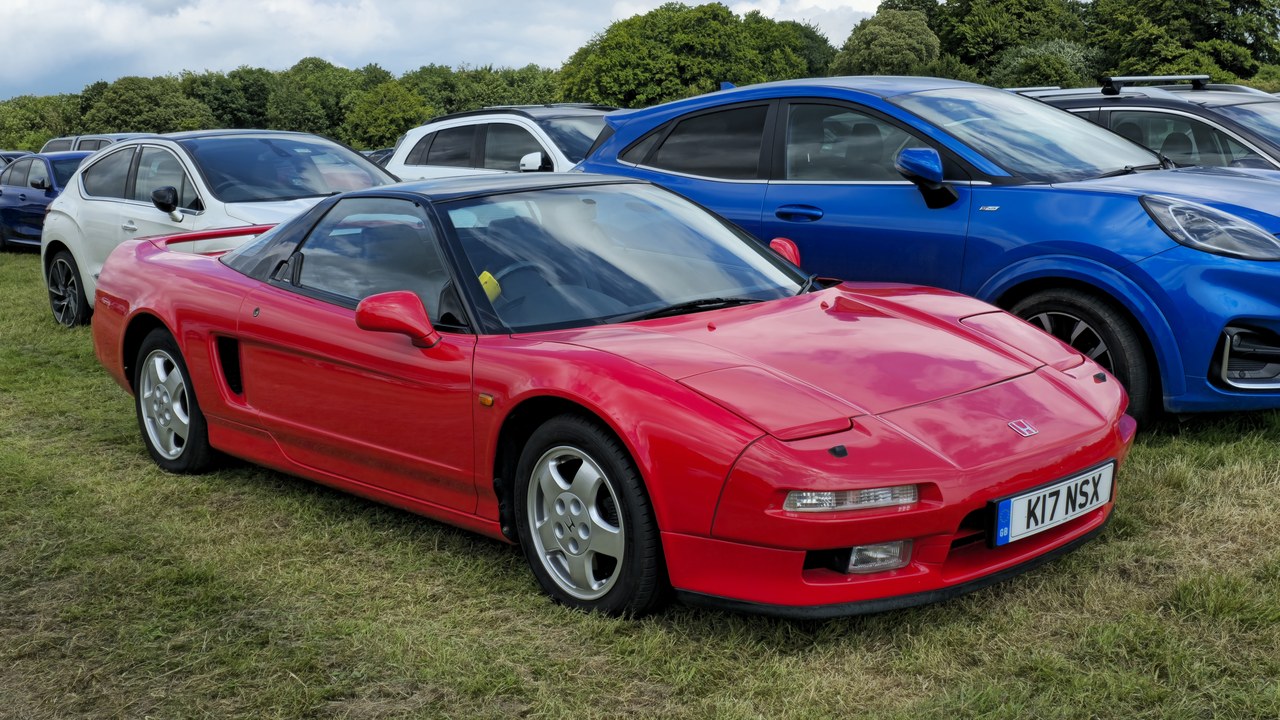
Acura badging kept the NSX on sale in America from 1991, but the Honda-badged Japanese cars differ on paper, and the NSX Type R of 1992 was never offered stateside. That version stripped roughly 120 kilograms out of the aluminum monocoque, deleted sound deadening, fitted stiffer springs and dampers and used hand-balanced engine internals.
Pop-up headlights survived until the 2002 facelift, so the classic profile stays within reach of the age rule. Original Type R examples are rare enough that provenance documents matter as much as mileage.
7. Nissan Silvia S15: Drifting’s Missing Chapter
Image Credit: Calreyn88 – CC BY-SA 4.0/Wiki Commons
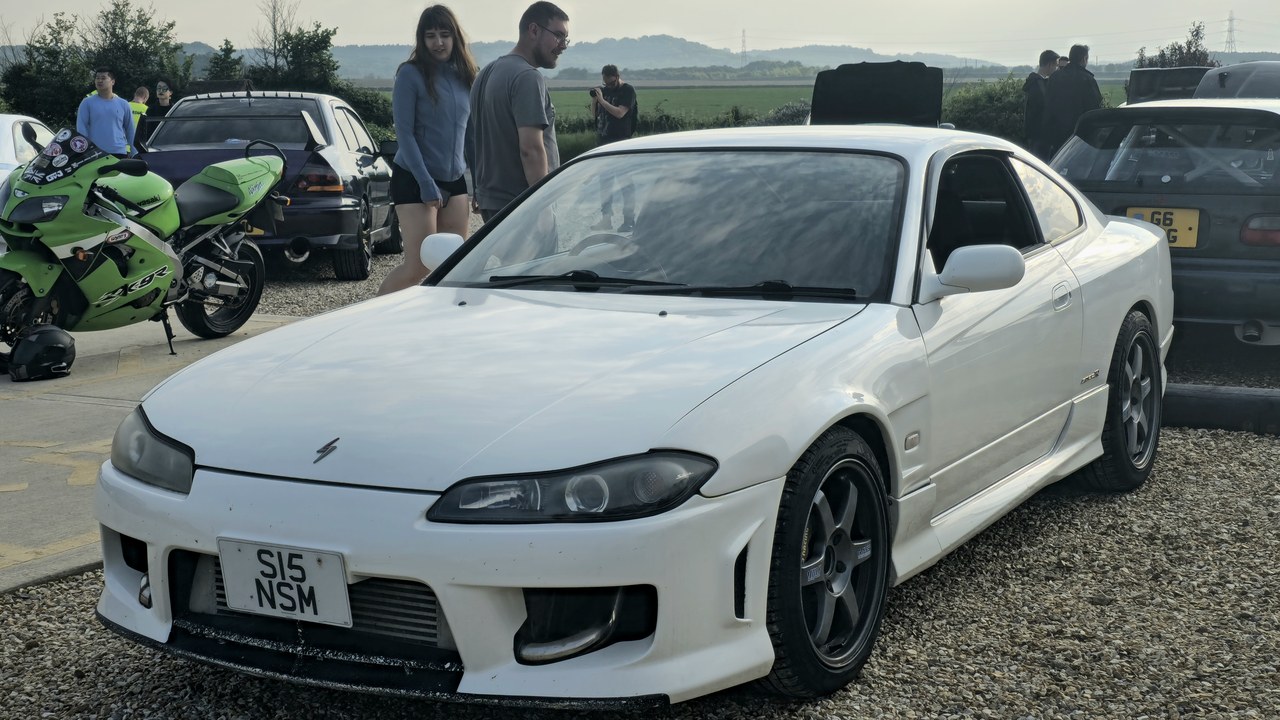
Nissan ended American 240SX sales after 1998, and the S15 that followed in 1999 never had an American equivalent, which is why the Silvia S15 generation sits high on import lists. Japanese buyers got the SR20DET turbocharged 2.0-liter four rated at 250 PS in Spec-R form, with a six-speed manual and a helical limited-slip differential.
Production ran to 2002, so the opening cars are eligible and the rest follow year by year. Drift-scene demand means many survivors carry welded or heavily repaired chassis, worth inspecting before money changes hands.
8. Toyota Chaser: The Turbocharged Sleeper Sedan
Image Credit: 先従隗始 – CC0/Wiki Commons
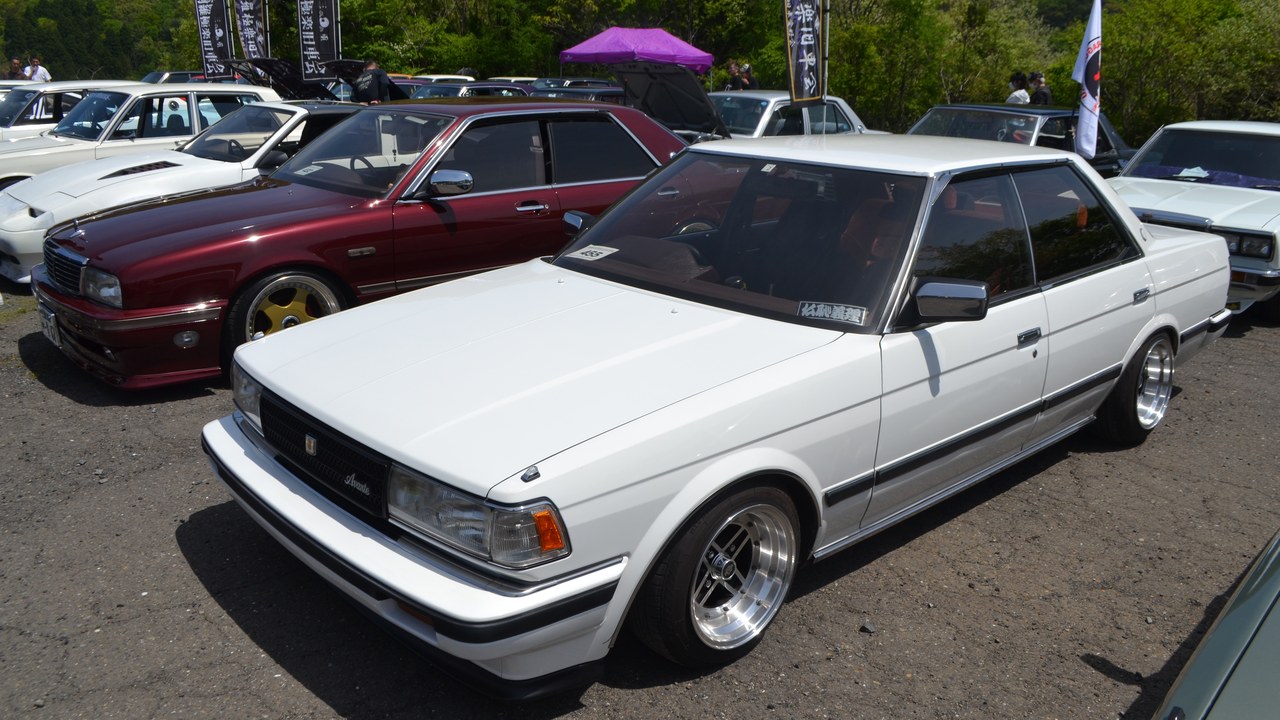
Toyota built the Chaser as a Mark II sibling from 1977, and no generation of the Chaser sedan line was ever exported to North America. The formula stayed consistent across the run: a conventional four-door body, rear-wheel drive and an available turbocharged inline-six, culminating in the JZX100 Tourer V with the 1JZ-GTE and an optional five-speed manual.
The final cars left production in 2001, which places the entire model line inside the import window during 2026. Their appeal is exactly the mismatch between plain sedan bodywork and drivetrains shared with Toyota’s sports cars.
9. Nissan 180SX: The Hatchback Half Of The Story
Image Credit: FotoSleuth – CC BY 2.0/Wiki Commons
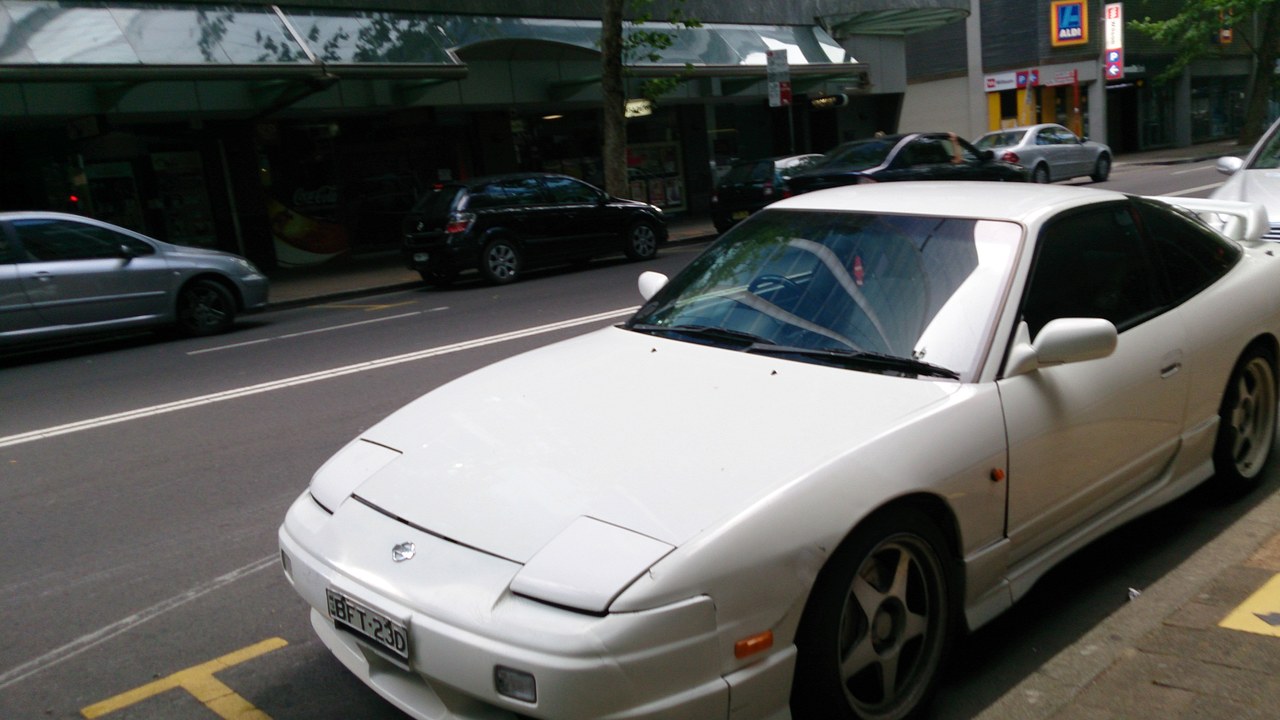
American buyers got the S13 chassis as the 240SX with a naturally aspirated KA24 four-cylinder, while Japan kept the 180SX hatchback in production until 1998, with pop-up headlights and, in later trims, the turbocharged SR20DET. The two share a platform but not a powertrain, and the fastback body stayed on sale in Japan long after the American coupe changed generations.
Every 180SX built is now past the 25-year threshold, making it one of the cheaper entry points on this list. Rear chassis rails and strut towers are the usual rot points on cars that lived through Japanese winters.
10. Honda Integra Type R: The Front-Drive Benchmark
Image Credit: Ths – CC BY-SA 3.0/Wiki Commons
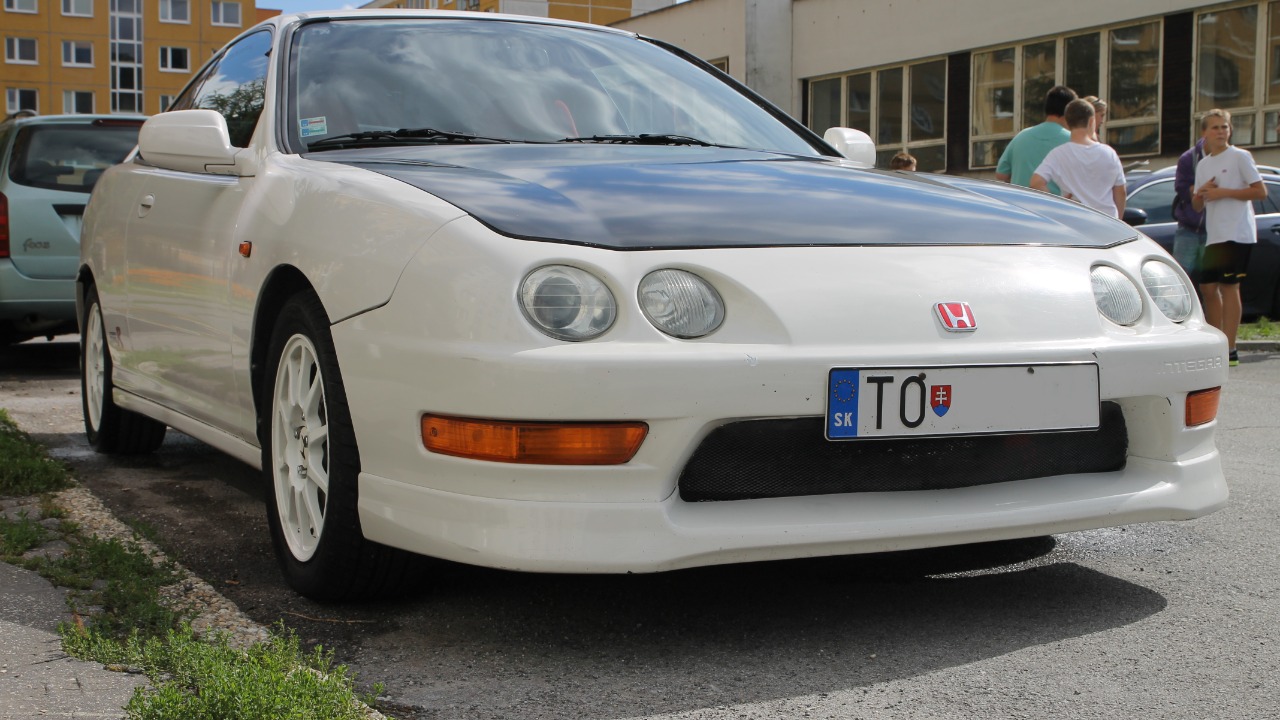
Acura sold an Integra Type R in America from 1997, yet the Japanese Integra Type R was rated higher, at 200 PS from its hand-ported 1.8-liter B18C against the American car’s 195 horsepower. Both were built to the same recipe: a seam-welded shell, a helical limited-slip differential and a redline past 8,000 rpm.
Japanese production ran to 2001, so the domestic-market cars enter the eligibility window now, right-hand drive and all. Hard track use has thinned the population, which makes an unmodified shell the first thing to verify.
11. Mitsubishi GTO: The 3000GT Under Its Real Name
Image Credit: GPS 56 from New Zealand – CC BY 2.0/Wiki Commons
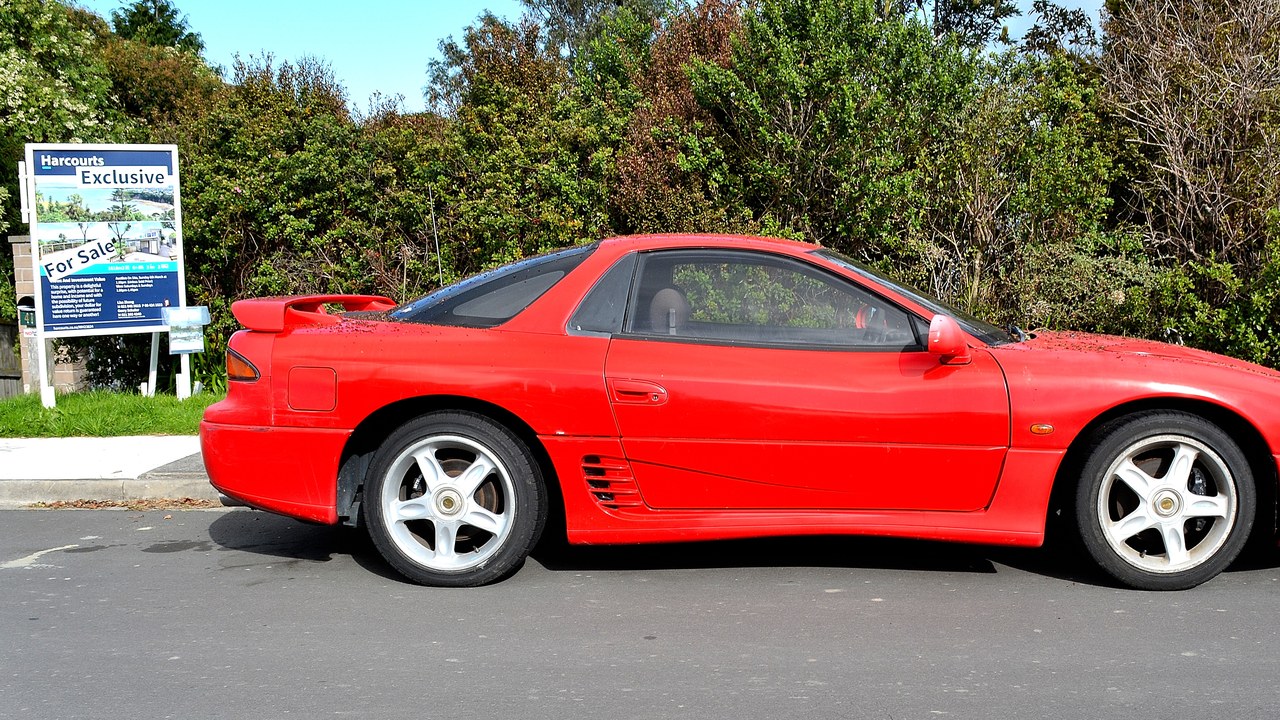
Mitsubishi’s domestic flagship wore the GTO name from 1990, while America received the same car as the 3000GT and, in rebadged form, the Dodge Stealth. the GTO twin-turbo models carried a 3.0-liter V6 with two turbochargers, all-wheel drive, four-wheel steering and active aerodynamics that moved the front air dam and rear wing with road speed.
Japanese production ended in 2000, so right-hand-drive GTOs are already legal to bring in. Complexity is the catch: the electronic aero, active exhaust and all-wheel-drive hardware are expensive to return to health once neglected.
More from Morning Overview