Image Credit: Tesla Model S 70D 2015, midnight blue
Insurance premiums track two things above all: how likely a car is to be involved in an expensive claim, and how much that claim costs to settle. Horsepower, replacement value, sensor content and parts scarcity all push in the same direction. Here are nine vehicles that sit at the costly end of both measures.
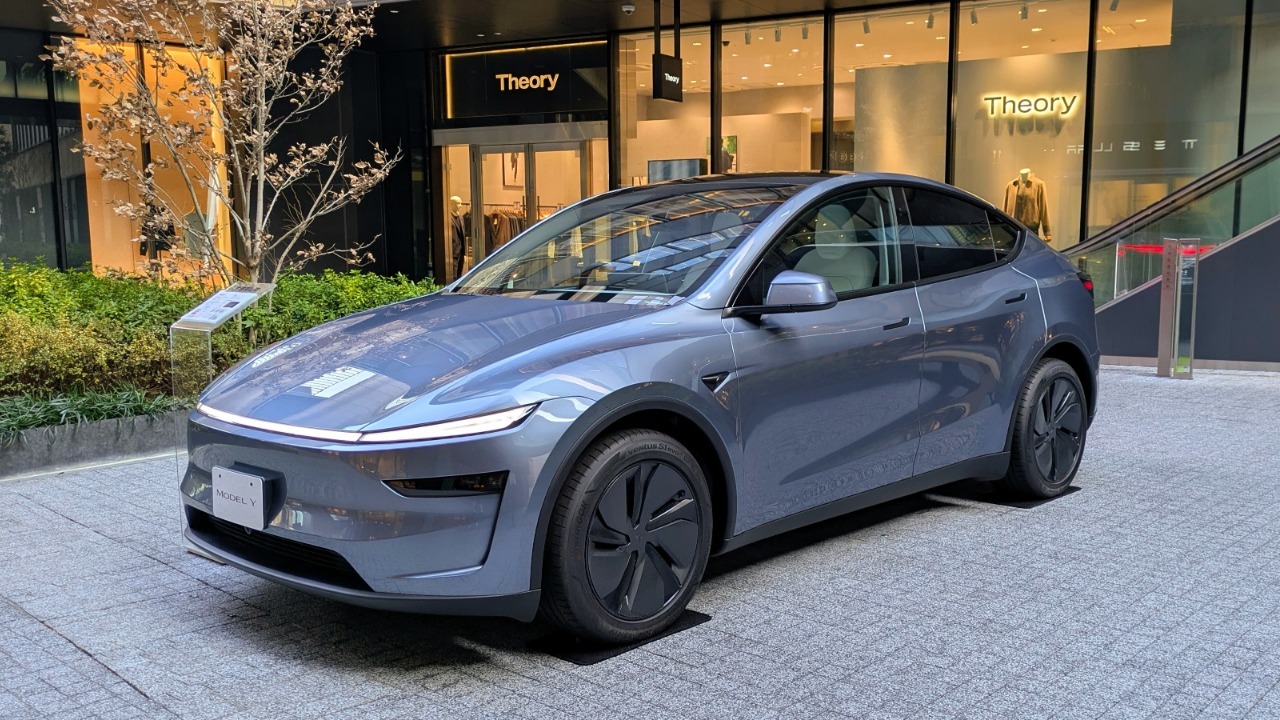
1. Tesla Model S: Supercar Pace, Sedan Body
<p>Image Credit: Aos.1905 – CC BY-SA 4.0/Wiki Commons</p>
Tesla’s flagship Plaid variant pairs three electric motors with a quoted 1,020 horsepower, which makes this full-size electric sedan quicker to 60 mph than most mid-engine exotics. The same car carries a floor-mounted battery running nearly the length of the chassis, so damage that would be a simple sill repair on a gasoline sedan can reach the single most expensive component in the vehicle.
Underwriters price both halves of that equation: the odds of a severe claim, and the cost of settling one. An owner who never uses launch mode still sits in the same rating class, because the rate follows the car rather than the intent of the person driving it.
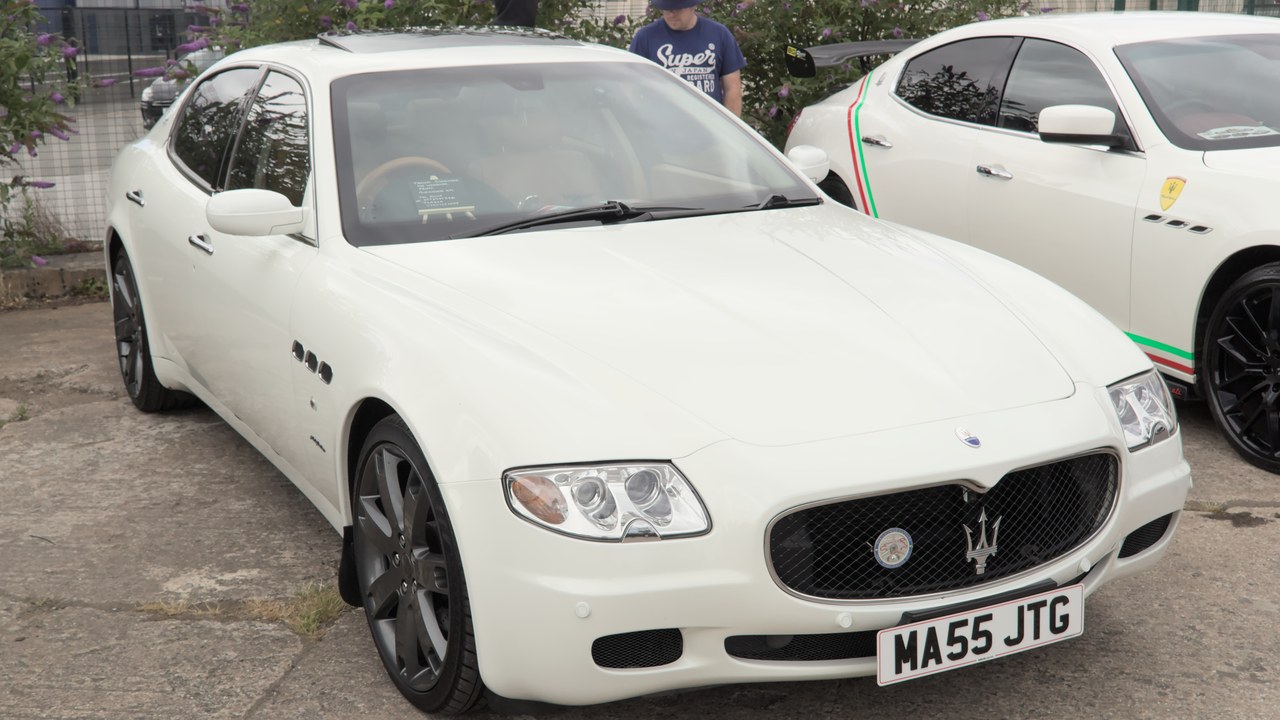
2. Maserati Quattroporte: Rare Enough To Hurt
Image Credit: Aethonatic – CC0/Wiki Commons
Volume has never been the point of Maserati’s Italian luxury sedan, which has run through six generations since 1963 and used V8 engines built by Ferrari in Maranello across its two most recent ones. Cars produced in the thousands rather than the hundreds of thousands leave a thin salvage market behind them, and replacement panels tend to arrive from Italy on their own schedule.
Scarcity inflates an estimate before a single labor hour is quoted. Weeks of storage while a trim piece crosses the Atlantic count toward the claim, and an insurer that has seen that pattern builds it into the annual premium from the start.
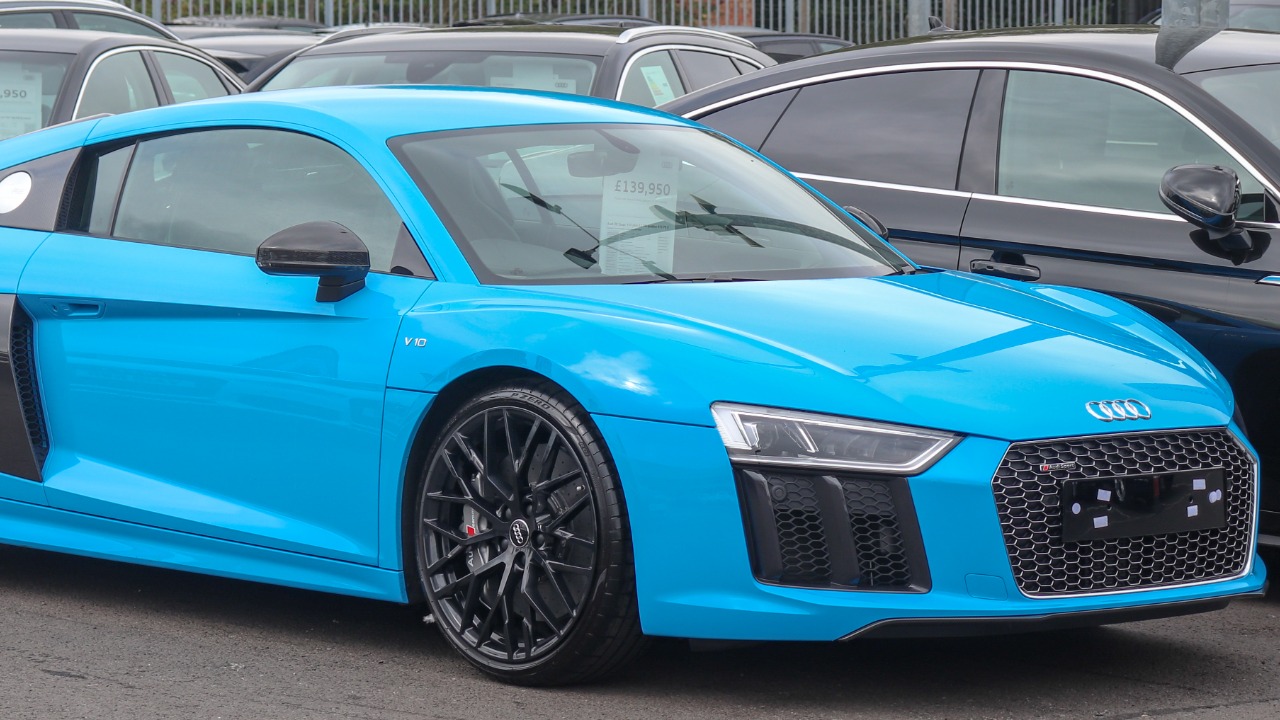
3. Audi R8: A V10 With No Successor
Image Credit: Vauxford – CC BY-SA 4.0/Wiki Commons
Audi’s only mid-engine supercar was built on an aluminum and carbon Audi Space Frame and, in its final form, powered by a naturally aspirated 5.2-liter V10 shared with the Lamborghini Huracan. Production ended in 2024 without a direct replacement, which fixes the supply of panels, glass and driveline parts at whatever quantity was already made.
Bonded aluminum structures cannot be pulled straight the way a steel unibody can, and the certified shops equipped to work on them are scattered thinly. Repairs cross the total-loss threshold quickly as a result, and a car that totals easily is a car that costs more to insure.
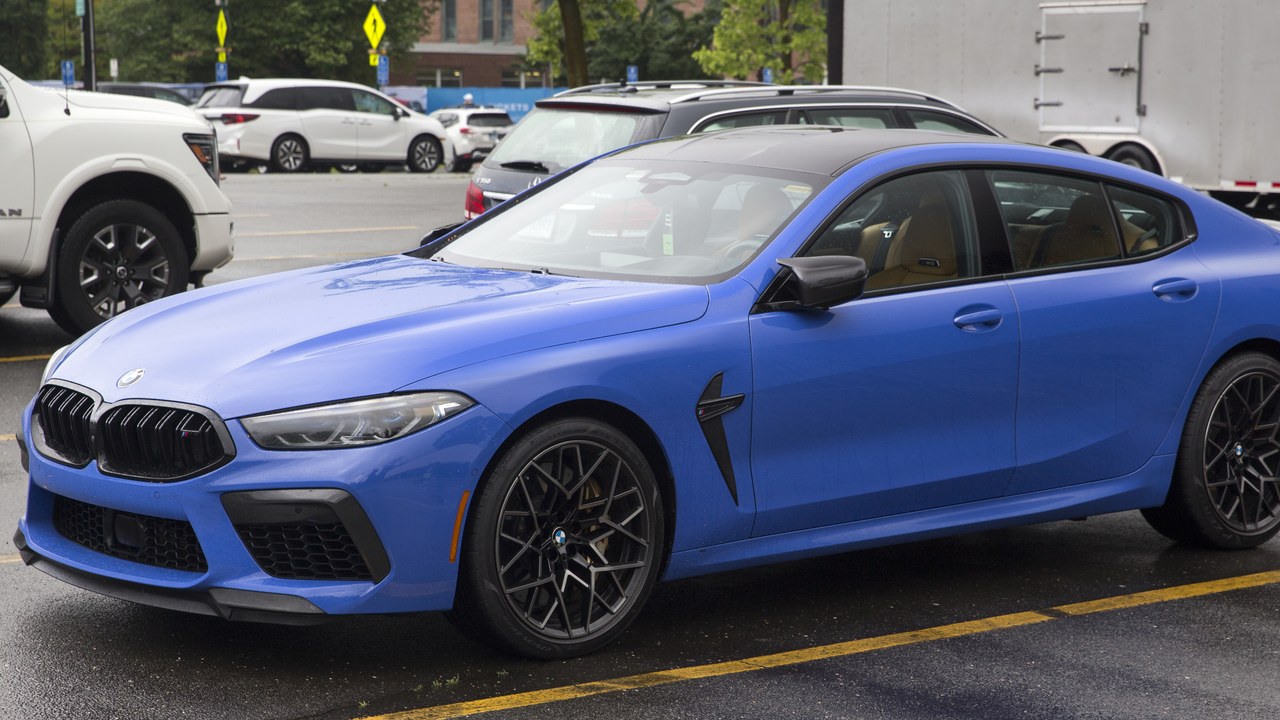
4. BMW M8: 617 Horsepower, Sensors Everywhere
Image Credit: Mr.choppers – CC BY-SA 4.0/Wiki Commons
A twin-turbocharged 4.4-liter V8 and all-wheel drive give the Competition version of BMW’s flagship performance coupe a rating of 617 horsepower. Because the M8 also inherits the 8 Series luxury specification, a low-speed impact takes out adaptive headlight units, radar and camera hardware alongside the bumper cover itself.
Driver-assistance equipment prevents some collisions and makes the remainder considerably more expensive, since recalibration becomes its own labor line once a sensor is disturbed. Pairing that content with genuine supercar output produces the frequency-and-severity mix insurers charge the most for.
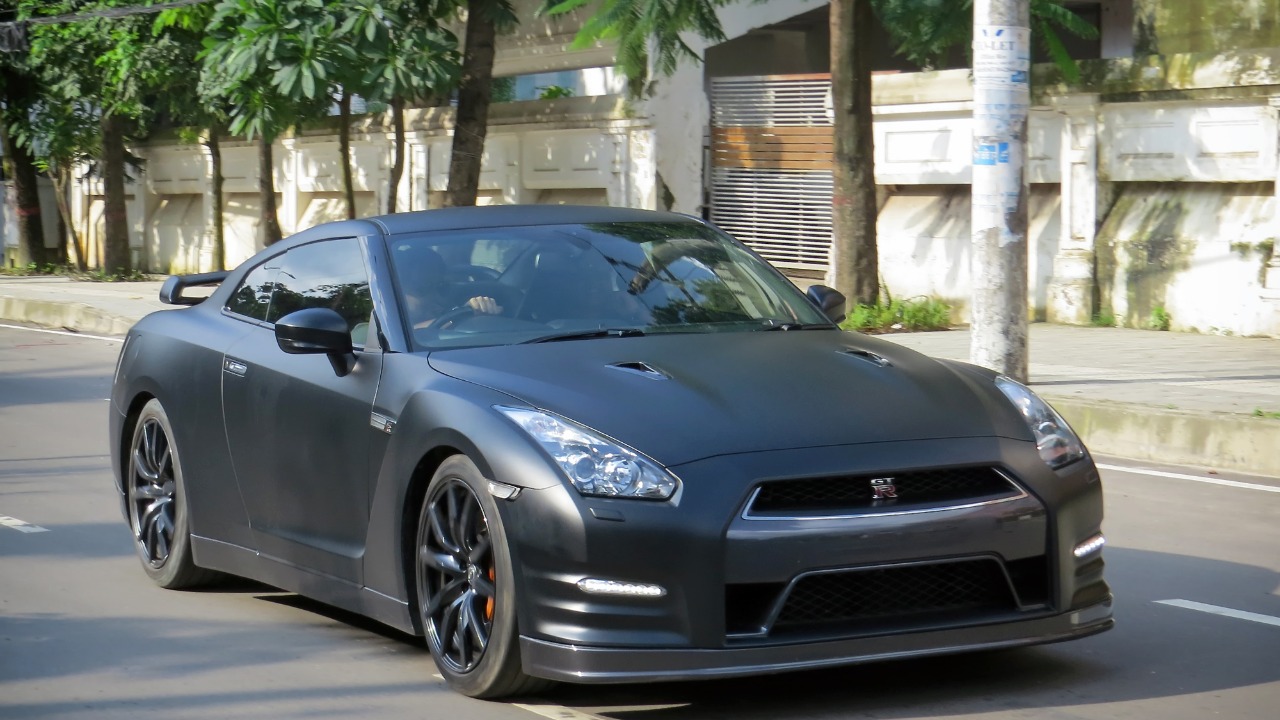
5. Nissan GT-R: One Technician, One Engine
Image Credit: Shadman Samee from Dhaka, Bangladesh – CC BY-SA 2.0/Wiki Commons
Nissan hand-assembles each 3.8-liter twin-turbo V6 in a clean room, one takumi craftsman per engine, with that craftsman’s name on a plaque fixed to the finished unit. The all-wheel-drive coupe also mounts its dual-clutch gearbox at the rear as a transaxle, a layout few independent workshops are equipped to open.
Narrowing the field of shops able to quote a job pushes the eventual figure upward, and parts for a low-volume performance car are priced to match. Its track-day reputation shapes the driver profile as well, which is the half of the rating an owner cannot engineer away.
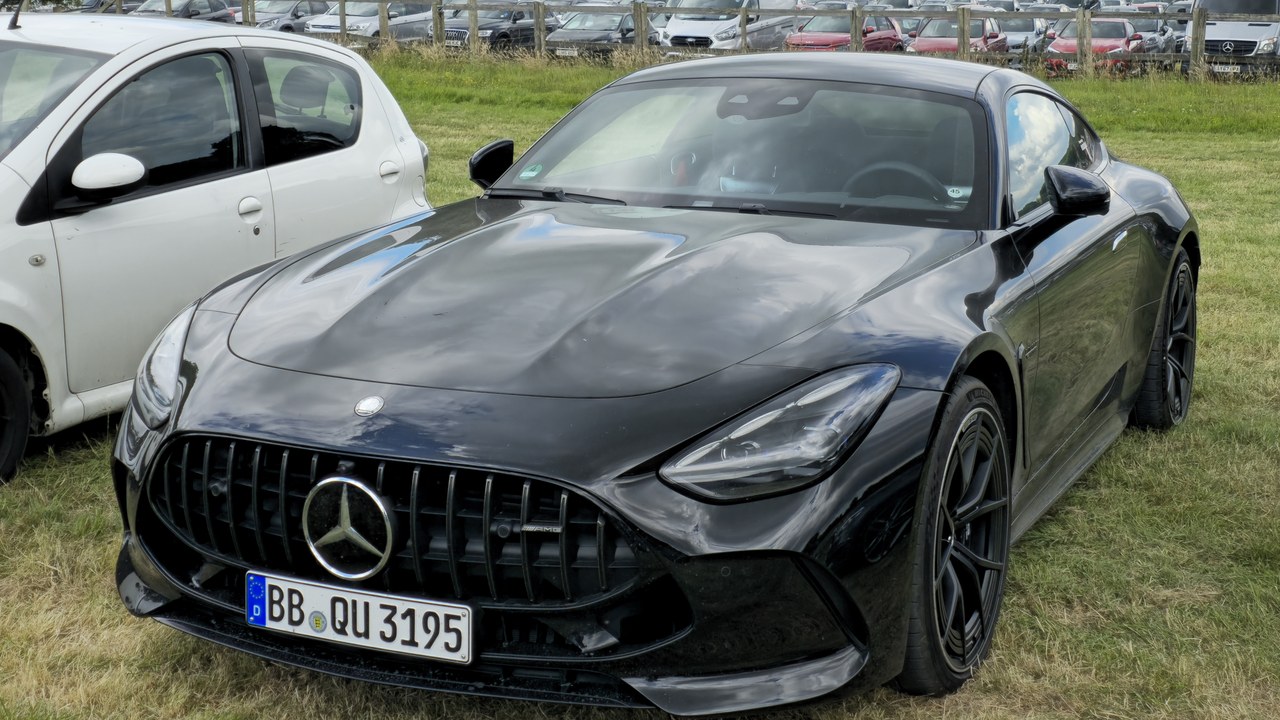
6. Mercedes-AMG GT: Handbuilt And Hard To Fix
Image Credit: Calreyn88 – CC BY-SA 4.0/Wiki Commons
The GT’s 4.0-liter twin-turbo V8 is built under AMG’s one-man, one-engine rule, a single technician assembling the unit and signing the plaque bolted to it. In its original form the front-mid-engine sports car placed that V8 behind the front axle and drove a rear-mounted transaxle, spreading driveline components across the length of an aluminum spaceframe.
Handbuilt powertrains are not swapped casually, and a spaceframe limits who can straighten the structure around them. For an insurer this is a low-frequency, high-severity risk, and severity is the half of the calculation that sets the price.
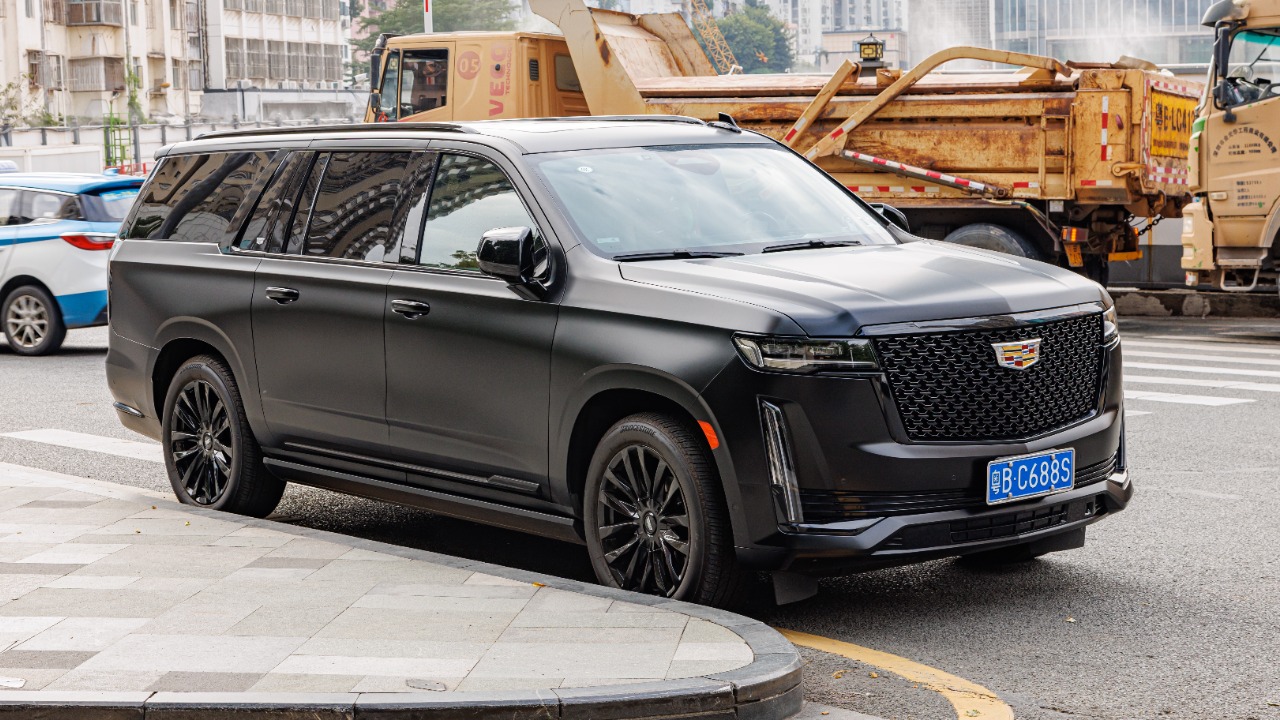
7. Cadillac Escalade: Mass, Money And Screens
Image Credit: Dinkun Chen – CC BY-SA 4.0/Wiki Commons
Cadillac’s body-on-frame full-size SUV shares its frame with the Chevrolet Tahoe and Suburban, then adds air suspension, a 38-inch curved OLED display spanning the dashboard, and a price to match. Sheer mass matters as much as content: a heavy vehicle inflicts more damage on whatever it strikes, and liability coverage prices the harm done to others.
Severity climbs from the other direction too, because the display assembly, adaptive dampers and lighting modules all sit in the path of an ordinary collision. Size and price together keep the Escalade in a costlier band than the mechanically related Chevrolets beneath it.
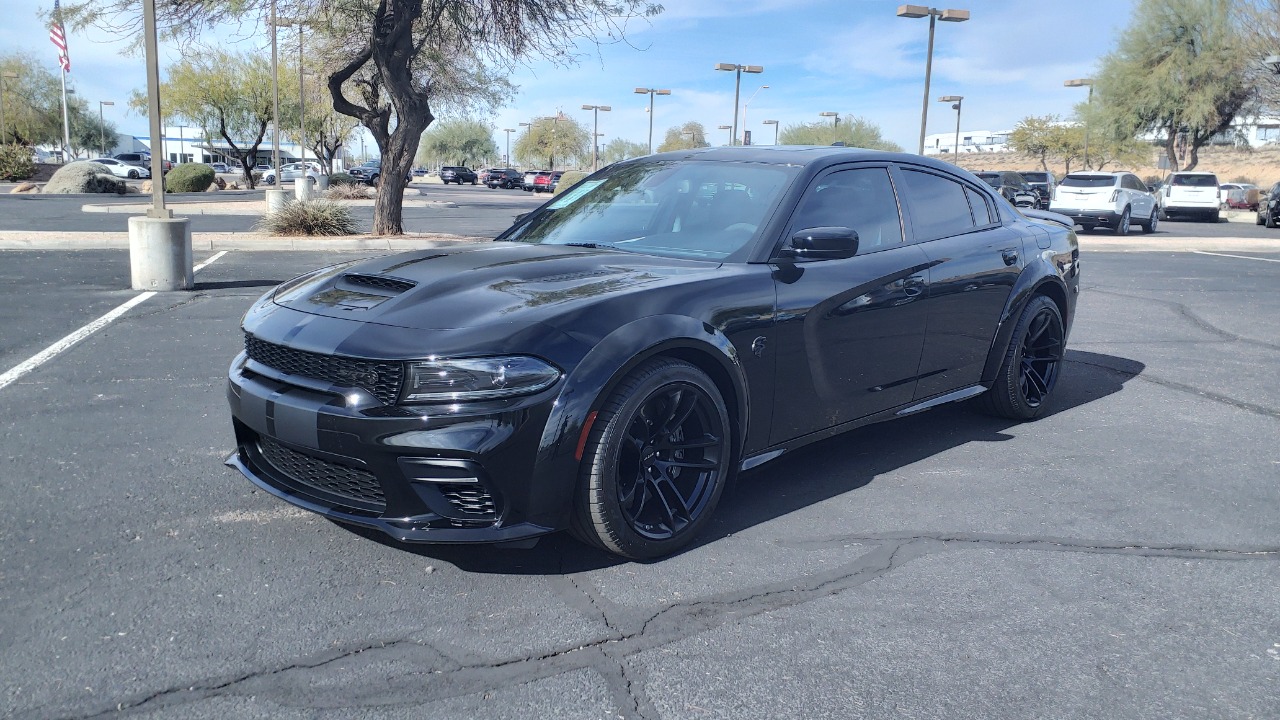
8. Dodge Charger: Hellcat Power, Four Doors
Image Credit: HJUdall – CC0/Wiki Commons
Dodge sold its supercharged muscle sedan with a 6.2-liter Hemi V8, and the SRT Hellcat Redeye version of the four-door was rated at 797 horsepower, output normally reserved for two-seat exotics. That generation ended production in 2023, after which the nameplate returned as the battery-electric Charger Daytona.
Rear-wheel drive plus a supercharger available to whoever holds the key is the combination actuaries treat as elevated risk, regardless of how the car is actually driven. Firm used values compound it, since a total loss on a decade-old Hellcat still writes an expensive check.
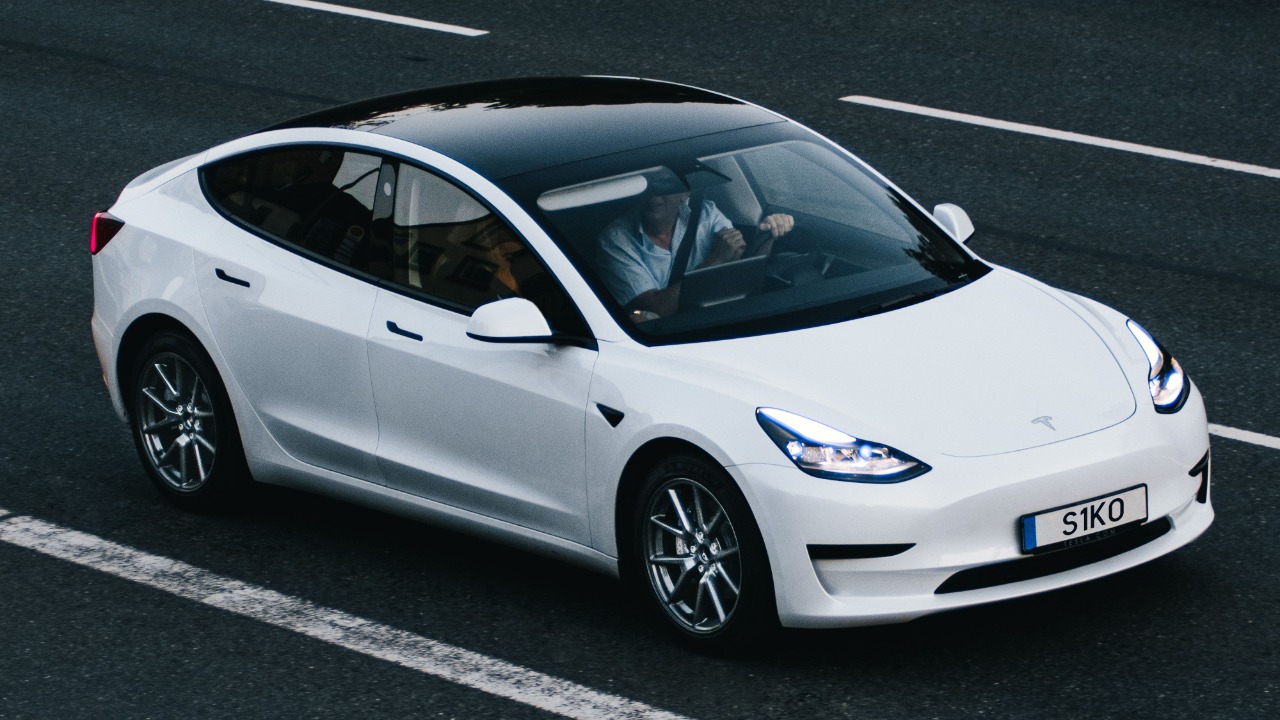
9. Tesla Model 3: Cameras In Every Panel
Image Credit: David Gari/Pexels
Cameras sit in the windshield, the front fenders, the B-pillars and the trunk lid of the compact electric sedan, feeding Tesla’s Autopilot suite, while a battery pack fills the floor between the axles. Hardware of that kind sits directly behind panels that a parking-lot scrape would otherwise cost very little to straighten.
A dented quarter panel on a conventional car becomes a camera housing, a wiring harness and a mandatory recalibration on this one. Claim severity, rather than the sticker price, is what separates its insurance cost from similarly sized gasoline sedans.
More from Morning Overview
Morning Overview is reader-supported. Some links in our articles are affiliate links, and we may earn a commission at no extra cost to you. As an Amazon Associate I earn from qualifying purchases. Full disclosure.