
Every year the Insurance Institute for Highway Safety puts the country’s midsize SUVs through a battery of crash and headlight tests, and only a fraction earn its Top Safety Pick badge. The 2026 winners span gas, hybrid and electric three-row haulers from mainstream and luxury-adjacent brands alike, each meeting strict criteria for structural protection and crash-avoidance tech. Here are ten midsize SUVs that IIHS named Top Safety Picks this year.
1. Honda Passport: Small-Overlap Standout
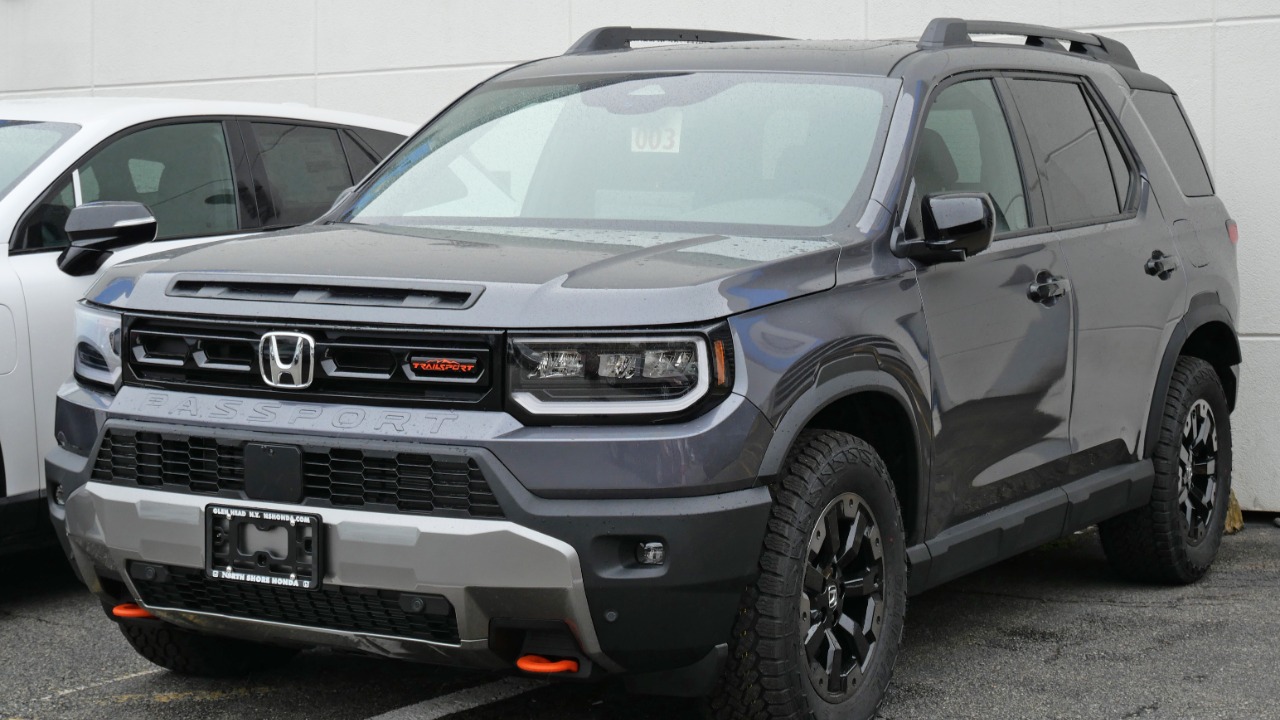
Honda’s rugged trail-oriented SUV lands on the IIHS top safety picks list on the strength of its small-overlap front and side crash results, the two tests most responsible for knocking rivals out of contention. The current generation carried through both evaluations without the intrusion problems that have plagued less protected competitors in the same class.
For buyers cross-shopping the class, the distinction matters because small-overlap crashes are a leading cause of serious injury in real-world SUV collisions, not the frontal tests most shoppers assume matter most. A model that clears both the overlap and side tests offers a meaningfully wider safety margin than one that only satisfies the older, less demanding frontal standard.
2. Hyundai Palisade: Three-Row Family Score
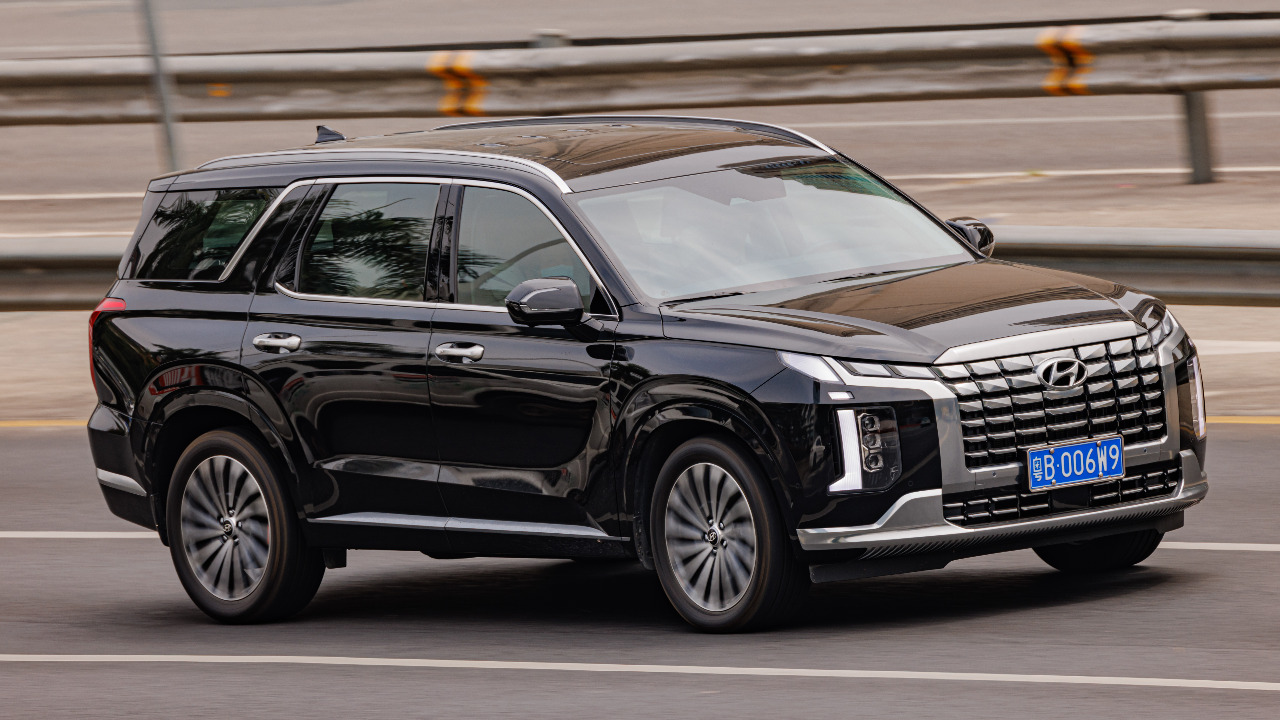
The Hyundai Palisade posts top marks on both the front and side evaluations in the midsize SUV ratings roster, a result that carries extra weight for a three-row hauler built to carry a full load of passengers on every trip. The structure held its shape in the small-overlap test, the scenario engineers use to approximate a real highway collision with a pole or oncoming vehicle.
Families cross-shopping three-row SUVs often assume more seats mean more compromise in a crash, but the Palisade’s results argue otherwise: its scores sit alongside two-row competitors rather than trailing them. The headlight and crash-prevention tech required for the award also come standard rather than bundled into a pricier trim.
3. Hyundai Santa Fe: Headlight Fix Pays Off
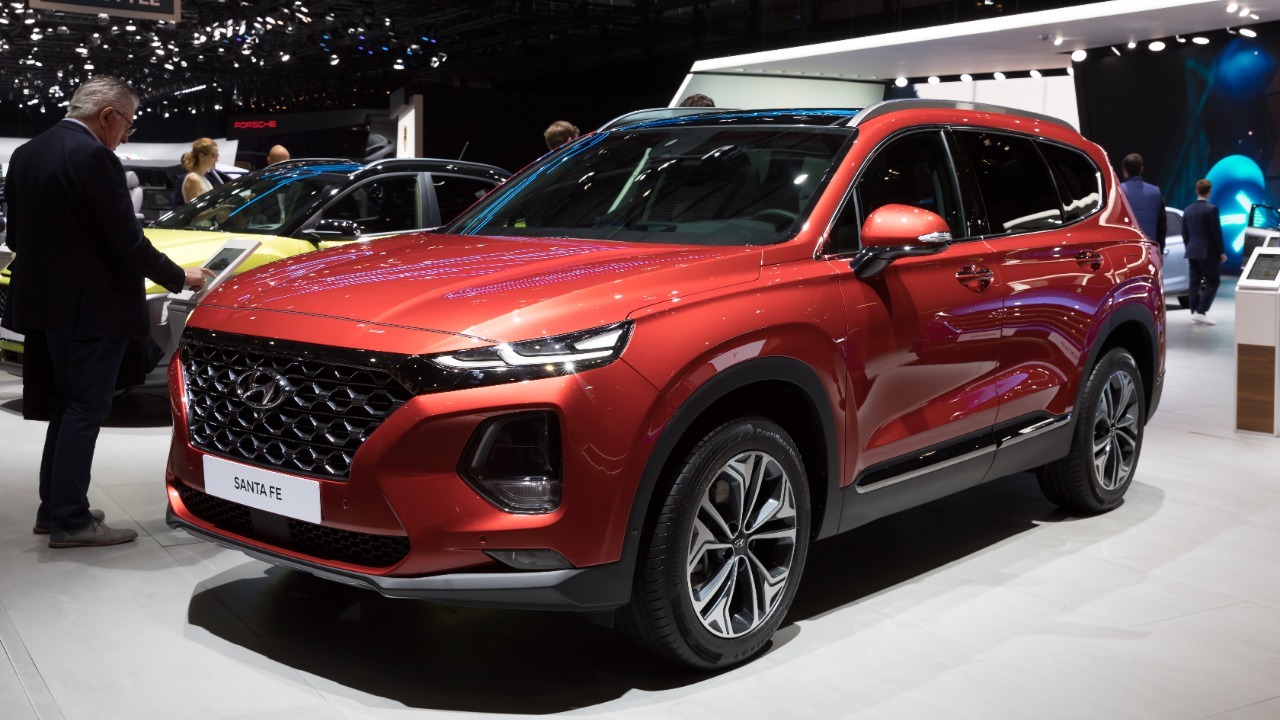
The redesigned Hyundai Santa Fe combines good crashworthiness scores with upgraded headlights in the IIHS award roundup, closing a gap that had kept earlier versions off the list. Poor headlight performance is one of the most common reasons an otherwise strong SUV misses Top Safety Pick status, since the rating requires adequate low-beam illumination on curves as well as straightaways.
The fix illustrates how incremental engineering, not a full redesign, decides who makes the list most years. Buyers comparing model years should note that headlight hardware can differ between trims, so the specific package matters as much as the nameplate when the safety badge is the deciding factor in a purchase.
4. Kia Sorento: Front-Crash Prevention Leader
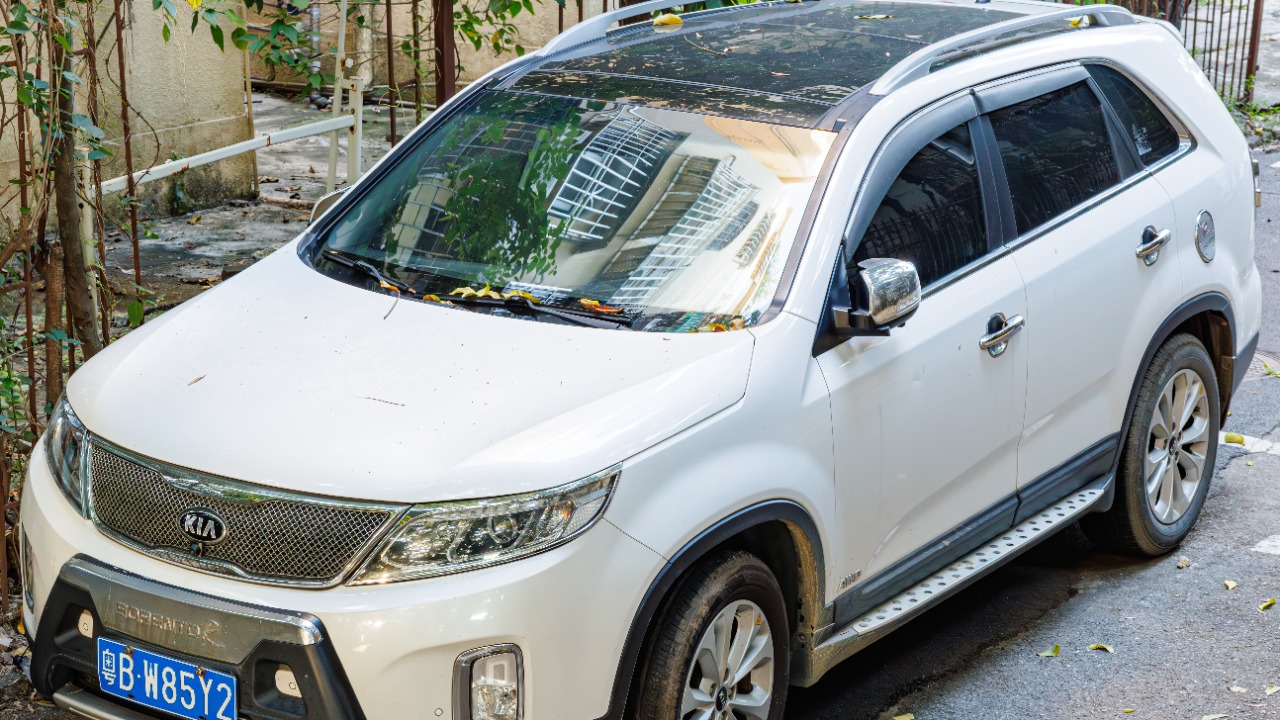
The Kia Sorento earns its spot on the latest IIHS honor list largely on the strength of its front-crash prevention system, which the institute credits with avoiding or softening collisions before they happen rather than only protecting occupants after impact. That system’s pedestrian and vehicle detection scored among the strongest in the class this cycle.
The distinction between structural crashworthiness and crash-avoidance technology matters for shoppers weighing an older used Sorento against a current model, since the prevention hardware has improved measurably across recent redesigns. A vehicle can post identical structural scores year to year while its avoidance tech quietly gets better underneath.
5. Kia EV9: Electric Three-Row Winner
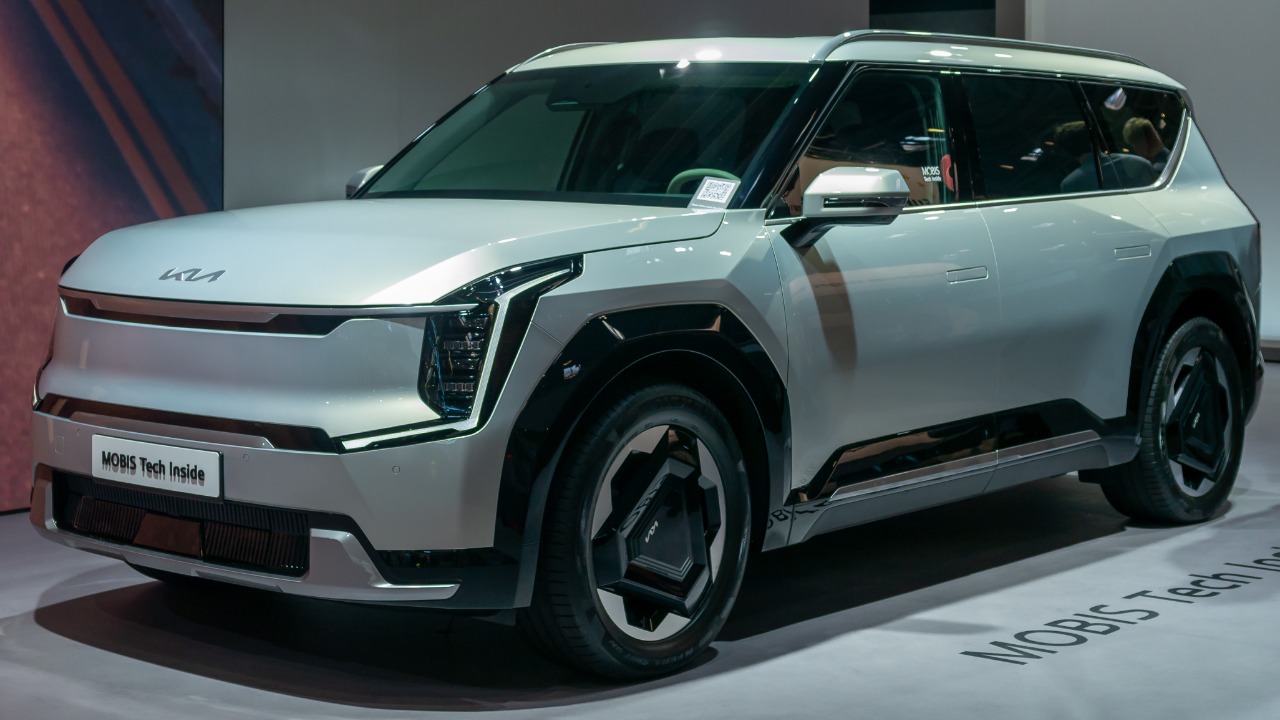
As one of the first three-row electric SUVs on the market, the Kia EV9 still tops the safety charts according to its documented crash-test record, proving that a battery pack under the floor does not have to compromise structural scores. The EV9’s low center of gravity and enclosed battery pack help produce a rigid cabin structure in impact testing.
That result matters because early electric SUVs faced skepticism over whether added weight and battery placement would hurt crash performance rather than help it. The EV9’s scores suggest the opposite: the battery pack itself can reinforce the floor structure, giving engineers a stiffer base to build the passenger cabin around from the start.
6. Hyundai Ioniq 9: Clean Sweep On Debut
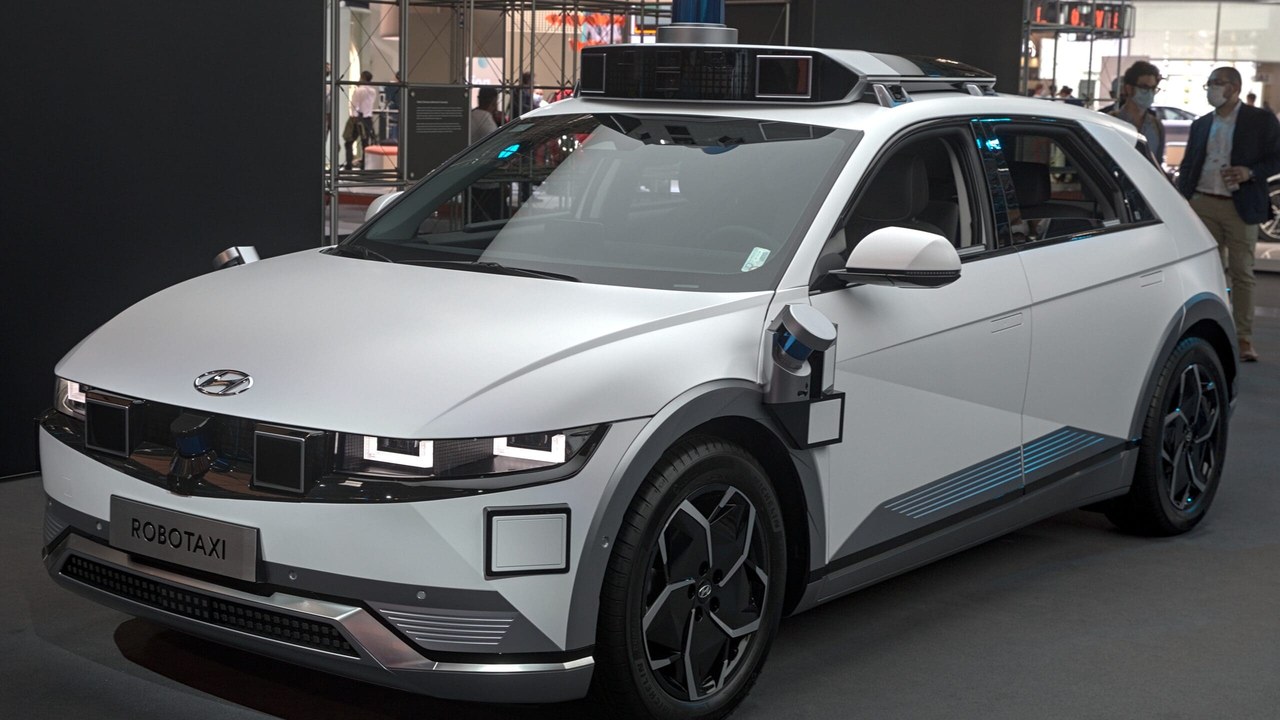
The Hyundai Ioniq 9 swept the crash-test battery according to its documented debut record, a notable result for a newly launched three-row EV with no prior model years of testing data to build on. Its shared E-GMP platform, already used across several Hyundai and Kia electric models, gave engineers a proven structural foundation rather than an unfamiliar one.
A clean sweep on a first-year model is rarer than it sounds, since new nameplates often lose points to unresolved design issues that only surface once independent testers get a vehicle on the track. The Ioniq 9’s performance suggests the shared EV platform underneath it has matured past that early-adopter risk entirely.
7. Ford Explorer: Back On The Winners List
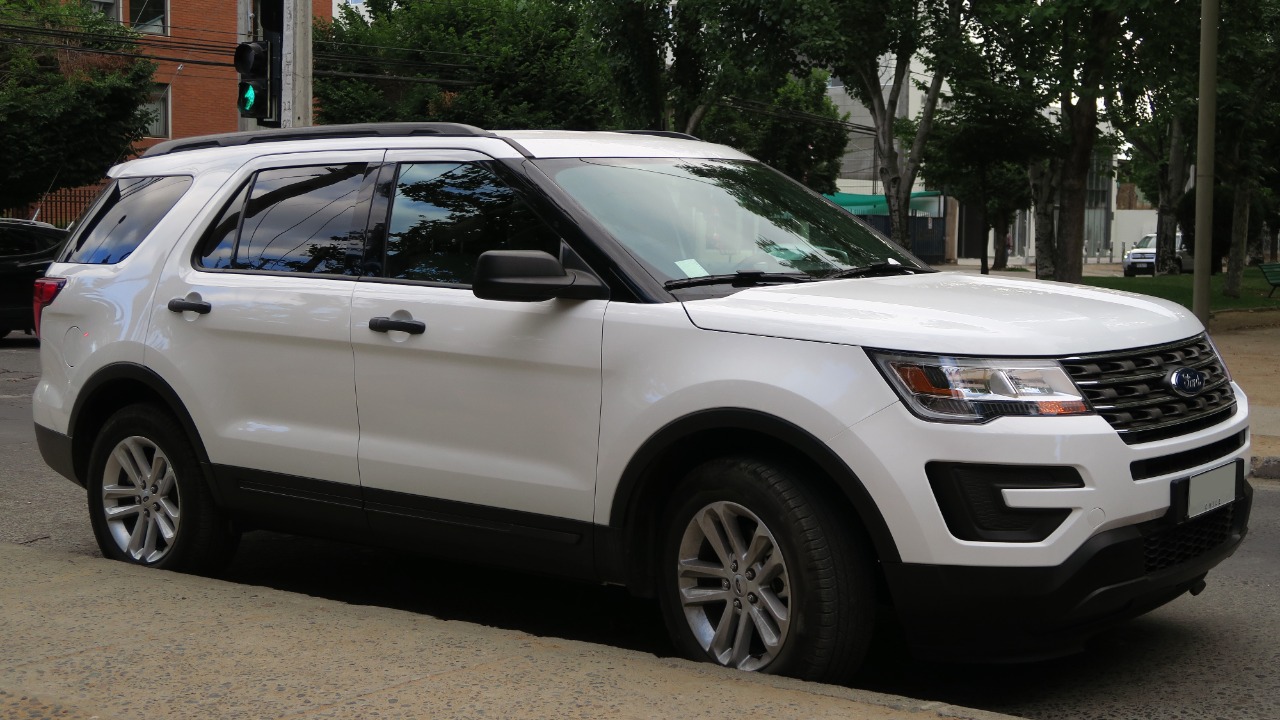
The Ford Explorer returns to the winners list after structural updates addressed shortfalls that had kept the current generation off the badge in prior years, according to its model history. The three-row SUV, one of the best-selling nameplates in the segment, now matches the crashworthiness standards its newer rivals had already cleared.
For a nameplate with Explorer’s sales volume, requalifying for the award has an outsized effect on the used and rental fleet market, since dealers and fleet buyers often treat the safety badge as a baseline requirement. Shoppers comparing recent model years should check which specific year regained the distinction before assuming every Explorer on a lot qualifies today.
8. Buick Enclave: Quiet Overachiever
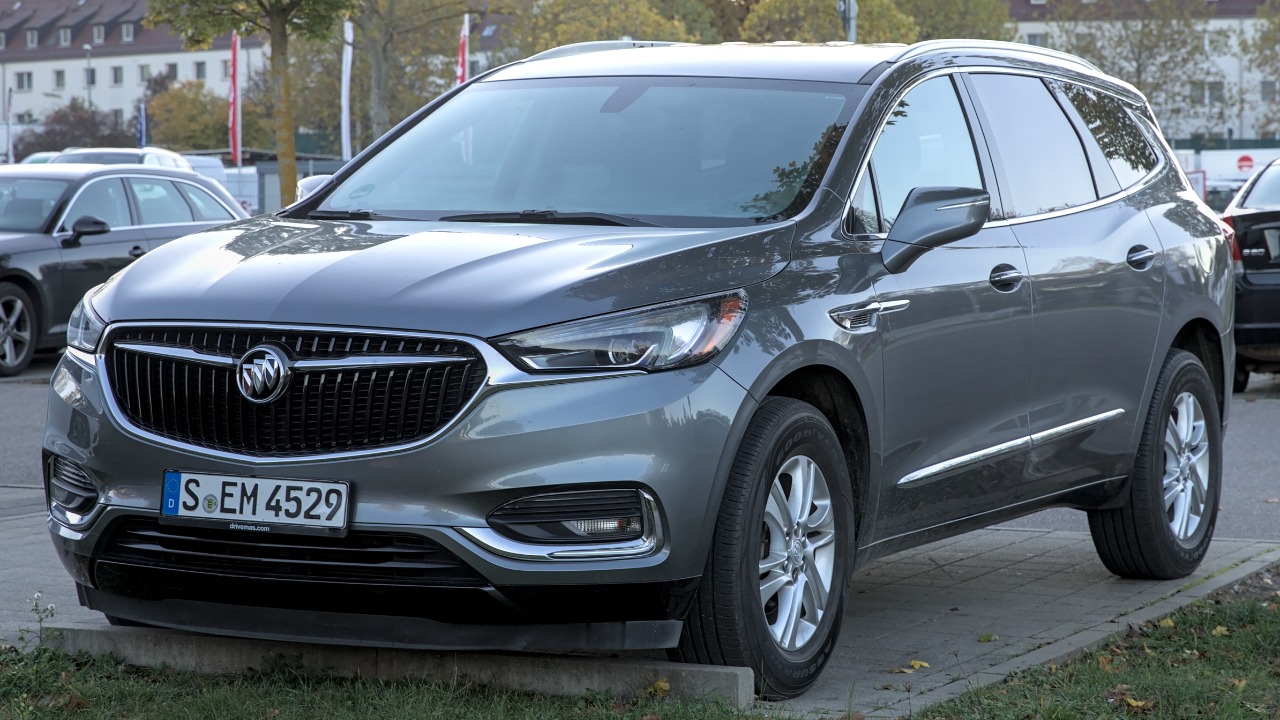
The Buick Enclave rarely tops sales charts the way its Chevrolet and GMC siblings do, but it quietly aced the crash battery according to its model documentation, posting structural scores that hold up against SUVs with far higher name recognition. The three-row layout shares its underlying platform with corporate cousins that have also performed well in recent testing cycles.
The shared-platform result underscores how much crash performance now comes down to underlying architecture rather than brand positioning, since badge-engineered siblings built on the same bones tend to post similar scores. Buyers drawn to the Enclave’s quieter cabin and extra standard features get the same structural protection without paying a premium-brand price tag.
9. Mazda CX-90: Flagship Structural Scores
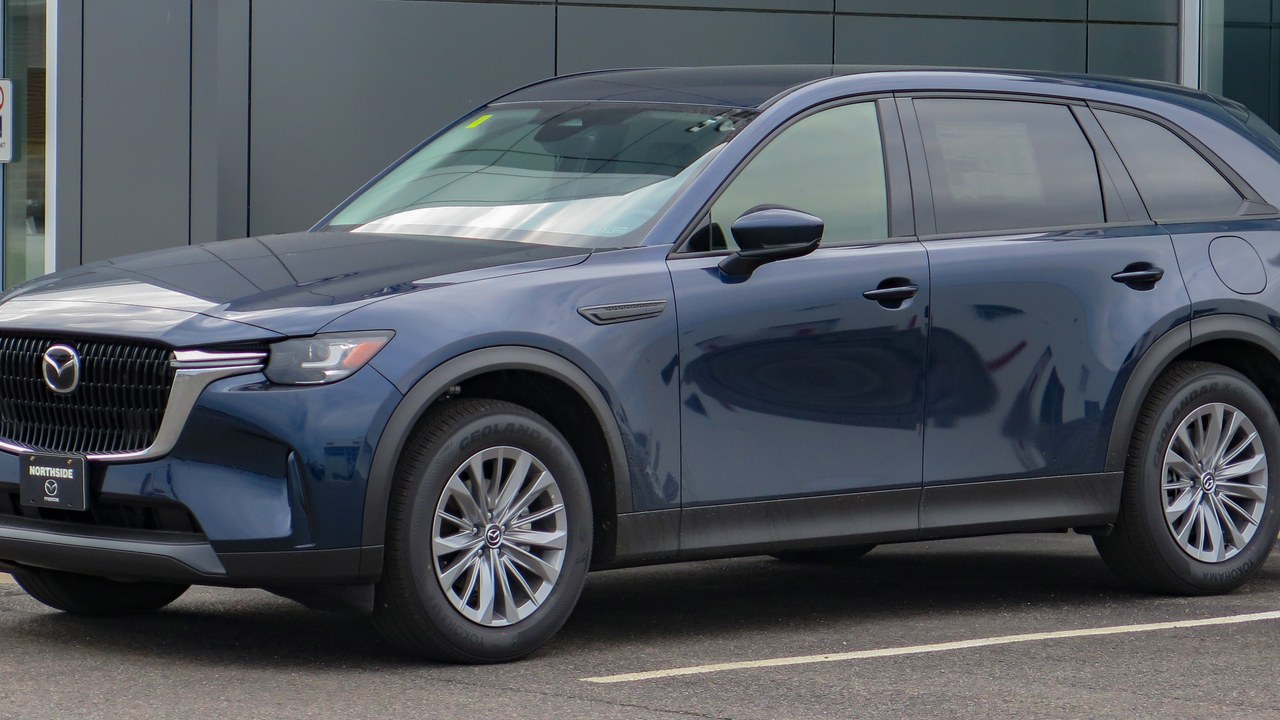
Mazda’s flagship three-row SUV posts top structural scores according to its crash-test record, reflecting the brand’s push upmarket on a longitudinal-engine platform shared with the smaller CX-70. The rigid unibody construction Mazda engineered for the larger platform carried over into stronger side-impact results than the outgoing CX-9 it replaced.
The CX-90’s scores matter to Mazda’s broader strategy of competing against three-row rivals from luxury-adjacent brands rather than only mainstream competitors, since a structural safety badge is table stakes at that price point. Owners of the outgoing CX-9 weighing an upgrade get a meaningfully stiffer structure in the newer platform, not just added features and trim.
10. Subaru Ascent: AWD Hauler Holds Up
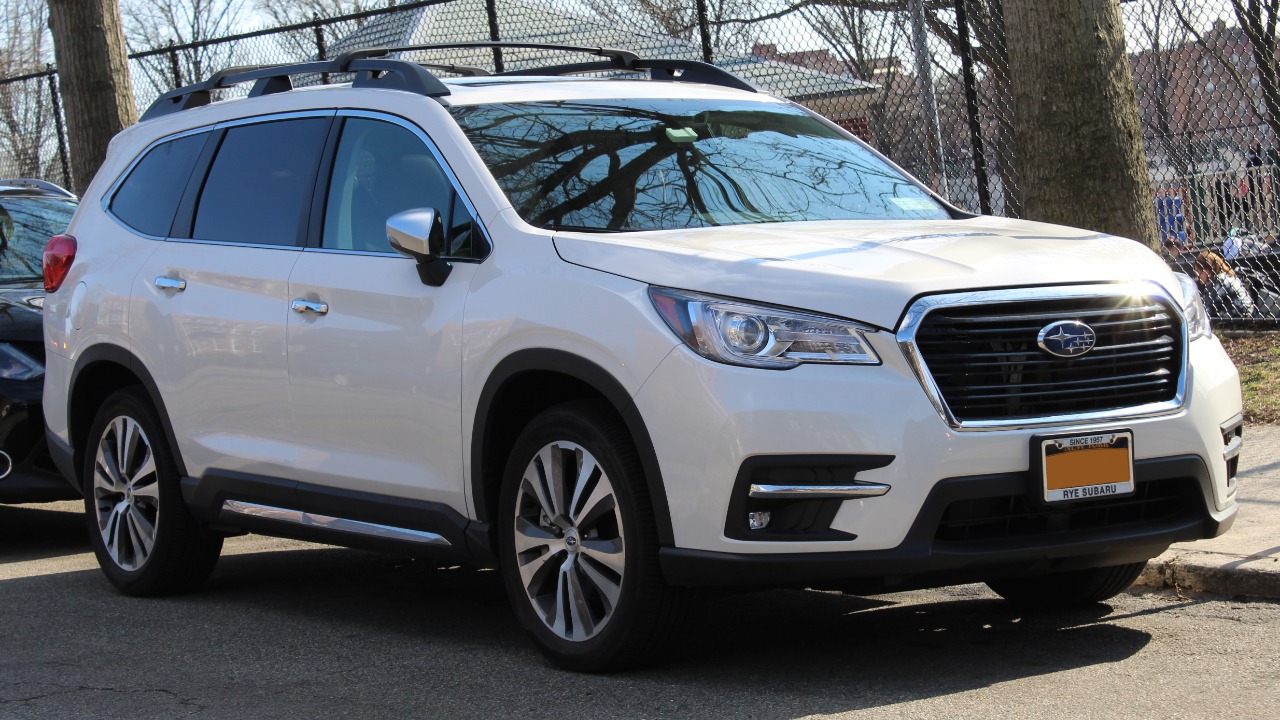
The Subaru Ascent, the brand’s largest and only three-row SUV, backs up its standard all-wheel-drive pitch with strong crash marks in its documented safety record. Subaru builds the Ascent on the same global platform underpinning the smaller Outback and Forester, both of which have also posted strong independent crash results in recent years.
For shoppers who assume all-wheel-drive hardware adds weight that hurts crash performance, the Ascent’s results argue the opposite: the extra drivetrain components have not come at the cost of structural integrity. That combination of standard all-wheel drive and a strong safety badge is part of why the Ascent remains a fixture on family SUV shortlists.
More from Morning Overview
