
The Toyota Corolla has been sold in America since the late 1960s, and in that time it has turned a plain economy car into the best-selling nameplate in history. Each generation left its own mark on sales, engineering or manufacturing. Here are eleven Corollas that follow the story from a 1969 import to a modern 50-mpg hybrid.
1. Toyota Corolla (E10): The $1,700 Import
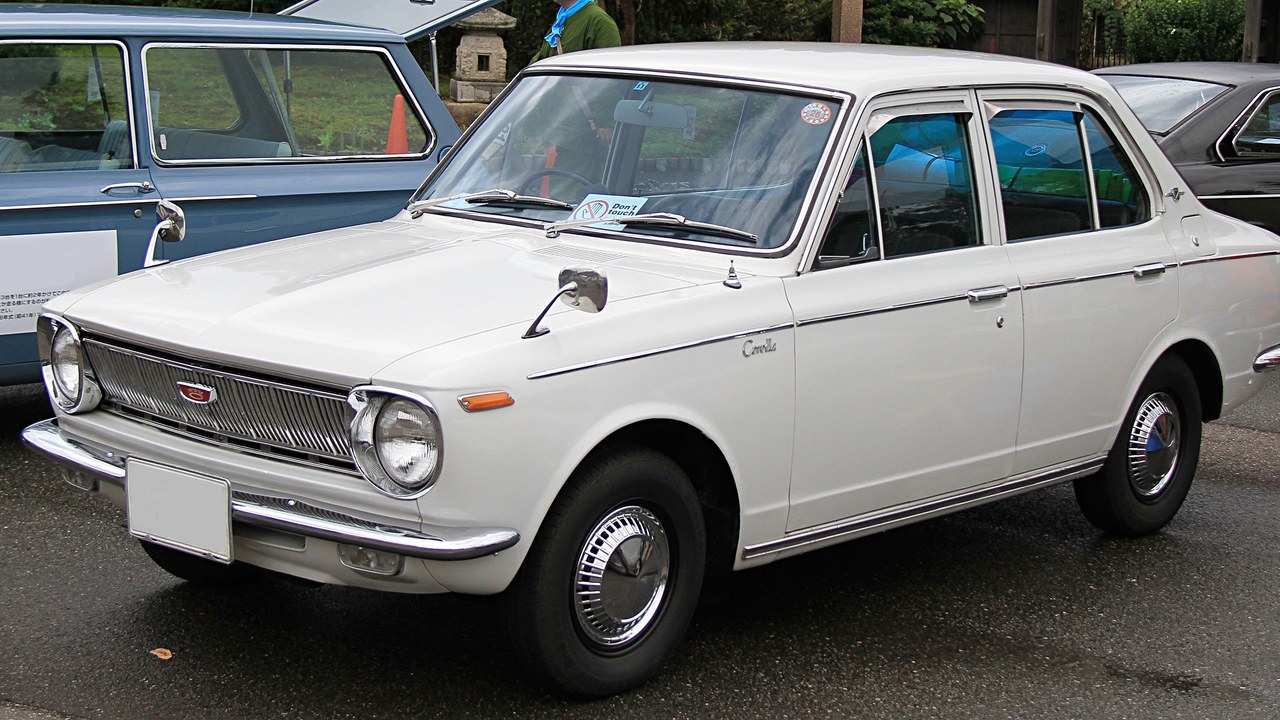
The Corolla reached America in spring 1968 as a 1969 model. It was powered by a 1,077-cc four of about 60 hp paired with a four-speed manual, and Toyota priced the two-door sedan at about $1,700.
Those figures describe an honest, basic small car. Its low price and light weight set the template that buyers would come to expect from the nameplate for decades afterward. For anyone tracing the family tree, this is the starting point, and every later Corolla grows from these modest numbers.
2. Toyota Corolla (E20): More Power, First Automatic
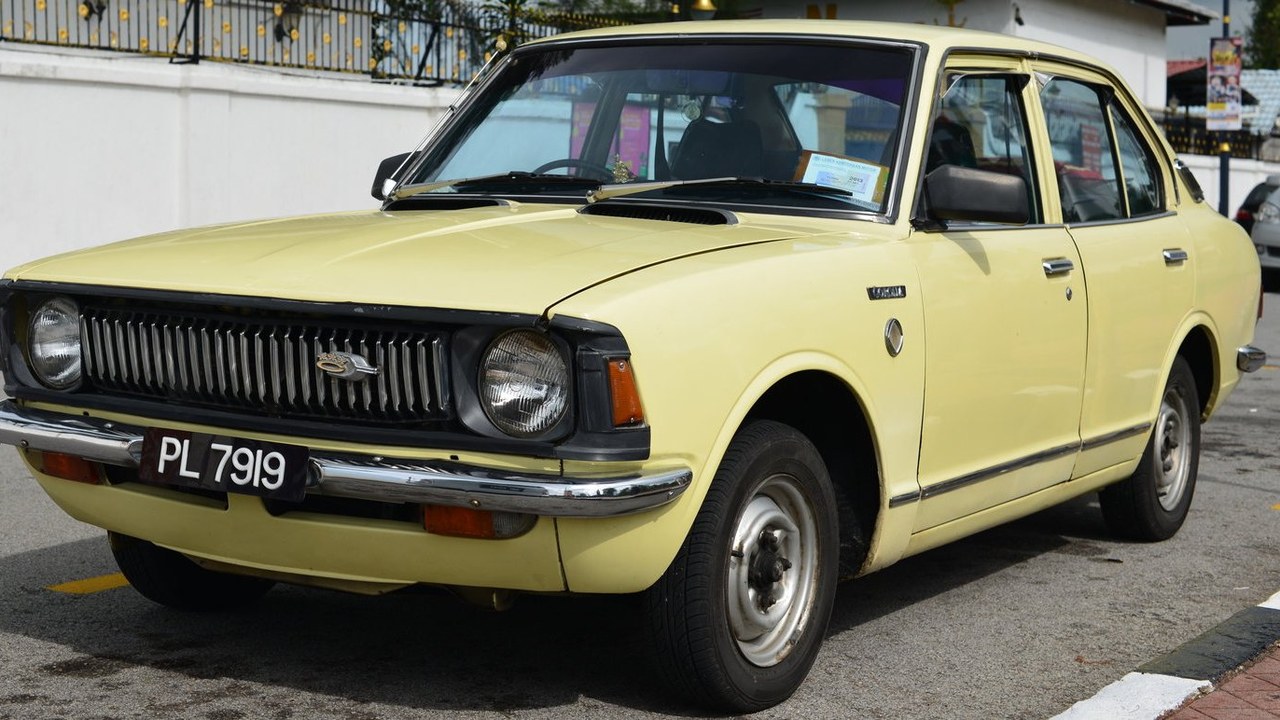
The 1971-74 Corolla grew to 73 hp and offered its first optional automatic transmission. It also became the second-best-selling car in the world, according to Toyota’s history of the model.
The automatic widened the car’s appeal to drivers who did not want a manual, and the extra power made it easier to live with. This generation shows the Corolla moving from a curiosity to a global bestseller. Collectors who find a clean survivor from these years are holding a piece of the model’s early global rise.
3. Toyota Corolla (E30): Rounder, Heavier, Liftback
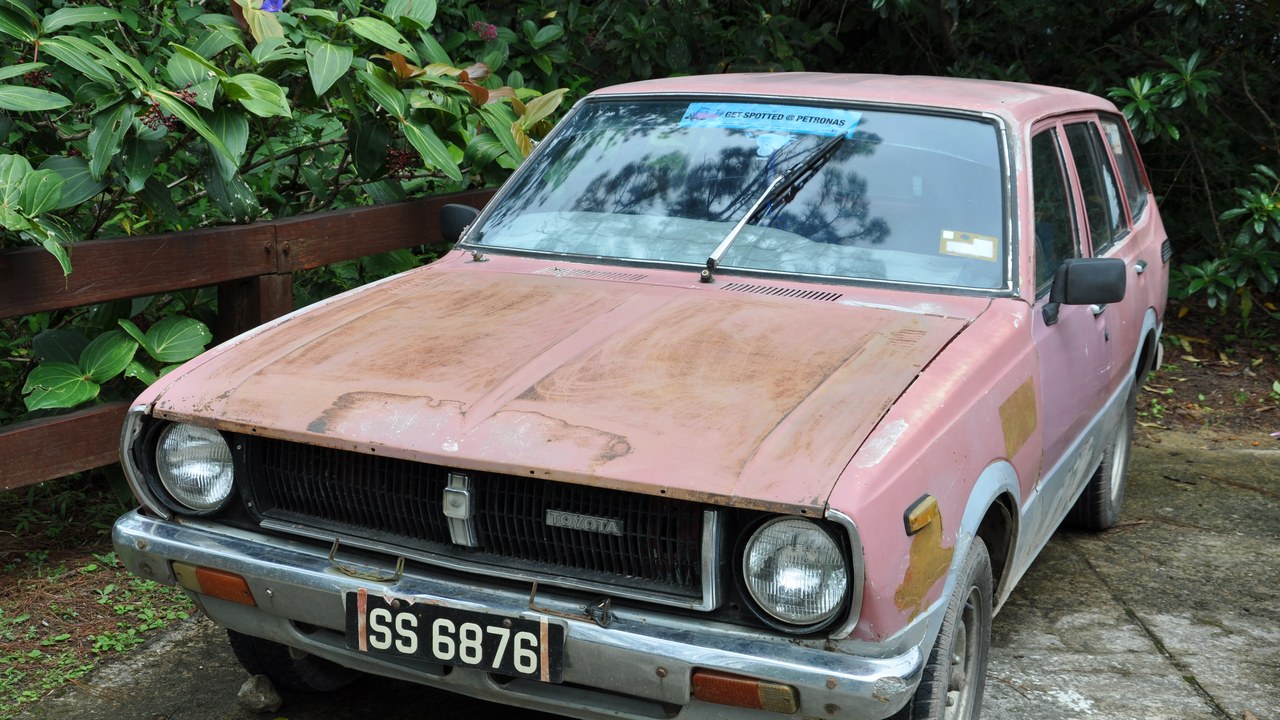
The rounder, heavier 1974 Corolla added a two-door liftback to the range. U.S. sales climbed to 259,344 in 1977, according to the generation history on Wikipedia.
The liftback gave small-car shoppers more cargo flexibility than a trunk allowed. The sales total shows that American buyers were embracing the Corolla in large numbers by the late 1970s. It was a practical addition that kept the car relevant as tastes in small cars shifted through the decade.
4. Toyota Corolla (E70): The SR5 Liftback
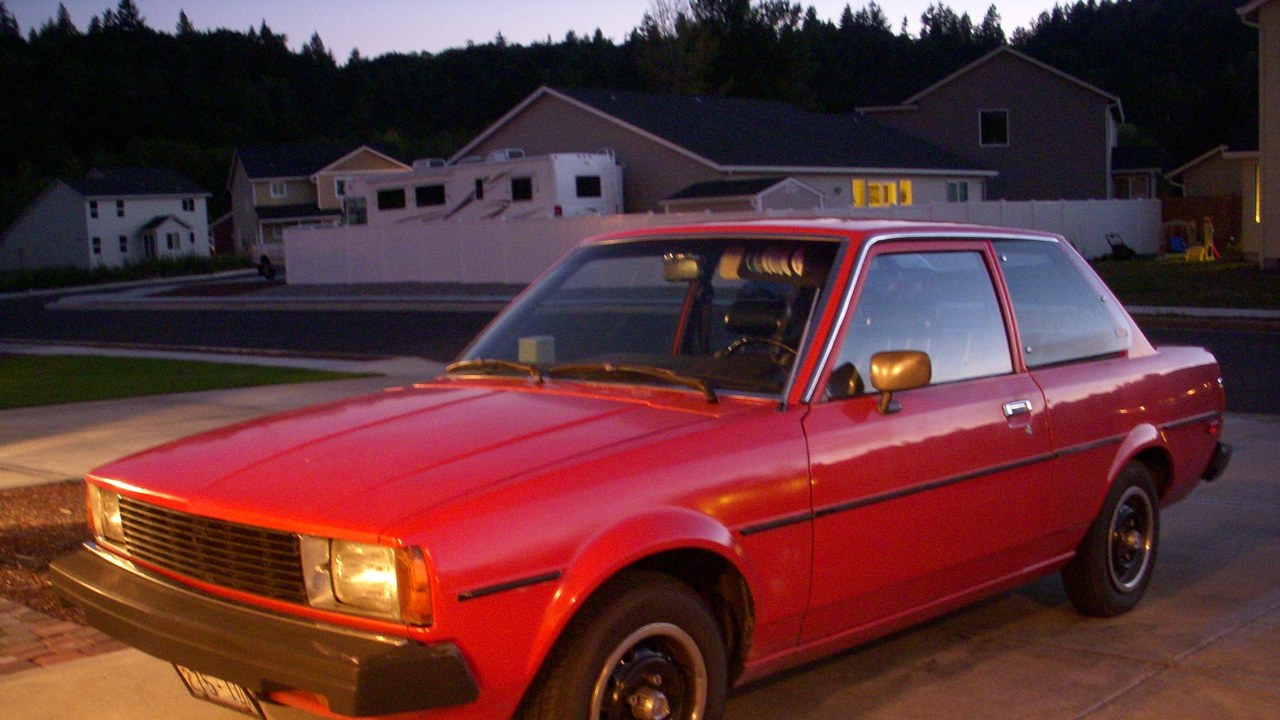
Toyota’s own history highlights the 1979-83 Corolla SR5 liftback. Company chief Akio Toyoda has also described his used fourth-generation 1600 GT as a best friend, a personal note that Toyota included in its anniversary telling.
The comment shows how much affection the brand attaches to this era. For collectors, the sporty trims of these years remain the most memorable versions of an otherwise practical family of cars. Anyone hunting a classic Corolla will find these years offer the most character in the nameplate’s long history.
5. Toyota Corolla (E80): Front-Wheel Drive Arrives
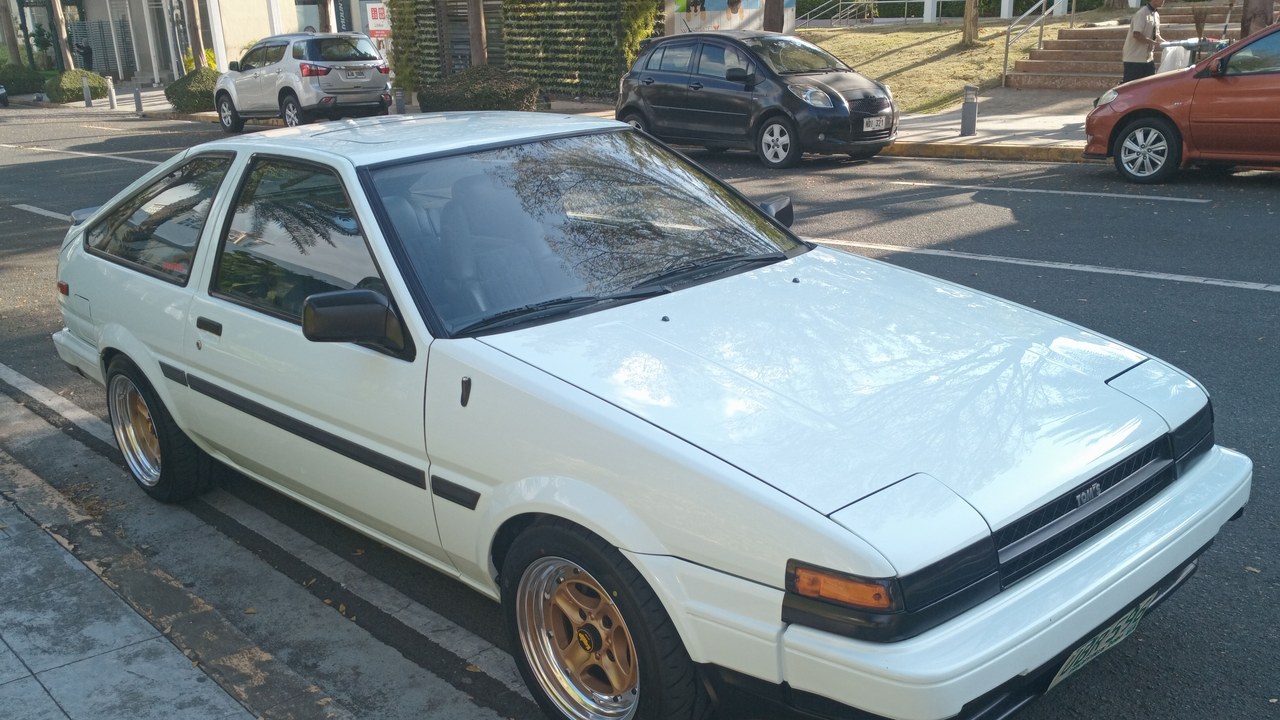
The 1985-88 Corolla switched to front-wheel drive, a major change in layout for the model. During those years Toyota also began building Corollas in California through its NUMMI venture with GM.
Together the two changes mark a turning point. The car became more spacious and efficient in design, and its production moved closer to American customers, a shift that would shape the model’s story from then on. Owners of that era’s cars were therefore among the first to enjoy a roomier cabin from such an affordable Toyota.
6. Toyota Corolla (E90): A Japanese Sales Record
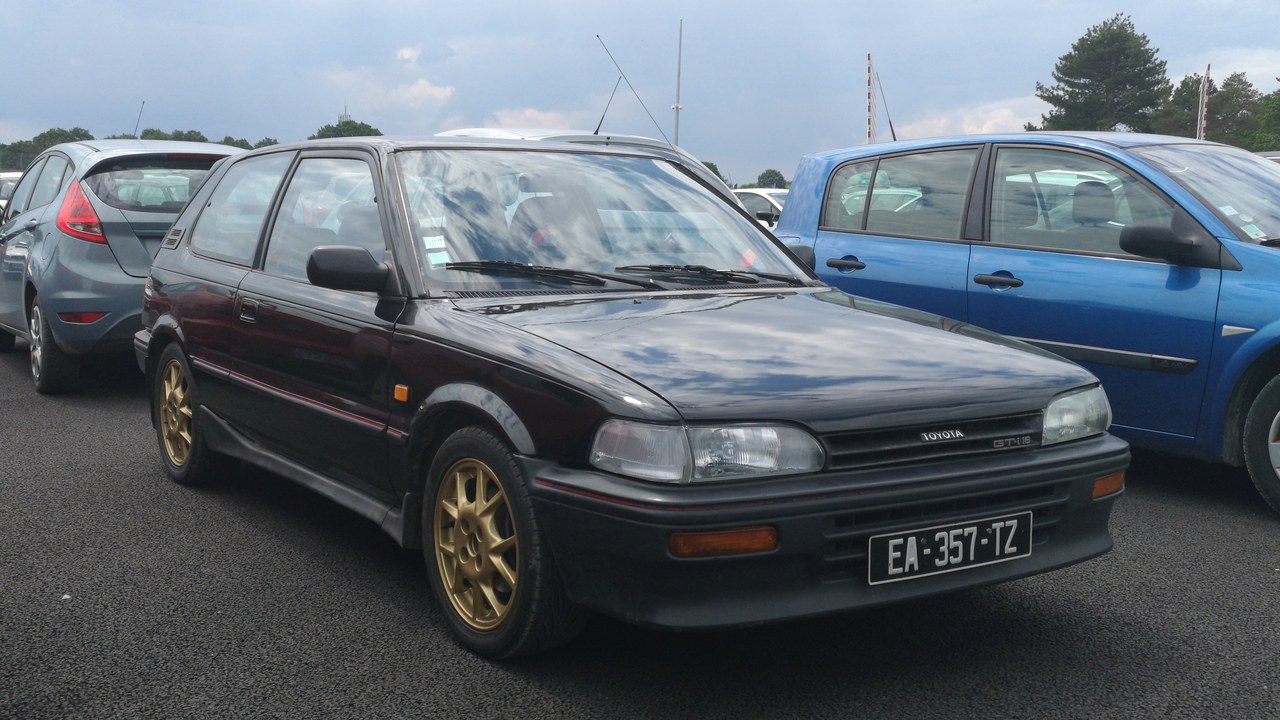
Launched in May 1987 with a more aerodynamic shape, this Corolla reached 300,008 sales in Japan in 1990. That figure was a record, and it stood until 2010.
A mark that lasted two decades says a great deal about the car’s popularity at home. Shoppers who see a clean example today are looking at one of the nameplate’s most commercially successful early designs. The record also reflects how thoroughly the redesigned car won over buyers across the whole country.
7. Toyota Corolla (E100): Best-Selling Model in History
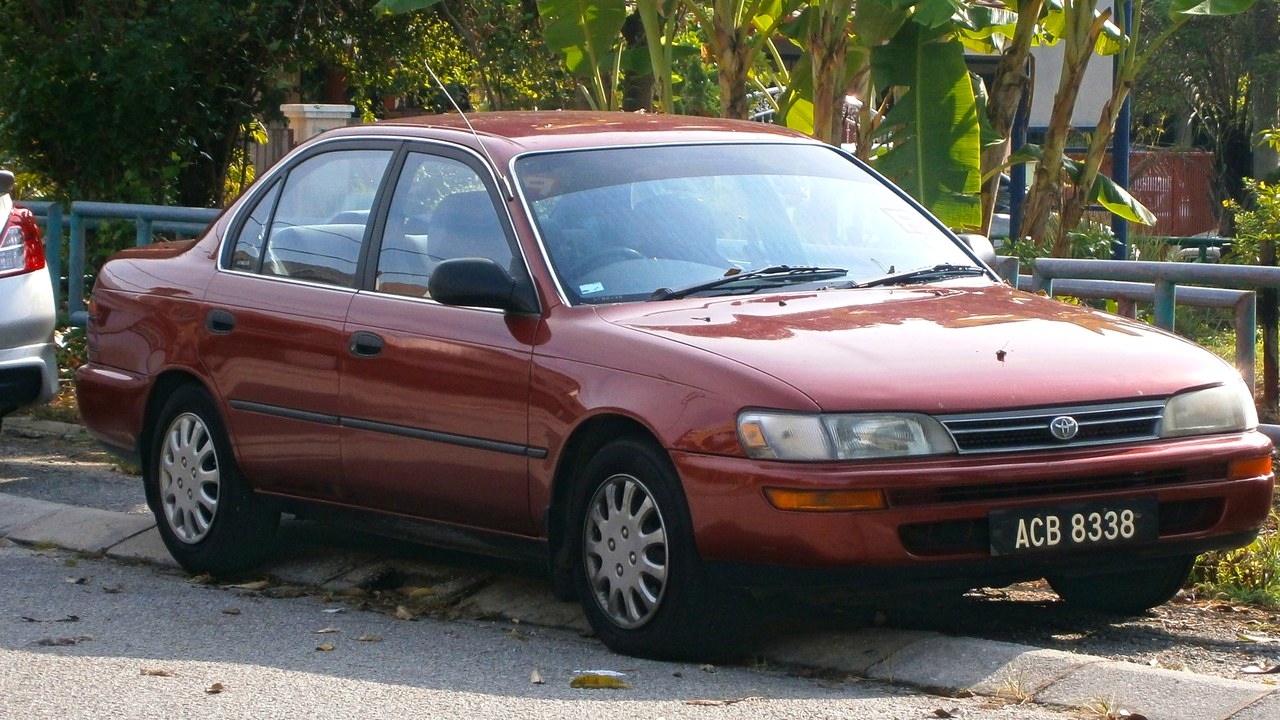
The 1993-97 Corolla moved up to the compact class. In 1997 the Corolla became the best-selling car model in history, a title that capped three decades of steady growth.
Moving up in size gave families more room without raising the car’s profile. The sales crown explains why the badge is so familiar, and why the Corolla became shorthand for reliable, affordable transport. That milestone is the main reason the Corolla remains a default answer when someone asks for a dependable first car.
8. Toyota Corolla (E110): Aluminum-Block Engine
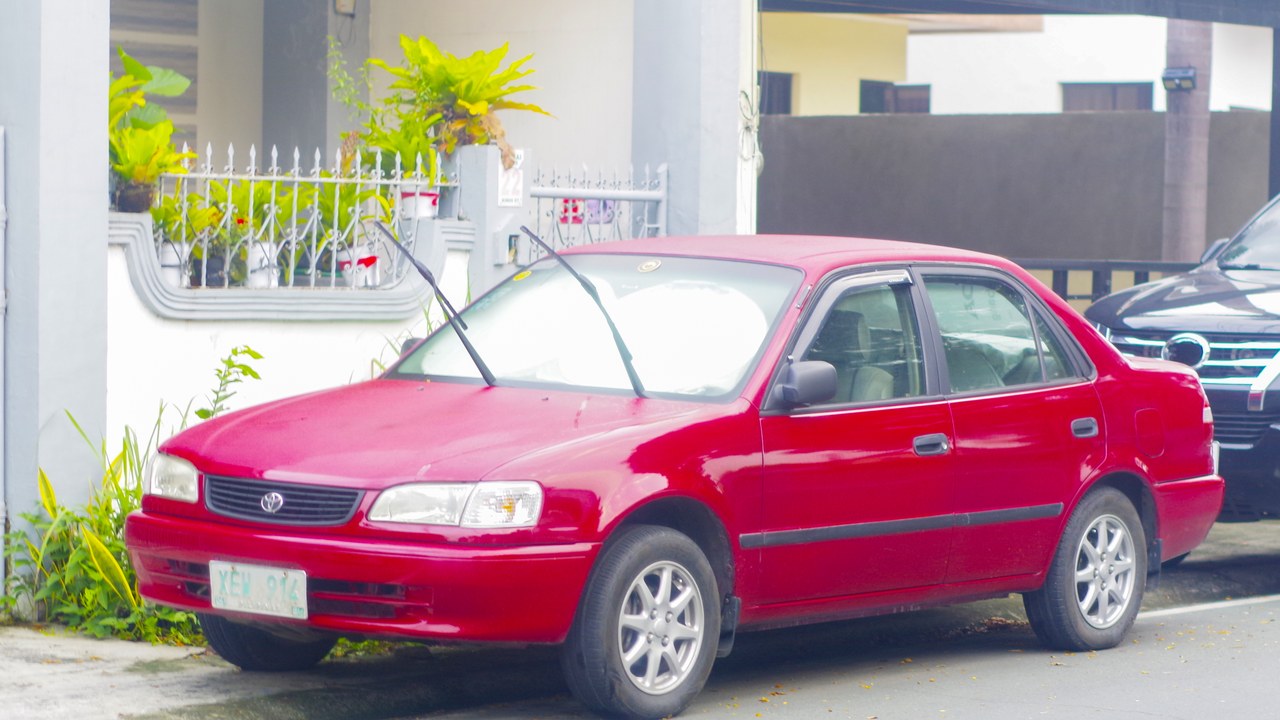
Delayed in North America until the 1998 model year, the E110 Corolla got an aluminum-block 1ZZ-FE engine. U.S. sales hit 254,360 in 2002, according to the generation history on Wikipedia.
The lighter engine marked a technical step for the model. The sales total, reached several years into the run, shows the car holding its appeal well after launch. Anyone shopping a used example from the period should still see an affordable, easy-to-maintain compact on offer.
9. Toyota Corolla (E140): Peak U.S. Sales
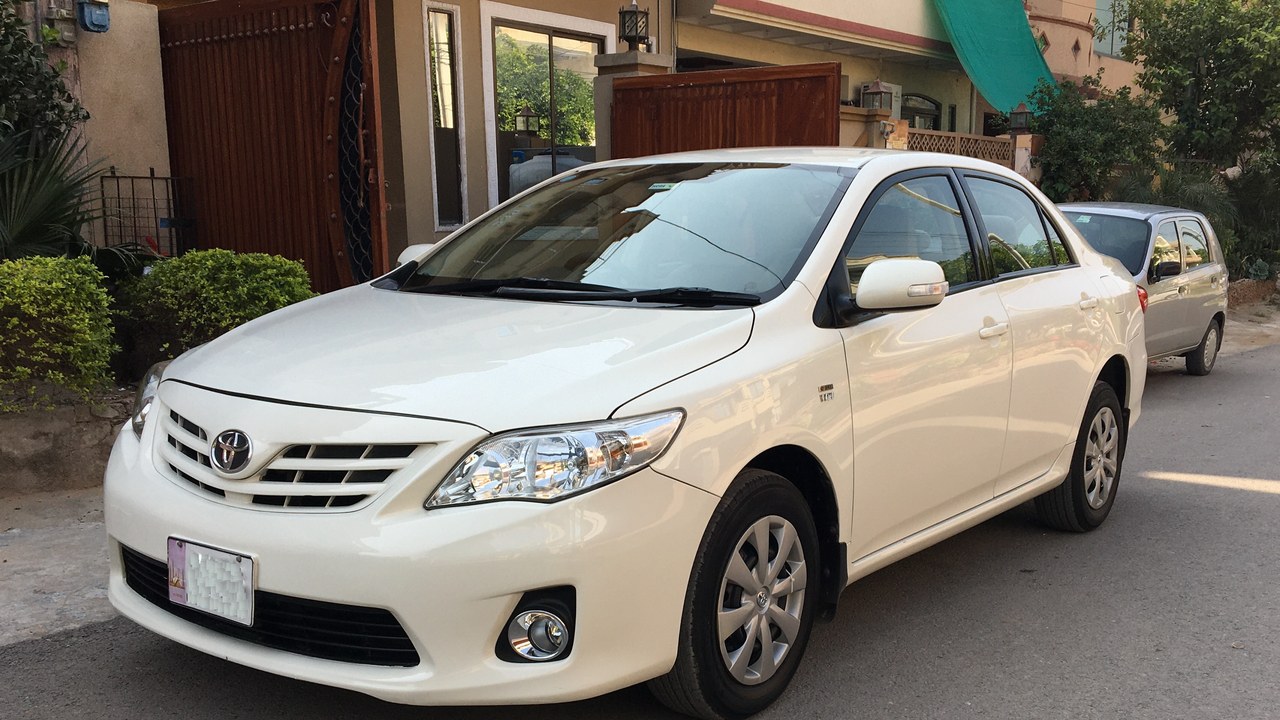
U.S. sales of the 2006-2013 Corolla peaked at 387,388 in 2006. In 2011 U.S. production moved from California’s NUMMI plant to Mississippi.
The sales peak makes the E140 the high-water mark for the Corolla in America. The change of plants also closed a chapter that had begun with the NUMMI venture in the 1980s. Used-car shoppers in particular tend to look at these years when seeking a dependable and inexpensive commuter.
10. Toyota Corolla (E170): A Sportier Eleventh Generation
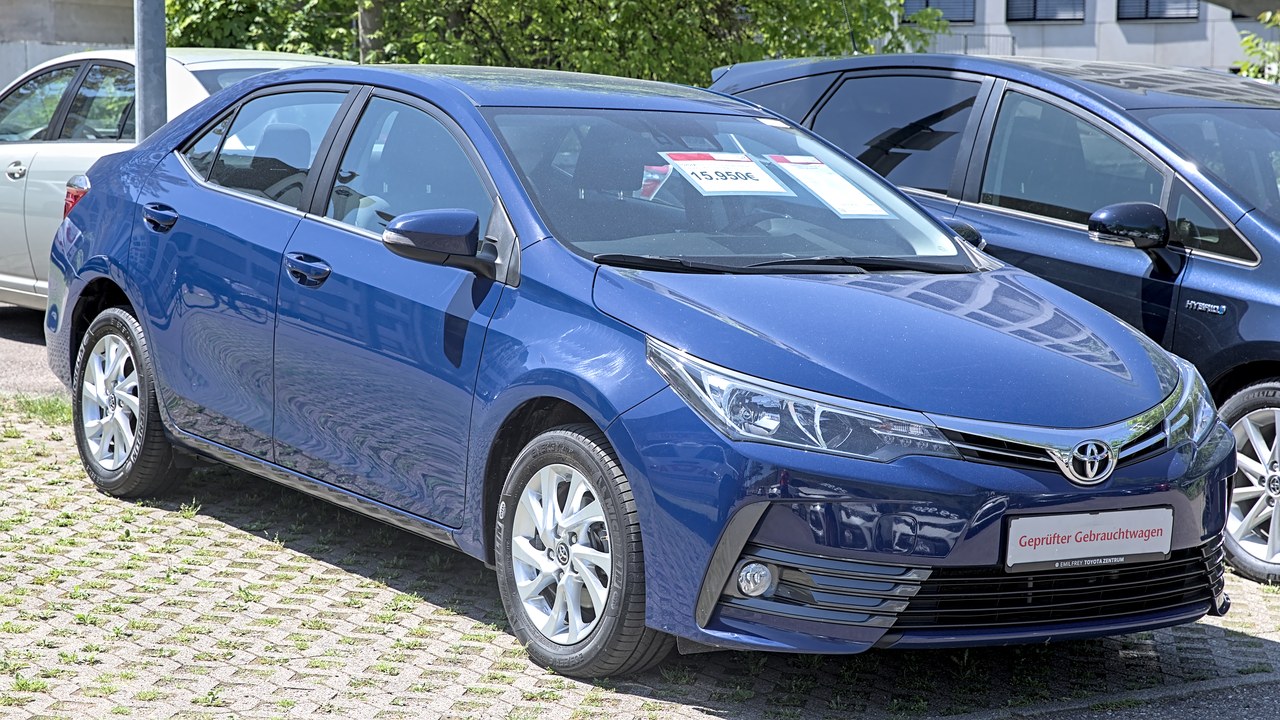
Toyota called its 11th Corolla “all-new, sportier” and gave it a 2017 refresh with a standard back-up camera. The car also gained a 50th Anniversary edition limited to 8,000 U.S. cars.
The limited run gave collectors a clear target, while the standard camera showed safety equipment moving into the base car. Both details come from Toyota’s own anniversary account of the model. Buyers interested in the anniversary car should expect the small production number to matter when values are discussed.
11. Toyota Corolla (E210): Hybrid Reaches 50 MPG
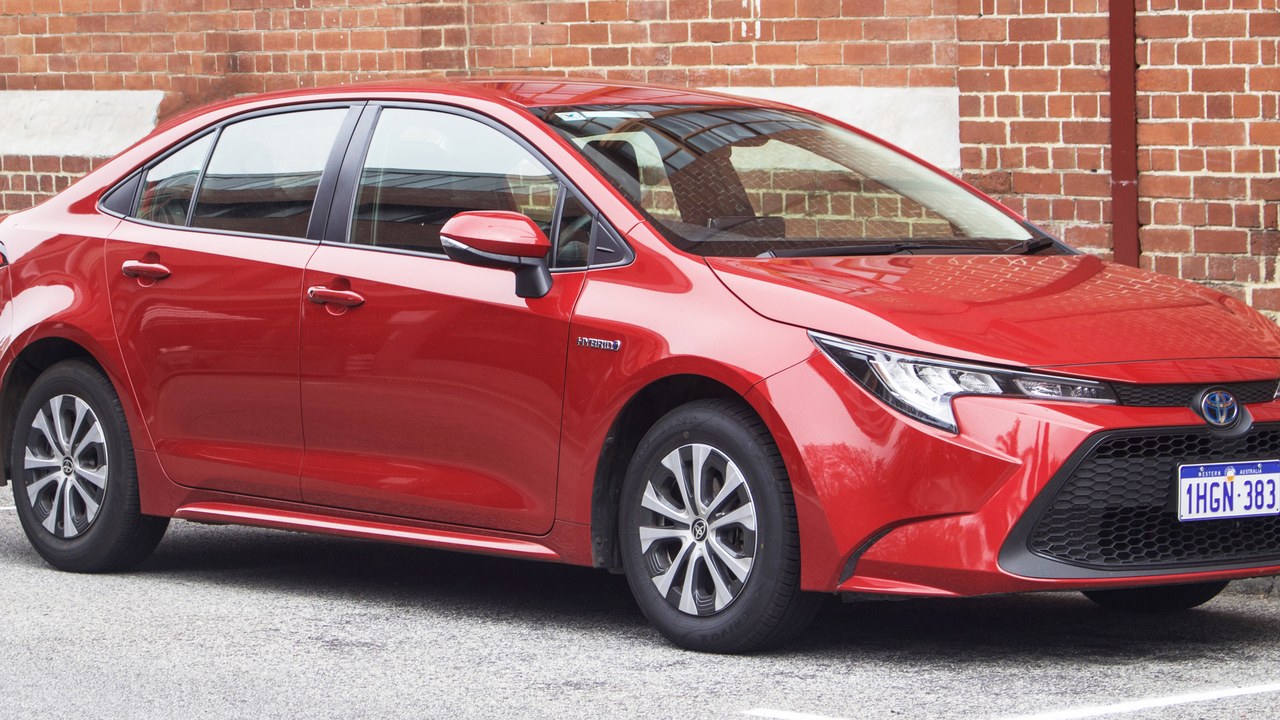
The 2027 Corolla Hybrid is rated at 50 combined mpg on its most efficient grades, the Hybrid LE FWD and Hybrid XLE, based on manufacturer estimates. Gas Corollas start at $23,325 with a 169-hp 2.0-liter four.
The comparison is a long way from the 1969 original at about $1,700 and 60 hp. Buyers now choose between a thrifty hybrid and a more powerful gas engine within the same lineup. The takeaway for shoppers is that the badge now covers both thrift and value, as it did in 1969, only with far greater efficiency.
More from Morning Overview
- Common allergy, bladder and sleep pills tied to sharply higher dementia odds
- NOAA now gives this winter a 75% chance of the strongest El Nino since 1950
- Doctors warn a silent liver disease now affects one in three American adults
- The FBI told the rest of ShinyHunters to surrender after a 24-year-old was arrested
