
Automakers love borrowing prestige from real places, stamping city names and landmarks onto hoods for instant character. Some of these places are famous vacation spots, others obscure salt flats or fishing towns most drivers have never seen in person. Here are eleven cars that carry a genuine spot on the map in their own badge.
1. Chevrolet Malibu: Beach Town Badge
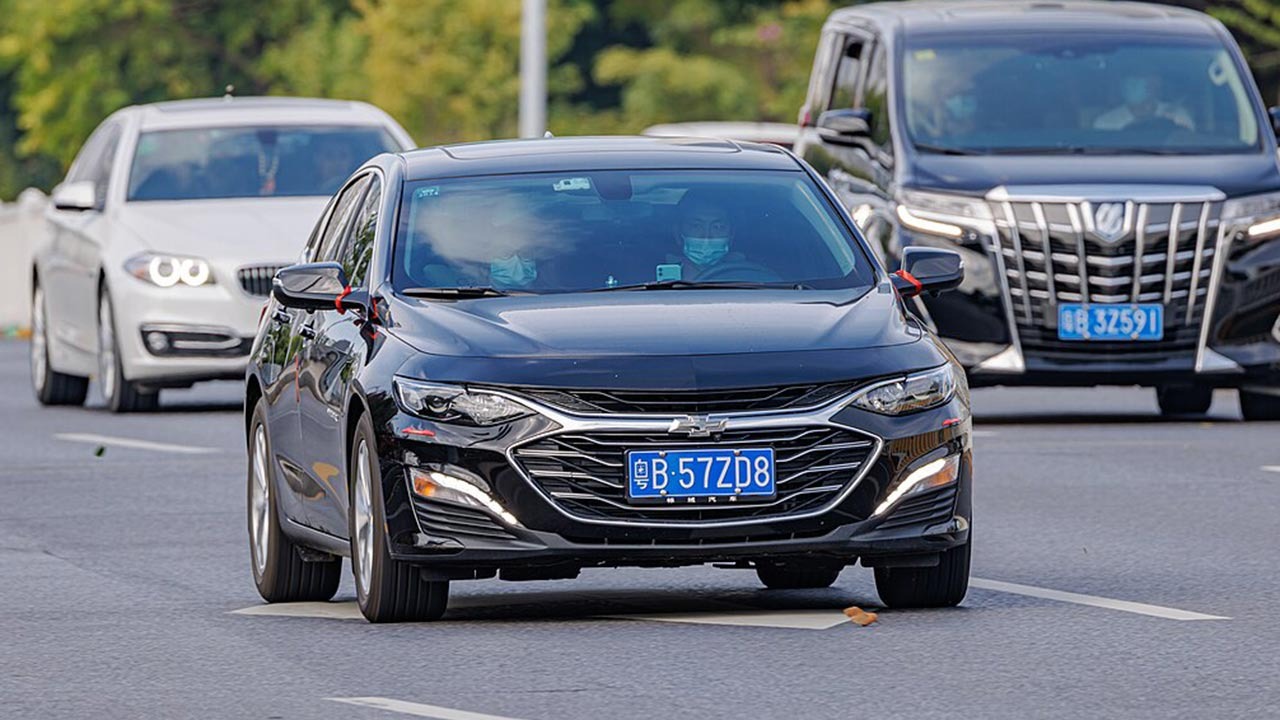
Chevrolet borrowed the name outright, picking Malibu, California, the Los Angeles beach enclave known for its pier and celebrity real estate, when the nameplate launched for the 1964 model year as a step above the entry-level Chevelle.
Six decades and multiple full redesigns later, the sedan has long outlived the trim level it once sat above, and the borrowed swagger of a Malibu zip code still sells more cars than any spec sheet ever could on its own.
2. Hyundai Santa Fe: Southwest Capital Style
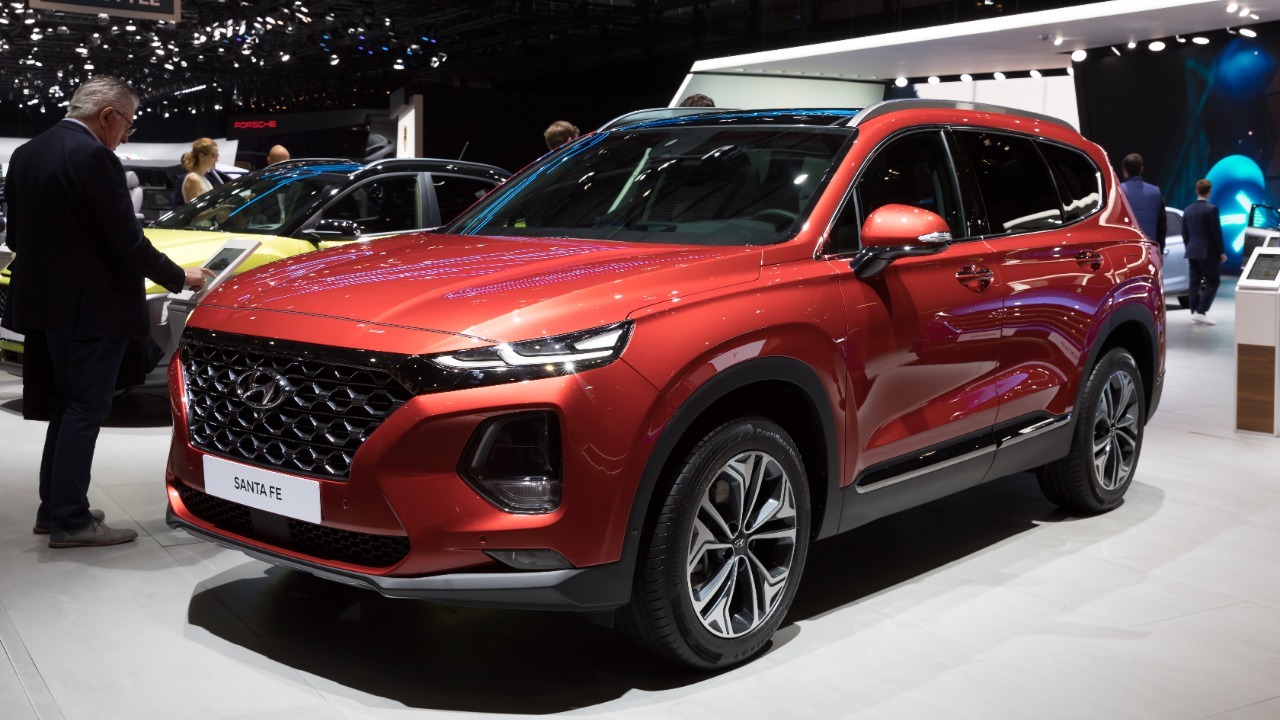
Hyundai named its first American-built SUV for Santa Fe, the adobe-walled capital of New Mexico, and leaned into the connection with desert-inspired trim colors and Southwestern styling cues when the crossover first debuted.
The gamble worked well enough that Santa Fe became one of Hyundai’s best-selling nameplates worldwide, proving a well-chosen place name can outlast several generations of sheet metal and outsell badges with no story behind them at all.
3. Chevrolet Monte Carlo: Riviera Royalty
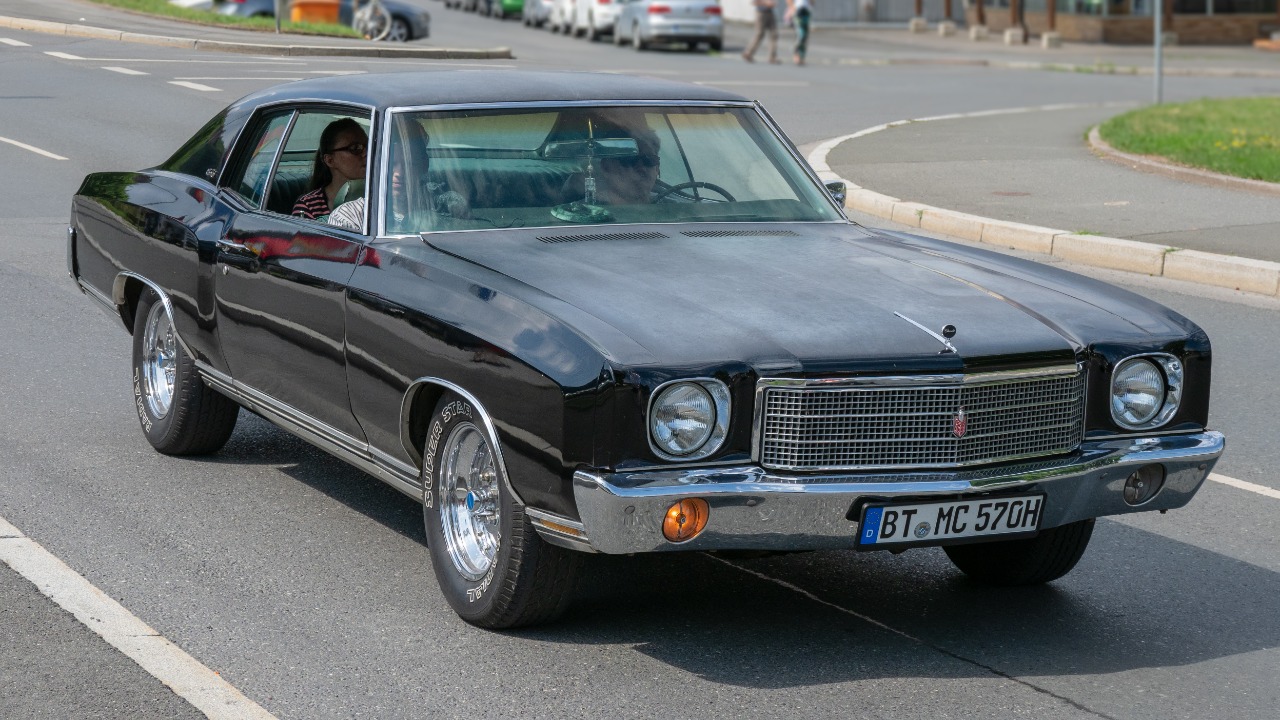
Chevrolet reached for a slice of European automotive glamour with Monte Carlo, the Monaco resort synonymous with casinos, yachts, and Grand Prix racing, when it named its new personal-luxury coupe for the 1970 model year.
The coupe never actually raced through Monaco’s streets, but the borrowed jet-set name helped Chevrolet sell well over a million units across its first generation alone, long before NASCAR later adopted the same badge for the track.
4. Kia Sedona: Desert Town, Retired
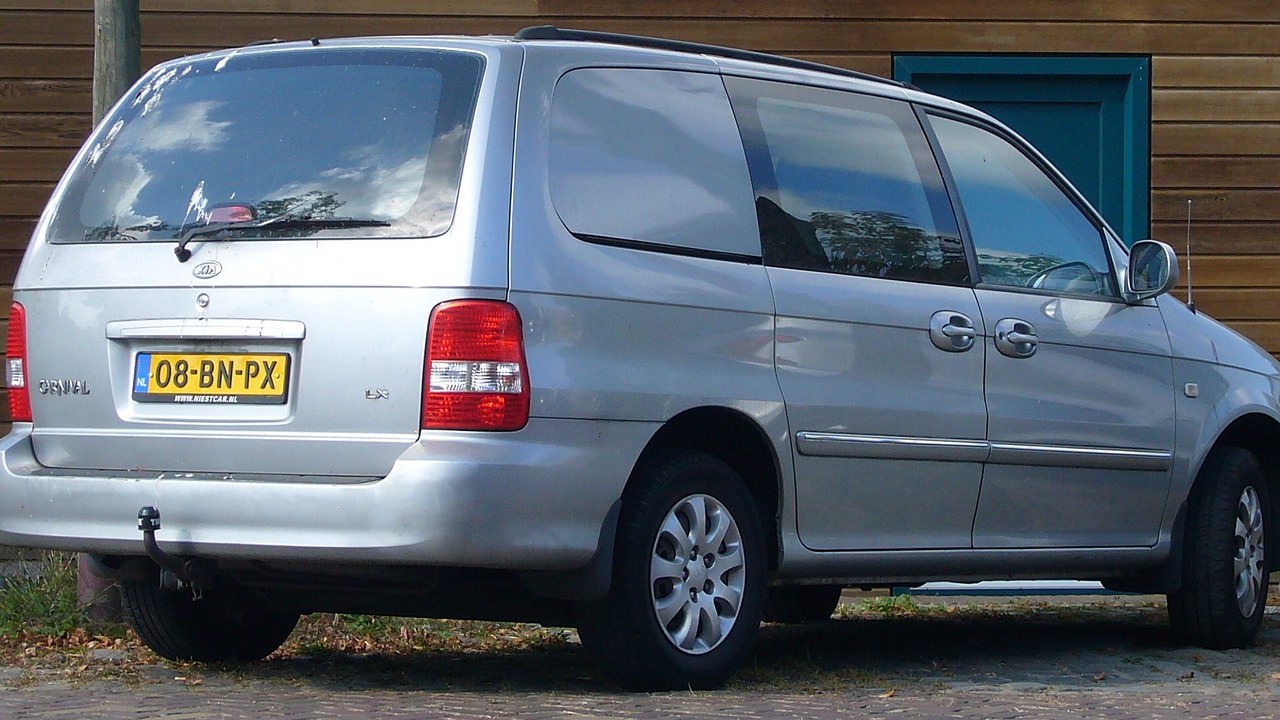
Kia named its minivan for Sedona, Arizona, the red-rock resort town, but retired the badge entirely in 2022 when the redesigned van adopted the Carnival name it already carried in markets outside North America.
The move ended a two-decade run for the Sedona name on this continent, handing the town’s identity back to the tourism board and leaving Kia’s people-mover lineup with a single global name for the first time.
5. Dodge Durango: Colorado Mountain Town
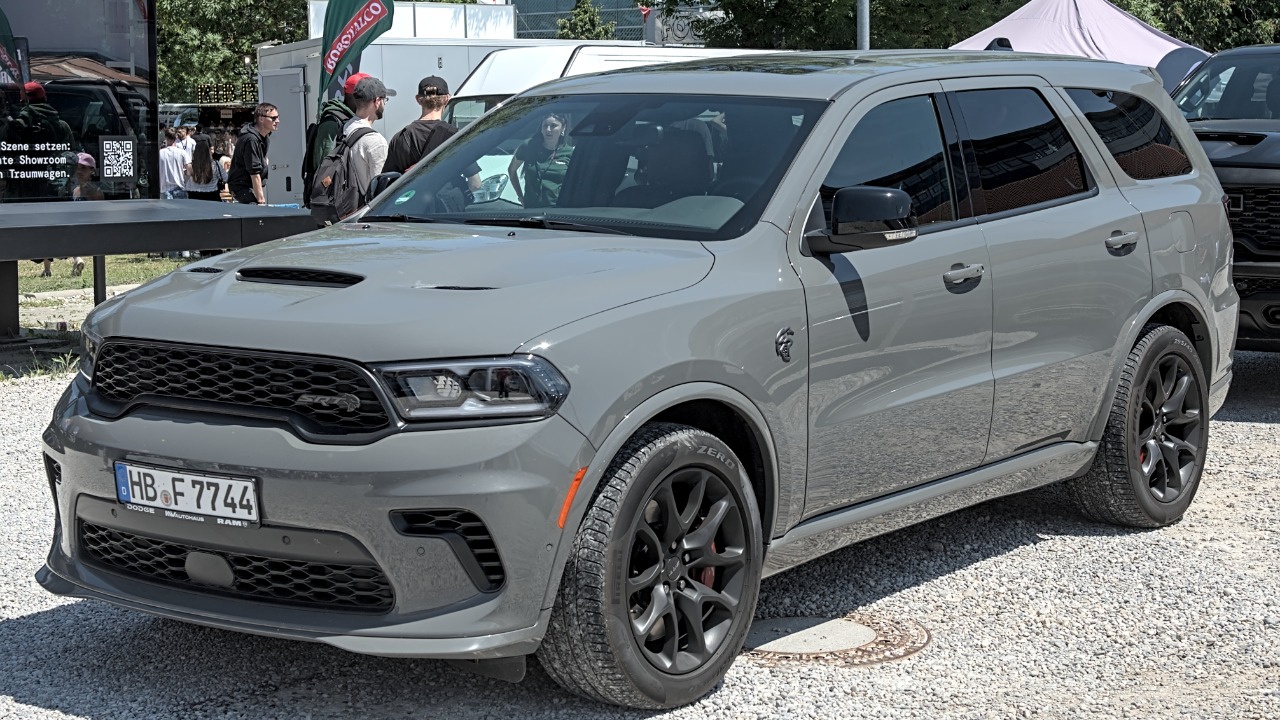
Dodge shares its three-row SUV name with Durango, a real mining-turned-tourist town tucked into southwestern Colorado at the edge of the San Juan Mountains, a spot best known today for its narrow-gauge steam railroad and old mining storefronts.
Few buyers cross-shop the SUV against an actual weekend trip to the town, but the rugged mountain association still fits a truck-based three-row built to tow trailers and handle gravel roads without much complaint from its owners.
6. Hyundai Tucson: Old Pueblo Crossover
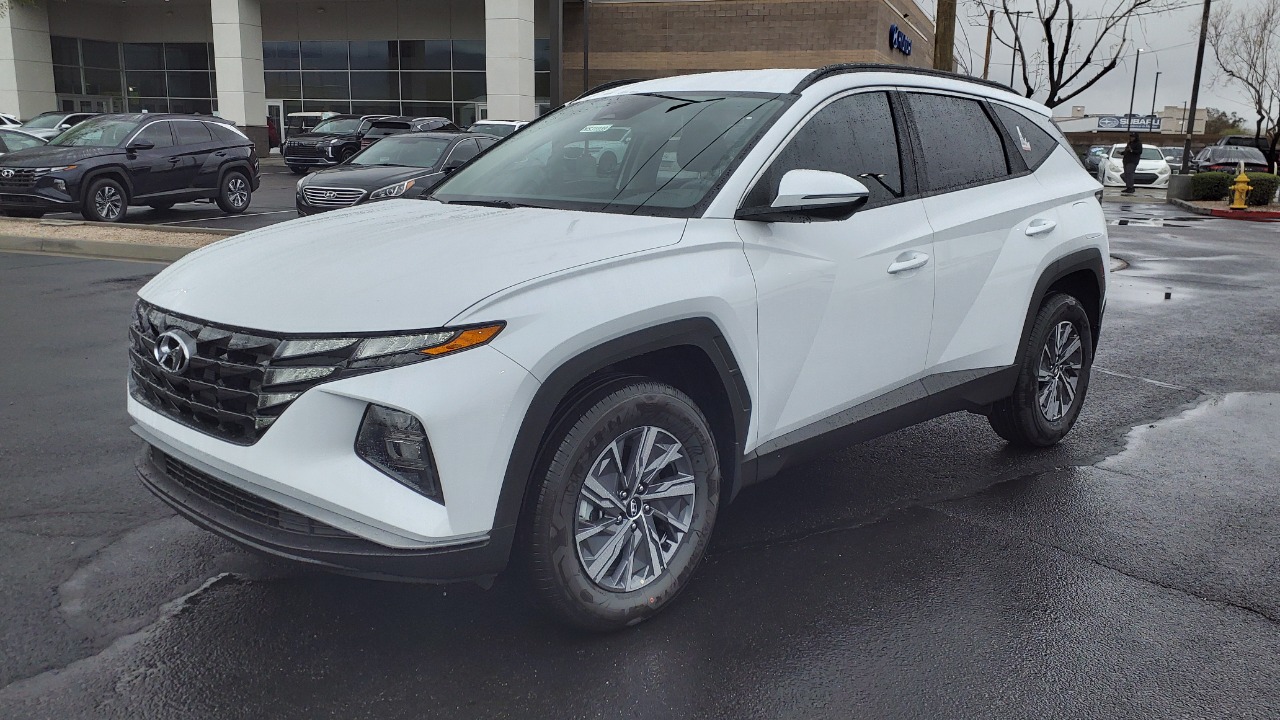
Hyundai’s compact crossover carries the name of Tucson, Arizona, the desert city nicknamed the Old Pueblo, a choice that put the brand’s SUV lineup on the same geographic naming track already set by its larger Santa Fe sibling.
The nameplate has since spanned multiple full redesigns and now anchors one of Hyundai’s highest-volume model lines worldwide, showing how a borrowed city name can quietly become more famous than the desert town that first inspired it.
7. Pontiac Bonneville: Salt Flat Speed Record
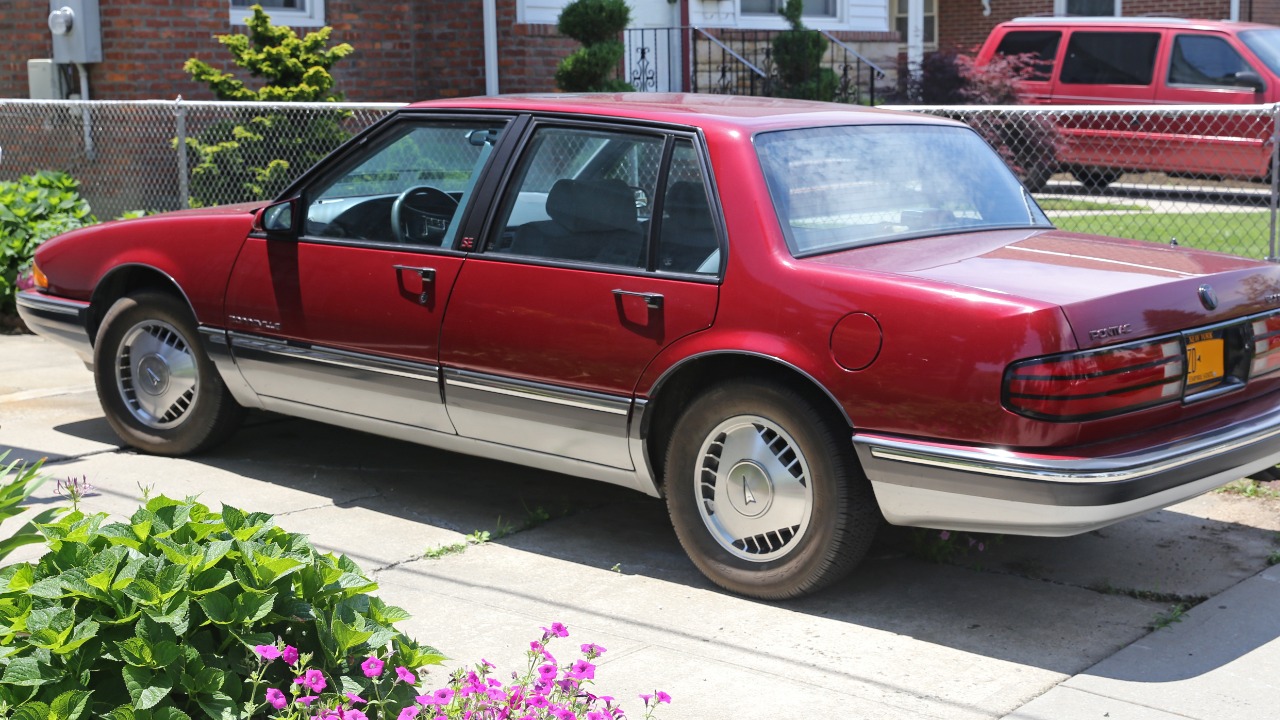
Pontiac named its full-size flagship after the Bonneville Salt Flats, the vast Utah proving ground where land-speed records have been chased by racers and engineers for very close to a full century now.
The salt flats never sold a single car off a lot, but the borrowed name gave Pontiac’s biggest sedan a performance pedigree that its actual highway cruising demeanor rarely matched during ordinary showroom test drives with buyers.
8. Ford Cortina: Olympic Ski Resort
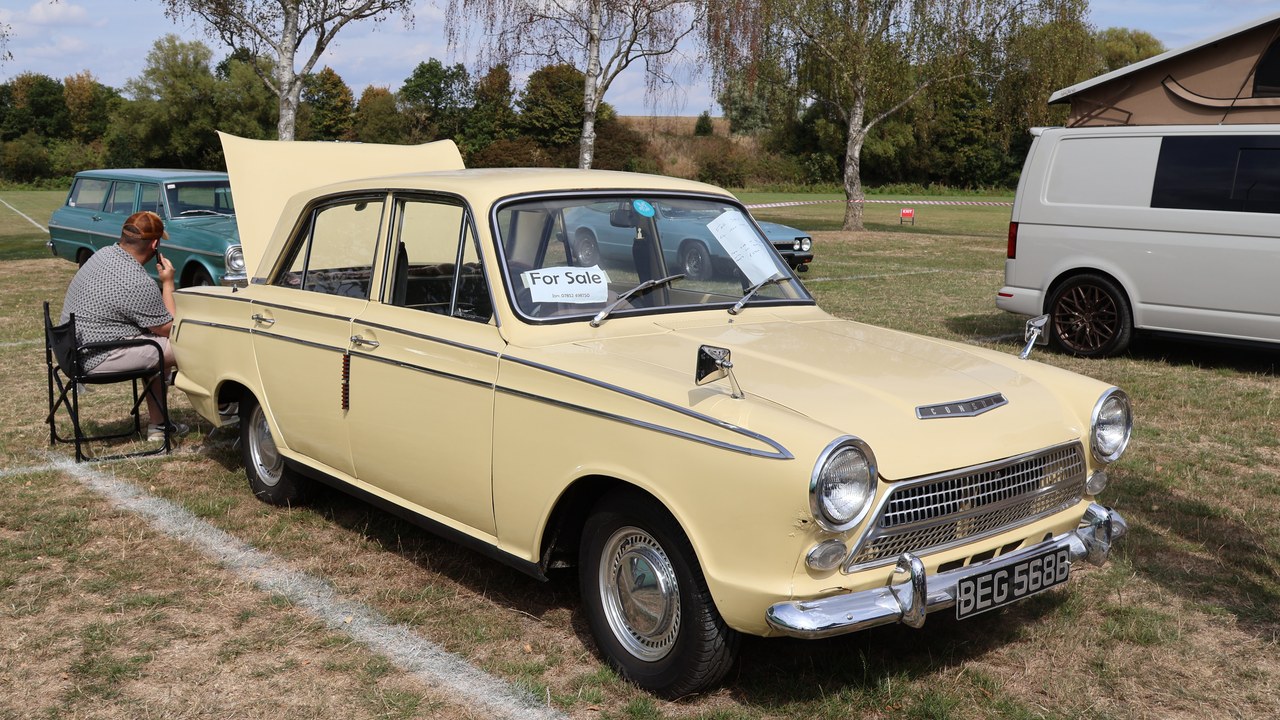
Ford named the Cortina after Cortina d’Ampezzo, the Italian Alps resort that hosted the 1956 Winter Olympics, right as the compact new sedan was entering final development back in Britain during the early 1960s.
Borrowing an Olympic host town gave a budget-minded family car a dusting of alpine glamour it never really earned on its own merits, a marketing trick European automakers of the era leaned on again and again.
9. Chevrolet Tahoe: Alpine Lake Legacy
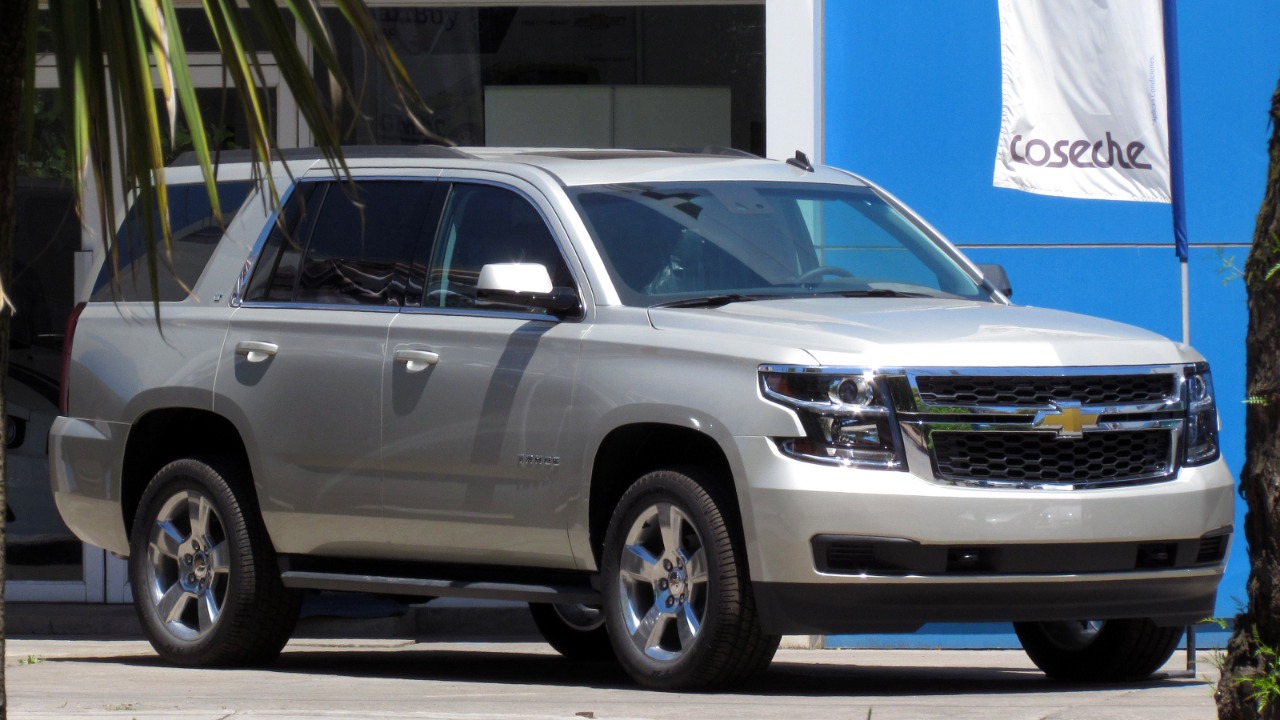
The full-size SUV takes its name from Lake Tahoe, the alpine lake straddling the California-Nevada border famous for its clear water and surrounding ski resorts, a fitting badge for a truck built to haul boats and gear uphill.
The lake itself draws tourists chasing scenery rather than towing capacity, but decades of ski trips and boat launches have made the SUV’s borrowed name feel thoroughly earned at this point in its long production run.
10. Toyota Tacoma: Mount Rainier’s Word
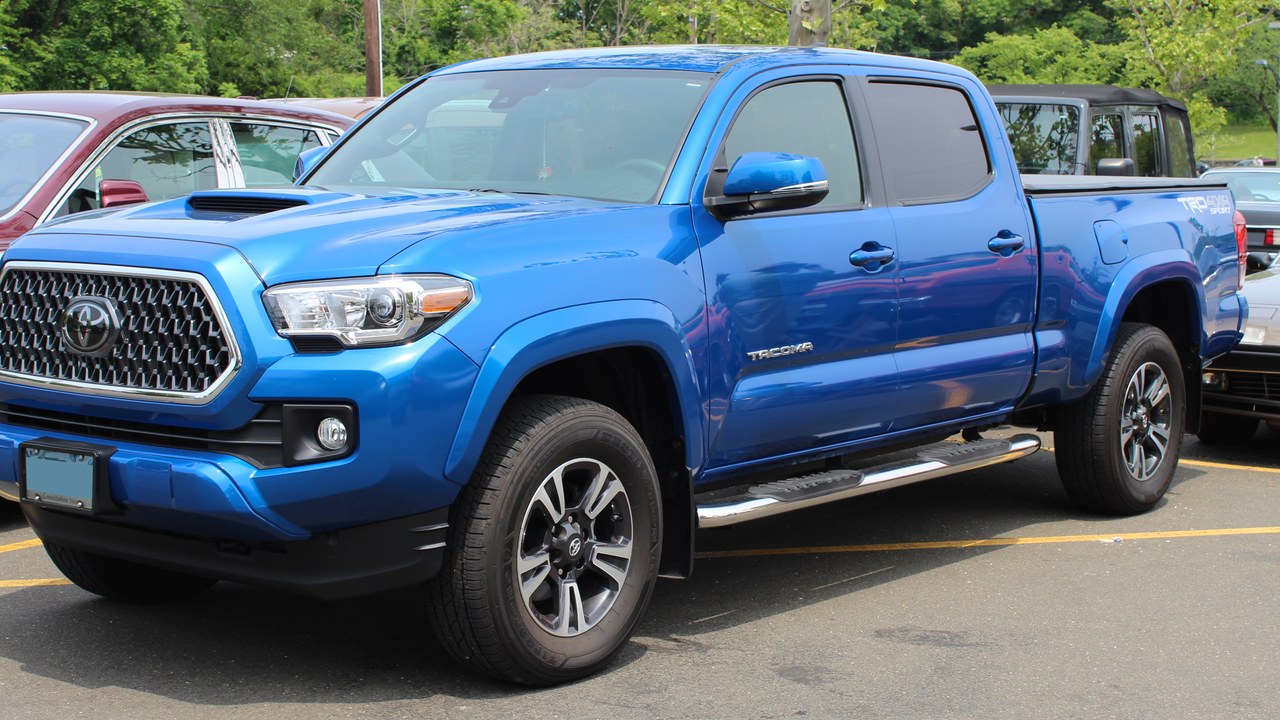
The Toyota Tacoma name traces back to a Coast Salish word for Mount Rainier, which was later adopted as the official name of the Washington port city sitting directly in the mountain’s long shadow.
Toyota builds the truck at a plant in California, not Washington, but the borrowed word still ties the best-selling midsize pickup to a specific Pacific Northwest mountain and city rather than to some invented marketing term.
11. Nissan Murano: Venetian Glass Island
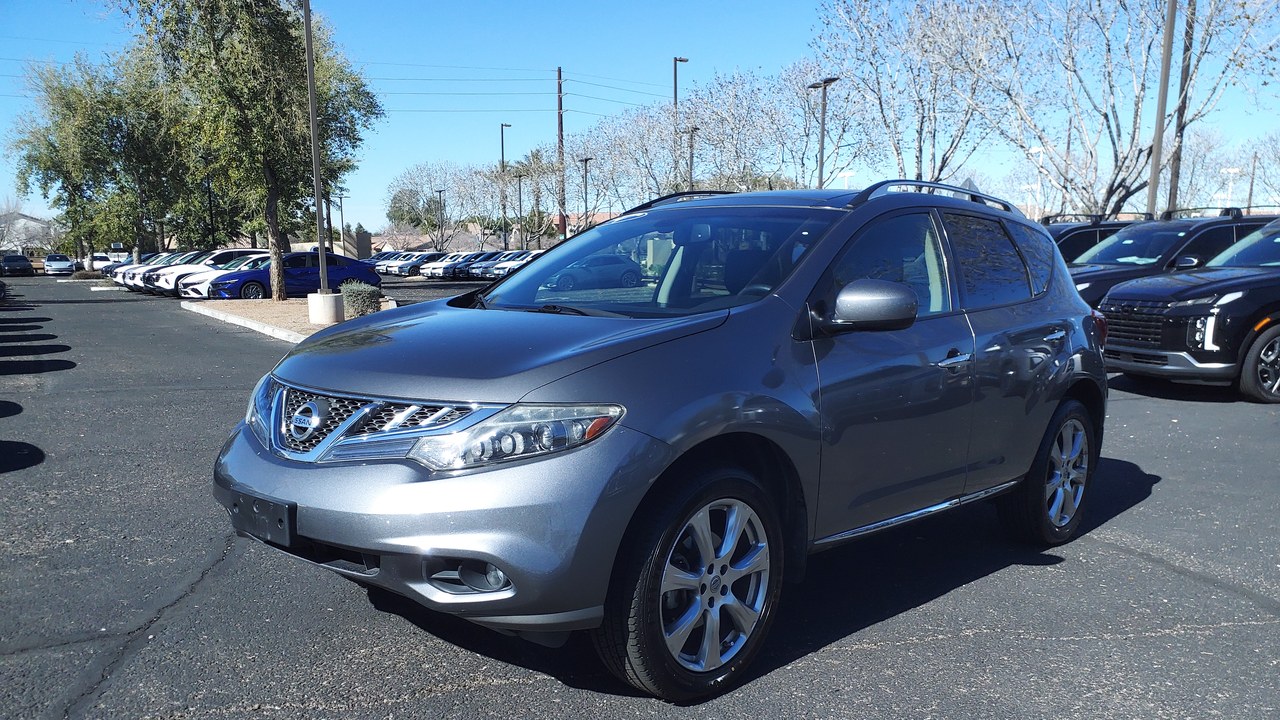
Nissan named the Murano after the Murano islands in the Venetian Lagoon, a small cluster long famous worldwide for centuries of hand-blown art glass, aiming to lend the new crossover a sense of crafted, upscale style.
The Italian glassmaking island has nothing to do with all-wheel drive or cargo space, but the borrowed association helped the crossover stand out in a crowded segment where most rivals just leaned on generic nature words instead.
More from Morning Overview
- Supplements now rank as the fifth-leading cause of death from liver disease.
- The NSA is again telling phone owners to switch off one location setting
- Four U.S. startups fired up their first small nuclear reactors, aiming to power AI data centers on-site
- 11 engines built to run well past 200,000 miles
