
The 1970s rewrote the rules of the car market, mixing fading muscle, plush personal luxury coupes and a wave of small imports. Sales charts from the decade show surprising winners, including a Chrysler coupe that left the Charger far behind. Here are twelve cars that defined the era.
AI, explained every day: The Deep View is the go-to daily newsletter for 600,000+ founders, knowledge workers and professionals who want to stay up to date with artificial intelligence.
We may earn a commission if you sign up.
1. Pontiac Firebird Trans Am: Screaming Chicken Debut
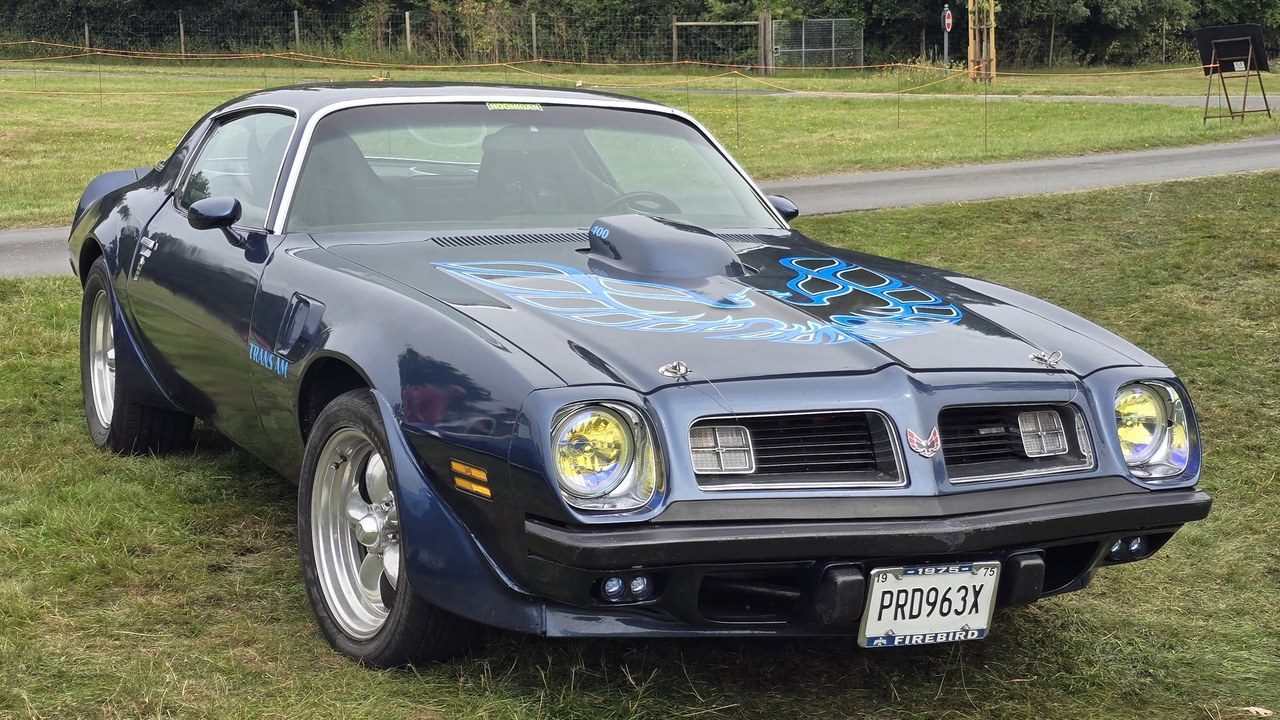
The Screaming Chicken hood decal reached the Pontiac Firebird Trans Am in 1973 as a $55 option listed under code WW7. A bird painted across the hood of a muscle car became one of the most recognizable graphics of the decade, and it began as a modest add-on.
Its low cost helps explain how widely the look spread, since buyers could add the image without paying for a different car. The option code also gives collectors a precise marker for dating when the Trans Am look began.
2. Chevrolet Corvette Stingray (C3): Longest-Running Stingray
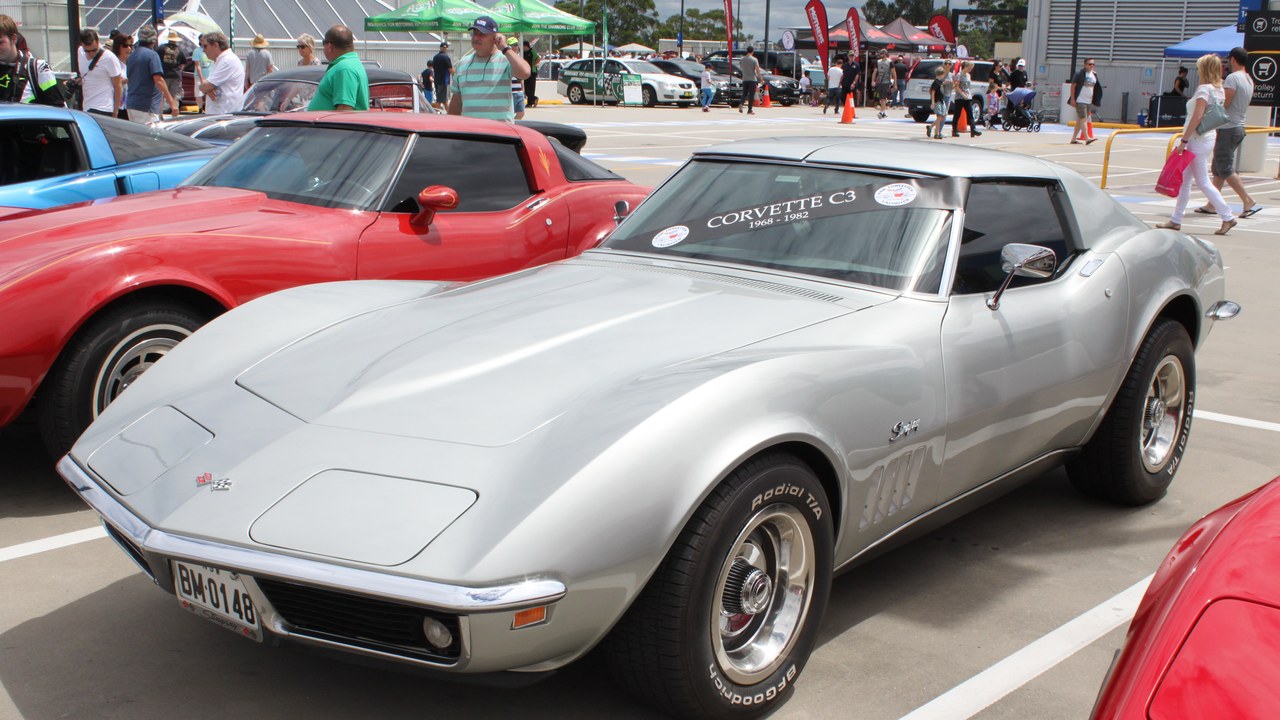
The third-generation Corvette stayed in production from 1968 through 1982, and 542,741 built in that span. Output peaked in 1979 at 53,807 cars, a record that, according to the source, stands to this day.
That long run helps explain why the C3 shaped how a generation pictured an American sports car. A model built across fifteen years had plenty of time to become familiar on roads and in showrooms alike. Few of its contemporaries could match that kind of staying power.
3. Honda Civic: The Small Car Arrives
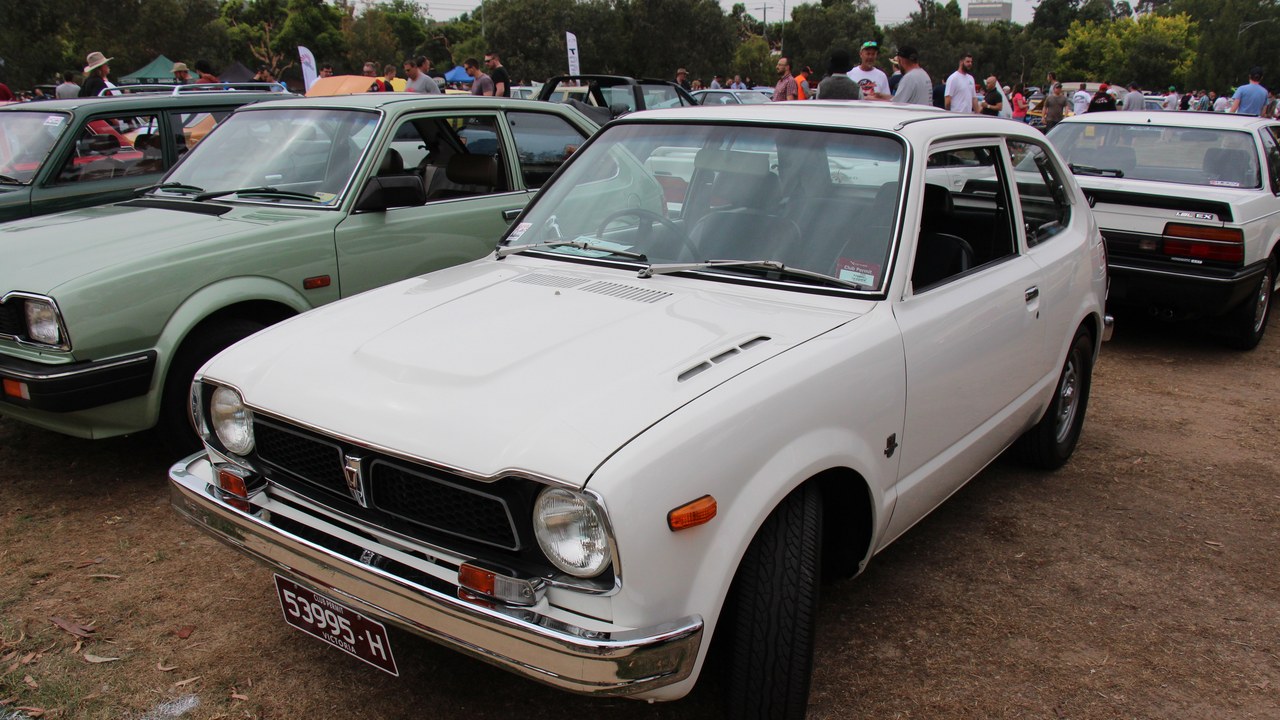
The Honda Civic arrived in 1972 and went on to 27 million sold through 2021, according to the model’s overview. Few nameplates introduced in the early years of the decade can point to a total anywhere near that size.
A small, economical car landing at the start of the 1970s signaled a shift in what buyers wanted. The sales figure shows how an early entry grew from newcomer into a global mainstay still on sale decades afterward.
4. Honda Accord (1976): Accord Opens Strong
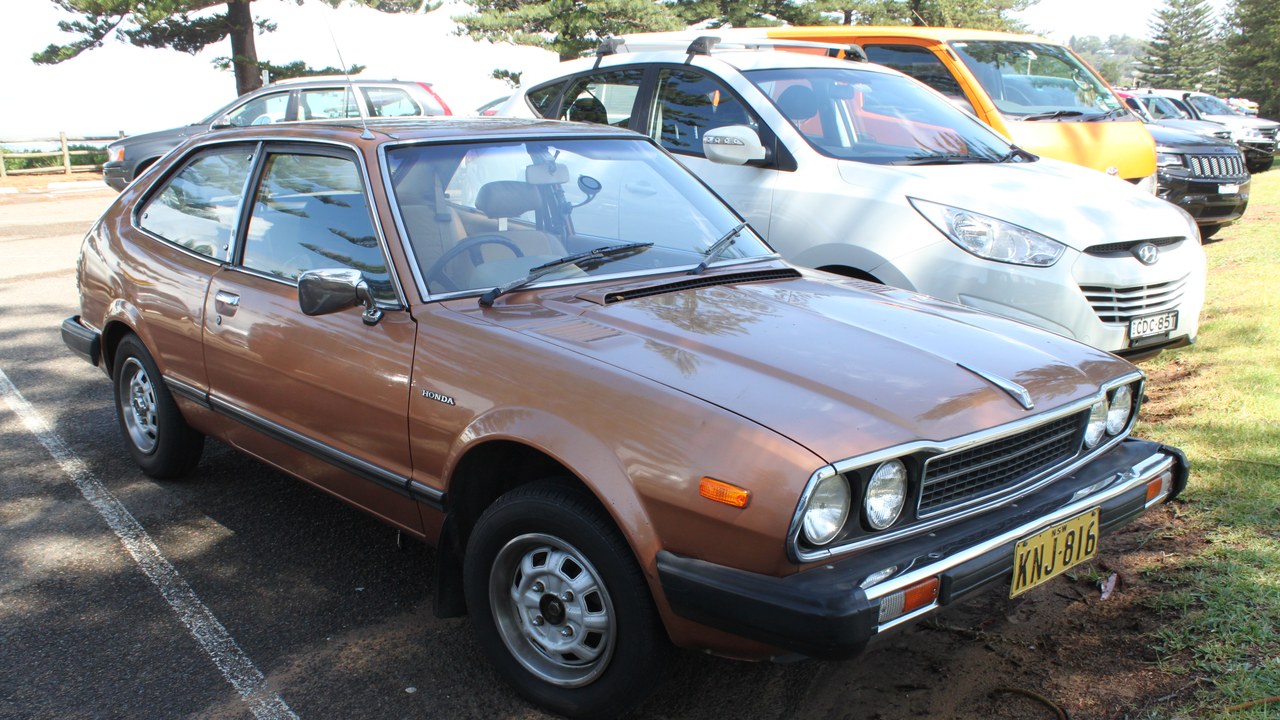
The first Honda Accord arrived in 1976 at $3,995 launch price, and 18,333 were sold in its first year. Honda’s own history of the model lists both numbers as the starting point for a line that continued for decades.
As a late-decade arrival, the Accord extended the foothold that Honda had built with the Civic. Its year-one sales were modest, which makes the later growth of the nameplate easier to appreciate.
5. Oldsmobile Cutlass Supreme: America’s Best Seller
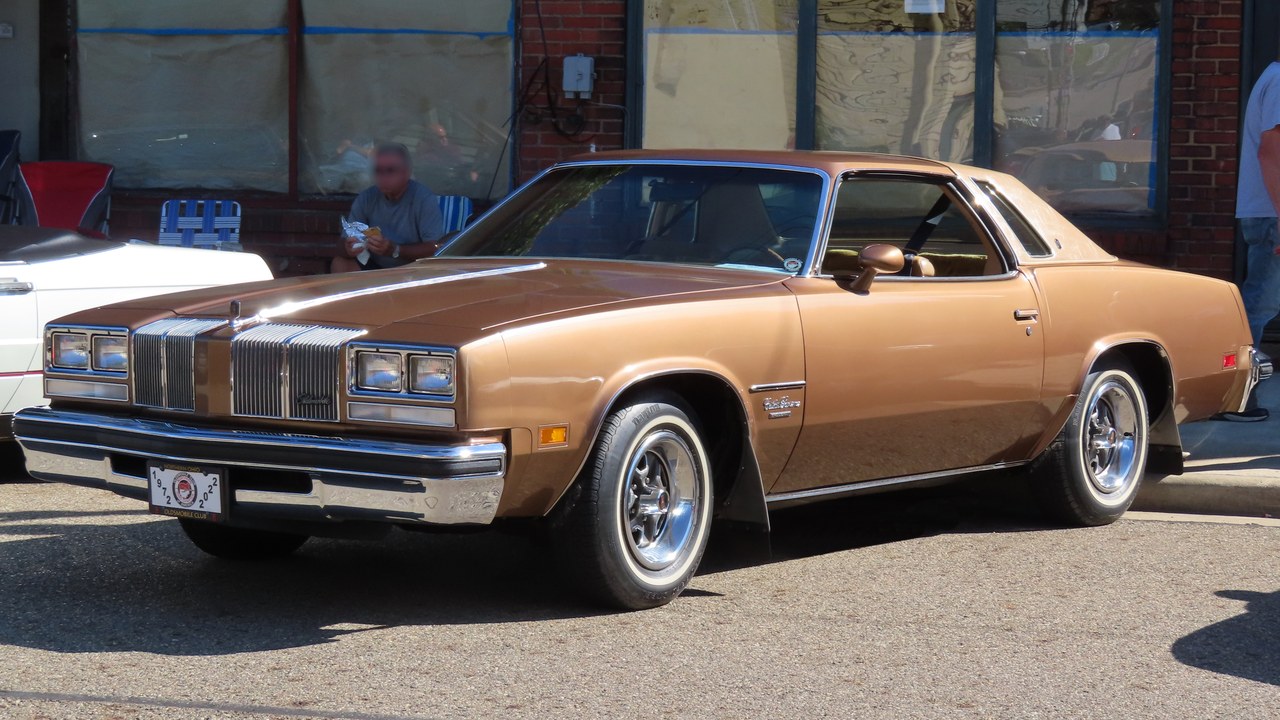
The Cutlass line as a whole was America’s best-selling car in 1976, with the Cutlass Supreme serving as its upscale trim. The same source notes that 11,571 convertibles were built for the 1972 model year.
Sales leadership for a mid-size Oldsmobile shows how much buyers of the era valued comfortable, stylish coupes. The convertible count is a reminder that open-top versions were only a small slice of the lineup. Together the two figures sketch both the mainstream appeal and the rarer variants of the nameplate.
6. Volkswagen Rabbit: Golf Becomes Rabbit
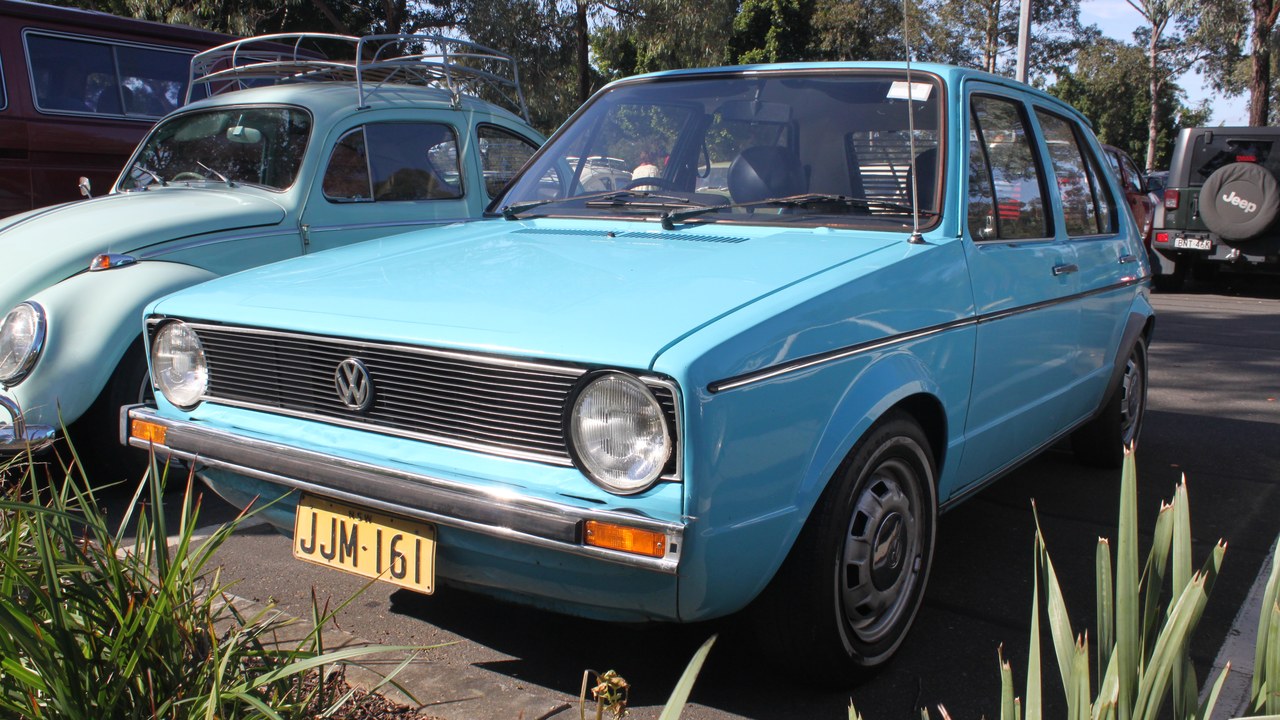
The Volkswagen Golf Mk1 had its December 1974 introduction to the United States and Canada, where it took the name Rabbit. The renamed hatchback gave North American showrooms a compact import from Europe.
Selling the same car under a different name was a way to give it a fresh identity on this side of the Atlantic. The Rabbit therefore stands as the local face of a design that reached the market in the middle of the decade.
7. Datsun 240Z: Waiting-List Sports Car
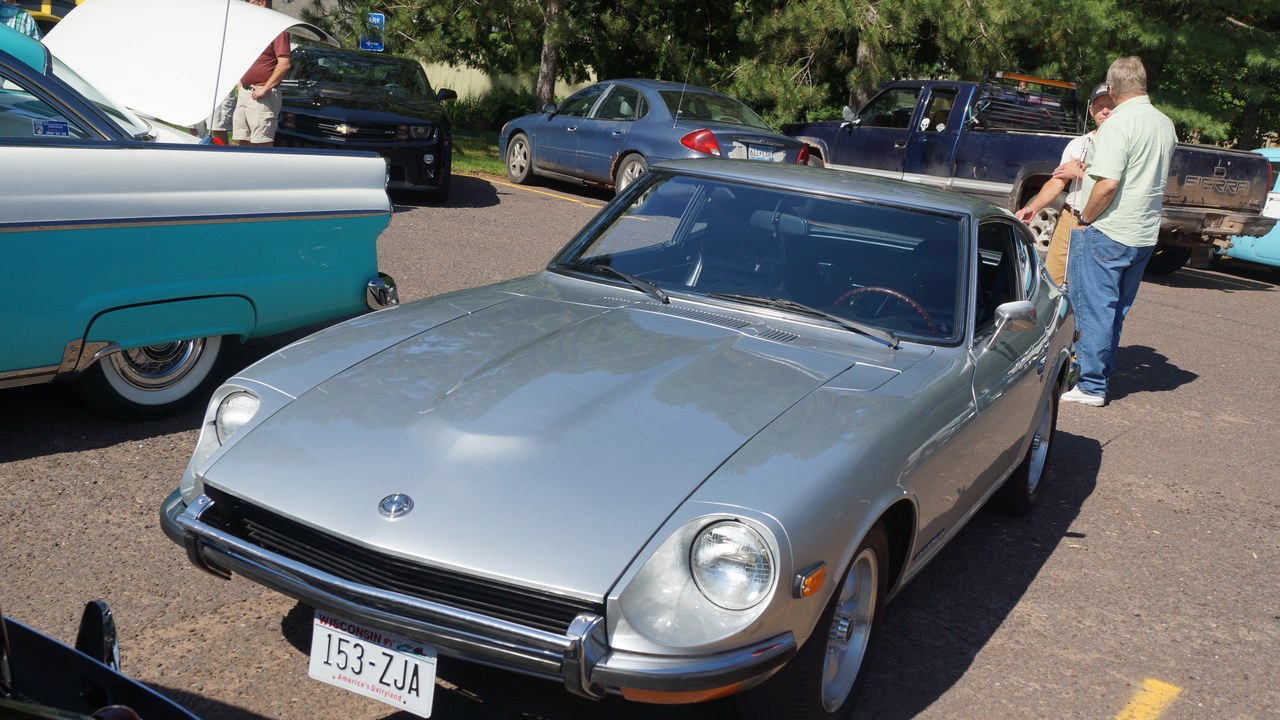
The Datsun 240Z was a 151-hp sports car that, in the words of its overview, immediately generated long waiting lists. Demand outran supply almost as soon as the car appeared.
A Japanese sports car attracting queues of buyers was a notable development for the decade. The waiting lists suggest that many drivers wanted performance and styling that rivals were not offering at that moment. The 151-horsepower figure and the long queues are the two details that frame its arrival.
8. Chevrolet Monte Carlo: Personal Luxury Hit
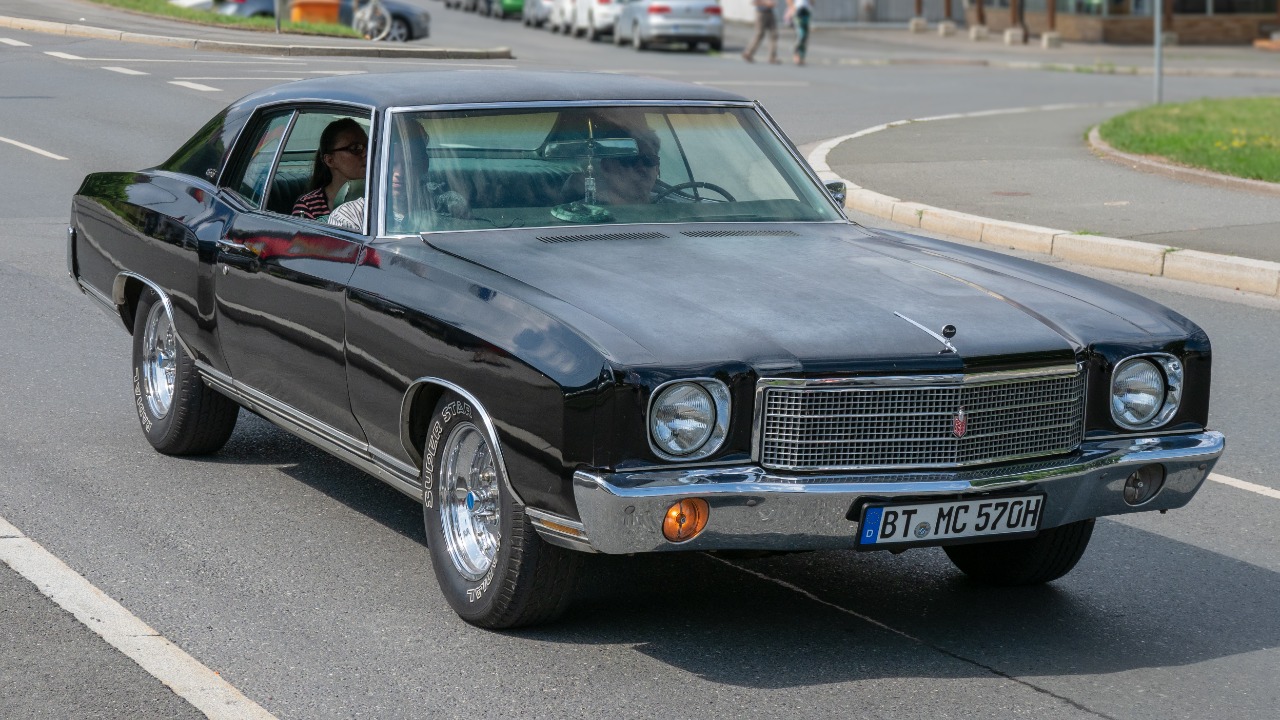
The Chevrolet Monte Carlo started at $3,123 in 1970, and 411,000 sold in 1977 alone. Hagerty’s roundup of seventies personal luxury coupes lists those figures among the segment’s biggest successes.
A starting price that low helped put a luxury-styled coupe within reach of many households. The 1977 total is large enough to show how thoroughly the formula appealed to buyers late in the decade. Both numbers come from the same roundup, which places the car alongside other coupes aimed at comfort-minded drivers.
9. Chrysler Cordoba: Outsold Charger Five to One
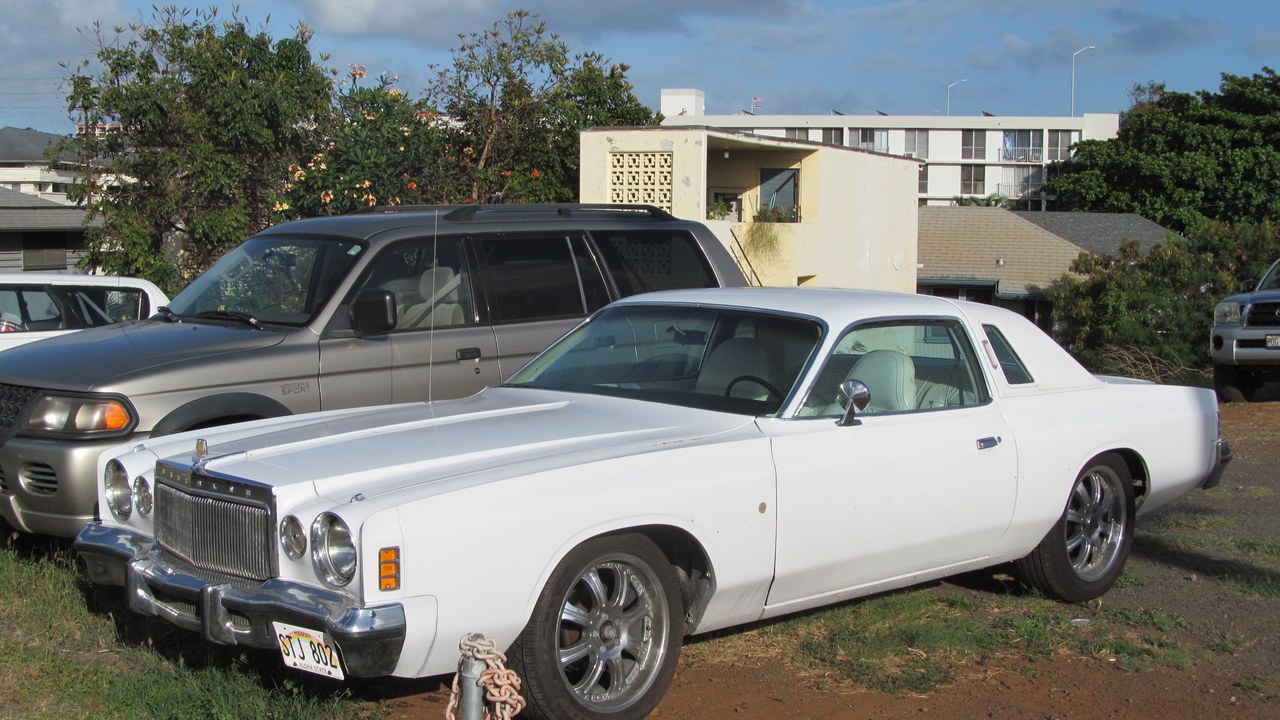
The Chrysler Cordoba had its best year in 1977, with 183,146 sold, and it outsold the Dodge Charger five to one. Its advertising leaned on the phrase rich Corinthian leather.
The comparison with the Charger captures how tastes moved from raw muscle toward plush comfort. A Chrysler coupe selling at that pace shows that marketing language and a soft ride could beat a performance badge. Its best year, 1977, is the figure that anchors the headline claim, which is the number behind the five-to-one comparison.
10. Ford F-Series (sixth generation): Trucks Get Tougher
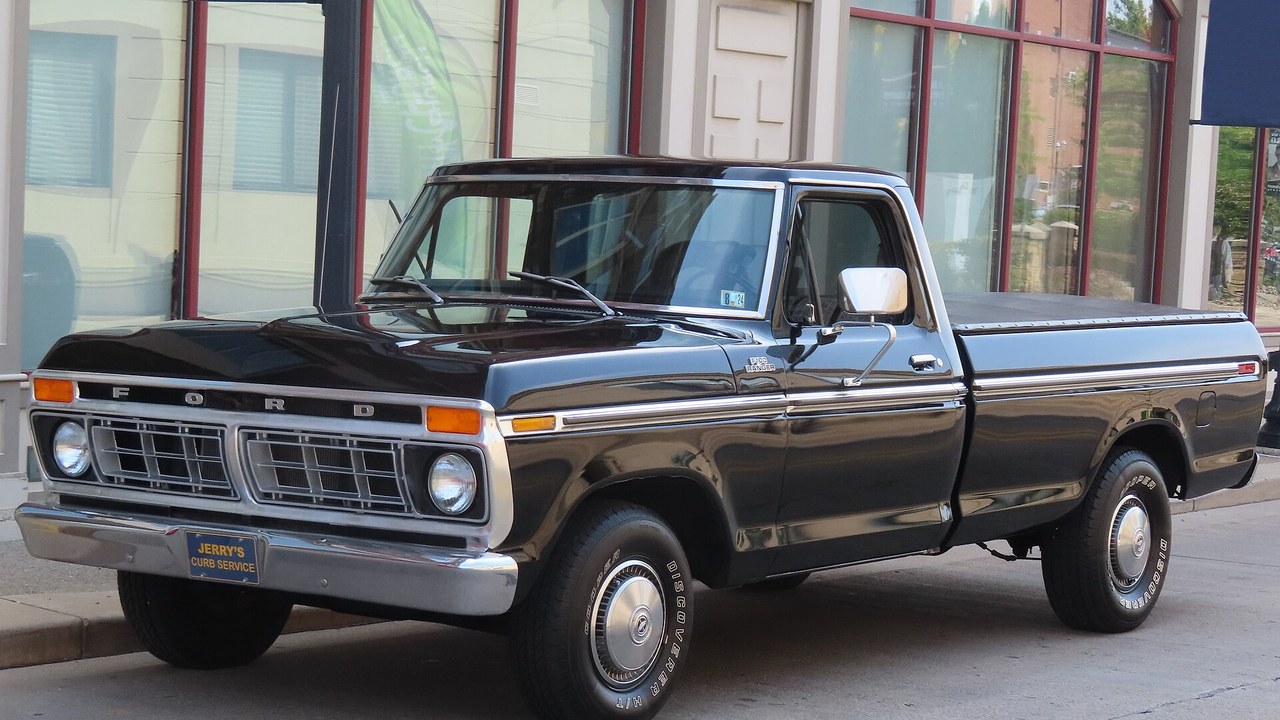
The sixth-generation Ford F-Series ran from 1973 to 1979 and added front disc brakes and a double-wall bed. The F-150 arrived in 1975, creating a model name that remains familiar.
Those changes show pickups becoming more refined during the decade. Better brakes and a sturdier cargo bed made the trucks more capable, while the new F-150 designation gave buyers another rung in the lineup. Together, the upgrades and the new name mark a clear step forward for the line within the decade.
11. Porsche 911 Turbo (930): The Widowmaker
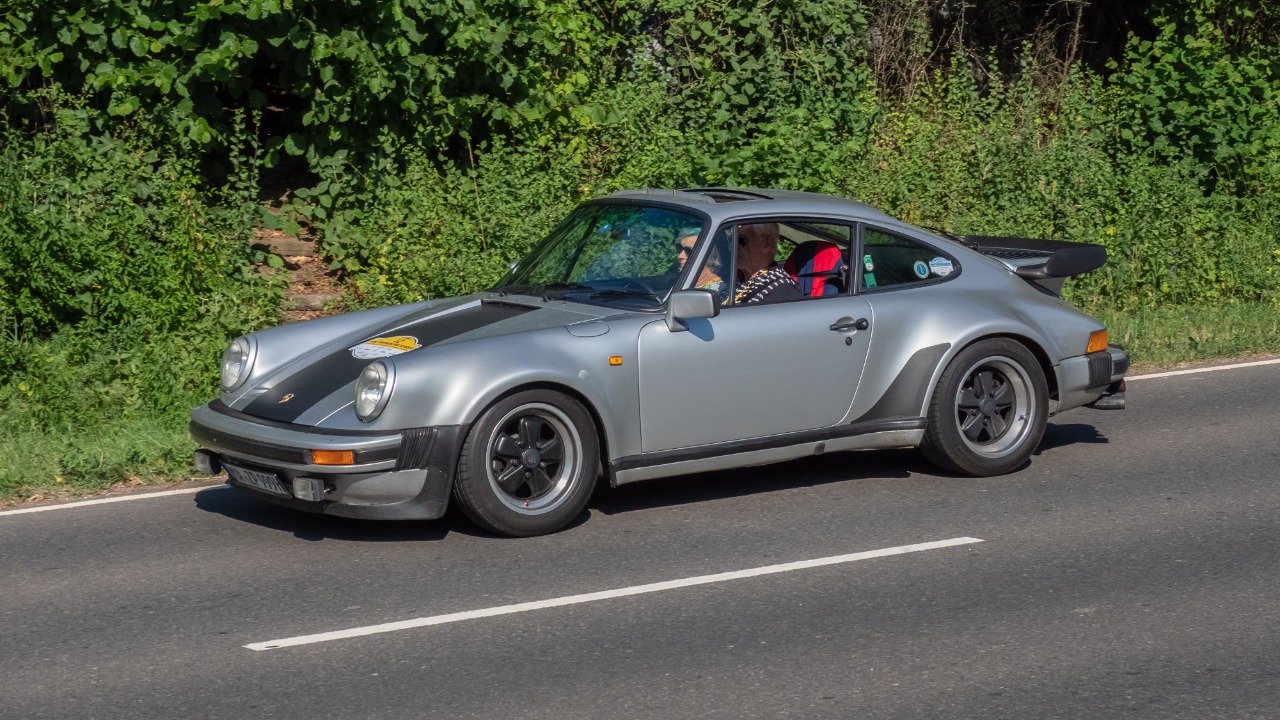
The 1978 US-market Porsche 911 Turbo, known as the 930, was nicknamed The Widowmaker. Motor1 includes it on a list of the top cars of the seventies.
A nickname that grim signals how intense the car felt to drive. Its place on a decade-defining list reflects how the turbocharged 911 became shorthand for dramatic speed in the period. The car’s reputation therefore rests as much on its character as on any single statistic, which the source does not attempt to quantify.
12. Dodge Challenger R/T: Plum Crazy Muscle
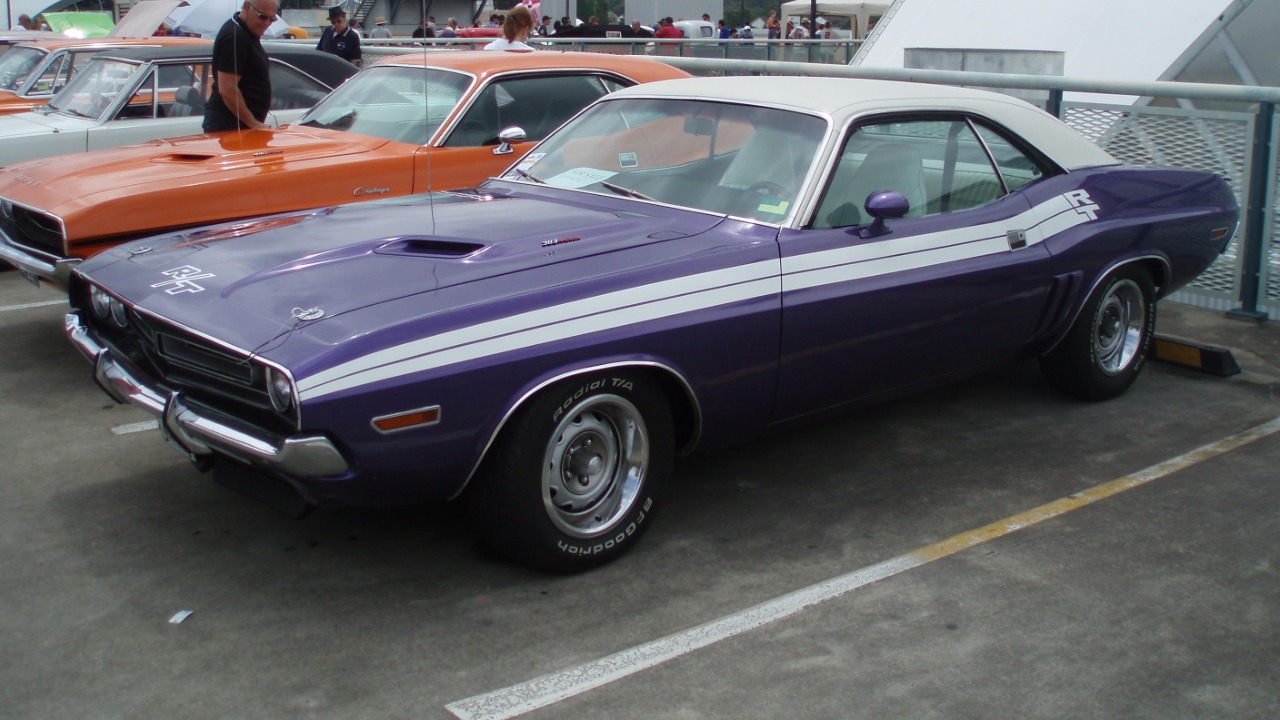
The 1970 Dodge Challenger R/T offered a 440 engine with six-pack carbs and a four-speed manual transmission. Motor1 adds that buyers could order it in Plum Crazy paint for maximum effect.
Pairing a big engine with a loud color captured the final flourish of the muscle-car years. The Challenger entered the market at the start of the decade, when the pony-car formula was still being pushed hard. The combination of a four-speed and that engine was a pointed choice for drivers who wanted maximum drama from a coupe.
AI, explained every day: Get The Deep View →
We may earn a commission if you sign up.
More from Morning Overview
- Seven of Earth’s nine planetary boundaries are breached, and all seven are worsening
- The NSA says three phone features should be off whenever you aren’t using them
- Hurricane Hunter radar shows four warning signs that a tropical cyclone is about to strengthen, a University of Miami study found
- Tropical Storm Rachel is dumping up to 12 inches on four Mexican states on its way to major hurricane strength
