
Indian Motorcycle built its reputation on a handful of models that still anchor its story, from the Scout and Chief to the Four and the Powerplus. One of them carried 68-year-old Burt Munro to a record at Bonneville, which gives the brand a famous chapter. Here are ten Indian motorcycles that helped make it, from the 1920 Scout to the 1953 Chief.
Tech news in one quick read: Get the most interesting stories in startups, tech and programming, each with a short TLDR, in one daily email from TLDR.
We may earn a commission if you sign up.
1. Indian Scout (1920): Scout That Hit 184 mph
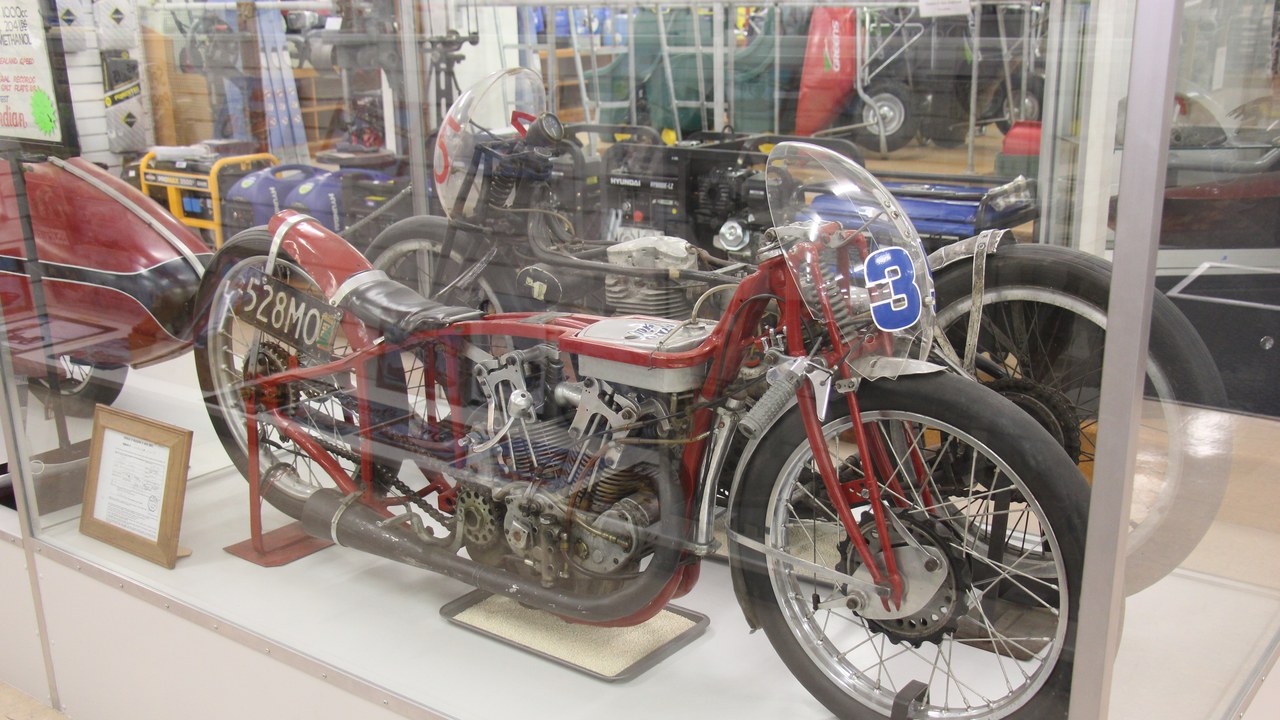
In 1967, 68-year-old New Zealander Burt Munro made motorcycle history at Bonneville, setting an under-1,000cc record of 184.087 mph on a modified 1920 Scout, as told on Indian’s Born From Icons page.
Munro was 68 when he made the run, which makes the record as much a story about the rider as the machine. The bike was already about forty-seven years old by then, and that age is what gives this Scout its place at the top of the list. Everything else here follows from the brand that produced it.
2. Indian 101 Scout: A Lower, Newer Scout
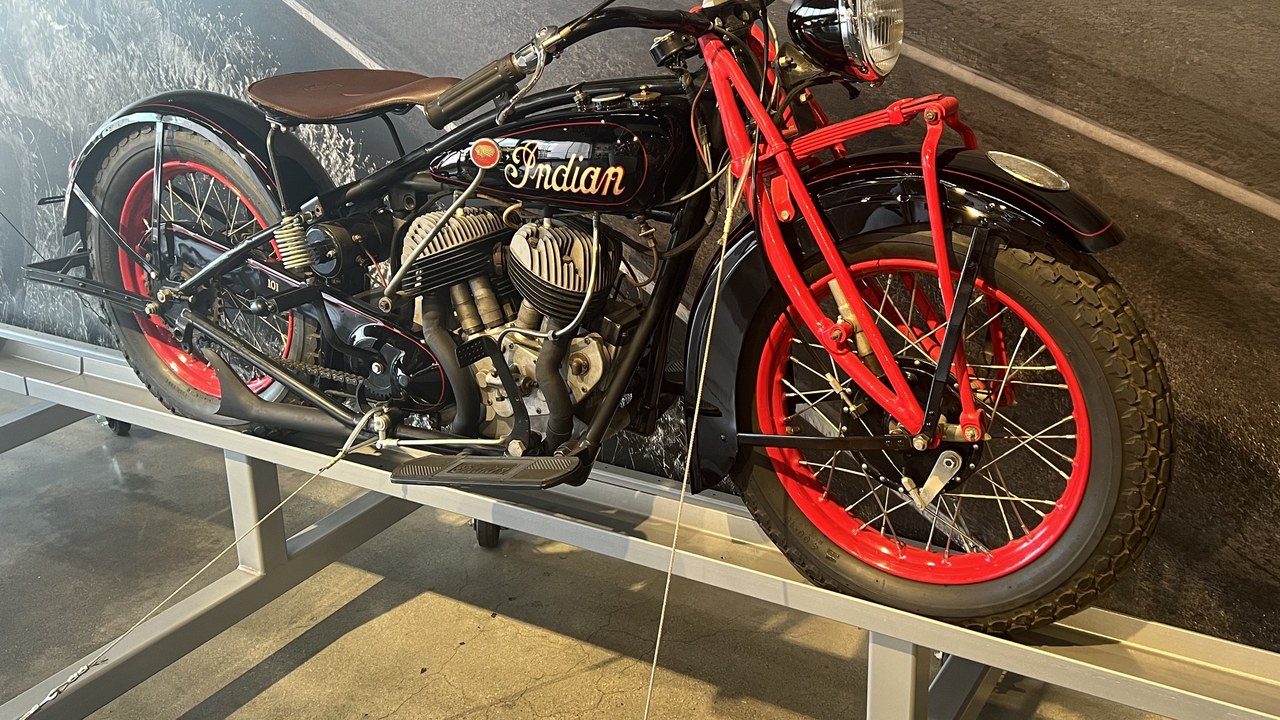
The 101 Scout was introduced in 1928, and Indian’s own history page lists a new frame, a lower seat and a 45ci engine among its changes.
Those updates reworked the Scout formula that began in 1920, giving riders a lower-slung machine on a newer chassis. The 101 name marks a major step in the model’s long run, and it sits between the original Scout and the racing-minded Sport Scout that followed. For riders of the era, the practical changes to frame and seat height were the headline.
3. Indian Sport Scout: Daytona Winner
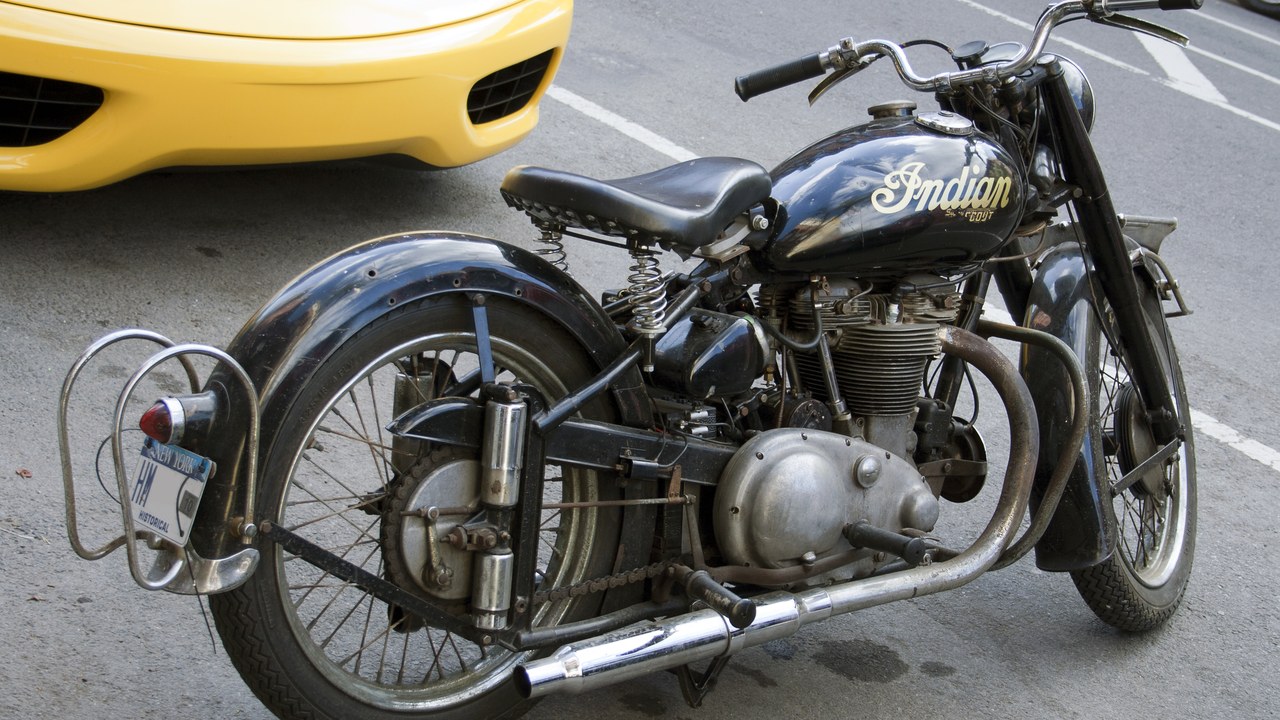
Ed Kretz won the inaugural Daytona 200 in 1937 on an Indian Sport Scout, a result recorded in the Born From Icons timeline.
A victory in the first running of the event gave the Sport Scout lasting competition credentials. It belongs to the same Scout family as the 1920 original and the 101, and this entry is tied to that single Daytona result rather than to production figures. As a result, the Sport Scout reads here as a competition story first, a showroom model second, and a reminder that the Scout name spanned several different bikes.
4. Indian Chief (1940s): Skirted Fenders, Sprung Frame
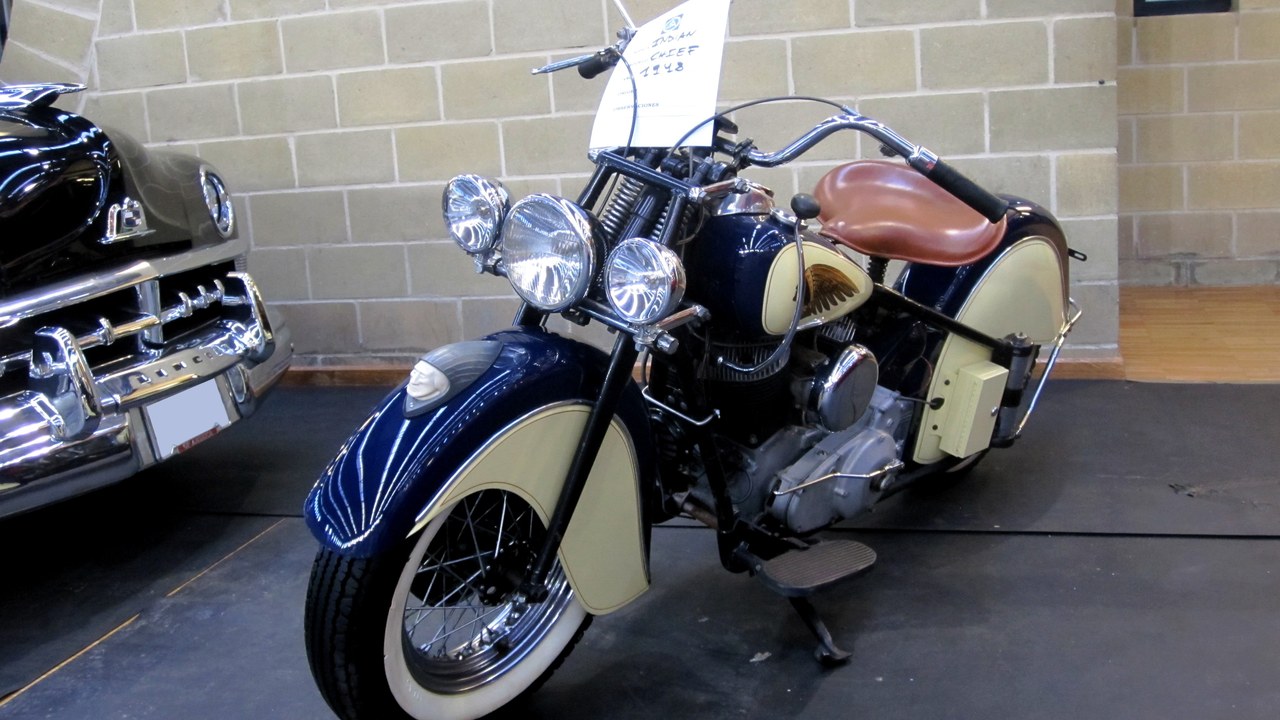
In 1940, all models were fitted with the large skirted fenders that became an Indian trademark, and the Chief gained a new sprung frame. Wikipedia’s Indian Motorcycle article calls that frame superior to rival Harley’s unsprung rear end.
The same article describes the 1940s Chiefs as handsome and comfortable machines, capable of 85 mph in standard form and over 100 mph when tuned. Their increased weight hampered acceleration, which is the main caveat. Fenders and a sprung frame are what set this decade of Chiefs apart from the 1,000 cc original that arrived in 1922.
5. Indian Four: Four Cylinders, Skirted Fenders
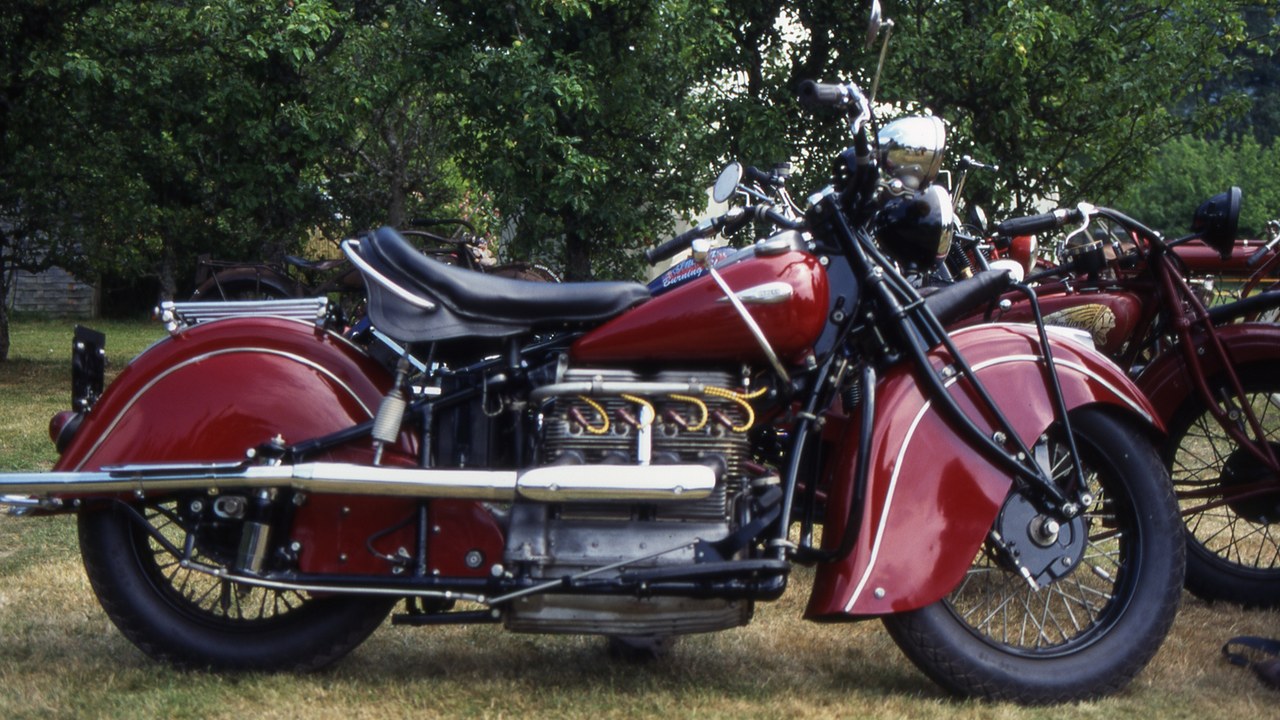
The Indian Four was discontinued in 1942, and its 1940 model added skirted fenders and plunger rear suspension, per the Wikipedia company history.
Those updates arrived late in the model’s life, only two years before it ended. The Four stands as a separate model name from the Scouts and Chiefs on this list, with its own place in the brand’s prewar story. The 1940 changes and the 1942 end date frame a narrow window, and the sources here give no further detail on how the Four was received or how many were built.
6. Indian 741: Wartime Workhorse
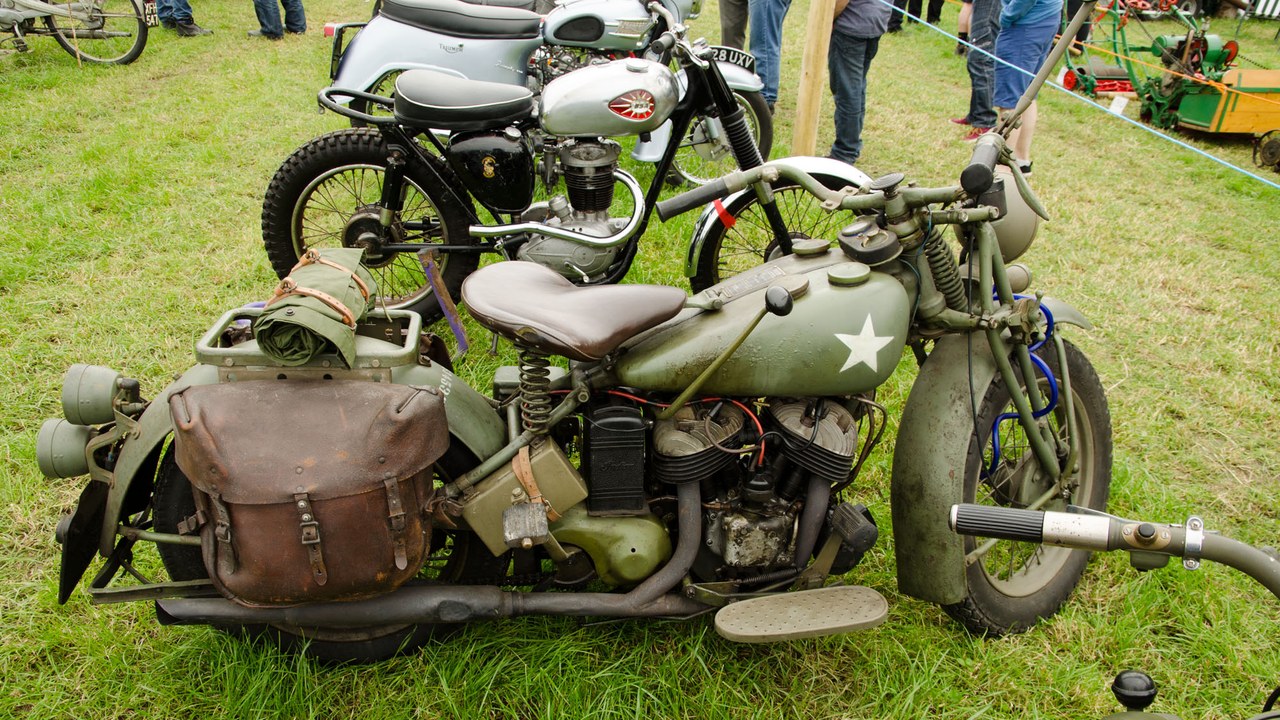
About 44,000 units of the 741 went overseas during World War II, according to SlashGear’s Indian roundup, and the bike used a 45 cu in V-twin.
That volume ties the 741 to wartime service rather than civilian riding. Its 45 cu in displacement matches the engine size cited for the 1928 101 Scout earlier on this list, a reminder of how much of the lineup shared that size. Beyond the shipment total and the engine, the sources behind this entry offer little detail, so the 741 is best read as a wartime footnote to the Scout story.
7. Indian Chief (1999): The Chief Returns
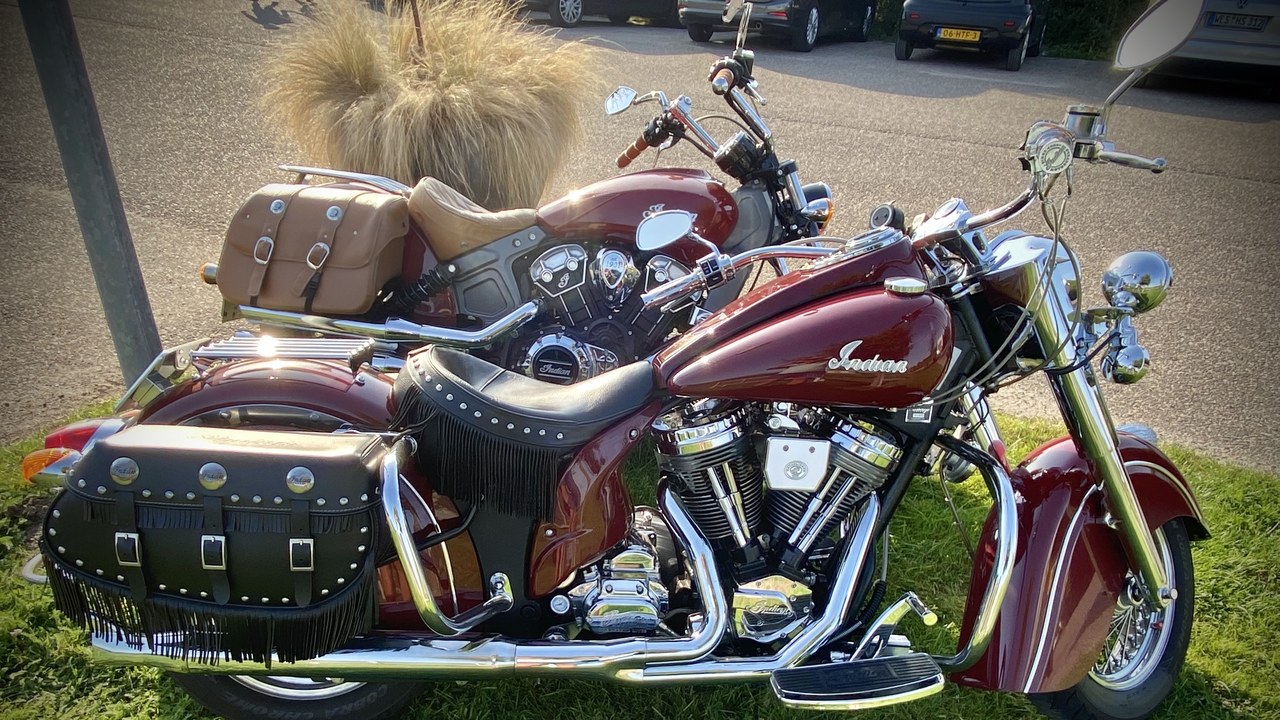
After the original Chief ended in 1953, the name came back in 1999 with 75 hp, and SlashGear’s best-Indians list describes it as the first big V-twin Indian motorcycle to go on sale since 1953. About 1,100 were built in its first full year.
Those numbers show a small-volume restart rather than a mass-market launch. Even so, the 1999 Chief brought back the large V-twin format that the brand had left behind more than four decades earlier, and the 75 hp figure gives a sense of the performance the revival aimed for.
8. Indian Scout (2015): First All-New Scout
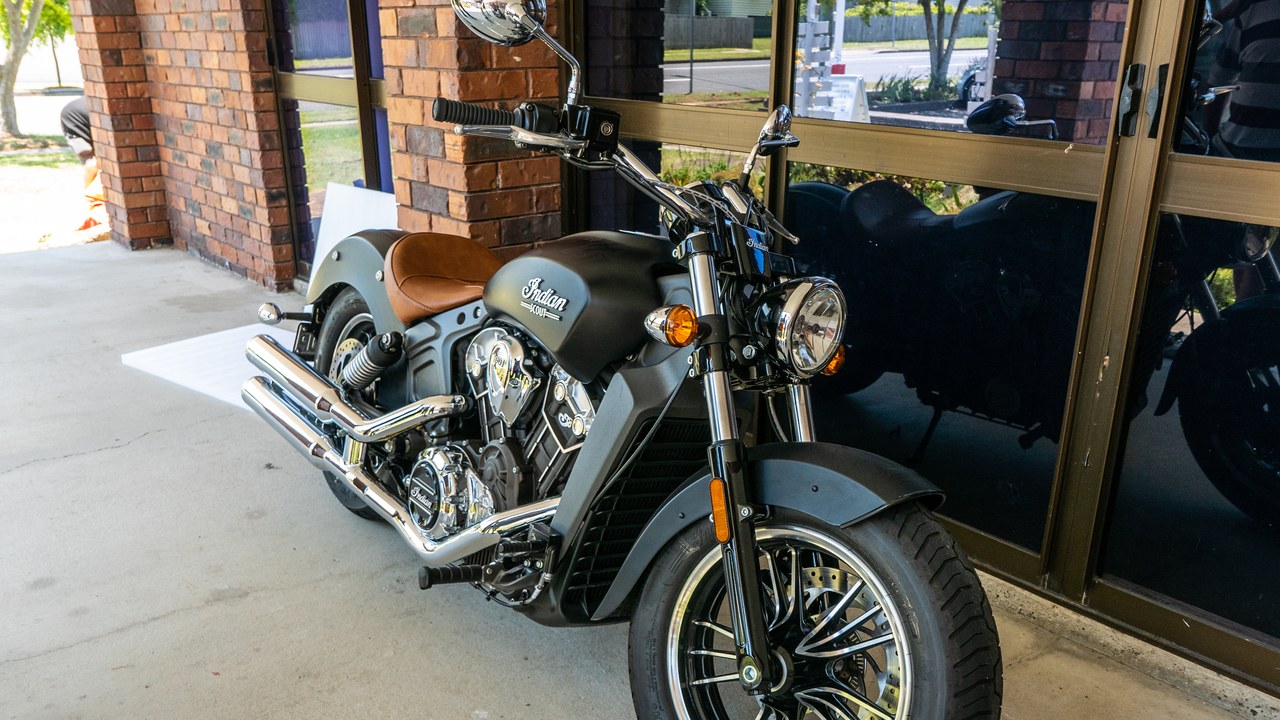
For the 2015 model year, Indian introduced the first all-new Scout in over 70 years, as Indian’s heritage page describes.
Seven decades separated it from the previous all-new Scout, so the 2015 bike represents a full redesign rather than a light update. It is the newest Scout on this list, set against the 1920 original that opens it. Taken together, the two bookend the Scout story told here, one from the brand’s early years and one from its modern relaunch, with the 101 and Sport Scout in between. A single model name therefore spans the entire timeline of the gallery.
9. Indian Chief (1953): Built in Small Numbers
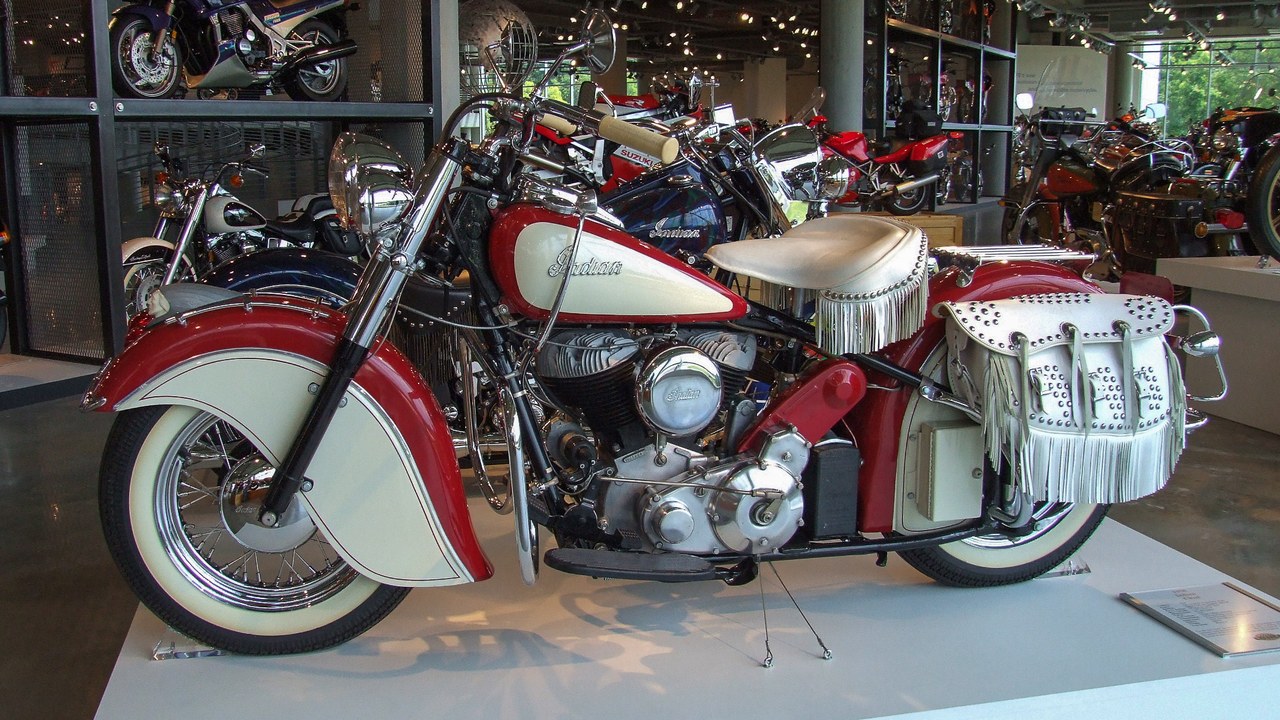
The 1953 Chief earns its place in SlashGear’s ranking of Indian motorcycles largely through scarcity. According to that list, only about 600 were built before production ended.
That small number is the heart of the entry. A run measured in hundreds rather than thousands means few examples were ever made, which helps explain why the model stands out among the ten on this list. The ranking supplies the production figure and the end of production as its main points, so the story here rests on rarity rather than on speeds, prices or racing records, none of which are cited.
10. Indian Powerplus: Quieter and Stronger
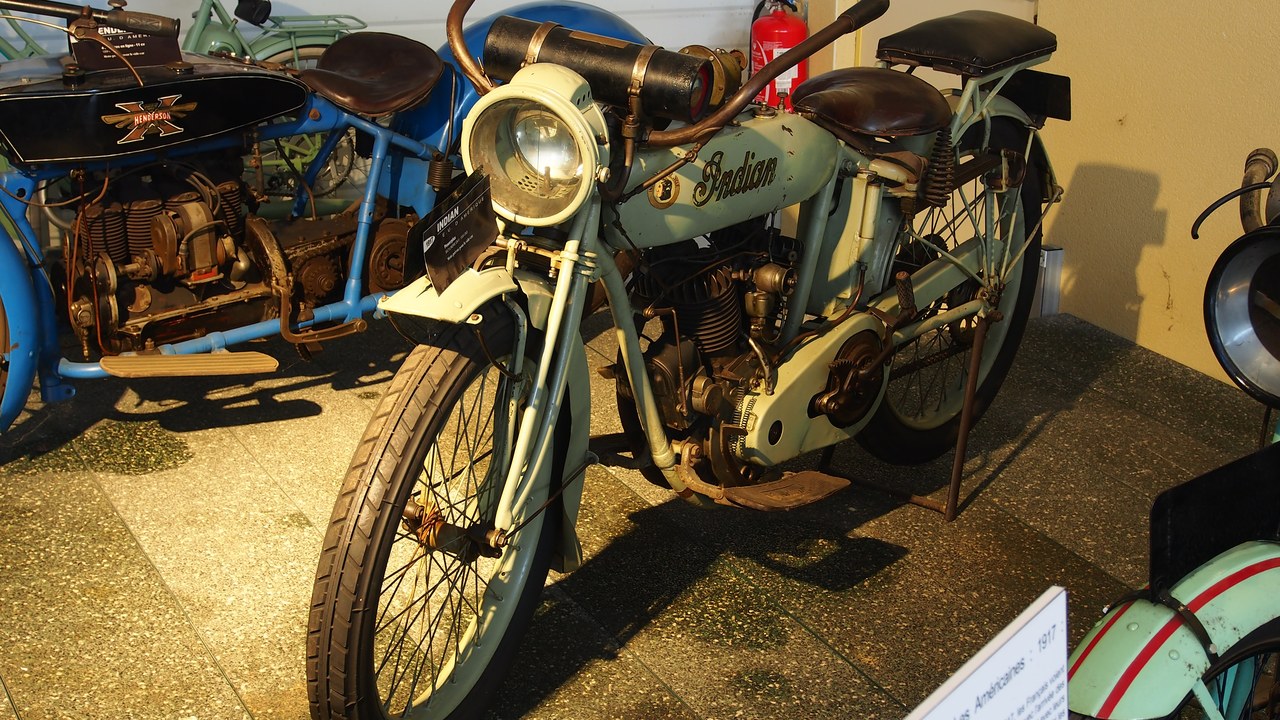
Built from 1916 to 1924, the Powerplus was a side-valve V-twin that reached about 60 mph, and Wikipedia’s Indian Motorcycle history calls it more powerful and quieter than previous designs.
Its production run overlaps the 1920 Scout and the 1922 Chief, so it shares the early 1920s with both. The 1916 start predates everything else here, making it the earliest design on the list. The roughly 60 mph figure is a modest number by modern standards, but it frames how the quieter, more powerful engine mattered in its day. It also shows the brand was already iterating on its V-twin recipe before the Scout arrived.
Tech news in one quick read: Subscribe to TLDR →
We may earn a commission if you sign up.
More from Morning Overview
- NOAA now gives this winter a 75% chance of the strongest El Nino since 1950
- Doctors warn a silent liver disease now affects one in three American adults
- The FBI told the rest of ShinyHunters to surrender after a 24-year-old was arrested
- Two passengers died at an Ohio toll plaza, and the NTSB now wants the cash lanes shut
