
The Toyota Corolla has carried the same name since 1966, and each of its generations left behind its own milestone. Along the way came a rear-drive AE86 that grew into a drift legend, rally wins, record sales years and a hybrid finish. Here are twelve generations, from the first 1966 sedan to the current hybrid.
The day in tech, in one email: TLDR is the daily newsletter with links and TLDRs of the most interesting stories in startups, tech and programming.
We may earn a commission if you sign up.
1. Toyota Corolla E10 (1966): Where It Began
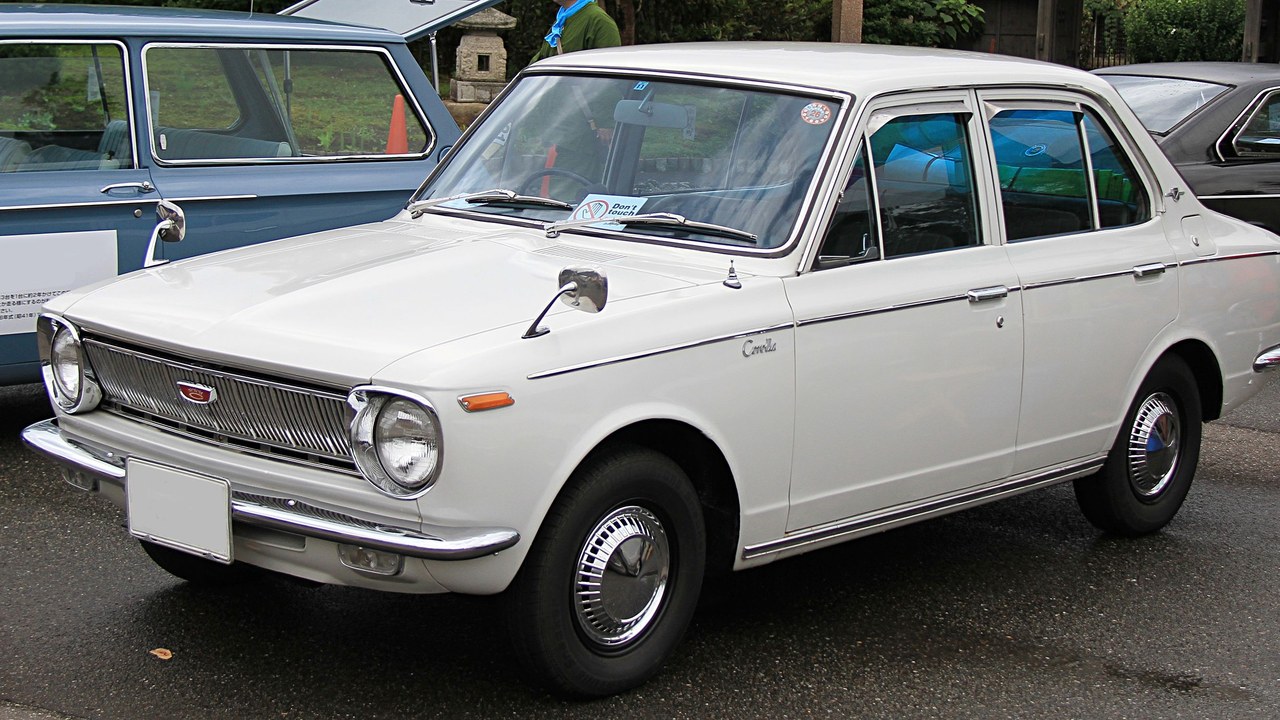
The first Corolla debuted in Japan in November 1966 with a 59-hp 1.1-liter engine and disc brakes, according to Motor1 anniversary report. Exports to the United States followed in summer 1968, when the little sedan carried a sticker price of $1,668.
That low entry price helped set the template for everything that came after. A small, affordable sedan with disc brakes and a modest engine gave the nameplate a clear identity from its earliest days, and the Japanese launch came more than a year and a half before American buyers could order one.
2. Toyota Corolla E20 (1970): Second Best-Selling Import
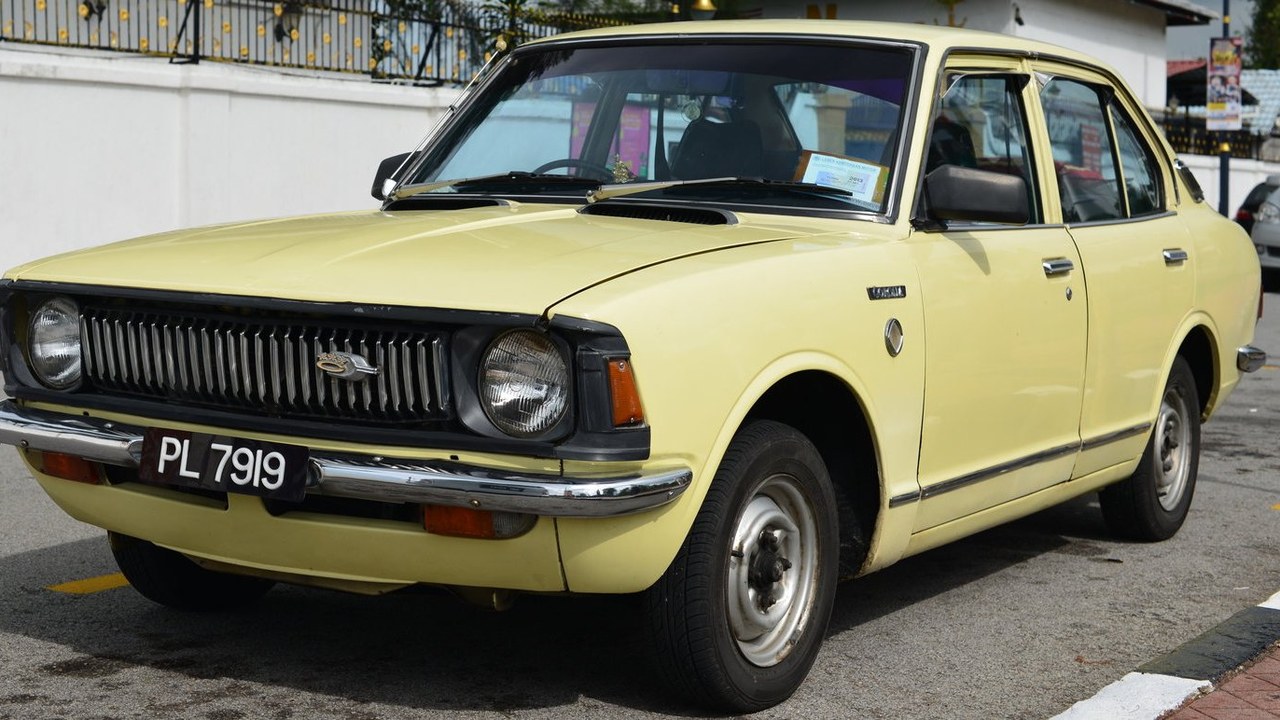
By 1970 the Corolla was already the second best-selling import in the United States, as laid out in Toyota’s 50th anniversary page. Global sales also reached 1 million units four years after the car first launched.
That pace showed how quickly buyers took to the compact sedan outside Japan. The second generation arrived while the model was still new to many markets, and it was already near the top of the import rankings in the American market.
3. Toyota Corolla E30 (1974): Rounder and Bigger
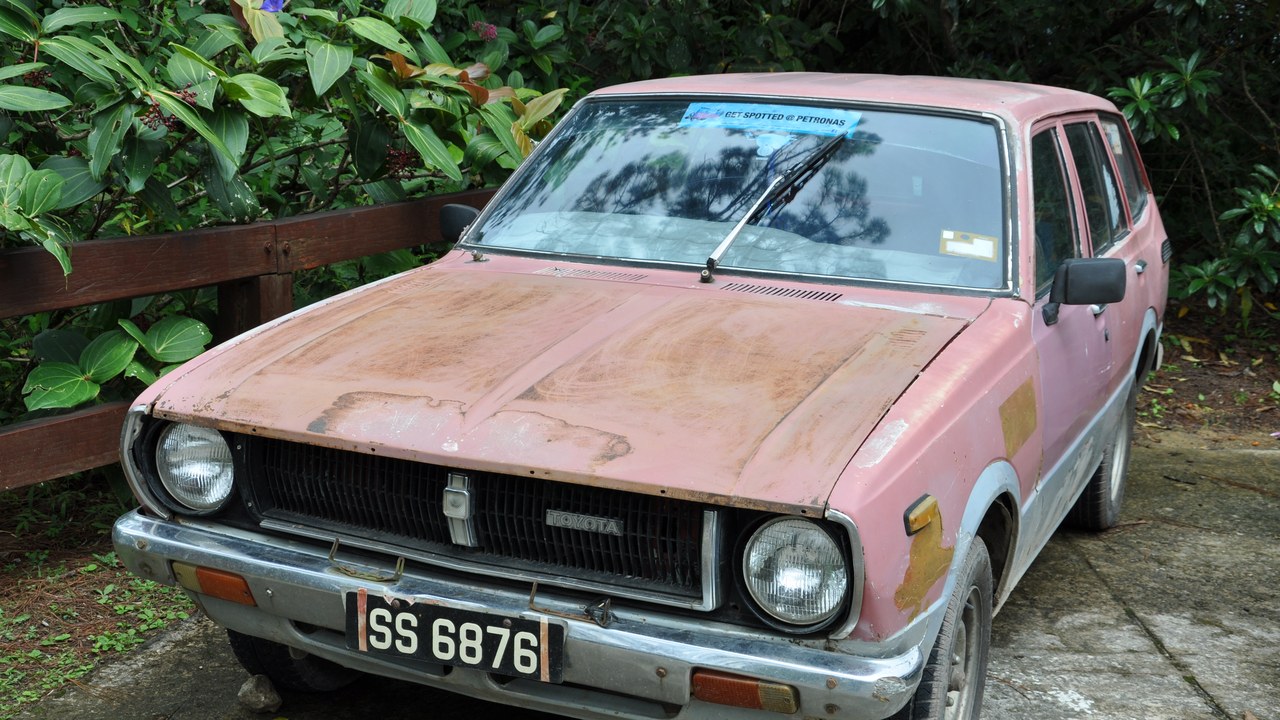
April 1974 brought rounder, bigger and heavier Corollas and Sprinters, as described in Wikipedia’s Corolla history. The generation was the first to offer a two-door liftback body and added retracting front seat belts.
The growth in size and weight marked a shift away from the lean original formula. Safety hardware and a more versatile body style arrived together, reflecting a car that was maturing along with its buyers, and the Sprinter twin shared in the same redesign.
4. Toyota Corolla E70 (1979): The Euro Box
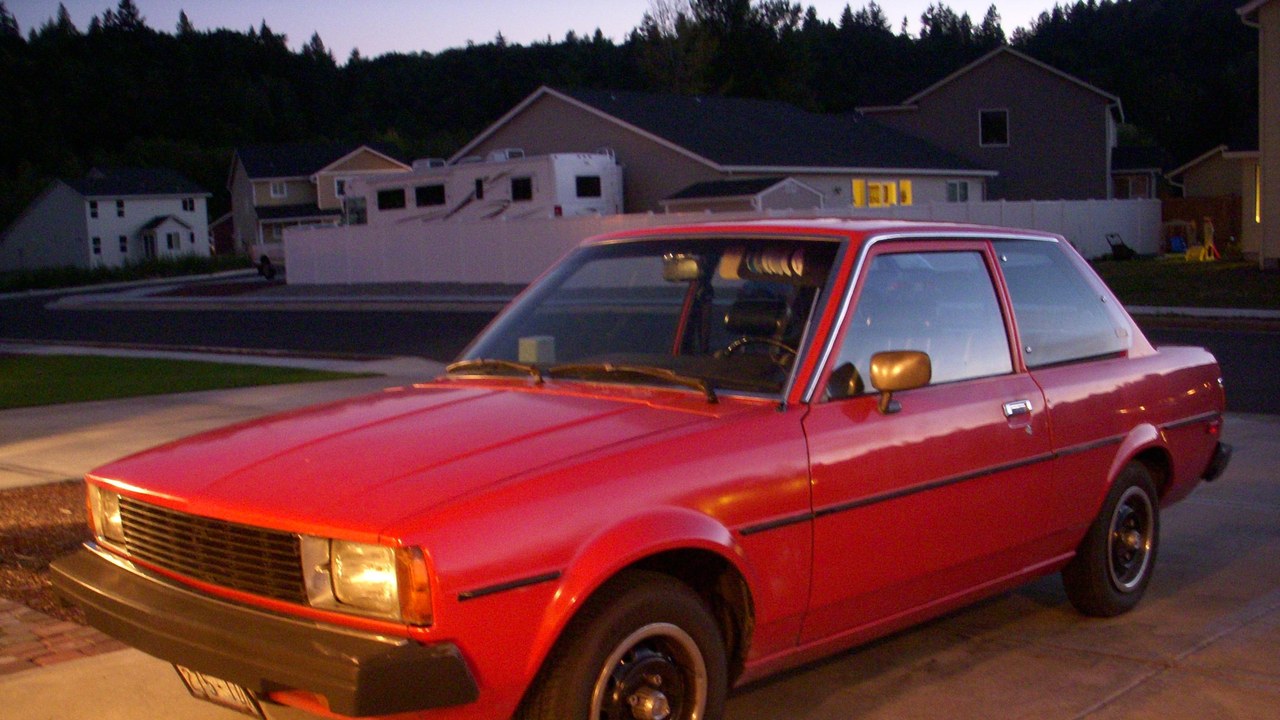
A major styling change to a square-edged Euro box defined the 1979 Corolla, as Haynes explainer on the Corolla explains. Underneath, it was the last generation to use the K and T engines.
The sharp-cornered redesign made this one of the most visually distinct turns in the nameplate’s history. It also closed a chapter mechanically, since the engine families that powered earlier Corollas were retired after this generation, leaving the later cars to move on to different powertrains.
5. Toyota Corolla E80 / AE86 (1983): The Drift Icon
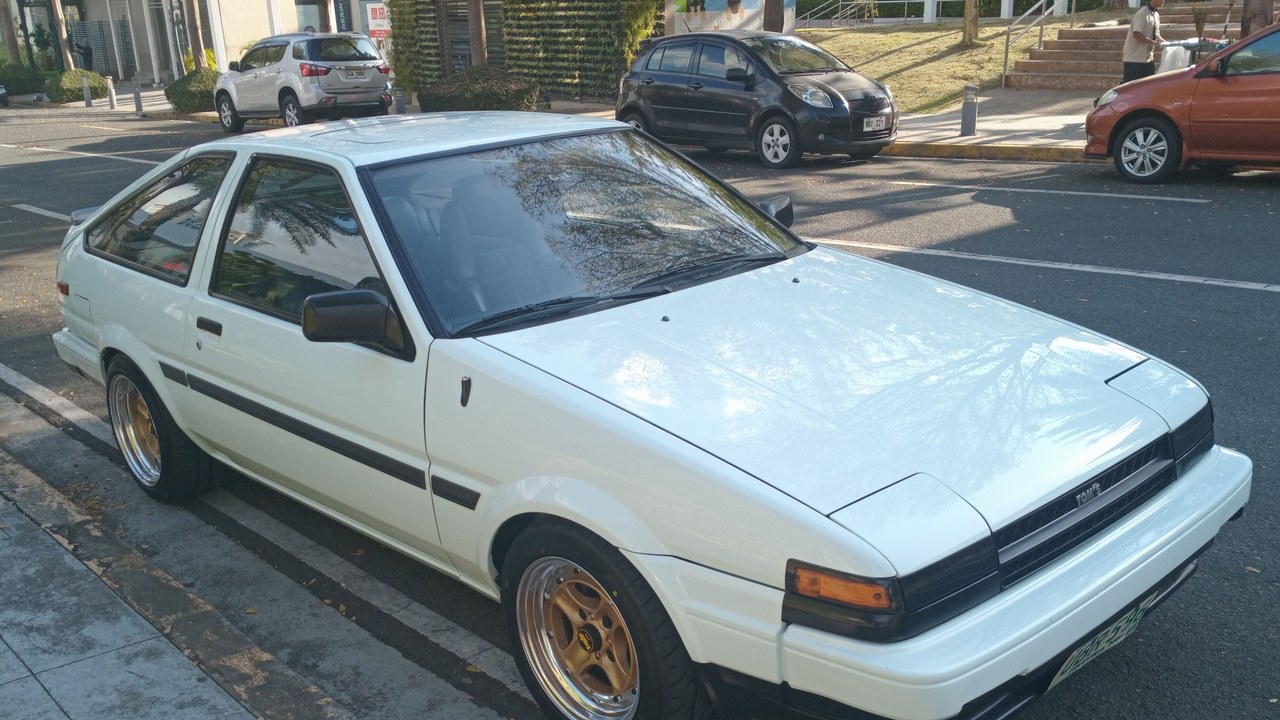
The rear-drive AE86, powered by a 128-hp 1.6-liter 4A-GE, became a motorsport and drift icon and also starred in Initial D, according to Motor1 anniversary report. Most other E80 Corollas switched to front-wheel drive.
That split is what makes the AE86 stand apart within its own generation. The one rear-drive variant carried the car’s reputation, while the front-drive majority followed the direction the rest of the lineup was heading. The headline car is therefore the exception, not the rule, for the E80 family.
6. Toyota Corolla E90 (1987): A Record Year
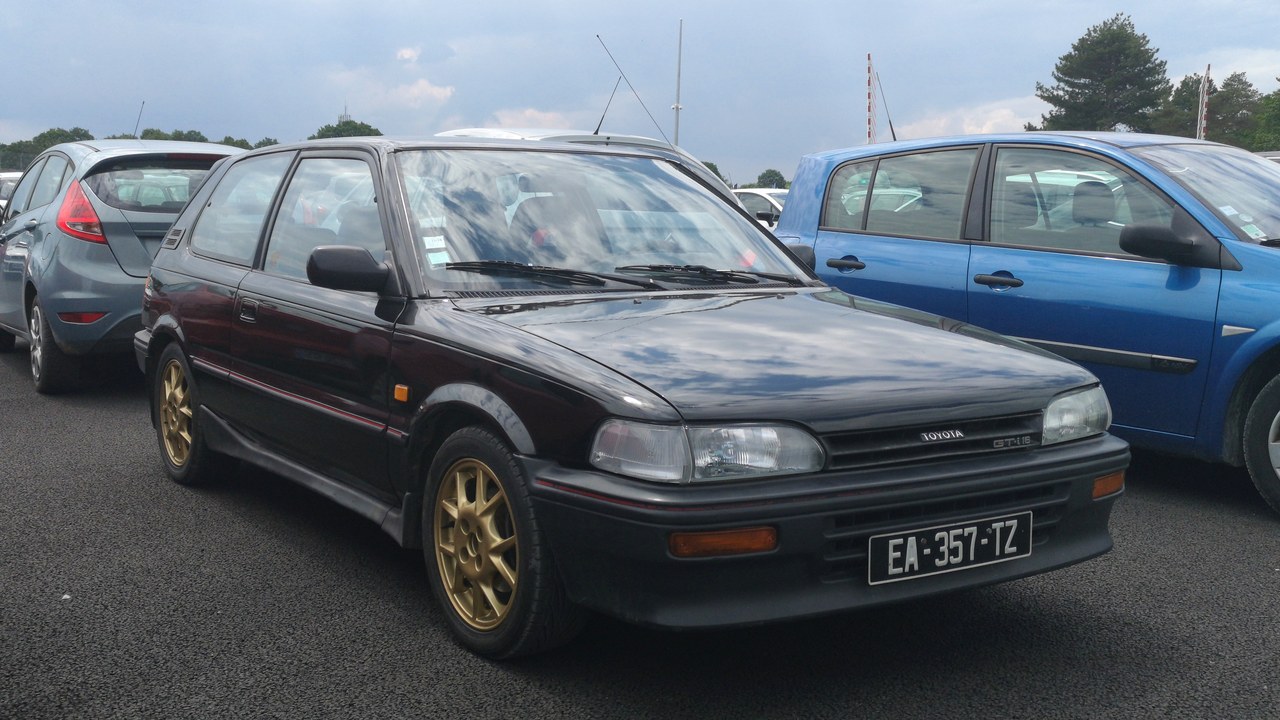
In 1990, Corolla sales reached 228,211 in the United States and 300,008 in Japan, per Wikipedia’s Corolla article. The Japanese figure stood as a record until the Prius topped it in 2010.
The E90 era therefore sits at a high point for domestic demand. A record that lasted two decades, and fell only to a hybrid from the same company, says a lot about how firmly the compact had taken hold at home.
7. Toyota Corolla E100 (1991): Airbag Arrives
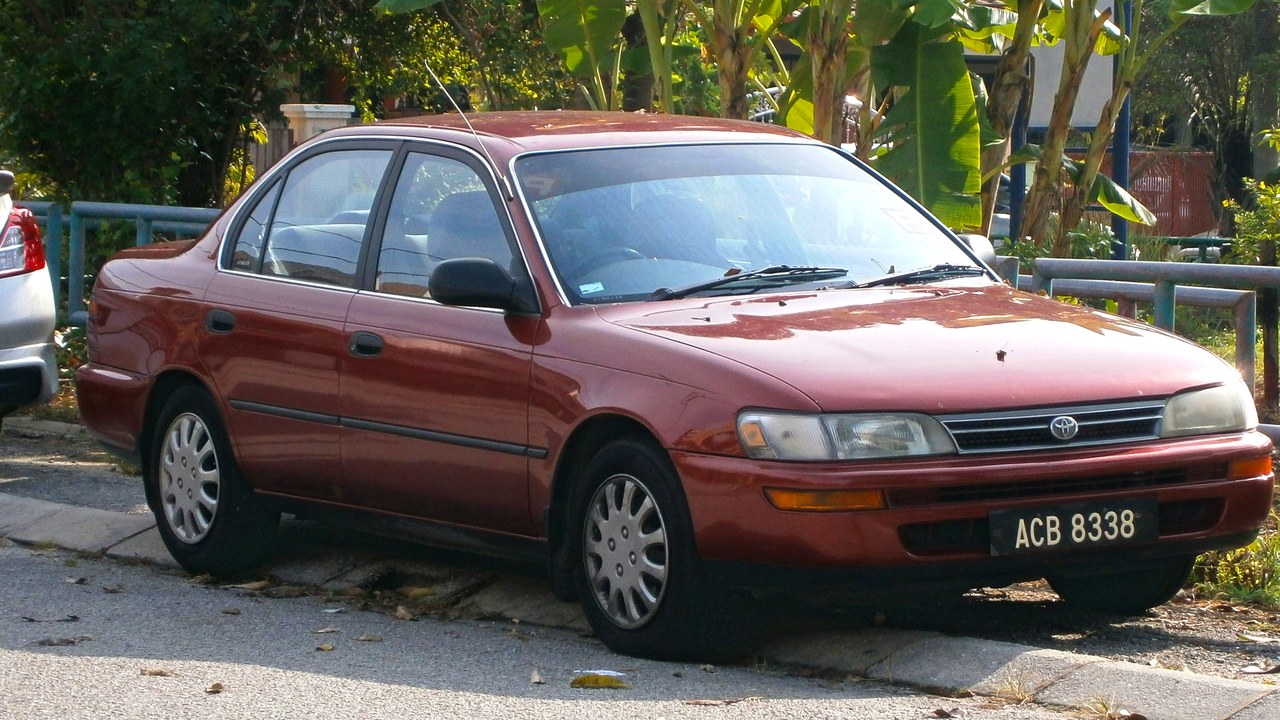
The E100 grew bigger and more comfortable than its predecessor, and a driver airbag became standard in September 1994, as Motor1’s anniversary feature notes. That safety feature came partway through the generation’s run rather than at launch.
The mid-cycle addition shows that safety equipment kept being added to the Corolla over time. For a car aimed at ordinary commuters, a standard airbag marked a meaningful step up in everyday protection.
8. Toyota Corolla E110 (1995): Rally Success
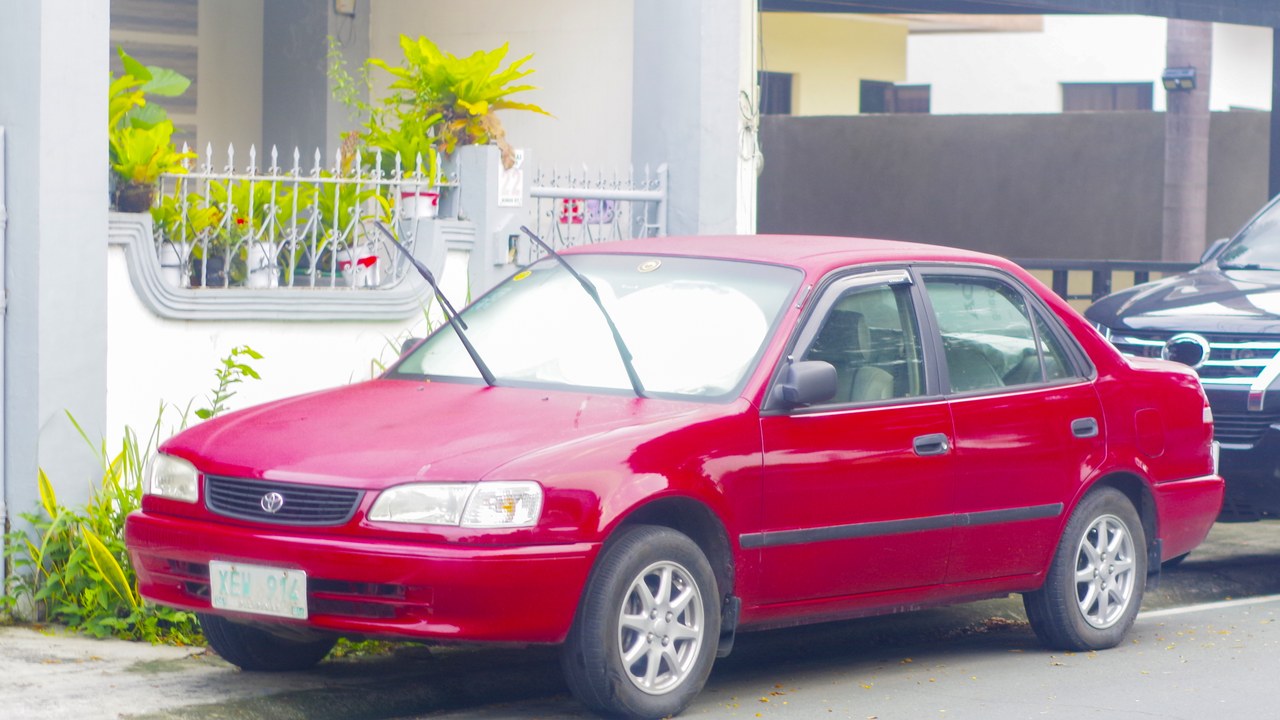
The Corolla WRC won three rallies in 1998 and helped Toyota take the 1999 manufacturers’ world championship, according to Motor1’s anniversary feature. The achievement tied the humble family sedan’s name to top-level motorsport.
Competition results like these gave the E110 era a sporting footnote that few small sedans can claim. The championship came a year after the rally wins, rewarding a program built around a car buyers could see on the street.
9. Toyota Corolla E120/E130 (2000): Two Platforms
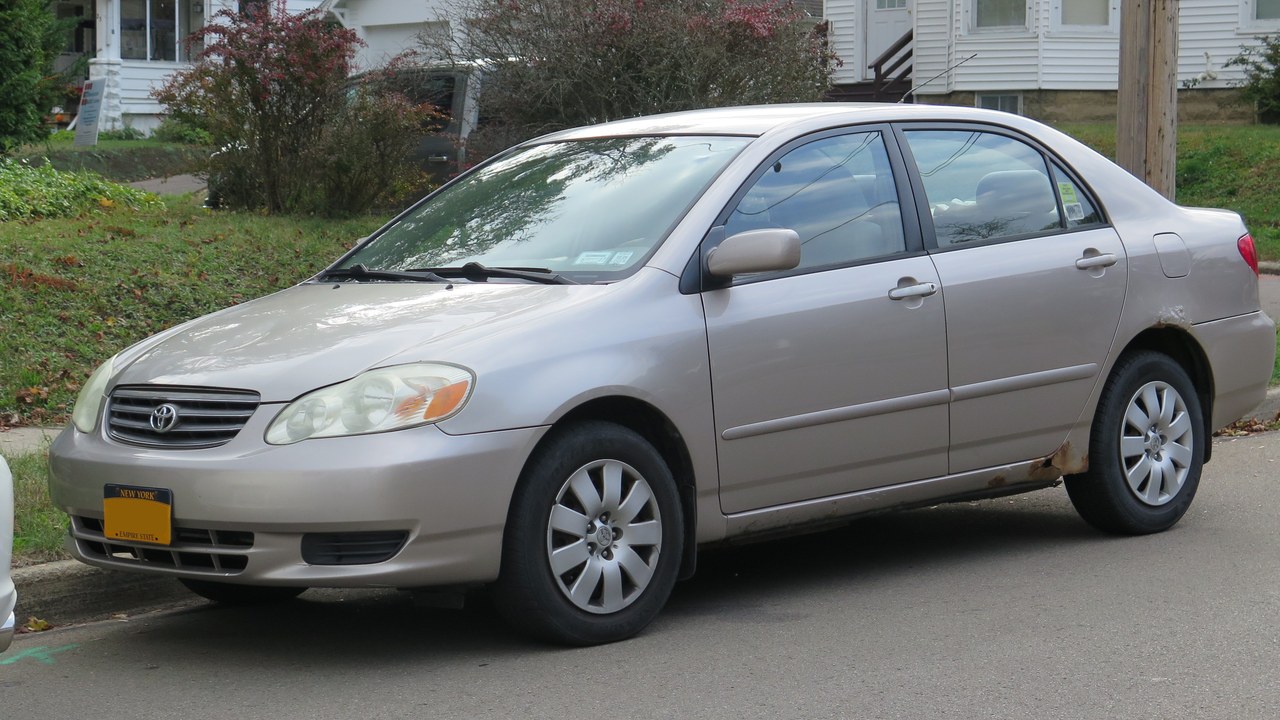
The E120 ninth-generation Corolla was introduced in Japan in August 2000, as Wikipedia’s Corolla history records. U.S. sales reached 325,477 in 2003, a period when the Corolla split into two platforms.
Running two platforms under one name meant the nameplate was effectively covering two different cars at the same time. The sales figure shows that the split did not stop American buyers from turning out in large numbers for the Corolla in 2003.
10. Toyota Corolla E140 (2006): Selling Strong
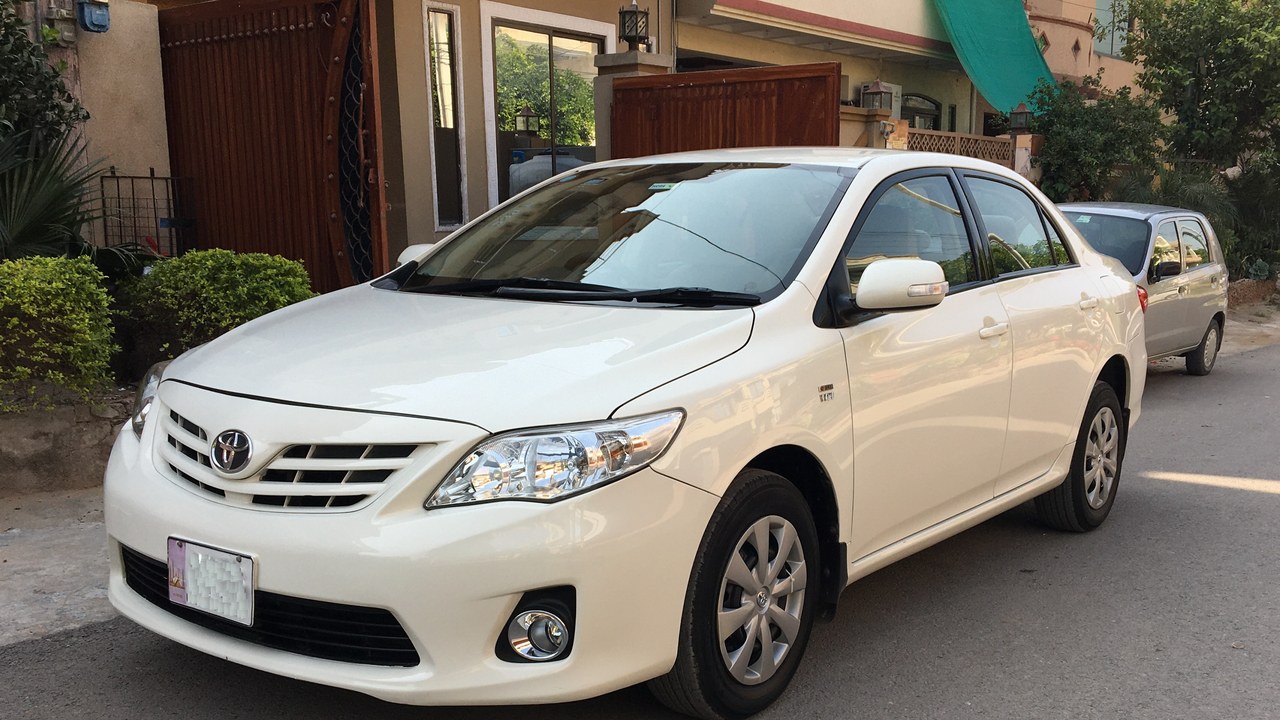
The tenth-generation E140 Corolla was introduced in October 2006, according to Wikipedia’s Corolla article. The following year, Toyota sold 371,390 of them in the United States.
That total is the highest among the U.S. sales numbers cited for these generations. It suggests the redesign landed well with American buyers, and it came in the first full year after the new model went on sale, a strong start for the tenth generation.
11. Toyota Corolla E170 (2013): Forty Million Strong
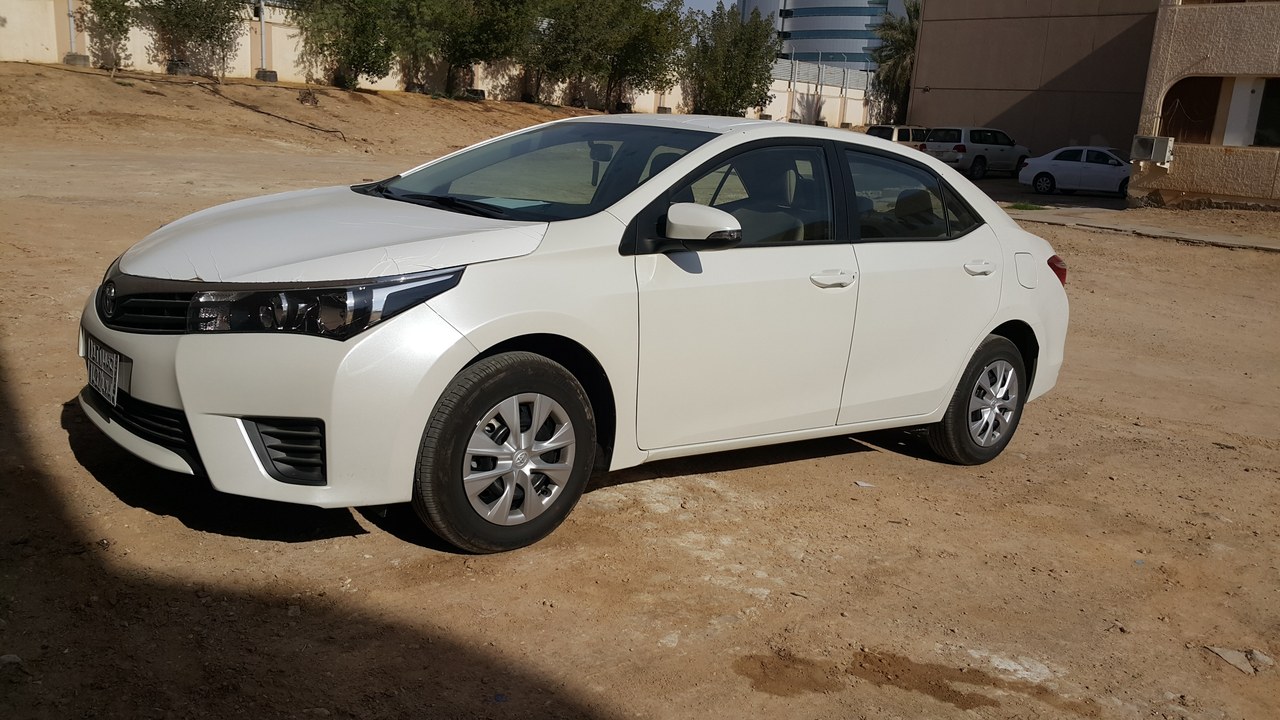
By July 2013, Toyota had sold no fewer than 40 million cars under the Corolla name, as Haynes explainer on the Corolla reports. That tally made the Corolla the best-selling nameplate of all time, ahead of the Volkswagen Beetle.
The milestone arrived as the E170 generation was starting out. It turned a long-running economy car into a record holder, and it frames the later generations as additions to an already enormous total.
12. Toyota Corolla E210 (2018) and Corolla Hybrid: Hybrid Era
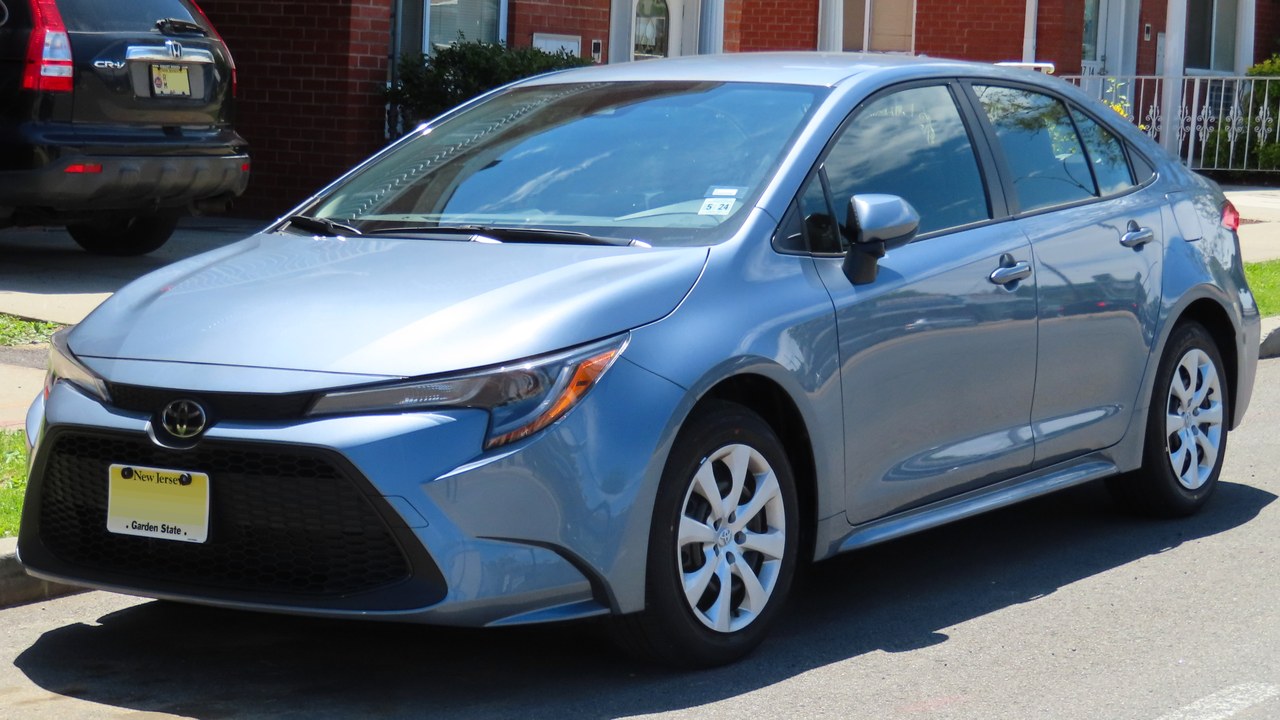
The twelfth generation brought the Corolla Hybrid, which makes 138 net hp and 50 mpg combined, as Toyota’s 60th anniversary release lays out. A 60th Anniversary special edition is limited to just 2,500 units in the United States.
Pairing strong fuel economy with a numbered, limited-run edition shows how Toyota is marking six decades of the nameplate. The efficiency figures keep the focus on the practicality that built the Corolla’s reputation.
The day in tech, in one email: Get TLDR →
We may earn a commission if you sign up.
More from Morning Overview
- Hurricane Hunter radar shows four warning signs that a tropical cyclone is about to strengthen, a University of Miami study found
- Tropical Storm Rachel is dumping up to 12 inches on four Mexican states on its way to major hurricane strength
- The FTC says Lens.com doubled the price shoppers saw in Google ads
- Common allergy, bladder and sleep pills tied to sharply higher dementia odds
