
Flight is an expensive trait, and some birds have dropped it entirely. Their wings have shrunk over time, become flippers, or simply gone unused for millions of years. These eleven species are living examples, ranging from towering runners to the smallest member of the whole group alive today.
1. Ostrich: The Size Record
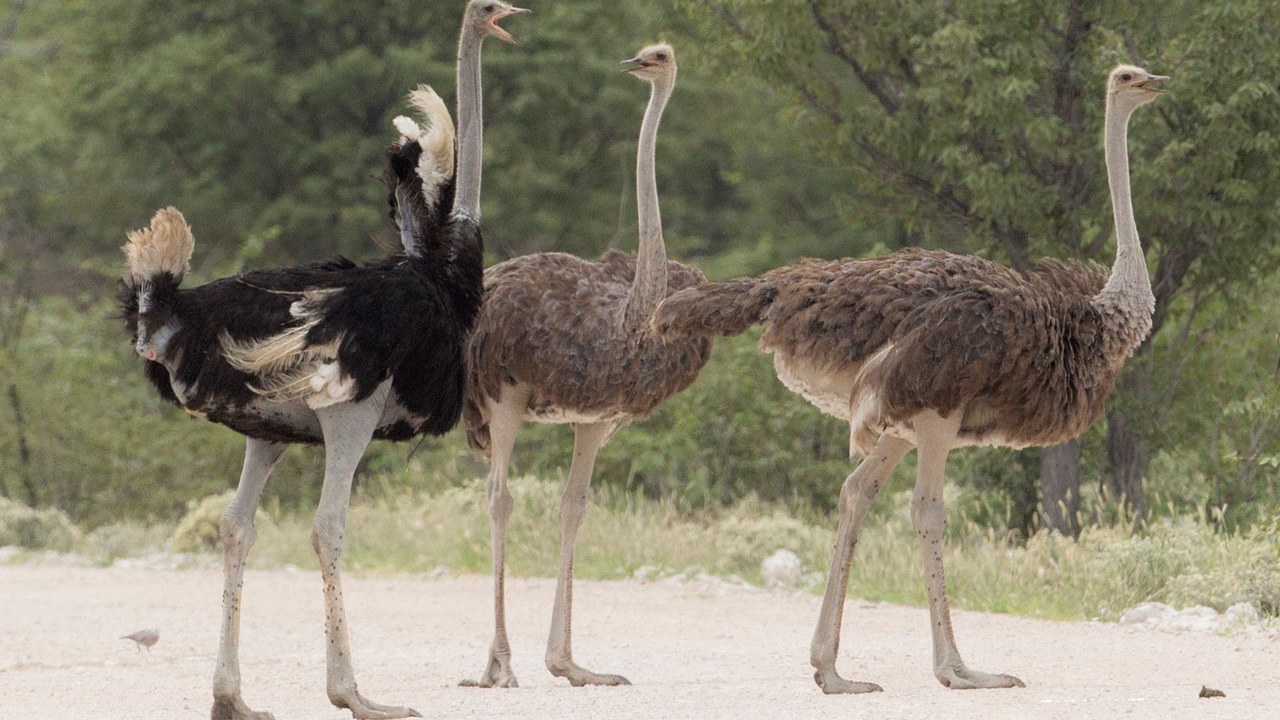
Standing about 2.7 meters tall and weighing around 156 kilograms, the common ostrich is both the largest flightless bird and the largest living bird of any kind, according to the Wikipedia flightless bird entry. It is also the fastest-running bird, a title earned on long two-toed legs rather than wings.
Its size sets the ceiling for the whole group. Every other bird on this list is smaller, and several are far smaller, which makes the ostrich the natural starting point for measuring how different flightless lifestyles can look.
2. Emu: Wings Reduced To Stubs
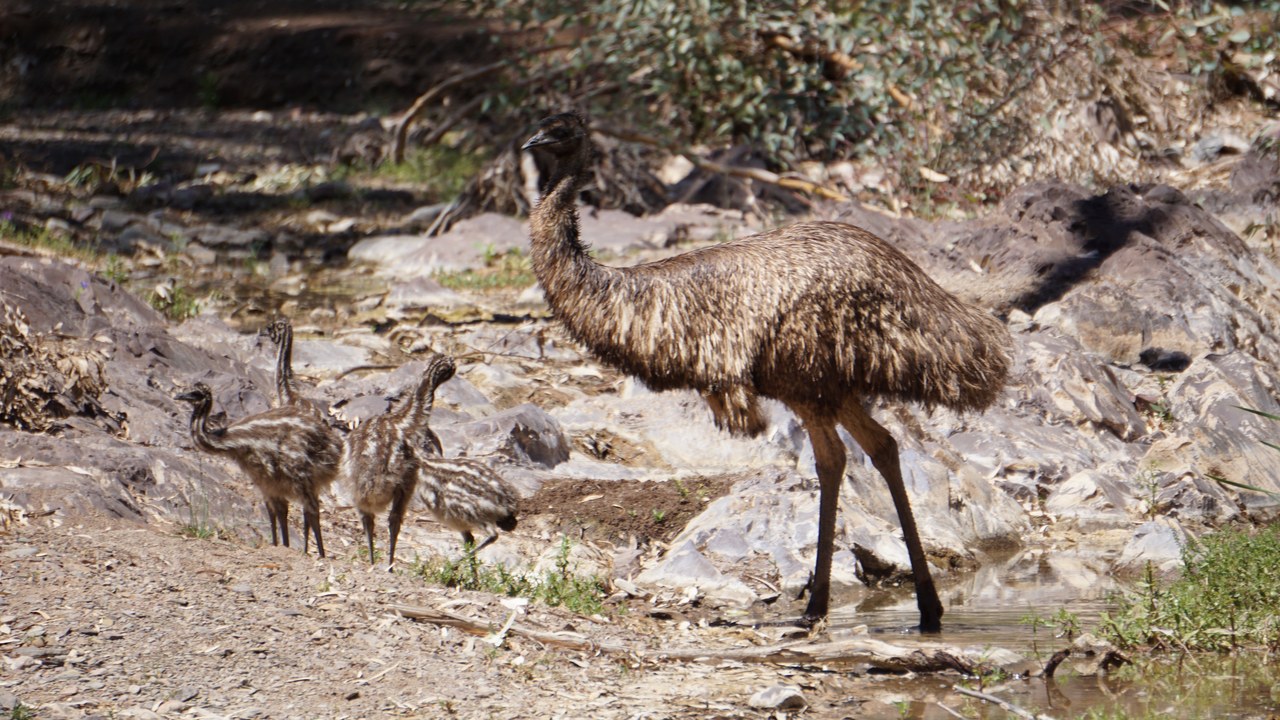
Averaging 5.7 feet (1.75 meters) in height, the emu is a large Australian runner described by the Smithsonian National Zoo profile as having wings reduced to less than 8 inches. Even so, it can reach about 31 miles per hour on its long legs.
The emu shows how far a wing can shrink while the bird stays highly mobile. Flight was traded for speed and endurance on open ground, and the emu’s height is the figure that anchors the top end of this list.
3. Southern cassowary: Heavy And Helmeted
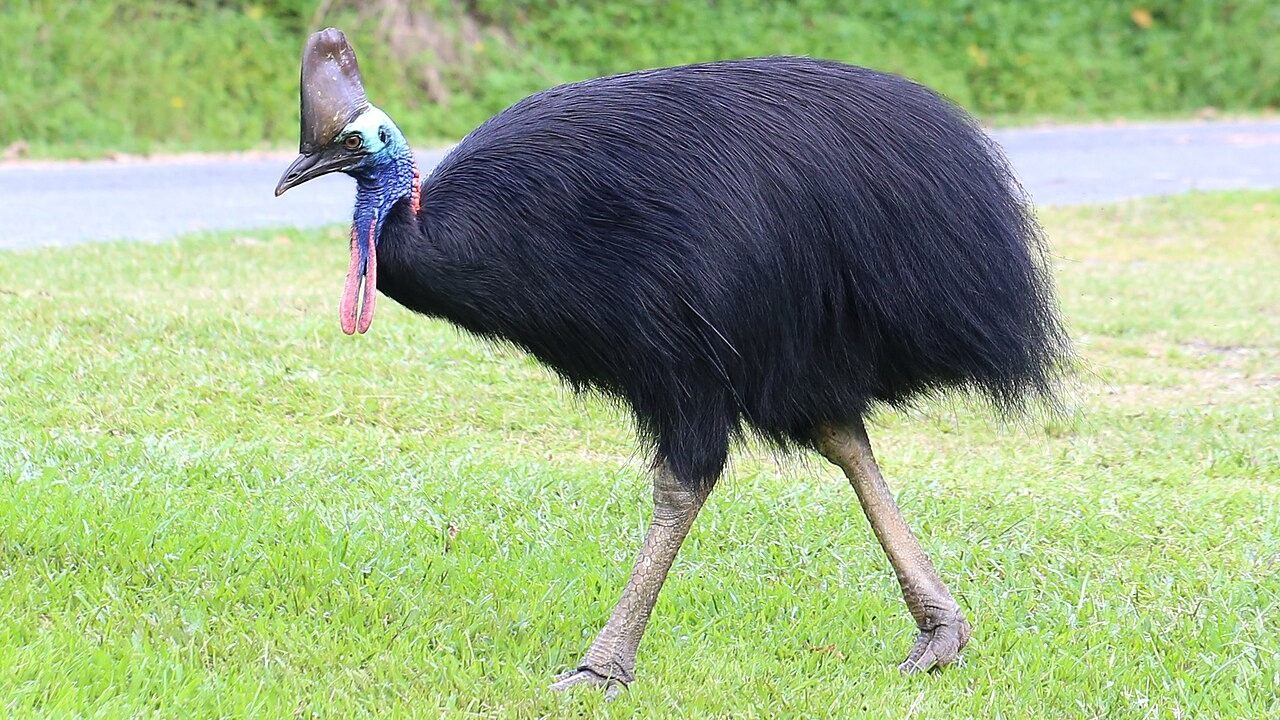
Cassowaries cannot fly, and the southern cassowary reaches 5.5 feet tall and up to 175 pounds, making it the third-largest bird in the world, per the Smithsonian National Zoo account. Females run slightly larger than males.
Only the ostrich and the emu rival it for bulk, yet the cassowary lives in dense forest rather than open plains. That combination of weight and woodland habitat sets it apart from the other giants in this lineup.
4. Greater rhea: South America’s Runner
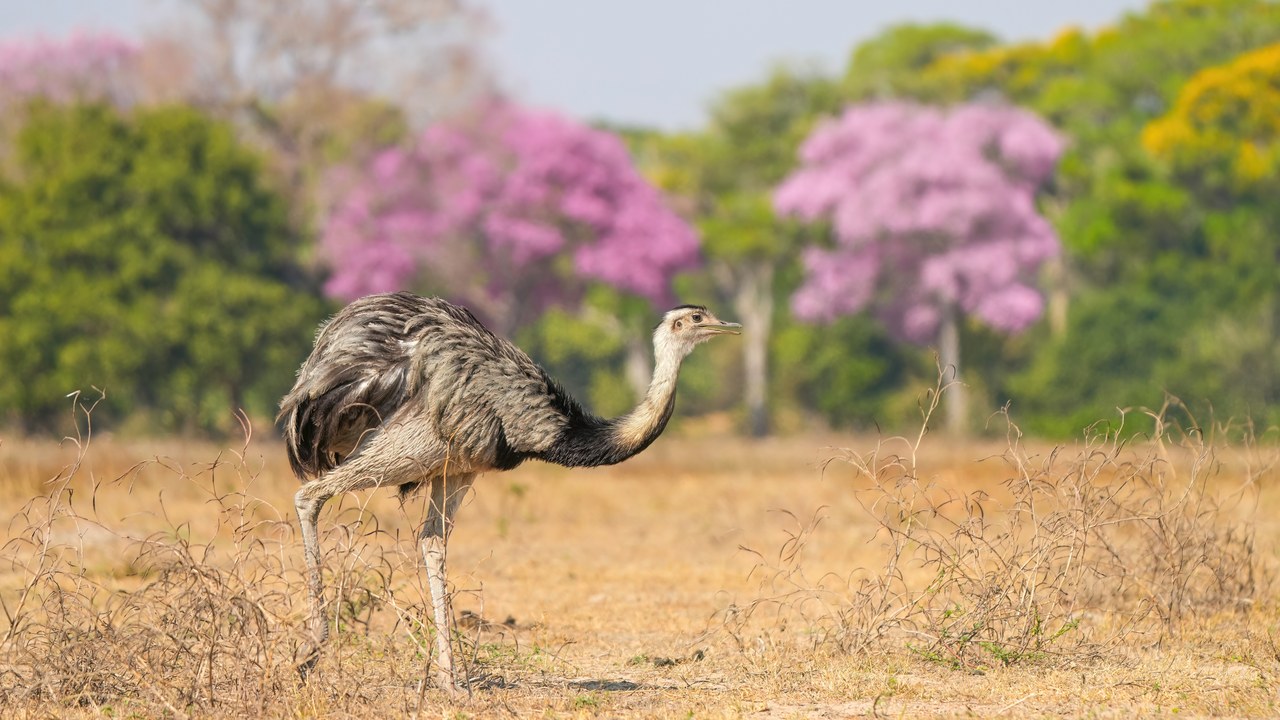
Rheas cannot fly, and the greater rhea stands 3 to 5 feet tall and weighs 33 to 66 pounds, according to the Smithsonian National Zoo entry. It roams the grasslands of South America, the continent’s counterpart to the ostrich and emu.
A rhea is noticeably smaller than the three giants before it, though still a tall bird by any ordinary standard. Its place here shows that large flightless runners evolved on several continents, not in one region alone.
5. North Island brown kiwi: A Single Giant Egg
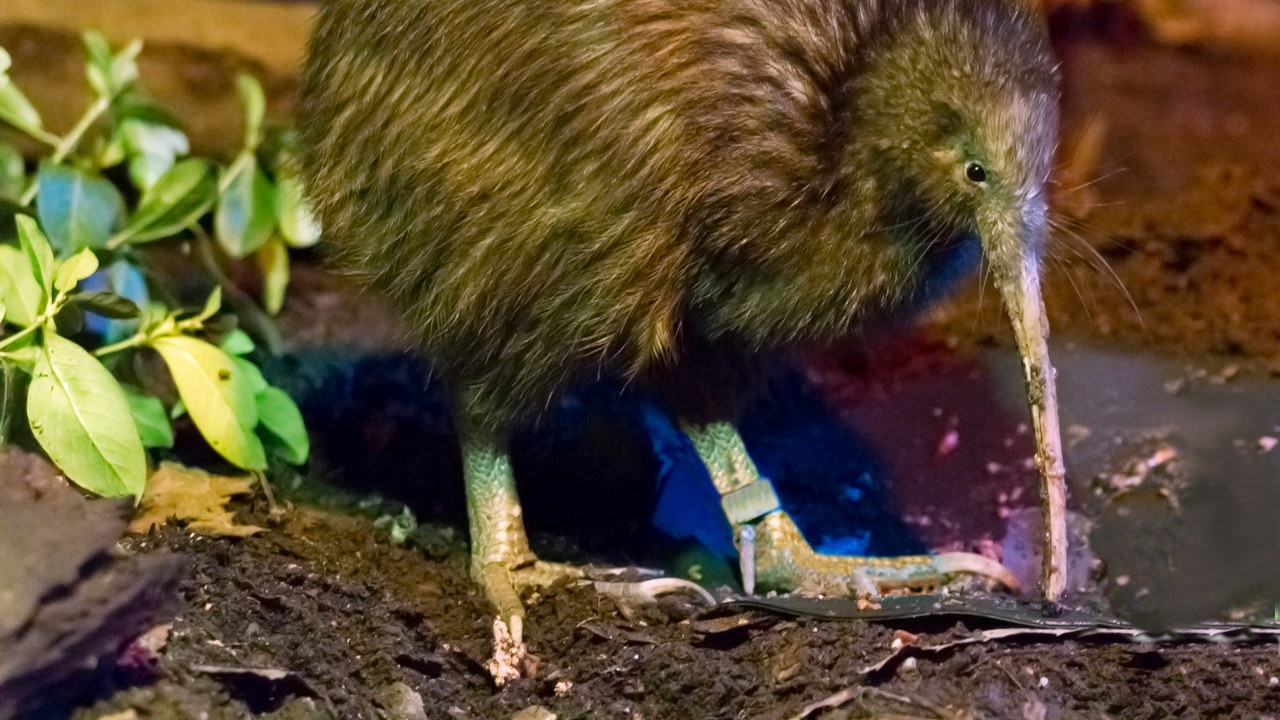
Kiwi are flightless, nocturnal birds, and the female of the North Island brown kiwi lays a single egg amounting to about 15 percent of her body weight, as the Smithsonian National Zoo profile notes. Few birds invest so much in one egg.
The kiwi is a New Zealand icon, and its habits differ sharply from the big runners. It forages at night rather than sprinting across daylit plains, which makes it a different kind of flightless bird altogether.
6. Inaccessible Island rail: The Smallest Of All
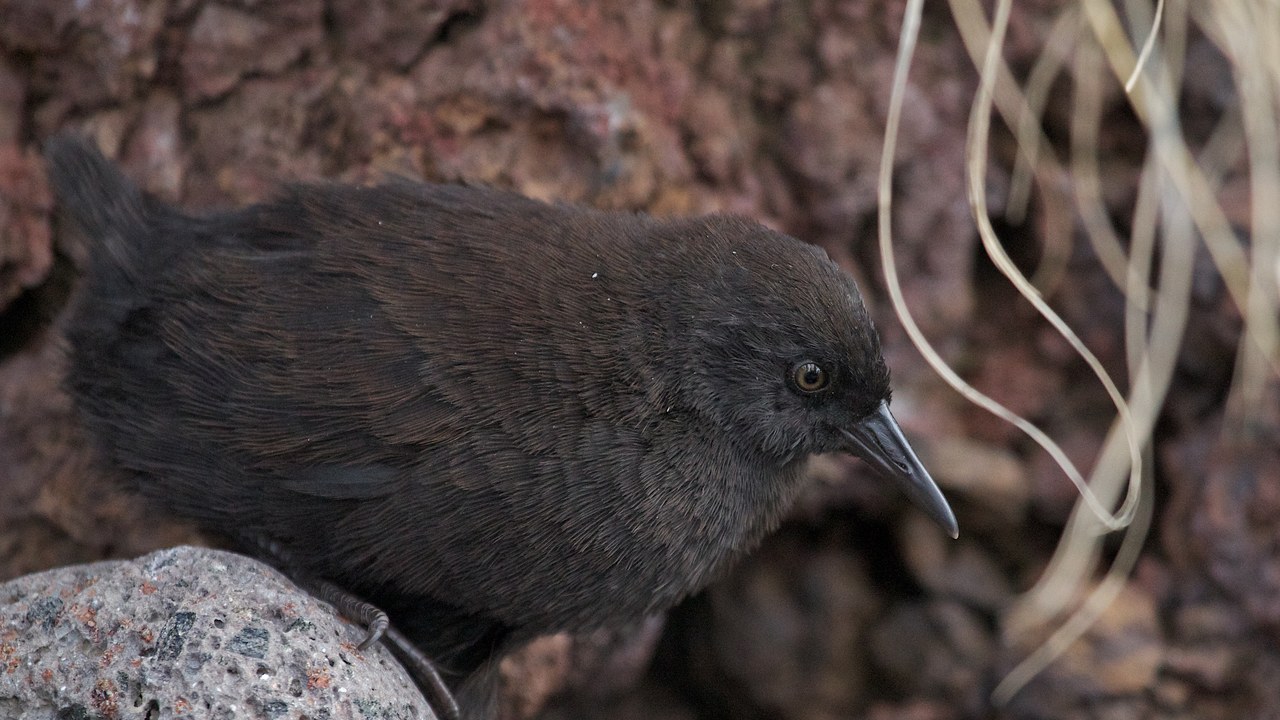
At 12.5 centimeters long and 34.7 grams, the Inaccessible Island rail is the smallest flightless bird, the Wikipedia flightless bird article states. It lives on a remote island in the South Atlantic, far from the plains of the giants.
Its size is the other end of the scale from the emu, and it explains the range in this list’s title. A bird this small shows that losing flight is not limited to heavy animals, and it can happen on isolated islands.
7. King penguin: A Penguin Among Them
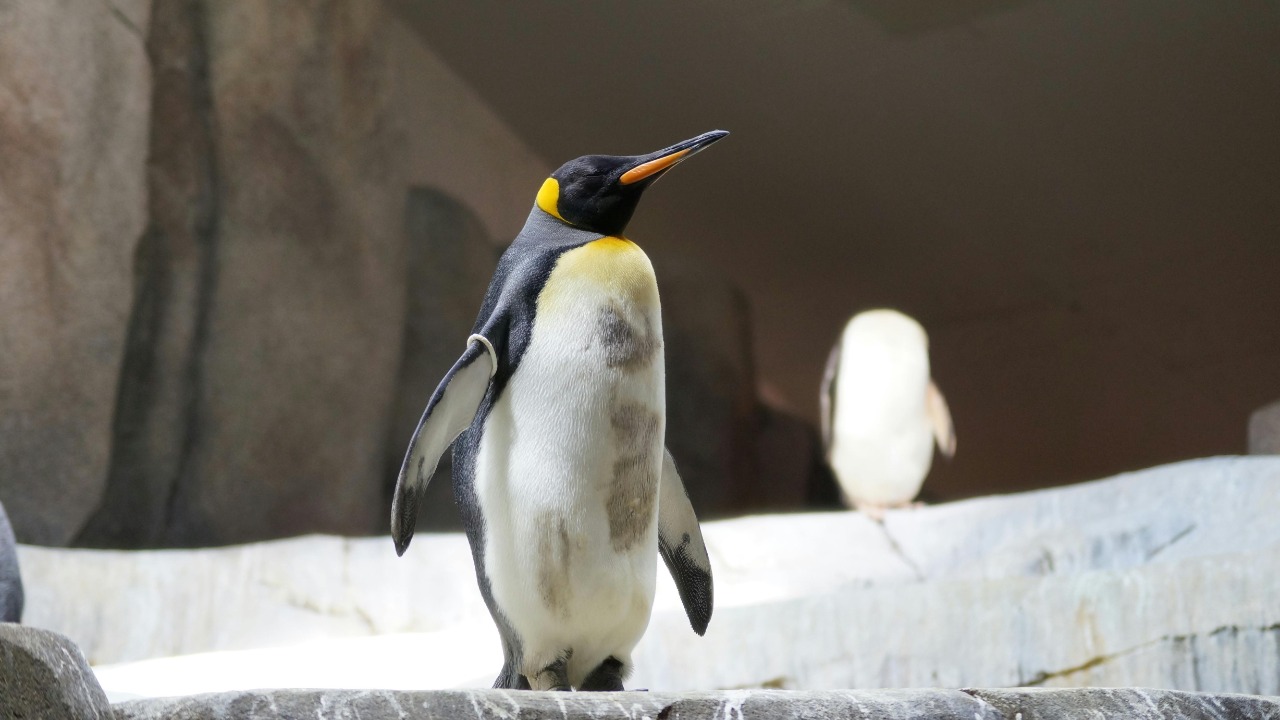
The king penguin appears among living flightless birds under the scientific name Aptenodytes patagonicus. Its wings work as flippers, not as tools for aerial travel, so the bird swims rather than flies. Alongside the penguins’ reputation for waddling on ice, that swimming ability is what defines their way of life.
Penguins are the most familiar flightless birds to many people, and the king penguin is one of the largest species. It shows that giving up flight can mean moving the same wing motion into the water.
8. Kakapo: The Flightless Parrot
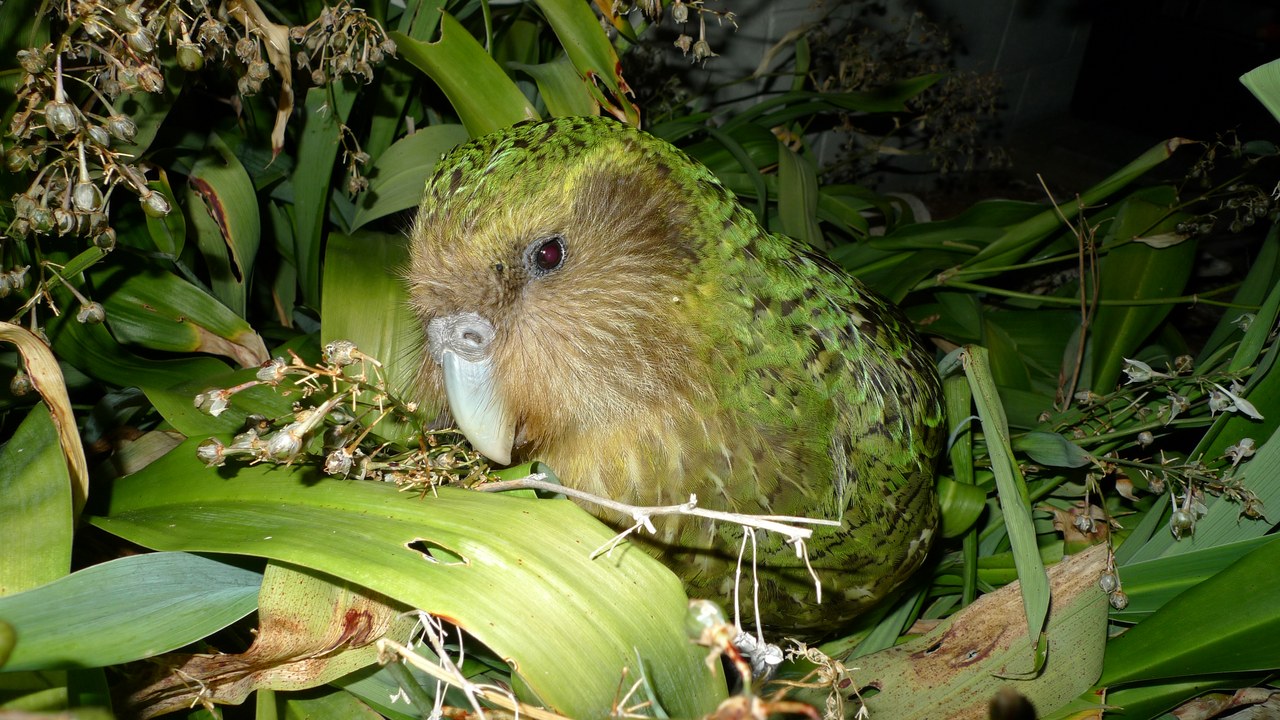
Strigops habroptilus, the kakapo, is listed among New Zealand’s flightless birds. It is a parrot, which makes it unusual, since the group is generally known for strong flight and bright aerial display. The bird instead moves about on foot, which sets it apart from every other parrot.
The kakapo is a reminder that flightlessness is not confined to the runners or the penguins. A parrot lineage lost flight too, and it did so on islands where land predators were historically absent.
9. Takahe: A Rail With Color
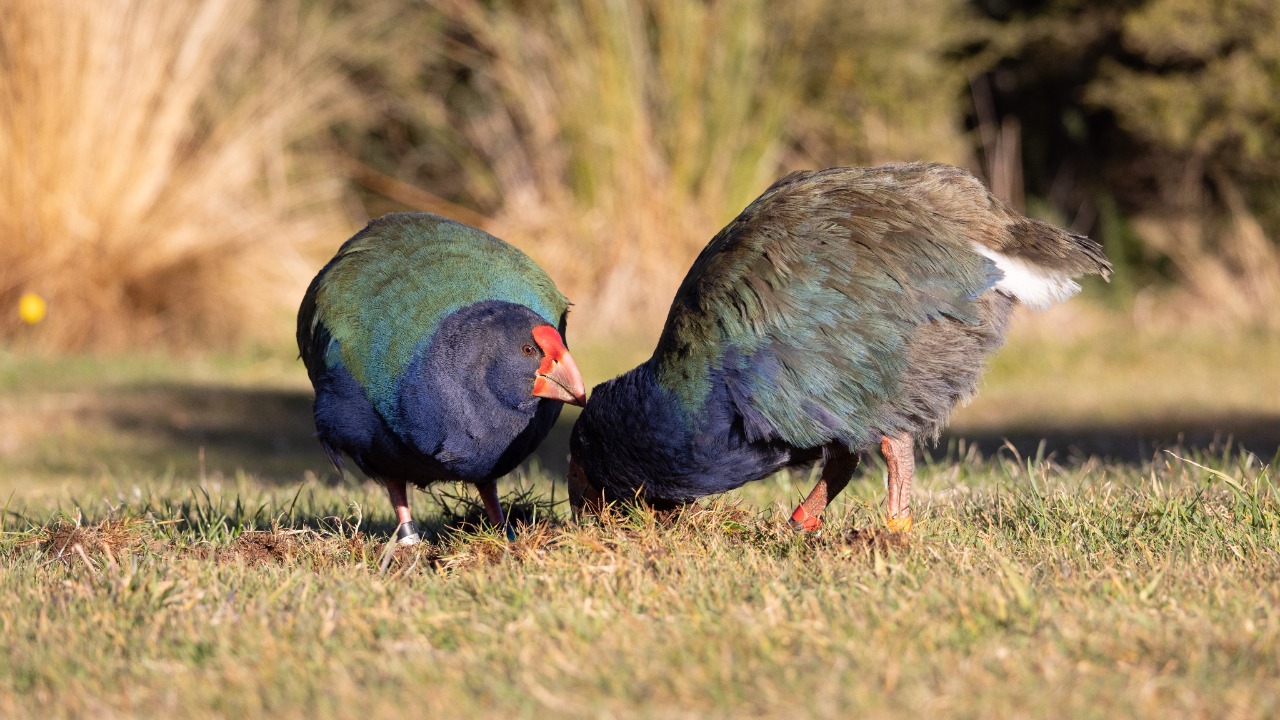
Porphyrio hochstetteri, the takahe, is another of New Zealand’s flightless birds. Its plumage carries blues and greens, and its thick bill is red, which gives it a look unlike most ground-dwelling birds.
It belongs to the rail family, as does the Inaccessible Island rail, yet the two are very different in size and appearance. Their shared lineage shows that rails have given up flight more than once and in different places.
10. Weka: An Island Scavenger
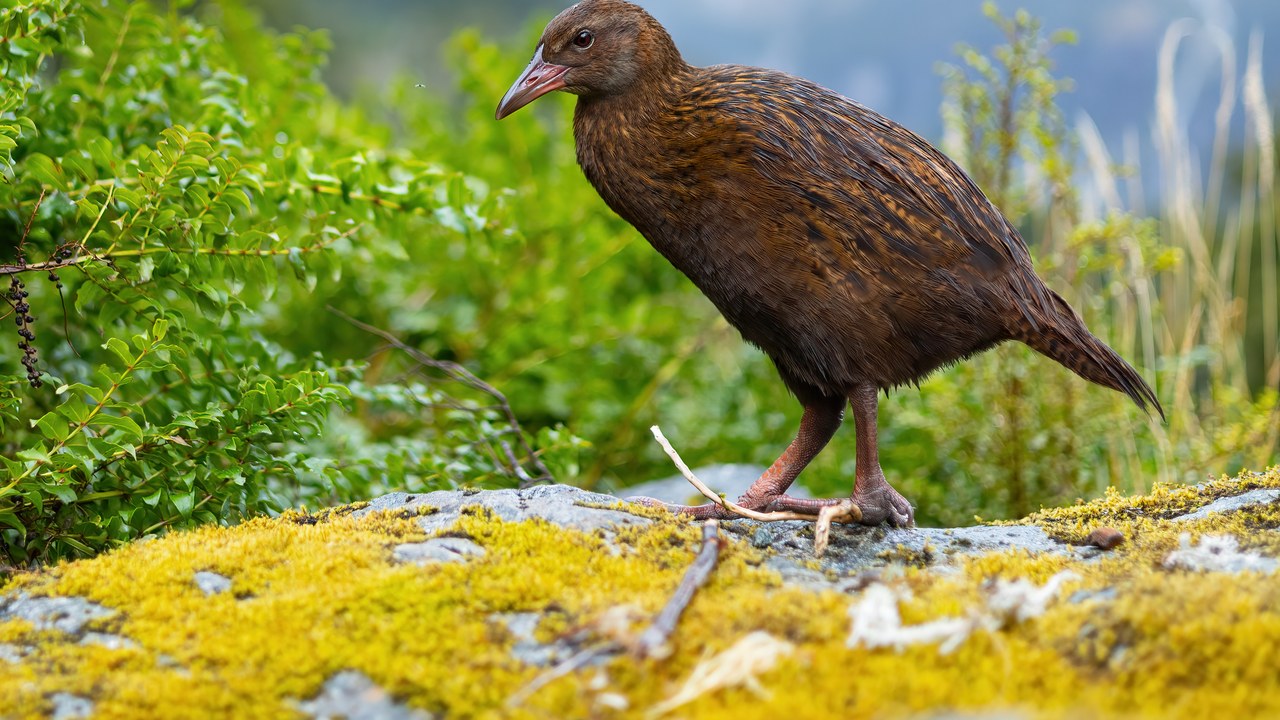
Gallirallus australis, the weka, is listed among New Zealand’s flightless birds. It is a brown, streaked rail that walks and forages on the ground in forest and scrub, rather than taking to the air.
Like the takahe, it is a rail that abandoned flight on New Zealand’s islands. Its modest size and ordinary coloring make it easy to overlook next to the giants, but it belongs in any count of living flightless birds.
11. Flightless cormorant: The Only Diving Cormorant
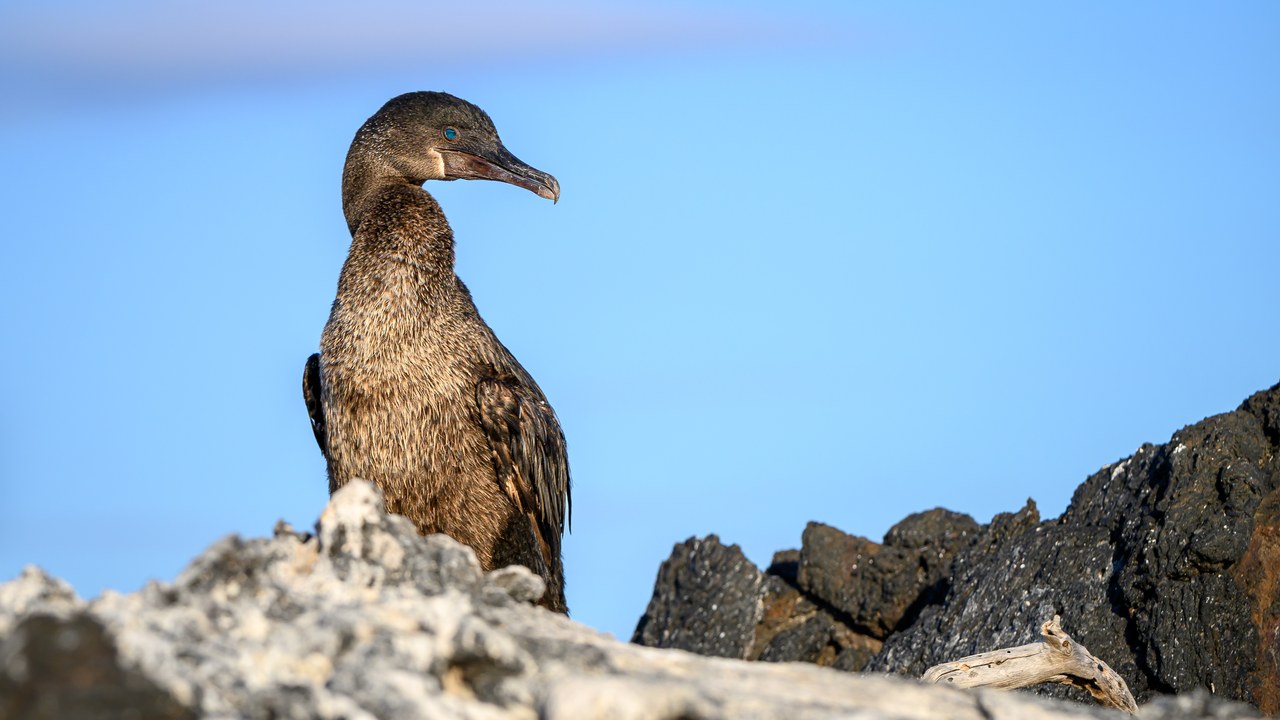
Nannopterum harrisi, the flightless cormorant, is listed among living flightless birds. It is a cormorant, a group otherwise known for flight and diving, and its wings are too small to lift the bird off the ground.
It completes the list with a seabird that gave up the air for the water. It also shows that flightlessness is not limited to landbirds, and that a marine bird can lose flight and still hunt successfully.
More from Morning Overview
- Common allergy, bladder and sleep pills tied to sharply higher dementia odds
- NOAA now gives this winter a 75% chance of the strongest El Nino since 1950
- Doctors warn a silent liver disease now affects one in three American adults
- The FBI told the rest of ShinyHunters to surrender after a 24-year-old was arrested
