
The Smithsonian’s Air and Space collection holds some of the most important flying machines and spacecraft ever built. Several are one-of-a-kind survivors rather than copies, and each can be seen in person in Washington without paying admission. These twelve objects are a good place to begin a visit.
1. 1903 Wright Flyer: The Machine That Started It
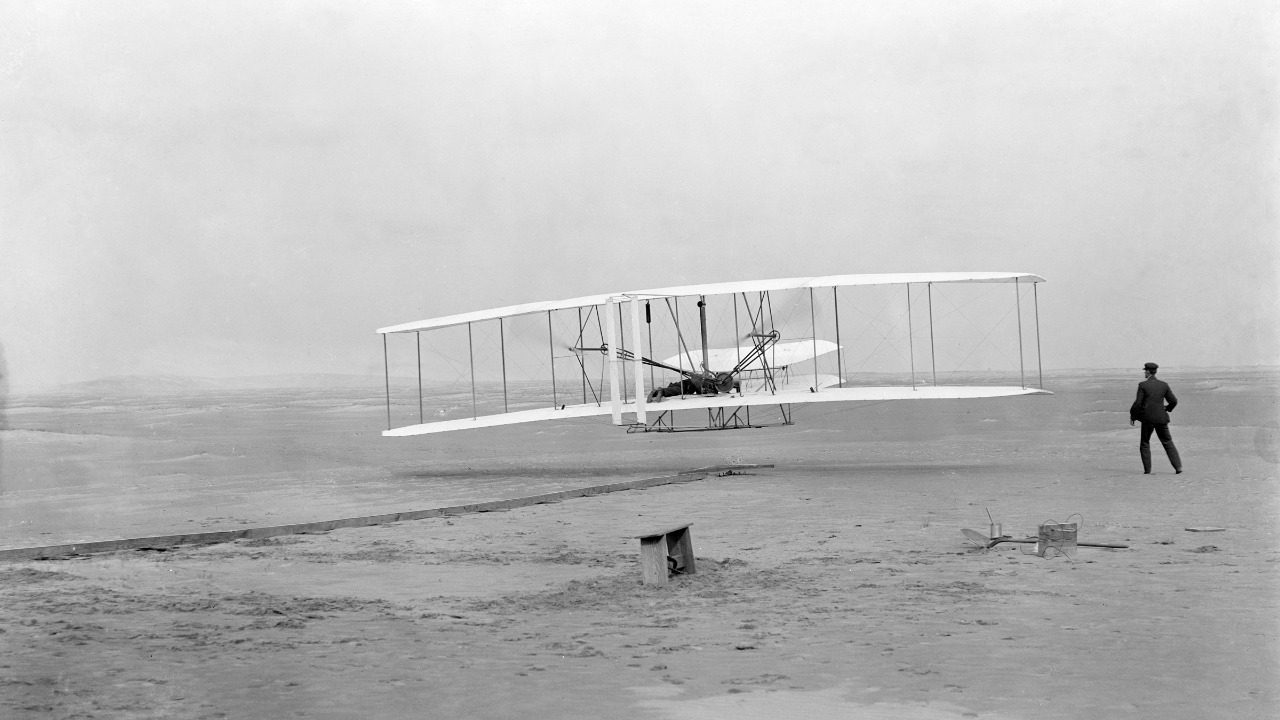
The museum lists the 1903 Wright Flyer first among its Washington highlights, and the order fits. It is a canard biplane with a small elevator ahead of the wings and two pusher propellers behind them, driven by a light engine the brothers built themselves. This is the original machine Orville and Wilbur Wright flew at Kitty Hawk, North Carolina, in December 1903.
The fabric, spruce framework and wire bracing show how slight the first powered, controlled aircraft really was. Standing in front of it makes every later machine on the floor read as a descendant, and admission to the Washington building is free.
2. Bell X-1 Glamorous Glennis: Orange Rocket, Named For A Wife
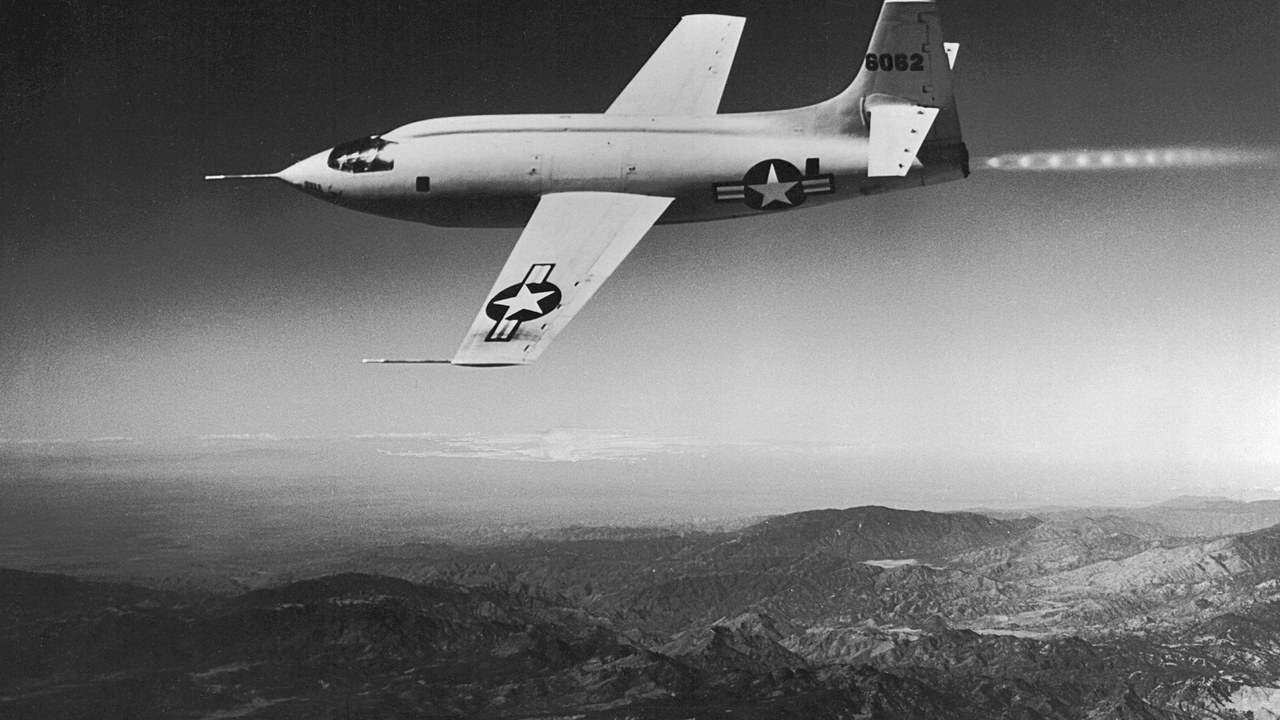
Painted bright orange with a mid-set wing, the Bell X-1 is another of the museum’s listed highlights. Chuck Yeager named this airframe Glamorous Glennis after his wife, and he flew it faster than sound on 14 October 1947. The rocket plane was carried aloft and released from a bomber before its engine fired.
The airframe is small, with a bullet-shaped fuselage and thin straight wings. Seen beside the larger aircraft around it, the cockpit and the cramped dimensions make the risk of that first supersonic flight easy to grasp. A generic X-1 photograph would not show this particular aircraft.
3. Apollo 11 Command Module Columbia: Home From The Moon
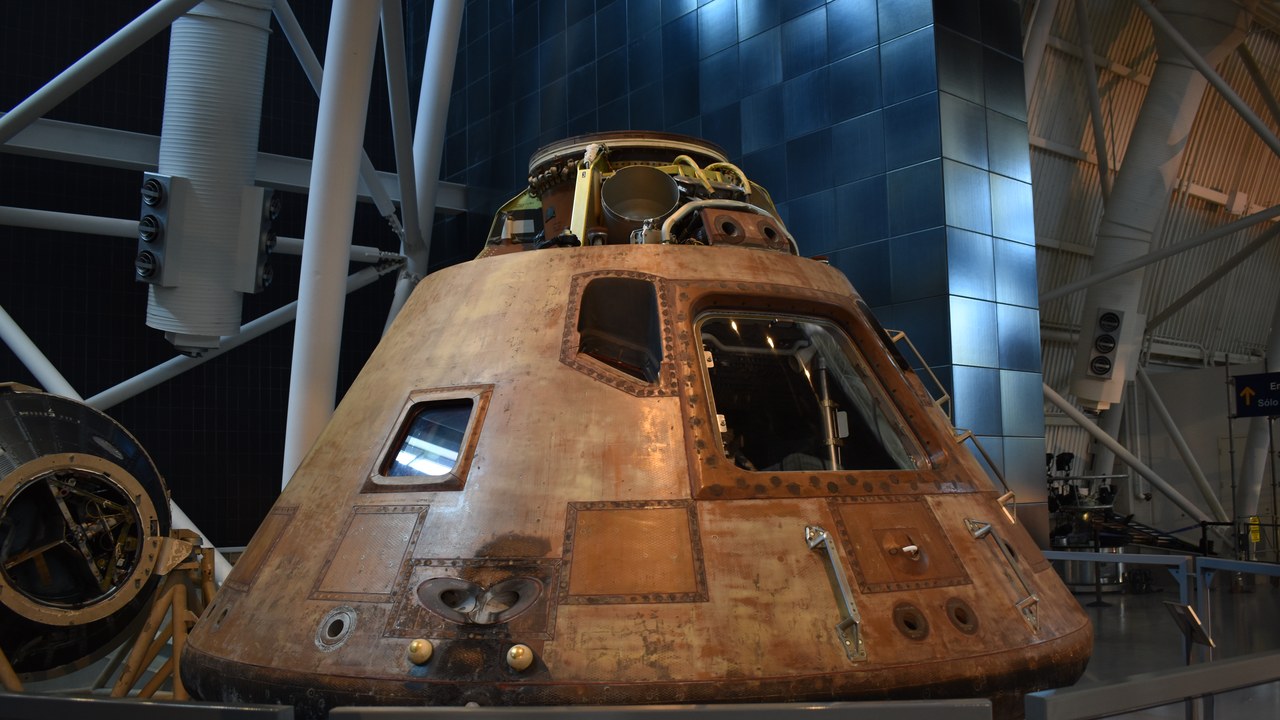
Columbia is the conical command module that carried Neil Armstrong, Buzz Aldrin and Michael Collins on the Apollo 11 mission, and the museum includes it among its Washington highlights. Collins stayed aboard it in lunar orbit while the other two descended in the lunar module. The capsule returned all three crew members to Earth in July 1969.
The scorched, weathered skin is the point. It is the only part of the Apollo 11 spacecraft that came back, and the heat-darkened surface and small windows show how little room three astronauts had for the trip.
4. Star Trek Starship Enterprise Studio Model: A Starship Among Real Spacecraft
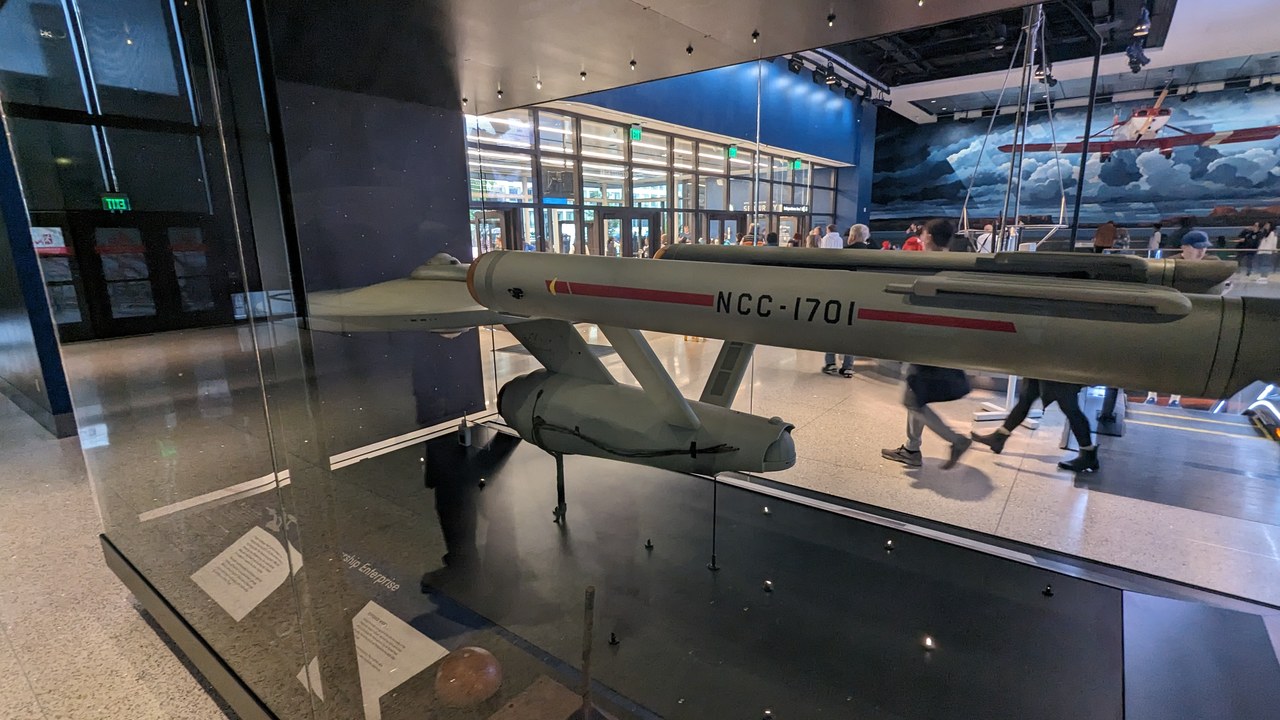
Not every object here flew. The television studio model of the starship Enterprise from Star Trek is displayed alongside the museum’s real spacecraft, which says something about how closely the series tracked the space age. It was built for the camera, not for flight, with the saucer section, neck and twin nacelles that became a fixture of popular culture.
Its presence gives the floor a lighter note and a useful comparison. Fiction sat next to fact, and many visitors may first have imagined spaceflight through this shape. The inclusion is a deliberate curatorial choice rather than an oversight.
5. Ryan NYP Spirit of St. Louis: A Silver Atlantic Crossing
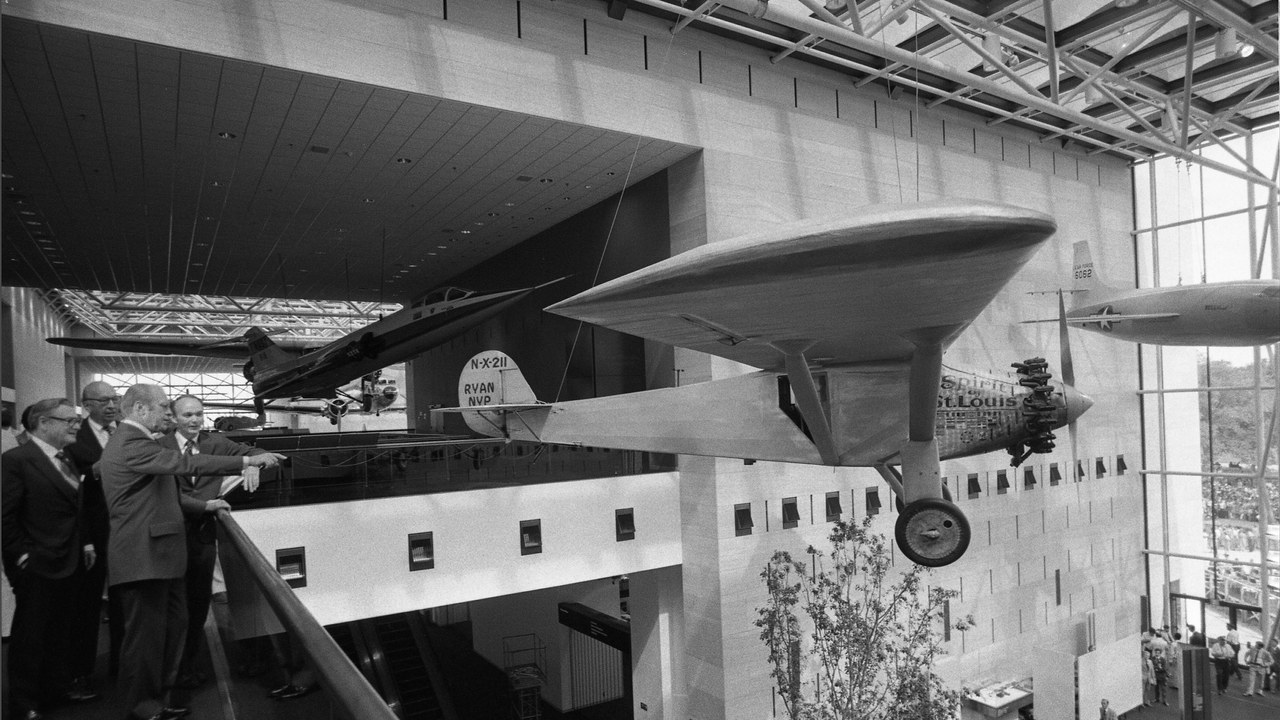
The Ryan NYP named Spirit of St. Louis is the silver single-engine, high-wing monoplane the Smithsonian ties to Charles A. Lindbergh. In May 1927 he flew it alone from New York to Paris, a trip of roughly thirty-three hours. The aircraft was built for one purpose, with its fuel carried ahead of the pilot.
The plain, polished fuselage looks modest for such a famous machine. Close inspection shows how much of the airframe exists to hold fuel, which explains why the pilot had no forward view without a periscope. It is one of the most recognised aircraft in the museum.
6. Lockheed Vega 5B: The Red Vega
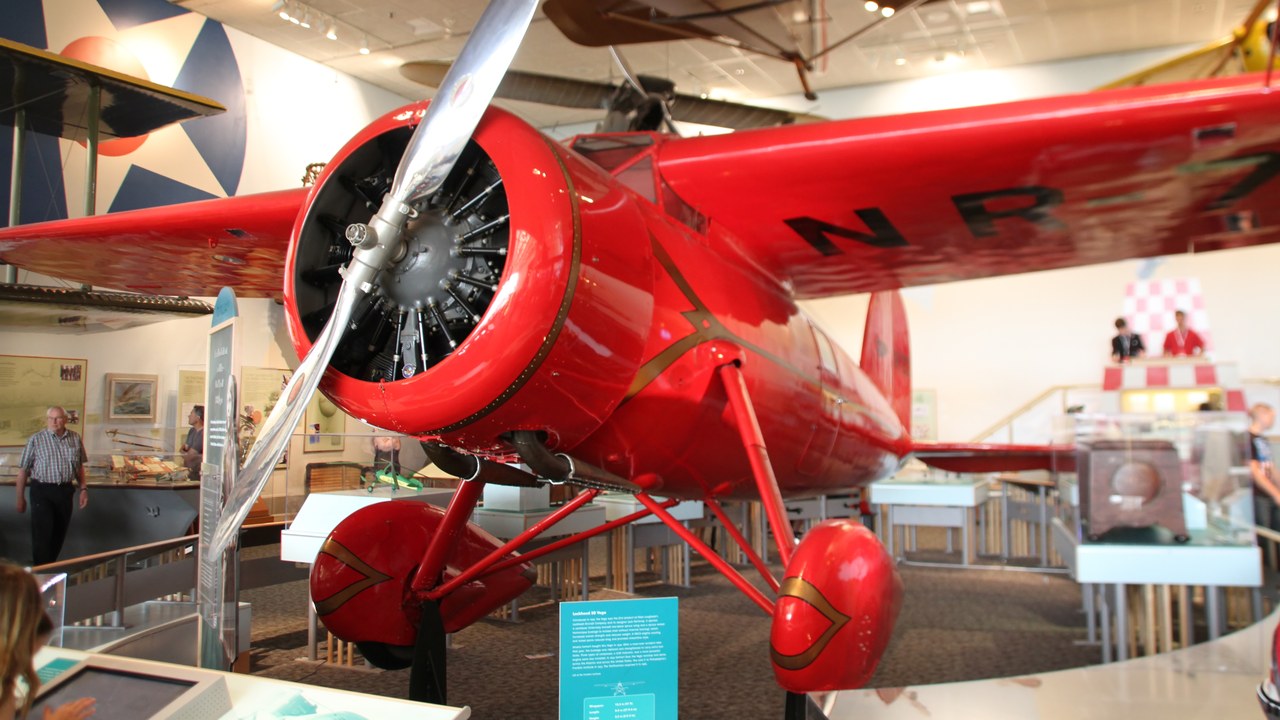
A glossy red Lockheed Vega 5B hangs among the aircraft that the National Air and Space Museum holds in Washington, and this one belonged to Amelia Earhart. She used the single-engine monoplane for her solo flight across the Atlantic in May 1932. The smooth, rounded fuselage and the engine cowling are typical of the type.
Earhart’s ownership separates this airframe from the many other Vegas built. The record flight made her the first woman to cross the Atlantic alone, and the aircraft remains a tangible link to that achievement more than ninety years later.
7. North American X-15: Black Rocket At The Edge Of Space
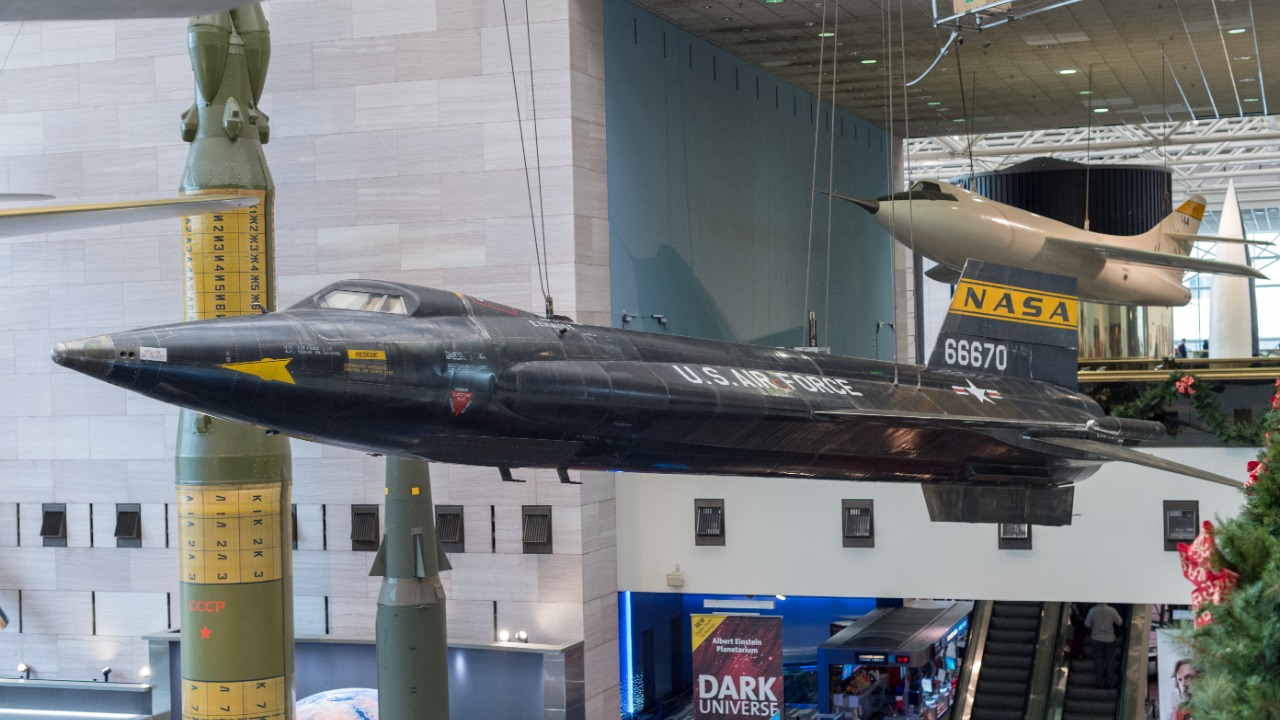
The North American X-15 is the black, rocket-shaped aircraft on the Smithsonian’s Washington highlights list. Dropped from a bomber at altitude, it ignited its own rocket engine and flew faster and higher than any ordinary aircraft of its day. Its pilots reached the edge of space before gliding back to a dry-lakebed landing.
The dark finish and short stub wings look more like a missile than a plane. That appearance is accurate, since the X-15 was a research vehicle meant to explore hypersonic flight, and its data fed directly into later spacecraft design.
8. Sopwith F.1 Camel: A Fighter From The Great War
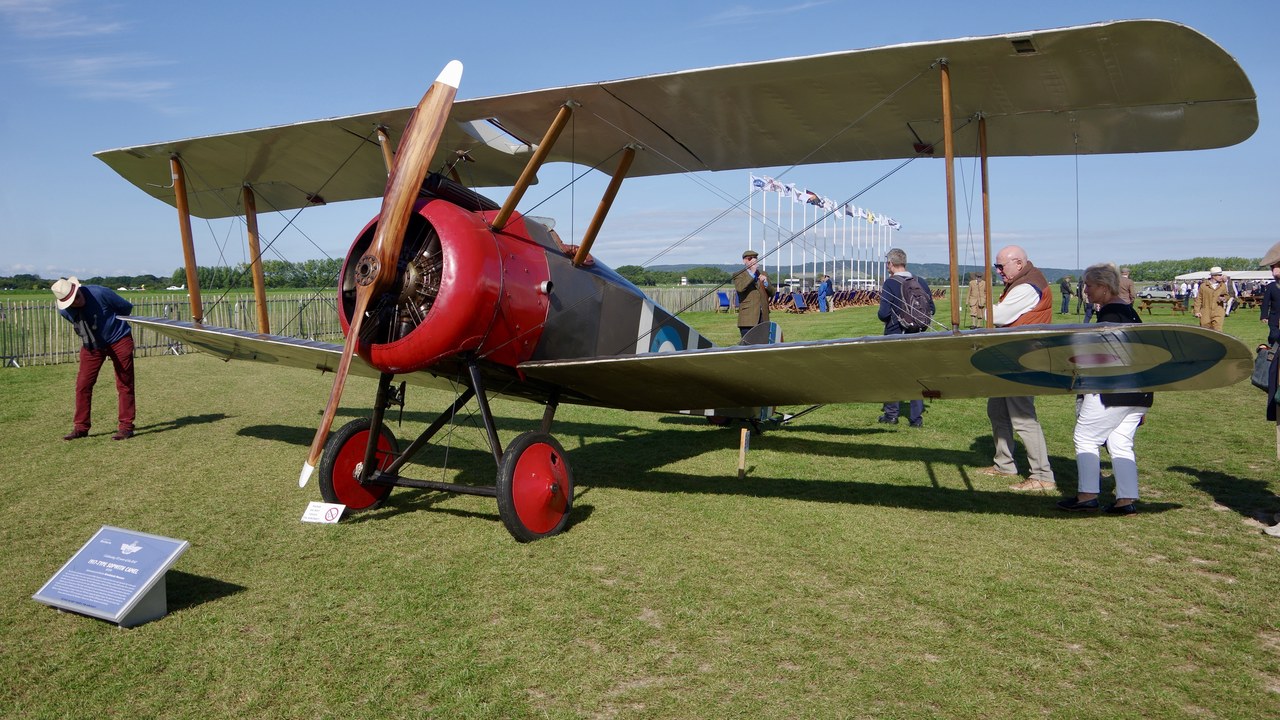
The Sopwith F.1 Camel was a single-seat First World War biplane fighter, and the museum counts an example among its Washington highlights. It carried twin machine guns mounted ahead of the pilot and was known for sharp handling in a turn. The type became one of the best-known British fighters of the war.
The small wooden frame and fabric covering contrast with the metal aircraft that dominate the rest of the collection. It shows how quickly military aviation developed after 1903, from fragile experiments to practical weapons within a single decade.
9. SpaceShipOne: The Private Spaceplane
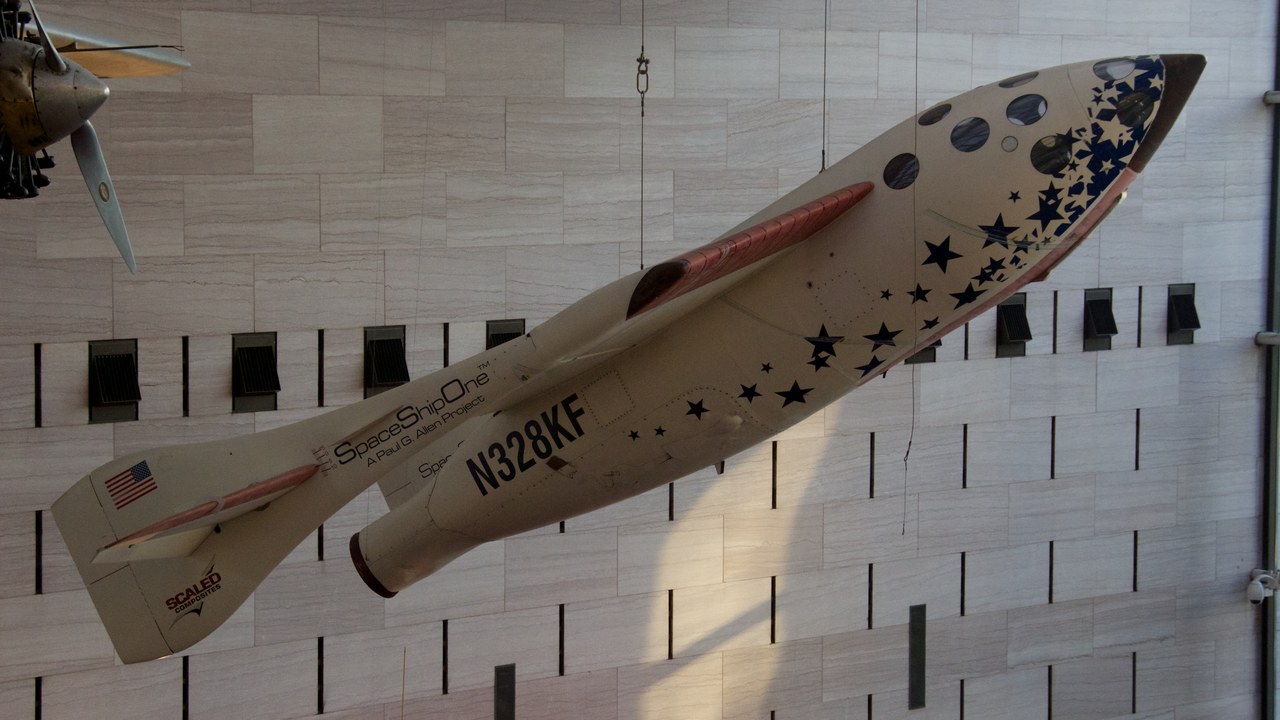
SpaceShipOne was a privately funded suborbital spaceplane, and it won the Ansari X Prize in 2004 by reaching space twice within two weeks with the same vehicle. The Smithsonian now keeps it, and the Ansari X Prize victory remains its main claim. It was built by Scaled Composites, a small company, rather than a government agency.
Its compact white fuselage and blue star pattern look almost toy-like beside older government spacecraft. The craft shows that a crewed flight to space no longer needed a national programme, which opened the way for later commercial ventures.
10. Friendship 7: The First American Orbit
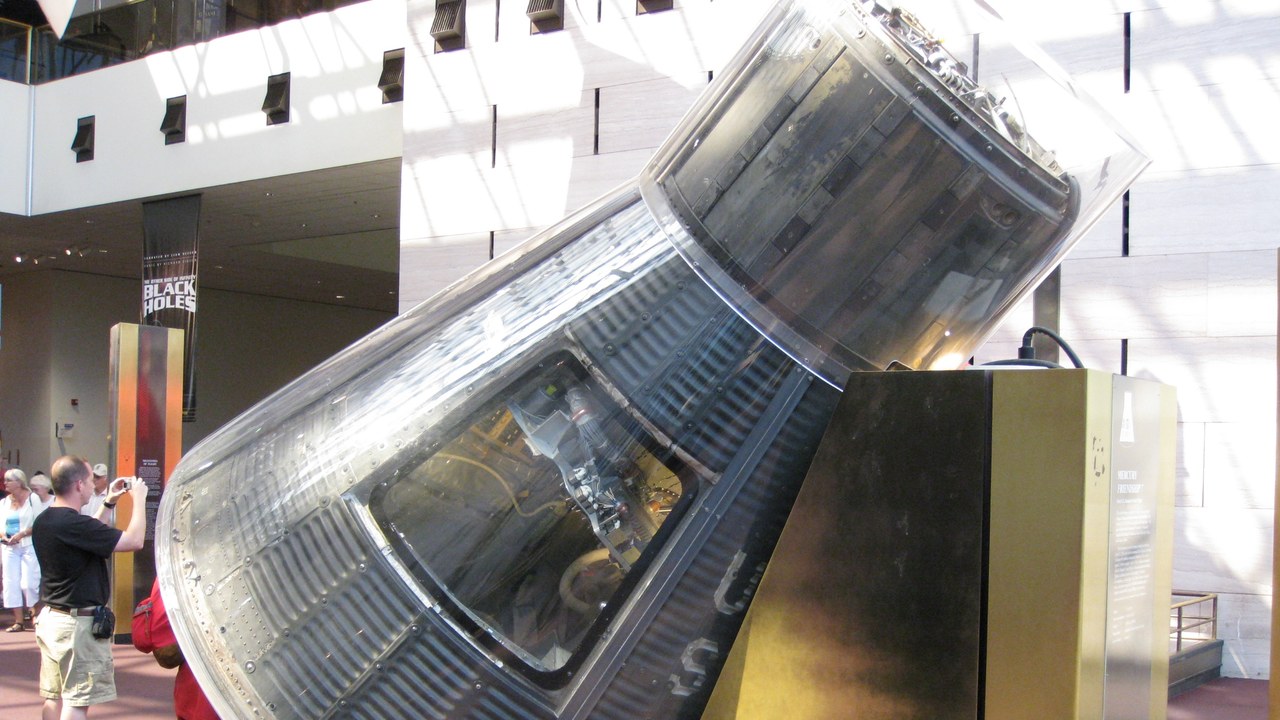
John Glenn rode this Mercury capsule through three orbits of Earth on February 20, 1962, the flight that made him the first American to circle the planet. The spacecraft came back scorched along its blunt heat shield, and the National Air and Space Museum has kept it on display in Washington ever since its post-flight world tour. Friendship 7 sits close to the museum’s other milestone craft.
The capsule is small enough to surprise visitors who expect something larger, a one-man cabin barely wider than its occupant and fitted around a single couch. Its scars are the point: this is flown hardware, not a mockup.
11. Ford 5-AT Tri-Motor: The Tin Goose
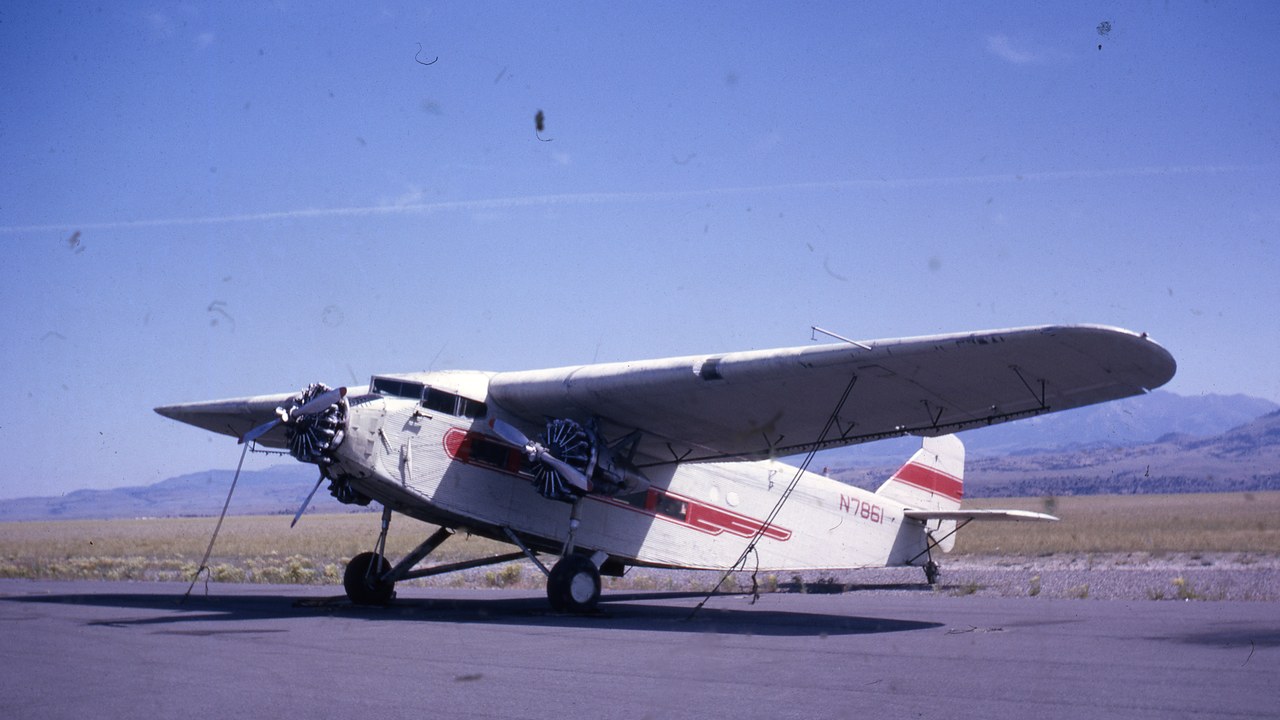
Ford’s 5-AT was an all-metal three-engine airliner of the late 1920s, nicknamed the Tin Goose for its corrugated aluminium skin. One engine sat in the nose and one hung under each wing. The ribbed metal gave strength without the fabric covering common on earlier passenger aircraft.
The Trimotor helped persuade the public that commercial air travel could be safe and practical. Its rough, ribbed surface and boxy shape look dated now, but the design pointed toward the metal airliners that came after it.
12. Lunar Module LM-2: A Lander That Never Flew
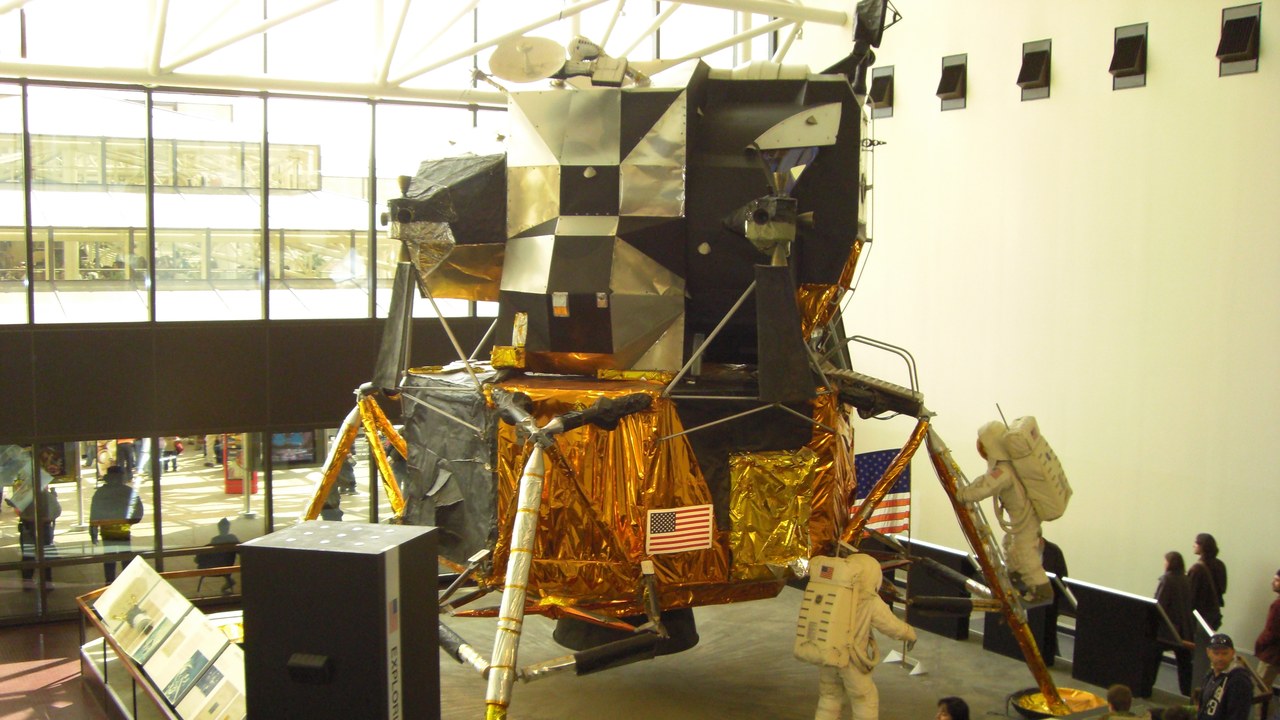
Lunar Module LM-2 is a flight-built Apollo lunar module that was never launched into space and was instead used for ground testing. It has the spindly legs, gold-coloured foil and angular crew cabin of the vehicles that landed on the Moon. Spacecraft engineers rely on such test articles to prove designs before crews depend on them.
The vehicle shows what Apollo hardware looked like up close without the Moon as backdrop. Its unflown status is a useful reminder that for every landing craft that reached the surface, others stayed on the ground to make those landings possible.
More from Morning Overview
